
Buying a new vehicle is supposed to feel exciting and rewarding, but for many consumers, the experience quickly turns into disappointment. Some vehicles fail to meet expectations after only a few weeks of ownership because of poor ride quality, uncomfortable interiors, weak reliability, frustrating technology, or fuel economy that falls far short of advertised promises.
In certain cases, buyers become so dissatisfied that they trade the vehicle back in almost immediately, sometimes taking major financial losses simply to get rid of it.
Vehicle return and rapid trade-in data reveal patterns that go beyond simple buyer remorse. Certain models consistently appear on lists of vehicles owners abandon early because expectations and real-world experiences do not match.
Marketing campaigns often create excitement around styling, performance, or innovation, but daily ownership exposes weaknesses that become impossible for drivers to ignore.
Another important factor is changing buyer priorities. Some consumers purchase vehicles based on appearance or trends without fully considering practicality, comfort, maintenance costs, or long-term reliability.
Once the honeymoon phase disappears, problems such as cramped cabins, harsh suspensions, confusing controls, or disappointing performance become far more noticeable. This leads many owners to trade the vehicle in far earlier than planned.
Technology also plays a major role in modern dissatisfaction. Some vehicles include advanced infotainment systems and electronic features that sound impressive in advertisements but frustrate owners in everyday use.
Transmission behavior, visibility issues, uncomfortable seating, and excessive road noise are other common reasons buyers decide to walk away quickly.
Importantly, appearing on this list does not necessarily mean these vehicles are complete failures. Many still have loyal fans and sell in strong numbers.
However, they also generate unusually high levels of early owner frustration compared with competitors. Rapid return rates often indicate a gap between expectations and reality rather than catastrophic flaws alone.
The following vehicles became known for being among the most commonly returned or quickly traded models after purchase. Whether because of reliability concerns, disappointing driving experiences, or practicality issues, these vehicles left enough buyers dissatisfied that many owners chose to move on far sooner than expected.
Also Read: 8 Cars With Real Steel Bumpers Sold After 2010
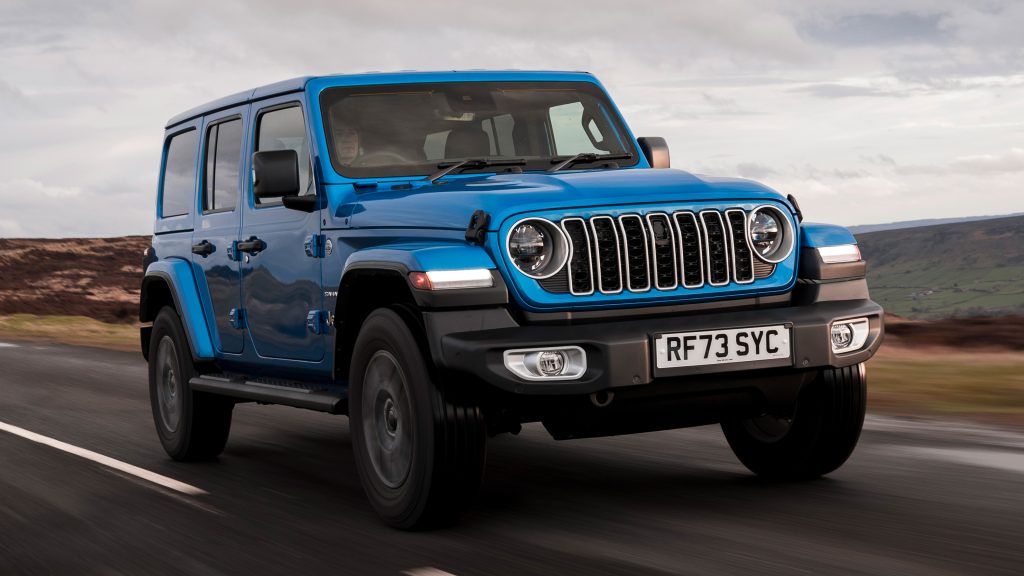
1. Jeep Wrangler
The Jeep Wrangler attracts buyers with an image few vehicles can match. Rugged styling, removable doors, off-road capability, and a sense of adventure make it feel exciting before ownership even begins.
Many consumers imagine weekend trail driving, beach trips, and open-air cruising. Yet once daily reality sets in, a surprising number of owners decide the Wrangler is far less enjoyable than expected and quickly trade it back in.
One major reason involves ride quality. The Wrangler remains heavily focused on off-road capability, which means it drives very differently from modern crossovers and SUVs.
Solid axles, aggressive tires, and body-on-frame construction create a rougher and noisier experience on normal roads. Drivers coming from refined family SUVs often become frustrated by constant bouncing, wind noise, and vague steering during highway commuting.
Interior comfort also disappoints some buyers. While newer Wranglers have improved materials and technology significantly, the cabin still prioritizes durability over refinement.
Long trips can become tiring because the road and tire noise remain much higher than in competitors. Rear seat comfort and cargo practicality also fall short of what many families expect from SUVs at similar price points.
Fuel economy becomes another unpleasant surprise. Largely boxy aerodynamics create poor efficiency, especially in lifted or heavily optioned models. Owners who purchased the Wrangler mainly for style sometimes realize they are paying substantial fuel costs without actually using the vehicle’s off-road strengths.
Reliability concerns contribute to early returns as well. Some owners report issues involving electrical systems, roof leaks, suspension wear, or inconsistent build quality. Even smaller problems feel more frustrating when buyers already struggle with daily comfort compromises.
The Wrangler still has extremely loyal fans who love its unique personality. Enthusiasts willing to accept the sacrifices often keep them for years. However, many first-time buyers discover too late that living with a Wrangler every day requires more compromise than expected.
That gap between fantasy and reality explains why so many consumers return or trade them shortly after purchase. The Wrangler succeeds brilliantly as a lifestyle vehicle, but it often frustrates drivers wanting ordinary SUV comfort and refinement.
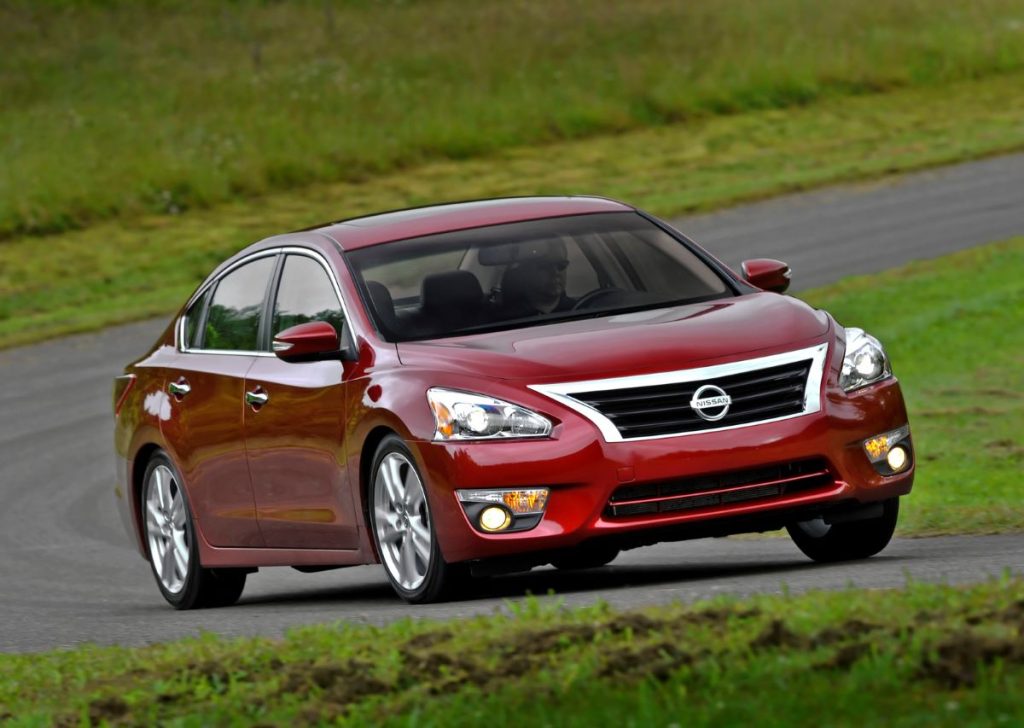
2. Nissan Altima
The Nissan Altima has remained one of America’s most recognizable midsize sedans for years, yet it has also developed a reputation for disappointing a significant number of owners shortly after purchase.
Many buyers initially choose the Altima because of attractive pricing, comfortable seating, and strong fuel economy figures. However, long-term satisfaction often drops quickly once drivers begin noticing issues that advertisements rarely highlight.
Transmission behavior remains one of the biggest complaints. Nissan relied heavily on continuously variable transmissions in the Altima, and many consumers found the driving experience frustrating. Instead of smooth and responsive acceleration, some owners describe hesitation, droning engine noise, or rubber band-like power delivery.
Drivers expecting the feel of a traditional automatic transmission often become dissatisfied within months.
Reliability concerns also hurt owner confidence. Earlier generations especially became associated with costly CVT failures, and that reputation continues to affect buyer perceptions today. Even owners who avoid major mechanical problems sometimes worry constantly about expensive repairs after warranties expire.
Interior quality creates mixed reactions as well. At first glance, the Altima appears comfortable and modern enough for daily commuting. Yet some buyers later complain about cheap-feeling materials, cabin rattles, or infotainment systems that feel outdated compared with rivals from Honda or Toyota.
Another issue involves driving excitement. The Altima markets itself as a stylish and sporty sedan, but many owners ultimately find the handling uninspiring and disconnected. Competitors often provide a more engaging steering feel and smoother full refinement.
Rapid depreciation also contributes to early trade-ins. Buyers who financed heavily sometimes become frustrated seeing resale values fall faster than expected. Combined with transmission concerns, this pushes many owners toward trading the vehicle earlier than planned.
Despite these criticisms, the Altima still works well for some drivers. Comfortable seats and strong highway fuel economy make it appealing for commuting. Yet many consumers expecting a balanced midsize sedan experience end up feeling disappointed once they compare daily ownership realities against stronger competitors in the segment.
That combination of transmission dissatisfaction, reliability anxiety, and average refinement helps explain why the Altima frequently appears among vehicle owners who return or replace relatively quickly after purchase.
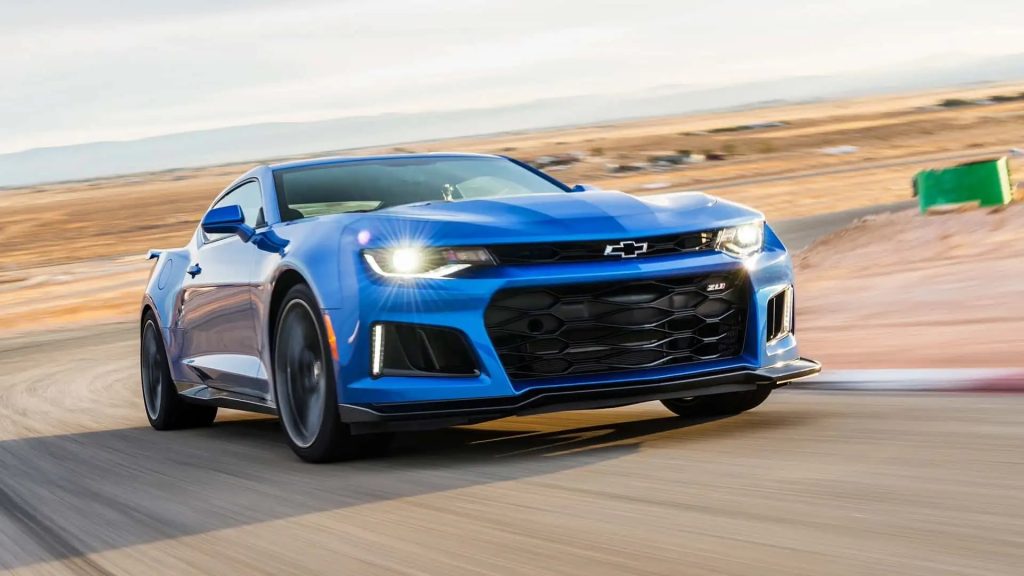
3. Chevrolet Camaro
The Chevrolet Camaro delivers aggressive styling and strong performance, which explains why so many buyers fall in love with it at dealerships. Powerful engines, muscular bodywork, and the promise of sports car excitement make the Camaro feel thrilling during test drives.
Yet a large number of consumers later realize that living with the car every day can become frustrating, leading many owners to trade it in surprisingly quickly.
Visibility stands out as one of the biggest complaints. The Camaro’s low roofline and narrow windows create a dramatic appearance, but they also make outward visibility extremely limited.
Parking, lane changes, and moving through heavy traffic can feel more stressful than many buyers expect. Some owners even mention that they underestimated how challenging the car would feel during everyday commuting situations.
Interior practicality creates another issue. Rear seats are extremely cramped, cargo space is limited, and getting in or out can feel awkward, especially for taller passengers. Buyers attracted by the sporty image sometimes discover they need far more practicality than the Camaro can realistically provide.
Ride quality varies depending on trim level, though many versions feel stiff during daily driving. Rough roads and long commutes can become tiring, particularly with larger wheels and performance-oriented suspension setups. Fuel economy also disappoints buyers choosing V8 models mainly for image rather than serious performance driving.
Technology frustrations contribute as well. Some owners complain about infotainment usability, while others dislike the cabin layout and visibility around the dashboard. Although the Camaro performs impressively on open roads, it can feel claustrophobic and inconvenient in city environments.
Another factor involves changing expectations after the excitement fades. Buyers often purchase sports cars emotionally, then later realize the compromises no longer feel worthwhile once the novelty disappears. Insurance costs and maintenance expenses can also become unpleasant surprises.
The Camaro remains deeply appealing to enthusiasts who value performance above convenience. However, many ordinary consumers discover that owning one every day demands sacrifices they did not fully consider before the purchase.
That disconnect between emotional excitement and real-world practicality helps explain why the Camaro frequently appears among vehicles traded in shortly after buying.
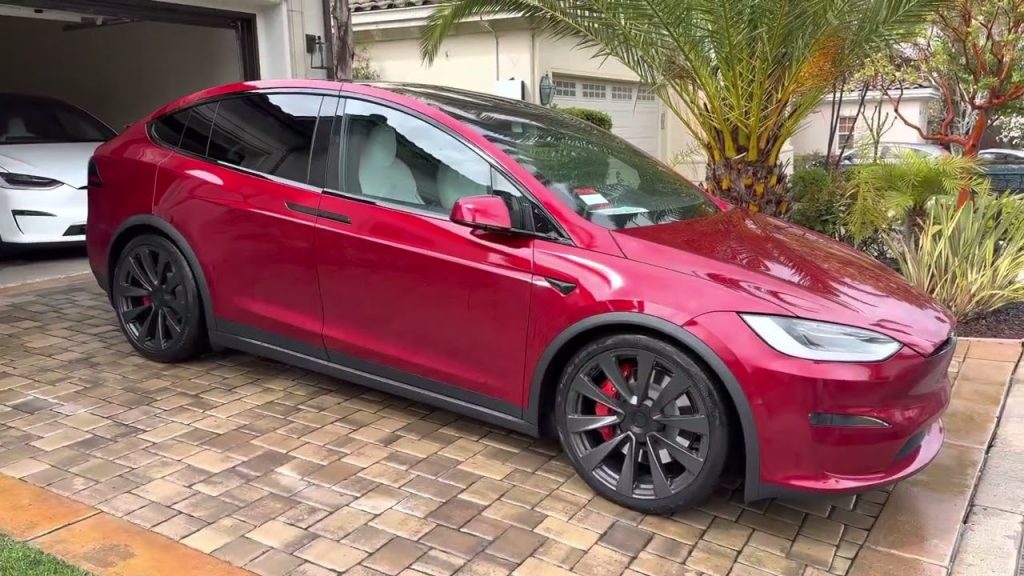
4. Tesla Model X
The Tesla Model X attracted enormous attention because of its futuristic design, electric performance, and dramatic Falcon-wing doors. Early buyers viewed it as a view into the future of luxury transportation.
However, despite impressive technology and rapid acceleration, the Model X also became known for frustrating many owners enough that significant numbers traded or returned them shortly after purchase.
Complexity plays a major role in owner dissatisfaction. The falcon-wing doors look spectacular in advertisements and parking lots, but many consumers later found them impractical in tight spaces or unreliable over time. Sensors, motors, and alignment systems occasionally created operational problems that turned a signature feature into a source of daily frustration.
Interior usability creates mixed reactions, too. The minimalist dashboard design appeals to technology enthusiasts, yet some buyers miss traditional controls and physical buttons.
Nearly every function routed through the touchscreen can become frustrating during everyday driving, since even simple adjustments require going through multiple menus instead of using direct physical controls.
Build quality complaints also affected the vehicle’s reputation. Some owners reported panel alignment problems, rattles, inconsistent paint quality, or interior trim issues that felt unacceptable at luxury price levels.
Even buyers impressed by the electric drivetrain sometimes became disappointed by assembly quality compared with established premium brands.
Ride comfort and handling opinions vary heavily. Instant acceleration feels exciting, but the large SUV’s weight becomes noticeable during aggressive driving. Some owners also felt suspension tuning failed to match the luxury expectations created by the vehicle’s price.
Charging infrastructure anxiety still influences certain buyers as well. While Tesla maintains one of the strongest charging networks, long-distance travel planning remains more complicated than owning a gasoline SUV for some families.
Depreciation became another concern in periods when Tesla repeatedly adjusted pricing. Owners occasionally watched resale values change dramatically within short timeframes, creating financial frustration.
The Model X remains technologically impressive and incredibly quick, yet many consumers discovered they preferred a more traditional luxury SUV experience after living with Tesla’s unconventional approach.
That mixture of complicated features, inconsistent build quality, and usability frustrations helped make the Model X one of the more commonly returned premium vehicles after purchase.
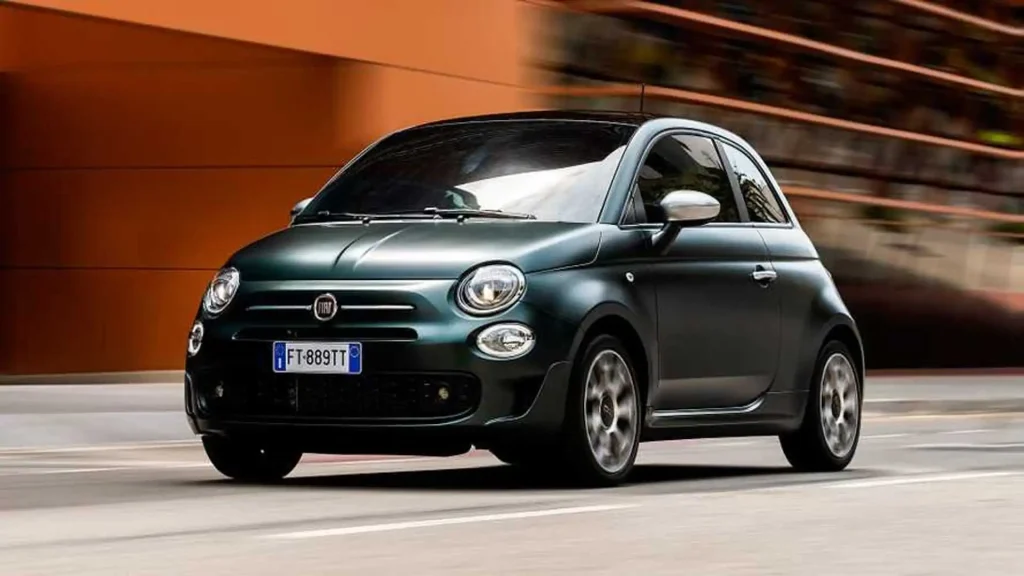
5. Fiat 500
The Fiat 500 entered the market with retro styling, compact dimensions, and a playful personality that immediately attracted urban buyers. Many consumers loved the car’s European character and unique appearance compared with ordinary economy cars.
Unfortunately, ownership experiences often became far less charming after the excitement faded, leading many buyers to trade the vehicle quickly.
One of the biggest complaints involves interior space. The Fiat 500 looks tiny from the outside because it genuinely is tiny.
Drivers who believed they could comfortably use it as an everyday commuter sometimes discovered that passenger room, cargo capacity, and general practicality were extremely limited. Even simple grocery trips could become frustrating because of the small hatch area.
Ride quality also surprised many owners negatively. Short wheelbases and lightweight construction created a bouncy feeling on rough roads, while highway stability sometimes felt nervous at higher speeds. Wind and road noise further reduced comfort during longer trips.
Reliability concerns damaged owner satisfaction significantly. Electrical problems, transmission complaints, and inconsistent build quality appeared frequently in owner reports. Some drivers experienced repeated dealer visits within relatively short ownership periods, quickly erasing the excitement that originally attracted them to the car.
Performance varied depending on the engine, though many versions felt underpowered once buyers started driving regularly in heavy traffic. The sporty Abarth trim solved some acceleration complaints but introduced firmer ride quality and louder cabin noise that limited comfort even further.
Another challenge involved resale value. Depreciation hit the Fiat 500 hard in many markets, leaving owners frustrated when attempting to trade or sell the car later. Combined with reliability anxiety, this encouraged rapid turnover among disappointed buyers.
The Fiat 500 still appealed strongly to drivers wanting personality and compact maneuverability. However, many consumers realized too late that style alone could not compensate for weak practicality, inconsistent quality, and limited long-distance comfort.
That disconnect between emotional attraction and daily usability explains why so many owners moved on quickly after purchasing one.
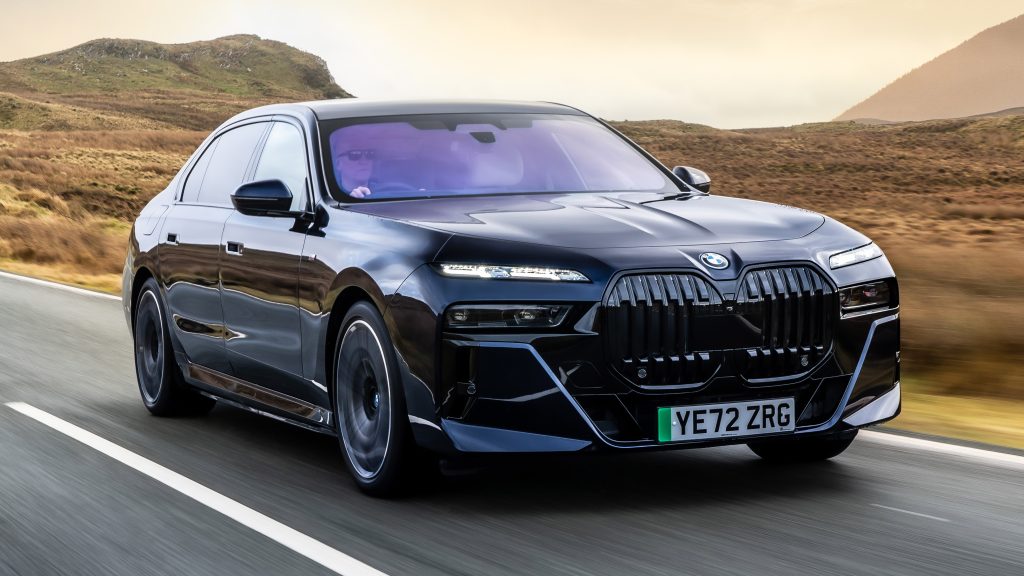
6. BMW 7 Series
The BMW 7 Series represents luxury, technology, and prestige at first glance. Buyers entering showrooms often become impressed by the advanced features, smooth performance, and premium cabin materials.
Yet despite its status as BMW’s flagship sedan, the 7 Series also developed a reputation for disappointing many owners after purchase, especially once real-world maintenance and reliability concerns appeared.
Complex technology sits at the center of both the car’s strengths and weaknesses. The 7 Series includes cutting-edge electronics, advanced suspension systems, luxury convenience features, and powerful engines.
While impressive initially, these systems can become expensive and frustrating as problems develop. Owners frequently report issues involving infotainment systems, air suspension components, sensors, and electrical functions.
Repair costs shock many first-time luxury buyers. Routine maintenance alone costs substantially more than mainstream vehicles, and unexpected repairs can quickly become overwhelming once warranties expire.
Some owners trade the vehicle early simply to avoid the long-term financial risk associated with aging German luxury sedans.
Depreciation also contributes heavily to owner dissatisfaction. The 7 Series loses value rapidly, meaning buyers who financed heavily may discover the car depreciated far faster than expected. This often motivates early trade-ins before repair costs begin increasing significantly.
Driving dynamics create mixed opinions, too. While the sedan delivers impressive highway comfort and strong acceleration, some owners feel the large size and focus on luxury reduce the engaging driving character they expected from BMW. Others become frustrated by overly complicated controls and excessive reliance on digital interfaces.
Fuel economy can disappoint as well, particularly in larger engine versions. Combined with expensive insurance and maintenance costs, ownership becomes far more costly than many buyers originally anticipated.
Still, the 7 Series remains deeply appealing to consumers wanting luxury and advanced technology. When functioning properly, it delivers an exceptionally refined driving experience. However, many owners eventually decide that the stress of maintenance costs, depreciation, and electronic complexity outweighs the benefits.
That combination of luxury expectations and long-term ownership frustration explains why the BMW 7 Series frequently appears among vehicles consumers replace or return relatively quickly after buying.
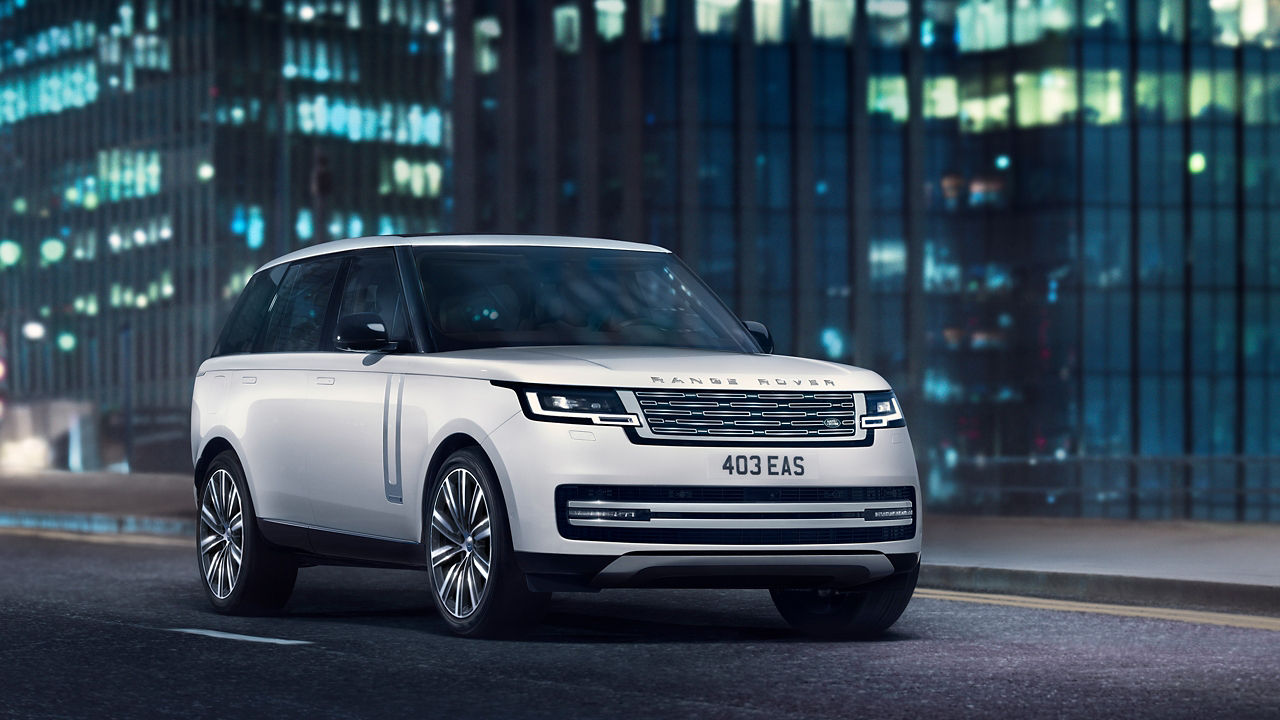
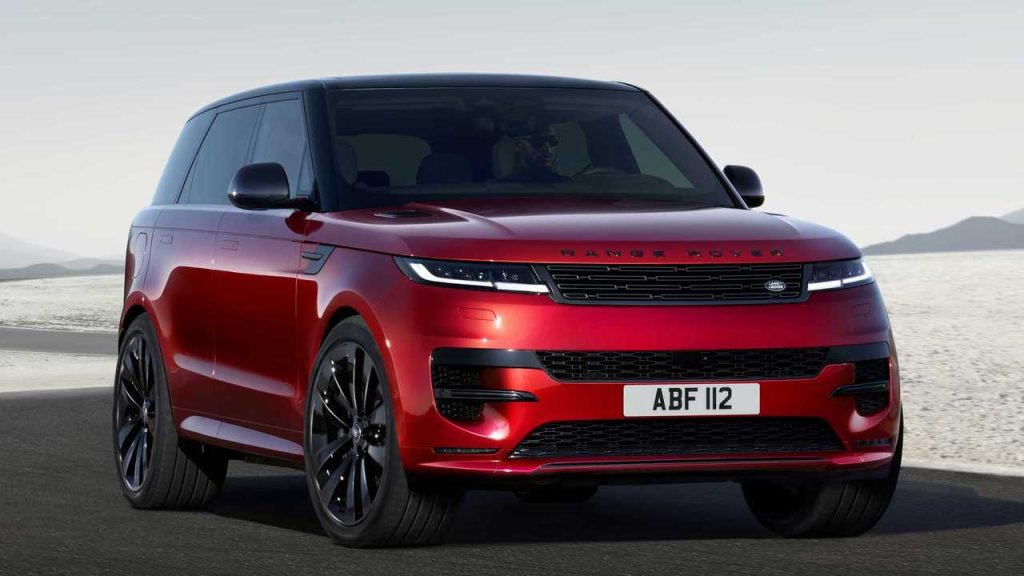
7. Range Rover
The Range Rover has always represented status, luxury, and prestige in a way few SUVs can match. Buyers are often drawn in by the commanding design, upscale interiors, advanced technology, and the promise of combining off-road capability with premium comfort.
Sitting behind the wheel of a new Range Rover can feel special immediately, which explains why so many people desire one. Yet the same SUV also developed one of the strongest reputations for early owner regret, leading many consumers to trade or return it surprisingly quickly after purchase.
A major issue involves reliability anxiety. Even buyers who do not experience immediate mechanical failures often become nervous after reading ownership stories involving expensive repairs.
Air suspension problems, electrical glitches, infotainment malfunctions, and drivetrain concerns have followed multiple generations of the Range Rover. Because repair costs on luxury SUVs can become enormous, owners frequently decide to exit ownership before warranty coverage expires.
The technology itself sometimes creates frustration. The cabin includes large screens, advanced controls, and numerous electronic systems, but some drivers find them overly complicated during everyday use.
Touchscreen-heavy layouts may appear modern in showrooms, though repeated software glitches or laggy responses can quickly damage owner satisfaction.
Depreciation becomes another painful surprise. Luxury SUVs often lose value quickly, but the Range Rover’s reputation for expensive long-term maintenance can accelerate that decline even further. Buyers spending premium money sometimes become shocked when resale values fall faster than expected within only a few years.
Fuel costs and maintenance expenses add additional pressure. Large engines and heavy curb weight create poor fuel economy, while even routine servicing costs substantially more than those of mainstream SUVs. Tires, brakes, and suspension components also tend to wear out more quickly because of the vehicle’s size and complexity.
Some owners also discover that the glamorous image does not fully match real-world usability. Parking large vehicles in urban environments can become stressful, and visibility limitations make maneuvering more difficult than expected.
While the cabin feels luxurious, the long-term durability of interior electronics and controls occasionally disappoints owners expecting perfection at such high prices.
Still, the Range Rover continues attracting loyal buyers because few vehicles combine luxury presence and off-road capability so convincingly. When functioning properly, it delivers an incredibly refined and comfortable driving experience. The quiet cabin, smooth ride quality, and powerful acceleration can make ordinary commuting feel special.
Unfortunately, for many consumers, the excitement fades once ownership costs and reliability concerns become impossible to ignore.
Buyers expecting stress-free luxury transportation realize too late that the Range Rover demands far more patience and financial commitment than they anticipated. That gap between aspiration and reality explains why it consistently appears among vehicle owners who most frequently return or replace shortly after purchase.
8. Chrysler Pacifica Hybrid
The Chrysler Pacifica Hybrid arrived with an extremely appealing idea. Families could enjoy the practicality of a minivan while dramatically reducing fuel consumption through plug-in hybrid technology.
On paper, the concept looked nearly perfect for parents wanting space, comfort, and efficiency together in one vehicle.
However, despite strong early interest, the Pacifica Hybrid also became one of the vehicles consumers most commonly returned after purchase because real-world ownership introduced frustrations many buyers never expected.
One major problem involved reliability concerns tied directly to the hybrid system. Owners reported issues ranging from charging problems to warning lights and unexpected drivetrain behaviour.
Even small electronic faults became especially stressful because many buyers worried repairs would involve expensive hybrid components and lengthy dealership visits.
Software-related problems also hurt owner confidence. Some consumers experienced glitches involving infotainment systems, charging management features, or dashboard displays.
In family vehicles, reliability matters enormously because owners depend on them daily for school runs, commuting, and road trips. Frequent electronic frustrations quickly damage satisfaction when the vehicle’s primary purpose is convenience.
The Pacifica Hybrid’s driving experience created mixed reactions too. While electric operation during short trips felt smooth and quiet, transitions between gasoline and electric power occasionally felt inconsistent to certain drivers. Buyers expecting seamless hybrid performance sometimes ended up disappointed by the refinement level.
Charging expectations also caused frustration. Some owners purchased the vehicle, imagining they would save substantial money through electric driving, but realized their routines or local charging access limited those benefits more than anticipated.
Families without convenient home charging setups often found themselves relying heavily on gasoline anyway.
Interior practicality remained excellent, though even here the hybrid version introduced compromises. Because of battery placement, certain seating configurations and storage solutions available in the standard Pacifica were affected.
Buyers who assumed the hybrid version offered identical practicality occasionally regretted not researching those differences more carefully beforehand.
Depreciation and long-term maintenance fears further encouraged early trade-ins. Hybrid minivans remain a relatively small segment, and concerns about future battery replacement costs made some owners uncomfortable keeping the vehicle long-term.
To be fair, many Pacifica Hybrid owners genuinely love the vehicle. The cabin is spacious, ride comfort is impressive, and fuel savings can be substantial under the right conditions. For families whose driving habits match the hybrid system well, it can work brilliantly.
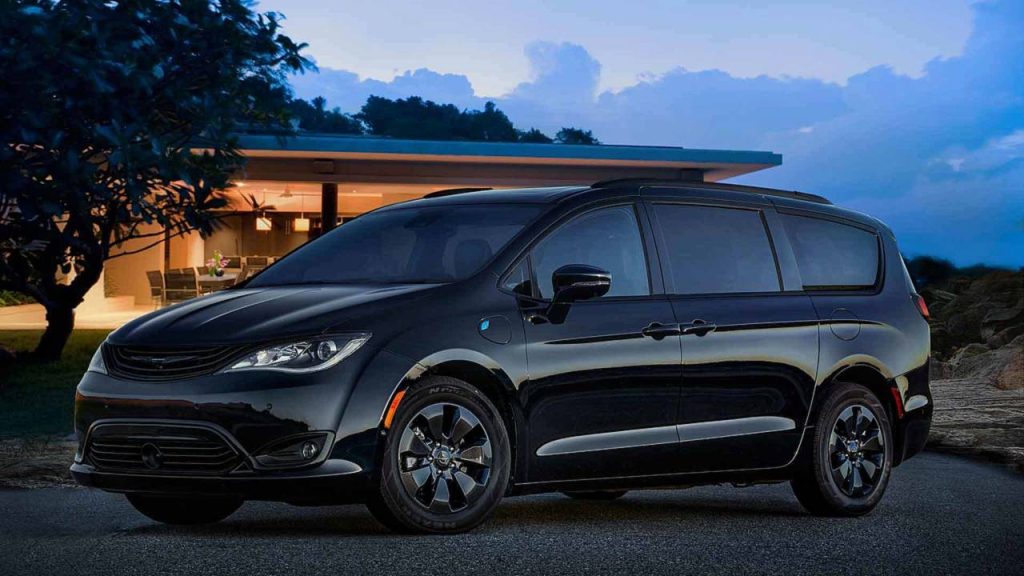
Yet a significant number of consumers discovered that the ownership experience felt more complicated than expected. Reliability worries, software frustrations, and unmet efficiency expectations caused enough disappointment that many buyers decided to return or replace the Pacifica Hybrid far earlier than originally planned.
Many vehicles generate excitement during test drives, but disappoint owners once daily reality replaces the initial excitement.
Models such as the Jeep Wrangler, Nissan Altima, Chevrolet Camaro, Tesla Model X, Fiat 500, BMW 7 Series, Range Rover, and Chrysler Pacifica Hybrid became known for unusually high return or early trade-in rates because they often failed to meet buyer expectations in important areas.
Some owners struggled with reliability concerns, expensive maintenance, poor fuel economy, or frustrating technology systems.
Others discovered their vehicles sacrificed comfort, practicality, or visibility more than expected. In many cases, buyers were attracted by styling, performance, luxury, or trends without fully considering long-term ownership realities.
These vehicles still maintain loyal fan bases and strong qualities in certain situations. However, the gap between marketing promises and real-world experiences pushed many consumers to move on quickly.
Their stories highlight how important it is to research practicality, reliability, comfort, and ownership costs before making a major vehicle purchase.
