
Hospitals never truly sleep. Emergency rooms stay busy at 2 a.m., intensive care units demand constant attention, and long overnight schedules can leave nurses physically drained before sunrise. After spending twelve exhausting hours caring for patients, the last thing any night shift worker wants is a stressful commute in a loud, uncomfortable, or unreliable vehicle.
The right car can make a major difference in daily life by providing comfort, fuel savings, quiet cabins, dependable cold starts, and safety features that reduce fatigue during late-night driving.
Night-shift nurses often face conditions that daytime commuters avoid. Empty highways can encourage drowsiness, poor weather can make early morning drives difficult, and parking garages may feel isolated during odd hours.
Because of this, a good vehicle for healthcare workers needs more than just decent gas mileage. It should have supportive seats, excellent visibility, smooth ride quality, and technology that helps drivers stay alert.
Reliability also matters because nurses cannot afford surprise breakdowns when they are rushing to a hospital during emergencies or understaffed nights.
Another important factor is affordability. Many healthcare professionals work demanding schedules while balancing student loans, housing costs, and family responsibilities. Vehicles with low maintenance costs and strong long-term durability can reduce financial stress.
Hybrid models are becoming especially attractive because they save fuel during repeated weekly commutes, while compact SUVs provide extra practicality for nurses carrying work bags, meals, extra shoes, and medical supplies.
The vehicles in this list were chosen because they fit the realities of overnight healthcare work. Some prioritize quiet cabins and fuel efficiency, while others focus on winter confidence, easy parking, or exceptional comfort after exhausting shifts.
Every model offers a different strength, giving nurses options based on their schedules, commuting distances, and personal preferences.
Also Read: 10 Pickups With the Worst Owner Regret in 2026
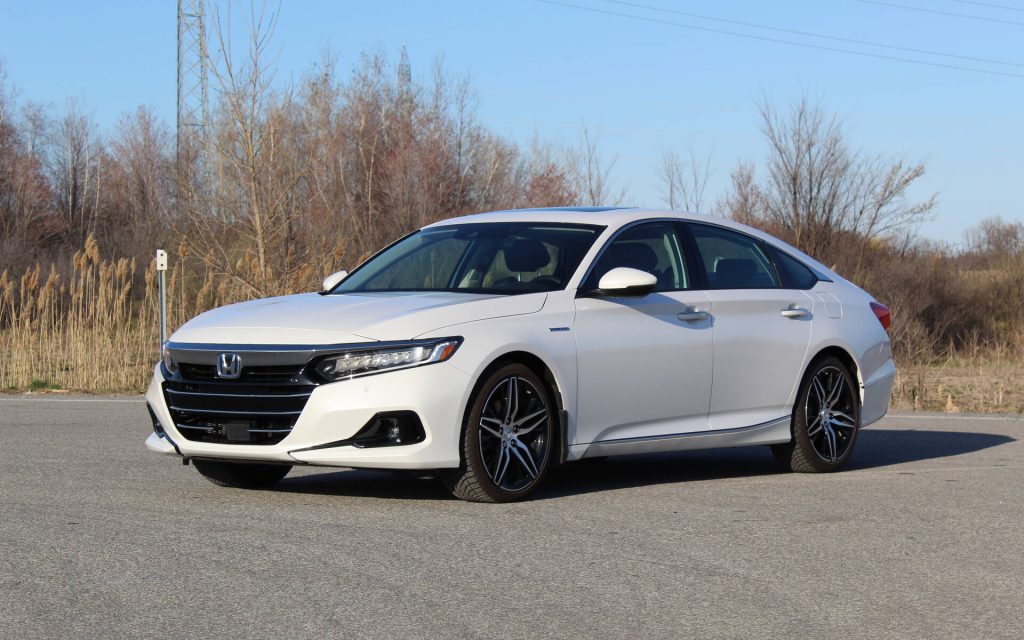
1. Honda Accord Hybrid
The Honda Accord Hybrid has become one of the smartest choices for professionals who spend long hours on the road, and that includes nurses finishing overnight hospital shifts. What makes this sedan stand out is the calming driving experience it provides during early morning commutes when exhaustion starts setting in.
The cabin remains impressively quiet even at highway speeds, which helps reduce stress after a demanding night inside a busy ward or emergency department.
Fuel economy is another reason nurses gravitate toward this model. Many healthcare workers commute several times a week at odd hours, and fuel costs can add up quickly.
The Accord Hybrid stretches a tank remarkably far, allowing drivers to spend less time worrying about gas stations and more time focusing on rest between shifts. For nurses working back-to-back nights, that convenience matters more than many people realize.
Inside the vehicle, Honda designed the seats with long-distance comfort in mind. The supportive cushions help during long drives home when lower back fatigue becomes noticeable after standing all night. Visibility is excellent from the driver’s seat, making it easier to navigate dark parking lots and poorly lit streets around hospitals.
Technology also plays a major role in making this sedan attractive. Adaptive cruise control and lane keeping assistance reduce strain during quiet highway commutes before dawn. Nurses who leave work mentally exhausted often appreciate systems that make driving feel less demanding without becoming distracting.
Storage space is surprisingly generous as well. Large bags, extra scrubs, water bottles, and insulated meal containers fit comfortably inside the trunk.
The Accord Hybrid quietly handles daily responsibilities without drama, making it a dependable companion for healthcare professionals who already deal with enough unpredictability during work hours.
2. Toyota RAV4 Hybrid
Some nurses prefer sitting higher above traffic instead of driving traditional sedans, especially during overnight commutes in poor weather. The Toyota RAV4 Hybrid answers that need perfectly by combining SUV practicality with excellent efficiency.
It delivers the confidence of an all-weather vehicle while still keeping operating costs manageable for healthcare workers with demanding schedules.
One of the strongest advantages of the RAV4 Hybrid is its reliability reputation. Nurses often cannot tolerate unexpected repairs because their shifts require strict punctuality.
Hospitals run twenty-four hours a day, and arriving late during staffing shortages can create serious pressure. Toyota’s long-standing durability record gives many owners peace of mind, particularly those working rotating night schedules.
The higher seating position improves visibility during late-night drives. Whether dealing with rain-soaked roads at 5 a.m. or handling tight hospital parking structures, the SUV design helps drivers stay more aware of their surroundings. This added awareness can ease stress after mentally exhausting shifts.
Another area where the RAV4 Hybrid shines is interior flexibility. Nurses frequently carry more than just a purse or backpack. Some bring extra uniforms, compression socks, food containers, gym clothes, or even blankets for breaks between double shifts. The cargo area easily handles all of it without making the cabin feel cramped.
The hybrid system also creates a smoother driving experience in stop-and-go traffic. Electric assistance keeps acceleration quiet and refined, which feels relaxing during tired commutes. Road trips between hospital campuses or long suburban drives become less draining because the SUV absorbs rough pavement well.

Safety features further strengthen its appeal. Blind spot monitoring, rear cross-traffic alerts, and driver assistance technologies help support alertness during late-night travel.
For nurses balancing exhaustion with responsibility, the RAV4 Hybrid provides a practical combination of efficiency, security, and comfort that suits overnight healthcare work exceptionally well.
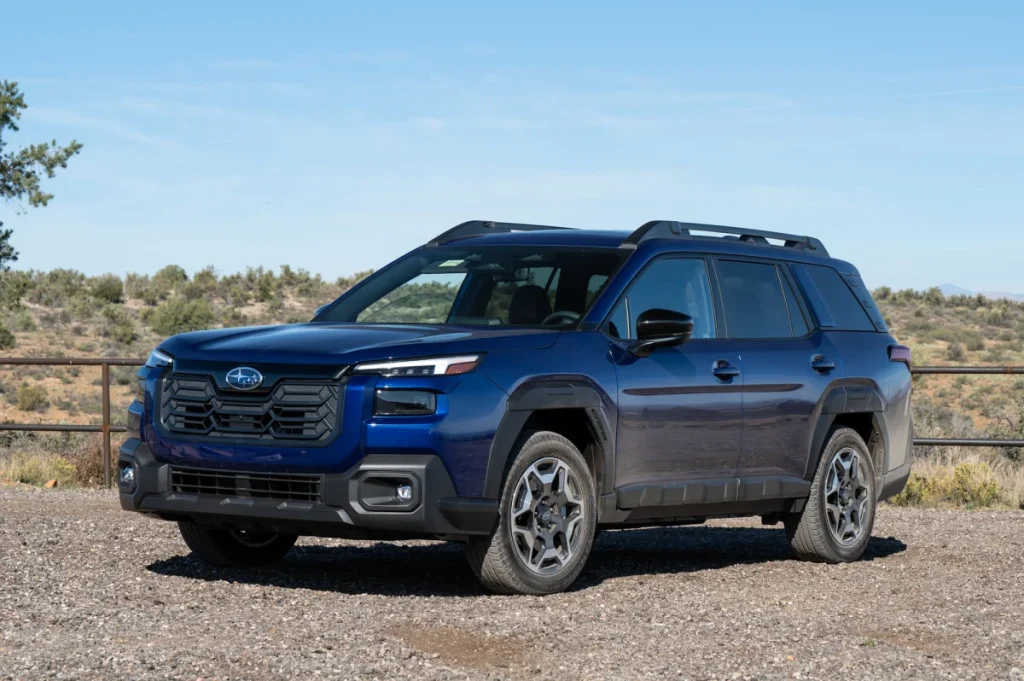
3. Subaru Outback
Not every nurse works in a dense urban environment with perfect roads and mild weather. Many healthcare professionals drive through snow, heavy rain, rural highways, or poorly maintained streets during overnight shifts.
The Subaru Outback has earned a loyal following because it handles difficult conditions without sacrificing comfort, making it a dependable option for people who cannot afford to deal with transportation problems before sunrise.
Unlike many midsize crossovers that focus mostly on appearance, the Outback feels engineered for real-world use. Its standard all-wheel-drive system provides extra confidence during winter storms and slippery early-morning drives.
Nurses leaving hospitals after exhausting twelve-hour shifts often appreciate a vehicle that feels planted and stable rather than nervous or unpredictable.
The suspension setup deserves attention, too. Instead of delivering a harsh ride, the Outback absorbs rough pavement smoothly. That matters more than people expect when someone has spent an entire night standing, walking, and lifting patients. A softer, composed ride can make the commute home feel less physically draining.
Subaru also designed the cabin with practicality in mind. Wide door openings make it easy to get in and out quickly during rushed mornings. The cargo area handles bulky work essentials comfortably, including large backpacks, extra footwear, jackets, and food coolers.
Nurses who occasionally sleep between shifts inside their vehicle during extreme schedules even appreciate the spacious interior layout.
Another reason this Subaru suits night shift life is its excellent visibility. Large windows and clear sightlines help reduce stress when driving through dark streets or busy employee parking garages. The headlights are bright and effective while remaining comfortable for oncoming drivers.
The Outback also develops a reputation for long-term ownership satisfaction. Many drivers keep them for years because maintenance costs remain reasonable and the vehicles age gracefully.
For nurses seeking a practical companion capable of handling unpredictable weather and demanding schedules, the Outback brings reassurance every single night.
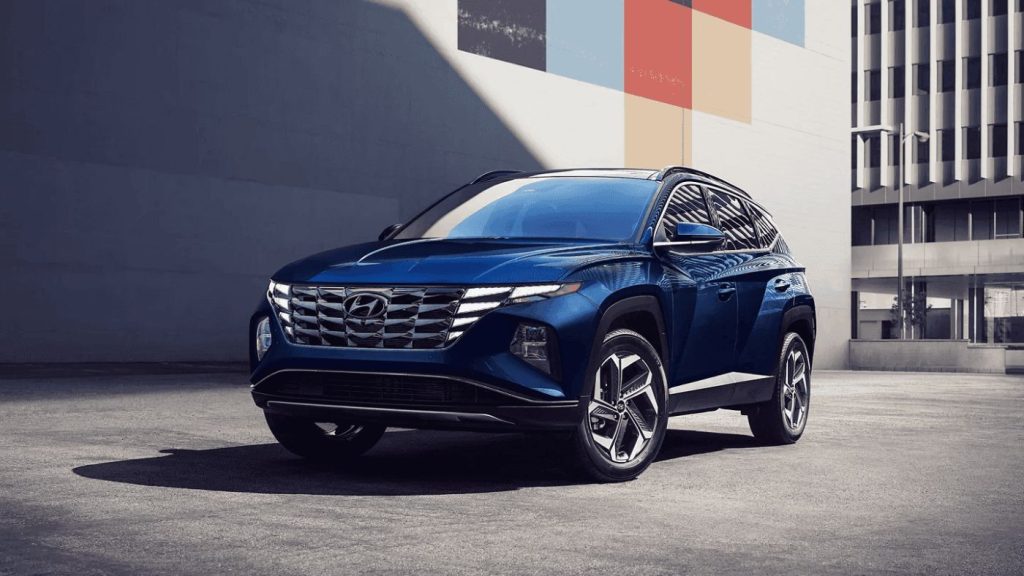
4. Hyundai Tucson Hybrid
The Hyundai Tucson Hybrid appeals to nurses who want modern technology and comfort without stepping into luxury vehicle pricing.
This compact SUV feels refined in ways that surprise many first-time drivers, especially during long nighttime commutes where cabin quietness and seat comfort suddenly become extremely important.
One of the Tucson Hybrid’s strongest qualities is how relaxed it feels on the road. The steering is light, the suspension stays composed over broken pavement, and the hybrid powertrain delivers smooth acceleration in city traffic.
Nurses finishing emotionally exhausting overnight shifts often prefer vehicles that do not demand constant effort or attention, and this Hyundai succeeds in creating a calmer driving atmosphere.
Interior design also plays a major role in its popularity. The cabin looks clean and modern without becoming overly complicated. Controls remain easy to understand, which matters when drivers are fatigued after work. Soft materials and supportive seating help the vehicle feel more upscale than many competitors in its price range.
Fuel efficiency remains another major advantage. Night shift healthcare workers can spend a surprising amount of time commuting every week, especially those covering multiple campuses or accepting overtime shifts. The Tucson Hybrid reduces fuel expenses while still offering enough space for everyday practicality.
Safety technology is one of Hyundai’s biggest strengths. Features such as forward collision avoidance, blind spot monitoring, and lane following assistance provide an extra layer of confidence during late-night driving.
Nurses frequently travel during hours when roads are dark, and driver fatigue becomes more common among surrounding traffic, so these systems can feel genuinely useful rather than gimmicky.
Storage flexibility adds another benefit. The rear seats and cargo area easily handle work gear, groceries, and personal items without forcing drivers into a larger SUV.
For nurses balancing hectic schedules with normal daily responsibilities, the Tucson Hybrid combines efficiency, comfort, and modern convenience in a very balanced package.
5. Toyota Camry
The Toyota Camry has spent decades building a reputation as one of the most dependable sedans on the road, and for nurses working overnight schedules, dependability carries enormous value.
When someone leaves for work at 6 p.m. and returns home after sunrise, the last thing they need is uncertainty about whether their vehicle will start, survive long commutes, or demand expensive repairs at inconvenient times.
What separates the Camry from many midsize sedans is how easy it is to live with every single day. The controls feel intuitive, visibility remains excellent, and the driving experience avoids unnecessary complexity.
After a mentally draining shift in a trauma center or intensive care unit, simplicity becomes comforting. Nurses often appreciate vehicles that feel predictable instead of overwhelming.
Ride quality is another area where the Camry performs exceptionally well. The suspension softens rough pavement effectively, helping reduce fatigue during long drives home.
Wind and road noise stay controlled at highway speeds, creating a quieter environment that feels relaxing after hours spent around alarms, conversations, and medical equipment inside hospitals.
Toyota also designed the cabin to accommodate long commutes comfortably. Front seats provide solid lower back support, which matters greatly for healthcare workers who spend entire shifts standing or walking. Even taller drivers usually find enough room to stretch comfortably during extended drives.
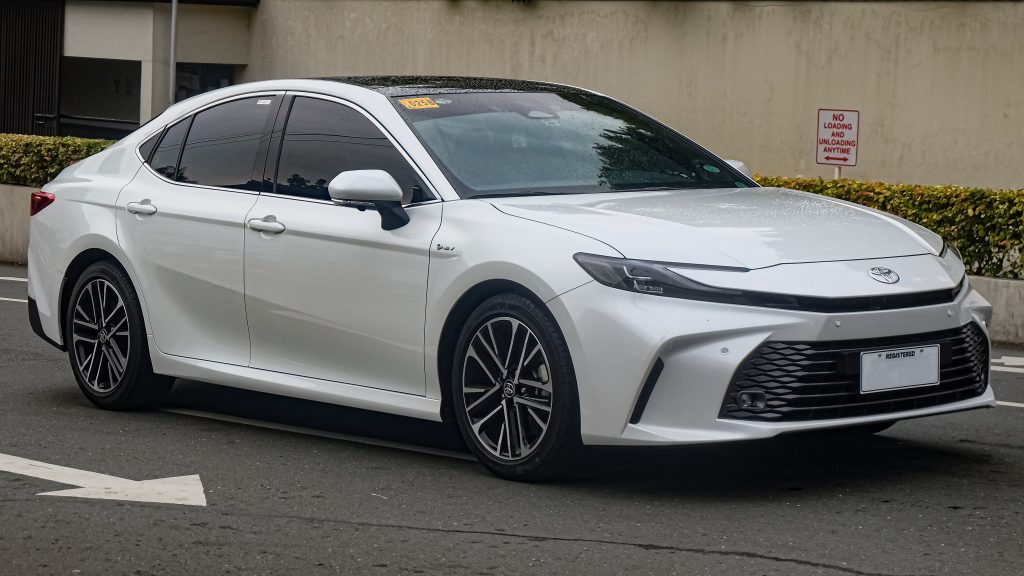
For nurses working rotating schedules, fuel economy becomes important too. Hybrid versions of the Camry deliver impressive efficiency without sacrificing smooth performance. Drivers can complete multiple shifts with minimal fuel stops, saving both money and time throughout the month.
The trunk deserves recognition as well. It easily stores extra uniforms, meals, work shoes, jackets, and overnight essentials without cluttering the passenger area.
The Toyota Camry may not follow flashy trends, but its comfort, reliability, and hassle-free ownership make it an excellent choice for healthcare professionals managing demanding overnight routines.
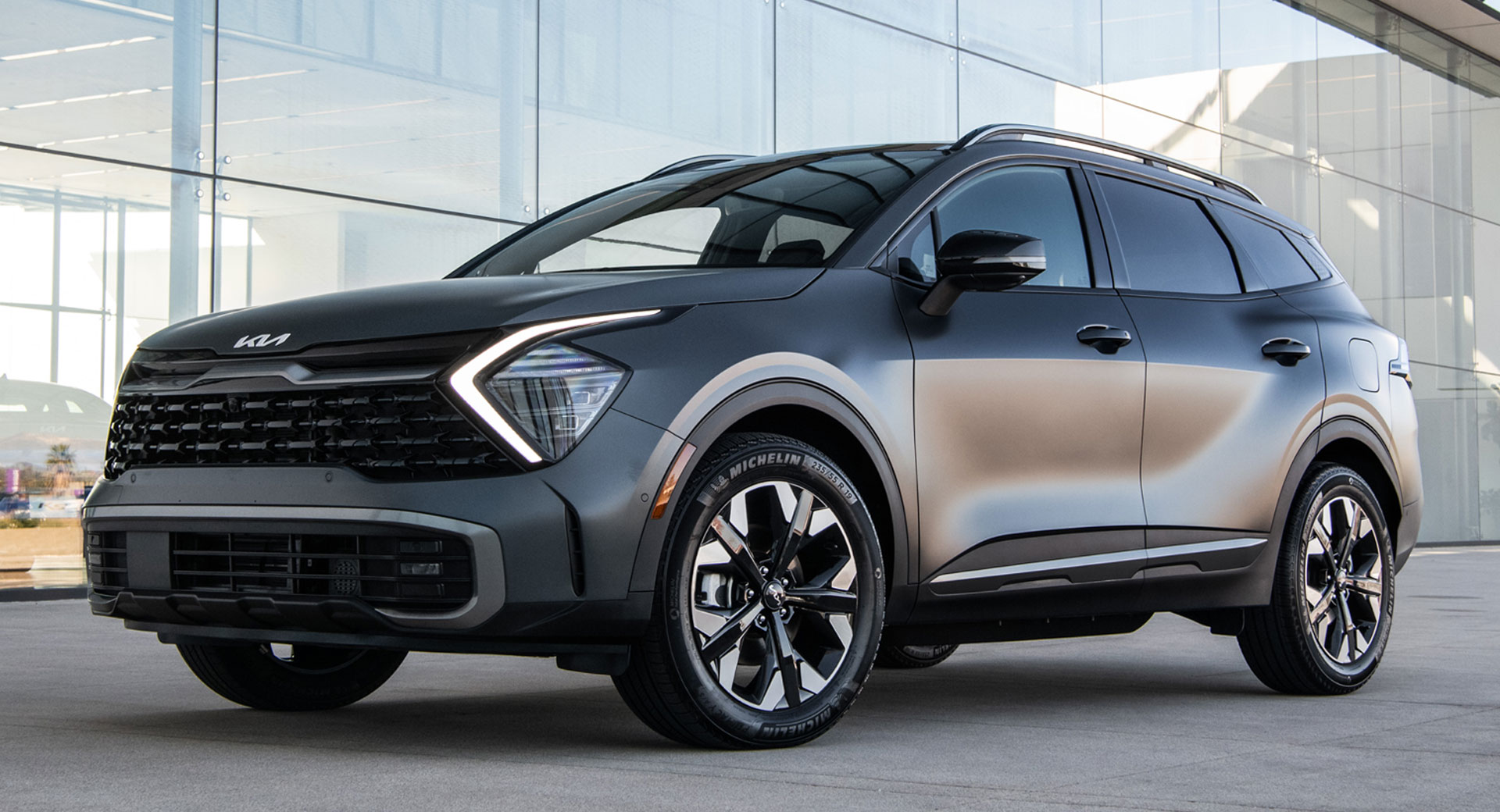
6. Kia Sportage Hybrid
Some vehicles simply fit modern professional lifestyles better than others, and the Kia Sportage Hybrid does an excellent job adapting to the unpredictable routines nurses often face.
Its combination of roomy practicality, strong fuel efficiency, and contemporary design makes it especially appealing for healthcare workers who spend significant time commuting during late hours.
The first thing many drivers notice is how spacious the interior feels. Unlike some compact SUVs that prioritize exterior styling over usability, the Sportage Hybrid offers impressive passenger room and generous cargo space.
Nurses carrying large work bags, extra clothing, snacks, coffee tumblers, and backup medical gear will appreciate how easily everything fits without crowding the cabin.
Comfort remains one of this vehicle’s strongest assets. The seats are supportive during long drives, and the suspension handles uneven pavement with confidence.
Early morning commutes after exhausting shifts feel less punishing because the SUV isolates occupants from road harshness effectively. Quietness inside the cabin also helps create a more peaceful environment after high-stress hospital work.
Technology is integrated thoughtfully throughout the vehicle. Large displays, simple controls, and useful driver assistance systems help make nighttime driving easier rather than distracting.
Adaptive cruise control proves particularly valuable for nurses traveling long highway stretches before dawn when concentration may begin fading after extended work hours.
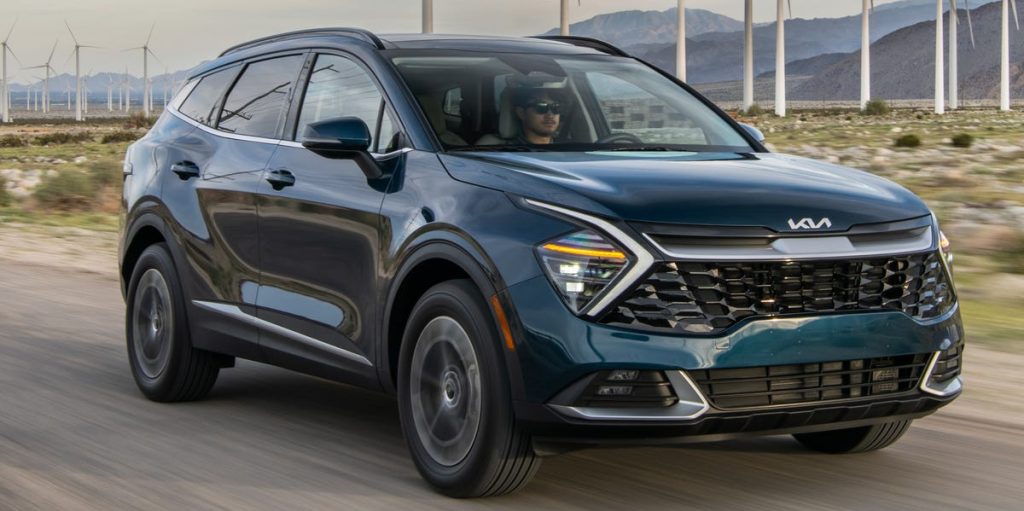
Another important advantage involves efficiency. Despite offering SUV practicality, the hybrid powertrain keeps fuel costs impressively low. Nurses working multiple shifts every week often rack up substantial mileage, so reducing fuel expenses can make a noticeable difference financially over time.
The Sportage Hybrid also has a distinctive personality compared to more conservative competitors. Its styling feels fresh and modern without becoming overly aggressive.
For younger healthcare professionals wanting something practical yet visually interesting, that balance can be appealing. It delivers comfort, space, and daily usability in a package that suits the realities of demanding overnight medical careers.
7. Honda CR-V Hybrid
The Honda CR-V Hybrid works exceptionally well for nurses because it handles daily responsibilities without creating extra stress.
That may sound simple, but for healthcare workers balancing long overnight shifts, unpredictable schedules, and physically demanding routines, a calm and dependable vehicle becomes incredibly valuable. The CR-V Hybrid succeeds by making everyday driving feel smooth, quiet, and uncomplicated.
One of the most noticeable strengths appears during long commutes home after sunrise. The cabin stays refined at highway speeds, keeping wind and road noise under control.
Nurses often leave hospitals mentally exhausted after hours of alarms, conversations, and constant movement, so stepping into a peaceful interior can feel surprisingly restorative.
The seating position also deserves praise. Drivers sit slightly higher than they would in a sedan, giving better visibility without making the SUV difficult to maneuver in crowded parking structures. Hospital garages can become tight and frustrating during shift changes, but the CR-V Hybrid remains easy to place and park even in narrow spaces.
Honda paid close attention to interior practicality as well. The center console offers useful storage for work badges, snacks, charging cables, and personal items that healthcare workers carry daily. The rear cargo area easily accommodates larger bags, extra uniforms, or groceries picked up after work before heading home to rest.
Fuel economy remains excellent, particularly for nurses with long weekly commutes. Hybrid efficiency helps reduce fuel expenses while still providing enough power for highway merging and busy traffic conditions. Drivers do not need to choose between practicality and economy because the CR-V Hybrid handles both comfortably.
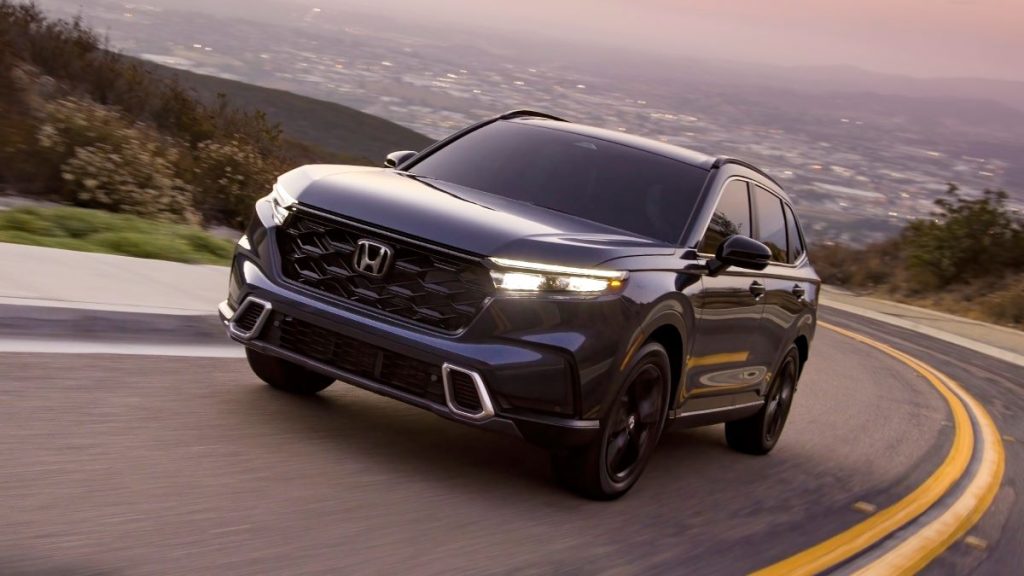
Safety technology adds another layer of reassurance during nighttime driving. Lane-keeping assistance, collision mitigation systems, and adaptive cruise control reduce fatigue on long roads traveled before dawn.
Instead of trying to impress with flashy gimmicks, the CR-V Hybrid focuses on delivering comfort, reliability, and ease of use, qualities that fit the demanding lifestyle of overnight healthcare workers remarkably well.
8. Mazda CX-5
Not every nurse wants a vehicle focused only on practicality. Some healthcare professionals spend so much time working demanding shifts that they want their commute to feel enjoyable rather than purely functional.
The Mazda CX-5 fills that role beautifully by blending comfort, refinement, and a more engaging driving personality without sacrificing reliability or daily usability.
The first thing many drivers notice is the upscale atmosphere inside the cabin. Mazda designed the interior with a level of detail rarely seen in compact SUVs at this price range. Soft materials, supportive seats, and clean dashboard styling create an environment that feels relaxing during late-night drives to the hospital or quiet early-morning returns home.
Unlike some SUVs that feel disconnected from the road, the CX-5 responds confidently to steering inputs and maintains excellent balance through corners.
Nurses who spend long hours inside sterile hospital environments sometimes appreciate a vehicle that feels more alive and responsive during their personal commute. It brings a little energy back into the driving experience without becoming harsh or uncomfortable.
Ride quality remains composed enough for daily healthcare work. The suspension absorbs bumps effectively while still keeping the SUV stable at highway speeds. Long shifts already place enough strain on the body, so smooth road manners matter more than many buyers initially expect.
Mazda also prioritized quietness. Wind and engine noise remain controlled, helping create a calmer atmosphere during overnight travel. This becomes especially valuable after emotionally intense workdays, where mental fatigue is already high.
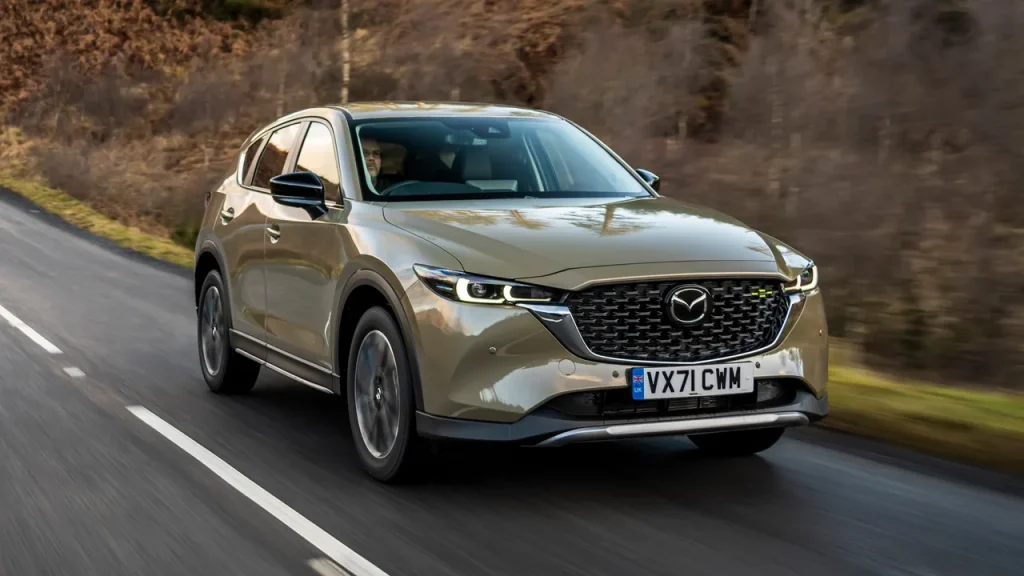
Cargo space is practical for nurses carrying extra supplies, meal containers, jackets, or gym equipment between shifts. The compact dimensions also help in urban hospital parking areas, where larger SUVs can become frustrating.
The CX-5 stands out because it does not force drivers to choose between sensible ownership and personal enjoyment. For nurses wanting comfort with a touch of personality, this SUV delivers a refreshing balance that keeps daily commutes from feeling repetitive.
9. Lexus ES Hybrid
After years of overnight hospital work, many nurses begin prioritizing comfort more than flashy performance or trendy styling. The Lexus ES Hybrid understands that mindset perfectly.
It delivers one of the smoothest and quietest driving experiences available, making it a fantastic option for healthcare professionals who want their commute home to feel peaceful after exhausting shifts.
This sedan excels at isolation from the outside world. Road noise stays minimal, the suspension glides over rough pavement gracefully, and the cabin remains calm even during high-speed highway travel.
Nurses leaving busy emergency departments or surgical floors often appreciate the transition from chaos to silence the moment they close the door.
Seat comfort becomes another major advantage during long weekly commutes. Lexus designed the front seats to support drivers during extended periods behind the wheel, which matters greatly for healthcare workers already dealing with physical fatigue from standing and walking throughout the night.
The ride quality feels gentle without becoming overly soft or disconnected. Fuel efficiency also helps justify the ES Hybrid’s appeal. Luxury vehicles are not always known for economy, but this model manages to combine premium comfort with impressive gas mileage.
Nurses covering long distances several times a week can enjoy refinement without constantly worrying about fuel expenses.
The interior layout focuses on simplicity and elegance rather than overwhelming technology. Controls are easy to reach, materials feel genuinely high quality, and the atmosphere encourages relaxation. Small details such as soft cabin lighting and excellent climate control become surprisingly meaningful during 5 a.m. drives home.
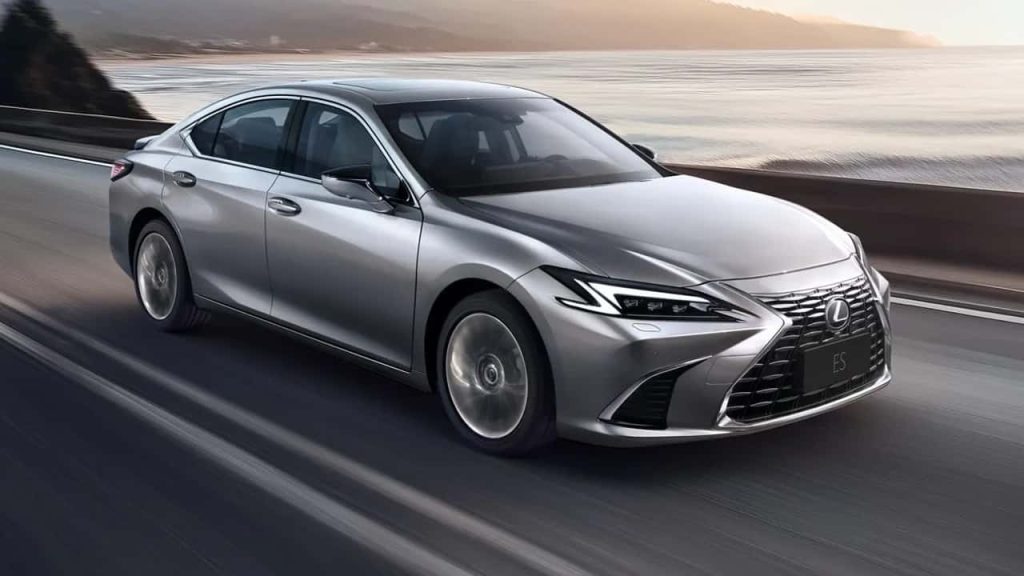
Reliability further strengthens the package. Lexus has built a strong reputation for long-term durability, something healthcare workers value because unpredictable repair bills can quickly become stressful.
For nurses who have reached a stage where comfort and serenity matter deeply, the Lexus ES Hybrid provides a refined commuting experience that feels restorative instead of draining. Few vehicles handle overnight lifestyle demands with this level of calm sophistication.
10. Ford Maverick Hybrid
The Ford Maverick Hybrid takes a completely different approach compared to many vehicles on this list, which is exactly why it deserves recognition. Some nurses need practicality beyond a traditional sedan or compact SUV.
Whether carrying bicycles, furniture, gardening supplies, pet equipment, or side business materials between shifts, the Maverick offers flexibility that few affordable hybrids can match.
What makes this compact truck especially appealing is how approachable it feels. Unlike large pickups that can become intimidating in tight hospital garages, the Maverick remains easy to park and maneuver. Nurses working in crowded city medical centers can still enjoy truck utility without dealing with oversized dimensions every day.
Fuel efficiency becomes one of its biggest surprises. Traditional trucks often consume large amounts of fuel, but the Maverick Hybrid changes expectations dramatically. Nurses driving multiple overnight shifts each week can benefit from pickup practicality while keeping fuel costs manageable. That balance is rare in today’s market.
The cabin design is straightforward and functional. Ford avoided making the interior overly complicated, which suits tired drivers returning home after demanding work nights. Storage compartments are thoughtfully placed for everyday items such as water bottles, phones, work badges, and snacks needed during long shifts.
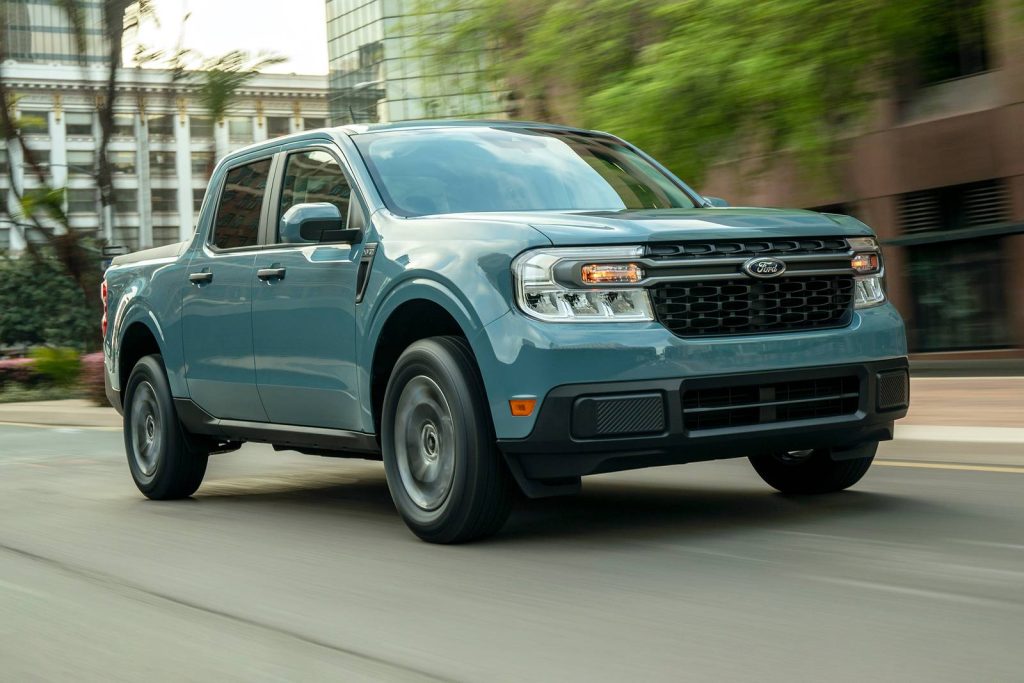
Another strength involves versatility. The small truck bed opens possibilities that SUVs simply cannot match. Nurses who enjoy outdoor hobbies, home improvement projects, or weekend travel gain useful cargo flexibility without needing a full-size truck.
Ride quality also remains more comfortable than many buyers expect from a pickup. The Maverick handles daily commuting smoothly, making it suitable for long highway drives or urban traffic alike. Visibility is strong, helping drivers feel more confident during nighttime travel.
The Maverick Hybrid proves that healthcare workers do not need to follow conventional vehicle categories. For nurses wanting affordability, efficiency, and practical utility wrapped into one unique package, this compact truck offers a refreshingly different solution.
Also Read: 10 Vintage Cars Whose Values Doubled In The Last 10 Years
