
Hidden beneath auction headlines and social media hype sits a quiet group of Japanese performance machines that once promised greatness but never received lasting attention. These cars were bold, ambitious, and engineered at a time when Japanese manufacturers were willing to take risks without worrying about mass appeal.
Some arrived too early. Others appeared during economic slowdowns or faced internal competition from more famous siblings. A few simply confused buyers who were not ready for what they offered. Now, a new opportunity is forming. As collectors look beyond obvious icons, interest is moving toward vehicles with unusual engineering stories, limited production numbers, and driving characteristics that modern cars often lack.
Japanese manufacturers produced several machines that fit this description perfectly, yet many remain undervalued and overlooked. Each carries a personality shaped by experimentation, racing ambition, or stubborn engineering pride. Hunting for these cars in 2026 is not about chasing nostalgia.
It is about recognizing craftsmanship, mechanical honesty, and daring ideas that survived without marketing noise. Parts support has improved, specialist knowledge has expanded, and appreciation for analog performance has grown across age groups. That combination places these machines in a rare position.
This guide focuses on ten Japanese supercars that deserve renewed attention. Every selection stands apart from mainstream collector favorites and tells a different story about Japan’s performance era. Section one introduces five machines that reward curiosity and patience. Each offers a distinct driving experience and a compelling reason to exist far beyond resale value.
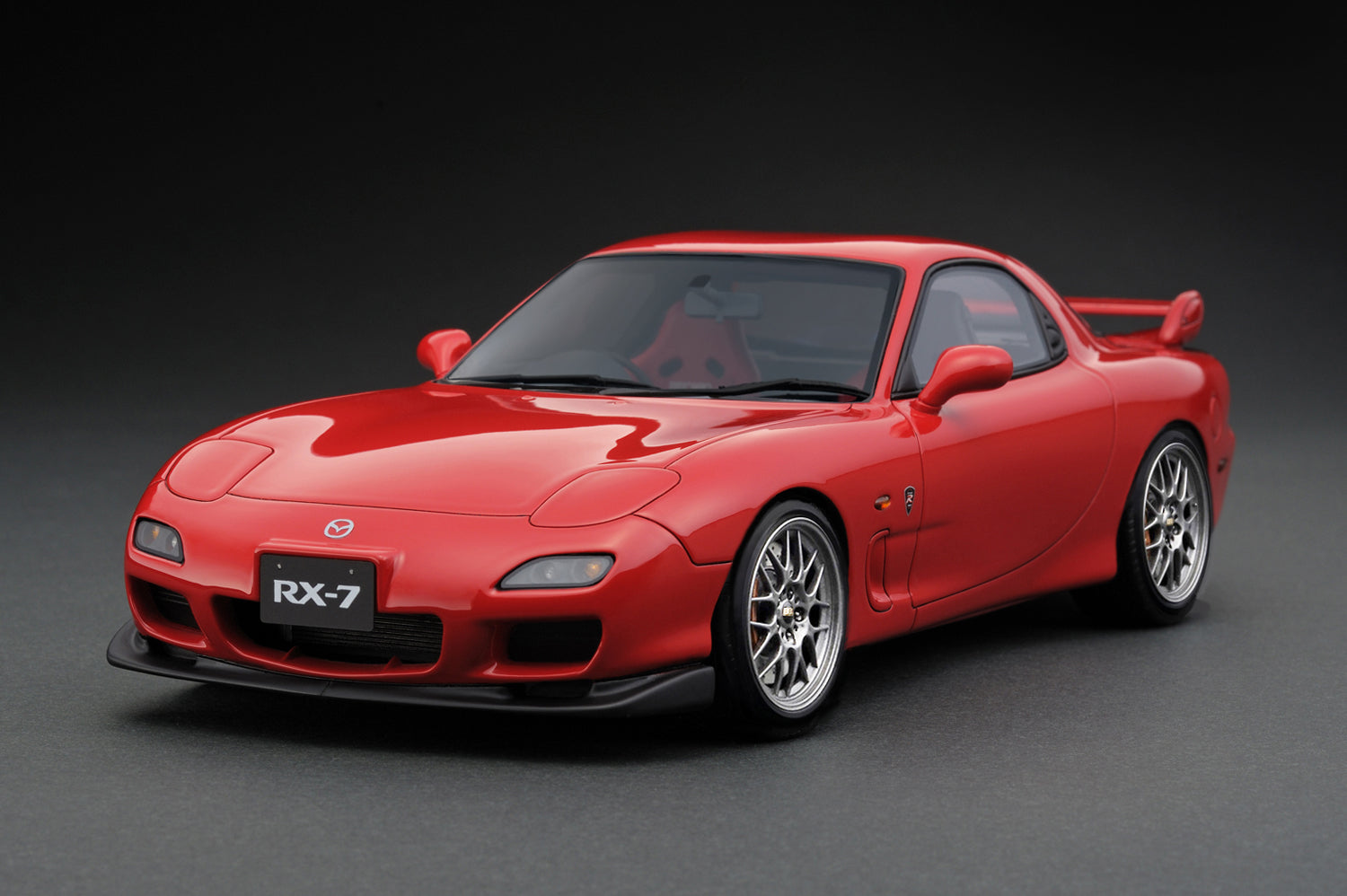
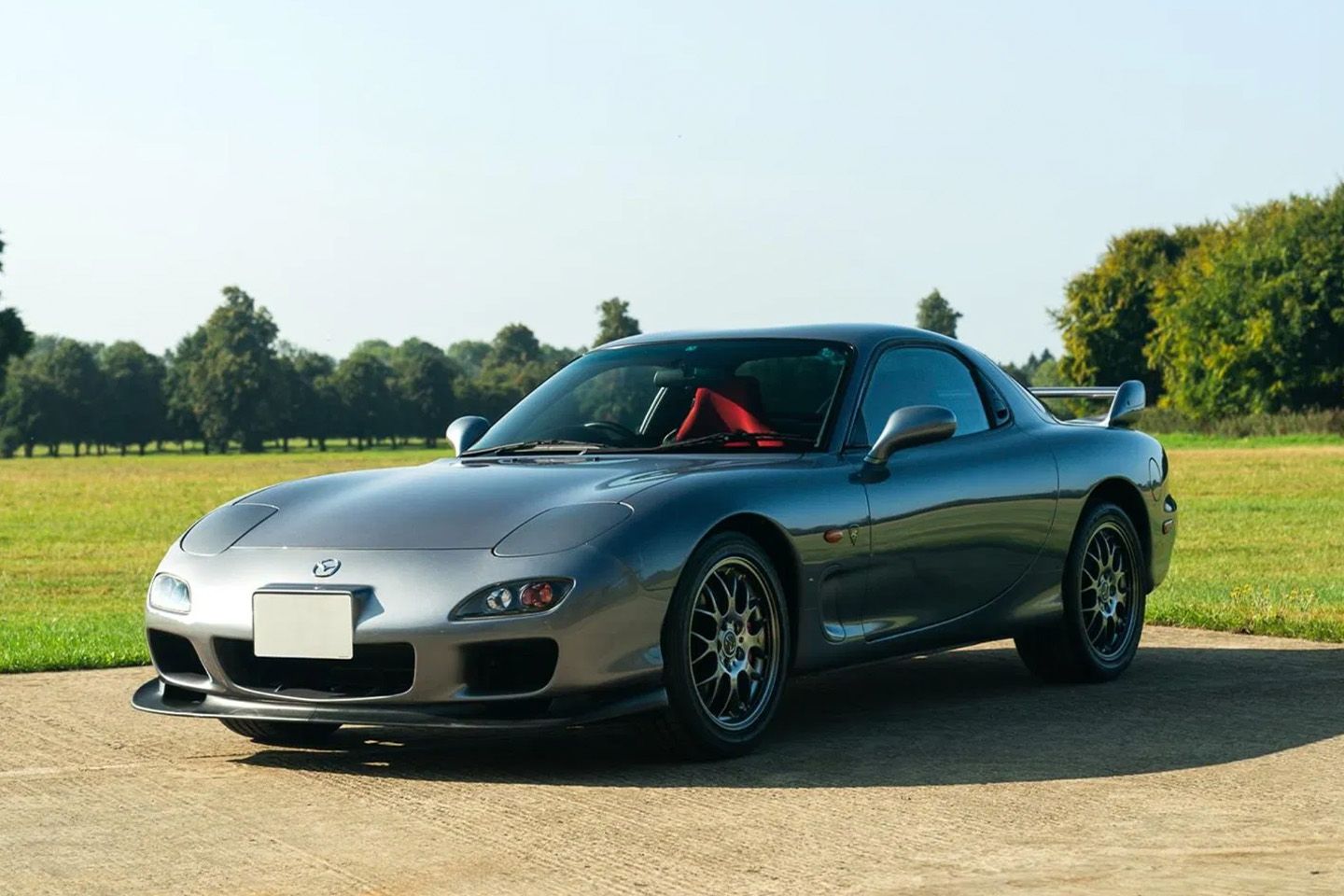
1. Mazda RX-7 Spirit R Type A
- Engine: 1.3L twin-rotor 13B-REW twin-turbo rotary
- Horsepower: 276 hp
- Torque: 231 lb-ft
- Dimensions: Length 168.5 in, Width 69.3 in
Precision defined the final evolution of Mazda’s rotary ambition. The RX 7 Spirit R Type A arrived at the closing chapter of the FD generation, built in limited numbers for buyers who valued purity over comfort. This model stripped away unnecessary weight while sharpening every mechanical response, creating a car that feels alive at any speed.
The twin-rotor 13B REW engine remained small yet delivered power with a smoothness that piston engines rarely matched. Driving one demands respect rather than brute force. Throttle inputs feel immediate, steering communicates surface changes clearly, and the chassis reacts without hesitation.
Power delivery builds in a linear rush that rewards high revs, making gear selection an active part of the experience. Unlike modern turbocharged machines that overwhelm with torque, the Spirit R encourages commitment and precision.
Interior design follows a similar philosophy. Lightweight bucket seats, reduced sound insulation, and minimal electronic interference place focus directly on the driver. There is no attempt to disguise road noise or vibration. Instead, the car treats feedback as valuable information. This approach can feel intense, even demanding, yet it builds trust once familiarity sets in.
Ownership once carried a reputation for difficulty, mostly tied to rotary maintenance myths. In reality, proper care and knowledgeable servicing transform the experience. Specialist support has grown globally, and parts availability has improved. When maintained correctly, the engine delivers reliability that surprises first-time owners.
Market values remain lower than expected, given production numbers and performance capability. That gap makes the Spirit R Type A attractive for collectors who prioritize driving satisfaction. In 2026, finding an unmodified example with documented care will feel rewarding. This car represents Mazda’s refusal to abandon innovation, even when commercial logic suggested otherwise.
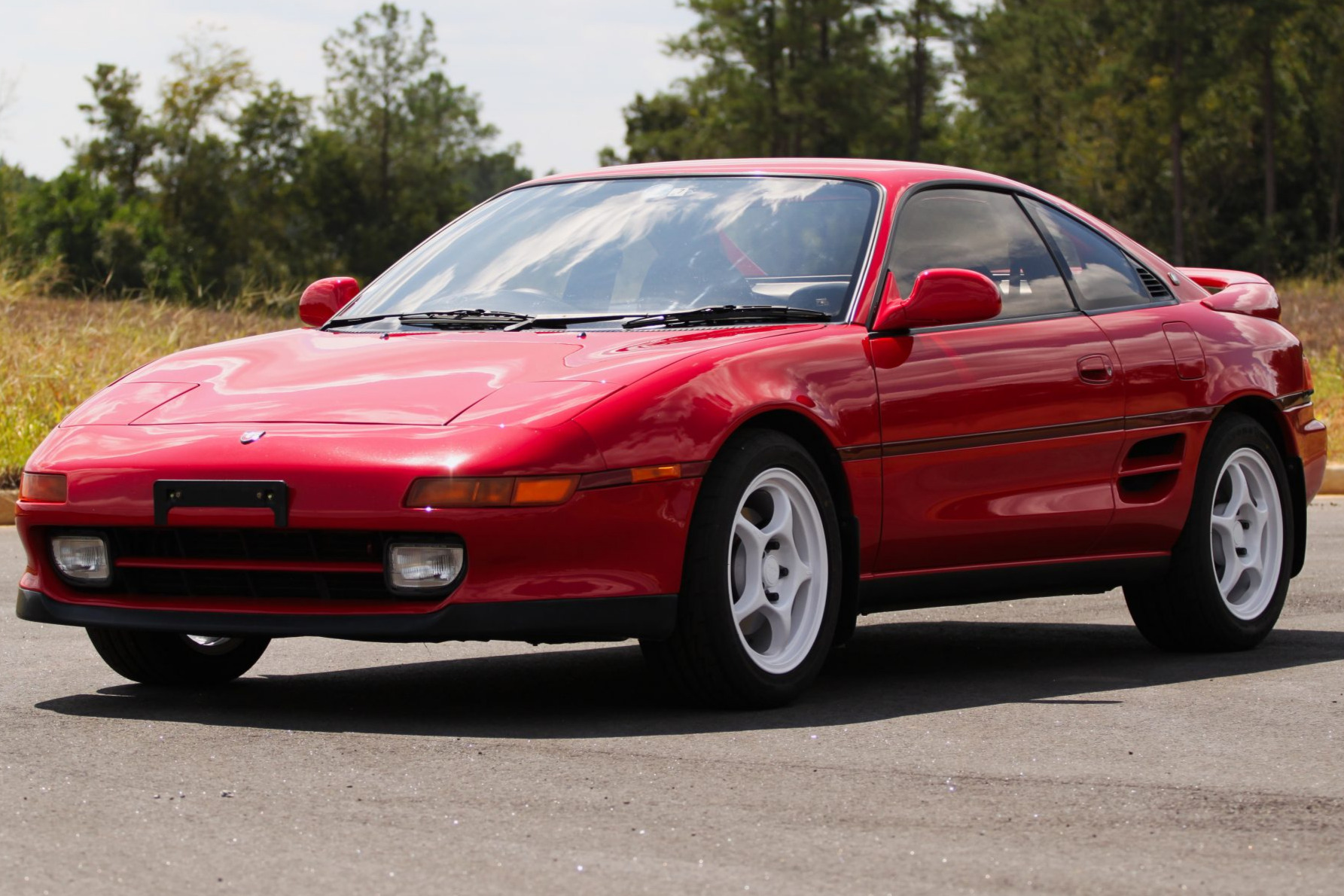
2. Toyota MR2 GT-S
- Engine: 2.0L turbocharged inline-4 3S-GTE
- Horsepower: 245 hp
- Torque: 224 lb-ft
- Dimensions: Length 164.2 in, Width 66.9 in
Mid-engine balance defines the character of the MR2 GT S. During the 1990s, Toyota chose a layout typically reserved for exotic brands, then packaged it into a compact coupe that remained approachable and reliable. The turbocharged 3S GTE engine delivered strong performance without overwhelming the chassis, creating a car that feels agile rather than aggressive.
Weight distribution plays a central role in how this car behaves. Turn-in feels sharp, and corner exits reward smooth throttle control. The steering communicates clearly, allowing drivers to sense grip limits early. Unlike front-engine alternatives from the same period, the MR2 encourages finesse rather than correction.
Design choices reflect confidence rather than excess. Exterior styling avoids dramatic vents or exaggerated lines, yet proportions remain balanced and purposeful. The cabin focuses on ergonomics, placing controls within easy reach and avoiding unnecessary distractions. Visibility remains strong, a rare trait among mid-engine cars.
Maintenance costs stay reasonable compared to European counterparts with similar layouts. Toyota engineering prioritizes durability, and the 3S GTE has earned respect for strength under both stock and modified conditions. Enthusiast communities provide extensive documentation, making ownership less intimidating.
Values have risen slowly but remain accessible. Many buyers still overlook the MR2 GT-S due to its understated image. That perception creates opportunity. In 2026, well-kept examples offer an engaging drive without the inflated pricing associated with flashier names. This car rewards skill development and mechanical sympathy, qualities that continue to matter long after trends fade.
Also Read: 9 Supercars Engineers Consider Genuine Masterpieces
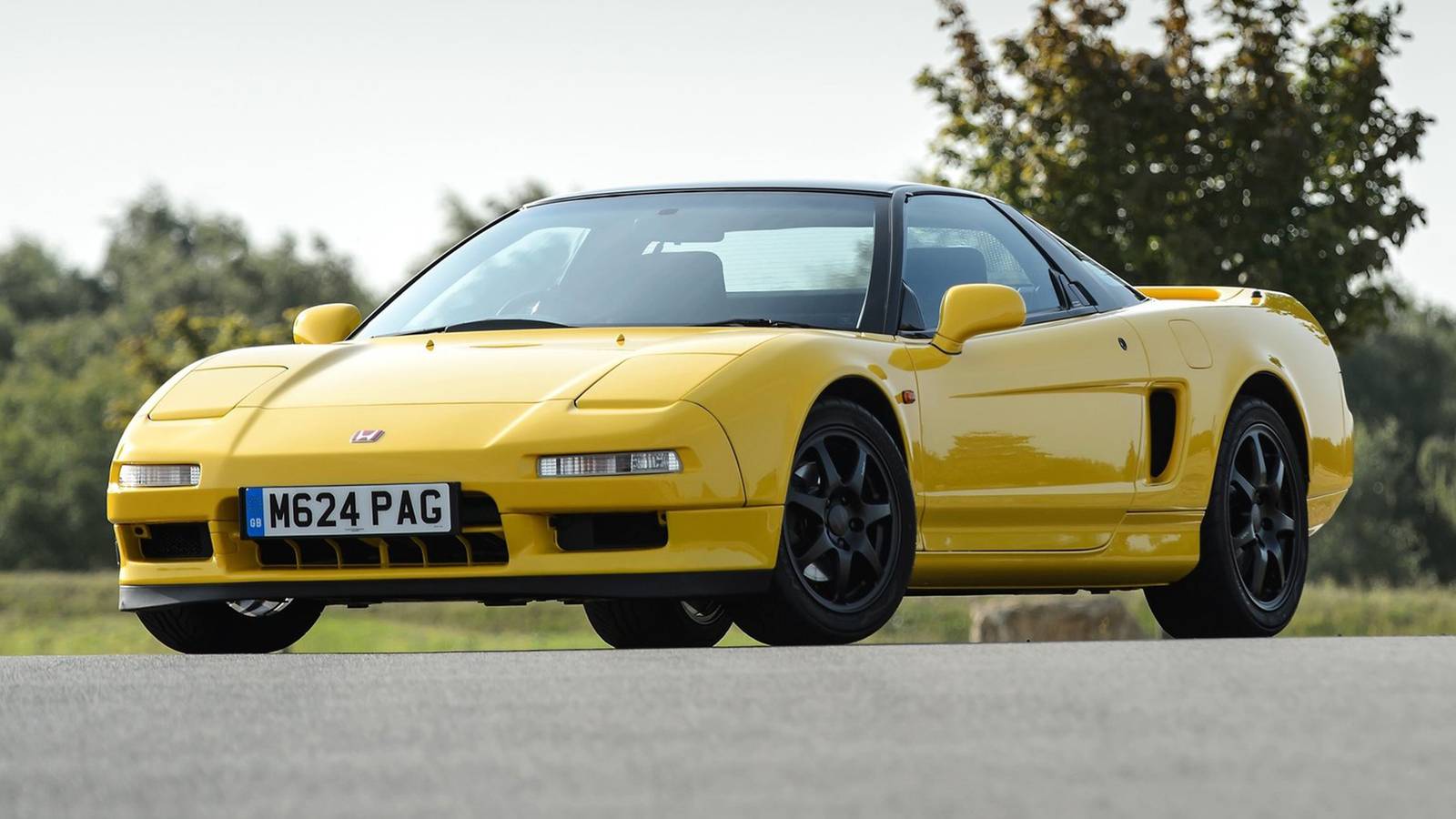
3. Honda NSX Type S
- Engine: 3.2L naturally aspirated V6
- Horsepower: 290 hp
- Torque: 224 lb-ft
- Dimensions: Length 174.6 in, Width 71.3 in
Refinement defines the later NSX Type S models. Honda approached performance with discipline, emphasizing balance and usability rather than raw output. The naturally aspirated V6 responds instantly, delivering power in a smooth arc that encourages precise throttle control. Every input feels deliberate, from steering weight to brake modulation.
Aluminum construction played a major role in this car’s identity. Reduced mass improved handling while maintaining structural rigidity. The result is a chassis that feels composed on uneven surfaces yet sharp during spirited driving. Suspension tuning favors predictability, allowing drivers to push confidently without surprise reactions.
Interior quality reflects Honda’s attention to detail. Seating position feels natural, visibility remains excellent, and materials resist wear even after years of use. Unlike many performance cars, the NSX remains comfortable during daily use, blending practicality with excitement.
Type S revisions focused on subtle improvement rather than transformation. Suspension adjustments, weight reduction, and minor aerodynamic tweaks refined an already capable platform. These changes did not chase headline numbers. Instead, they enhanced the connection between the car and the driver.
Market perception often favors earlier models, leaving later Type S versions overlooked. That imbalance creates opportunity. In 2026, these cars stand as reminders that performance does not require excess. Ownership delivers satisfaction through consistency, build quality, and trust. This machine reflects Honda’s belief that restraint can coexist with speed.
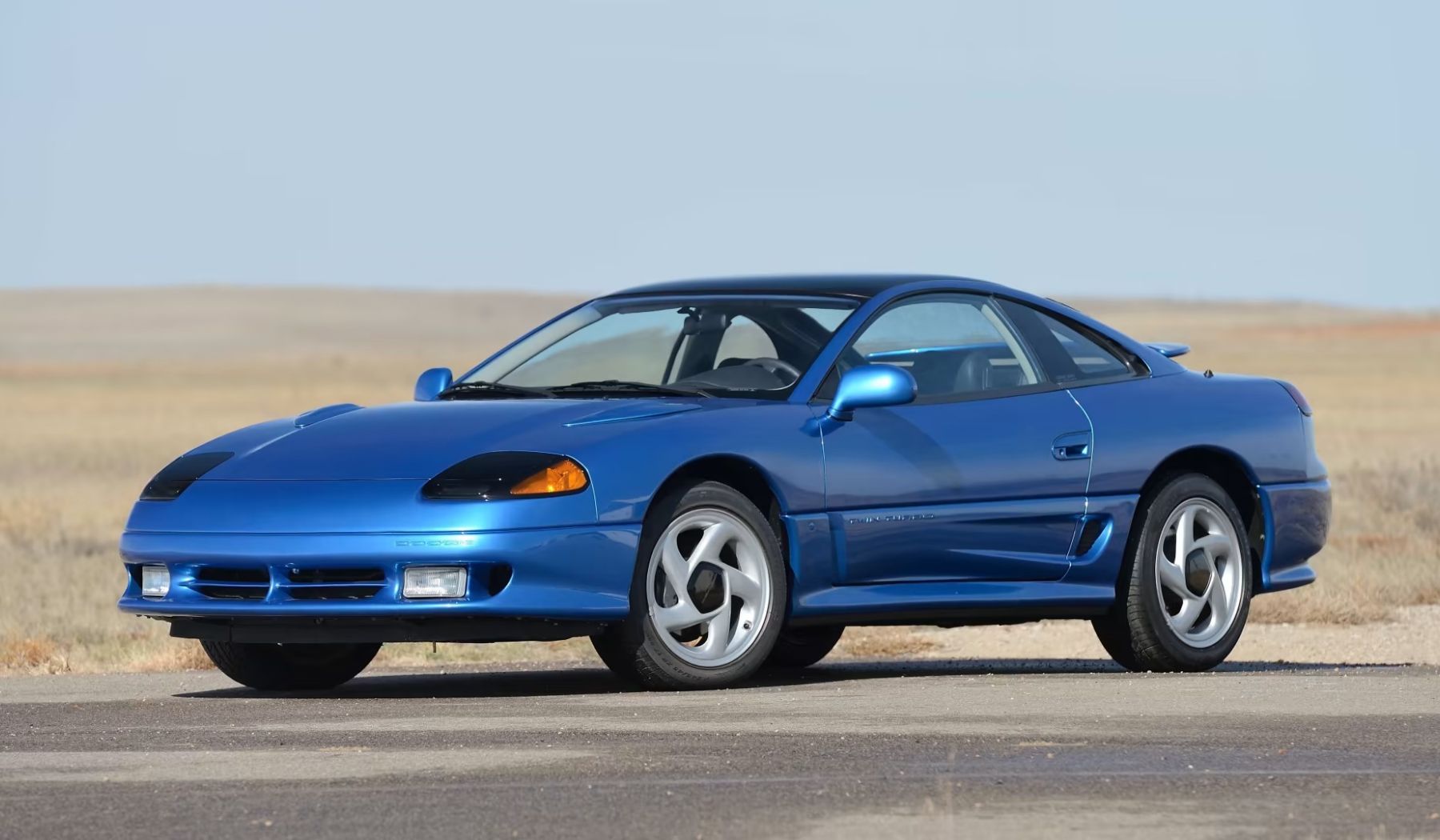
4. Mitsubishi 3000GT VR-4
- Engine: 3.0L twin-turbo V6
- Horsepower: 320 hp
- Torque: 315 lb-ft
- Dimensions: Length 179.7 in, Width 72.4 in
During the early 1990s, Mitsubishi set out to prove that advanced engineering could redefine what a Japanese performance car could be. The 3000GT VR 4 became the result of that mindset. Instead of choosing a simple formula, Mitsubishi layered multiple technologies into one platform, creating a car that felt ambitious, daring, and forward-thinking for its time.
All Wheel Drive, twin turbocharging, four-wheel steering, and active aerodynamics were not treated as optional experiments. They were built into the identity of the car. From behind the wheel, the VR 4 delivers a sense of control that still feels impressive decades later.
Hard acceleration stays composed, even when conditions are less than ideal. The All Wheel Drive system keeps the car planted, sending power where it can be used most effectively. Drivers notice confidence rather than drama, especially when pushing the car at higher speeds.
Four-wheel steering adds another layer to that confidence. At lower speeds, it helps the car feel more responsive and easier to place. On highways, it settles the chassis and reduces the nervousness that often affects heavy-performance coupes from that era.
The exterior styling reflects the optimism of its time. Broad shoulders, smooth curves, and carefully integrated aerodynamic elements give the car a serious presence without appearing exaggerated. Functional vents and spoilers serve a purpose rather than acting as decoration.
Inside, the cabin focuses on comfort and isolation. Thick materials, supportive seating, and a solid build quality make the car feel suited for long drives as much as spirited ones. Living with a 3000GT VR 4 requires realistic expectations. The layered engineering means maintenance cannot be ignored or rushed.
Owners who understand the systems and work with experienced technicians tend to report dependable service. Years of shared knowledge within the enthusiast community have made ownership more manageable than its reputation suggests. Market prices remain surprisingly accessible given the level of engineering involved.
Many buyers hesitate because of stories that exaggerate difficulty, which leaves strong examples overlooked. For someone willing to research carefully and commit to proper care, the reward is a distinctive performance car that reflects a period when Mitsubishi chose ambition over restraint.
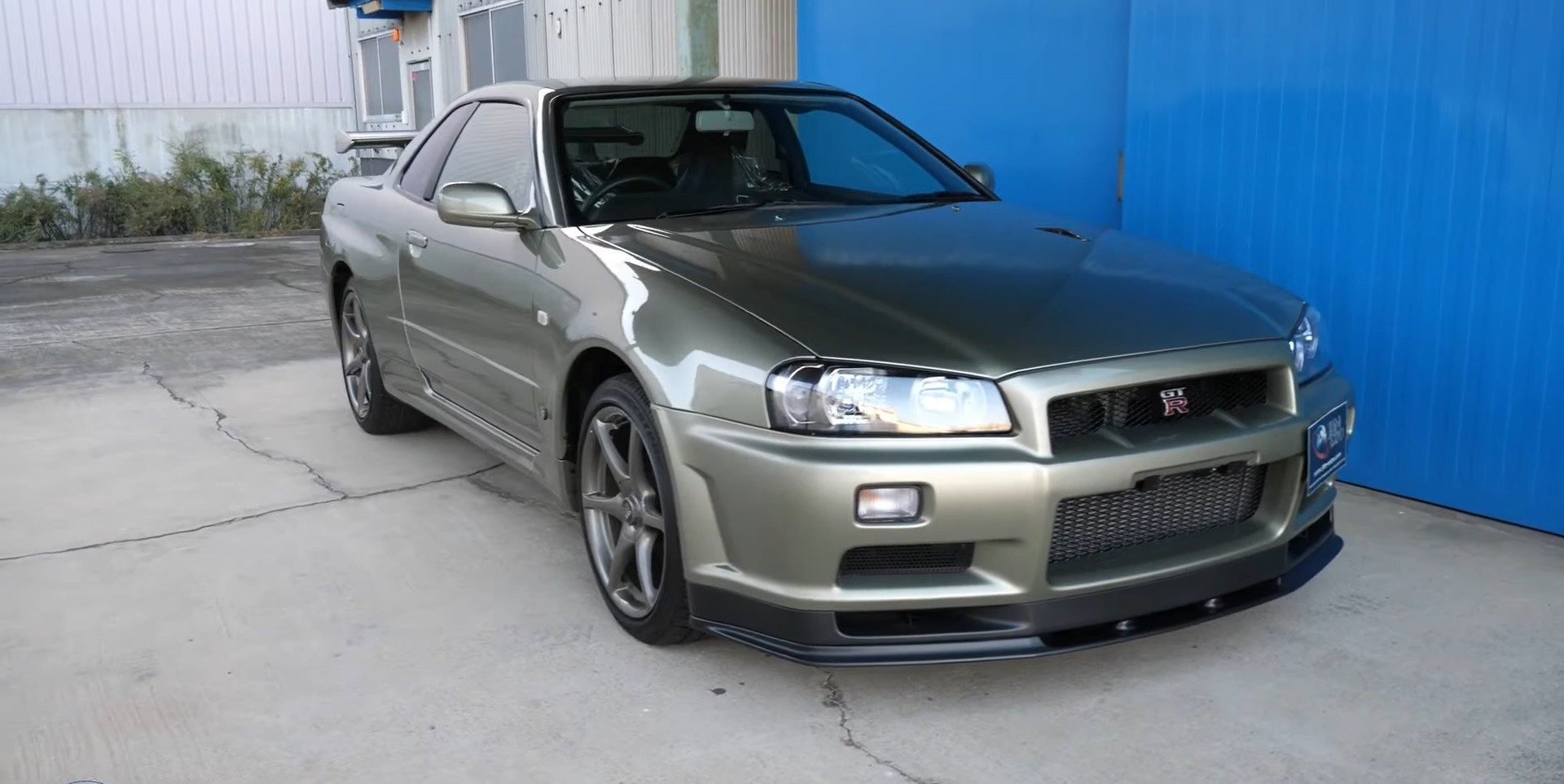
5. Nissan Skyline GT-R V-Spec II Nür
- Engine: 2.6L twin-turbo inline-6 RB26DETT
- Horsepower: 276 hp
- Torque: 289 lb-ft
- Dimensions: Length 181.1 in, Width 70.3 in
The GT R V Spec II Nür arrived as a carefully considered tribute rather than a cosmetic special edition. Nissan used this model to reflect lessons learned from extensive high-speed testing and competitive development tied to the Nürburgring. Instead of chasing visual drama, the engineers focused on strengthening what already worked. The familiar R34 foundation received targeted refinement, especially in areas linked to endurance and consistency.
At the center sits the RB26 engine, fitted with upgraded internal components chosen to withstand repeated hard use. This approach spoke clearly to Nissan’s performance philosophy at the time, where reliability under pressure mattered just as much as outright output.
From behind the wheel, the car communicates assurance almost immediately. Steering inputs translate cleanly to the front tires, giving the driver confidence to place the car precisely. Body control feels measured and predictable, allowing assertive driving without sudden surprises.
Braking response delivers a firm, reassuring pedal feel that encourages later braking points. The All Wheel Drive system works quietly in the background, distributing power in a way that supports early throttle application as corners begin to open. Rather than feeling aggressive or unruly, the car feels composed and cooperative, rewarding smooth technique.
Inside the cabin, the design reinforces intent. Alcantara surfaces reduce glare and improve grip, while reinforced seating holds occupants securely during spirited driving. Trim choices remain restrained, avoiding unnecessary distractions. Controls sit exactly where expected, creating an environment that supports focus.
Driver assistance remains minimal by modern standards, which keeps the experience engaging without removing control. Nothing feels layered or filtered. Inputs produce direct results, and feedback flows naturally through the steering wheel and chassis. Despite its limited production run, attention often drifts toward more widely known versions of the R34. That tendency leaves the Nür specification underappreciated outside informed circles.
Yet this rarity adds to its appeal. In 2026, buyers who value engineering intent over status recognition will find it increasingly attractive. Ownership demands care and understanding, but commitment brings lasting satisfaction. The GT R V Spec II Nür stands as a product of discipline, thoughtful execution, and respect for the craft of performance car development.
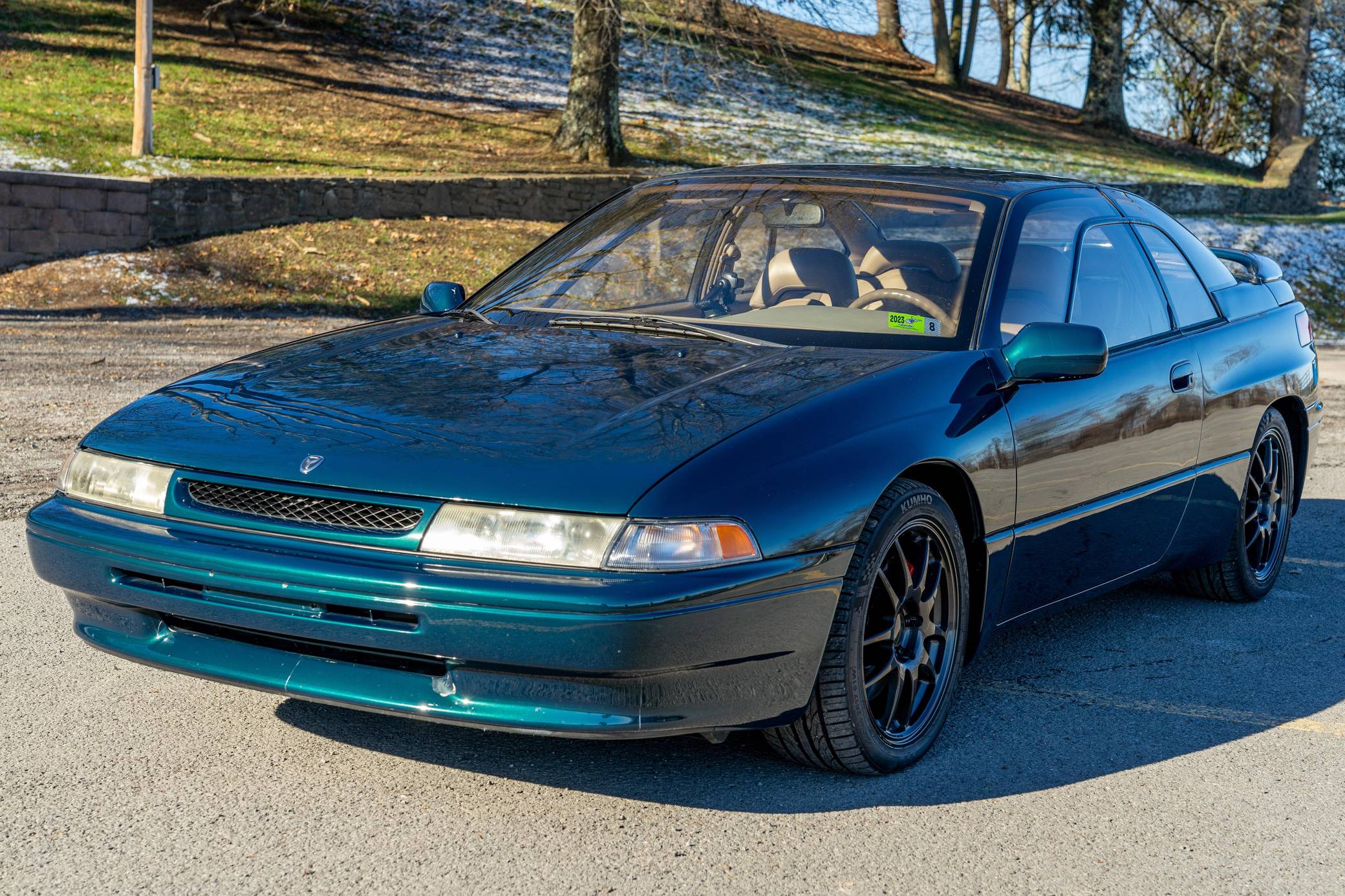
6. Subaru SVX AWD
- Engine: 3.3L naturally aspirated flat-6 EG33
- Horsepower: 230 hp
- Torque: 228 lb-ft
- Dimensions: Length 182.5 in, Width 69.3 in
Few Japanese performance coupes ever attempted to blend grand touring comfort with advanced drivetrain engineering the way the Subaru SVX did. Released during a period when Subaru wanted to move beyond its utilitarian image, the SVX arrived with a bold mission.
This was not a lightweight sports car built for lap times. It was a high-speed touring coupe designed to deliver stability, refinement, and mechanical confidence across long distances and harsh conditions. At the heart of the SVX sits the EG33 flat-six engine, a naturally aspirated 3.3-liter unit derived from Subaru’s aviation-influenced engineering mindset. Smoothness defines its character.
Power delivery remains progressive, with no sudden surges or harsh transitions. Instead, acceleration builds with a steady push that feels composed and confident. That character suits the car’s identity perfectly, especially when paired with Subaru’s symmetrical All Wheel Drive system.
Handling behavior reflects thoughtful tuning rather than aggression. Weight distribution favors stability, making the SVX feel planted at highway speeds and calm during sweeping bends. Steering response feels deliberate, not sharp, encouraging measured inputs.
This approach makes the car feel secure rather than demanding, a trait that separates it from more focused sports coupes of the same era. Exterior design still stands apart decades later. The distinctive window within window glass treatment remains one of the most daring styling choices ever approved by a Japanese manufacturer.
Aerodynamic efficiency influenced the shape heavily, giving the SVX a sleek profile that prioritized airflow rather than visual drama. Inside, the cabin emphasizes comfort, visibility, and long-range usability. Seating feels supportive, controls are logically placed, and sound insulation reduces fatigue.
Maintenance reputation once discouraged buyers, mainly due to transmission concerns and limited specialist knowledge. Today, that barrier has weakened. Enthusiast communities have documented fixes, parts sourcing has improved, and experienced technicians understand the platform better than ever. When maintained with care, the SVX proves dependable and rewarding.
Market values remain surprisingly low given the car’s ambition and rarity. Many collectors overlook it because it does not fit traditional supercar expectations. That misjudgment creates opportunity. In 2026, the Subaru SVX stands as a refined, unconventional performance coupe that rewards drivers who appreciate engineering honesty over badge recognition.
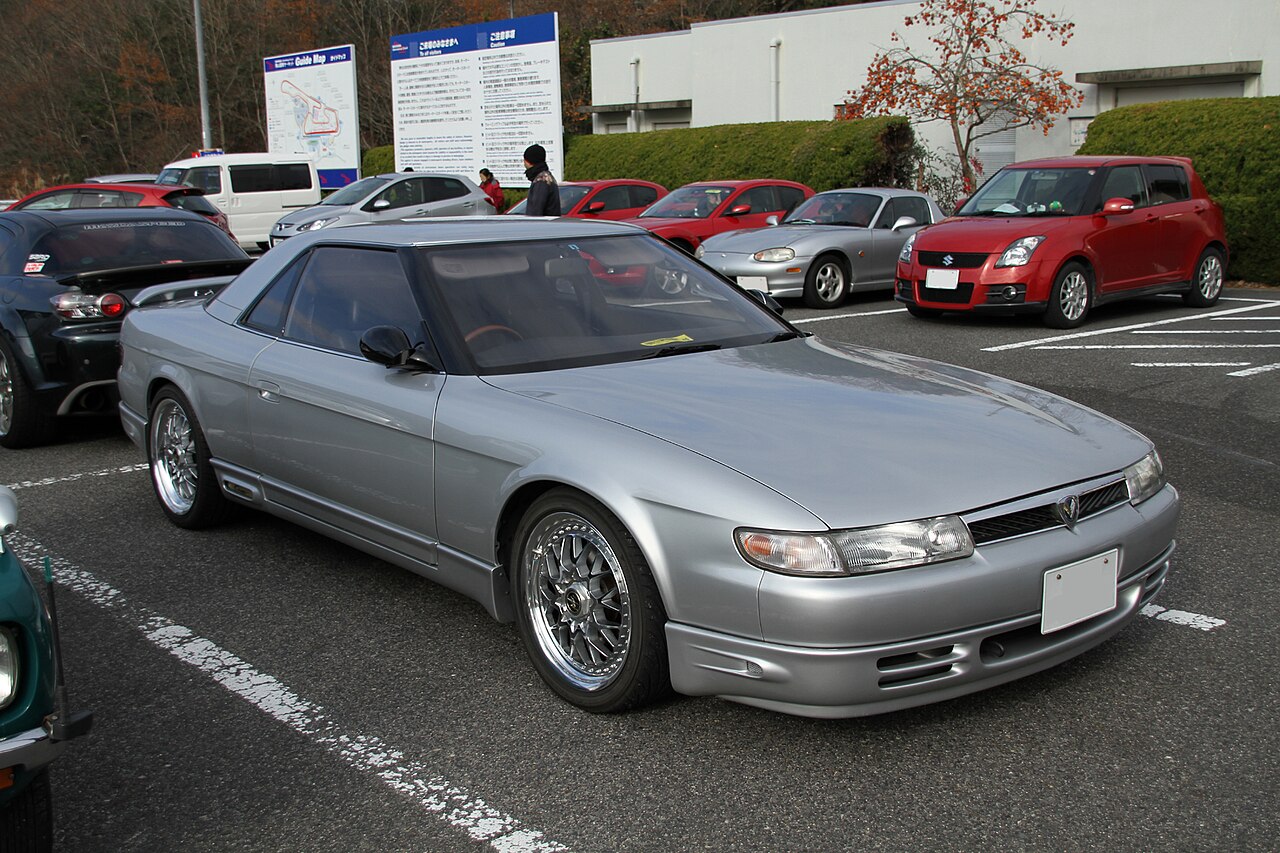
7. Mazda Eunos Cosmo 20B
- Engine: 2.0L 20B-REW triple-rotor twin-turbo
- Horsepower: 276 hp
- Torque: 300 lb-ft
- Dimensions: Length 187.8 in, Width 70.7 in
Innovation defined Mazda’s philosophy during the creation of the Eunos Cosmo 20B. This car arrived as a statement piece, showcasing rotary technology pushed further than ever before in a production vehicle. Equipped with a triple rotor 20B REW engine, the Cosmo delivered smooth power, high rev capability, and mechanical uniqueness unmatched by any piston-powered rival.
Power delivery feels effortless rather than aggressive. The triple rotor configuration produces a refined surge that builds without vibration, creating an experience closer to turbine propulsion than conventional combustion. Turbocharging enhances output while preserving smoothness, making acceleration feel continuous and controlled. This character suits the Cosmo’s luxury-oriented identity perfectly.
Chassis tuning supports comfort while maintaining composure. Suspension absorbs imperfections effectively, allowing high-speed cruising without drama. Steering feedback remains lighter than sports-focused Mazdas, yet accuracy stays intact. This balance transforms long journeys into relaxed experiences rather than endurance tests.
Interior design reflects early 1990s technological optimism. Digital displays, touch screen controls, and premium materials filled the cabin at a time when such features felt futuristic. Seats emphasize comfort, climate control systems deliver consistency, and sound isolation reinforces the car’s touring purpose. Even today, the interior feels distinctive and ambitious.
Ownership demands commitment, especially regarding rotary maintenance. Proper oil management, cooling care, and knowledgeable servicing remain essential. Fortunately, rotary specialists have expanded globally, and parts reproduction has improved. Enthusiasts who understand the platform often describe ownership as deeply satisfying rather than burdensome.
Market perception still lags behind reality. Many buyers fear the triple rotor setup due to unfamiliarity, keeping prices lower than expected. In 2026, the Eunos Cosmo 20B represents a rare chance to own a luxury performance coupe that no manufacturer would attempt today. It stands as proof that engineering courage once guided Mazda’s decisions.
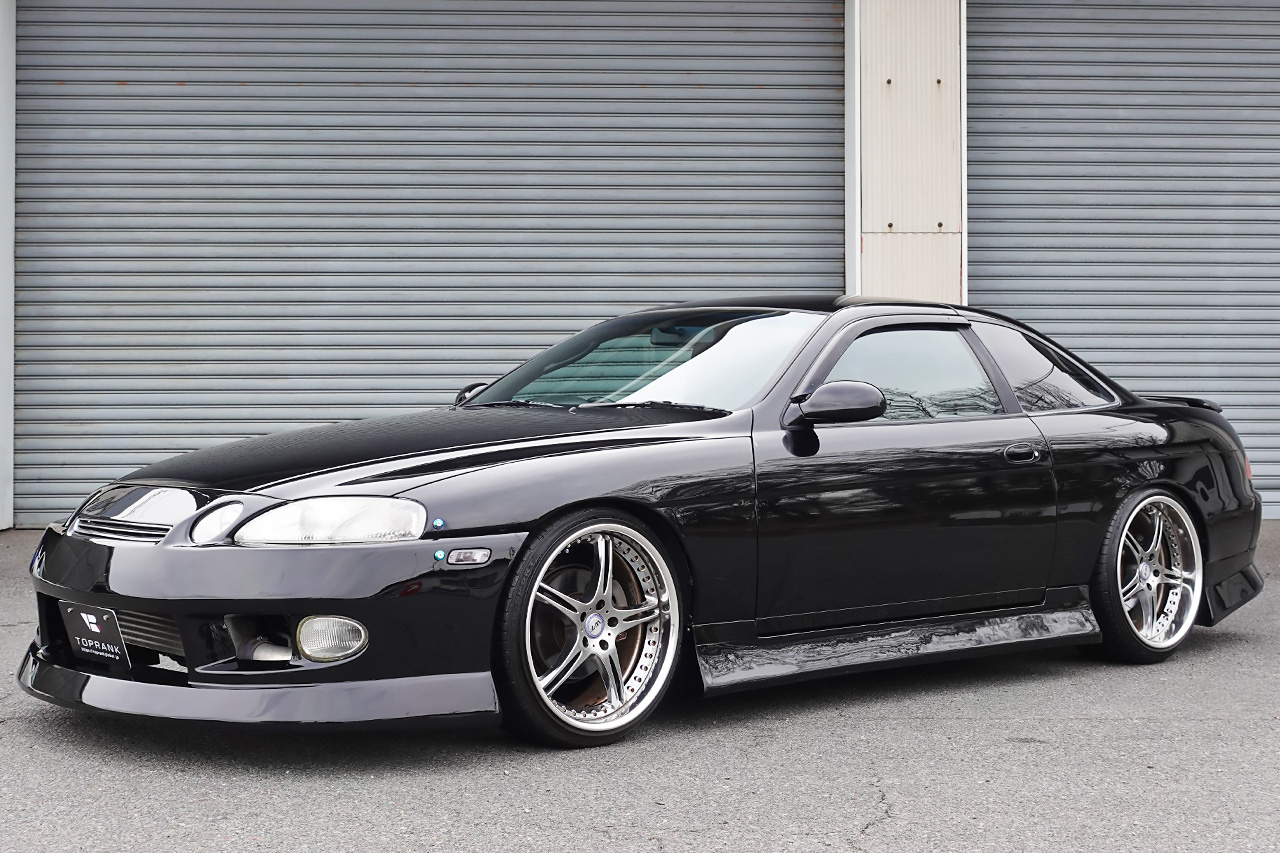
8. Toyota Soarer 2.5 GT-T
- Engine: 2.5L twin-turbo inline-6 1JZ-GTE
- Horsepower: 276 hp
- Torque: 268 lb-ft
- Dimensions: Length 191.3 in, Width 71.3 in
Performance sophistication defines the Toyota Soarer 2.5 GT T. Positioned as a high-end personal coupe, this model blended turbocharged performance with refinement in a way few competitors matched. Under the bonnet sits the legendary 1JZ GTE twin-turbo inline six, an engine respected for strength, responsiveness, and tuning potential.
Acceleration feels smooth and confident. Turbo response builds progressively, delivering strong mid-range pull without overwhelming traction. Rear wheel drive balance allows controlled power delivery, rewarding measured throttle inputs. The engine’s character emphasizes flexibility, making it equally comfortable during relaxed cruising or spirited driving.
Chassis tuning supports stability and predictability. Suspension prioritizes ride quality while maintaining control during higher speed cornering. Steering feedback communicates enough information to inspire confidence without becoming tiring. This balance suits the Soarer’s identity as a refined performance coupe rather than a track-focused machine.
Interior quality reflects Toyota’s attention to detail. Soft-touch materials, supportive seating, and advanced electronics for its time create a cabin that still feels welcoming. Climate control systems operate efficiently, and sound insulation keeps mechanical noise at bay when desired.
Reliability remains one of the Soarer’s strongest advantages. The 1JZ engine has earned a reputation for durability under stock conditions and beyond. Parts availability remains strong, and specialist knowledge continues to grow. Ownership rarely involves unexpected drama when maintenance schedules are respected.
Market attention often favors the Supra, leaving the Soarer overlooked. That comparison hides the Soarer’s strengths, especially its comfort-oriented tuning and understated design. In 2026, buyers seeking a turbocharged Japanese coupe with depth and refinement will find the Soarer 2.5 GT T deeply rewarding. It offers performance without spectacle, delivered through engineering confidence rather than reputation alone.
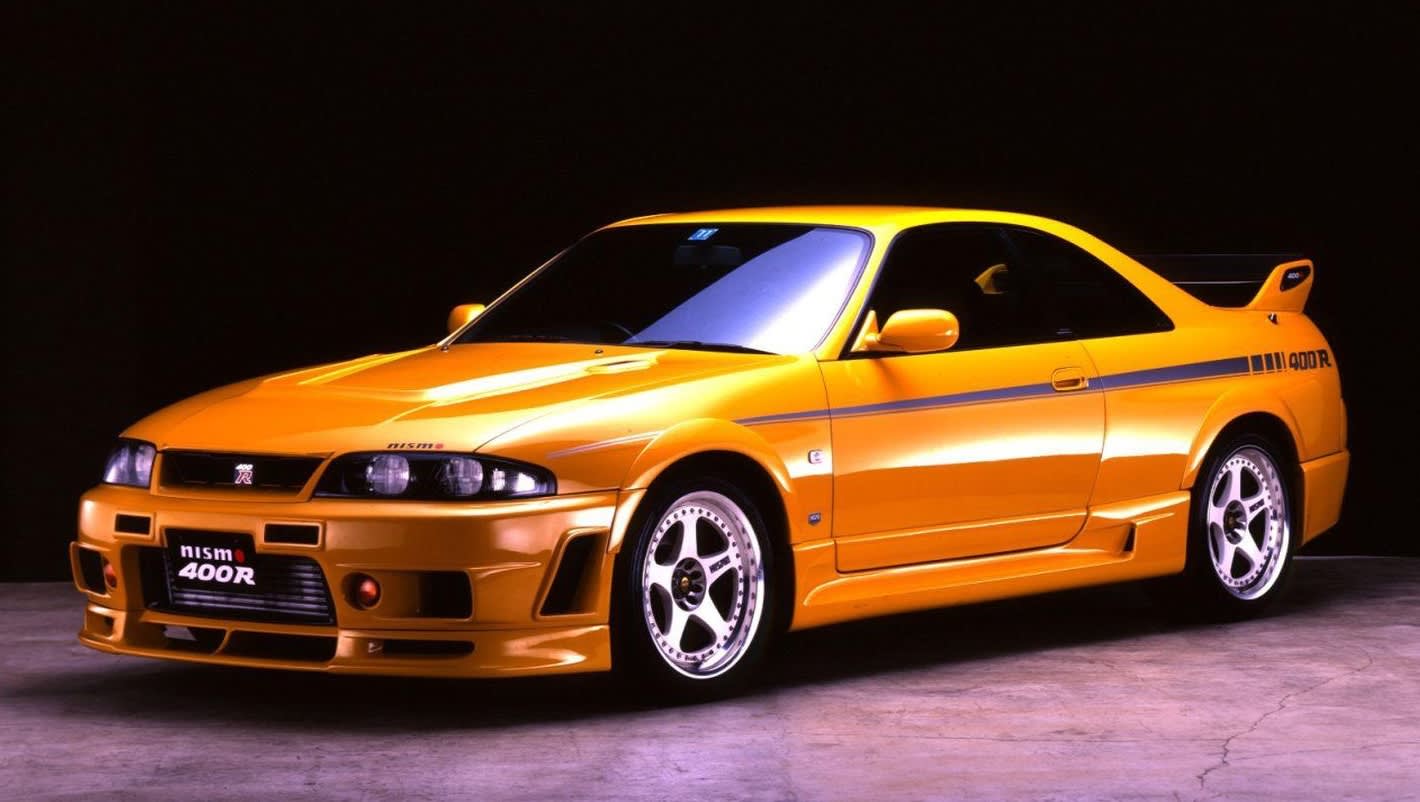
9. Nissan Skyline GT-R R33 NISMO 400R
- Engine: 2.8L twin-turbo inline-6 RBX-GT2
- Horsepower: 400 hp
- Torque: 347 lb-ft
- Dimensions: Length 183.5 in, Width 71.1 in
Recognition rarely comes easily to the Nissan Skyline GT-R R33 NISMO 400R, even though it represents one of the most ambitious performance projects ever approved by Nissan’s motorsports division. Built in extremely limited numbers during the late 1990s, the 400R was not a styling exercise or a marketing experiment.
It was a purpose-driven road machine designed to show what happened when NISMO engineers were allowed to push beyond production constraints. Power comes from the RBX GT2 engine, a heavily reworked version of the RB26 straight six. Displacement increased to 2.8 liters, internals were reinforced, and turbocharging was tuned for sustained high output rather than brief bursts.
Output figures reached around 400 horsepower, an extraordinary number for a Japanese road car at the time. Torque delivery feels immediate and relentless, building with authority through the rev range without hesitation. Driving impressions reveal a car built with clarity of purpose.
Steering weight communicates front-end grip clearly, rewarding confident inputs rather than aggressive corrections. Suspension tuning favors stability at speed, allowing the chassis to remain composed during high velocity transitions. All Wheel Drive traction works seamlessly, putting power down without drama while preserving a neutral balance that feels engineered rather than accidental.
Exterior changes appear restrained, yet every adjustment serves a function. Wider body panels improve airflow and tire clearance. Aerodynamic enhancements increase stability without excessive visual aggression. Inside, the cabin remains focused and serious, featuring supportive seats, purposeful controls, and materials chosen for durability rather than decoration.
Rarity defines ownership. Fewer than fifty units were produced, making sightings exceptionally uncommon. That scarcity contributes to rising values, yet awareness remains limited outside dedicated circles. Many enthusiasts focus on standard GT R models or later generations, leaving the 400R quietly respected rather than widely celebrated.
Maintenance requires specialist attention, though engineering quality remains high. Parts sourcing can challenge owners, but expert support networks exist. For collectors seeking a machine that represents uncompromised Japanese performance philosophy, the 400R offers authenticity that few modern vehicles can replicate. In 2026, it stands as a reminder of a period when engineering ambition guided decision-making without dilution.
Also Read: 8 Forgotten Japanese Sports Cars Faster Than Most Supercars
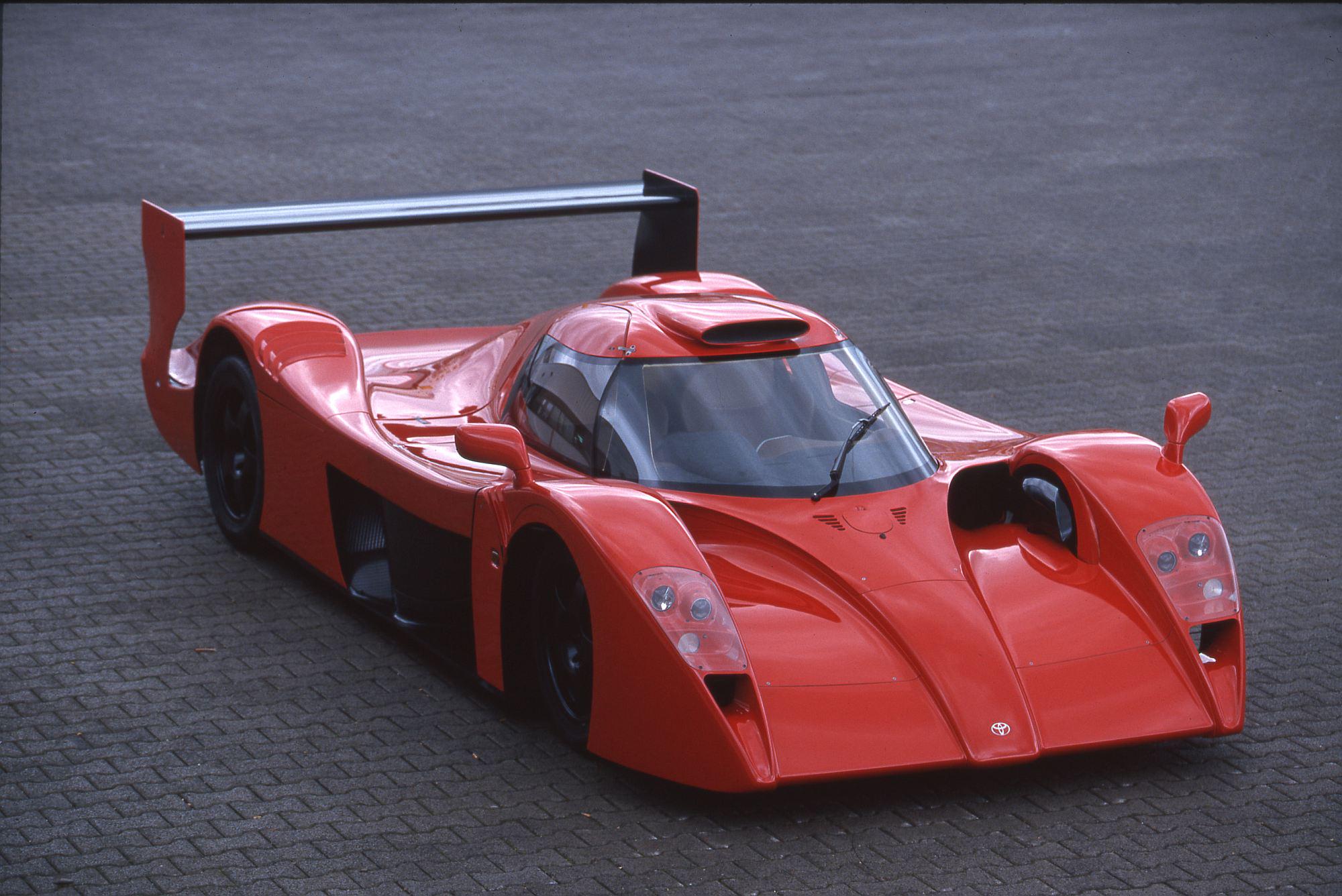
10. Toyota GT One Road Car
- Engine: 3.6L twin-turbo V8
- Horsepower: 600 hp
- Torque: 481 lb-ft
- Dimensions: Length 188.9 in, Width 78.7 in
Conversation surrounding Japanese performance rarely includes the Toyota GT One Road Car, largely because its existence feels almost mythical. Developed from Toyota’s Le Mans prototype program, this vehicle represents a rare moment when racing technology crossed into public ownership with minimal compromise. Only a handful were produced, each built to homologation requirements rather than commercial demand.
Design reflects pure endurance racing DNA. The low nose, sweeping bodywork, and massive rear diffuser prioritize airflow management at speed. Nothing about the shape exists for decoration. Every surface guides air toward cooling systems, downforce-generating elements, or drag-reduction zones. Seeing one stationary feels like watching a machine paused mid-motion.
Power comes from a turbocharged V8 derived directly from Toyota’s racing efforts. Output figures vary by source, yet performance remains undeniable. Acceleration feels explosive, driven by lightweight construction and immediate throttle response. Gear ratios emphasize rapid speed accumulation rather than relaxed cruising, reinforcing the car’s competition heritage.
Interior appointments remain sparse by road car standards. Seating positions feel low and reclined, controls cluster tightly around the driver, and visibility prioritizes forward focus. Comfort features exist only where required for legality. This environment reminds occupants that the GT One exists because racing rules demanded it, not because buyers requested convenience.
Driving experience demands respect. Steering inputs require precision, braking performance feels immense yet unforgiving, and road imperfections transmit directly through the chassis. This is not a casual vehicle. It rewards commitment and familiarity while discouraging distraction.
Ownership brings logistical challenges. Servicing requires specialized knowledge, storage demands care, and usage remains limited by practicality. Yet collectors value the GT One for reasons beyond usability. It represents a direct connection to top-tier motorsport at a time when such connections were still possible.
Market values have risen sharply, though public awareness remains narrow. Many enthusiasts know the race car but forget that the road version existed. In 2026, the Toyota GT One Road Car stands as one of the most extreme Japanese performance machines ever approved for public roads, offering a purity that modern regulations would never allow again.
