
The American automotive market has always been one of the most competitive industries in the world. Over the decades, dozens of car manufacturers from Europe, Asia, and even the United States attempted to build a lasting presence in the country. Some became household names, while others slowly disappeared without much attention from the public. In many cases, these brands did not fail because they produced terrible cars.
Instead, they struggled with changing consumer tastes, poor marketing strategies, reliability concerns, dealership problems, or financial instability in their home countries. The American market is especially unforgiving because buyers expect a combination of affordability, reliability, strong resale value, fuel efficiency, and modern technology. Brands that fail to deliver on these expectations often find themselves losing relevance very quickly.
Interestingly, many of the car brands that vanished from the United States once had loyal fan bases and innovative products. Some introduced advanced engineering long before competitors caught up, while others offered luxury and performance at surprisingly affordable prices.
Yet despite their strengths, these companies could not maintain enough momentum to survive against giants such as Ford, Toyota, Chevrolet, Honda, and BMW. In some situations, corporate mergers and restructuring decisions also played a major role in removing certain brands from the market. Automakers often choose to streamline operations and focus only on the most profitable divisions, especially during economic downturns or global financial crises.
Another reason these exits felt quiet is that most brands gradually faded away instead of announcing dramatic closures. Dealerships slowly disappeared, advertising campaigns stopped, and model lineups shrank until consumers barely noticed the brands were gone.
Some companies officially withdrew from the American market while continuing operations successfully in Europe or Asia. Others disappeared entirely after bankruptcy or acquisition by larger automotive groups. A few even attempted comebacks years later, though with mixed success.
The disappearance of these automakers also reveals how quickly the automotive industry evolves. Consumer demand constantly changes from sedans to SUVs, from gasoline engines to electric vehicles, and from budget transportation to connected technology-driven experiences.
Brands that cannot adapt to these changes often struggle to compete. Even respected manufacturers with rich histories can lose their footing if they fail to understand the American buyer.
This article explores ten car brands that quietly left the American market. Each of these companies had a unique story, distinctive vehicles, and a period when they seemed capable of long-term success. However, changing market realities eventually pushed them out of the United States, leaving behind memories for enthusiasts and lessons for the automotive industry.
Also read: Top 10 Cars With the Shortest Turning Radius Ranked
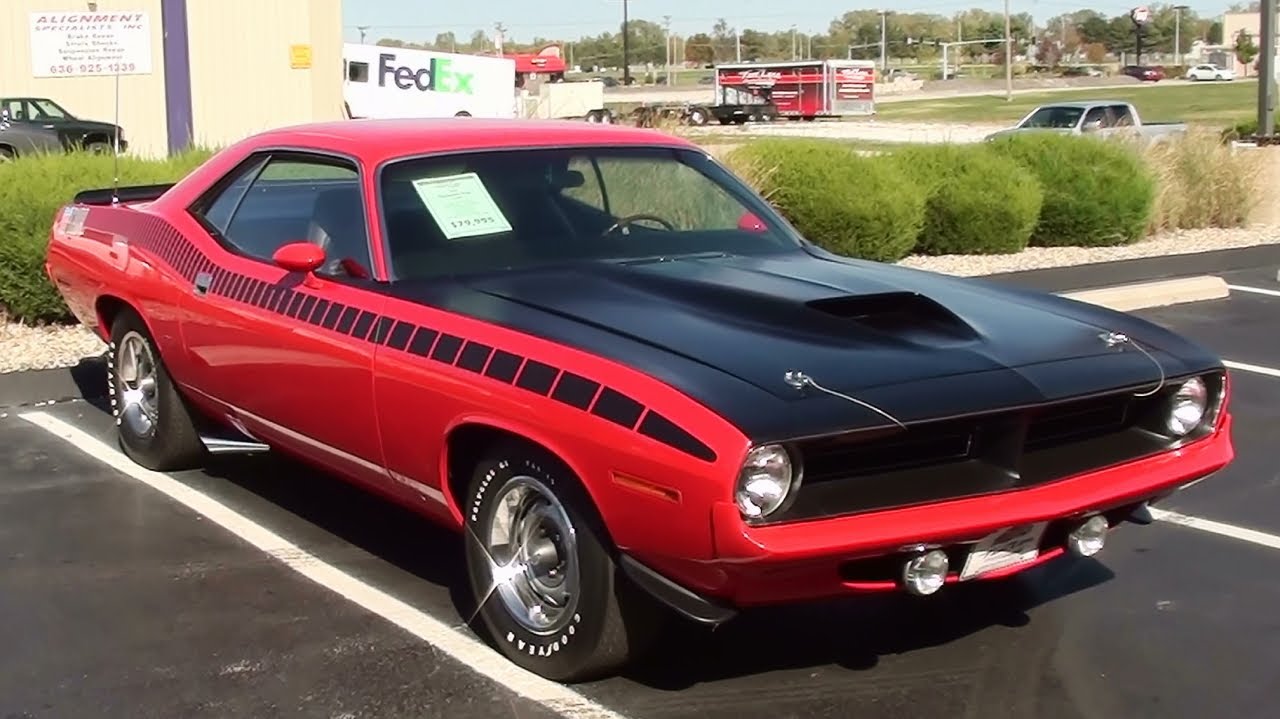
1. Plymouth
Plymouth was once one of the most recognizable American automotive brands. Established by Chrysler in 1928, the company was designed to compete with affordable brands such as Ford and Chevrolet.
During its peak years, Plymouth became famous for producing practical and dependable vehicles for middle-class families. Cars like the Plymouth Fury and Barracuda gained popularity across the country and helped establish the brand as a significant force in the American automotive market.
In the muscle car era of the 1960s and early 1970s, Plymouth gained a more exciting reputation. Vehicles such as the Road Runner and GTX became icons among performance enthusiasts.
These cars offered impressive horsepower at competitive prices, making them attractive to younger buyers looking for speed without paying luxury-level costs. Plymouth successfully balanced affordability and performance during this period, which strengthened its image among American consumers.
However, the brand struggled during the late 1970s and 1980s as market preferences shifted toward fuel-efficient vehicles. Chrysler began sharing platforms and designs across multiple divisions, causing Plymouth vehicles to lose their distinct identity.
Many models looked almost identical to Dodge vehicles, leaving consumers confused about why Plymouth even existed. This lack of differentiation slowly weakened the brand’s market position.
By the 1990s, Plymouth sales had declined significantly. Although the company introduced interesting models such as the retro-styled Prowler, it was not enough to revive the brand. Consumers increasingly viewed Plymouth as outdated and unnecessary compared to Chrysler and Dodge. Dealerships found it difficult to justify carrying another similar lineup, especially when profit margins were shrinking.
In 2001, Chrysler officially discontinued Plymouth. Unlike some automotive shutdowns that generated major headlines, Plymouth faded quietly into history. Many younger drivers today barely recognize the name, despite its once enormous influence on American roads. Still, classic Plymouth muscle cars remain highly respected among collectors and automotive enthusiasts.
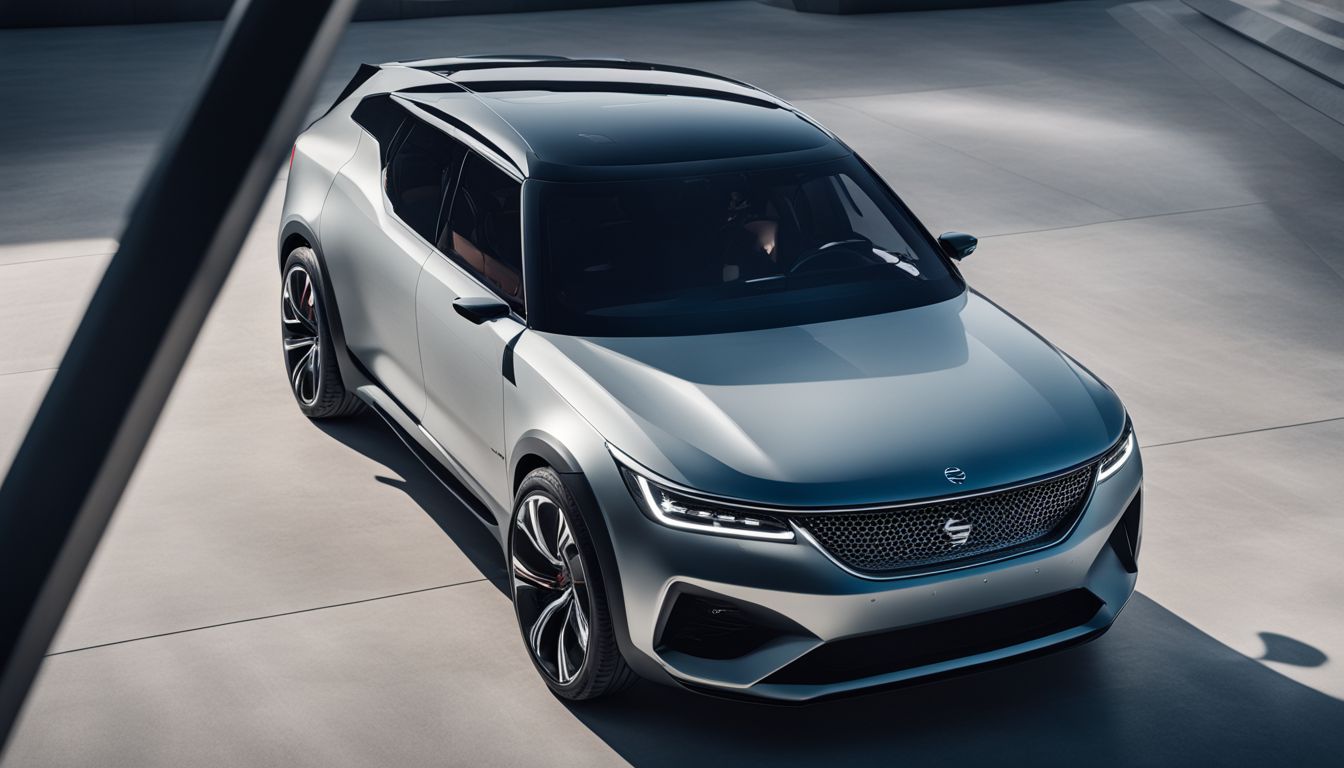
2. Saab
Saab entered the American market with a reputation for innovation, safety, and quirky Scandinavian design. Founded in Sweden, the company originally had roots in aerospace engineering, which influenced many of its automotive features.
Saab vehicles often included advanced safety systems, turbocharged engines, and unconventional styling that appealed to buyers looking for something different from mainstream luxury brands.
One of Saab’s greatest strengths was its engineering philosophy. The company prioritized driver-focused interiors, strong crash protection, and practical performance.
Models such as the Saab 900 developed a cult following among intellectuals, professionals, and enthusiasts who appreciated the brand’s unique personality. Saab owners often felt emotionally connected to their vehicles in ways rarely seen with larger automakers.
Despite its loyal customer base, Saab struggled financially for many years. General Motors acquired a controlling interest in the company during the late 1980s, hoping to expand its global presence.
Unfortunately, GM’s management decisions diluted Saab’s identity by introducing shared platforms and cost-cutting measures. Many long-time fans felt newer Saab models lacked the originality that once defined the brand.
Another challenge came from intense competition in the luxury market. Brands such as BMW, Audi, and Lexus invested heavily in technology, performance, and marketing during the 1990s and 2000s. Saab simply lacked the financial resources to compete effectively on the same scale. Reliability concerns and declining resale values further hurt consumer confidence in the brand.
Saab officially left the American market after filing for bankruptcy in 2011. Although the company attempted several restructuring efforts, it could not recover from years of financial instability.
The disappearance of Saab saddened many enthusiasts because the brand represented individuality in an increasingly standardized automotive world. Even today, older Saab models continue to attract dedicated fans who admire their unique engineering and distinctive style.
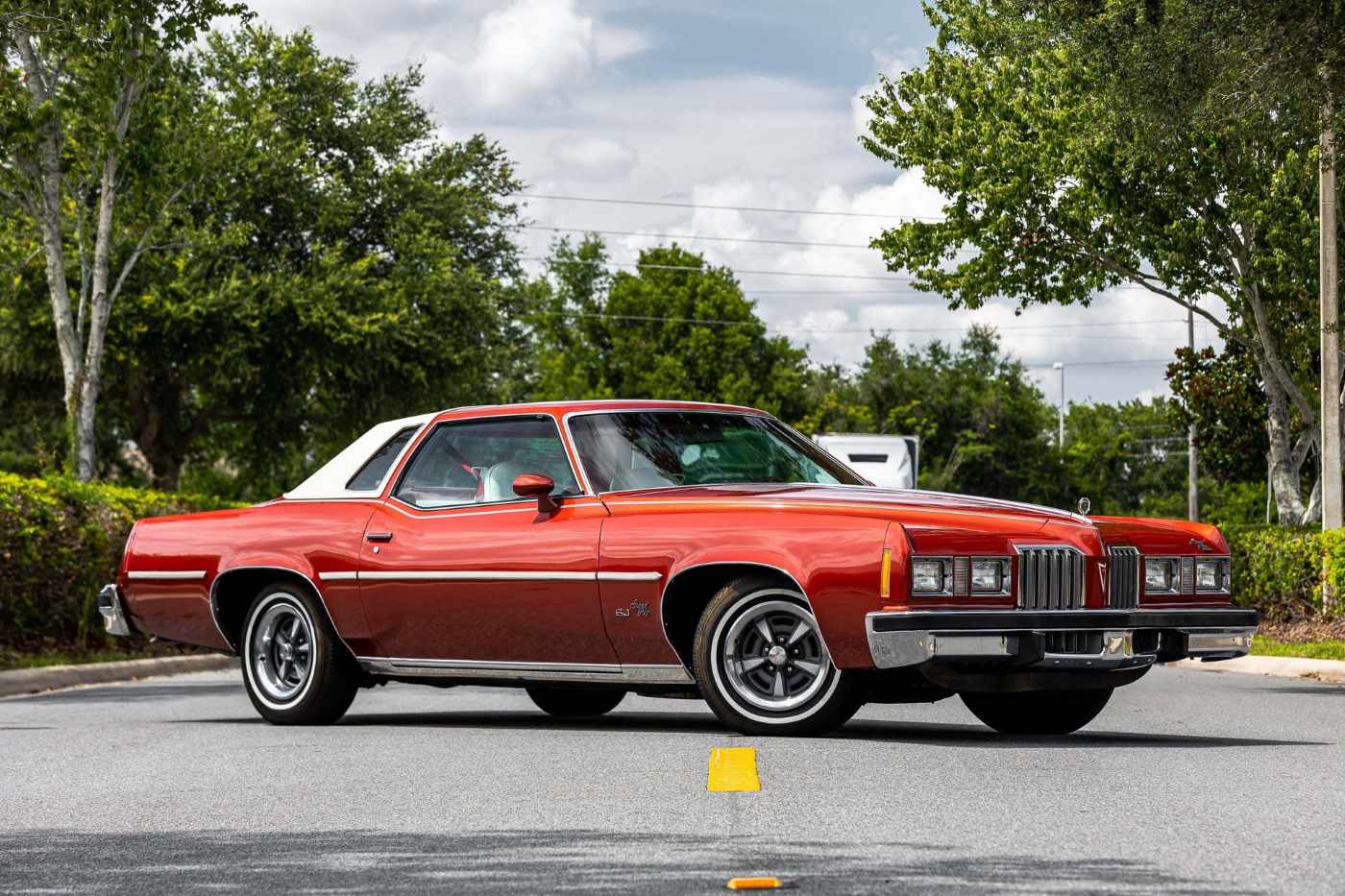
3. Pontiac
Pontiac was once considered one of General Motors’ most exciting divisions. Founded in 1926, the brand became famous for sporty styling and performance-oriented vehicles.
Throughout the 1960s and 1970s, Pontiac produced legendary muscle cars such as the GTO, Firebird, and Trans Am. These models played a major role in shaping American car culture and established Pontiac as a symbol of speed and excitement.
The brand enjoyed enormous popularity among younger drivers who wanted affordable performance. Pontiac advertisements emphasized power, aggressive styling, and driving excitement. The company successfully built a strong emotional connection with consumers during the golden age of muscle cars. Vehicles like the Firebird Trans Am became cultural icons through movies and television appearances.
Unfortunately, Pontiac struggled to maintain its identity during the later decades. As General Motors expanded platform sharing across its divisions, many Pontiac models became little more than rebadged versions of Chevrolet vehicles.
This reduced the uniqueness that once made the brand appealing. Consumers began questioning why they should buy a Pontiac when nearly identical Chevrolet models were available.
The brand attempted several revivals during the 1990s and 2000s. Cars such as the Pontiac G8 and Solstice received praise for their performance and design. However, these efforts arrived too late to reverse years of declining sales and weak brand positioning. General Motors faced severe financial difficulties during the global financial crisis, forcing the company to make difficult restructuring decisions.
In 2010, General Motors officially discontinued Pontiac as part of its bankruptcy reorganization plan. The decision shocked many loyal fans but ultimately reflected changing market realities. SUVs and crossovers had become more profitable than sporty sedans and coupes.
Although Pontiac disappeared quietly compared to some historic automotive collapses, its legacy remains deeply connected to American muscle car history.
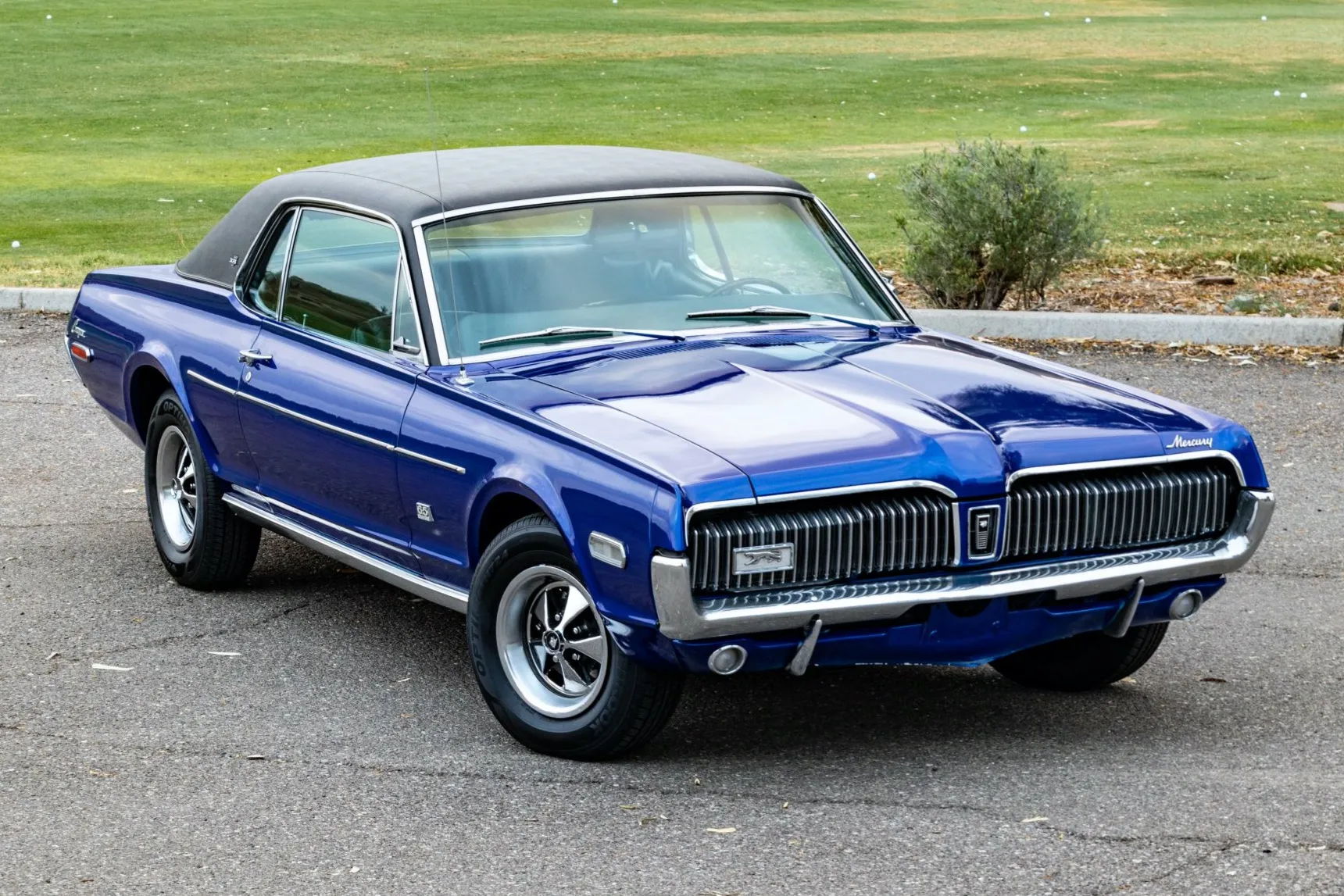
4. Mercury
Mercury was created by Ford in 1938 to bridge the gap between affordable Ford models and luxury Lincoln vehicles. The brand targeted middle-class buyers who wanted slightly more upscale styling and features without paying premium luxury prices. For decades, Mercury successfully served this purpose and built a loyal customer base throughout the United States.
During the 1950s and 1960s, Mercury produced stylish vehicles that appealed to families and professionals alike. Models such as the Cougar gained popularity for combining sporty design with comfort and practicality. Mercury also developed a reputation for smooth rides and refined interiors, which helped distinguish it from mainstream Ford vehicles.
However, the automotive market changed significantly during the late twentieth century. Consumers increasingly demanded clearer brand identities and stronger product differentiation.
Mercury struggled because many of its vehicles became nearly identical to Ford counterparts. Buyers often saw little reason to choose Mercury when a similar Ford model offered almost the same features at a lower price.
Ford attempted to modernize Mercury with updated styling and marketing campaigns, but the brand never regained strong momentum. Younger buyers viewed Mercury as outdated, while older customers gradually shifted toward other brands. The company lacked a clear identity in an increasingly competitive market dominated by Japanese automakers and luxury imports.
In 2011, Ford officially ended the Mercury brand after more than seventy years in operation. Unlike the dramatic closures of some companies, Mercury faded gradually as dealerships reduced inventory and advertising disappeared.
Today, Mercury is often remembered as a brand that lost its purpose rather than one that completely failed. Still, classic Mercury models remain appreciated among collectors and vintage car enthusiasts.
5. Oldsmobile
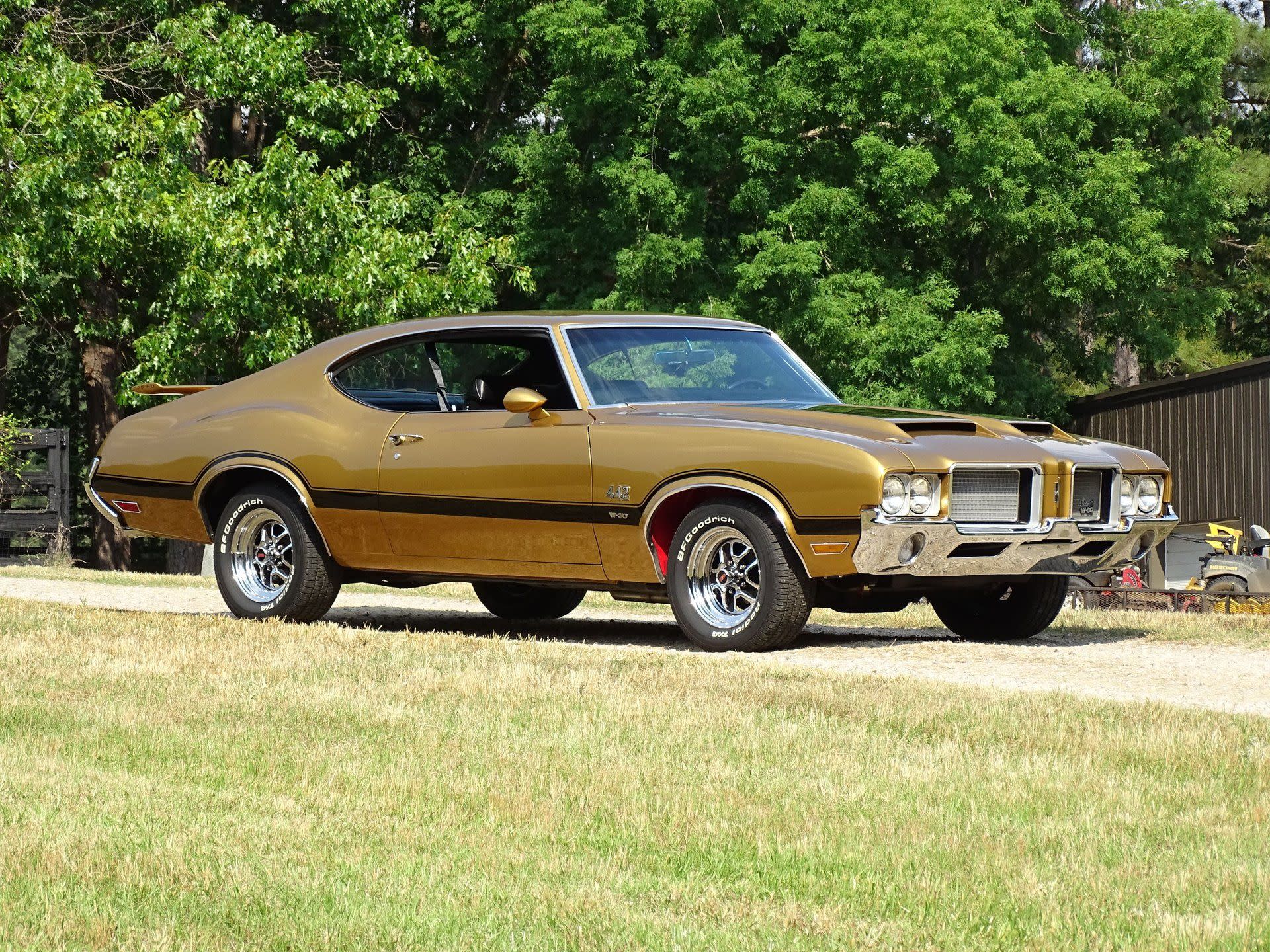
Oldsmobile was one of America’s oldest automobile brands and played a major role in automotive history. Founded in 1897, the company introduced numerous innovations throughout the twentieth century, including automatic transmissions and advanced engine technologies. For many years, Oldsmobile represented a balance between affordability and premium comfort within General Motors’ lineup.
During the mid twentieth century, Oldsmobile enjoyed tremendous success. Vehicles such as the Cutlass became best sellers and gained reputations for reliability and smooth performance. The brand appealed to middle-class families who wanted stylish vehicles with a touch of luxury. Oldsmobile also attracted buyers through innovative engineering and attractive designs.
Unfortunately, the brand struggled to remain relevant as consumer preferences evolved. By the 1980s and 1990s, younger buyers viewed Oldsmobile as a brand for older drivers.
General Motors attempted to modernize the lineup with newer models and updated marketing slogans, but these efforts failed to significantly improve sales. Platform sharing within GM also weakened Oldsmobile’s identity because many vehicles closely resembled Buick or Chevrolet models.
Another major challenge came from increasing competition from Japanese automakers. Brands such as Toyota and Honda offered exceptional reliability and fuel efficiency, attracting consumers who once considered Oldsmobile. The company could not effectively compete against these rivals while also maintaining a distinct image within General Motors’ crowded portfolio.
General Motors discontinued Oldsmobile in 2004 after more than a century of production. The closure marked the end of one of America’s most historic automotive names. Although the brand disappeared quietly compared to some corporate collapses, its influence on automotive innovation remains significant. Many classic Oldsmobile vehicles are still admired for their engineering and design.
Also read: 5 Cars Where Trade-In Beats Private Sale vs 5 Where It Doesn’t

6. Suzuki
Suzuki entered the American automotive market with small, affordable vehicles designed for efficiency and practicality. The Japanese manufacturer gained attention during the 1980s and 1990s by offering compact cars and small SUVs at competitive prices. Models such as the Samurai and Sidekick developed strong followings among budget-conscious buyers and off-road enthusiasts.
One of Suzuki’s biggest strengths was its expertise in producing lightweight vehicles with excellent maneuverability. The company understood how to build affordable transportation that appealed to urban drivers and younger consumers. Suzuki SUVs also became popular because they combined low prices with capable off-road performance.
Despite these advantages, Suzuki struggled to compete against larger Japanese brands such as Toyota and Honda. Consumers often perceived Suzuki vehicles as less refined and less reliable than competitors. The company also lacked a strong dealership network in many parts of the United States, making service and maintenance less convenient for customers.
The growing popularity of larger crossovers and trucks created additional problems for Suzuki. The company specialized in small vehicles, but American consumers increasingly preferred bigger and more powerful models. Financial difficulties during the global economic downturn further weakened Suzuki’s position in the market.
In 2012, Suzuki officially stopped selling cars in the United States after filing for bankruptcy protection. The company continued operating its motorcycle and marine divisions, but its automotive presence quietly disappeared. Today, Suzuki remains successful in several international markets, though many Americans barely remember the brand’s once visible presence.
7. Isuzu
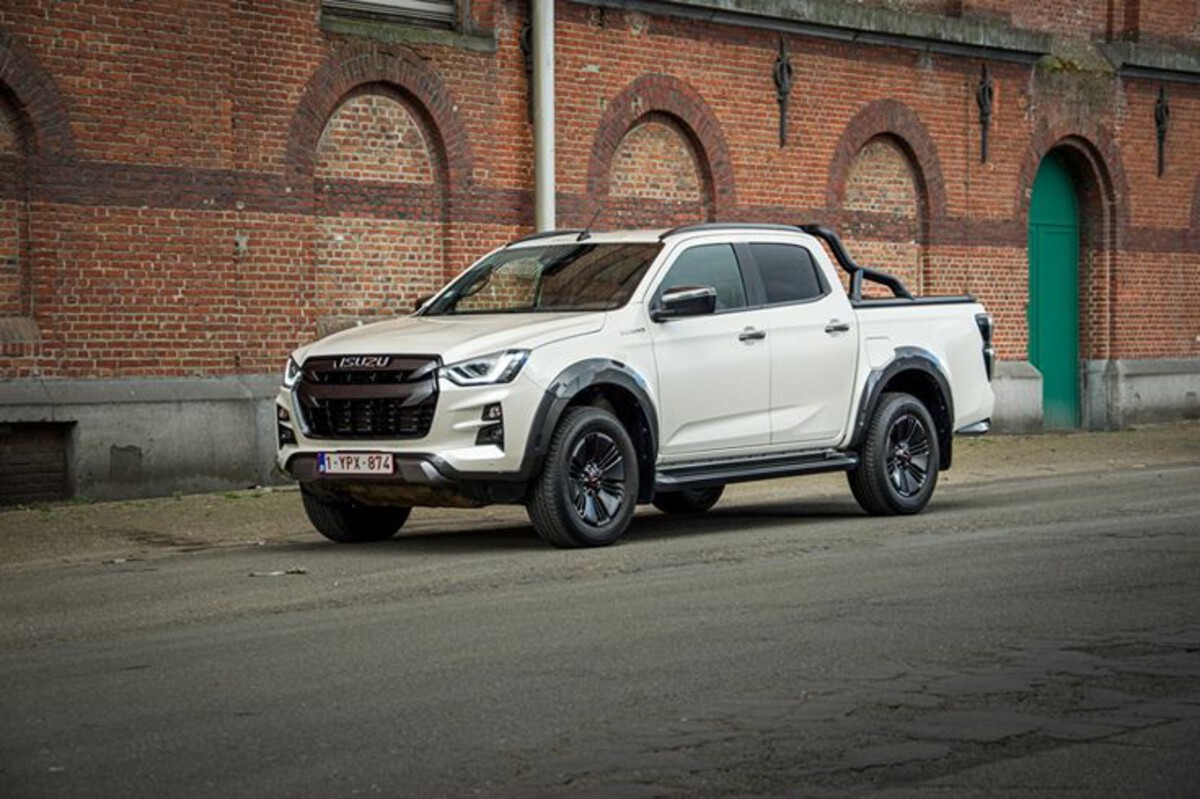
Isuzu built its reputation around durable trucks and diesel engines. The Japanese company initially gained success in the United States through compact pickup trucks and rugged SUVs. During the 1980s and 1990s, Isuzu vehicles appealed to buyers looking for practical utility and dependable off-road capability.
The Isuzu Trooper became one of the brand’s most recognizable models. It offered strong off-road performance, spacious interiors, and competitive pricing. Many consumers appreciated Isuzu’s focus on functionality rather than luxury. The company also benefited from partnerships with General Motors, which helped expand its dealership presence and distribution network.
However, Isuzu struggled to maintain momentum as competition intensified. Larger automakers introduced more refined SUVs with better comfort, safety, and technology. Isuzu vehicles began feeling outdated compared to newer offerings from Toyota, Ford, and Nissan. Reliability concerns and negative safety publicity also hurt the brand’s reputation in the American market.
Another major issue involved limited product diversity. Isuzu relied heavily on trucks and SUVs while lacking competitive passenger cars. As fuel prices fluctuated and consumer preferences changed, the company found itself vulnerable to market shifts. Sales steadily declined throughout the early 2000s, making it difficult for dealerships to remain profitable.
Isuzu officially withdrew from the American passenger vehicle market in 2009. Although the company continued commercial truck operations in North America, its consumer vehicles quietly disappeared from dealerships.
Today, Isuzu is mostly remembered by enthusiasts who appreciated the rugged simplicity of models such as the Trooper and Rodeo.
8. Eagle
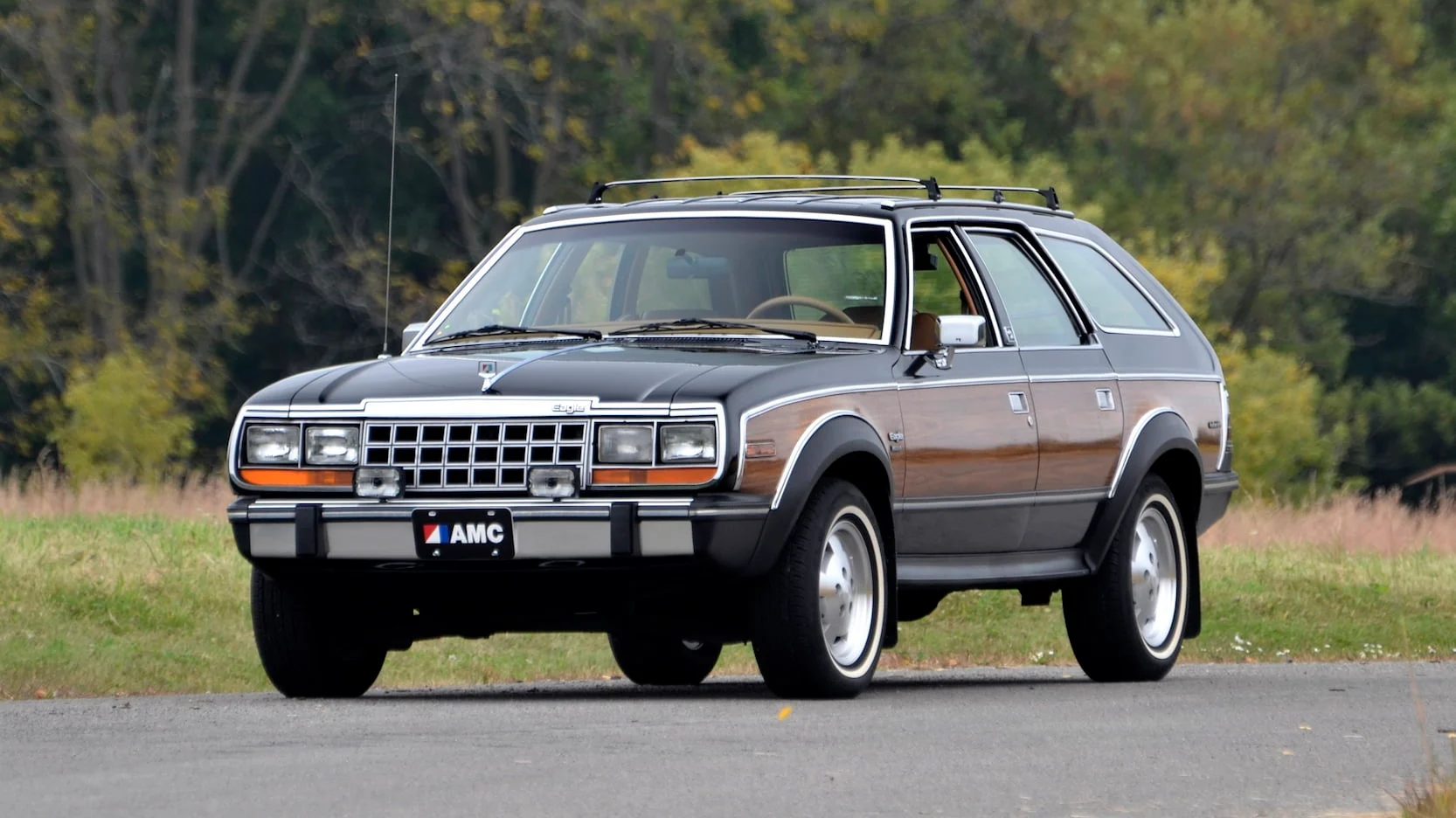
Eagle was created by Chrysler in the late 1980s after the company acquired American Motors Corporation. The brand was intended to combine imported engineering with American marketing and distribution.
Eagle vehicles often featured technology and designs influenced by European and Japanese automotive trends, giving the lineup a distinctive character compared to traditional domestic brands.
One of Eagle’s most reliable vehicles was the Eagle Talon, a sporty coupe developed in partnership with Mitsubishi. The Talon gained popularity among performance enthusiasts thanks to its turbocharged engines and All Wheel Drive options. The brand also offered practical sedans and wagons that appealed to buyers looking for alternatives to mainstream domestic vehicles.
Despite some innovative products, Eagle struggled with brand recognition and identity. Many consumers were unfamiliar with the company and uncertain about how it differed from Dodge or Chrysler. Limited marketing support further weakened Eagle’s visibility in a highly competitive market. Dealership confusion also made it difficult for the brand to establish a loyal customer base.
The decline of Eagle accelerated during the 1990s as Chrysler focused more heavily on Jeep, Dodge, and Chrysler-branded vehicles. Several Eagle models were discontinued without strong replacements, leaving the lineup increasingly outdated. The company lacked a clear long-term strategy for maintaining the brand’s relevance.
Chrysler officially discontinued Eagle in 1998. Unlike some famous automotive shutdowns, Eagle disappeared with relatively little public attention. Nevertheless, certain models, such as the Talon, still maintain cult status among enthusiasts who appreciate their performance and tunability.
9. Daewoo
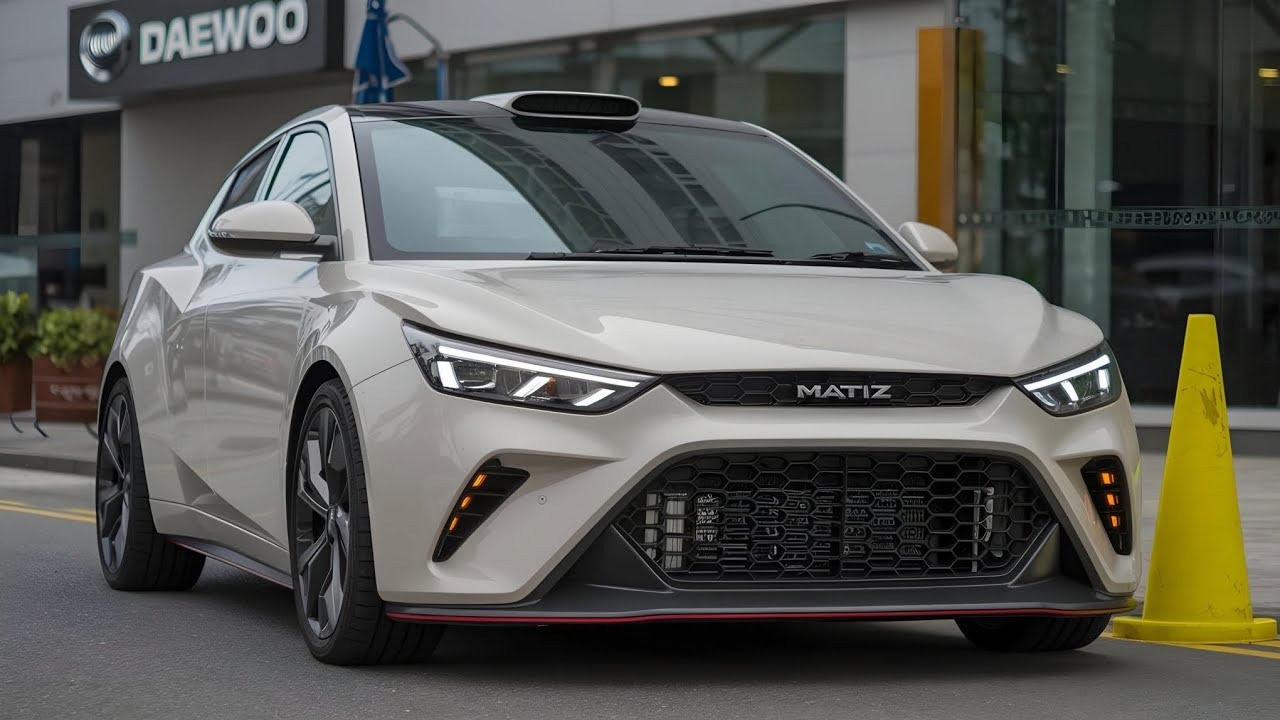
Daewoo entered the American automotive market during the late 1990s with ambitious goals. The South Korean manufacturer aimed to compete through low prices, generous warranties, and simple ownership experiences. Models such as the Lanos, Nubira, and Leganza targeted budget-conscious consumers who wanted affordable transportation.
Initially, Daewoo attracted attention by offering vehicles with modern styling and competitive pricing. The company also experimented with innovative sales strategies, including fixed pricing and strong warranty coverage. For a brief period, Daewoo appeared capable of establishing itself as a serious competitor among entry-level automotive brands.
However, financial instability quickly became a major problem. Daewoo’s parent company faced severe economic difficulties during the Asian financial crisis. These issues affected production quality, dealership support, and long-term business planning. American consumers became hesitant to purchase vehicles from a company facing uncertain financial futures.
The brand also struggled with reliability concerns and weak resale values. Buyers often preferred established Japanese competitors that offered stronger reputations for durability. Daewoo lacked the trust and brand recognition necessary to survive in the crowded American market.
General Motors eventually acquired portions of Daewoo’s operations, and the brand quietly disappeared from the United States by the early 2000s. Although some former Daewoo models later reappeared under Chevrolet branding, the original company faded quickly from public awareness.
10. Peugeot
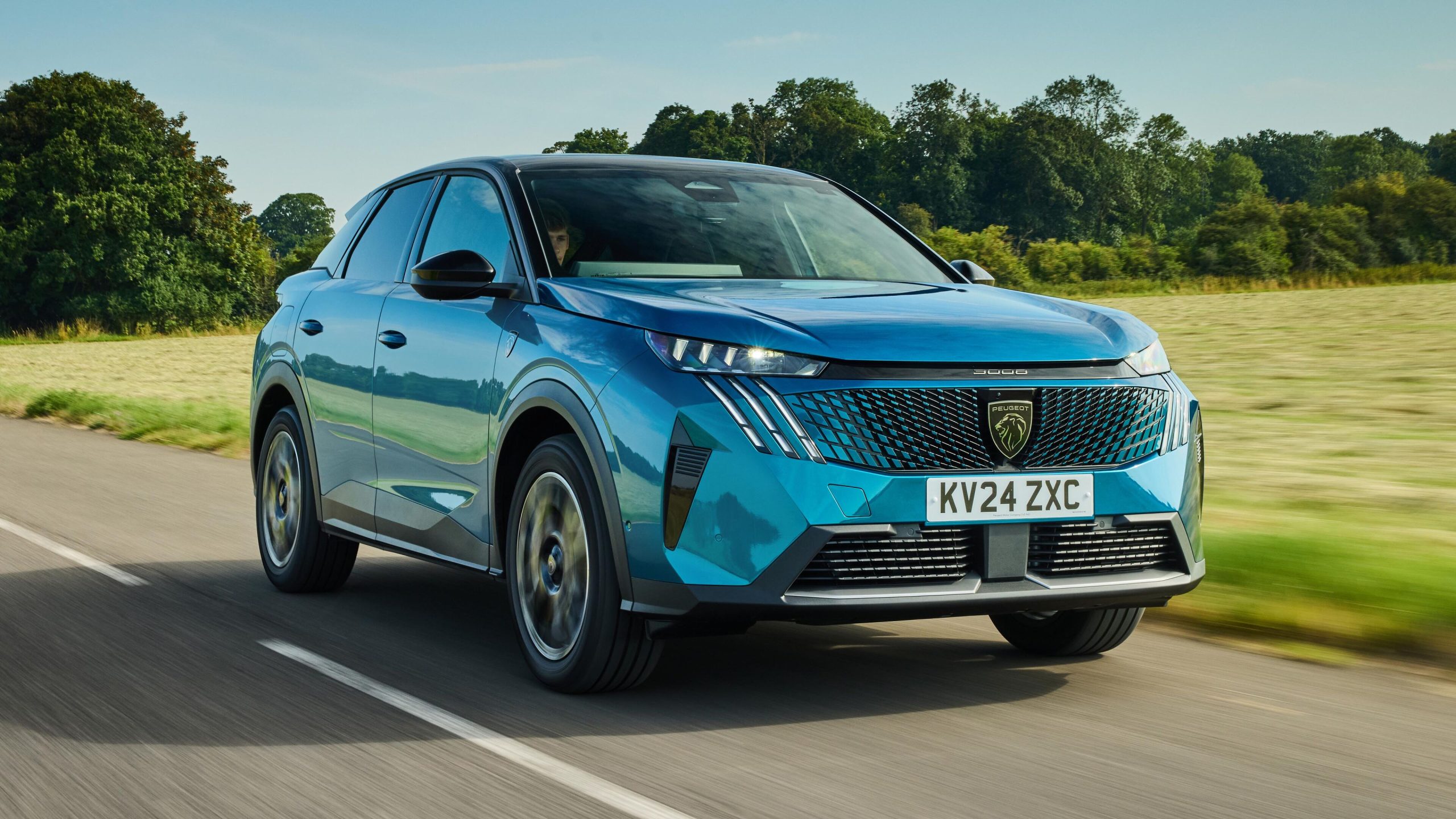
Peugeot once maintained a respectable presence in the American automotive market. The French automaker became known for comfortable rides, distinctive European styling, and efficient engineering. During the 1970s and 1980s, Peugeot attracted buyers seeking alternatives to German luxury brands and traditional American sedans.
One of Peugeot’s biggest strengths involved ride quality and handling. The company produced vehicles that felt refined and comfortable, especially on long highway journeys. Diesel-powered Peugeot models also gained popularity during periods of rising fuel prices because they offered impressive fuel efficiency compared to many domestic competitors.
Despite these advantages, Peugeot struggled with reliability perceptions and expensive maintenance costs. Finding replacement parts and qualified mechanics became increasingly difficult in many parts of the United States. As Japanese brands improved quality and affordability, Peugeot found it harder to justify its higher ownership costs.
Currency exchange rates and declining sales further complicated the company’s position. Peugeot lacked the financial scale necessary to aggressively compete against larger global automakers. The company also failed to adapt quickly enough to changing American preferences for larger vehicles and SUVs.
Peugeot officially withdrew from the United States in 1991. Unlike dramatic corporate failures, the brand simply faded away as dealerships closed and inventories disappeared. Interestingly, Peugeot has occasionally explored the possibility of returning to North America, though no major comeback has materialized so far.
