
Automotive history is filled with success stories. Many vehicles become better with each redesign, gaining improved performance, stronger reliability, better technology, and greater comfort.
Buyers generally expect a new generation of a vehicle to improve upon the strengths of its predecessor while addressing past weaknesses. Unfortunately, that does not always happen.
Sometimes manufacturers move away from the qualities that made a model popular in the first place. Cost-cutting measures, changing market demands, stricter regulations, or questionable design decisions can transform a beloved car into something far less appealing.
A vehicle that once stood out for reliability, driving enjoyment, simplicity, or value may gradually lose its identity through multiple redesigns.
This decline rarely happens overnight. The first generation often establishes a strong reputation and develops a loyal following. The second generation may remain competitive while introducing modern features.
However, later versions sometimes become heavier, more expensive, less reliable, or less engaging to drive. In some cases, manufacturers chase trends rather than preserving the characteristics that originally attracted customers.
Enthusiasts frequently debate which cars have experienced the steepest decline over time. While opinions vary, certain models appear repeatedly in these discussions because many owners feel that newer generations failed to capture the magic of earlier versions.
These vehicles may still sell well or offer impressive technology, but they often lack the qualities that once made them segment leaders.
It is important to note that “worse” does not necessarily mean bad. Many of the cars on this list remain capable vehicles. The issue is that each new generation moves further away from the strengths that built the model’s reputation.
Whether through increased complexity, reduced reliability, uninspiring design, or diminished driving character, these cars left many longtime fans feeling disappointed.
The following examples highlight vehicles that, according to many enthusiasts and owners, became less desirable as successive generations arrived.
Also Read: 8 Cars With the Worst Wet Weather Braking
1. Mitsubishi Eclipse
The Mitsubishi Eclipse began life as one of the most exciting affordable sports coupes available. Early generations offered sharp styling, engaging performance, and, in turbocharged all-wheel-drive GSX form, genuine sports car credentials. Young enthusiasts admired the Eclipse because it delivered excitement without requiring an exotic-car budget.
The first-generation model quickly established a strong reputation. It was lightweight, responsive, and available with powertrains that offered impressive tuning potential.
The second generation built upon that success, becoming a favorite among performance enthusiasts and gaining even greater popularity through motorsport culture and aftermarket support. Problems began appearing as later generations arrived.
The third-generation Eclipse abandoned much of the formula that made earlier models successful. It became larger, heavier, and more focused on style than driving dynamics. Although visually dramatic, it lacked the agility and performance character that had attracted enthusiasts to previous versions.
The fourth generation continued this trend. More weight, front-wheel-drive-only configurations, and a stronger emphasis on comfort made the vehicle feel disconnected from its roots.
While V6 models offered respectable straight-line performance, the car no longer competed effectively with the sport compact rivals that had surpassed it in handling and driver engagement.
The final blow came when Mitsubishi replaced the Eclipse name entirely with a crossover SUV years later. To many enthusiasts, this move symbolized how far the badge had drifted from its original identity.
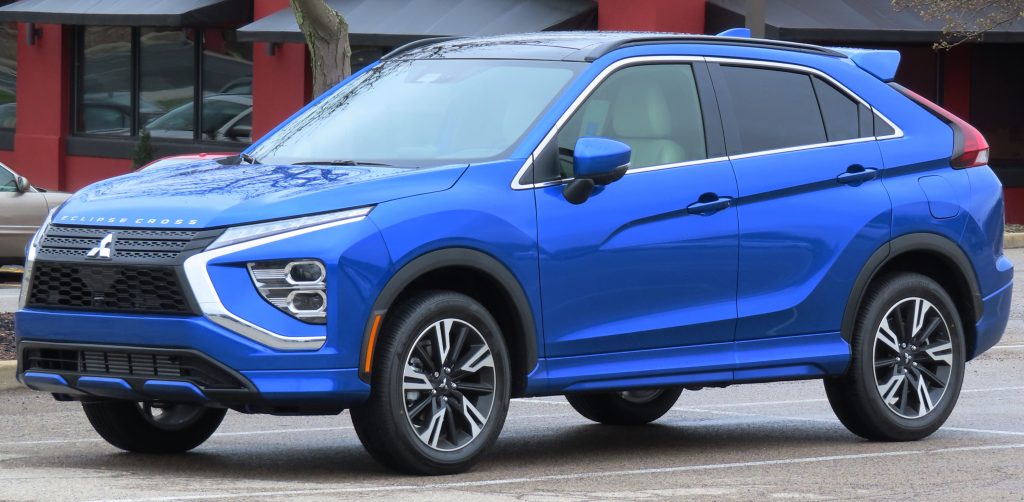
What makes the Eclipse such a notable example is the contrast between its beginnings and its conclusion. It started as a genuine performance icon with strong enthusiast appeal, but gradually evolved into a vehicle that lacked the attributes responsible for its success.
For many longtime fans, every redesign seemed to move the Eclipse further away from the qualities that made it memorable in the first place.
Specifications
- Engine: 3.8 Liter V6 (Final Generation GT)
- Torque: 267 lb-ft
- Horsepower: 265 hp
- Length/Width: 179.2 in / 72.2 in
2. Chevrolet Impala
The Chevrolet Impala was once one of America’s most respected full-size cars. Earlier generations combined attractive styling, comfortable interiors, and powerful engine options that appealed to a broad audience. During its peak years, the Impala represented exactly what many American buyers wanted from a family sedan.
The earliest versions built their reputation through simplicity and durability. Buyers appreciated spacious cabins, smooth rides, and engines capable of delivering effortless highway cruising.
High-performance variants even earned a place in muscle car history, helping the model establish a strong identity. As the decades passed, however, that identity became increasingly blurred.
By the 1980s and 1990s, the Impala nameplate experienced periods of inconsistency. Some generations struggled to stand out in crowded markets, while others relied heavily on fleet sales rather than enthusiast demand. The vehicle gradually lost the prestige it once carried.
The biggest criticism involved the shift toward anonymity. Earlier Impalas possessed distinctive styling and memorable personalities.
Later generations often felt designed primarily to satisfy practical transportation needs rather than inspire buyers. While they remained functional, they lacked the character that had once made the model special.
Reliability concerns in certain generations also affected public perception. Combined with increasing competition from Japanese and Korean manufacturers, the Impala found itself losing ground in areas where it had previously excelled.
Even the final generation, which was arguably one of the better modern Impalas, struggled to overcome years of declining brand identity. It offered a comfortable ride and attractive styling, but consumer preferences had already shifted toward SUVs and crossovers.
The Impala’s story illustrates how a legendary nameplate can gradually lose its significance through a series of redesigns that fail to preserve its defining qualities. While later versions were not necessarily poor vehicles, they rarely captured the excitement, prestige, or influence of the original models.
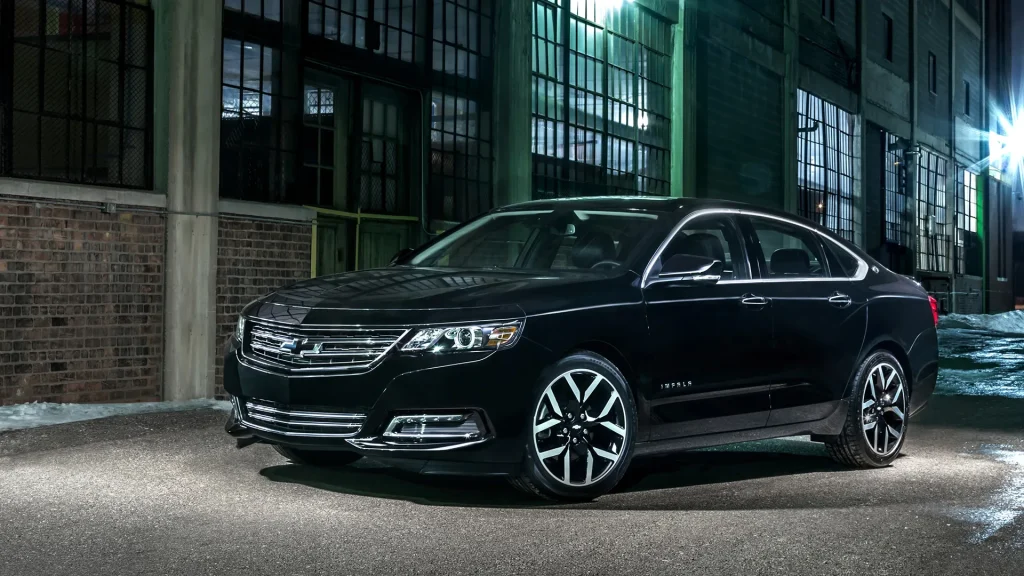
Many automotive historians view the Impala as a cautionary tale about the importance of maintaining a clear identity across generations. Once that connection is lost, rebuilding it becomes extremely difficult.
Specifications
- Engine: 3.6 Liter V6 (Final Generation)
- Torque: 264 lb-ft
- Horsepower: 305 hp
- Length/Width: 201.3 in / 73.0 in
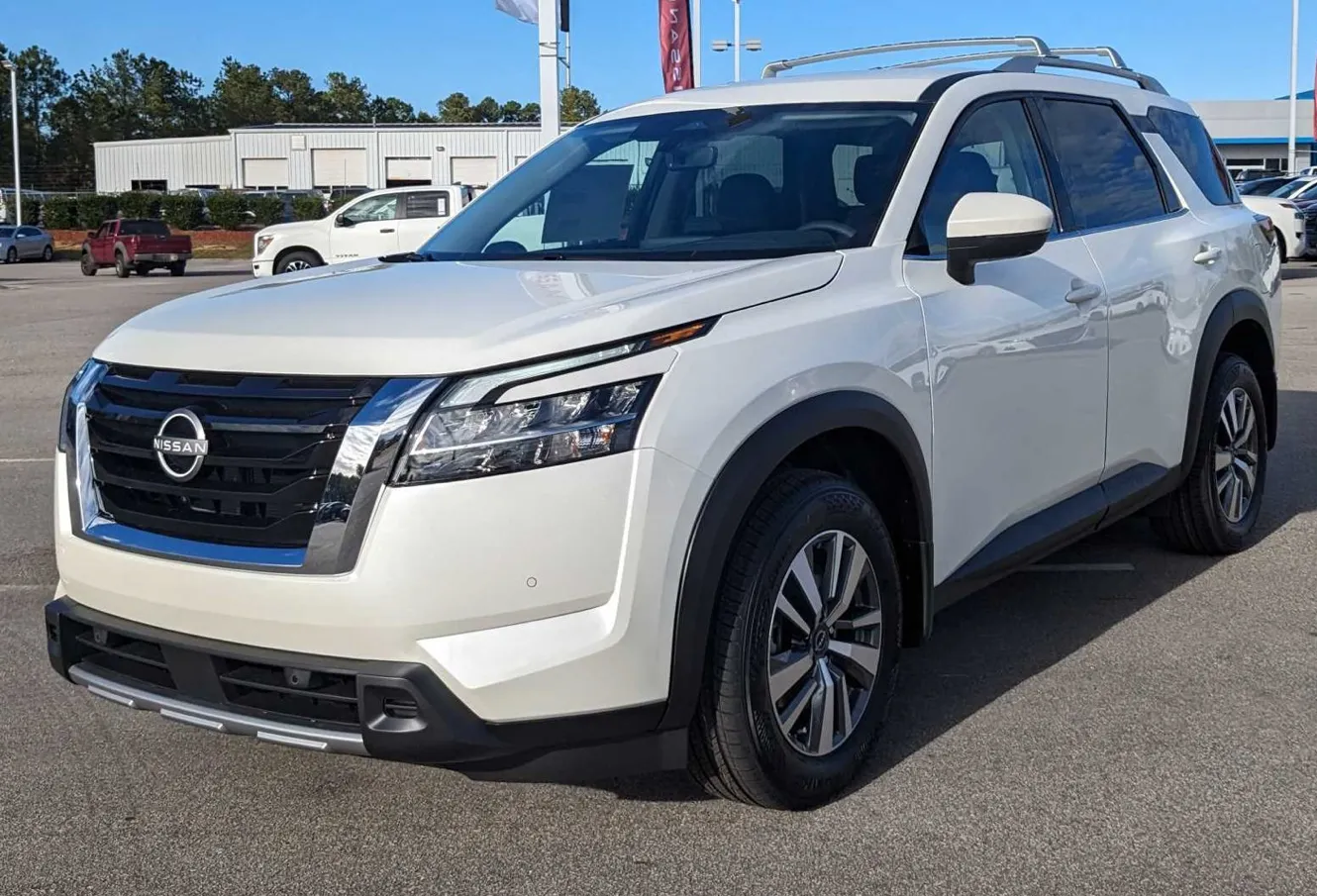
3. Nissan Pathfinder
The Nissan Pathfinder earned its reputation during an era when sport utility vehicles were expected to be tough, durable, and capable of venturing far beyond paved roads.
The original Pathfinder was built with a truck-based platform, genuine off-road credentials, and a rugged personality that appealed to adventurous buyers. It was not the most luxurious SUV on the market, but that was never its purpose.
Early generations focused heavily on durability. Owners appreciated the strong body-on-frame construction, dependable mechanical components, and ability to handle difficult terrain. Whether used for camping trips, towing duties, or everyday commuting, the Pathfinder delivered a sense of toughness that separated it from many competitors.
As consumer preferences evolved, Nissan gradually shifted the Pathfinder in a different direction.
The third generation introduced more comfort and refinement, which many buyers welcomed. However, the vehicle also became larger and heavier. Some of the simplicity that defined earlier versions began to disappear as additional technology and luxury features were added.
The biggest turning point arrived with the fourth generation. Nissan abandoned the traditional truck-based platform and moved the Pathfinder to a car-based unibody structure.
While this improved ride comfort and interior packaging, many longtime fans felt the SUV lost the rugged character that had made it special. Off-road capability declined, and the vehicle became more focused on family transportation than outdoor adventure.
Another criticism involved the continuously variable transmission used in certain generations. Many owners expressed concerns about reliability and driving feel. Instead of the durable and straightforward mechanical experience associated with older Pathfinders, newer models often felt more complex and less robust.
Families appreciated the improved interior space and smoother ride, but enthusiasts struggled to recognize the vehicle as a true successor to the original Pathfinder. What had once been a capable off-road SUV increasingly resembled a typical crossover designed primarily for suburban life.
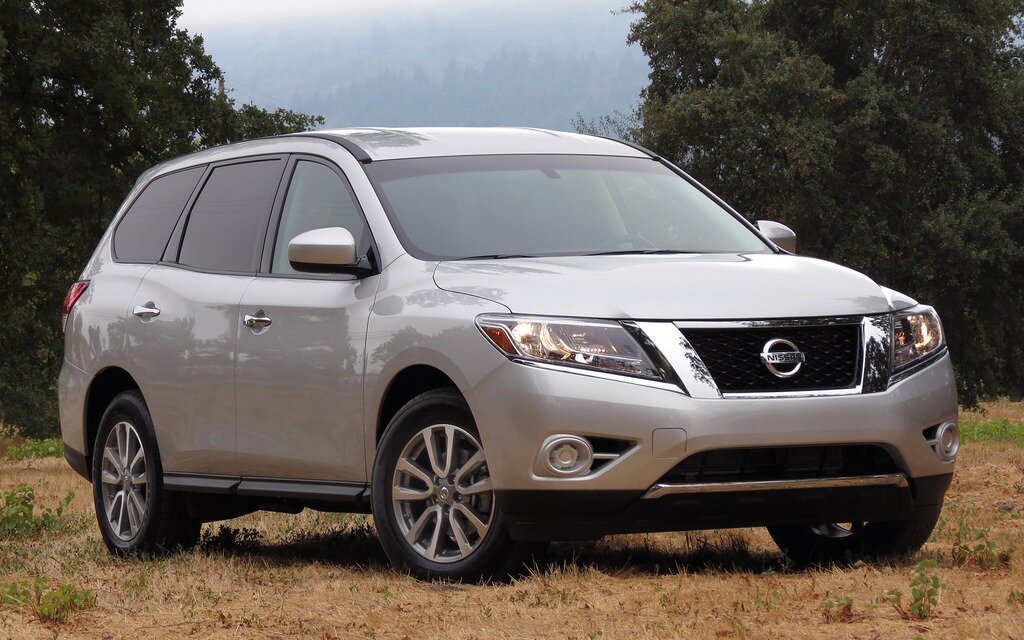
The latest generations have improved in several areas, yet many enthusiasts still view the model as an example of a vehicle that gradually moved away from the characteristics that established its reputation. The Pathfinder remains practical and comfortable, but it no longer evokes the same adventurous spirit that defined its earliest years.
Specifications
- Engine: 3.5 Liter V6
- Torque: 259 lb-ft
- Horsepower: 284 hp
- Length/Width: 197.7 in / 77.9 in
4. Volkswagen Beetle
Few cars in automotive history are as recognizable as the Volkswagen Beetle. The original Beetle became a global icon through its simplicity, affordability, reliability, and unmistakable design. It achieved legendary status because it provided dependable transportation to millions of people around the world.
The formula was straightforward. The classic Beetle featured simple mechanical components, easy maintenance, and a design that remained largely unchanged for decades. Owners valued practicality over luxury, and the car’s charm came from its honest approach to transportation. When Volkswagen revived the Beetle name in the late 1990s, excitement was initially high.
The New Beetle successfully captured the visual spirit of the original. Rounded styling cues and retro-inspired details attracted buyers seeking nostalgia. However, beneath the familiar appearance was a front-wheel-drive compact car that shared little with the classic model beyond its looks.
As newer generations arrived, criticism became more common. The Beetle increasingly relied on retro styling while struggling to establish a clear purpose in the marketplace. It was no longer the affordable people’s car that made the original famous. Instead, it occupied a niche segment where style often mattered more than practicality.
Pricing also became a concern. The original Beetle earned its reputation partly because it was accessible to ordinary buyers. Modern versions were significantly more expensive, making them harder to justify when compared with other compact vehicles offering greater practicality and value.
Another challenge involved changing consumer tastes. As crossovers gained popularity, demand for retro-themed compact cars declined. Volkswagen attempted to make later Beetles sportier and more modern, but those efforts failed to recreate the cultural impact of the original model.
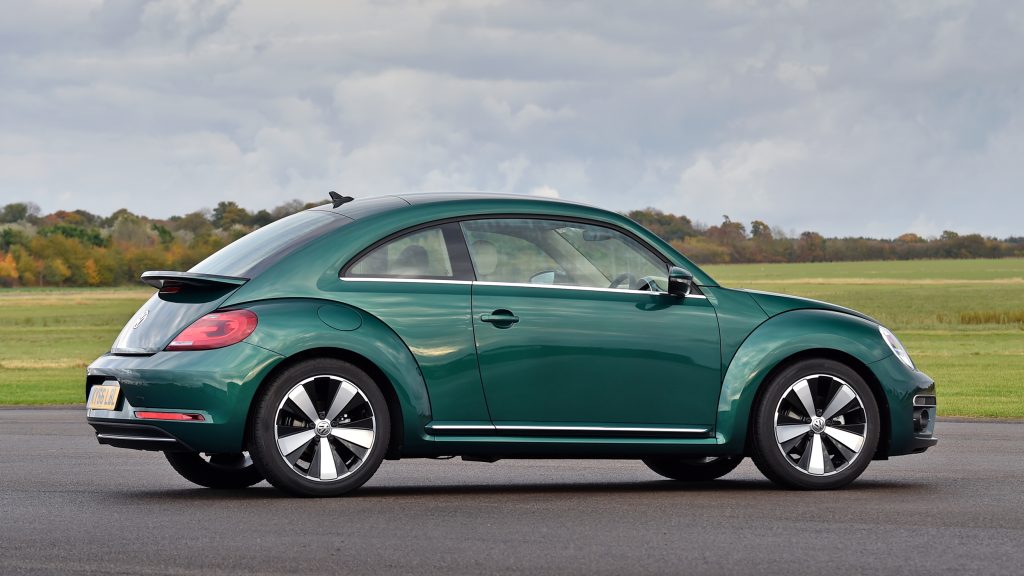
The result was a vehicle that became increasingly dependent on nostalgia rather than innovation. While newer Beetles offered better safety, technology, and comfort, many buyers felt they lacked the simplicity and authenticity that made the original a worldwide phenomenon.
For countless enthusiasts, each generation moved further away from the qualities that transformed the Beetle into one of the most beloved cars ever produced.
Specifications
- Engine: 2.0 Liter Turbocharged Inline 4 (Final Generation)
- Torque: 207 lb-ft
- Horsepower: 174 hp
- Length/Width: 168.4 in / 71.7 in
5. Ford Explorer
When the Ford Explorer debuted in the early 1990s, it quickly became one of the defining sport utility vehicles of its era. It arrived at a time when Americans were beginning to move away from traditional station wagons and toward SUVs.
The Explorer offered truck-like toughness, a commanding driving position, and family-friendly practicality, creating a formula that proved enormously successful.
The first generations built their reputation on capability. They were body-on-frame vehicles designed to handle towing, rough roads, and outdoor adventures.
Owners appreciated their rugged nature and straightforward engineering. The Explorer felt like a genuine SUV rather than a family car pretending to be one. Success, however, brought change.
As the market evolved, Ford increasingly prioritized comfort and mainstream appeal. Later generations became larger, heavier, and more focused on suburban family use. While these changes helped attract a wider audience, they also diluted some of the qualities that had made the original Explorer stand out.
One of the most significant transformations occurred when Ford moved the Explorer from a truck-based platform to a unibody architecture. The change improved ride quality, handling, and fuel efficiency.
Yet many longtime owners believed the vehicle lost part of its rugged personality. It became easier to live with on paved roads but less distinctive in a growing field of crossovers.
Reliability concerns also affected certain generations. Transmission issues, electronic problems, and expensive repairs damaged the model’s reputation among some owners. Earlier Explorers had earned respect through durability, making these concerns particularly disappointing.
Styling changes contributed to the perception as well. Early explorers projected confidence and toughness. Later versions often appeared more polished and less adventurous, reflecting shifting consumer priorities rather than the vehicle’s original mission.
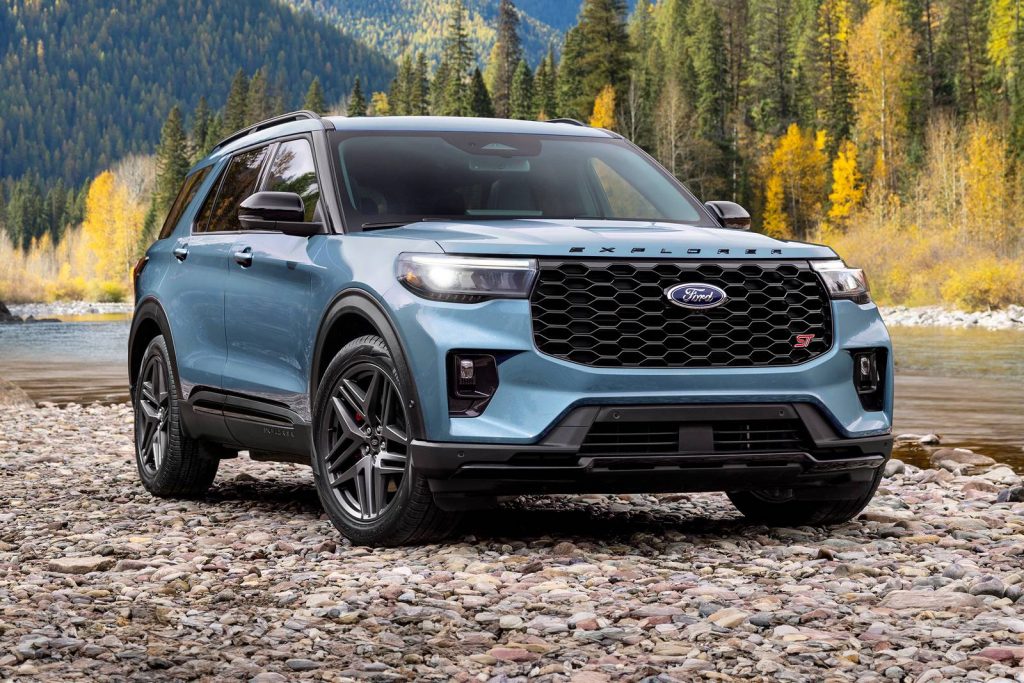
Modern Explorers remain capable family vehicles packed with technology and safety features. They offer spacious interiors and strong performance, particularly in higher trims. However, many enthusiasts argue that each redesign moved the model further away from the rugged SUV character that made it a household name.
The Explorer’s journey reflects how success can sometimes lead manufacturers to broaden a vehicle’s appeal at the expense of the qualities that originally defined it.
Specifications
- Engine: 2.3 Liter Turbocharged EcoBoost Inline 4
- Torque: 310 lb-ft
- Horsepower: 300 hp
- Length/Width: 198.8 in / 78.9 in
6. Dodge Dart
Reviving an iconic name can be risky, especially when expectations are shaped by decades of history. The Dodge Dart was once a respected compact car known for its durability, simplicity, and affordability.
Earlier versions earned loyal customers by providing dependable transportation while offering a range of engine options that appealed to different types of buyers.
The classic Dart enjoyed a long and successful run. It became particularly popular during the muscle car era, when performance-oriented variants helped establish a strong enthusiast following. The name carried significant recognition and goodwill among American car buyers. When Dodge resurrected the Dart for the 2013 model year, anticipation was considerable.
The new model entered a highly competitive compact car segment dominated by proven rivals. Dodge attempted to blend sporty styling with modern technology and efficient powertrains. On paper, the strategy appeared promising. Unfortunately, the execution left many buyers underwhelmed.
One of the most common criticisms involved the powertrain lineup. Several engine and transmission combinations struggled to deliver the refinement buyers expected. Some models felt underpowered, while others suffered from drivability issues that affected the ownership experience.
Reliability concerns emerged as another major problem. Owners frequently reported electrical issues, transmission complaints, and quality-control shortcomings. In a segment where dependability often determines success, these problems made it difficult for the Dart to compete effectively.
The vehicle’s weight also worked against it. Compared with many competitors, the Dart was relatively heavy, which affected both performance and fuel economy. Buyers expecting a nimble and efficient compact sedan often found alternatives that delivered better results.
Perhaps the biggest issue was identity. The modern Dart shared little with the characteristics that made the original memorable. Instead of creating a worthy successor, Dodge produced a vehicle that struggled to establish a clear advantage over established rivals.
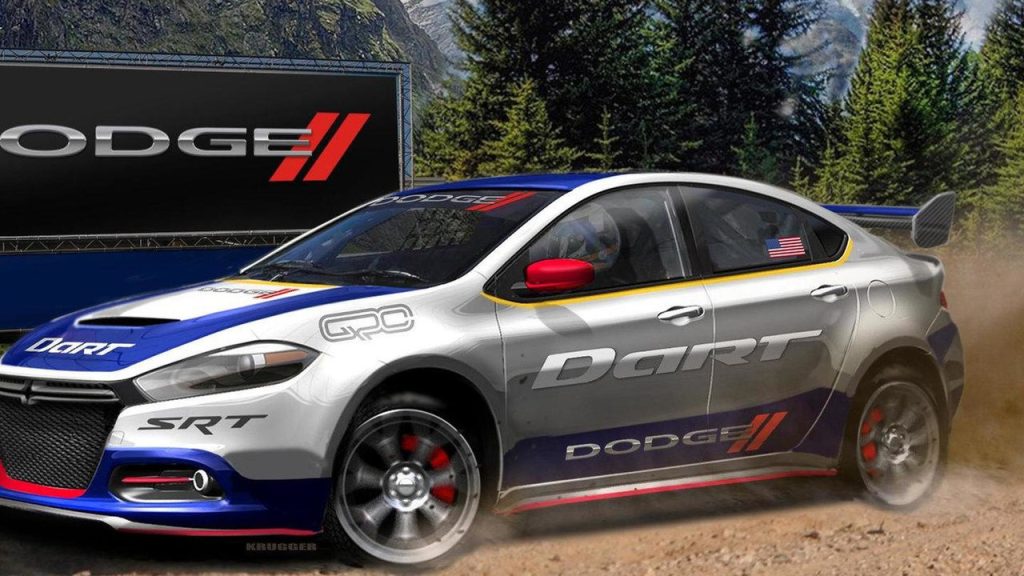
Production ended after only a few years, making the Dart one of the shorter-lived revivals in recent automotive history. For many enthusiasts, it serves as a textbook example of how successive generations and misguided reinventions can gradually diminish the legacy of a once-respected nameplate.
Specifications
- Engine: 2.4 Liter Tigershark Inline 4
- Torque: 171 lb-ft
- Horsepower: 184 hp
- Length/Width: 183.9 in / 72.0 in
7. Toyota Celica
The Toyota Celica spent decades building a reputation as one of the most accessible and enjoyable sports coupes on the market.
Early generations offered attractive styling, dependable engineering, and enough performance to satisfy enthusiasts without becoming prohibitively expensive. It became a gateway sports car for countless drivers and played an important role in Toyota’s performance heritage.
The first few generations evolved naturally. Toyota improved technology, refined the chassis, and introduced more powerful engines while maintaining the vehicle’s sporty identity.
During the 1980s and early 1990s, the Celica reached a particularly strong position in the market. Turbocharged all-wheel-drive GT-Four models gained fame in rally competition, giving the car a performance image that extended far beyond its price range. As the years passed, however, priorities began to shift.
Later generations became increasingly focused on style rather than substance. Toyota attempted to attract younger buyers through dramatic exterior designs, but many enthusiasts felt that driving engagement was gradually being sacrificed.
While the cars remained reliable, they no longer delivered the same excitement that had helped establish the Celica’s reputation.
The seventh and final generation illustrated this change clearly. The vehicle featured futuristic styling and a high-revving engine, yet it lacked the broader appeal of earlier models. The practical versatility, rally-inspired character, and performance variety that once defined the lineup had largely disappeared.
Another factor was market competition. Rivals were becoming more powerful, more refined, and more technologically advanced. The Celica struggled to maintain its position as consumer tastes evolved. Sports coupe sales declined, and Toyota increasingly focused on vehicles with greater mainstream appeal.
Longtime fans often argue that each redesign moved the Celica further away from the balanced formula that originally made it successful. Instead of building upon its rally heritage and enthusiast credibility, later versions became narrower in focus and less versatile.
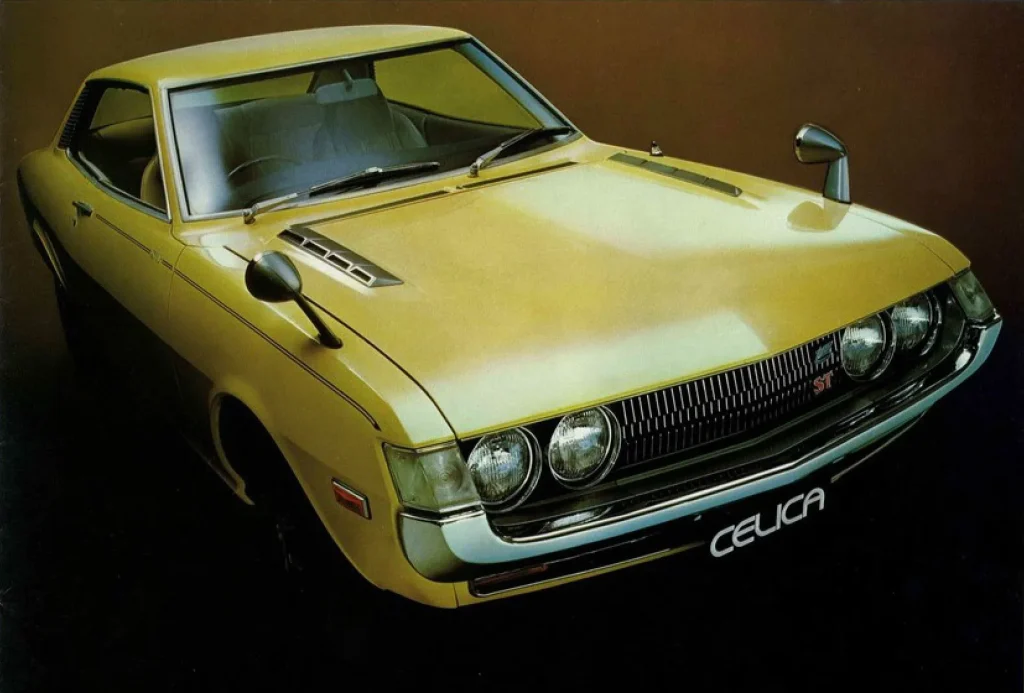
The Celica was never a bad car during its final years. In fact, it remained reliable and reasonably fun to drive. Yet compared with the legendary reputation established by earlier generations, many enthusiasts viewed the later models as a step backwards rather than a natural progression.
Its discontinuation marked the end of one of Toyota’s most recognizable sports car nameplates.
Specifications
- Engine: 1.8 Liter Inline 4
- Torque: 130 lb-ft
- Horsepower: 180 hp
- Length/Width: 171.9 in / 68.3 in
8. Chrysler Sebring
Few vehicles illustrate a gradual decline as clearly as the Chrysler Sebring. Introduced as a stylish midsize car intended to compete with established family sedans, the Sebring initially attracted attention through its attractive design and comfortable driving experience. Early models were not segment leaders, but they offered enough strengths to remain competitive.
The first generation arrived during a period when Chrysler was producing some genuinely distinctive products. The Sebring coupe and convertible stood out thanks to sleek styling and a more premium appearance than many rivals. Buyers appreciated the open-top variants, which provided affordable convertible ownership for a broad audience.
The second generation continued this momentum to some extent, maintaining respectable sales and broad market appeal. However, warning signs were beginning to emerge. Interior quality lagged behind competitors, and refinement levels no longer matched the best vehicles in the segment. The third generation accelerated the decline.
By this point, competitors from Japan and Korea had dramatically improved their products. The Sebring struggled to keep pace. Critics frequently pointed to cheap interior materials, uninspiring driving dynamics, excessive cabin noise, and inconsistent build quality. While rivals focused on refinement and reliability, Chrysler appeared to be falling behind.
Owner satisfaction also suffered. Reliability concerns became more common, and resale values reflected the market’s declining confidence. The vehicle increasingly became known for weaknesses rather than strengths, which significantly damaged its reputation.
Another issue was design execution. Although styling remains subjective, many buyers and reviewers felt later Sebrings lacked the visual appeal that had helped earlier versions stand out. The vehicle appeared generic in a segment where strong first impressions often influence purchasing decisions.
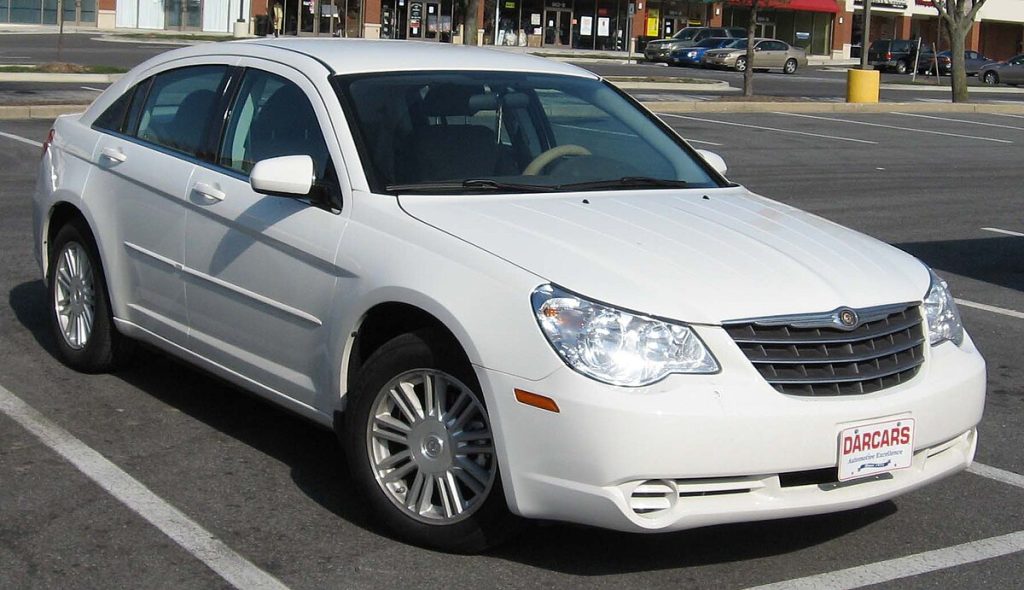
The Sebring eventually disappeared and was replaced by the Chrysler 200. That decision effectively acknowledged that the nameplate had lost much of its value in the marketplace.
While the earliest Sebrings offered genuine appeal, successive generations gradually eroded the model’s reputation. What began as a promising midsize car ultimately became an example of how failing to keep pace with competitors can turn a once-respected vehicle into an afterthought.
Specifications
- Engine: 2.4 Liter Inline 4
- Torque: 165 lb-ft
- Horsepower: 173 hp
- Length/Width: 191.7 in / 71.6 in
9. Fiat 500
When Fiat reintroduced the 500 to global markets, the company achieved something remarkable. The modern version successfully captured the charm of the original city car while adding contemporary safety features, technology, and comfort.
Buyers were drawn to its retro-inspired styling, compact dimensions, and distinctive personality. Initially, the formula worked extremely well.
The first modern generation benefited from strong public interest and a sense of novelty. It stood out in parking lots filled with ordinary hatchbacks and sedans.
For urban drivers, the tiny dimensions made parking simple, while the cheerful design created an emotional connection that many competitors lacked. As years passed, however, the vehicle struggled to evolve in meaningful ways.
One issue was that Fiat relied heavily on the original design’s popularity. While rivals continuously improved technology, practicality, and refinement, the 500 remained largely dependent on nostalgia. The styling stayed attractive, but buyers began expecting more than just visual appeal.
Interior space became another challenge. What initially seemed charming eventually felt restrictive compared with newer competitors. Rear-seat accommodations were limited, cargo capacity was modest, and everyday practicality lagged behind similarly priced alternatives.
Reliability concerns also hurt the model’s reputation in several markets. Owners frequently reported electrical issues, transmission complaints, and maintenance concerns that reduced confidence in long-term ownership. These problems became especially noticeable when compared with competitors known for durability and lower ownership costs.
The driving experience also lost some of its appeal over time. While the original relaunch felt fresh and entertaining, later versions struggled to keep pace with newer small cars that offered better ride quality, stronger performance, and more advanced safety systems.
Perhaps the greatest criticism is that successive updates rarely addressed the vehicle’s core weaknesses. Instead of significantly improving the formula, Fiat often relied on special editions, cosmetic changes, and marketing campaigns to maintain interest.
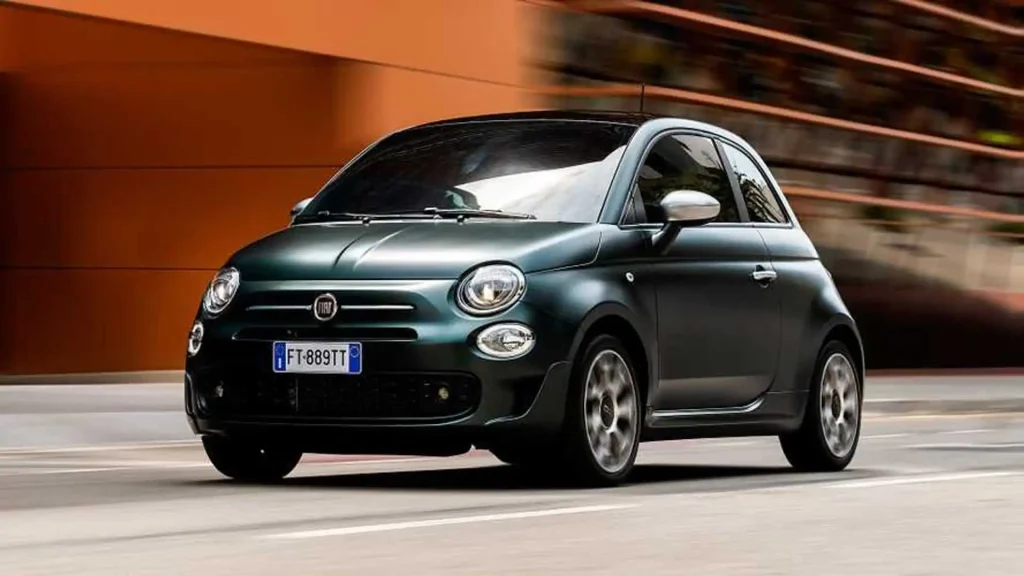
The Fiat 500 remains an iconic design and continues to attract buyers who value style and character. Yet many enthusiasts believe each stage of its modern evolution delivered diminishing returns, leaving the vehicle less competitive than it once was.
Specifications
- Engine: 1.4 Liter Inline 4
- Torque: 98 lb-ft
- Horsepower: 135 hp
- Length/Width: 139.6 in / 64.1 in
10. Acura Integra
The Acura Integra built its reputation as one of the most respected compact performance cars of the 1980s and 1990s. Early generations combined reliability, affordability, and genuine driving enjoyment. By the time the third-generation Integra arrived, particularly in high-performance Type R form, the nameplate had achieved legendary status among enthusiasts.
The Integra succeeded because it delivered an experience greater than the sum of its parts. Lightweight construction, responsive handling, high-revving engines, and excellent reliability created a package that appealed to both casual drivers and dedicated enthusiasts. The challenge came when Acura attempted to modernize the formula.
Later generations became larger, heavier, and more focused on luxury than pure driver engagement. The RSX, which effectively replaced the Integra in several markets, remained competent but lacked some of the raw character that made earlier Integras so beloved. Many fans felt the vehicle was moving away from its enthusiast-focused roots.
When Acura revived the Integra name years later, expectations were extremely high. Unfortunately, the modern version generated mixed reactions. While it offered practicality, technology, and respectable performance, many enthusiasts struggled to see a direct connection to the iconic models that had built the name’s reputation.
Critics argued that the new Integra prioritized mainstream appeal over the lightweight, driver-focused philosophy that once defined the badge. It was a good premium compact car, but some felt it lacked the uniqueness and excitement associated with previous generations.
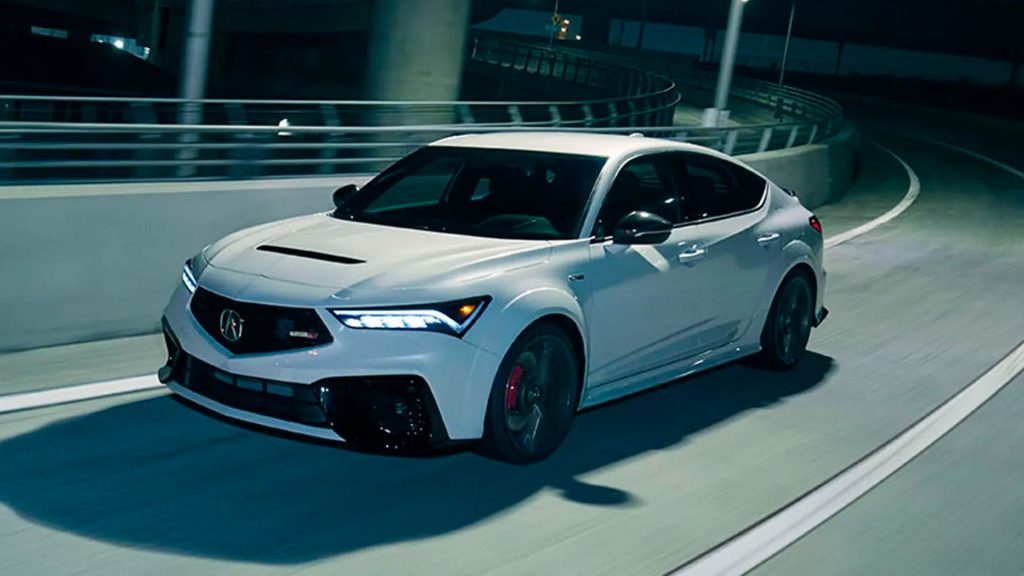
Another factor was competition. The modern market contains numerous sport compact vehicles offering impressive performance and advanced technology. Standing out requires more than a famous name, and many enthusiasts believed Acura relied too heavily on nostalgia rather than creating a truly groundbreaking successor.
The Integra remains a capable and well-rounded vehicle today. However, when viewed through the lens of its history, many longtime fans believe the nameplate gradually lost some of the magic that made earlier generations legendary.
For a car once considered a benchmark for affordable performance, that perception represents a significant decline.
Specifications
- Engine: 1.5 Liter Turbocharged Inline 4
- Torque: 192 lb-ft
- Horsepower: 200 hp
- Length/Width: 185.8 in / 72.0 in
