
Vehicle theft has become one of the biggest concerns for modern car owners. As automotive technology advances, thieves are also becoming more sophisticated, using relay attacks, signal amplifiers, key cloning devices, and digital hacking tools to bypass older security systems.
Because of this growing threat, automakers are investing heavily in advanced factory-installed anti-theft systems that go far beyond simple alarms and steering locks.
Modern vehicles now include encrypted key fobs, biometric access systems, GPS tracking, engine immobilizers, remote shutdown technology, motion sensors, smartphone integration, and artificial intelligence-driven monitoring systems. These technologies help protect vehicles from both physical break-ins and cyber-related theft attempts.
Factory anti-theft systems are especially important because they are deeply integrated into the vehicle’s electronic architecture. Unlike aftermarket security products, factory-installed systems are specifically engineered for each model, making them harder to bypass.
Manufacturers also continuously update these technologies to address evolving criminal techniques. Some luxury brands have pioneered highly advanced systems that combine multiple layers of security, while mainstream automakers are increasingly adding sophisticated anti-theft technologies even in affordable models.
Buyers today are paying closer attention to security ratings when choosing a vehicle because theft can result in financial losses, insurance complications, and personal inconvenience.
Insurance companies also recognize the importance of factory security systems. Cars equipped with advanced anti-theft features often qualify for lower insurance premiums because they present less risk.
Vehicles with strong factory security systems are statistically less likely to be stolen successfully, and many include tracking technologies that increase recovery rates if theft occurs. In some regions, insurance providers specifically recommend vehicles with encrypted immobilizers and advanced telematics.
As electric vehicles and connected cars become more common, cybersecurity protection is also becoming a critical part of automotive security design.
The best anti-theft systems are those that create multiple barriers for thieves. A visible alarm alone is no longer enough. Effective systems combine deterrence, prevention, tracking, and recovery. They also provide convenience for owners through smartphone alerts and remote monitoring.
Some manufacturers even use cloud-based technology to monitor suspicious activity and disable stolen vehicles remotely. In this article, we will examine eight cars that currently offer some of the best factory anti-theft systems available. These vehicles stand out not only for performance and comfort but also for their commitment to protecting owners from increasingly advanced theft methods.
Each model demonstrates how modern automotive security has evolved into a highly sophisticated blend of hardware and software designed to keep vehicles safe in a rapidly changing world.
Also read: 10 Cars Where the Cheaper Option Was Always the Smarter One
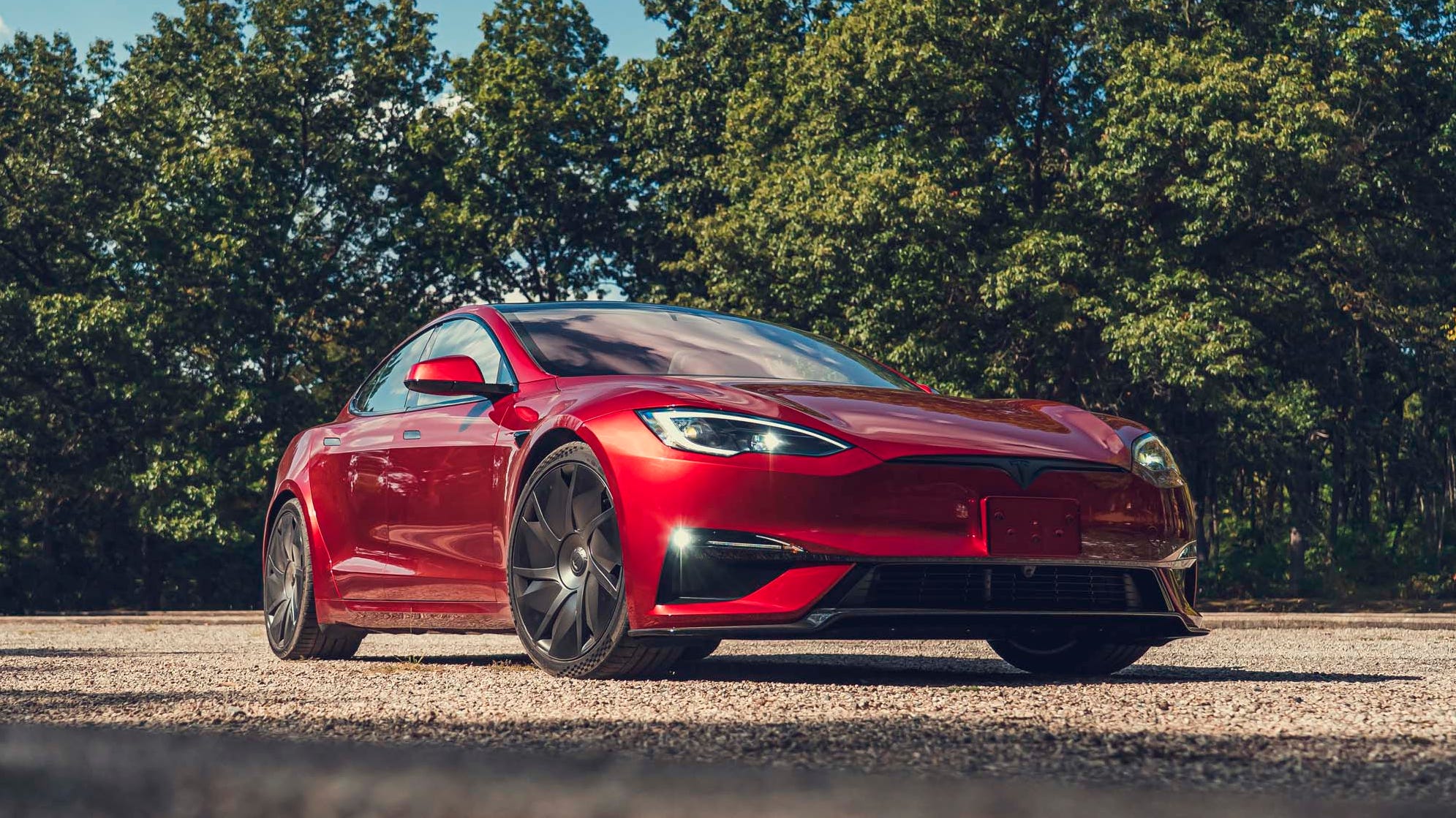
- Engine: Dual or Tri Motor Electric Powertrain
- Torque: Up to 1,050 lb ft
- Horsepower: Up to 1,020 hp
- Length: 197.7 inches
- Width: 78.2 inches
1. Tesla Model S
The Tesla Model S is widely recognized for having one of the most advanced factory anti-theft systems in the automotive industry. Tesla has transformed vehicle security by integrating cloud-based software, smartphone connectivity, and continuous over-the-air updates into its anti-theft infrastructure.
Unlike traditional automakers that rely heavily on physical deterrents, Tesla uses a software-first approach that makes unauthorized access extremely difficult.
Every Model S includes encrypted key communication, GPS tracking, remote vehicle monitoring, and mobile app integration that allows owners to maintain complete awareness of their vehicle’s status from virtually anywhere in the world.
One of the standout features in the Tesla Model S is Sentry Mode. This system uses the vehicle’s external cameras to monitor the surroundings while the car is parked. If suspicious activity is detected, the system records video footage, flashes lights, and displays warning messages on the infotainment screen.
In more serious situations, the car can activate alarms and send notifications directly to the owner’s smartphone. This proactive surveillance approach significantly reduces theft attempts because criminals know they are being recorded from multiple angles. The video evidence can also assist law enforcement investigations if an incident occurs.
Tesla also uses an advanced encrypted key fob and smartphone authentication system. Traditional relay attacks often target wireless key fobs by amplifying their signal to unlock and start vehicles. Tesla combats this with rolling encryption protocols and smartphone authentication that require secure communication between devices.
Owners can also enable PIN to Drive, a feature requiring a custom security code before the vehicle can be operated. Even if a thief somehow gains access to the cabin, they cannot drive the car without entering the correct PIN.
Another important anti-theft advantage comes from Tesla’s constant software updates. Because the company controls both hardware and software ecosystems, vulnerabilities can be patched quickly. Tesla frequently releases updates that improve security measures and respond to emerging cyber threats.
This dynamic approach keeps the Model S ahead of many competitors whose security systems may remain unchanged throughout the vehicle’s life cycle. Over-the-air updates also mean owners do not need dealership visits to receive security enhancements.
Recovery capabilities are equally impressive. Tesla vehicles are connected through cellular networks, allowing real-time tracking and remote diagnostics. If a theft occurs, Tesla can assist authorities in locating the vehicle quickly.
Owners can monitor vehicle movement directly through the Tesla app, and certain functions can be remotely limited. The combination of surveillance, encryption, remote management, and continuous updates makes the Tesla Model S one of the safest vehicles against theft in today’s automotive market.
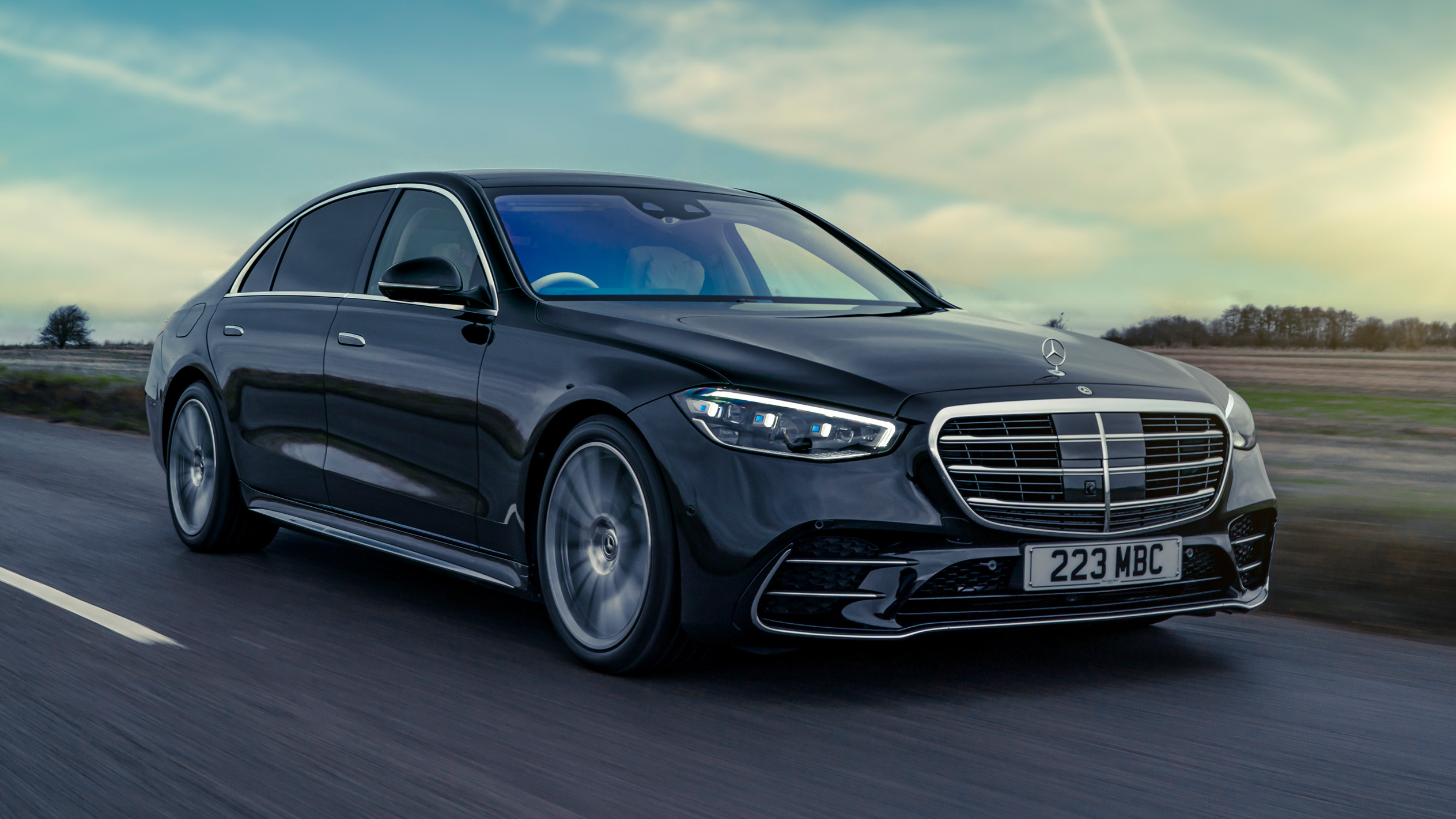
- Engine: 3.0L Inline 6 Turbo with Mild Hybrid or 4.0L V8 Biturbo
- Torque: Up to 590 lb ft
- Horsepower: Up to 496 hp
- Length: 208.2 inches
- Width: 76.9 inches
2. Mercedes-Benz S-Class
The Mercedes-Benz S-Class represents luxury, innovation, and exceptional security technology. As the flagship sedan of the German manufacturer, the S-Class incorporates multiple layers of factory-installed anti-theft systems designed to prevent unauthorized access and vehicle theft.
Mercedes has long prioritized security engineering, and the latest S-Class models feature sophisticated electronic protection mechanisms that combine traditional luxury with advanced digital defense systems.
One of the most effective security technologies in the S Class is its advanced engine immobilizer. This system uses encrypted communication between the ignition system and the electronic key. If the proper digital authentication is not detected, the engine cannot start.
Mercedes continuously refines its encryption standards to defend against key cloning and relay attacks, which have become increasingly common among high-end vehicle thieves. The immobilizer works silently in the background, creating an invisible but highly effective barrier against unauthorized operation.
The S Class also includes a comprehensive alarm and sensor network. Motion detectors, glass break sensors, tilt sensors, and intrusion detection systems monitor the vehicle at all times.
If someone attempts to tow the vehicle, break windows, or force entry, the system immediately activates alarms and alerts. Many versions also include interior movement detection, making it difficult for thieves to hide inside the cabin after entry. The combination of physical and electronic monitoring greatly increases the challenge for criminals attempting theft.
Mercedes Me connectivity services further enhance anti-theft protection. Owners can use smartphone apps to monitor the vehicle’s location, lock or unlock doors remotely, and receive security notifications.
GPS tracking allows rapid recovery assistance if theft occurs. Some systems can even disable certain functions remotely, reducing the ability of thieves to operate the vehicle effectively. These connected services provide owners with peace of mind by allowing constant interaction with the vehicle’s security status.
Cybersecurity also plays a major role in the S-Class security architecture. Mercedes invests heavily in protecting vehicle communication networks against hacking attempts. Secure software gateways and encrypted data channels help prevent unauthorized digital access to vehicle systems.
As cars become increasingly connected to the internet and mobile devices, cybersecurity has become as important as physical theft prevention. The S Class demonstrates how modern luxury vehicles can integrate both forms of protection seamlessly.
The combination of encrypted immobilization, sensor-based monitoring, connected tracking, and advanced cybersecurity makes the Mercedes-Benz S-Class one of the most secure factory-equipped vehicles available. It is a strong example of how premium manufacturers are responding to evolving automotive theft techniques with sophisticated integrated solutions.
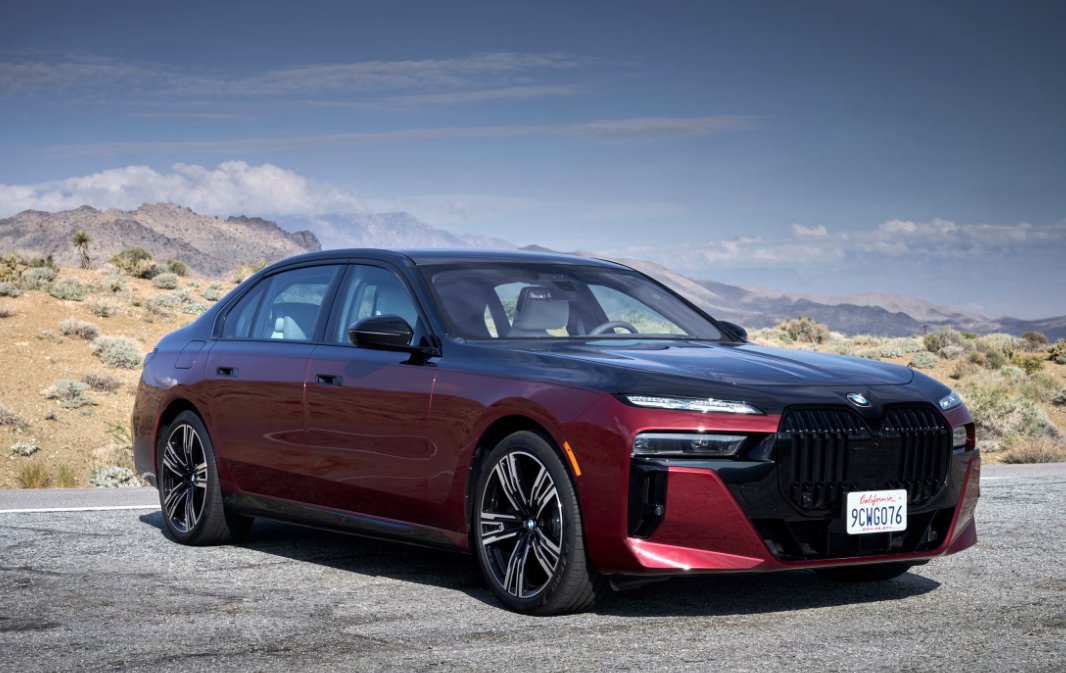
- Engine: 3.0L Inline 6 Turbo, 4.4L Twin Turbo V8, or Electric Powertrain
- Torque: Up to 549 lb ft
- Horsepower: Up to 536 hp
- Length: 212.2 inches
- Width: 76.8 inches
3. BMW 7 Series
The BMW 7 Series combines executive luxury with highly advanced anti-theft technology. BMW has developed a comprehensive factory security ecosystem that protects against both physical theft and electronic intrusion.
The company’s approach focuses on intelligent authentication systems, encrypted digital communication, and advanced monitoring technologies that create multiple levels of defense against modern thieves.
One of the strongest anti-theft features in the BMW 7 Series is its Digital Key technology. This system allows authorized smartphones to function as secure vehicle keys using encrypted communication protocols.
The digital key can include customizable permissions and limited access settings, reducing the risk associated with traditional key duplication. BMW uses highly secure near field communication technology that is far more resistant to relay attacks compared to older wireless key systems.
The vehicle’s alarm system is equally advanced. It includes perimeter protection, interior movement sensors, and tilt detection. If unauthorized access is attempted, the system immediately activates visual and audible warnings. BMW also integrates panic alert functions that owners can trigger remotely through connected services. These systems work together to discourage theft attempts before they escalate further.
BMW ConnectedDrive adds another layer of security by enabling remote monitoring and tracking capabilities. Owners can locate the vehicle through GPS services, receive suspicious activity alerts, and remotely manage certain vehicle functions.
This connectivity increases the likelihood of recovery if theft occurs. Law enforcement agencies often benefit from accurate tracking data that can quickly identify the vehicle’s location.
The 7 Series also incorporates sophisticated cybersecurity defenses. Modern luxury vehicles contain dozens of electronic control units communicating continuously across internal networks.
BMW protects these systems through secure gateways, encrypted data transmission, and software integrity verification. This reduces the risk of hackers exploiting vulnerabilities to gain unauthorized access to critical vehicle systems.
Another feature is the advanced immobilizer system. BMW’s encrypted start authorization process ensures that only properly authenticated keys can activate the engine. Even if thieves gain physical access to the vehicle, bypassing the encrypted authentication process remains extremely difficult. This layered security design significantly lowers theft success rates.
The BMW 7 Series demonstrates how modern automotive security extends beyond simple alarms. By integrating smartphone authentication, connected monitoring, encrypted communication, and cybersecurity measures, BMW has created one of the most comprehensive factory anti-theft systems available in the luxury sedan market.
- Engine: 3.0L V6 Turbo with Mild Hybrid
- Torque: 369 lb ft
- Horsepower: 335 hp
- Length: 208.7 inches
- Width: 76.6 inches
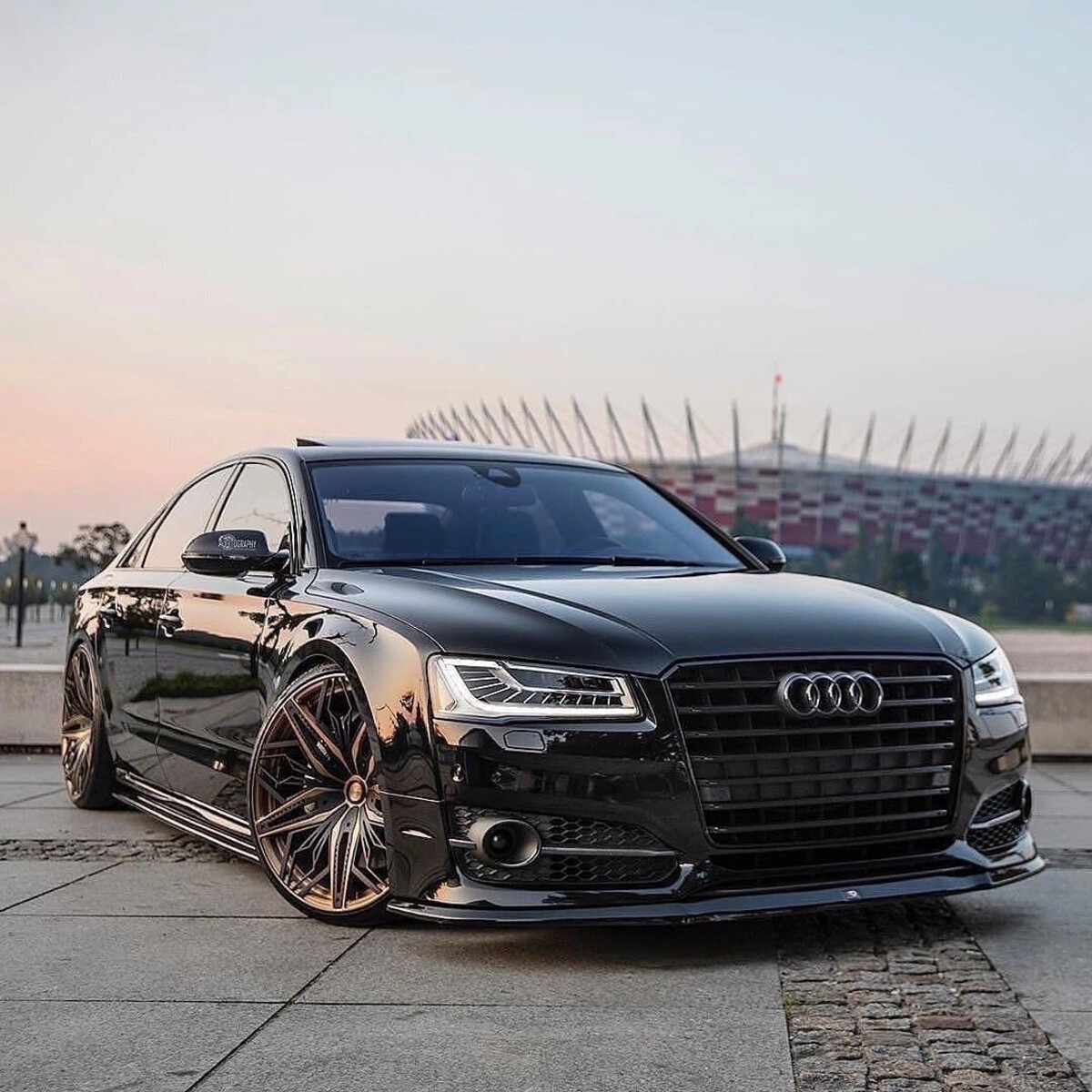
4. Audi A8
The Audi A8 is known for blending refined luxury with cutting-edge automotive technology, including one of the most sophisticated anti-theft systems in its segment. Audi engineers have focused heavily on digital security, encrypted access control, and intelligent monitoring technologies that help protect owners from evolving theft methods.
The foundation of the A8’s anti-theft protection is its encrypted immobilizer system. Every key communicates with the vehicle through secure digital codes that are extremely difficult to duplicate. Without proper authentication, the engine remains disabled. This system provides strong resistance against key cloning devices commonly used by organized vehicle theft groups.
Audi’s advanced alarm system includes ultrasonic interior monitoring, tilt sensors, and perimeter detection. If unauthorized activity is detected, the system responds immediately with alarms and warning signals.
Tow-away protection prevents thieves from quietly transporting the vehicle to another location for dismantling or reprogramming. The layered sensor network creates continuous protection whether the vehicle is parked at home, in public spaces, or inside parking structures.
Audi Connect services expand security through smartphone integration and remote access. Owners can monitor vehicle status, track location data, and receive theft alerts through connected applications. Real-time communication enhances owner awareness and improves recovery chances if theft occurs.
GPS tracking capabilities are especially valuable because luxury vehicles are often targeted by organized criminal networks that move stolen cars quickly across regions.
The A8 also benefits from Audi’s cybersecurity infrastructure. Modern vehicles rely heavily on software-controlled systems, making digital protection increasingly important.
Audi uses encrypted communication pathways and secure software architecture to defend against hacking attempts. Regular software updates help address emerging vulnerabilities and strengthen long-term security performance.
Physical security features also contribute to the A8’s reputation for theft resistance. Reinforced door mechanisms, secure electronic steering locks, and tamper-resistant hardware increase the difficulty of forced entry attempts. Combined with electronic protections, these features create a comprehensive anti-theft strategy that addresses both traditional and modern theft techniques.
Audi’s commitment to integrated vehicle security makes the A8 one of the most secure luxury sedans available today. Its combination of encrypted authentication, connected monitoring, physical protection, and cybersecurity defenses provides owners with strong confidence against theft threats.
Also read: 12 Cars With Bulletproof Drivetrains You Can Buy for Peanuts
- Engine: 3.5L Twin Turbo V6 or Hybrid V6
- Torque: Up to 442 lb ft
- Horsepower: Up to 416 hp
- Length: 206.1 inches
- Width: 74.8 inches
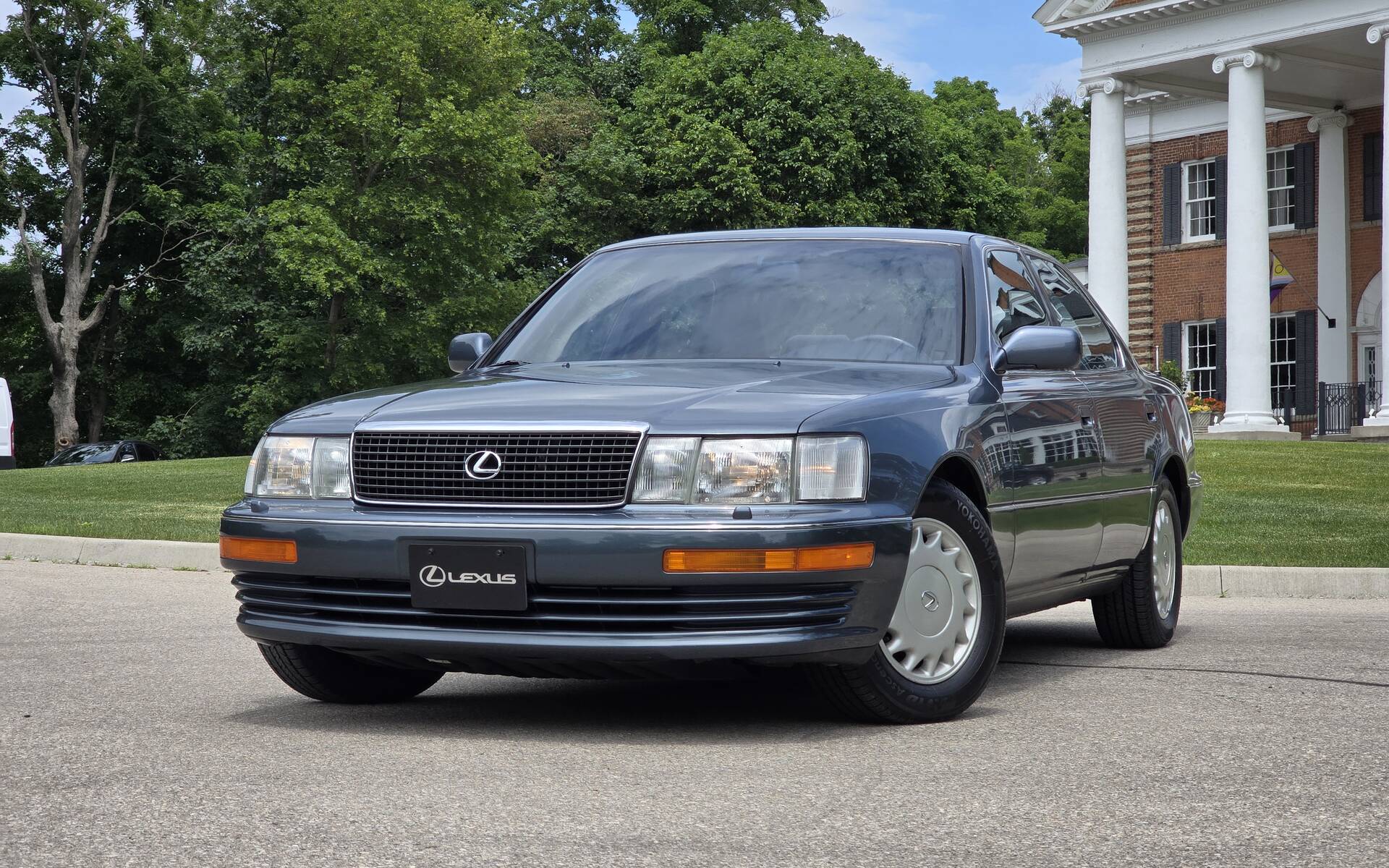
5. Lexus LS
The Lexus LS has earned a reputation for reliability, comfort, and exceptional security engineering. Toyota’s luxury division places strong emphasis on factory-installed anti-theft systems, and the LS incorporates multiple advanced technologies designed to prevent unauthorized access and vehicle theft.
A key component of the Lexus LS security system is its engine immobilizer technology. Each key contains encrypted transponder chips that must match the vehicle’s authentication system before ignition is enabled.
This dramatically reduces the risk of hot wiring and unauthorized engine startup. Lexus continuously improves its encryption standards to maintain protection against evolving criminal techniques.
The LS also features a comprehensive theft deterrent alarm system with intrusion sensors, glass break detection, and forced entry monitoring. These systems provide rapid alerts if suspicious activity occurs. The alarm is designed to attract attention immediately, discouraging thieves from continuing their attempts. Combined with immobilizer technology, the alarm system forms a strong first line of defense.
Lexus Enform connected services enhance vehicle security through remote access and GPS tracking features. Owners can monitor vehicle location, receive notifications about unauthorized activity, and communicate with emergency support services if necessary. The integration of telematics improves recovery potential in theft situations and adds another layer of owner control.
Cybersecurity measures are increasingly important in luxury vehicles, and Lexus has incorporated secure software protocols into the LS platform.
Electronic communication systems are protected through encrypted data pathways and authentication mechanisms that reduce vulnerability to hacking attempts. As more vehicle functions become digitally connected, these protections play a critical role in anti-theft effectiveness.
Another important factor is Lexus reliability itself. Security systems are only effective if they function consistently over time. Lexus vehicles are known for long-term dependability, and their anti-theft technologies maintain strong performance throughout years of ownership. This reliability contributes to lower theft rates and strong consumer confidence.
The Lexus LS combines traditional reliability with modern electronic security technologies to create a highly secure luxury sedan. Its blend of encrypted immobilization, connected services, advanced alarms, and cybersecurity measures makes it one of the best-protected factory-equipped vehicles on the road.
- Engine: 3.0L Inline 6 Turbo, 4.4L Twin Turbo V8, or Plug In Hybrid
- Torque: Up to 553 lb ft
- Horsepower: Up to 523 hp
- Length: 198.9 inches
- Width: 79.1 inches
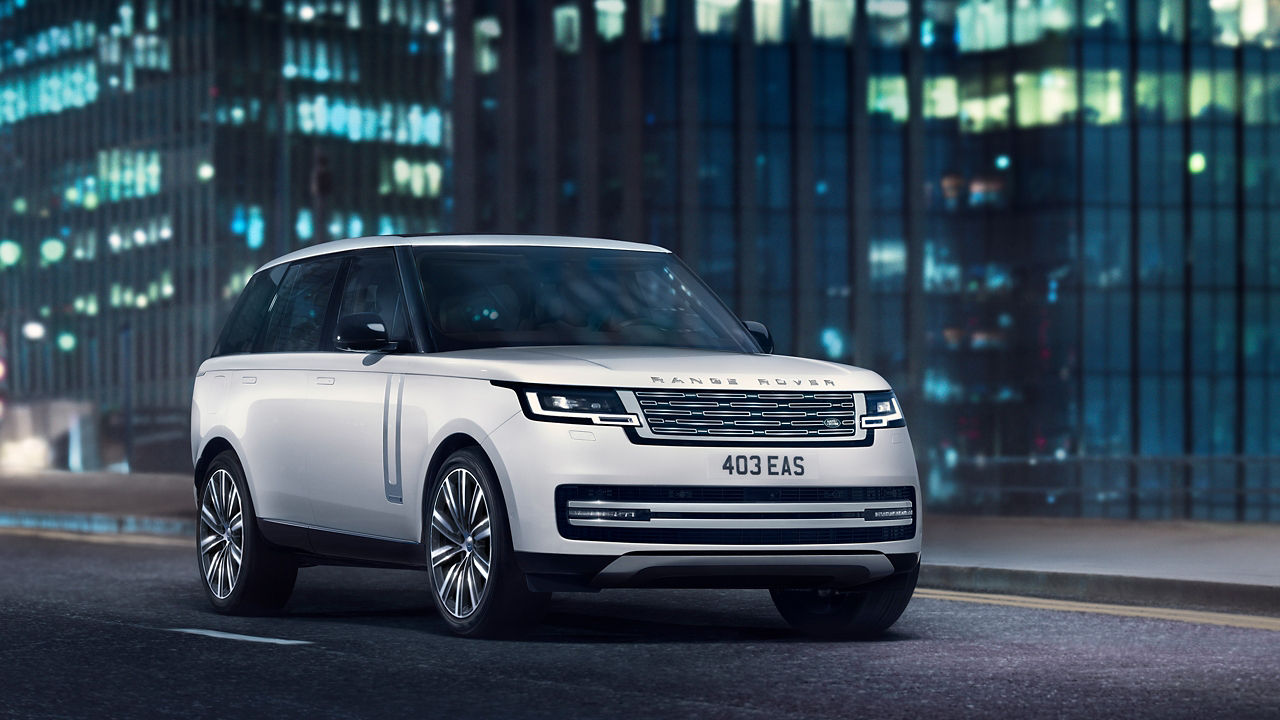
6. Land Rover Range Rover
The Range Rover has historically been a target for thieves because of its luxury status and global demand. In response, Land Rover has invested heavily in advanced factory anti-theft technologies that make modern Range Rover models significantly more secure than earlier generations.
One of the most important upgrades has been ultra-wideband key technology. Traditional relay attacks exploit wireless key signals to unlock and start vehicles remotely.
Ultra-wideband technology accurately measures the physical distance between the key and vehicle, preventing thieves from amplifying signals from inside homes or buildings. This has become one of the most effective solutions against modern relay theft methods.
Range Rover models also feature sophisticated immobilizer systems with encrypted authentication. Without proper digital verification, the engine cannot be started. Land Rover continuously updates these systems to address new vulnerabilities and maintain strong protection standards.
Connected vehicle services provide additional layers of security. Owners can track their vehicle location through smartphone apps and receive alerts about suspicious activity. Stolen vehicle tracking systems assist law enforcement in recovery efforts. Some systems can even limit vehicle functionality remotely to reduce escape possibilities for thieves.
The Range Rover also includes advanced perimeter security features such as motion sensors, tilt detection, and intrusion alarms. These technologies monitor the vehicle continuously and activate warnings if tampering is detected. Visible deterrents combined with hidden security systems create a powerful anti-theft environment.
Cybersecurity enhancements have become a major focus for Jaguar Land Rover. Secure software gateways and encrypted internal communication networks protect electronic systems from hacking attempts. This is especially important in luxury SUVs that contain extensive connectivity and autonomous driving technologies.
The modern Range Rover demonstrates how manufacturers can evolve security systems in response to real-world theft trends. Through ultra-wideband technology, encrypted immobilizers, connected tracking, and cybersecurity improvements, it now ranks among the most secure luxury SUVs available.
- Engine: 6.2L Naturally Aspirated V8
- Torque: 470 lb ft
- Horsepower: 495 hp
- Length: 182.3 inches
- Width: 76.1 inches
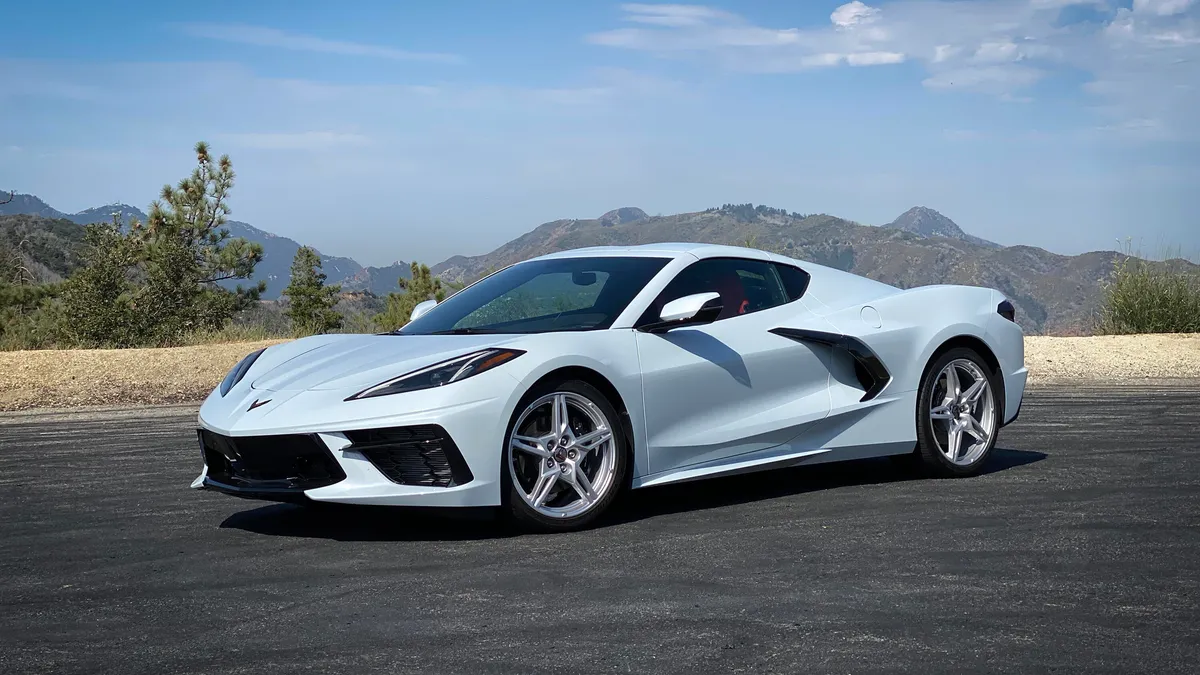
7. Chevrolet Corvette C8
The Chevrolet Corvette C8 combines high-performance engineering with surprisingly advanced anti-theft technology. Sports cars are often attractive targets for thieves because of their value and performance potential, making strong factory security systems essential.
One major anti-theft feature in the Corvette C8 is its encrypted keyless entry and push-button start system. Chevrolet uses rolling security codes that change continuously, making unauthorized duplication difficult. The immobilizer system prevents engine startup without proper authentication, significantly reducing theft risk.
The Corvette also includes advanced alarm systems with motion detection, intrusion monitoring, and tamper alerts. These systems activate immediately if unauthorized access is attempted. Bright visual warnings and loud alarms help deter criminals quickly, especially in public parking environments.
General Motors connected services provide remote monitoring capabilities through smartphone applications. Owners can locate the vehicle, receive theft notifications, and contact emergency support if suspicious activity occurs. GPS tracking improves recovery chances significantly if the vehicle is stolen.
Another feature is valet mode, which restricts access to certain vehicle functions and secures personal data when someone else operates the car. While primarily designed for privacy and convenience, it also contributes to security by limiting unauthorized access to vehicle systems.
The Corvette’s electronic architecture includes cybersecurity protections designed to prevent hacking and digital manipulation. As sports cars become increasingly software-dependent, secure communication networks are essential for protecting critical systems from intrusion attempts.
The Chevrolet Corvette C8 proves that American performance cars can offer highly competitive anti-theft technologies alongside speed and style. Its layered security systems provide strong protection without compromising driving excitement.
- Engine: 6.2L Naturally Aspirated V8
- Torque: 470 lb ft
- Horsepower: 495 hp
- Length: 182.3 inches
- Width: 76.1 inches
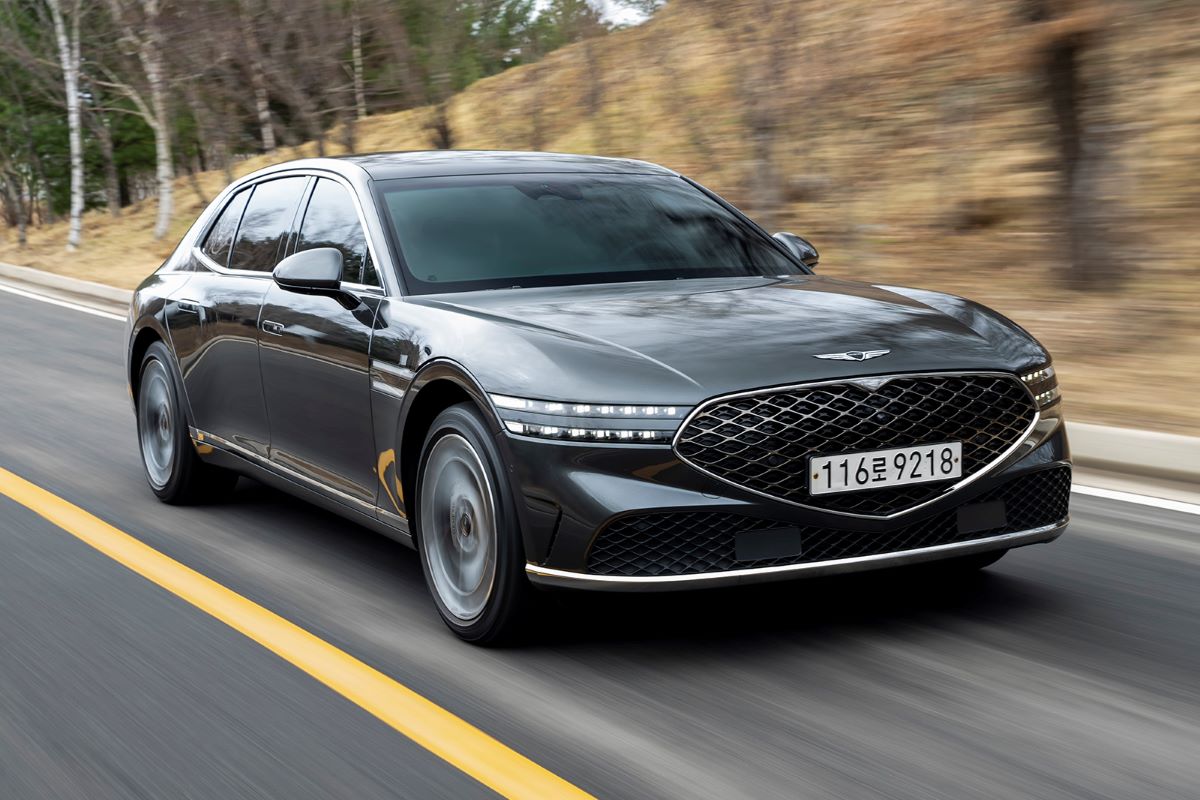
8. Genesis G90
The Genesis G90 has rapidly gained recognition as a luxury sedan with advanced safety and security technologies. Hyundai’s premium division has invested heavily in modern anti-theft systems that compete directly with established European luxury brands.
One of the G90’s strongest features is biometric authentication technology. Certain models include fingerprint recognition systems that allow owners to start the vehicle securely without relying solely on traditional keys. Biometric verification adds an extra layer of protection because fingerprints cannot be easily duplicated or relayed electronically.
The G90 also uses encrypted smart key communication and engine immobilizer technology. Unauthorized keys cannot activate the ignition system, reducing theft risk substantially. Genesis continuously updates its software systems to maintain protection against evolving digital threats.
Connected car services provide remote tracking, monitoring, and control capabilities. Owners can check vehicle location, receive alerts about suspicious activity, and remotely manage locking systems through smartphone applications. These features increase convenience while strengthening security awareness.
The alarm system includes motion sensors, intrusion detection, and perimeter monitoring. If suspicious activity is detected, alarms activate immediately, and connected notifications are sent to the owner. These rapid response capabilities discourage theft attempts and improve reaction times.
Genesis also places strong emphasis on cybersecurity. Secure communication networks, encrypted software systems, and protected electronic gateways help defend against hacking attempts. As connected luxury vehicles become more technologically advanced, cybersecurity is becoming an essential part of factory anti-theft design.
The Genesis G90 demonstrates how newer luxury brands can compete with industry leaders through innovation and technology. Its combination of biometric security, encrypted authentication, connected monitoring, and cybersecurity protections makes it one of the most secure factory-equipped luxury sedans available today.
