

Over the past decade, the price of new cars has shifted from being a predictable major purchase to a financial milestone that increasingly feels out of reach for many buyers. What was once considered a mid-range expense for working families has steadily climbed, with the average transaction price of a new vehicle in several major markets approaching or even crossing the $50,000 mark in recent years.
This shift has not happened overnight. Instead, it is the result of a combination of structural changes in the automotive industry, global supply chain disruptions, evolving consumer expectations, macroeconomic pressures, and strategic decisions made by automakers.
The rise in new car prices is not just a story about inflation alone. It reflects how vehicles have fundamentally changed in design, technology, and positioning. Modern cars are no longer just transportation machines. They are software-enabled, safety-focused, comfort-driven products packed with advanced driver assistance systems, digital dashboards, connectivity features, and enhanced performance capabilities.
Each of these additions contributes to higher manufacturing costs, which are often passed on to consumers. At the same time, automakers have gradually shifted their focus toward higher margin vehicles such as SUVs and trucks, reducing the availability of lower-cost sedans that once kept average prices in check.
Global disruptions in the supply chain, especially during and after the COVID-19 pandemic, further accelerated price increases. Semiconductor shortages, logistics bottlenecks, and factory shutdowns created production constraints that limited supply while demand remained strong.
When demand exceeds supply in a high-value market like automobiles, prices naturally rise. Buyers found themselves paying above sticker price in many cases, something that was rare in previous decades.
Inflation also played a major role. Rising costs of raw materials such as steel, aluminum, plastics, and lithium used in electric vehicle batteries have increased production expenses.
Labor costs have also risen across manufacturing hubs. Additionally, interest rate hikes have made financing more expensive, affecting monthly payments and shaping buyer behavior toward longer loan terms or delayed purchases. These financial pressures collectively contribute to the perception and reality that new cars are becoming significantly more expensive.
Consumer preferences have also evolved. Buyers today expect more features as standard rather than optional upgrades. Heated seats, touchscreen infotainment systems, advanced safety sensors, and smartphone integration are now commonly expected even in entry-level models.
This feature inflation has effectively pushed base prices upward. Meanwhile, electric vehicles, which generally carry higher upfront costs due to battery technology, have gained a larger market share, influencing the average price of new cars.
As these forces continue to interact, the average new car price has steadily crept closer to the $50,000 threshold. Understanding this trend requires looking beyond simple price tags and examining the broader economic, technological, and strategic factors shaping the automotive industry today.
Also Read: 8 Used Car Scams And How To Avoid Them

The Shift in Average New-Car Prices Over Time
The rise in average new car prices is best understood as a long-term trend rather than a sudden spike. In earlier decades, new vehicles were relatively more affordable compared to household income levels. Sedans and compact cars dominated the market, offering practical transportation at accessible price points.
Over time, however, the composition of the automotive market began to change, and with it, the average transaction price started climbing steadily year after year.
One of the most important drivers of this shift has been the gradual replacement of lower-priced vehicles with higher-priced SUVs and pickup trucks. ‘
These larger vehicles typically carry higher manufacturing costs due to size, materials, and engineering complexity. At the same time, they offer higher profit margins for manufacturers. As consumer demand shifted toward these body styles, automakers responded by prioritizing production and marketing of SUVs, which in turn raised the average price across the market.
Another key factor is the reduction in the availability of entry-level vehicles. Many automakers have either discontinued or scaled back production of their cheapest models. This decision is often driven by thin profit margins on budget cars, especially when compared to more expensive models that generate significantly higher returns.
As a result, consumers looking for affordable new cars find fewer options, pushing them toward higher-priced segments even when their budget is limited.
Technological advancement has also played a critical role in the gradual price increase. Features that were once considered premium additions, such as rearview cameras, touchscreen infotainment systems, and advanced safety systems, are now standard in many vehicles. While this improves safety and convenience, it also increases production costs.
When these costs accumulate across thousands of components and systems, they contribute to a noticeable rise in the base price of vehicles.
Inflation over multiple decades has further compounded these changes. Even modest annual inflation rates can significantly increase prices over long periods. When combined with rising labor costs, stricter safety regulations, and higher research and development expenses, the result is a consistent upward trajectory in vehicle pricing. This slow but steady increase has brought the industry to a point where the average new car price is approaching levels once associated only with luxury vehicles.
The COVID-19 pandemic acted as an accelerant in this long-term trend. Supply shortages and production delays created a temporary imbalance in the market, but the effects lasted longer than expected.
Even after production stabilized, prices did not return to previous levels due to sustained demand and continued supply constraints. This period effectively reset pricing expectations across the industry.
Supply Chain Disruptions and Semiconductor Shortages
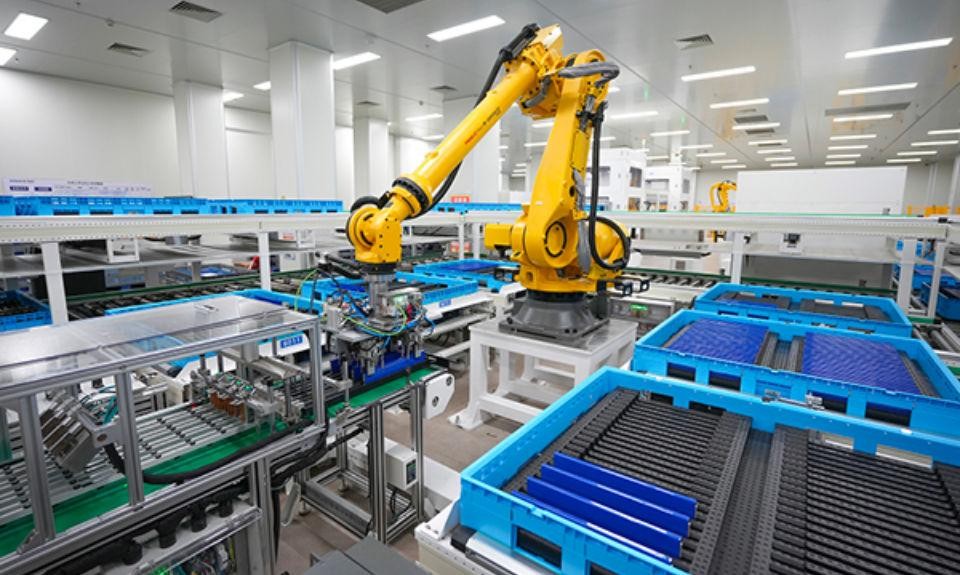
One of the most significant contributors to rising new car prices in recent years has been the global disruption of supply chains, particularly the shortage of semiconductors. Modern vehicles rely heavily on microchips for everything from engine management systems to infotainment screens and safety features.
When semiconductor production was disrupted during the pandemic, automakers were forced to slow or halt production lines, drastically reducing vehicle supply.
This shortage created a ripple effect throughout the entire automotive ecosystem. With fewer vehicles available, dealerships had limited inventory, and consumers faced long waiting periods.
In many cases, buyers were willing to pay premiums above the manufacturer’s suggested retail price simply to secure a vehicle quickly. This shift in bargaining power from buyer to seller contributed significantly to rising transaction prices.
At the same time, global logistics networks faced unprecedented strain. Shipping delays, port congestion, and container shortages made it more expensive and time-consuming to transport components and finished vehicles.
These additional costs were often passed along the supply chain and reflected in the final price paid by consumers. Even small inefficiencies in logistics can add substantial costs when scaled across millions of vehicles.
Manufacturers also had to make difficult production decisions during the shortage. Many prioritized high-profit models such as luxury SUVs and trucks over lower margin economy cars. This strategic shift further reduced the availability of affordable vehicles in the market. As a result, the average price of vehicles sold increased, even if the total number of vehicles produced decreased.
The semiconductor issue also highlighted how dependent the automotive industry has become on globalized supply networks. Chips used in vehicles are often manufactured in a small number of regions, making the industry vulnerable to disruptions. When these bottlenecks occurred, they exposed structural weaknesses that continue to influence pricing and production strategies even after supply conditions improved.
Although the semiconductor shortage has eased somewhat, its long-term impact remains visible. Automakers have restructured their supply chains, increased inventory buffers, and adjusted pricing strategies to account for future risks. These changes have contributed to a new baseline in vehicle pricing that is higher than pre-pandemic levels.
Also Read: The V8 Sports Sedan With Toyota Reliability And M-Car Pace
Rising Vehicle Technology and Feature Inflation
Modern vehicles are significantly more advanced than their predecessors, and this technological evolution has played a major role in pushing prices upward. Today’s cars are essentially computers on wheels, equipped with sensors, processors, cameras, and software systems that require extensive research, development, and integration. Each of these elements adds to the cost of production.
Safety technology is one of the most important contributors to this trend. Features such as automatic emergency braking, lane departure warnings, blind spot detection, and adaptive cruise control have become increasingly common.
While these systems improve road safety and reduce accidents, they require complex hardware and software integration. The cost of developing and implementing these systems is reflected in the price of the vehicle.
In addition to safety features, consumer demand for convenience and connectivity has grown rapidly. Touchscreen infotainment systems, voice recognition, smartphone integration, and built-in navigation systems are now expected by many buyers.
These systems require constant software updates and sophisticated electronic architectures, further increasing production complexity and cost.
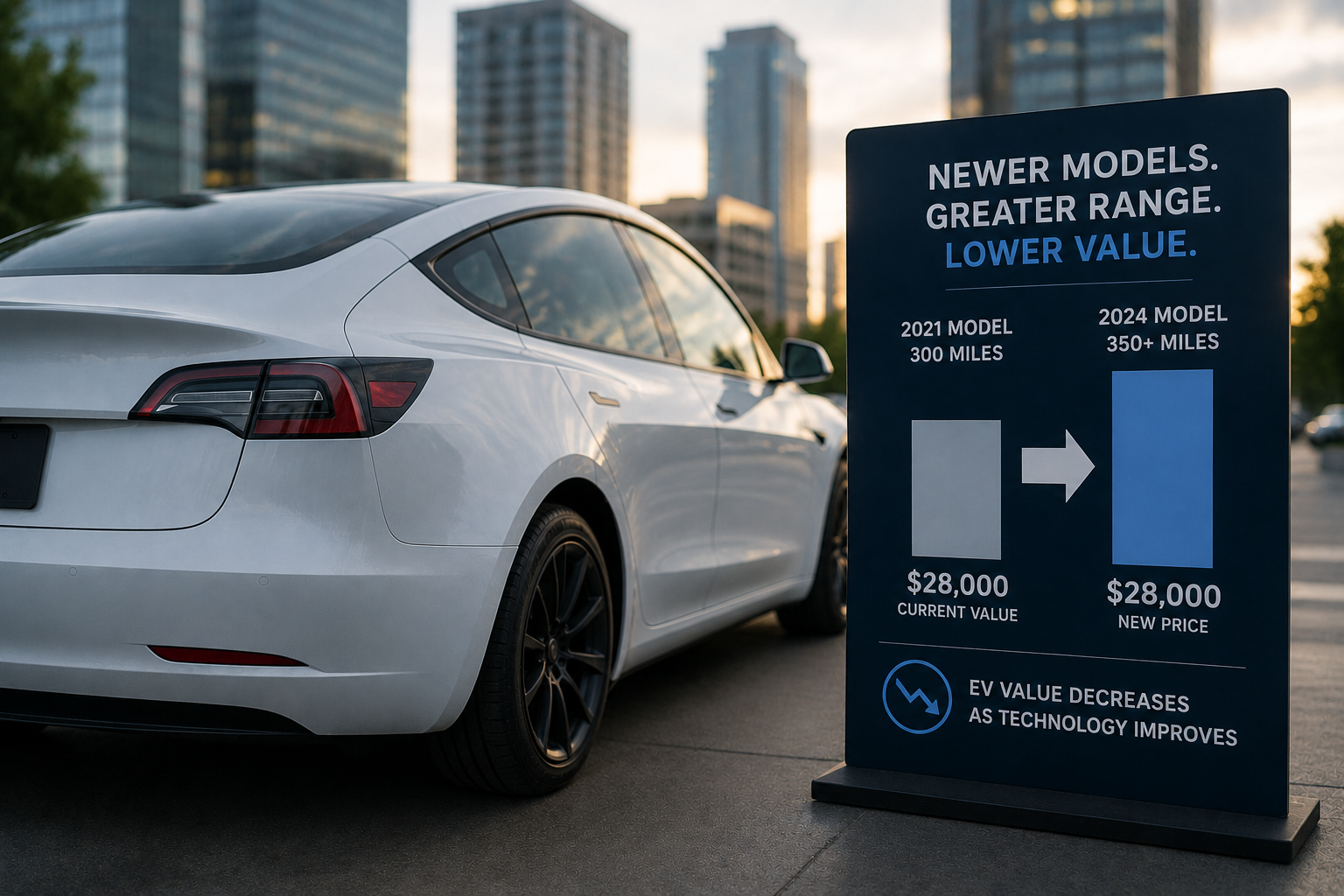
EVs typically rely on expensive battery packs, which represent a significant portion of the vehicle’s total cost. Although battery prices have been gradually decreasing over time, they still contribute to higher average prices compared to traditional internal combustion engine vehicles. As EV adoption increases, its pricing structure influences the market average.
Another factor is the integration of luxury-like features into mainstream vehicles. Heated and ventilated seats, panoramic sunroofs, premium sound systems, and digital instrument clusters are now available in mid-range models. This phenomenon, often referred to as feature inflation, means that even non-luxury cars include features that were once exclusive to high-end segments.
As automakers continue to compete for consumer attention, the addition of new features becomes a key differentiator. However, this competition also drives up costs. Each new system requires testing, compliance, manufacturing adjustments, and long-term maintenance support. These costs accumulate across the industry and contribute to the steady rise in average vehicle prices.
Inflation, Interest Rates, and Consumer Buying Power
Macroeconomic factors have played a crucial role in the increase in new car prices. General inflation has raised the cost of raw materials, labor, and manufacturing inputs across the automotive industry. Steel, aluminum, rubber, and plastics have all become more expensive over time, directly impacting production costs.
Interest rates also significantly influence the affordability of new cars. Since most consumers finance vehicle purchases through loans, monthly payments are affected not only by the price of the car but also by the cost of borrowing. When interest rates rise, monthly payments increase even if vehicle prices remain stable. This often pushes buyers toward longer loan terms, which can mask the true cost of vehicles and allow higher sticker prices to persist.
Consumer purchasing power has also shifted unevenly. While wages have increased in many regions, they have not always kept pace with the rising cost of vehicles. This gap has made it more difficult for middle-income buyers to afford new cars without stretching their budgets or opting for used vehicles instead.
Additionally, changing financial behavior has influenced the market. Longer loan terms, sometimes extending to six or seven years, have become more common. While this makes monthly payments more manageable, it increases the total interest paid over time and allows higher vehicle prices to remain accessible in the short term.
Economic uncertainty has also influenced buying behavior. During periods of uncertainty, consumers tend to either rush purchases or delay them, depending on expectations. Both behaviors can distort demand patterns and contribute to pricing volatility in the automotive market.
Automaker Strategy and Market Segmentation
Automakers have played a strategic role in pushing average new car prices higher. Over time, many manufacturers have deliberately shifted their focus toward higher-margin vehicles. SUVs, trucks, and luxury models generate significantly more profit per unit compared to small economy cars. As a result, companies have reduced investment in lower-priced segments.
This strategy has led to a noticeable decline in the availability of budget-friendly new cars. When fewer low-cost models are available, the average price of vehicles sold naturally increases. Even consumers who would prefer a cheaper vehicle are often left with limited options, forcing them into higher price brackets.
Marketing strategies have also evolved. Automakers increasingly position their vehicles as lifestyle products rather than basic transportation. This branding shift encourages consumers to prioritize features, design, and status, which in turn supports higher pricing structures.
Another important factor is the role of electrification. Many automakers are investing heavily in electric vehicle development. These investments require significant capital, which companies aim to recover through vehicle pricing. As a result, early EV models tend to be priced higher, contributing to the increase in average prices.
Dealership pricing dynamics also influence the market. In high-demand environments, dealers may add markups above manufacturer-suggested prices. This practice became especially common during periods of limited supply, further increasing the actual price paid by consumers.
Automaker strategies are not solely responsible for rising prices, but they have reinforced broader economic and technological trends. By focusing on profitability and premium offerings, the industry has contributed to a market where $50,000 has become an increasingly common benchmark for new vehicle prices.
