
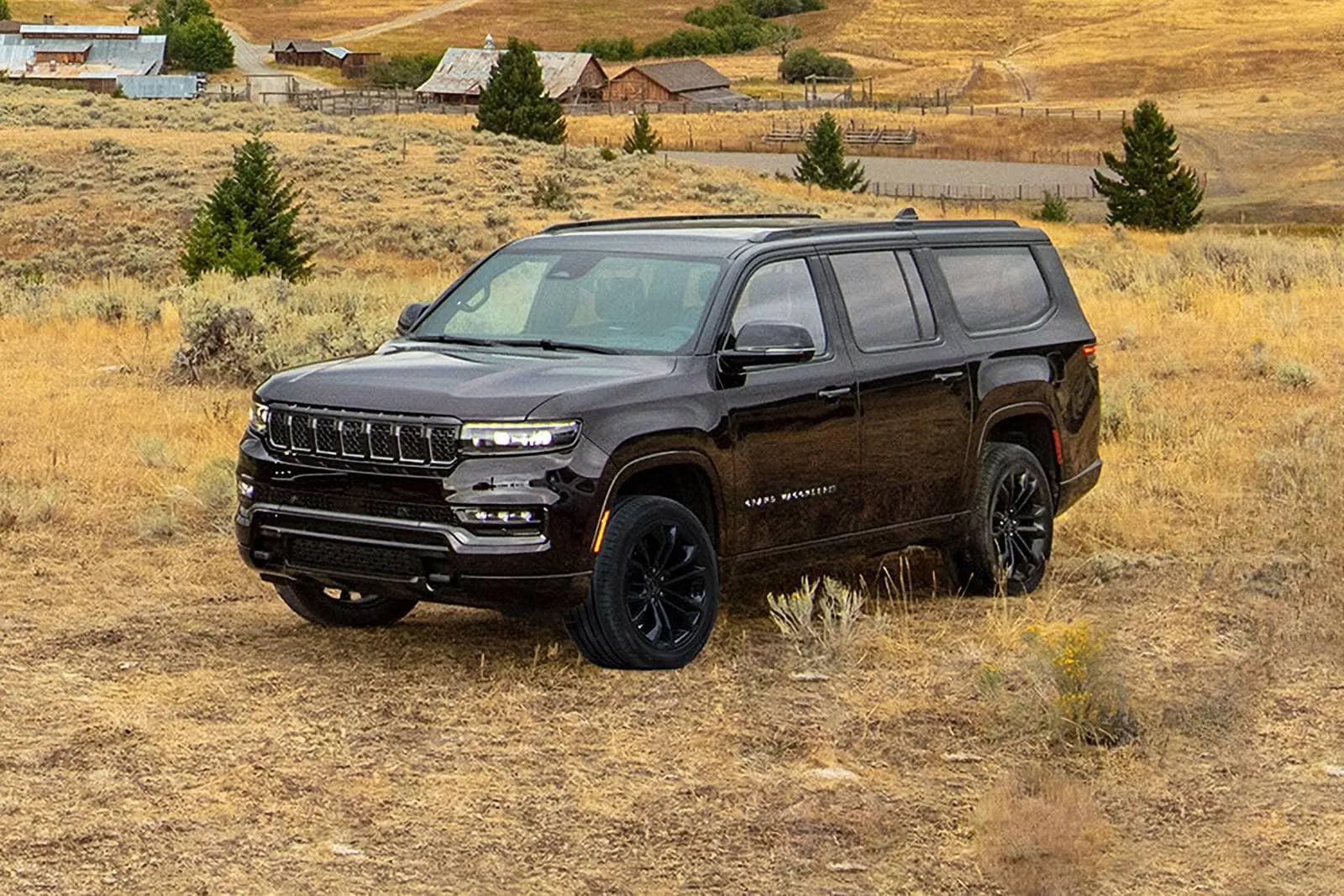
The modern automotive industry is changing faster than ever, and very few vehicles illustrate this shift better than the Jeep Wagoneer. When Jeep revived the Wagoneer nameplate in 2021, it was positioned as a bold return into the full-size premium SUV segment, designed to compete directly with established luxury competitors such as the Cadillac Escalade and Lincoln Navigator.
For decades, the Wagoneer name has been tied to nostalgia, linked to one of the earliest luxury SUVs in American automotive history. Its modern return under Jeep goes beyond heritage, forming part of a broader strategy by Stellantis to move Jeep beyond its rugged off-road identity and position it as a stronger competitor in the luxury and high-margin SUV segment.
Despite its ambitious positioning, discussions around the Wagoneer being discontinued or significantly changed after only a few years have become increasingly common.
These concerns do not stem from a formal global discontinuation announcement, but rather from a combination of product restructuring, shifting consumer demand, internal competition, and the broader transformation of the automotive industry toward electrification.
Many consumers interpret trimming of variants, production adjustments, and reduced marketing emphasis as signs of discontinuation, even when the reality is more complex.
The Wagoneer’s situation reflects a deeper issue in product strategy: balancing heritage branding with modern market realities. Jeep introduced both the Wagoneer and the Jeep Grand Wagoneer almost simultaneously, creating a layered product structure that aimed to capture different levels of luxury within the same segment.
While this approach made sense on paper, it introduced confusion in the marketplace and internal competition between two vehicles that share nearly identical platforms, dimensions, and design philosophies.
At the same time, the SUV market itself has been evolving rapidly. Buyers in the full-size SUV category are becoming more selective, prioritizing fuel efficiency, hybrid systems, advanced technology, and strong brand identity.
Traditional large SUVs powered exclusively by internal combustion engines are facing pressure from tightening emissions regulations and rising fuel costs. As a result, manufacturers like Stellantis are continuously reevaluating product lifecycles, sometimes shortening them or restructuring them within just a few years of launch.
Therefore, when people ask why the Jeep Wagoneer is being “discontinued” after just four years, the answer is not a simple shutdown. Instead, it is a combination of strategic repositioning, market response, and future planning. The Wagoneer story is less about failure and more about adjustment in a highly competitive and rapidly changing automotive industry.
Also Read: 10 Trucks That Held Their Value Better Than Most Over the Last Decade
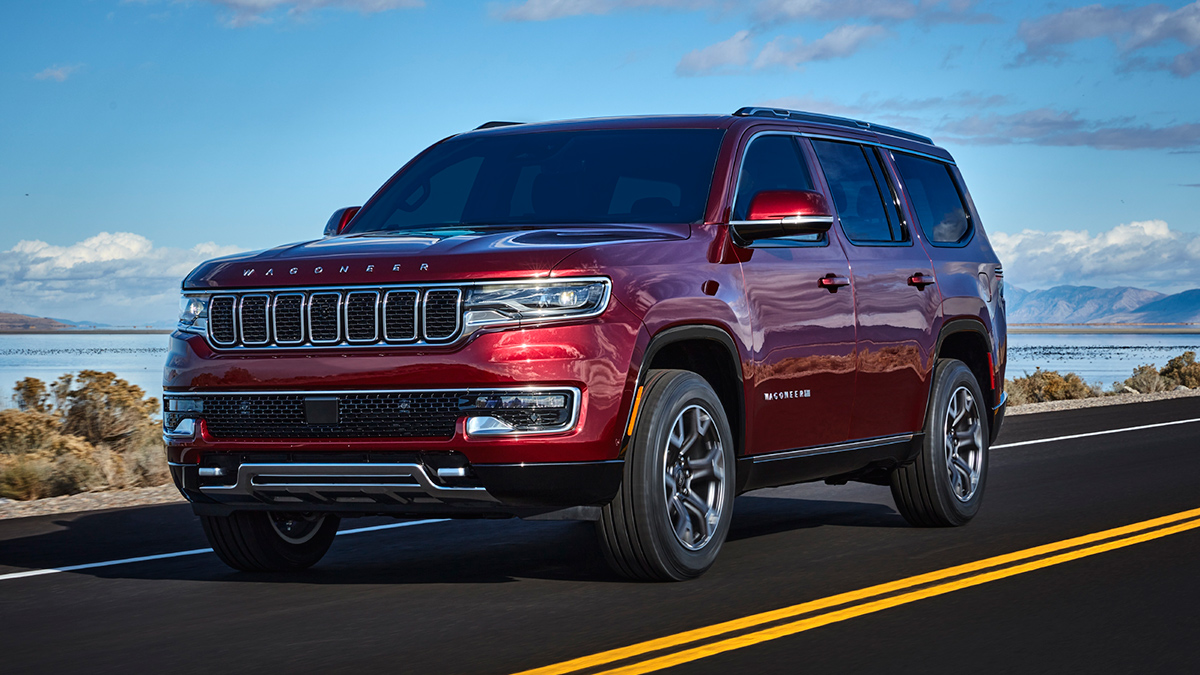
Competition Between Wagoneer and Grand Wagoneer
One of the most significant reasons behind the perception that the Wagoneer is being phased out is the internal overlap within Jeep’s own lineup. The introduction of both the Wagoneer and the Jeep Grand Wagoneer created a situation where two nearly identical vehicles compete for similar customers.
While the Grand Wagoneer was intended as the ultra-luxury version, the standard Wagoneer still offered premium pricing and features, making the distinction between the two unclear for many buyers.
From a consumer perspective, the difference between the two models is often not obvious enough to justify the price gap. Both vehicles share the same body structure, similar interior layouts, and comparable performance capabilities. The main differentiators are luxury materials, technology upgrades, and branding details.
However, in the luxury SUV segment, buyers expect clear segmentation, and confusion can weaken demand for both products.
This overlap creates a problem known in the automotive industry as cannibalization. Instead of attracting two separate customer groups, the Wagoneer and Grand Wagoneer end up splitting the same pool of buyers.
This reduces efficiency and makes it harder for either model to achieve strong dominance in the market. In such cases, automakers often streamline the lineup in future model cycles, which can appear to outsiders as discontinuity.
Dealership feedback also suggests that sales teams often find it difficult to clearly communicate what sets the two models apart in a way that connects with customers. When the differences are not immediately clear, buyers are more likely to choose familiar competitors instead of dealing with the complexity within the brand lineup.
Weak Market Performance Compared to Expectations
One major factor contributing to the perception of discontinuation is the Wagoneer’s performance in the marketplace. When the Jeep Wagoneer was launched, expectations were extremely high. Jeep and Stellantis aimed to capture a significant share of the lucrative full-size SUV segment dominated by long-established competitors such as the Cadillac Escalade.
However, actual sales have generally been below initial projections. While the Wagoneer has achieved respectable numbers in some markets, it has not consistently reached the level required to strongly challenge its rivals. Several reasons contribute to this gap between expectation and reality.
First, pricing has been a major barrier. The Wagoneer enters a price range that overlaps with luxury brands, yet Jeep as a brand is still strongly associated with rugged, off-road-oriented vehicles rather than high-end luxury. Many traditional Jeep buyers find the Wagoneer too expensive, while luxury buyers often prefer established premium badges.
Second, fuel economy plays a significant role. Large V8 and high-displacement engines, while powerful, are less attractive in a market increasingly concerned with fuel costs and environmental impact. This has made hybrid competitors more appealing to a growing segment of buyers.
Third, competition in the full-size SUV category is extremely strong. Vehicles like the Escalade and Navigator have decades of brand equity and loyal customer bases. Breaking into this segment requires not just a strong product but also long-term brand trust, which cannot be built quickly.
Because of these factors, Stellantis has had to reassess production expectations and marketing strategies, leading to perceptions that the Wagoneer is being scaled back or phased out.
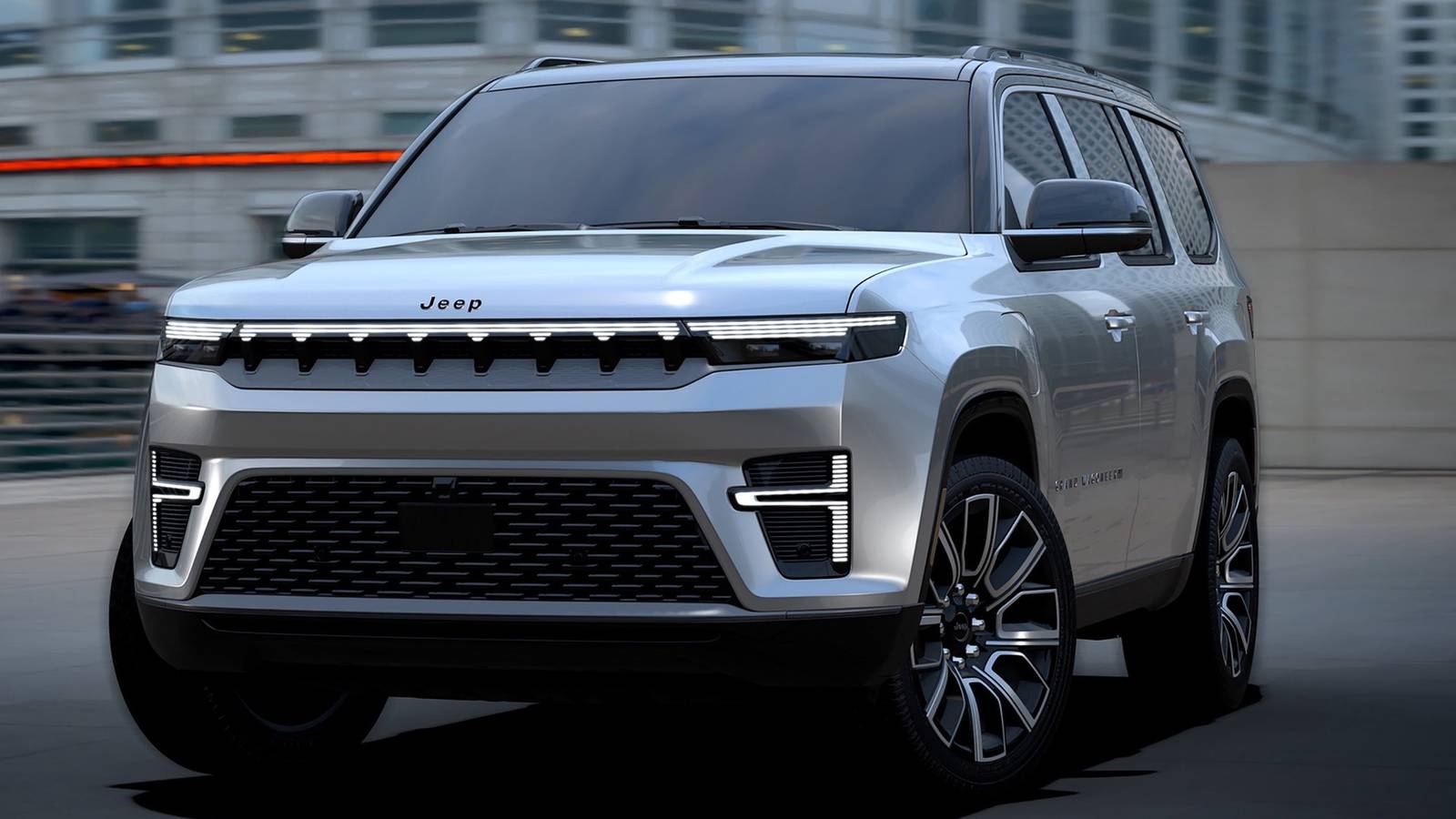
Strategic Shift Toward Electrification and Future Platforms
A major structural reason behind changes to the Wagoneer lineup is the broader industry shift toward electrification. Automakers globally, including Stellantis, are investing heavily in hybrid and electric platforms to meet tightening emissions regulations and evolving consumer expectations.
Large SUVs like the Wagoneer are particularly affected by this shift because they are among the most fuel-intensive vehicles in a manufacturer’s lineup. As governments introduce stricter environmental standards, companies are forced to rethink long-term viability of traditional internal combustion engine platforms.
This does not necessarily mean immediate discontinuation, but it often leads to shorter product cycles. Instead of a model being heavily refreshed over 8 to 10 years, it may be redesigned or restructured within 4 to 6 years to accommodate new powertrains.
For the Wagoneer, this likely means future versions will incorporate hybrid or fully electric variants, or be merged into a broader electrified SUV platform. As development resources shift toward next-generation vehicles, current models may appear to lose attention or investment, which fuels speculation of discontinuation.
Also Read: 10 2010s Cars That Could Become Future Classics
Brand Identity Confusion and Market Positioning Issues
Brand identity also plays a significant role. The return of the Wagoneer name was meant to position Jeep closer to the premium end of the market, but it also left many buyers uncertain about exactly where the vehicle belongs within the broader automotive segment.
Traditionally, Jeep is associated with rugged off-road capability, durability, and outdoor lifestyle branding. Introducing a high-end luxury SUV like the Wagoneer challenged this identity. While the product itself is competitive in terms of features and comfort, brand perception is a powerful factor in the luxury segment.
Buyers in this category often rely heavily on brand prestige. Competing against Cadillac, Lincoln, Mercedes-Benz, and BMW requires a clear luxury identity. Jeep’s transition into this space is still relatively new, and that affects consumer confidence.
As a result, Stellantis may be refining the Wagoneer’s positioning to better align with long-term brand strategy. This can include adjusting pricing tiers, simplifying trims, or potentially merging naming structures to reduce confusion.
Market Trends and Long-Term Product Strategy
Finally, broader market trends are shaping the future of vehicles like the Jeep Wagoneer. The full-size SUV market is evolving toward efficiency, technology integration, and electrification. Buyers increasingly expect advanced driver assistance systems, digital interfaces, and hybrid or electric powertrains as standard rather than optional features.
In this environment, vehicles that rely heavily on traditional design philosophies face shorter competitive windows. Manufacturers must adapt quickly, often redesigning or repositioning vehicles sooner than in past decades.
For Stellantis, this means continuously evaluating whether each model justifies long-term investment or should be transitioned into a new generation more quickly. The Wagoneer’s relatively short perceived lifecycle reflects this new industry reality.
Rather than a true discontinuity, what is happening is a recalibration. The vehicle is being adjusted to fit a rapidly changing market where flexibility matters more than long production cycles.
