
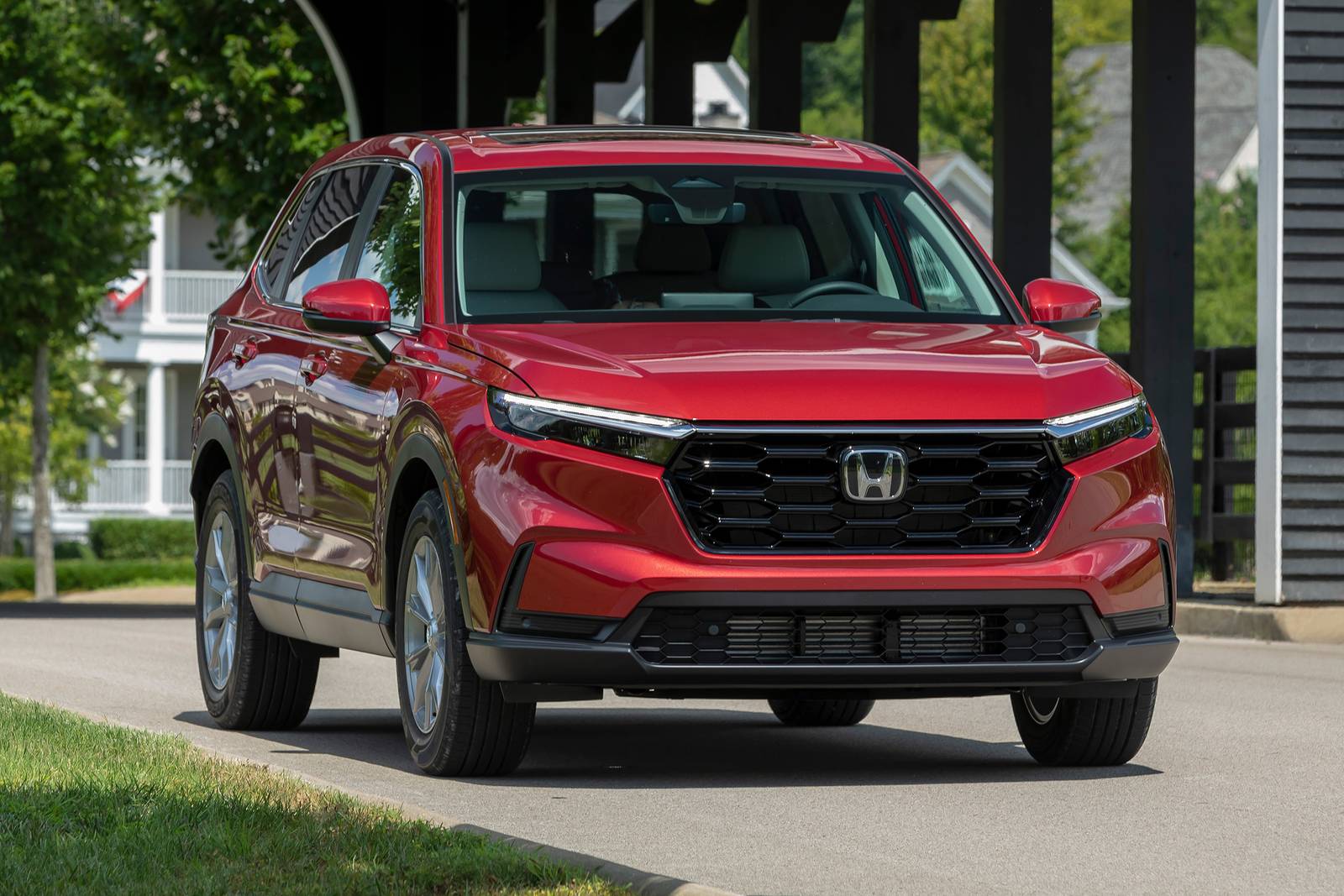
Car insurance costs vary wildly by model. Two cars can cost the same to buy. Yet one might cost $1,500 more per year to insure. Insurers look beyond the sticker price. They study safety ratings, repair costs, and theft rates. They also track how often a model gets into serious accidents.
Compact SUVs dominate the cheapest-to-insure rankings in 2026, with Subaru placing five models in the top 20. Not a single luxury car or sports car made the cut. That pattern isn’t random.
The gap between the cheapest and most expensive car to insure in America is roughly $4,400 per year. That’s real money. It’s often more than the price difference between two vehicles.
This list focuses on everyday cars people actually drive. These aren’t obscure economic models. They’re SUVs, sedans, and minivans found in every American driveway.
Each entry below includes the car’s price, its typical insurance cost, and the specific reasons insurers favor it. Specifications are also included for each model. This helps you understand exactly what you’re buying and why it’s cheap to protect.
1. Honda CR-V
The Honda CR-V sits at the very top of the cheapest-to-insure list. The Honda CR-V tops the list at just $161 per month for full coverage, roughly 30% below the national average.
That works out to an average monthly rate of $161, tied with the Honda HR-V as the cheapest new car to insure in 2026. Annually, that’s close to $1,932. Pricing starts around $30,000 for the base trim. It rises to roughly $38,000 for the fully loaded Sport Touring Hybrid.
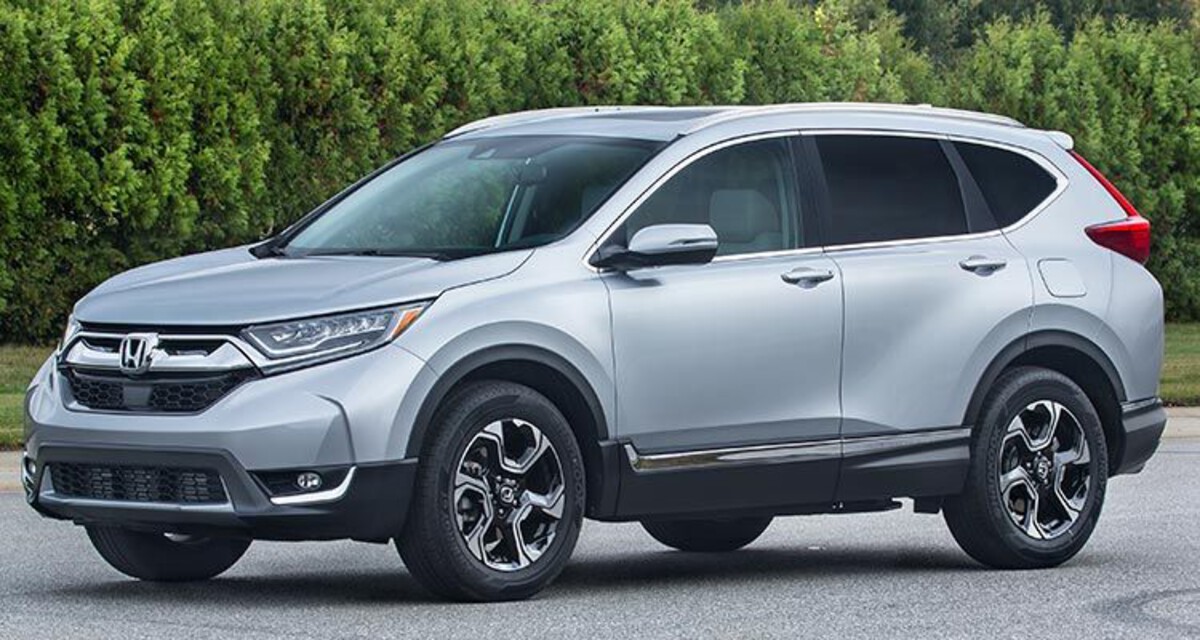
Why is it so cheap to cover? The CR-V likely earns low rates because it comes with a range of safety features, including lane-departure warning, automatic emergency braking, and blind-spot detection.
Repair costs matter too. Honda parts are widely available and inexpensive to source. Body shops across the country stock CR-V components. That keeps claim payouts low for insurers.
Theft risk is another factor. The CR-V isn’t a common target for thieves compared to trucks or luxury SUVs. It also isn’t associated with reckless driving. Insurers see fewer at-fault claims from CR-V owners than from sedan or truck drivers.
Specifications:
- Engine: 1.5L turbocharged 4-cylinder (gas) or 2.0L 4-cylinder hybrid
- Horsepower: 190 hp (gas) / 204 hp (hybrid)
- Torque: 179 lb-ft (gas) / 247 lb-ft (hybrid)
- Length: 184.8 inches
- Width: 73.5 inches
The CR-V also carries top IIHS safety scores. That designation alone often qualifies buyers for insurer discounts. Its crossover body style adds another advantage. Crossovers statistically produce lower-severity crashes than sedans of similar size.
2. Buick Envista
The Buick Envista is a newer nameplate. It has quickly become one of the cheapest vehicles to insure in the country. The Buick Envista tops the list as the cheapest car to insure in 2026, with drivers paying about $161 per month on average.
Some insurers beat that average significantly. USAA offers rates around $124 per month for the Envista, among the lowest of any carrier. That’s a meaningful discount for eligible drivers.
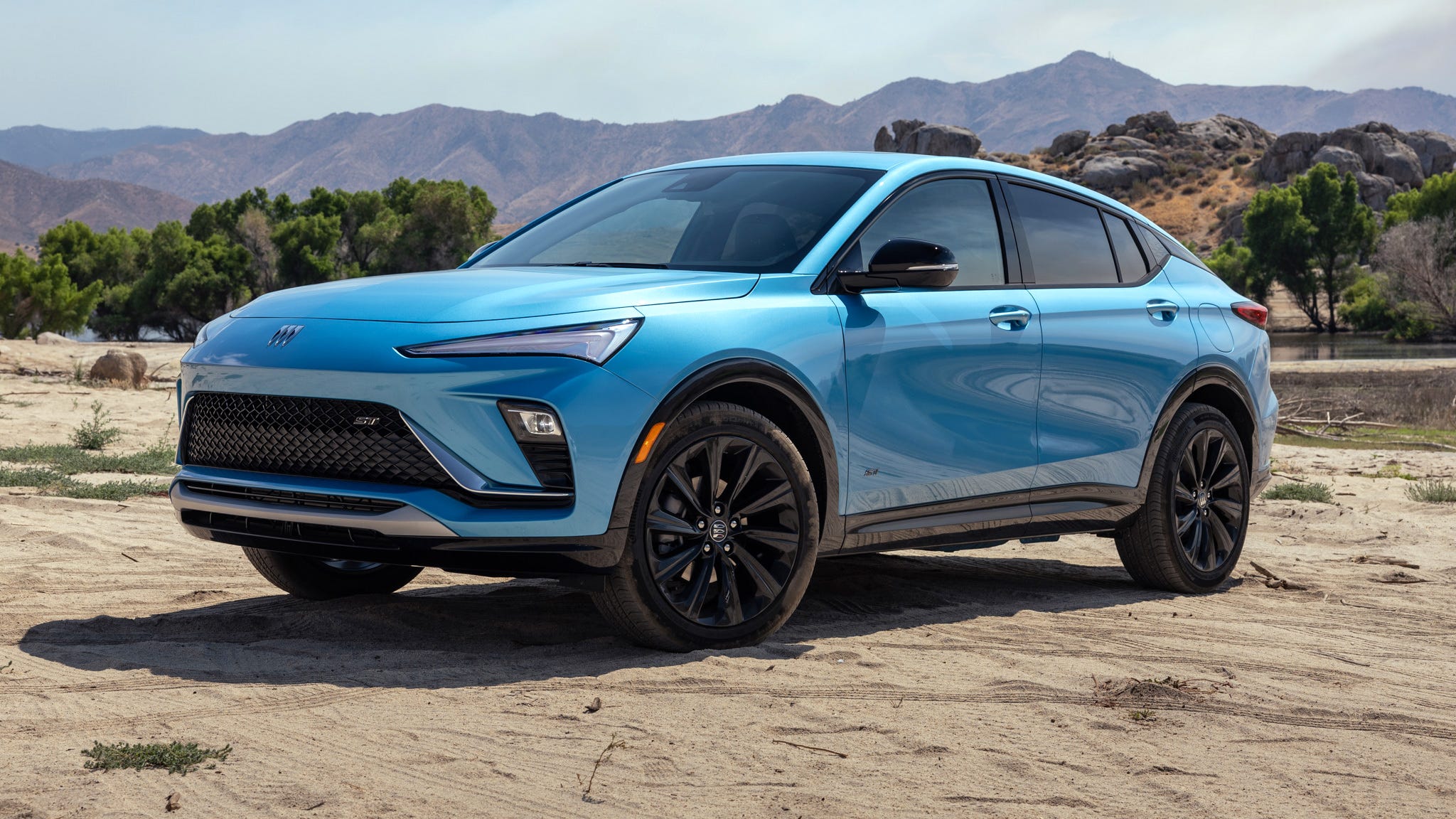
The Envista starts under $22,000. That makes it one of the most affordable new SUVs sold in America. These rates run roughly 30% below the national average for full coverage. Low value plays a direct role here.
A cheaper car costs less to replace. Insurers price policies around that replacement cost. The Envista also uses a small, low-output engine. That reduces both fuel costs and accident severity. Lower horsepower means lower top speeds in real-world driving. Insurers view that as a reduced risk.
Specifications:
- Engine: 1.2L turbocharged 3-cylinder
- Horsepower: 137 hp
- Torque: 162 lb-ft
- Length: 177.4 inches
- Width: 71.8 inches
Buick markets the Envista toward younger, value-conscious buyers. Insurers reward that demographic shift with better base rates. Its simple mechanical layout keeps repair costs down.
Front-wheel-drive-only construction avoids the added complexity of AWD hardware. That simplicity translates directly into savings. Fewer components mean fewer things that can break expensively.
3. Volkswagen Taos
The Volkswagen Taos is a compact crossover. It slots just above the cheapest tier of insured vehicles. Insurance for the Volkswagen Taos averages about $163 per month, making it one of the cheapest compact SUVs to insure this year.
That’s just two dollars above the CR-V and Envista. Progressive offers some of the lowest rates for the Taos, averaging roughly $107 per month. Shopping around clearly matters here.
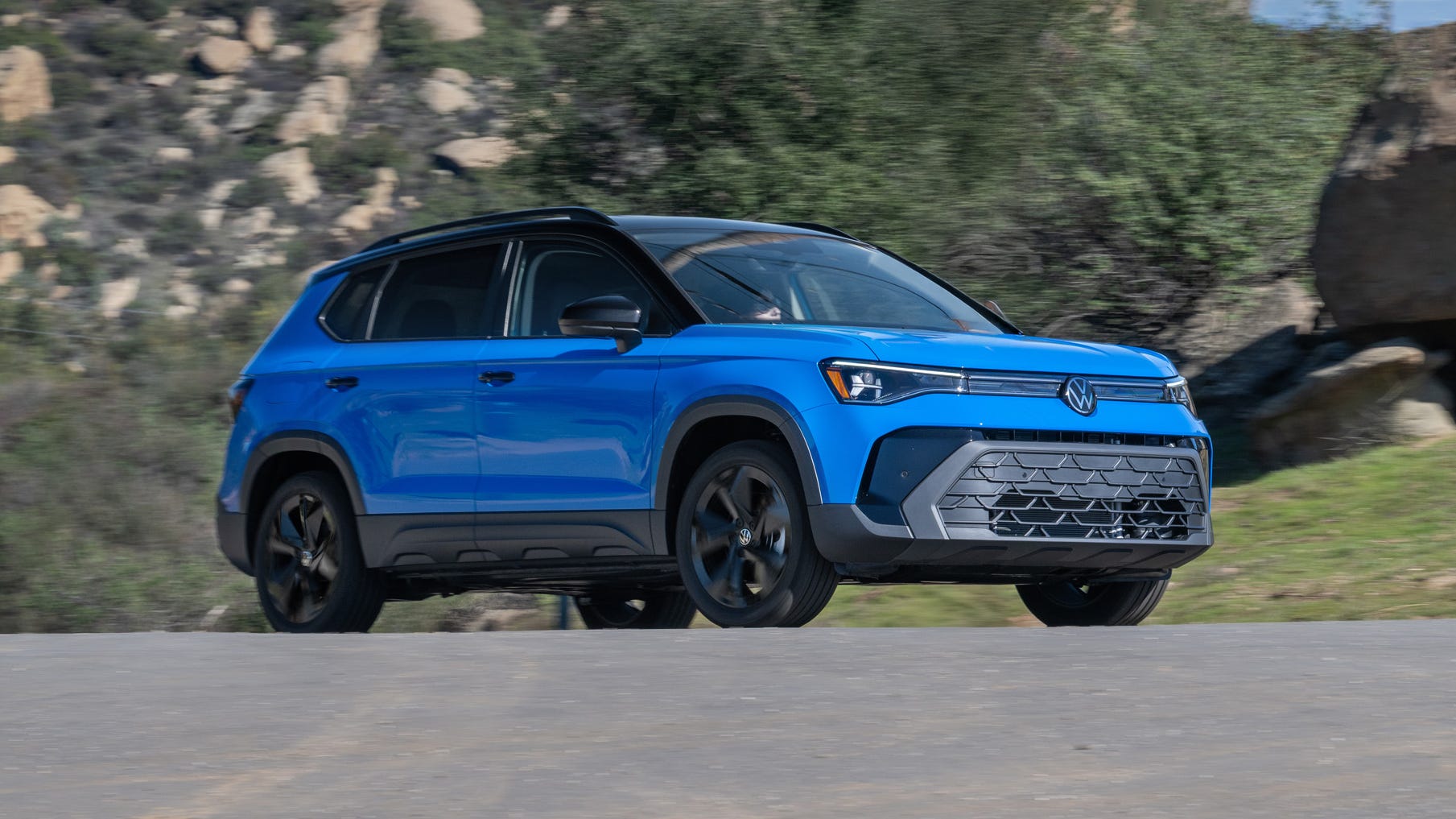
The Volkswagen Tiguan, a close sibling model, ranks as the third cheapest SUV to insure at $165 a month. The Taos undercuts even that. Pricing for the Taos starts near $24,000. That keeps replacement costs modest for insurers.
Volkswagen’s compact crossovers carry strong crash-test scores. That reduces bodily injury claim payouts significantly. The Taos also isn’t a performance-oriented trim. There’s no high-output variant pushing up its risk profile.
Specifications:
- Engine: 1.5L turbocharged 4-cylinder
- Horsepower: 158 hp
- Torque: 184 lb-ft
- Length: 175.8 inches
- Width: 72.4 inches
Parts availability is solid across the U.S. Volkswagen has expanded its dealer network steadily in recent years. That keeps collision repair times shorter. Shorter repair windows mean lower rental car and labor costs for insurers.
4. Subaru Outback
Subaru dominates this list more than any other brand. The Outback is one of five Subaru models in the top tier. The Subaru Outback is affordable to insure, with coverage costing around $163 per month on average.
That ties it closely with the Taos. American Family offers the lowest rates for the Outback, averaging about $107 per month. That’s a strong discount versus the national average.
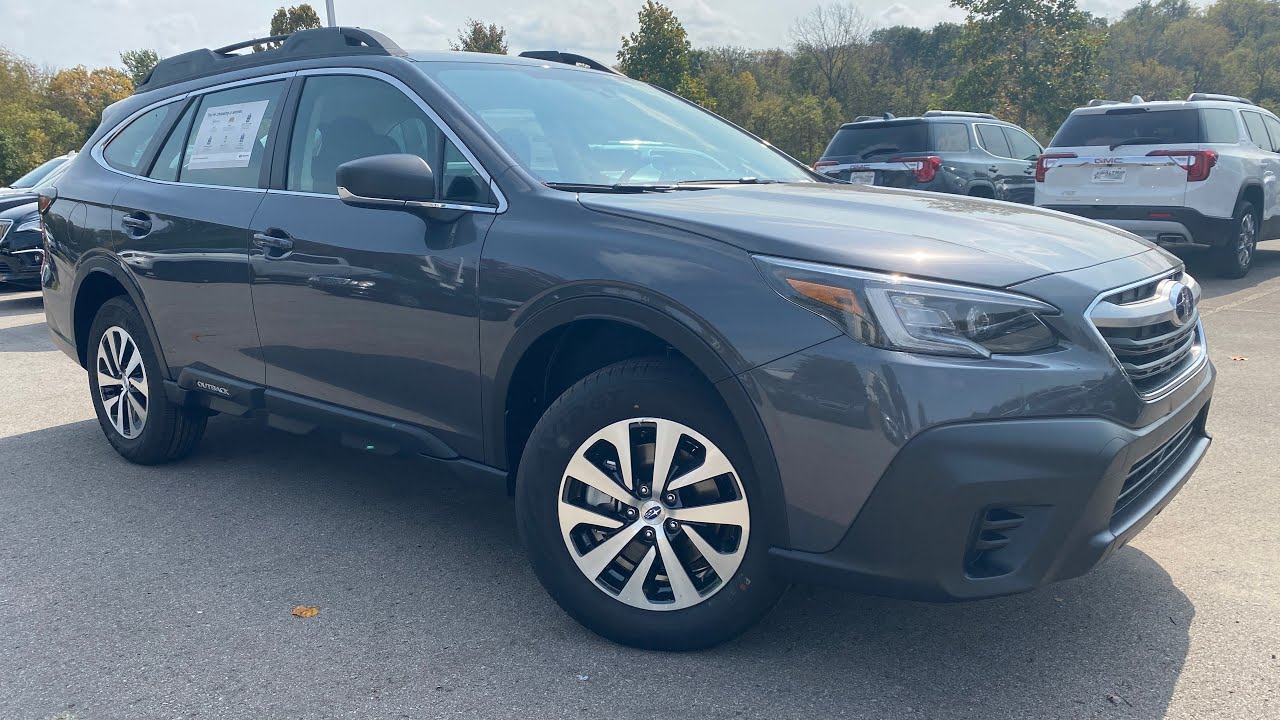
Standard all-wheel drive is a major factor. Standard all-wheel drive and strong safety ratings help keep insurance loss figures well below average across the Subaru lineup.
The Outback starts around $29,000. It rises past $40,000 for the wilderness and touring trims. Its wagon-crossover shape avoids the higher rollover risk associated with taller SUVs.
Insurers factor rollover statistics directly into premiums. Subaru owners also skew toward lower-risk demographics. Family buyers and outdoor enthusiasts file fewer at-fault claims on average.
Specifications:
- Engine: 2.5L 4-cylinder boxer (or 2.4L turbo on XT trims)
- Horsepower: 182 hp (2.5L) / 260 hp (2.4L turbo)
- Torque: 176 lb-ft (2.5L) / 277 lb-ft (turbo)
- Length: 191.1 inches
- Width: 76.2 inches
Theft rates for the Outback remain low nationally. It simply isn’t a model criminals target frequently. That combination of safety, AWD, and low theft risk keeps its premiums consistently competitive.
Also Read: 10 Cars That Still Comes Without Big Touchscreens
5. Subaru Forester
The Forester is arguably Subaru’s insurance star. It appears on nearly every cheapest-to-insure ranking published this year. The Forester shows up on virtually every cheapest-to-insure list published in 2026, with insurance loss data running nearly 50% below average for bodily injury claims.
That’s a striking figure. Subaru Forester drivers pay around $166 monthly to insure, making it the cheapest SUV for full coverage plans. Some carriers go lower still.
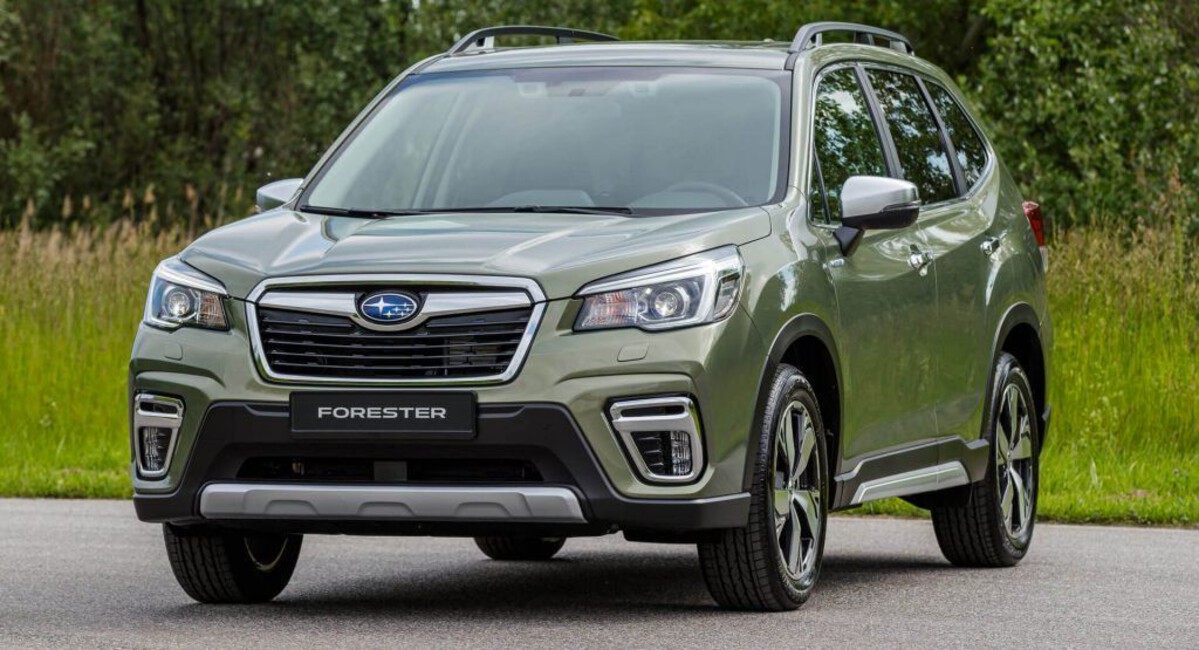
The lowest available rate for the Forester comes in at around $126 per month with certain insurers. That’s a substantial saving for shoppers.
Standard all-wheel drive and IIHS Top Safety Pick designation make the Forester a favorite among insurance actuaries. These aren’t marketing claims. They’re claims-data-driven conclusions.
Pricing starts around $27,000. That’s mid-pack for compact SUVs. The Forester’s boxy shape isn’t just about cargo space. It also provides excellent outward visibility, which reduces low-speed collision claims.
Specifications:
- Engine: 2.5L 4-cylinder boxer
- Horsepower: 182 hp
- Torque: 178 lb-ft
- Length: 182.1 inches
- Width: 71.9 inches
Its safety cage design consistently earns top crash-test scores. That directly lowers medical payout risk in an accident. Subaru’s reputation for reliability also reduces mechanical breakdown claims. Fewer breakdowns mean fewer unexpected insurer payouts.
6. Subaru Crosstrek
The Crosstrek is Subaru’s smallest crossover. It’s also one of the cheapest vehicles to insure in the entire market. Subaru Crosstrek ranks as the single cheapest car to insure in 2026, according to CarInsurance.com’s data study, with annual rates around $2,299.
That places it ahead of even the Jeep Wrangler and Honda CR-V in that particular analysis. Insurers offer the cheapest coverage for the Crosstrek at around $114 per month for qualifying drivers. That’s an excellent rate by any measure.
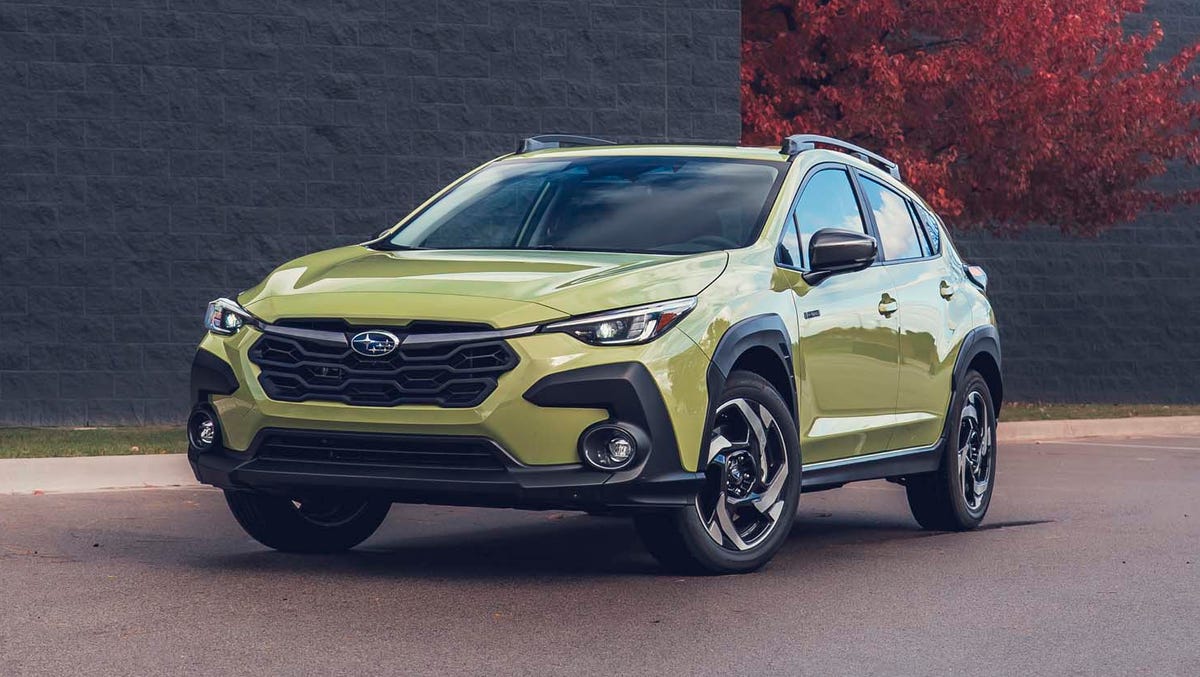
Cars with strong safety ratings, lower repair costs, and affordable parts are typically cheaper to insure and help keep premiums in check. The Crosstrek checks every one of those boxes.
Pricing starts under $26,000. It’s one of the most affordable crossovers with standard AWD. Its compact footprint reduces collision severity. Smaller vehicles moving at typical suburban speeds produce less catastrophic damage.
Specifications:
- Engine: 2.0L 4-cylinder boxer (or 2.5L on Sport/Limited)
- Horsepower: 152 hp (2.0L) / 182 hp (2.5L)
- Torque: 145 lb-ft (2.0L) / 178 lb-ft (2.5L)
- Length: 176.4 inches
- Width: 71.0 inches
Theft data for the Crosstrek remains very low. It simply doesn’t attract organized theft rings the way trucks and luxury SUVs do. That anonymity, paired with genuine safety engineering, is exactly what keeps its premiums low.
7. Honda HR-V
The HR-V is Honda’s smaller crossover. It ties its bigger sibling, the CR-V, for the cheapest insurance rate on the market. The Honda HR-V ties with the CR-V at $161 a month for full coverage, among the cheapest new cars to insure in 2026.
That’s a remarkable achievement for a subcompact model. The Honda CR-V and HR-V are the cheapest new cars to insure, tied at $161 a month, ahead of the Volkswagen Tiguan at $165. Honda clearly dominates this category.
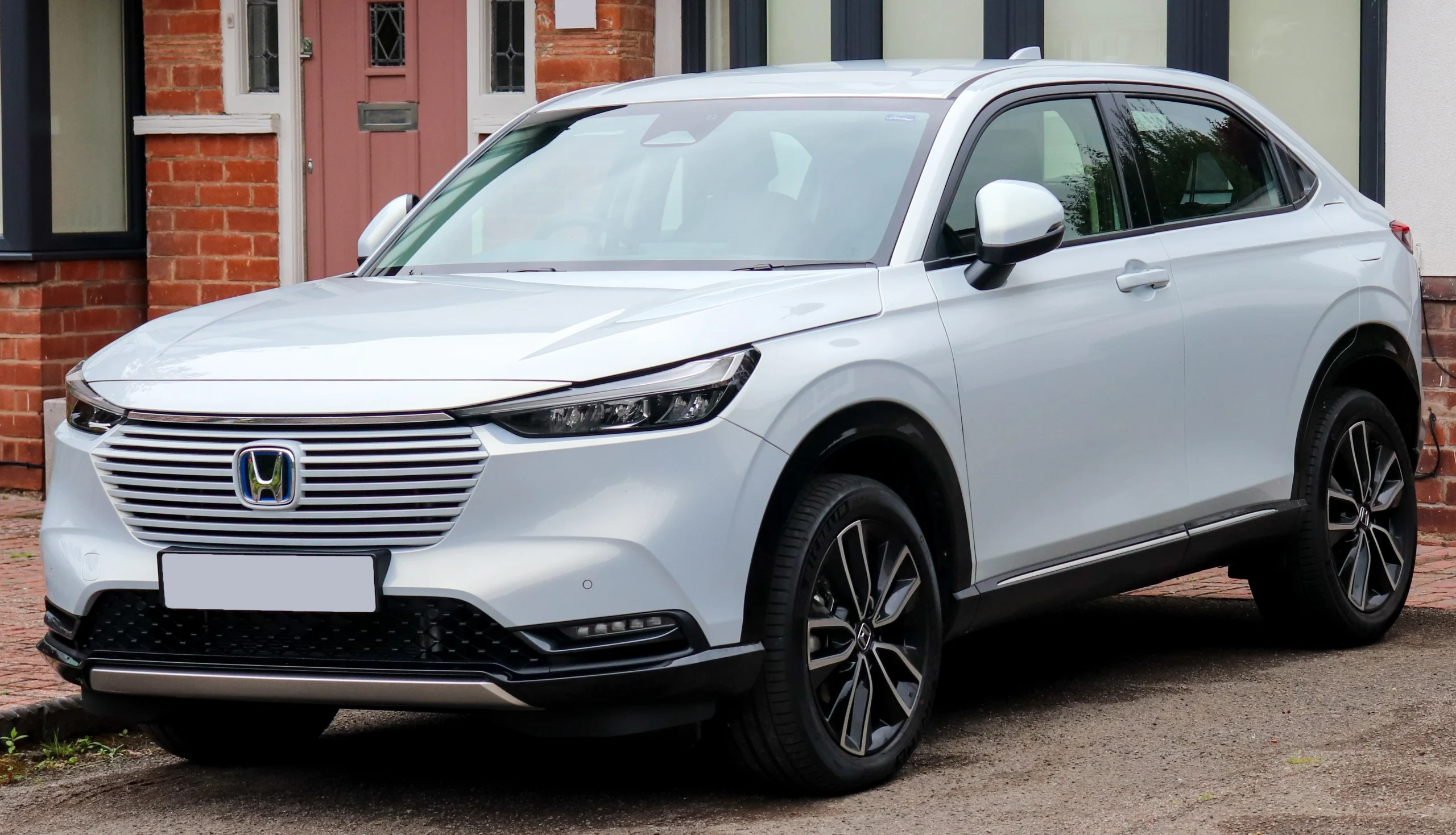
Pricing starts around $25,000. That’s accessible for first-time buyers and small families. Its smaller size keeps repair costs down further. Fewer body panels and less structural steel mean cheaper collision repairs. Standard safety tech comes on every trim. Automatic emergency braking and lane-keep assist are included from the base model up.
Specifications:
- Engine: 2.0L 4-cylinder
- Horsepower: 158 hp
- Torque: 138 lb-ft
- Length: 179.8 inches
- Width: 72.4 inches
The HR-V isn’t marketed toward performance buyers. There’s no turbocharged or high-output trim inflating its risk profile. That consistency across the lineup keeps actuarial data clean. Insurers can price it confidently because every HR-V behaves similarly on the road.
8. Mazda CX-5
The Mazda CX-5 offers something different. It delivers a more upscale feel without the insurance penalty of a true luxury brand. Nationwide offers full coverage on the CX-5 at roughly $1,035 per year, making it the cheapest compact SUV to insure with that carrier.
That’s an unusually low annual figure. The Mazda CX-5 leads MoneyGeek’s 2026 analysis for minimum coverage at $364 annually, carrying a top IIHS safety rating alongside low theft rates. Minimum coverage costs stay especially low here.
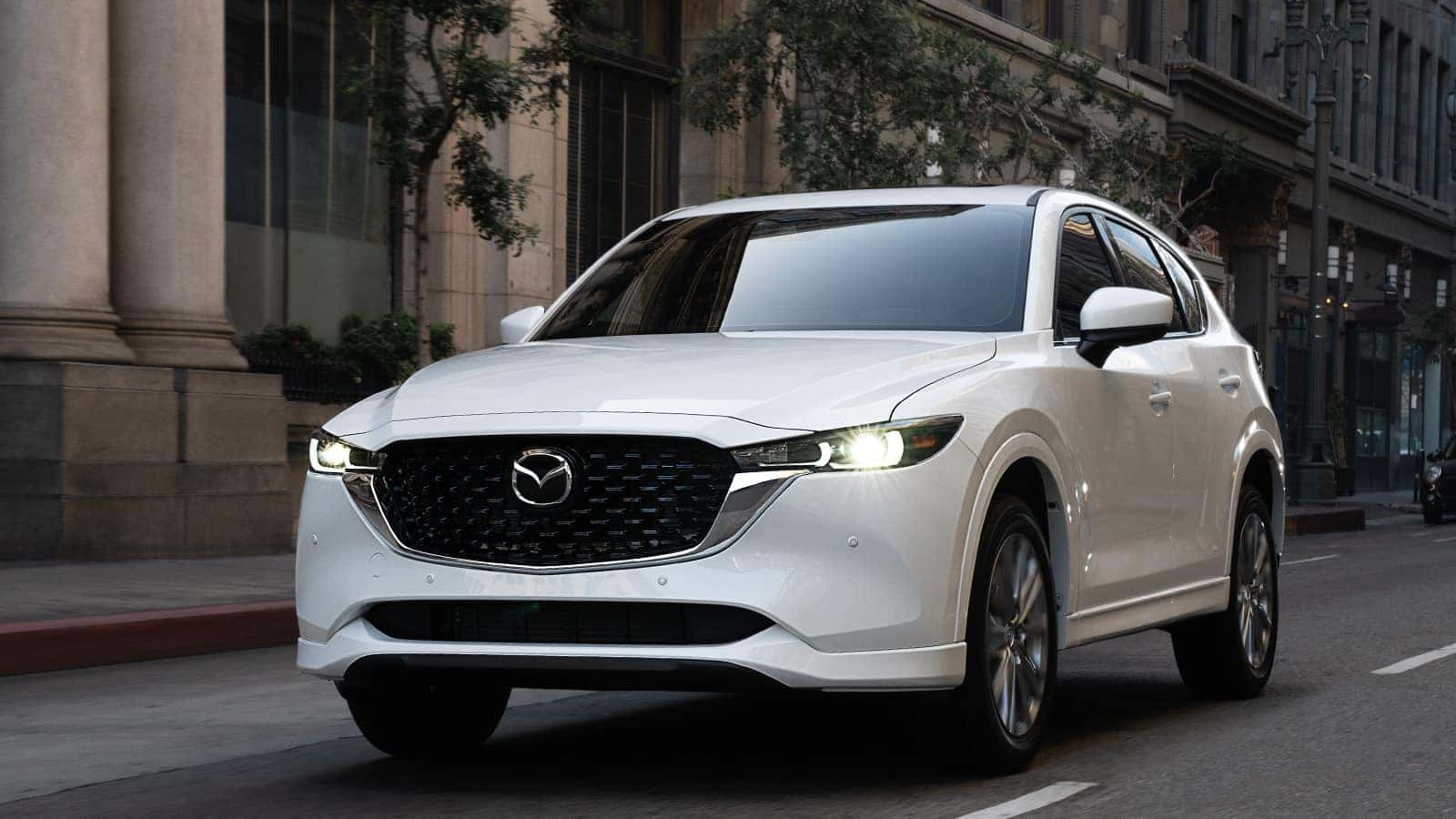
The CX-5 combines a refined interior, engaging driving dynamics, and strong safety ratings in a package that looks like it should cost more to cover than it does. That’s high praise from an insurance analyst.
Pricing starts around $29,000. Loaded Signature trims approach $40,000. Mazda’s claims history is clean. Fewer major structural failures show up in CX-5 crash data compared to average compact SUVs.
Specifications:
- Engine: 2.5L 4-cylinder (or 2.5L turbo on Turbo trims)
- Horsepower: 187 hp (base) / 256 hp (turbo)
- Torque: 186 lb-ft (base) / 320 lb-ft (turbo)
- Length: 179.1 inches
- Width: 72.5 inches
Repair costs stay reasonable despite the premium feel. Mazda doesn’t use exotic materials that spike parts pricing. That balance of style and affordability makes the CX-5 an insurance sweet spot.
9. Subaru Legacy
The Subaru Legacy was a notable sedan that often appeared on lists of affordable vehicles to insure, standing out in a market increasingly dominated by SUVs.
While production of the Legacy officially ended after the 2025 model year to allow Subaru to focus on higher-selling crossover models like the Outback and Forester, remaining new units have continued to find buyers through 2026.
The Legacy’s reputation for affordability in insurance is rooted in its safety profile and reliability. It consistently earned high marks from organizations like the IIHS and NHTSA, which are key factors insurers use to reduce premiums.
Furthermore, the inclusion of standard all-wheel drive across its lineup provided added confidence for insurers, as it contributes to better handling and stability in varied road conditions. Beyond safety, the Legacy maintained a low theft profile compared to many other midsize sedans, making it less of a risk for underwriters.
Although sedans as a category can sometimes face higher accident severity statistics than crossovers, the Legacy’s strong structural design helped mitigate these concerns, earning it insurance rates that were often more competitive than those of its midsize rivals.
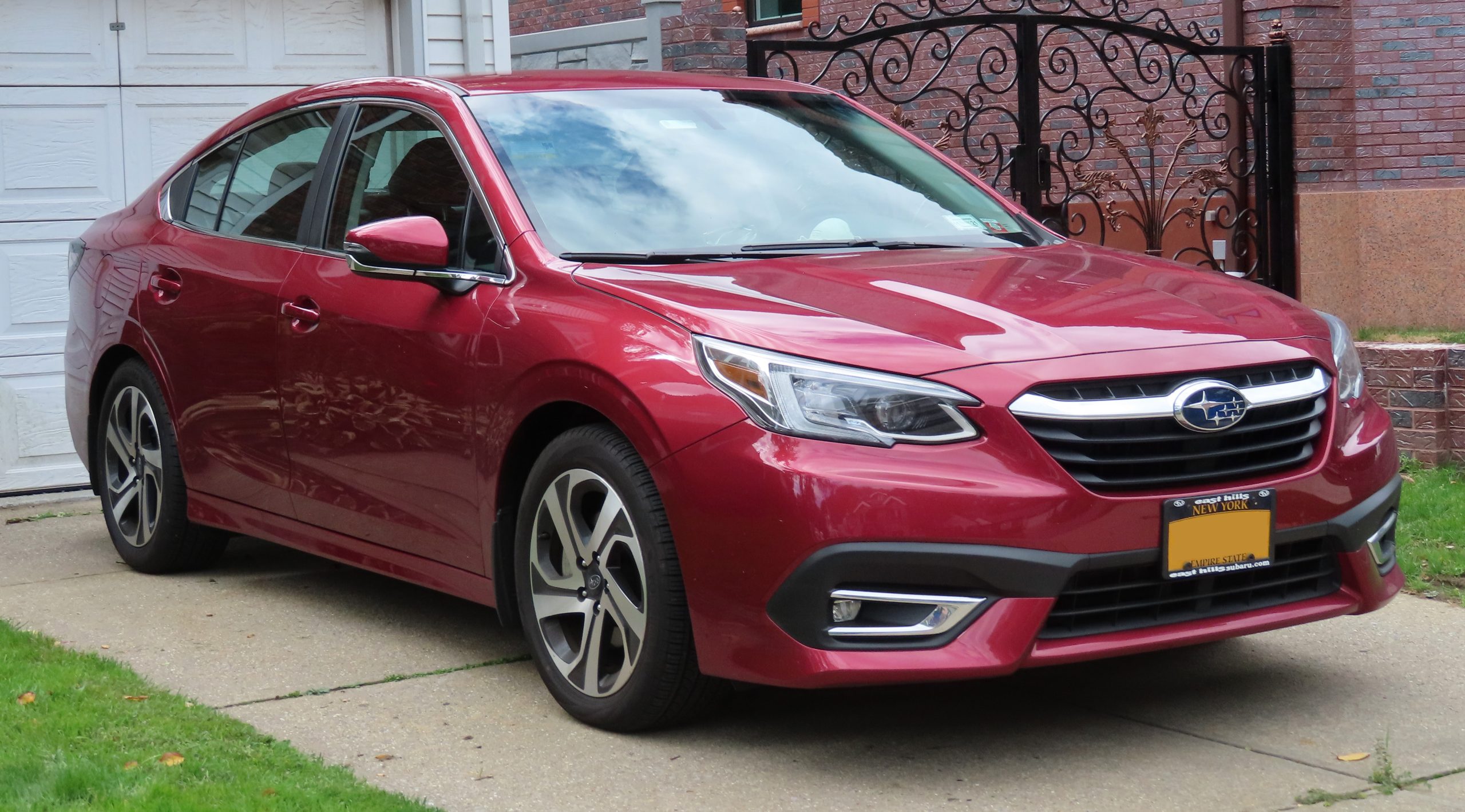
While it competed in price with popular models like the Toyota Camry and Honda Accord, its unique combination of all-wheel-drive capability and favorable loss-ratio history allowed it to remain a “sweet spot” for budget-conscious drivers looking to balance protection and cost until its final departure from the assembly line.
Specifications:
- Engine: 2.5L 4-cylinder boxer
- Horsepower: 182 hp
- Torque: 178 lb-ft
- Length: 191.0 inches
- Width: 72.4 inches
10. Chrysler Pacifica
Minivans consistently rank among the most affordable vehicles to insure, a trend driven primarily by the driver demographic rather than just the vehicle mechanics.
Insurers view the minivan category favorably because it is primarily populated by family-oriented drivers. Statistically, these owners tend to drive more cautiously, resulting in fewer at-fault accidents and lower claim frequencies.
The Chrysler Pacifica exemplifies this efficiency. Although it commands a higher purchase price, with base models starting near $38,000 and premium trims exceeding $50,000, its insurance premiums remain competitive.
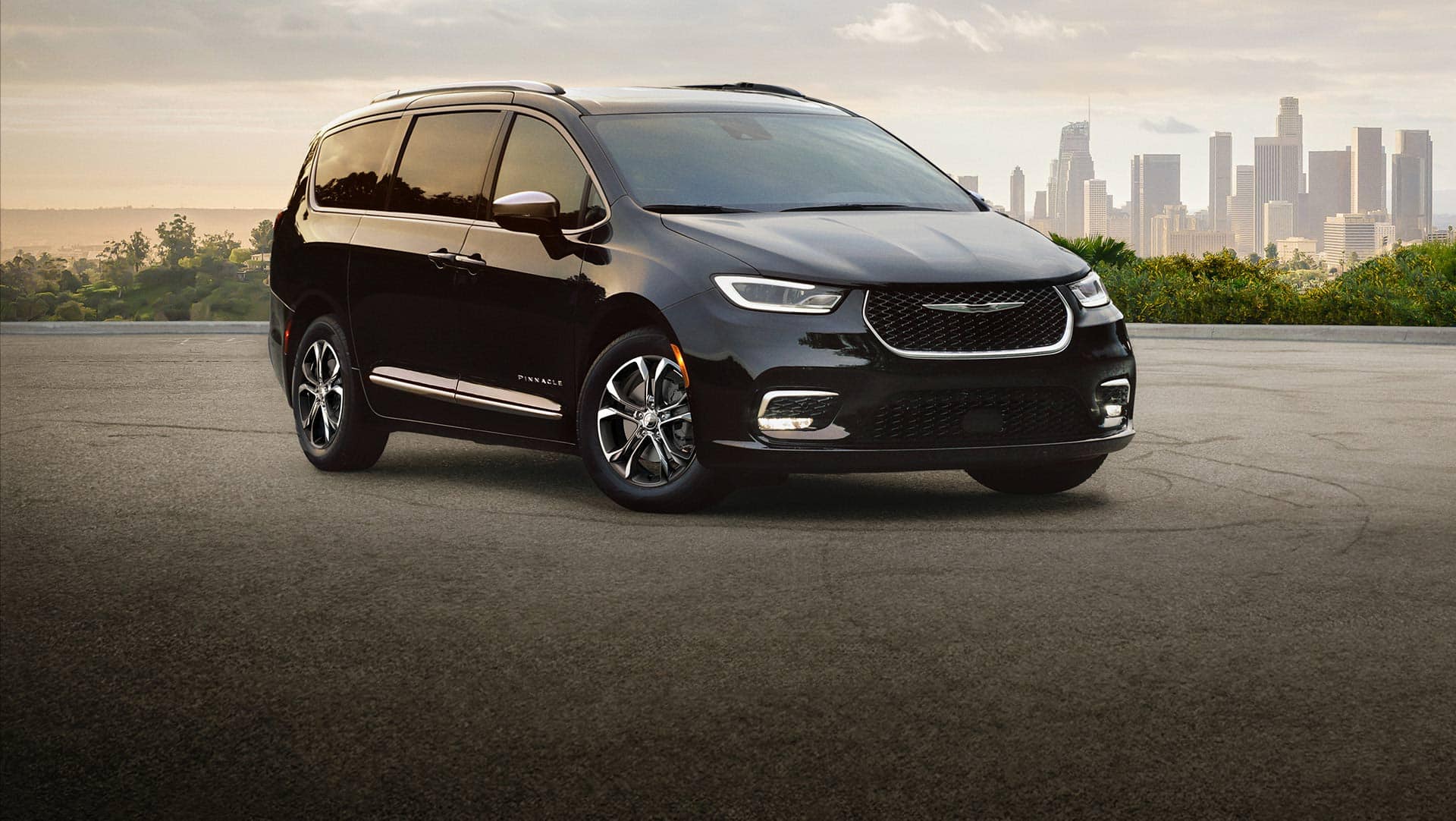
Industry data frequently highlights the Pacifica as a budget-friendly option in its class, often falling below the national average for full coverage. This confirms that for underwriters, a driver’s historical risk profile often outweighs the vehicle’s MSRP.
Furthermore, Pacifica’s engineering bolsters its insurance standing. Its robust crash structures and long wheelbase manage impact forces effectively, which can lead to reduced medical and repair costs following an incident. By balancing structural safety with a reliable, family-focused driver base, the Pacifica creates a low-risk profile that keeps annual premiums stable.
Specifications:
- Engine: 3.6L V6 (gas) or 3.6L V6 plug-in hybrid
- Horsepower: 287 hp (gas) / 260 hp (hybrid)
- Torque: 262 lb-ft (gas) / 235 lb-ft (hybrid)
- Length: 203.8 inches
- Width: 78.6 inches
Also Read: Why Used Toyota Tacomas Sell for Almost New-Car Prices
