
The used car market for Korean vehicles has changed dramatically over the last decade, and in 2026, it is more competitive than ever. Brands like Hyundai, Kia, and Genesis have moved from being budget-focused alternatives to serious global contenders that compete with Japanese and American manufacturers on technology, comfort, and long-term value.
This shift has made used Korean cars especially attractive for buyers who want modern features at lower prices compared to new vehicles or even used cars from other regions. However, not every Korean model delivers the same level of reliability, ownership satisfaction, or resale stability.
When evaluating used Korean cars in 2026, buyers need to focus on a few key factors. Reliability history matters because some earlier engines and transmissions had known issues, even if later models improved significantly. Maintenance costs also play a major role, since vehicles like Hyundai and Kia often offer cheaper parts and wider service availability compared to European brands.
Resale value is another important consideration, as certain Korean models depreciate faster than Japanese rivals, making them excellent bargains for used buyers but weaker long-term investments. Finally, safety features and technology updates should not be ignored, because Korean automakers have become leaders in infotainment systems, driver assistance technology, and hybrid efficiency.
At the same time, not all used Korean cars are equal. Some models, especially those from recent years, have proven to be extremely dependable and cost-effective for long-term ownership.
Others, particularly older generations or specific engine variants, have had recurring mechanical issues such as engine failures, transmission concerns, or high depreciation rates that make them less desirable in the used market. Even within the same brand, reliability can vary significantly depending on the model year and engine type.
This article breaks down five used Korean cars that are worth considering in 2026 based on reliability, value, and ownership experience, along with five models that buyers should approach with caution or avoid entirely. The goal is to help you make a practical, informed decision whether you are looking for a budget commuter car, a family SUV, or a long-term, reliable daily driver.
5 Used Korean Cars Worth Considering in 2026
1. Hyundai Elantra
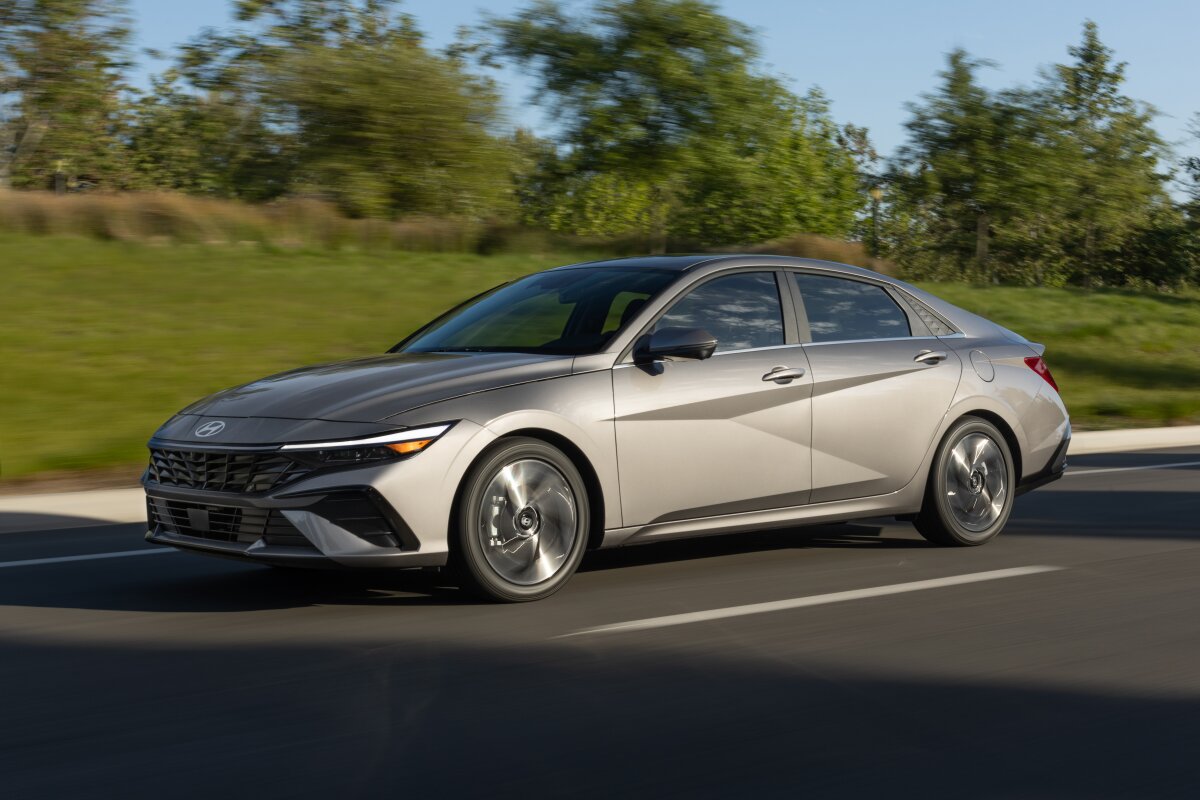
The Hyundai Elantra, particularly in its 2019 to 2023 generation, stands out as a well-rounded option in the used compact sedan market today. With this generation, Hyundai made major strides in design, engineering refinement, and technology integration, transforming the Elantra from a simple commuter car into a truly competitive global sedan.
The exterior styling became more aggressive and modern, while the interior adopted a more driver-focused layout with improved materials and better ergonomics compared to earlier versions.
From a reliability standpoint, this generation of Elantra benefits from Hyundai’s improved engine design philosophy and better quality control standards introduced after 2018. Many owners report consistent performance even after high mileage use, especially when regular maintenance schedules are followed.
Fuel efficiency remains one of its strongest advantages, making it particularly attractive for daily commuters, ride-sharing drivers, and students looking for a cost-effective vehicle with low running costs.
Another major strength of the Elantra is its technology package. Even mid-level trims come with features such as touchscreen infotainment systems, smartphone integration, lane-keeping assistance, and adaptive cruise control in higher variants. These features are often found in more expensive vehicles from competing brands, which gives the Elantra a strong value advantage in the used market.
Ownership costs are also relatively predictable. Insurance premiums tend to be moderate, replacement parts are widely available, and servicing is straightforward due to Hyundai’s extensive global service network. This combination makes the Elantra one of the safest choices for buyers who want a modern, efficient, and low-stress ownership experience without stretching their budget.
2. Kia Sportage
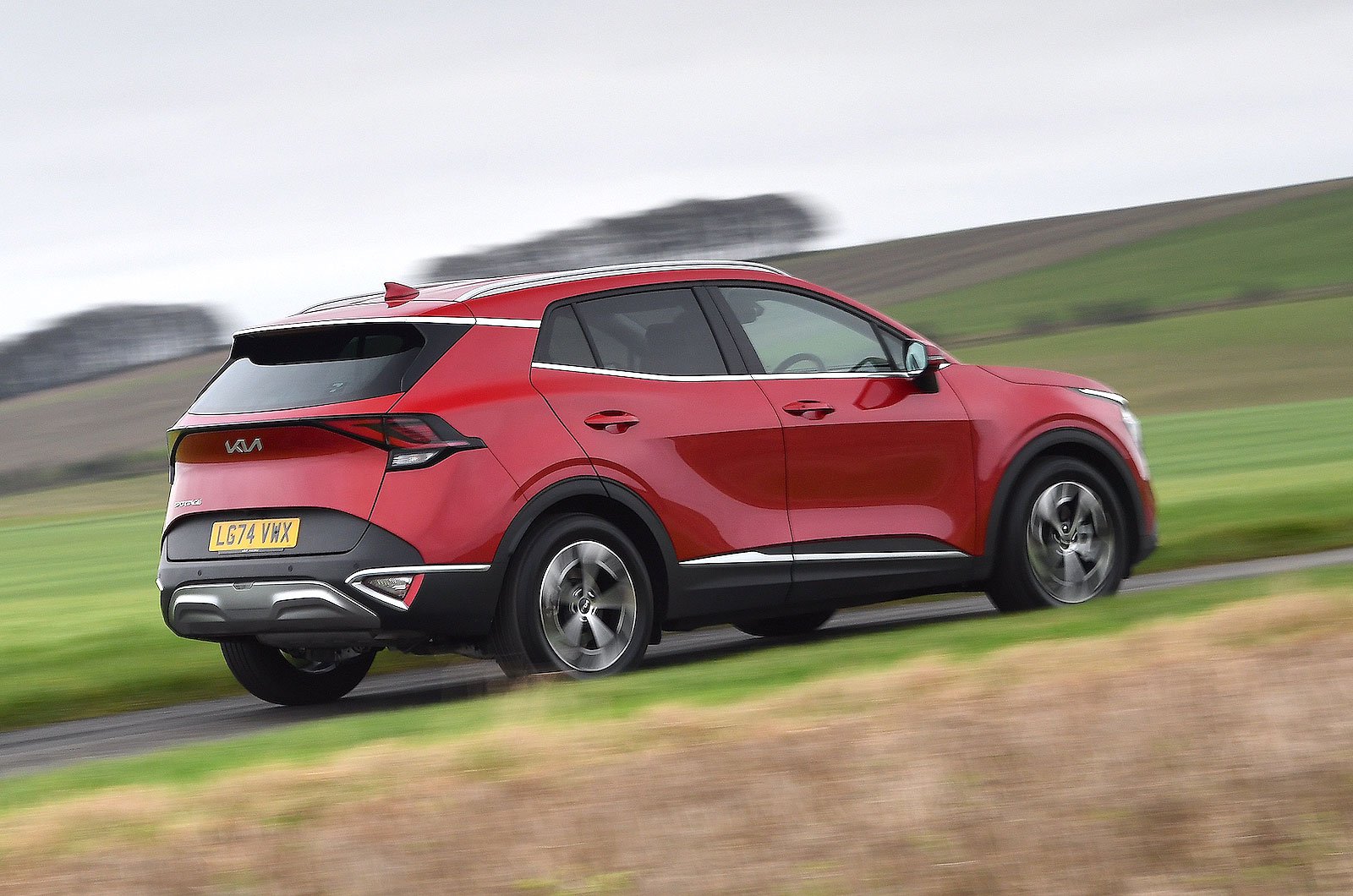
The Kia Sportage has evolved into one of the most refined compact SUVs from Korea, especially in its 2020 to 2024 generation. This model marks a major turning point in Kia’s design language and engineering maturity, offering a bold exterior design paired with a highly practical and comfortable interior. The cabin layout feels modern and spacious, with a strong emphasis on driver usability and passenger comfort.
One of the strongest reasons the Sportage stands out in the used SUV market is its balance between performance and practicality. The engines used in this generation are more refined compared to earlier versions, delivering smooth acceleration and improved fuel efficiency.
Whether used in city traffic or highway cruising, the Sportage provides a stable and comfortable driving experience that appeals to both families and individual buyers.
Interior quality is another area where the Sportage shines. Even lower trims feel well-equipped, while higher trims include premium features such as dual-screen infotainment layouts, ventilated seats, wireless charging, and advanced driver assistance systems. These features enhance the ownership experience, bringing it closer to a luxury vehicle in terms of comfort and convenience.
Maintenance and long-term reliability are also strong points for this generation. Kia’s shared engineering with Hyundai ensures that parts are widely available and service costs remain reasonable. Combined with improved reliability compared to older Kia SUVs, the Sportage is widely considered a smart and practical used SUV choice in 2026.
3. Genesis G80
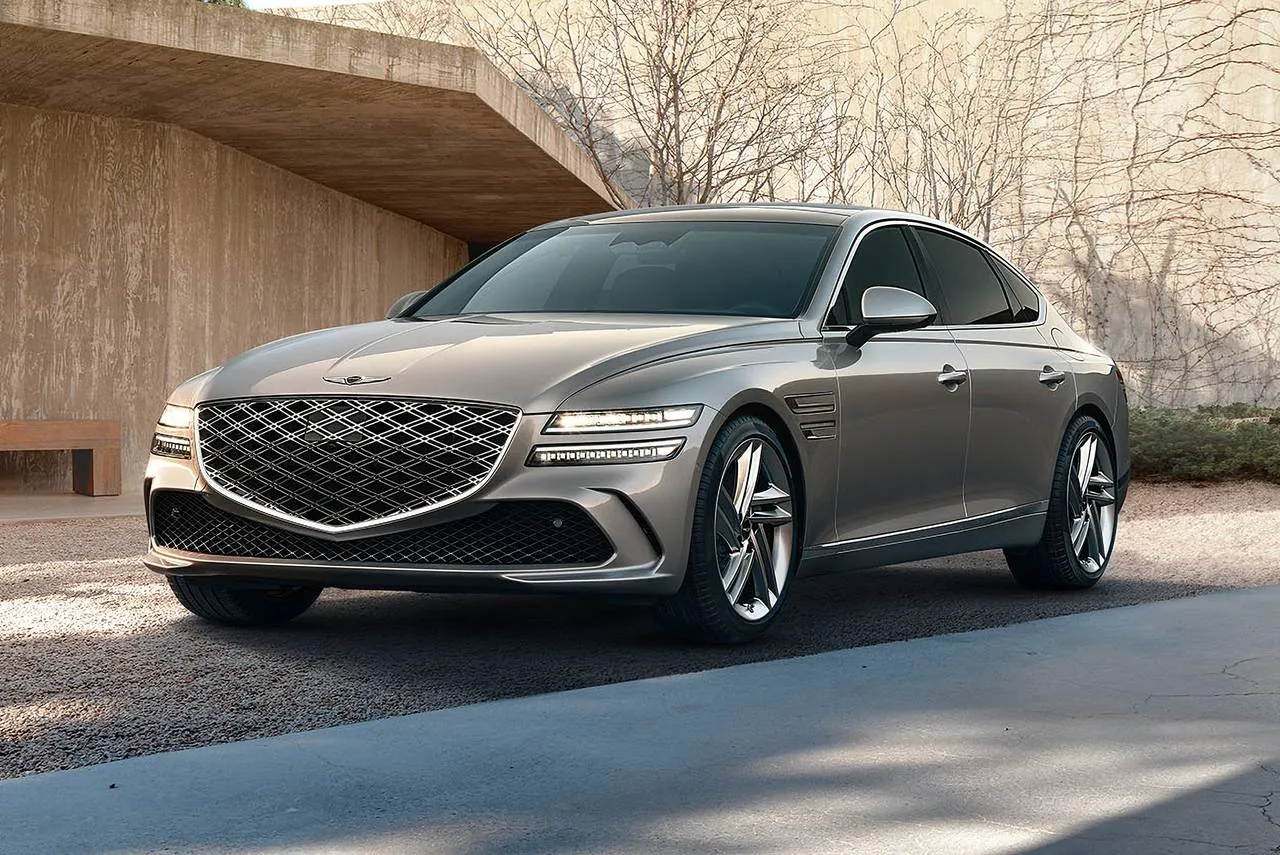
The Genesis G80 represents one of the most compelling luxury sedans in the used Korean car segment. As part of Hyundai’s luxury division, Genesis was designed to directly challenge established European brands, and the G80 plays a central role in that strategy. The vehicle offers a premium driving experience that includes high levels of comfort, strong performance options, and advanced safety systems.
Inside the cabin, the G80 feels genuinely luxurious. High-quality materials such as leather upholstery, wood trim, and soft-touch surfaces are used throughout the interior. The seating comfort is exceptional, with excellent support for long-distance driving. Noise insulation is also impressive, allowing for a quiet and refined cabin environment even at highway speeds.
Performance varies depending on engine choice, but most G80 models deliver smooth and powerful acceleration with a focus on comfort rather than aggressive sport tuning. This makes it ideal for buyers who prioritize relaxed driving dynamics and long-distance comfort over sporty handling. The suspension is tuned to absorb road imperfections effectively, contributing to a very smooth ride.
From a value perspective, the G80 benefits significantly from depreciation. Luxury vehicles typically lose value faster than mainstream cars, and the G80 is no exception. This creates an opportunity for used buyers to access a near-luxury or full-luxury experience at a significantly reduced price compared to its original cost, making it one of the strongest value propositions in its category.
4. Hyundai Tucson
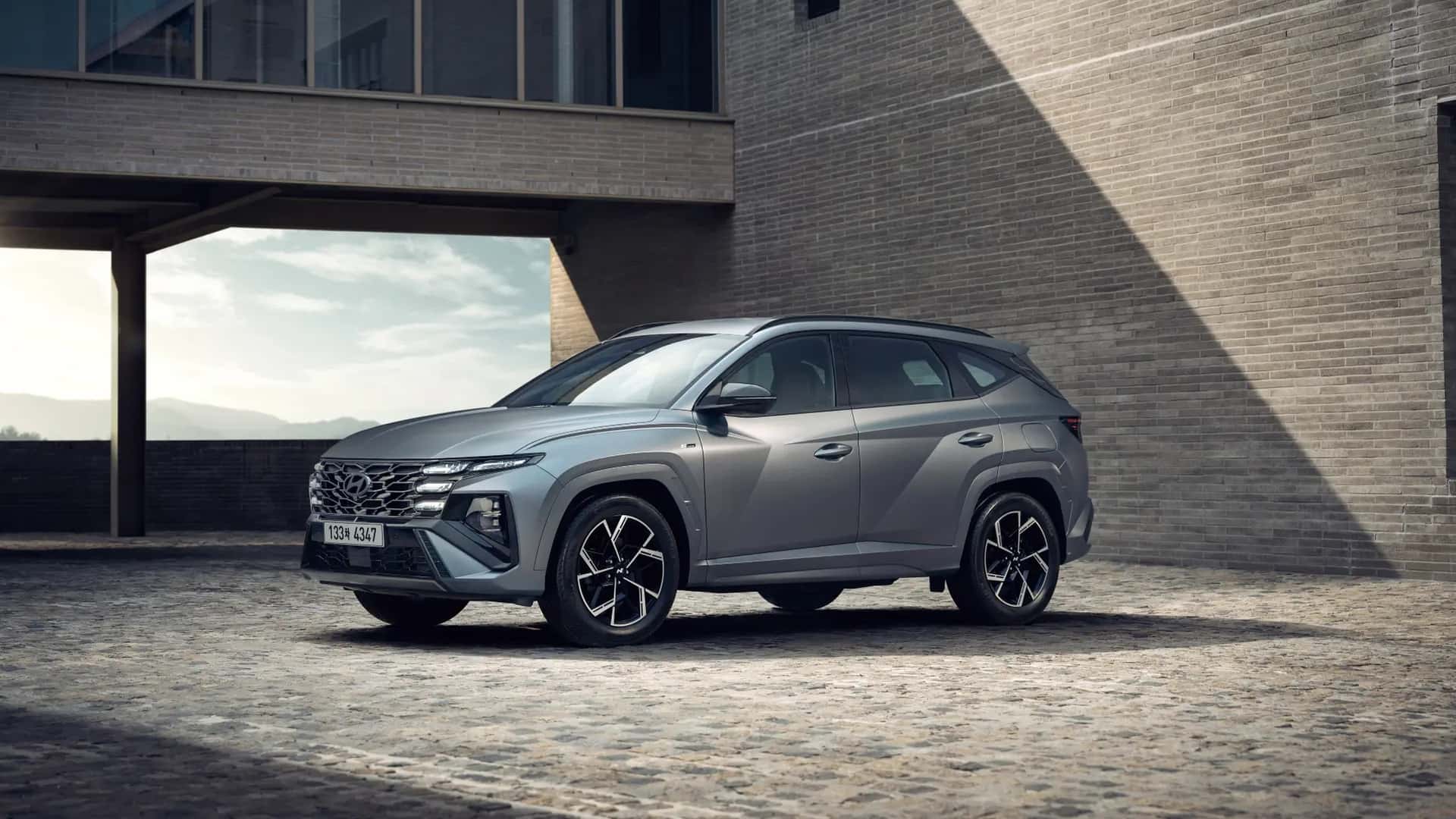
The Hyundai Tucson has become one of the most well-rounded compact SUVs in the global market, especially in its 2019 to 2024 generation. Hyundai focused heavily on improving design, comfort, and technology in this version, making it a strong competitor against rivals such as the Toyota RAV4 and Honda CR V in many markets.
One of the key strengths of Tucson is its versatility. It is equally suitable for city driving, highway commuting, and light family travel. The vehicle offers a comfortable seating position, good visibility, and a smooth suspension setup that handles rough roads well. This makes it particularly well-suited for mixed driving conditions, which is a major advantage in many regions.
Fuel efficiency is another strong factor, especially in hybrid variants. The hybrid Tucson models deliver excellent mileage without sacrificing performance, making them attractive for buyers concerned about rising fuel costs. Even non-hybrid versions are reasonably efficient compared to older SUVs in the same segment.
Technology and safety features are also a major highlight. Many Tucson models come equipped with advanced driver assistance systems such as blind spot monitoring, lane keeping assist, forward collision avoidance, and adaptive cruise control. These features significantly enhance safety and driving confidence, especially for new or family-oriented drivers.
5. Kia Sorento
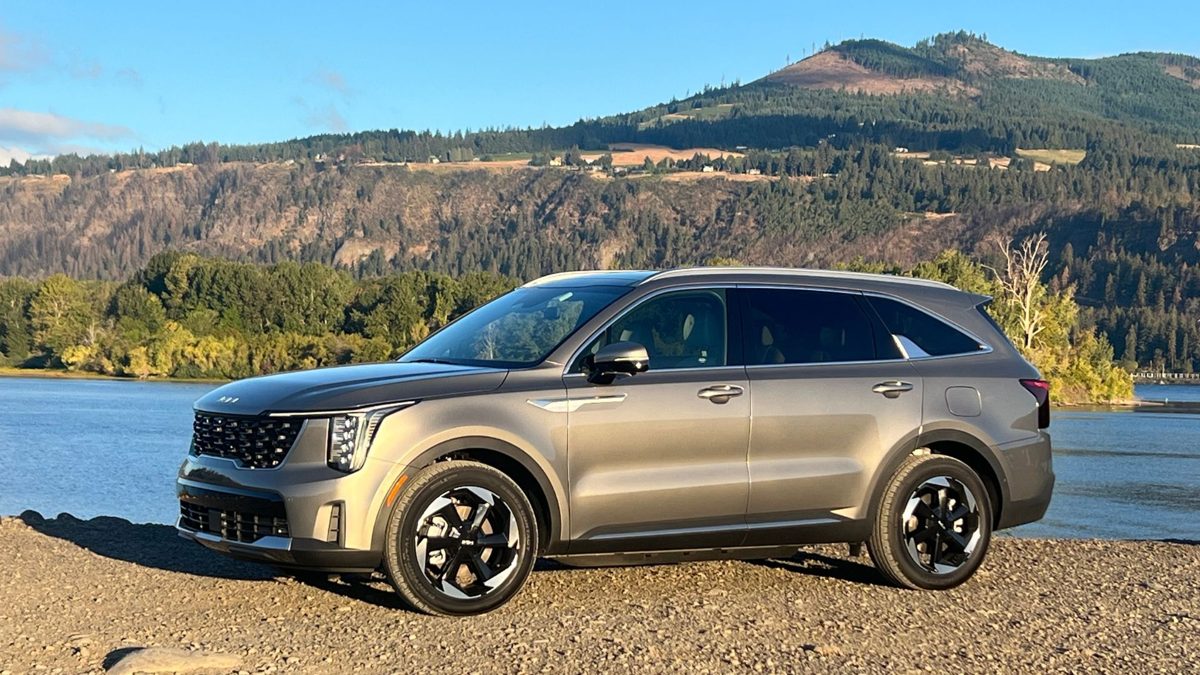
The Kia Sorento stands out as one of the most practical and spacious mid-size SUVs from Korea. The 2020 to 2024 generation introduced a major redesign that improved both styling and functionality, making it a strong option for families needing more space without stepping into full-size SUV territory.
One of the most important features of the Sorento is its seating capacity. With available third-row seating, it can accommodate larger families or groups, which is a key advantage over smaller SUVs. The interior layout is flexible, allowing users to adjust cargo space depending on passenger needs, making it a highly practical vehicle for long trips and daily use.
Comfort is another strong point. The suspension system is tuned for smoothness, and the cabin is designed to reduce road noise and vibration. This makes the Sorento comfortable even during extended journeys, which is a major factor for family buyers. Higher trims also include luxury-like features such as panoramic sunroofs, premium sound systems, and advanced climate control systems.
In terms of performance, the Sorento offers a balanced driving experience. It is not designed to be sporty, but it provides enough power for highway driving and city commuting. Hybrid versions further improve fuel efficiency, making it more economical than older mid-size SUVs.
The Sorento is one of the most complete used SUV options in the Korean lineup, combining space, comfort, technology, and practicality into a single package that suits a wide range of buyers.
5 Used Korean Cars You Should Skip in 2026
1. Hyundai Sonata
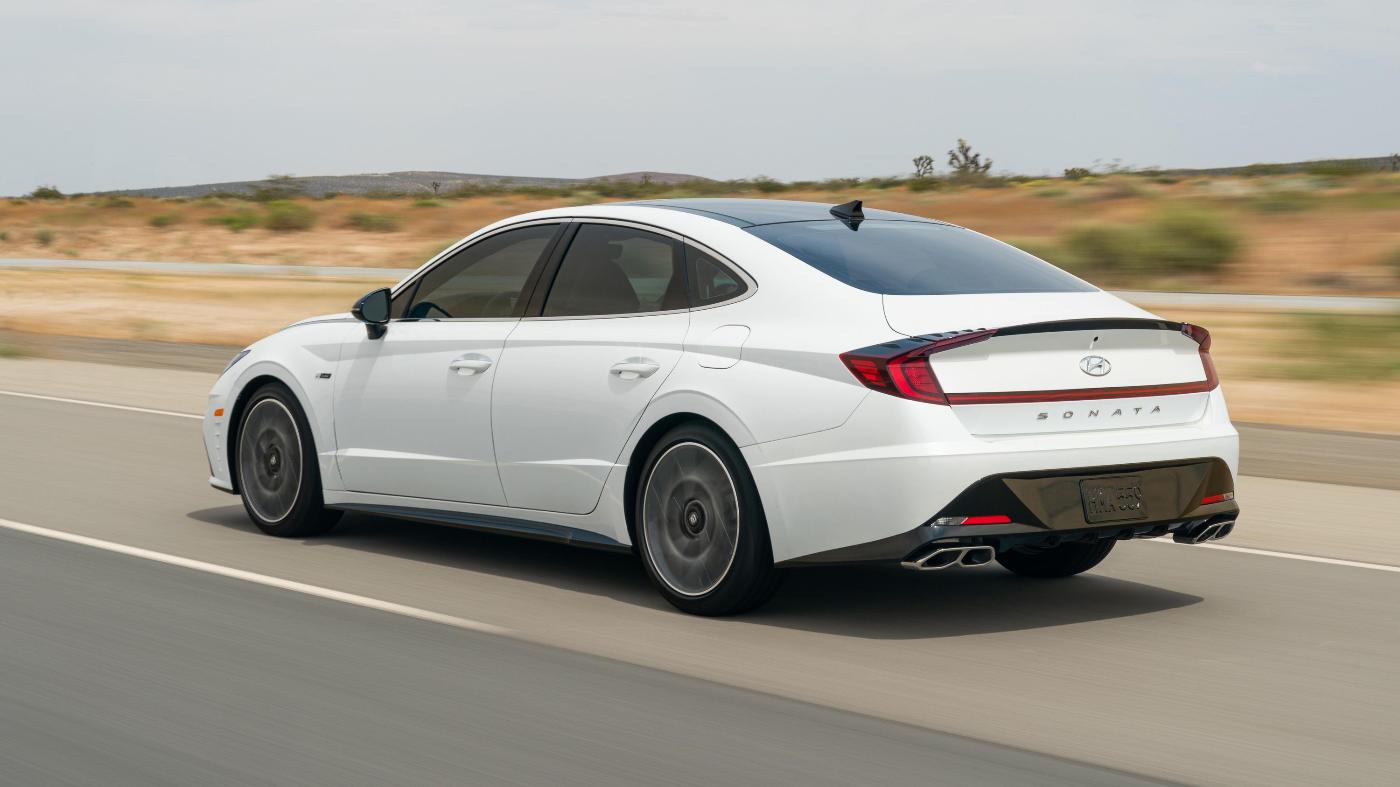
The Hyundai Sonata from the 2011 to 2015 period is one of the most debated used Korean sedans in the market. On the surface, it looks attractive because it offers a stylish design, comfortable interior space, and very affordable pricing in the used car segment.
Many buyers are initially drawn to it because it feels like a lot of car for the money, especially compared to Japanese competitors of the same era. However, beneath that value proposition lies a set of mechanical concerns that make it a risky long-term ownership choice.
The biggest issue with these Sonata models is related to certain versions of the Theta engine, which have been associated with premature wear and, in some cases, serious engine failure. While not every unit experiences problems, the probability is higher compared to many competitors in the same class. This creates uncertainty for used buyers, especially those who are looking for a dependable daily driver without unexpected repair costs.
Another concern is long-term maintenance behavior. As these vehicles age, they tend to require more frequent attention to engine components, sensors, and transmission-related parts. Even if the car is running well at the time of purchase, higher mileage examples can become expensive to maintain. This reduces the cost advantage that initially makes the Sonata attractive in the used market.
Depreciation is also a key factor. These models have already lost most of their resale value, which means they are cheap to buy but do not hold value well over time. For short-term use, they may still seem appealing, but for buyers planning to keep a car for several years, the risk of mechanical issues often outweighs the initial savings.
2. Kia Optima
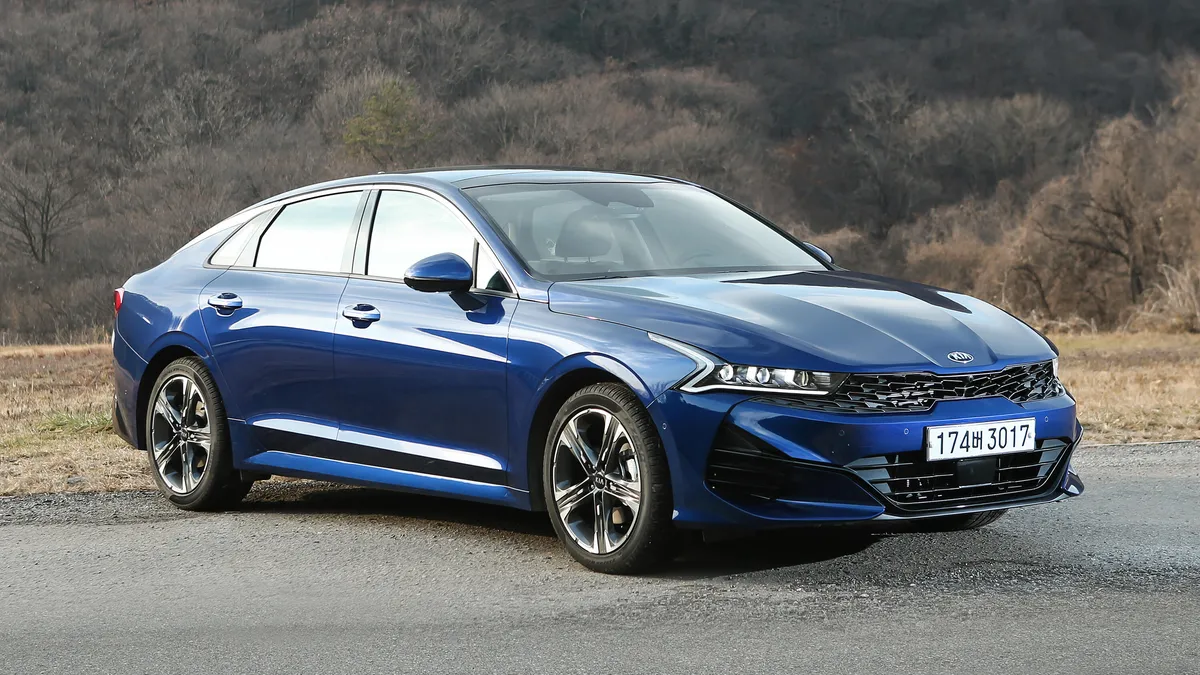
The Kia Optima from the 2011 to 2016 generation is another vehicle that looks appealing at first glance but carries long-term concerns. It shares much of its engineering foundation with Hyundai sedans from the same period, which means it also inherits some of the same mechanical weaknesses, particularly in engine durability and long-term reliability consistency.
One of the main issues reported by owners is related to engine performance degradation over time. While many Optima units perform well in early years, higher mileage examples can experience increased oil consumption, reduced efficiency, and occasional mechanical instability. These issues are not universal, but they occur frequently enough to influence resale risk perception in the used market.
Transmission behavior is another area of concern. Some versions of the Optima have been reported to exhibit hesitation, rough shifting, or reduced responsiveness as they age. While regular maintenance can reduce the likelihood of these issues, they still represent a potential cost factor for used buyers who are trying to avoid unexpected repairs.
On the positive side, the Optima does offer a comfortable ride and a well-designed interior for its time. However, these benefits are often overshadowed by the uncertainty surrounding long-term mechanical durability. As a result, many buyers consider it a budget option rather than a long-term ownership solution.
Also read: 5 Cars With Fuel Economy Better Than Advertised And 5 That Are Worse In 2026
3. Chevrolet Captiva
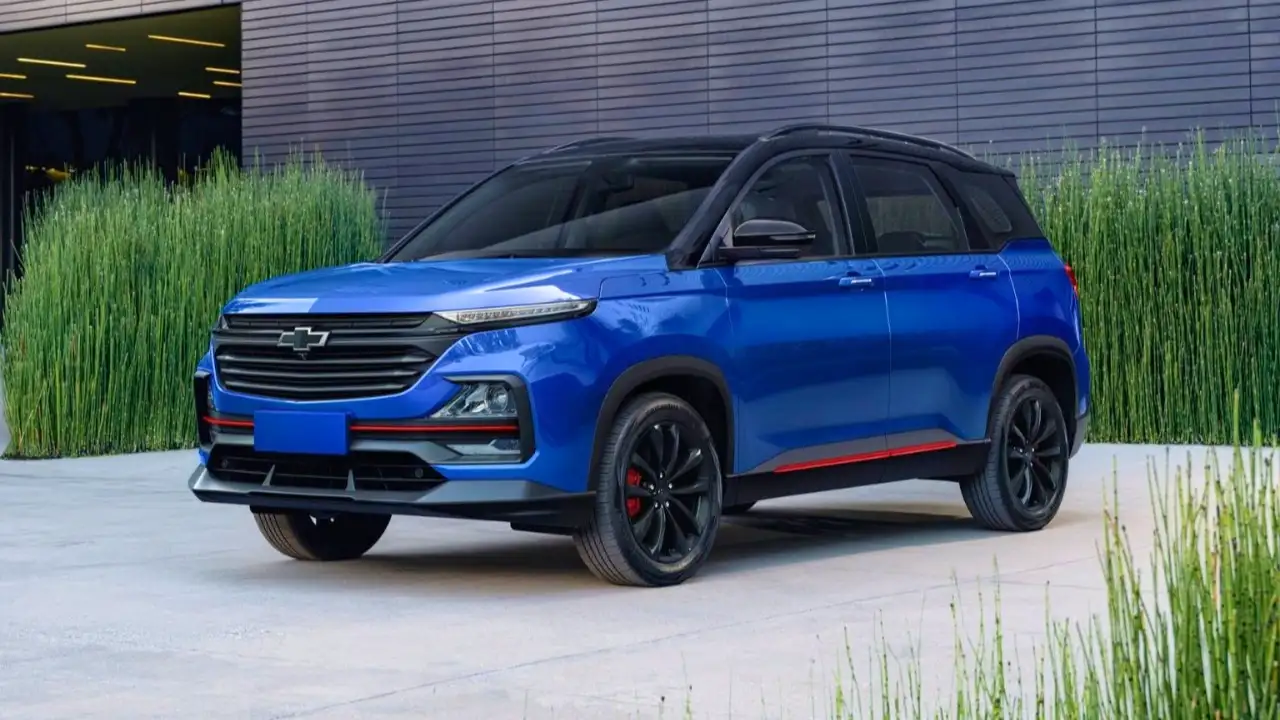
The Chevrolet Captiva, including models assembled in Korea for certain markets, is a mid-size SUV that has struggled with reputation and reliability concerns over time. While it offers decent space and a traditional SUV design, it has not been able to establish strong long-term confidence among used car buyers, especially when compared to Korean rivals like the Hyundai Santa Fe or Kia Sorento.
One of the main challenges with the Captiva is inconsistent reliability performance. Owners have reported a range of issues over time, including electrical system faults, suspension wear, and engine-related complications, depending on the model year. This inconsistency makes it difficult for buyers to predict long-term ownership costs, which is a major drawback in the used SUV segment.
Another issue is parts availability and service convenience. While Chevrolet has a global presence, in many regions, the support network for older Captiva models is not as strong as that of Hyundai or Kia. This can lead to longer repair times and higher costs for certain components, especially as the vehicle ages beyond its initial lifecycle support period.
Fuel efficiency is also not a strong point for the Captiva. Compared to more modern Korean SUVs, it tends to consume more fuel while delivering less refined driving performance. This becomes a disadvantage in 2026, when buyers are increasingly prioritizing efficiency and lower running costs.
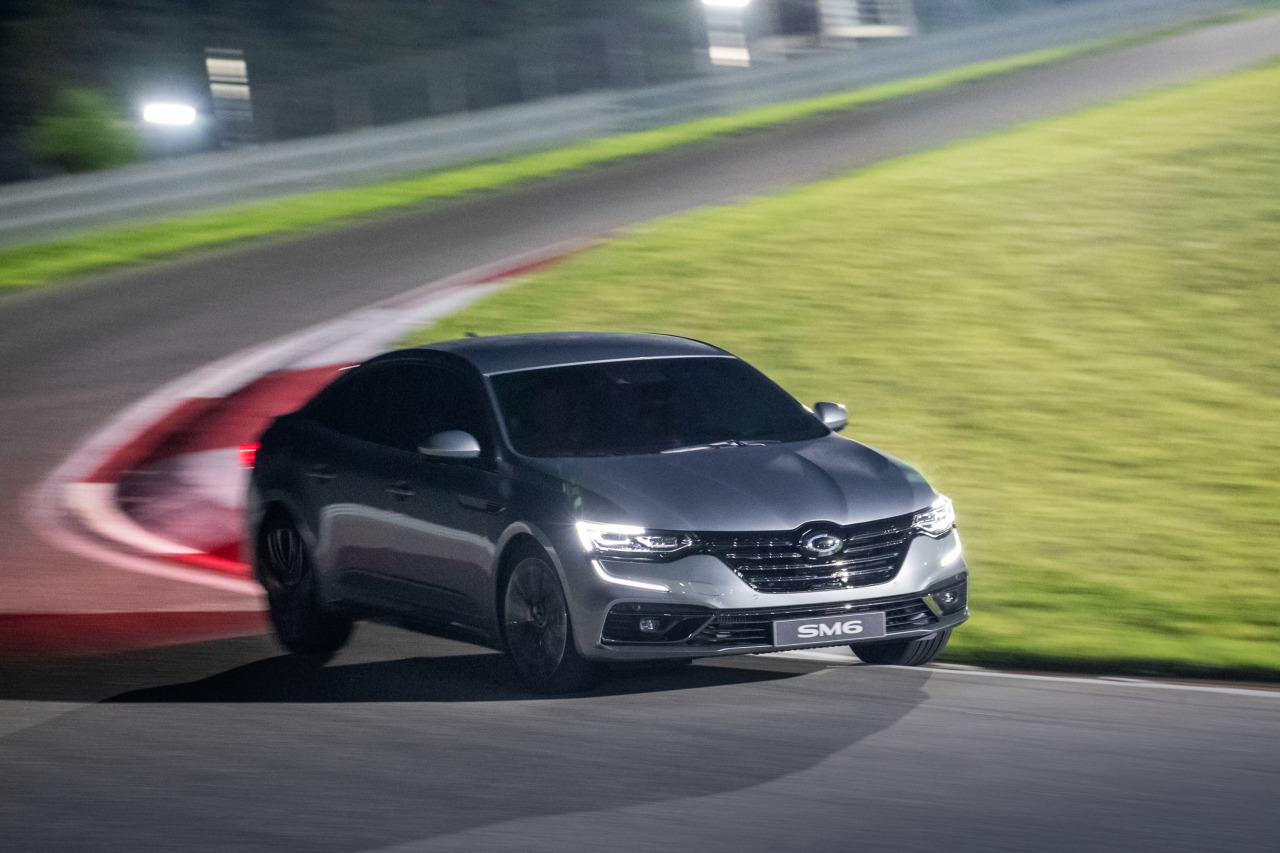
4. Renault Samsung SM6
The Renault Samsung SM6 is a mid-size sedan that offers a comfortable driving experience and European-inspired design elements, but it has struggled to gain strong long-term traction in the used car market. While it can appear appealing due to its styling and affordability, it is not considered a strong long-term reliability choice compared to mainstream Korean sedans.
One of the primary concerns with the SM6 is its transmission system in certain variants, particularly CVT-equipped models. Some owners have reported inconsistent performance, including delayed response and reduced smoothness over time. These issues do not affect every vehicle, but they are common enough to influence buyer caution in the used market.
Another limitation is resale value. The SM6 tends to depreciate faster than comparable Hyundai or Kia models, largely due to lower demand and weaker brand positioning in many global markets. This means that while it may be inexpensive to purchase, it is not a strong asset in terms of long-term value retention.
Service network strength is also a factor. Compared to Hyundai and Kia, Renault Samsung has a smaller footprint in many regions, which can make maintenance slightly more complicated. This can affect both convenience and cost over the ownership period.
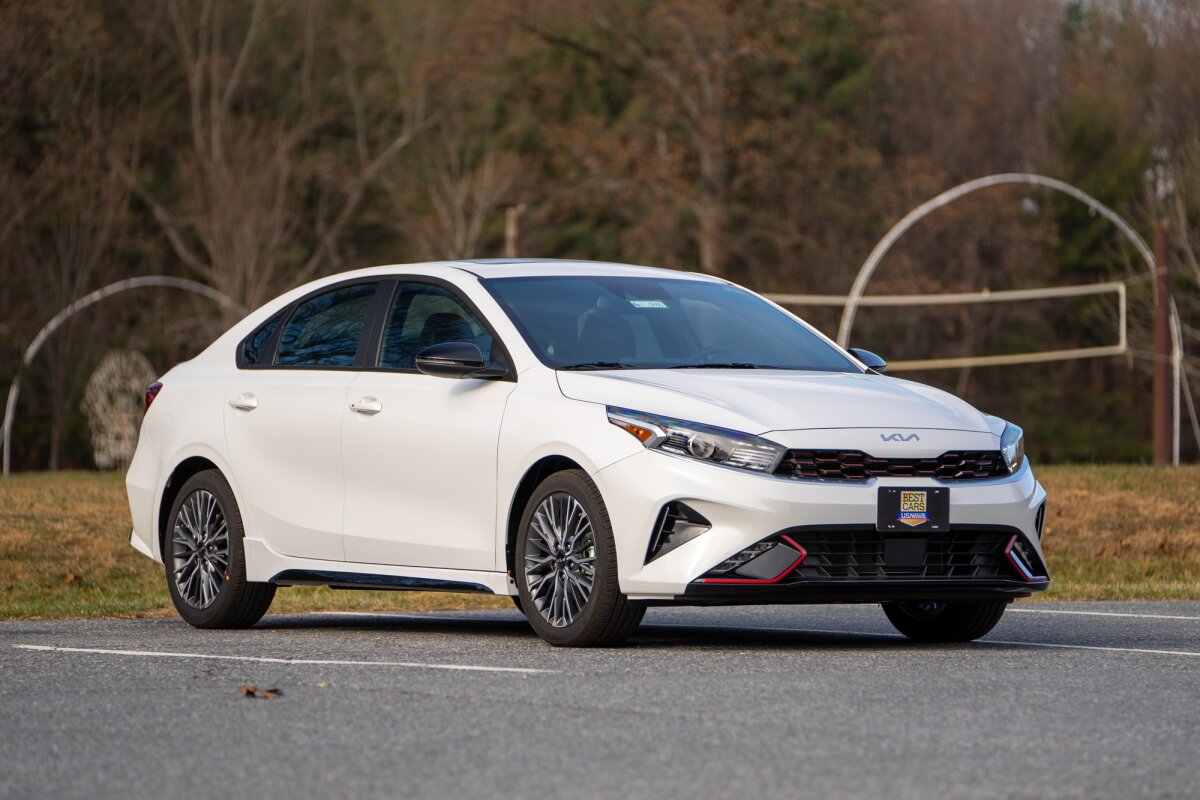
5. Kia Forte
The early generation Kia Forte is one of the most budget-friendly used cars in the Korean lineup, but it also represents a period when Kia was still developing its long-term reliability reputation. While these models were important in establishing Kia’s presence in global markets, they do not match the refinement and durability standards seen in more recent Kia vehicles.
One of the main drawbacks is engine and transmission longevity compared to newer models. While the Forte performs adequately in early ownership years, higher mileage examples often show signs of wear that can lead to increased maintenance needs. This includes reduced smoothness in driving performance and occasional mechanical inconsistencies.
Interior quality is another limitation. Compared to modern Korean cars, the materials and design feel outdated, with less emphasis on premium touches or advanced technology. Features that are now standard in newer vehicles, such as advanced driver assistance systems or modern infotainment setups, are either limited or absent in these older models.
Despite these drawbacks, the Forte still appeals to budget-focused buyers because of its low purchase price. However, in 2026, when even affordable used cars now come with much better safety and efficiency standards, the early Forte is often seen as a compromise rather than a strong value choice.
Also read: 10 Cars With Windshields That Dont Show Glare At Sunset
