
Towing a vehicle might seem like a straightforward task, but the reality is far more nuanced. Not all vehicles respond to towing in the same way, and the method used can significantly affect their mechanical health.
Whether a car is being transported after a breakdown or relocated across long distances, understanding how different drivetrains, transmissions, and vehicle architectures react to towing is essential. Many vehicle owners assume that a flatbed tow truck is universally safe, while others believe traditional towing methods are harmless for most cars.
The truth lies somewhere in between. Some vehicles are engineered in ways that allow them to endure towing with minimal or no damage, while others can suffer serious mechanical issues if not handled correctly.
The distinction largely depends on factors such as whether the vehicle is Front Wheel Drive, Rear Wheel Drive, or All Wheel Drive, as well as whether it uses a manual or automatic transmission. Additionally, modern vehicles equipped with advanced electronics and complex drivetrains are often more sensitive to improper towing techniques than older, simpler models.
For instance, certain automatic transmissions rely on the engine running to circulate lubrication, meaning that towing them with wheels on the ground can cause internal damage. On the other hand, vehicles with manual transmissions or specific drivetrain layouts may be more forgiving when towed in certain ways.
Flatbed towing is often considered the safest method because it lifts the entire vehicle off the ground, eliminating wheel rotation and reducing wear. However, even flatbeds are not universally risk-free. Improper loading angles, poor weight distribution, or failure to secure the vehicle correctly can still result in damage.
Conversely, some vehicles can handle being towed with two wheels on the ground or even all four wheels rolling, provided the correct procedures are followed. This makes it crucial for both tow operators and vehicle owners to understand which vehicles fall into which category.
In this article, we will explore five vehicles that tend to survive towing with minimal issues and five that are particularly vulnerable to damage, especially when not transported correctly on a flatbed. Each example will highlight the engineering principles that influence towing safety, offering practical insights for anyone who may need to tow a vehicle.
By the end, you will have a clearer understanding of how to protect your vehicle and avoid costly repairs caused by improper towing practices.
Also Read: 10 Cars With Insurance Premiums Lower Than a Compact Sedan
Vehicles That Survive Being Towed
1. Jeep Wrangler
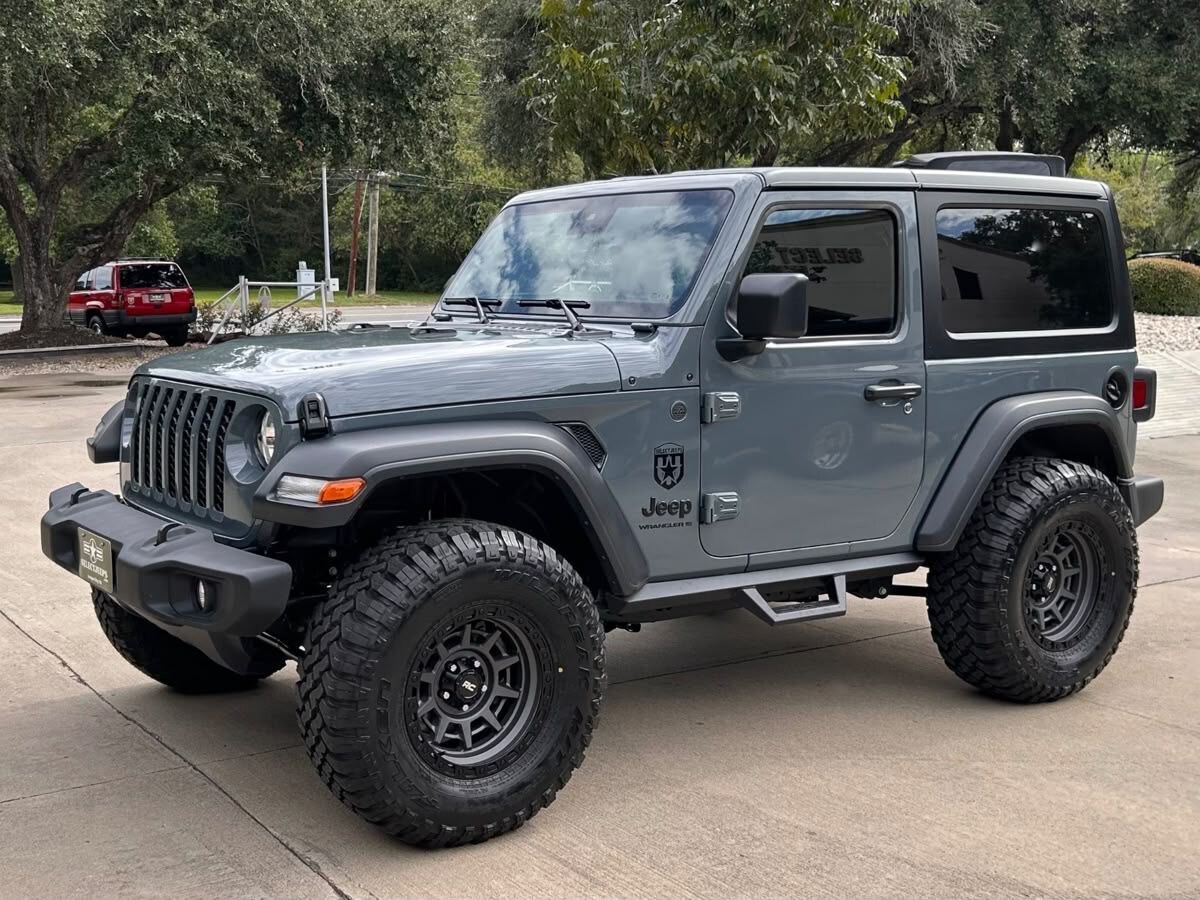
The Jeep Wrangler is widely recognized for its rugged design and off-road capability, but it also happens to be one of the most tow-friendly vehicles on the market. One of the primary reasons for this is its traditional body-on-frame construction combined with a simple and durable drivetrain.
Unlike many modern crossovers that rely on complex All Wheel Drive systems, the Wrangler typically uses a part-time Four Wheel Drive system that can be disengaged when necessary. This allows the vehicle to be placed in neutral with minimal risk of drivetrain damage during towing.
Another major advantage of the Jeep Wrangler is its transfer case design. Many models include a neutral position in the transfer case, which effectively disconnects the drivetrain from the wheels. This means that when the vehicle is being towed, the internal components of the transmission and engine are not forced to move.
This feature significantly reduces the likelihood of wear or overheating, making the Wrangler a favorite among RV owners who frequently tow a secondary vehicle behind their motorhomes.
Additionally, the Wrangler’s solid axle setup contributes to its towing resilience. Solid axles are inherently robust and can handle the stresses associated with towing better than independent suspension systems in certain scenarios. While this does not make the vehicle immune to damage, it does provide an extra margin of safety compared to more delicate suspension designs. This durability is part of what makes the Wrangler such a reliable choice for off-road adventures and towing situations alike.
Flatbed towing is still the safest option for the Wrangler, but it is one of the few vehicles that can also be safely towed with all four wheels on the ground when properly configured. This versatility makes it stand out in a market where many vehicles require specialized towing equipment. It also reduces the cost and complexity of towing in emergency situations.
The Jeep Wrangler’s combination of mechanical simplicity, durable components, and thoughtful engineering makes it one of the most tow-friendly vehicles available. Its ability to withstand various towing methods without sustaining damage is a testament to its design philosophy, which prioritizes ruggedness and reliability above all else.
2. Honda CR-V
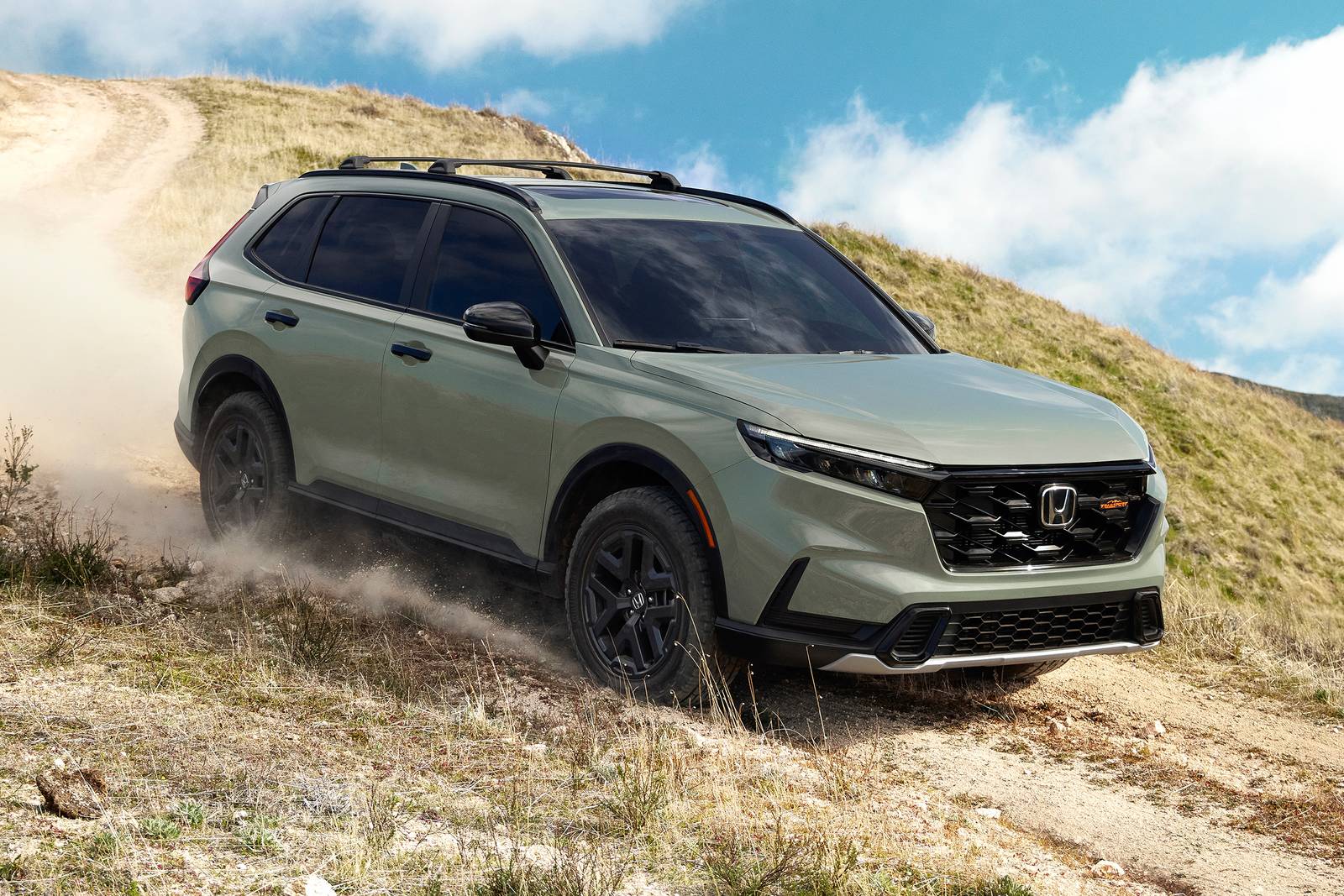
The Honda CR-V, particularly older models with automatic transmissions designed for flat towing, has earned a reputation as a dependable vehicle when it comes to being towed. Honda engineered certain generations of the CR-V with towing in mind, allowing them to be safely towed behind recreational vehicles without causing transmission damage. This was achieved through careful design of the transmission lubrication system.
In these models, the transmission can continue to receive adequate lubrication even when the engine is not running, provided specific procedures are followed. This includes cycling through the gears before towing to ensure fluid distribution. While this might seem like a minor detail, it plays a crucial role in preventing internal wear and overheating during extended towing sessions.
The CR-V’s relatively lightweight construction also contributes to its towing resilience. Lighter vehicles place less stress on towing equipment and are easier to secure on flatbeds. This reduces the risk of shifting or instability during transport, which can otherwise lead to cosmetic or structural damage.
Additionally, the compact size of the CR-V makes it easier to load and unload, minimizing the chances of scraping or improper positioning.
Another factor that enhances the CR-V’s towing friendliness is its Front Wheel Drive layout in many configurations. Front Wheel Drive vehicles are generally simpler to tow than All Wheel Drive systems, as there are fewer components that can be affected by wheel rotation. This simplicity reduces the risk of mechanical complications during towing.
Despite these advantages, it is important to note that not all CR-V models are suitable for every towing method. Newer versions with continuously variable transmissions may not be as tolerant. However, when used within the manufacturer’s guidelines, the Honda CR-V remains one of the more forgiving vehicles in towing scenarios.
3. Ford F-150
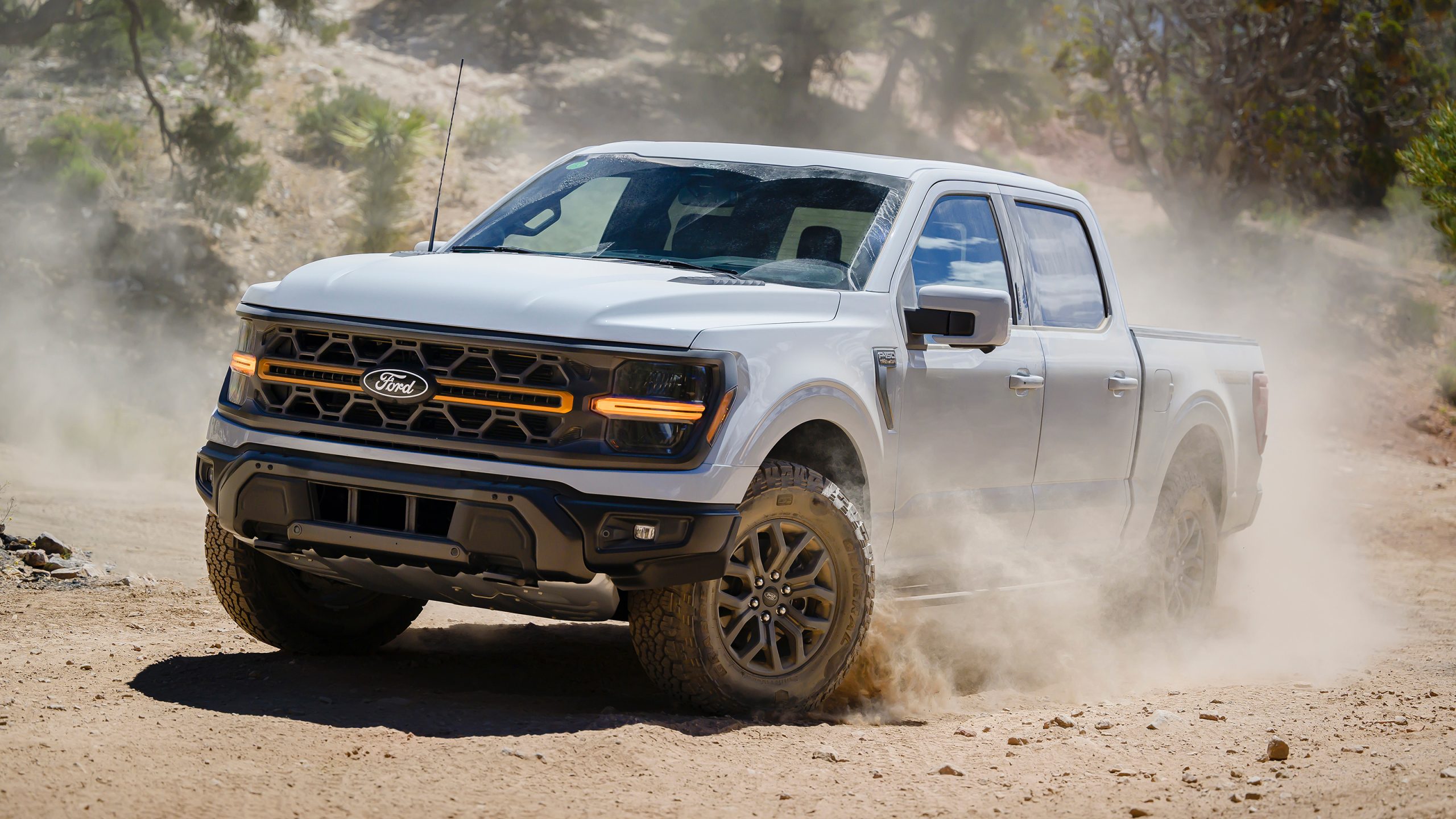
The Ford F-150 is one of the most popular pickup trucks in the world, and its robust construction makes it well-suited for towing situations. Built on a strong frame and designed to handle heavy loads, the F-150 is inherently durable when it comes to being transported. Its Rear Wheel Drive or Four Wheel Drive configurations are typically more tolerant of towing than many passenger vehicles.
One of the key reasons the F-150 survives towing well is its drivetrain design. In many models, the rear differential and driveshaft can handle rotation without causing damage, especially when the transmission is placed in neutral. This allows for certain towing methods that might not be suitable for vehicles with more delicate systems.
The truck’s suspension system is also designed to handle significant stress. With components built to support heavy payloads and towing capacities, the suspension is less likely to suffer damage during the loading and unloading process. This is particularly important when using flatbeds, as improper angles can sometimes strain weaker suspension setups.
Additionally, the F-150’s size and weight distribution contribute to its stability during transport. A well-balanced vehicle is less likely to shift or move while being towed, reducing the risk of accidents or damage. This stability is further enhanced by the truck’s wide stance and long wheelbase.
While the F-150 is generally resilient, proper towing practices are still essential. Using a flatbed ensures the highest level of safety, but the truck’s design allows for some flexibility. Its rugged engineering makes it one of the more forgiving vehicles when it comes to towing.
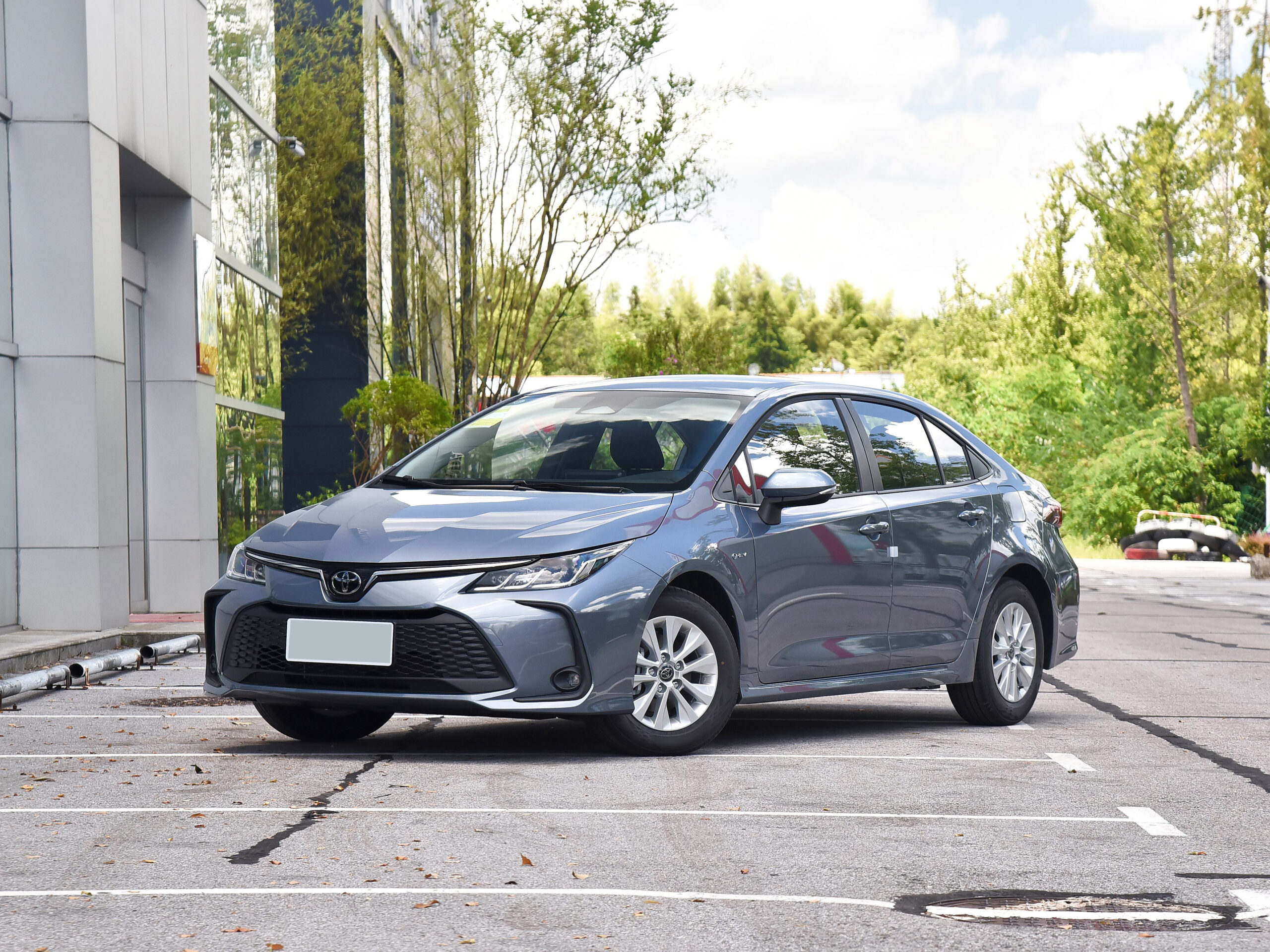
4. Toyota Corolla
The Toyota Corolla might not be the first vehicle that comes to mind when discussing towing resilience, but its simplicity and reliability make it surprisingly tolerant in certain scenarios. As a compact sedan with a straightforward Front Wheel Drive layout, the Corolla has fewer complex components that can be affected during towing.
One of the main advantages of the Corolla is its relatively simple drivetrain. Compared to vehicles with advanced All Wheel Drive systems, the Corolla’s setup is easier to manage during towing. This reduces the likelihood of mechanical issues, particularly when the vehicle is transported on a flatbed where all wheels are off the ground.
The Corolla’s lightweight construction also plays a role in its towing durability. Lighter vehicles are easier to secure and place less strain on towing equipment. This makes them less prone to shifting or instability during transport, which can otherwise lead to damage.
Another factor is the Corolla’s reputation for reliability. Toyota’s engineering emphasizes durability and long-term performance, which translates to a vehicle that can handle occasional towing without significant issues. While it is not specifically designed for frequent towing, it can endure the process when handled correctly.
It is important to follow proper procedures, especially for models with automatic transmissions. Flatbed towing is the safest option, but when done properly, the Toyota Corolla can be transported without major concerns.
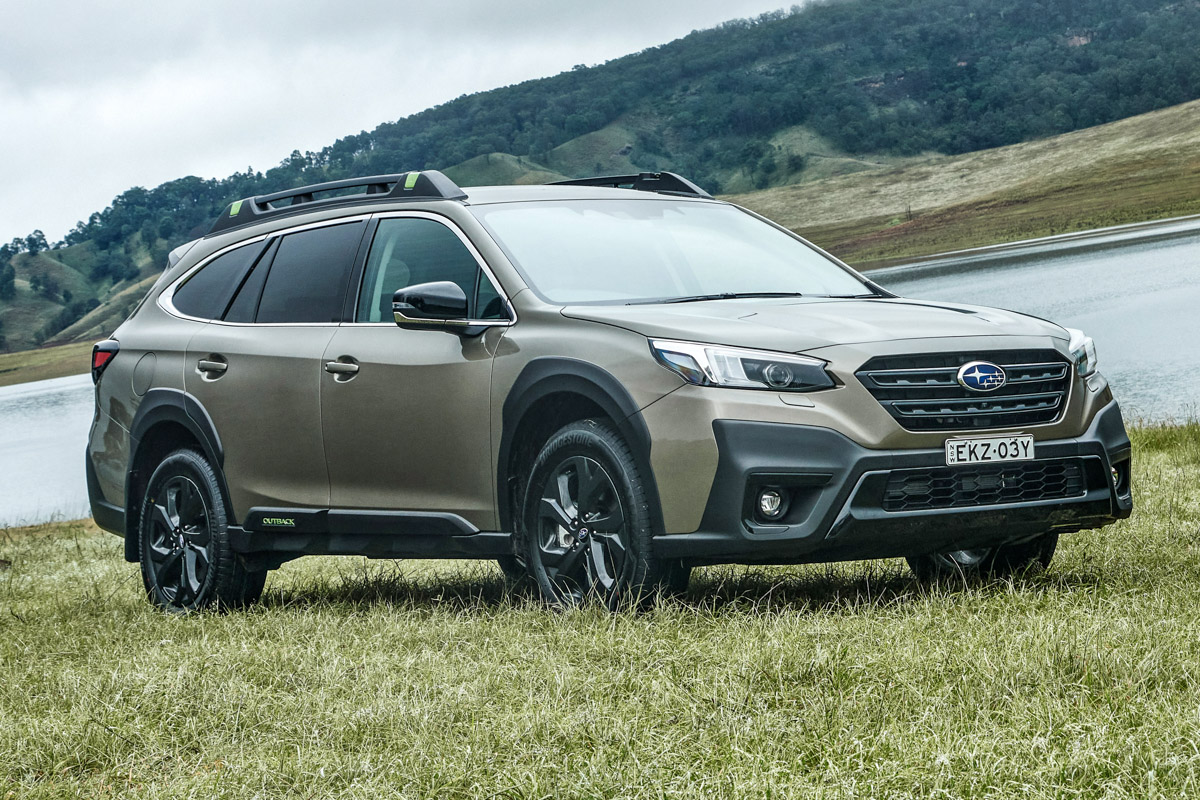
5. Subaru Outback
The Subaru Outback is known for its All Wheel Drive capability and versatility, but it is also relatively resilient when towed correctly. Subaru’s engineering focuses on balance and durability, which helps the Outback handle the stresses associated with transportation.
One of the key features of the Outback is its symmetrical All Wheel Drive system. While this system can be sensitive to improper towing methods, it performs well when the vehicle is transported on a flatbed. By keeping all wheels off the ground, the risk of drivetrain damage is minimized.
The Outback’s suspension system is designed for a mix of on-road comfort and off-road capability. This balance makes it more robust than many standard passenger vehicles, allowing it to better withstand the loading and unloading process associated with flatbed towing.
Additionally, the vehicle’s ground clearance helps prevent scraping during transport. This is particularly important when dealing with steep loading angles, which can sometimes cause damage to lower vehicles. The Outback’s design reduces this risk significantly.
When handled correctly, the Subaru Outback can be safely transported without major issues. Its combination of durability and thoughtful engineering makes it a reliable choice in towing situations, provided that proper methods are used.
Also Read: 10 Cars That Survive Being Used as Daily Uber Vehicles
Vehicles That Get Damaged on a Flatbed
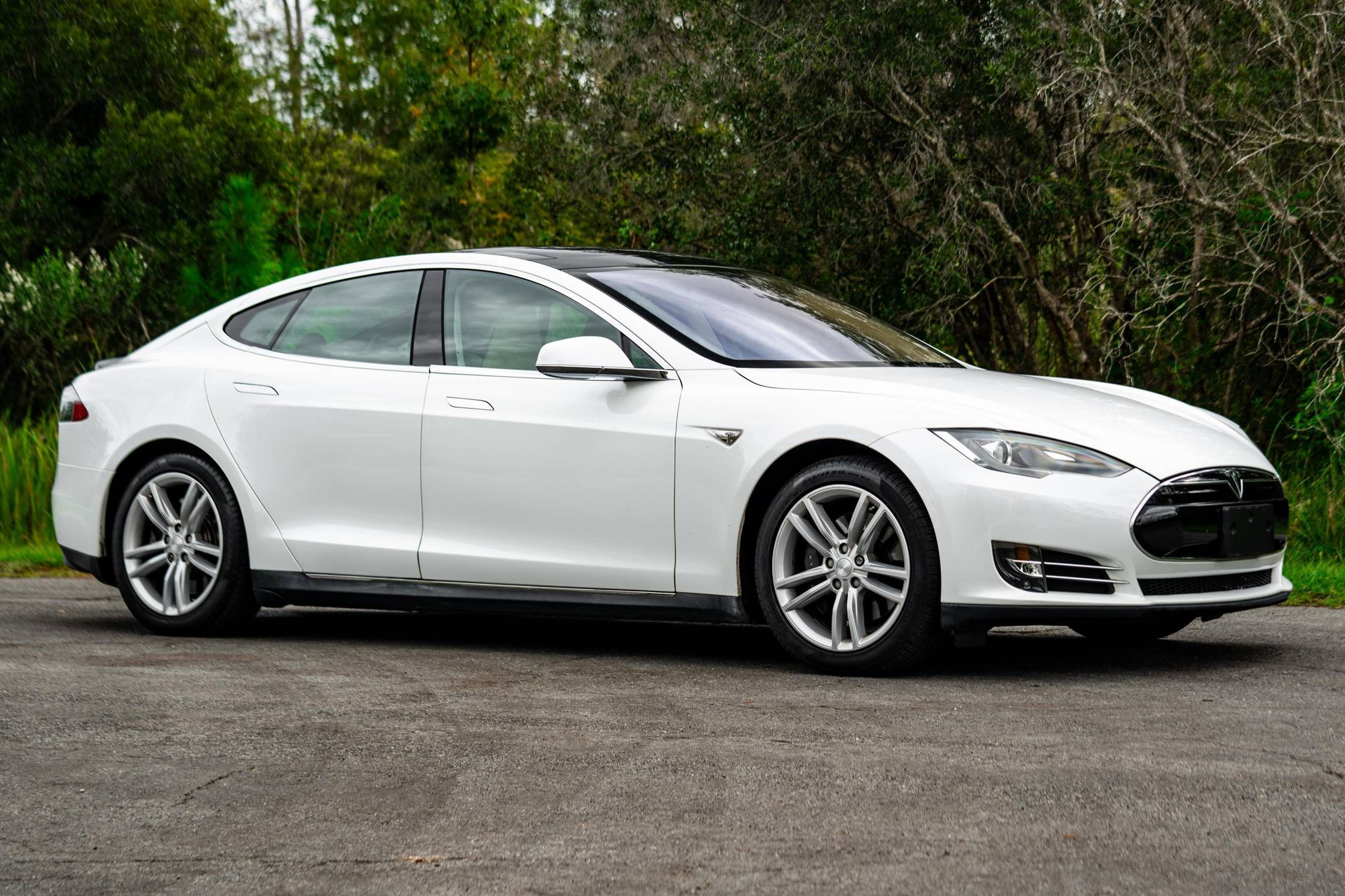
1. Tesla Model S
The Tesla Model S represents a new generation of electric vehicles that rely heavily on advanced electronics and specialized drivetrains. While flatbed towing is generally recommended for electric vehicles, the Model S can still be vulnerable to damage if not handled correctly. One of the main concerns is its low ground clearance combined with a long wheelbase, which can create challenges during loading.
Improper loading angles can cause the underside of the vehicle to scrape against the flatbed. This is particularly problematic for the Model S because of its battery pack, which is mounted along the floor. Damage to this component can be extremely costly and may even compromise the safety of the vehicle.
Another issue is the vehicle’s electronic parking brake and drive system. If the car is not properly placed in tow mode, resistance from the motors can occur, leading to strain on the drivetrain. This highlights the importance of following manufacturer guidelines when towing electric vehicles.
The Model S also relies on precise weight distribution. If the vehicle is not properly secured, shifting during transport can cause damage to both the suspension and body. This risk is heightened due to the car’s relatively heavy battery pack.
Despite these challenges, proper handling can prevent most issues. However, the Tesla Model S requires careful attention during flatbed towing, making it more vulnerable than many traditional vehicles.
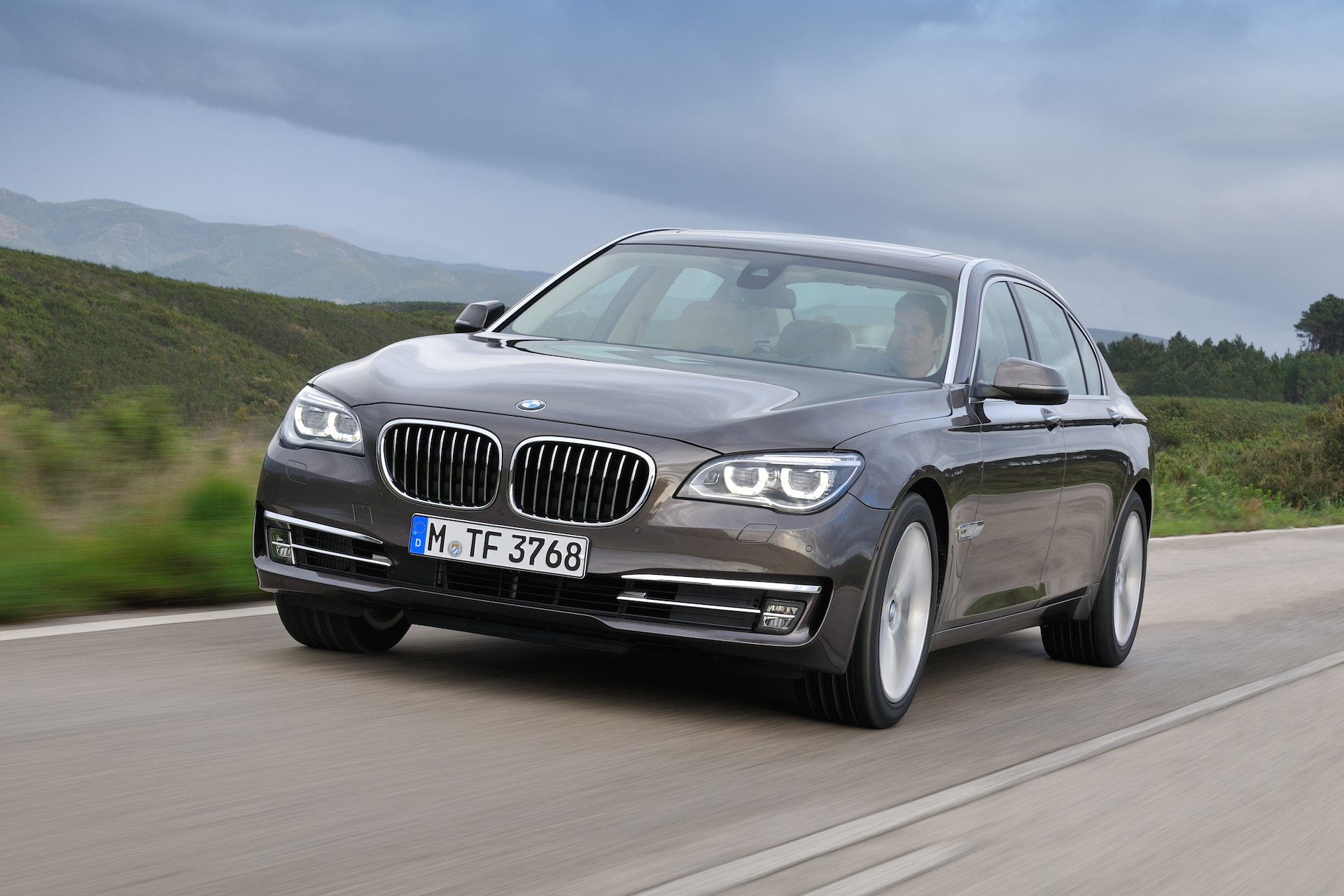
2. BMW 7 Series
The BMW 7 Series is a luxury sedan that prioritizes comfort and advanced technology, but these features can make it more susceptible to damage during towing. The vehicle’s complex suspension system, which often includes air suspension components, can be sensitive to improper handling.
During flatbed loading, incorrect angles or sudden movements can place stress on the suspension, potentially leading to misalignment or damage. This is particularly concerning for a vehicle designed with such precise engineering tolerances.
Additionally, the 7 Series is equipped with numerous electronic systems that can be affected if the vehicle is not properly prepared for towing. For example, failing to deactivate certain features can result in battery drain or system errors.
The car’s low profile also increases the risk of scraping during loading and unloading. Even minor contact with the flatbed can lead to cosmetic damage, which can be expensive to repair given the premium materials used in the vehicle’s construction.
While flatbed towing is the safest option for the BMW 7 Series, it still requires careful execution. The vehicle’s complexity and sensitivity make it more prone to damage compared to simpler models.
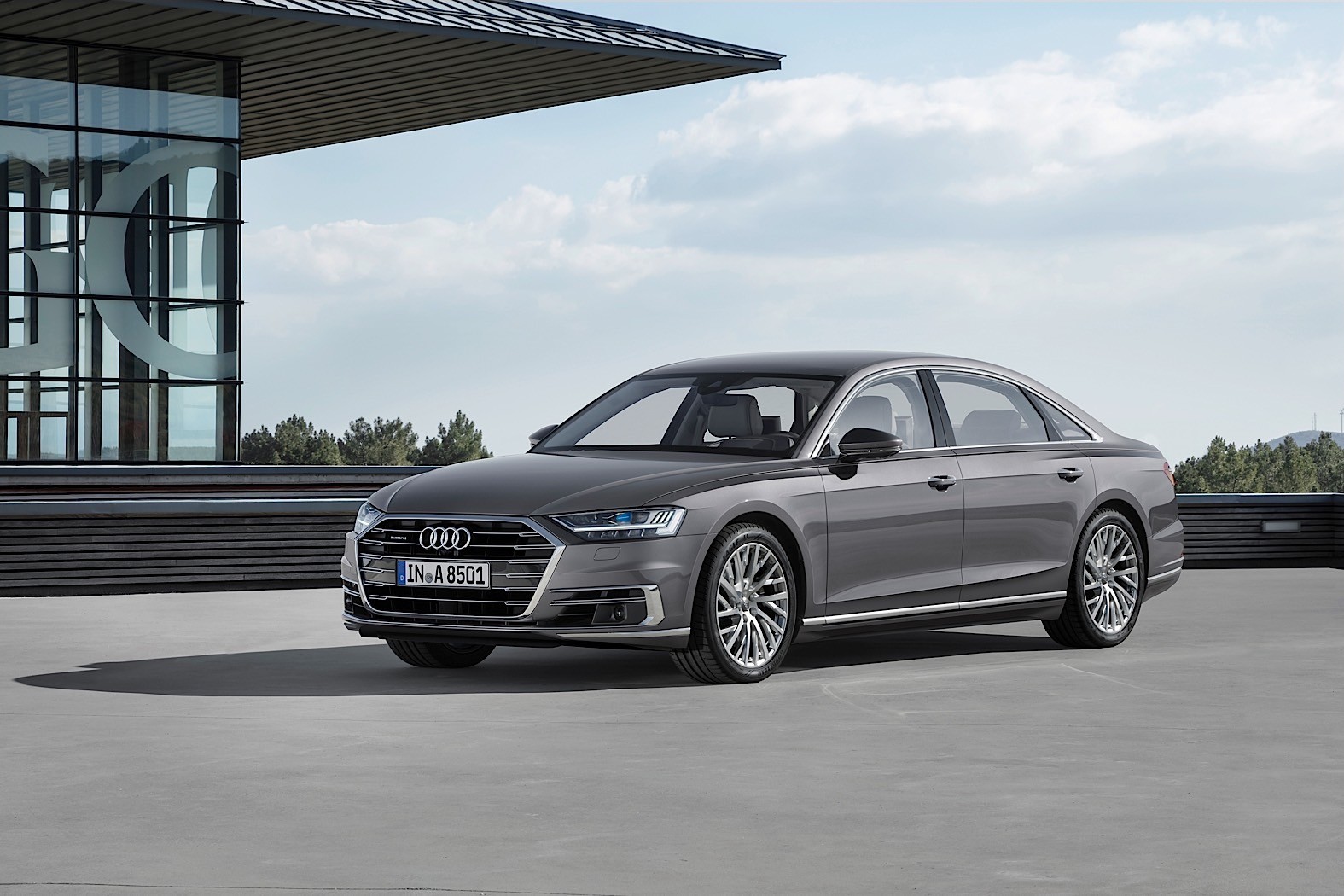
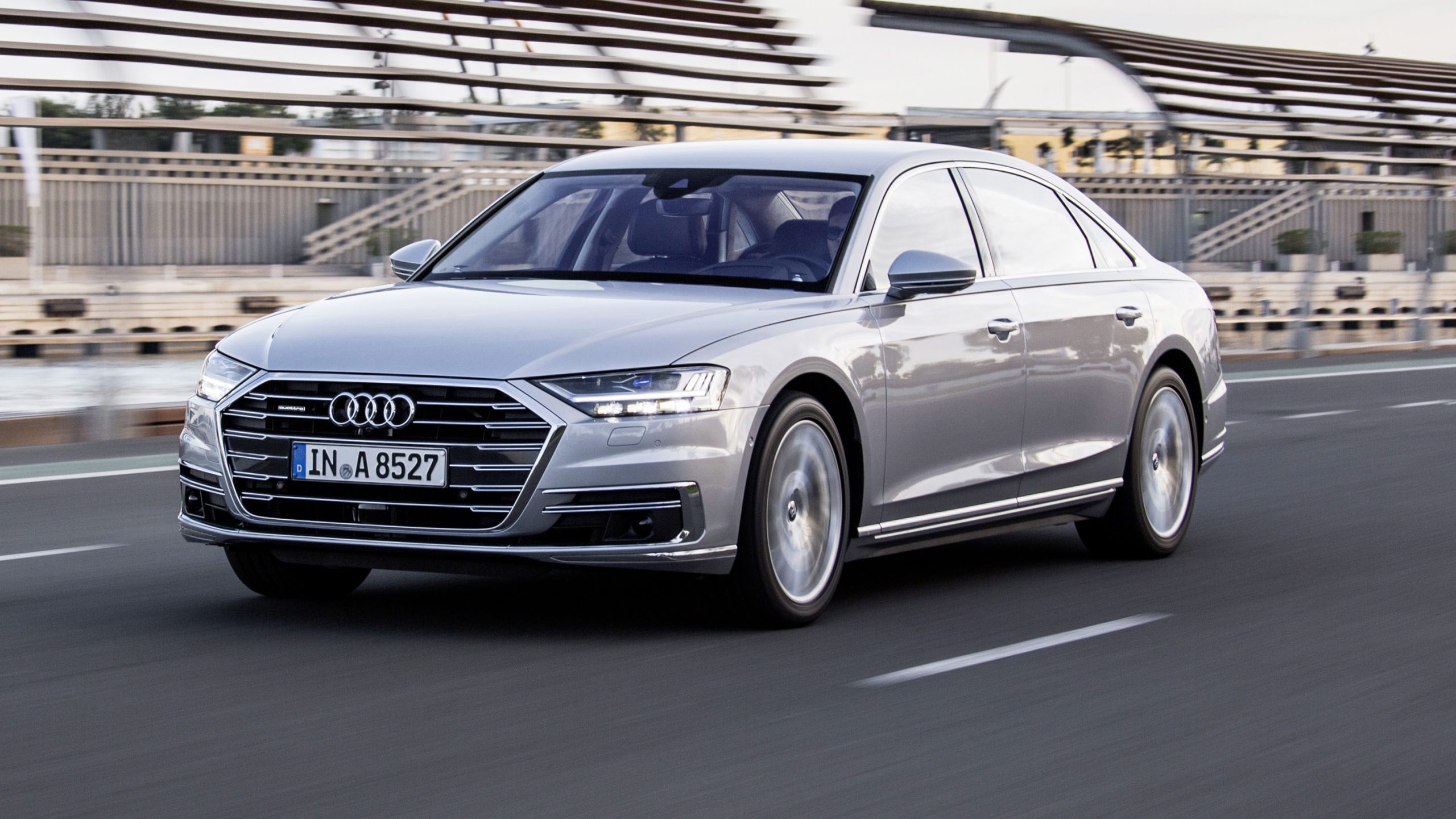
3. Audi A8
The Audi A8 is another high-end luxury sedan that can be vulnerable during flatbed towing. Known for its advanced All Wheel Drive system and sophisticated electronics, the A8 requires precise handling to avoid damage.
One of the primary concerns is the vehicle’s Quattro system, which can be sensitive to improper towing methods. While a flatbed eliminates many risks, any mistakes during loading or securing can still affect the drivetrain.
The A8’s aluminum body construction is lightweight but can be more susceptible to certain types of damage compared to traditional steel frames. This makes careful handling essential during the towing process.
Additionally, the vehicle’s advanced suspension system can be affected by improper weight distribution. Ensuring that the car is evenly balanced on the flatbed is crucial to avoiding potential issues.
The Audi A8’s design emphasizes performance and luxury, but this also means that it requires extra care during towing. Even with a flatbed, improper handling can lead to costly repairs.
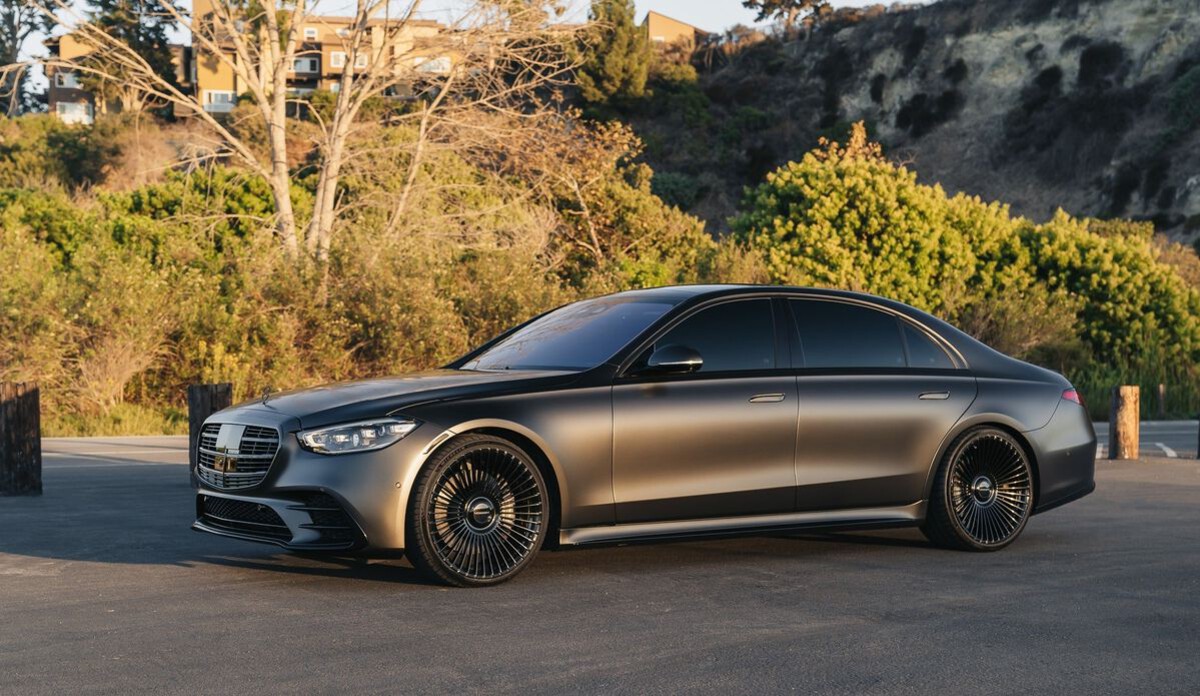
4. Mercedes-Benz S-Class
The Mercedes-Benz S-Class is often considered the pinnacle of automotive luxury, but its complexity can make it vulnerable during towing. The vehicle’s advanced systems, including adaptive suspension and electronic controls, require careful preparation before transport.
Flatbed towing is generally recommended, but even this method is not foolproof. Improper securing of the vehicle can lead to movement during transit, potentially damaging the suspension or body.
The S Class also features a low ride height, which increases the risk of scraping during loading. Special care must be taken to ensure that the vehicle is positioned correctly to avoid contact with the flatbed.
Another concern is the vehicle’s electronic systems. If not properly managed, these systems can be affected during towing, leading to errors or malfunctions. This underscores the importance of following manufacturer guidelines.
Despite its advanced engineering, the Mercedes Benz S Class requires careful handling during towing. Its complexity makes it more susceptible to damage compared to more rugged vehicles.
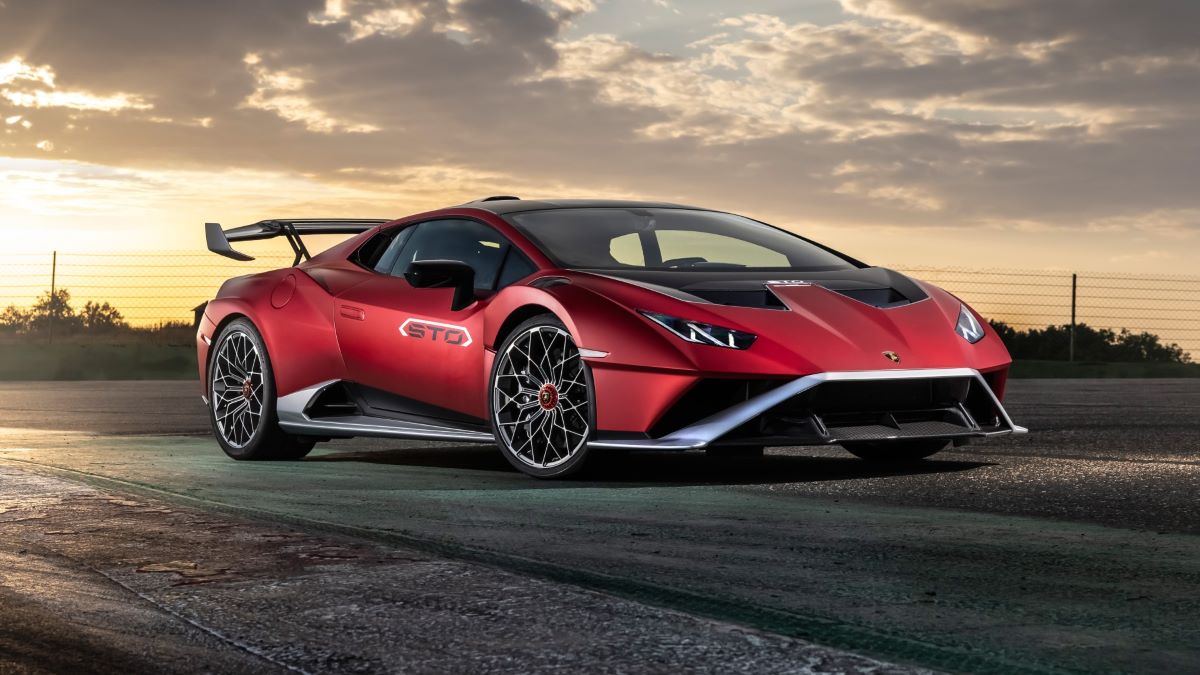
5. Lamborghini Huracán
The Lamborghini Huracan is a high-performance sports car that is particularly vulnerable during flatbed towing. Its extremely low ground clearance makes it challenging to load without scraping the front bumper or undercarriage.
Even minor mistakes during loading can result in significant damage, given the car’s expensive materials and components. This makes specialized equipment and experienced operators essential when towing such vehicles.
The Huracan’s performance-oriented suspension is also less forgiving than that of standard vehicles. Sudden movements or improper securing can place stress on these components, potentially leading to damage.
Additionally, the car’s aerodynamic design includes delicate features that can be affected during transport. Ensuring that the vehicle is properly secured is critical to preventing these issues.
While flatbed towing is necessary for a vehicle like the Lamborghini Huracan, it still carries risks. The car’s design prioritizes performance over practicality, making it one of the most sensitive vehicles when it comes to towing.
