

Repo drivers, also known as vehicle recovery agents, operate in a highly observational and detail oriented field where quick judgment can make the difference between a smooth recovery and a complicated situation. When they approach a vehicle, they are not just looking at a car as a machine.
They are assessing a combination of physical condition, environment, accessibility, and behavioral clues that help them determine how difficult or straightforward a repossession might be. The process of car repossession is not random or purely mechanical. It is a structured activity shaped by experience, awareness, and pattern recognition.
One of the most important aspects of a repo driver’s job is the ability to read subtle signs in seconds. These professionals are trained to notice details that most people overlook entirely. Things like tire condition, parking angle, neighborhood lighting, and even nearby security cameras can influence their decisions.
A vehicle that appears easy to access might still present challenges if it is parked in a tightly monitored area or behind obstacles that make towing difficult. On the other hand, a car that seems well protected might actually be easier to recover if it is poorly maintained or rarely moved.
Repo drivers also pay attention to behavioral patterns surrounding a vehicle. For example, they may observe how often a car is used, whether it appears freshly parked or abandoned for days, and whether there are any signs that the owner is nearby or aware of surveillance.
These cues help them determine the safest and most efficient time to proceed with recovery. Timing is often just as important as location, since the goal is to minimize confrontation and avoid unnecessary complications.
Another critical factor is the condition of the vehicle itself. Damage, modifications, and visible wear can all influence how a repo driver plans the recovery process. A car that is heavily modified or poorly maintained might require extra care during towing, while a standard, well kept vehicle can usually be recovered more quickly. Even something as simple as low tire pressure or visible mechanical issues can provide useful information.
In addition to physical and environmental observations, repo drivers also consider security measures. Modern vehicles may include alarms, tracking systems, steering locks, or immobilizers. Each of these features requires a different approach, and experienced drivers learn to identify them quickly before attempting recovery. Understanding what repo drivers notice about a car right away provides insight into a profession that relies heavily on attention to detail, patience, and situational awareness.
Also Read: 10 Cars With Insurance Premiums Lower Than a Compact Sedan

Exterior and Visible Wear
Repo drivers often begin their assessment with the most obvious element, the exterior condition of the vehicle. The body of the car provides immediate clues about how the vehicle has been treated and how it may respond during towing or transport. Scratches, dents, rust patches, and faded paint can all indicate long term neglect or inconsistent maintenance. These signs help repo drivers anticipate whether the car might have hidden mechanical issues that could complicate recovery.
Tires are another critical visual indicator. Uneven wear, flat tires, or visibly low pressure can suggest that the vehicle has not been moved in a while. This is useful information because stationary vehicles are often easier to locate and recover. However, damaged tires can also create challenges during towing, requiring additional equipment or adjustments. Repo drivers quickly evaluate whether the wheels are in a condition that allows for smooth loading.
Windows and mirrors also provide valuable insight. Broken or missing glass can signal neglect, while aftermarket tinting may indicate attempts at privacy or concealment. Although tinting itself is not unusual, extremely dark windows can make it harder for repo drivers to assess the interior quickly, which adds a layer of uncertainty to the process.
The cleanliness of the exterior is another subtle factor. A vehicle covered in dust, bird droppings, or debris may have been parked for an extended period. On the other hand, a recently washed car might indicate that the owner is actively using or monitoring it. These small visual cues help repo drivers build a timeline of the vehicle’s recent activity.
Finally, exterior modifications such as body kits, aftermarket rims, or decals can also influence perception. While these changes do not directly affect repossession legality, they can signal how carefully the owner maintains the vehicle and whether special handling might be required. Repo drivers use all of these visual elements together to form an immediate assessment of the car’s condition and recovery complexity.

Accessibility and Ease of Reownership
One of the first practical concerns repo drivers evaluate is how accessible the vehicle is. Accessibility refers to how easily a car can be approached, attached to a tow truck, and removed without obstruction. Even if a vehicle is legally eligible for repossession, physical barriers can significantly impact the process.
Parking position plays a major role. A car parked in an open area with clear exit paths is typically easier to recover than one wedged between other vehicles or positioned in a narrow alley. Repo drivers pay attention to how quickly they can maneuver a tow truck into position and whether reversing or turning space is available.
Obstructions such as gates, bollards, fences, or tight residential layouts can complicate recovery. In some cases, a vehicle may be partially blocked by elements or other parked cars. These conditions require careful planning and sometimes additional manpower or equipment.
Lighting conditions are also important. Poorly lit areas can increase risk and reduce visibility during the hookup process. Repo drivers often prefer working in environments where they can clearly see surrounding obstacles and any potential hazards. Darkness alone does not prevent repossession, but it does require greater caution and experience.
Finally, the presence of witnesses or nearby activity can influence accessibility. A quiet, low traffic area allows for faster and less disruptive recovery, while busy or highly visible locations may require more discretion. Repo drivers constantly balance efficiency with minimizing attention, making accessibility a key factor in their initial assessment.
Location and Surroundings of the Vehicle
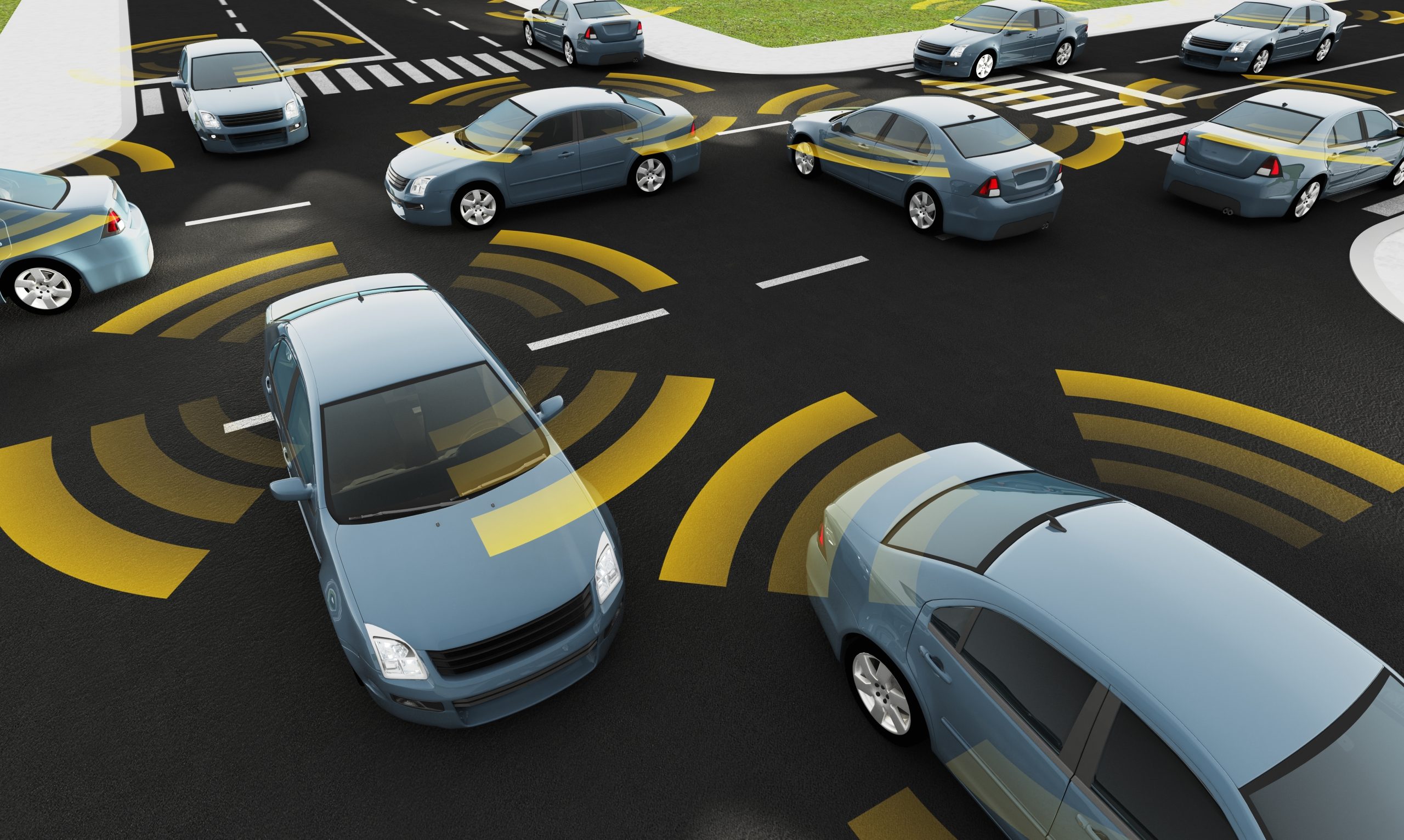
The environment surrounding a car provides repo drivers with important context about risk and strategy. Location is not just about geography, but also about social and physical surroundings that could affect the repossession process.
Residential areas are often assessed differently than commercial zones. In neighborhoods, repo drivers pay attention to house proximity, dogs, security systems, and potential witnesses. A vehicle parked directly in front of a home may require a more careful approach than one parked on a public street with minimal oversight.
Commercial areas present different challenges. While they may offer easier access during off hours, they often have surveillance cameras and security patrols. Repo drivers must consider whether the area is monitored and how quickly they need to complete the recovery to avoid attention.
Urban density also plays a role. In crowded city environments, vehicles may be surrounded by heavy foot traffic, parked cars, and limited maneuvering space. In contrast, rural or suburban locations may offer more space but fewer escape routes if complications arise.
Another factor is environmental awareness. Repo drivers look for signs such as CCTV cameras, motion lights, and posted security warnings. These elements do not prevent repossession but influence timing and technique. Understanding the surroundings helps drivers choose the safest and most efficient approach to vehicle recovery.
Also Read: 10 Cars That Survive Being Used as Daily Uber Vehicles
Signs of Ownership and Documentation Clues
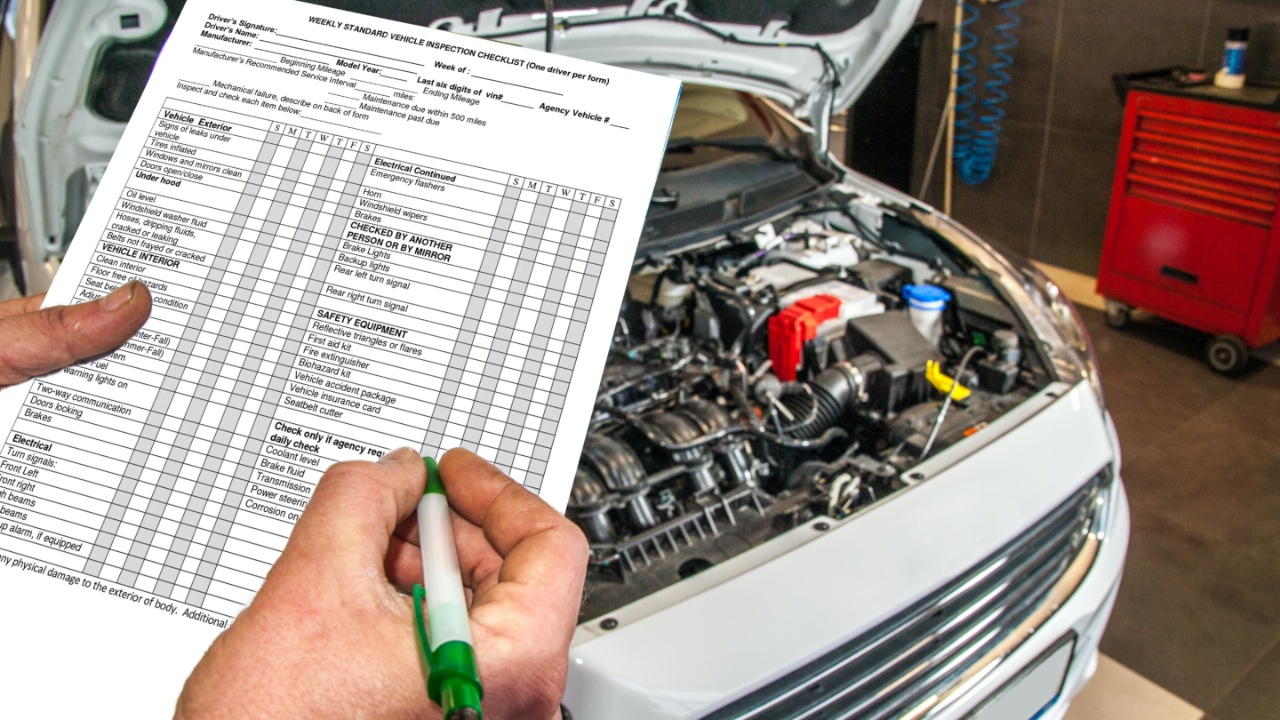
While repo drivers do not rely on personal documents directly, they often observe indirect signs of ownership status. These clues can help them confirm that a vehicle is likely in a repossession eligible condition or still actively managed by the owner.
One common indicator is the presence of temporary tags or expired registration stickers. These can suggest that the vehicle may be in a transitional legal state. Repo drivers note such details carefully as part of their assessment.
Another clue is the visibility of personal items inside the car. Items like paperwork, insurance cards, or service receipts can indicate recent use and active ownership. However, cluttered interiors may also suggest neglect or financial difficulty, both of which are relevant in repossession scenarios.
Windshield stickers, parking permits, and residential decals can also provide context. These markers often show where the vehicle is regularly parked or whether it is associated with a specific property or community.
In some cases, repo drivers may also observe whether license plates are clean, damaged, or missing. Plate condition can sometimes indicate attempts to avoid identification or simply poor maintenance.
Together, these small indicators help repo drivers form a clearer picture of ownership status and vehicle activity without needing direct documentation.

Security Systems and Anti-Theft Planning
Modern vehicles often come equipped with security features that repo drivers must quickly identify before attempting recovery. These systems can include alarms, immobilizers, steering locks, GPS trackers, and advanced electronic protections.
Alarms are usually the first concern. Repo drivers look for blinking indicators or stickers warning of alarm systems. Even if not visible, experience helps them recognize certain vehicle models that commonly include sensitive alarm setups.
Steering wheel locks and wheel clamps are physical barriers that can slow down the repossession process. These devices require careful handling to avoid damage to the vehicle while still completing recovery efficiently.
GPS tracking systems present a different challenge. While they are not visible, repo drivers are aware that vehicles may be monitored in real time, which can influence timing decisions and increase urgency during recovery.
Some owners install aftermarket immobilizers that prevent the engine from starting without a specific key or code. Repo drivers usually do not attempt to bypass such systems but instead rely on towing methods that avoid activating them.
Security features are not deterrents but factors that shape strategy. Experienced repo drivers are trained to quickly identify and adapt to these systems without escalating the situation.

General Patterns and Maintenance
Repo drivers also pay close attention to how a vehicle appears to be used over time. Usage patterns provide insight into whether the car is actively driven or sitting unused for extended periods.
A vehicle that shows signs of recent movement, such as warm engine components or fresh tire marks, suggests active use. This can influence timing decisions, as repo drivers may choose to wait for a safer opportunity.
Conversely, a car with accumulated dirt, spider webs around tires, or leaves under the chassis may indicate long term inactivity. These vehicles are often easier to locate but may require extra care during towing due to mechanical deterioration.
Maintenance condition is equally important. Fluid leaks, broken lights, or visible engine issues can all affect how the vehicle is handled during repossession. A poorly maintained car may be more fragile and require slower, more cautious towing.
Fuel levels and general cleanliness also contribute to the assessment. A neglected interior or empty fuel tank can reinforce the idea of financial strain or lack of regular use.
By combining these observations, repo drivers build a timeline of vehicle behavior that helps them plan efficient and low risk recovery operations.

Behavioral Indicators Around the Owner
Beyond the vehicle itself, repo drivers often consider the behavior of people associated with it. These situational cues can influence whether and when a repossession is carried out.
One key factor is the presence or absence of the owner. If the owner appears to frequently return to or check the vehicle, repo drivers may adjust timing to avoid confrontation. Conversely, a lack of recent human activity can make recovery smoother.
Neighborhood awareness also matters. If residents seem attentive or protective of parked cars, repo drivers may proceed more cautiously. In quieter environments, operations can often be completed more efficiently.
Routine patterns, such as predictable parking times or daily departures, can also be observed. These patterns help repo drivers choose moments when the vehicle is least likely to be actively monitored.
Finally, general situational awareness, such as whether the area feels alert or calm, plays a subtle but important role. Experienced repo drivers rely heavily on intuition developed through repeated exposure to similar scenarios.
