
Living out of your vehicle is no longer just a last resort or a fringe lifestyle. It has evolved into a practical, intentional way of life for digital nomads, travelers, minimalists, and even urban workers trying to reduce living costs. The concept blends mobility, independence, and adaptability into one experience, but success depends heavily on choosing the right vehicle.
Not every car is suitable for long-term living, and the wrong choice can quickly turn convenience into discomfort. The ideal vehicle must strike a balance between space, efficiency, reliability, and stealth, while also accommodating sleeping, storage, and daily living needs.
One of the most critical factors is interior space. You need enough room to lie flat comfortably, store essentials, and ideally sit upright. Vans and minivans often dominate this category because they provide a larger and more flexible interior compared to sedans or compact cars.
According to automotive guides, cargo vans offer unmatched space and customization options, making them the closest thing to a home on wheels. However, not everyone needs or wants a large van, especially if stealth parking in cities is important. Smaller vehicles like hybrids and wagons can offer surprising practicality when designed intelligently.
Fuel efficiency is another key consideration. If you are constantly on the move, fuel costs can become a major expense. Hybrid vehicles such as the Toyota Prius are frequently recommended because they can maintain climate control while consuming minimal fuel, making overnight stays far more comfortable.
Reliability also plays a central role. When your vehicle doubles as your home, breakdowns are not just inconvenient; they can disrupt your entire lifestyle.
Climate control and power supply are often overlooked but essential. Modern vehicles, especially hybrids and plug-in hybrids, allow users to run air conditioning or heating for extended periods without draining excessive fuel.
Some SUVs even offer built-in power outlets that can run small appliances, making them highly functional for mobile living. Additionally, features like fold-flat seats, modular interiors, and high roof designs can significantly improve comfort.
Finally, stealth and practicality matter more than most people expect. A flashy camper van might attract attention, while a simple minivan blends into urban environments. This can affect where you can park and how easily you can live without interference. The best car for living out of is not just about size, but about how well it supports your daily routine, comfort, and long-term sustainability.
Also Read: 10 Cars With Insurance Premiums Lower Than a Compact Sedan
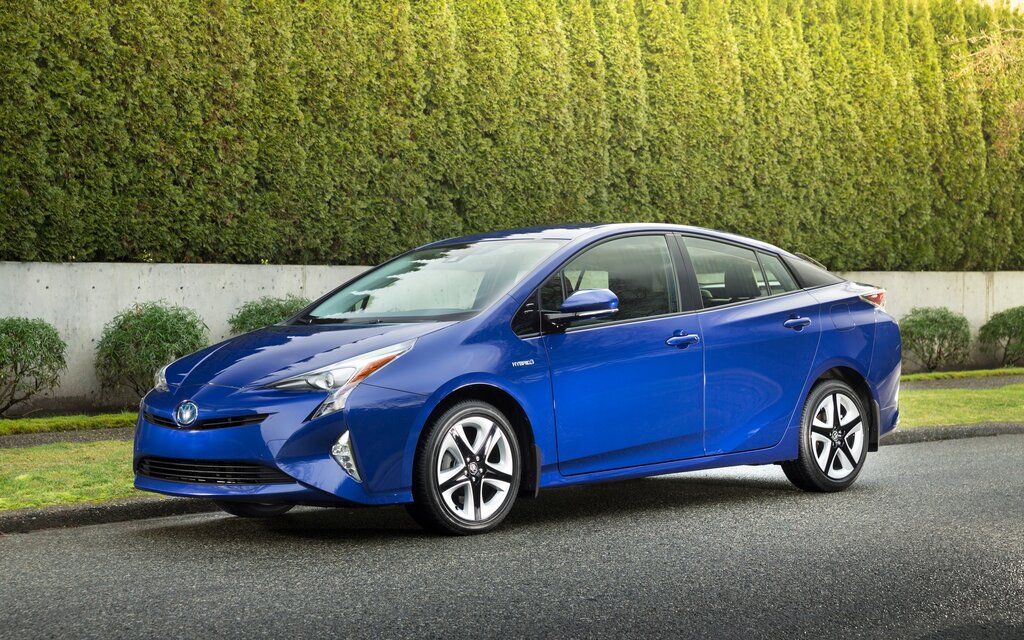
1. Toyota Prius
The Toyota Prius has become almost legendary in the car-dwelling community, and its popularity is not accidental. It combines hybrid efficiency, reliability, and stealth in a way very few vehicles can match. For people living out of their cars full-time, especially in cities, the Prius offers a rare balance between comfort and invisibility.
At first glance, it looks like an ordinary commuter vehicle, which is exactly what makes it so effective for urban stealth living. You can park in residential neighborhoods or public areas without drawing attention, which is a major advantage when overnight parking is part of your routine.
One of the most important features that makes the Prius ideal for vehicle living is its hybrid system. Unlike traditional gasoline engines, the Prius can maintain interior climate control while the engine cycles on and off automatically. This means you can run the air conditioning or heating overnight without idling the engine constantly.
For people living in hot summers or cold winters, this feature can literally make the difference between a sustainable lifestyle and an uncomfortable one. It also dramatically reduces fuel consumption, which is crucial when your home is also your transportation.
Despite its compact exterior, the Prius offers a surprisingly usable sleeping configuration. By folding down the rear seats and using a simple mattress setup or sleeping platform, a single person can create a relatively flat sleeping surface.
While it is not spacious in the traditional sense, careful organization allows you to store essentials in bins or under the sleeping area. Many car dwellers also use the front passenger seat area for additional storage, effectively maximizing every inch of available space.
Another overlooked advantage is reliability. The Toyota Prius is known for its long lifespan and low maintenance requirements. When you are living in a vehicle, breakdowns are not just inconvenient; they can disrupt your entire lifestyle and create safety concerns.
The Prius minimizes this risk with its proven hybrid system and durable engineering. Replacement parts are widely available, and mechanics are familiar with the platform, making repairs relatively straightforward.
However, the Prius does come with limitations. Storage space is minimal compared to larger vehicles, and it is not suitable for those who need to carry extensive gear or live with a partner. Standing space is nonexistent, which can make long-term stays feel restrictive. Despite these drawbacks, its efficiency, stealth, and dependability keep it at the top of many lists for solo car dwellers.
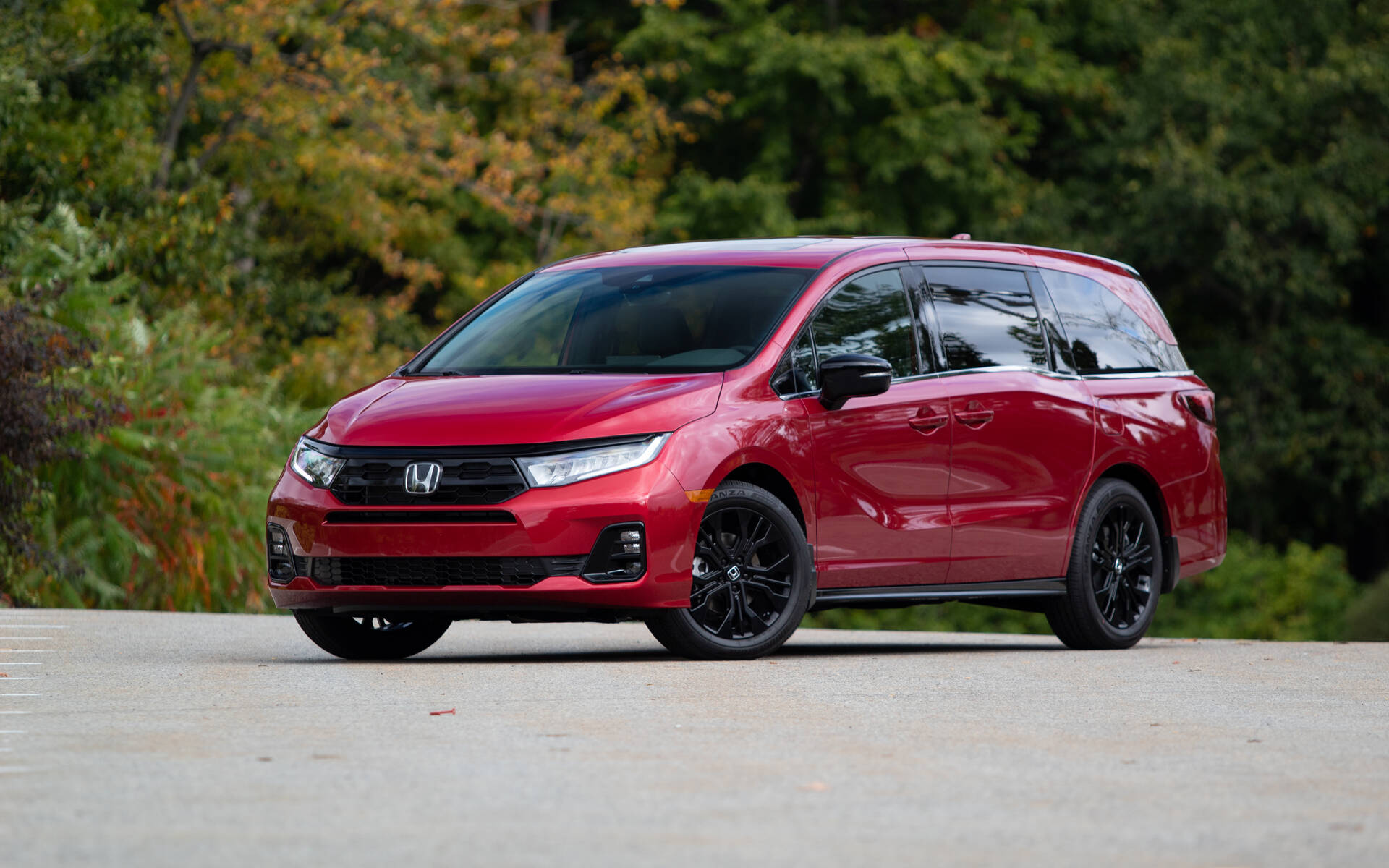
2. Honda Odyssey
The Honda Odyssey is one of the most practical and spacious minivans available for people living out of their vehicles. Unlike compact cars, it was designed with families in mind, which means it naturally provides the kind of space and flexibility that translates extremely well into mobile living.
For individuals or couples who prioritize comfort and room to move, the Odyssey offers one of the closest experiences to a traditional home setup on wheels without moving into a full van conversion.
One of its strongest features is interior adaptability. The second and third row seats can be folded flat or removed entirely, depending on the model year, which creates a large, uninterrupted floor space. This allows users to install a mattress, foam padding, or even a custom wooden platform.
The result is a sleeping area that feels significantly more comfortable than most SUVs or compact vehicles. In many setups, two people can sleep comfortably without feeling cramped, which is a major advantage over smaller alternatives like hatchbacks or sedans.
Comfort extends beyond just sleeping arrangements. The Odyssey is known for its smooth ride quality, which matters more than people initially realize when living in a vehicle.
Spending long hours driving between locations or parking in different areas means the driving experience becomes part of daily life. A comfortable suspension and quiet cabin reduce fatigue and make the lifestyle more sustainable.
Storage is another area where the Odyssey excels. There are numerous compartments, under-floor storage areas, and flexible cargo space options. This allows car dwellers to organize clothing, food, tools, and electronics without cluttering the sleeping area. Proper organization is essential in vehicle living, and the Odyssey makes this significantly easier compared to smaller cars.
On the downside, fuel efficiency is not as strong as hybrid options like the Prius. While it is reasonable for a vehicle of its size, long-term fuel costs can add up. Additionally, its larger footprint makes stealth parking slightly more challenging in dense urban environments. However, for those who value space, comfort, and practicality over minimalism, the Honda Odyssey remains one of the best choices.
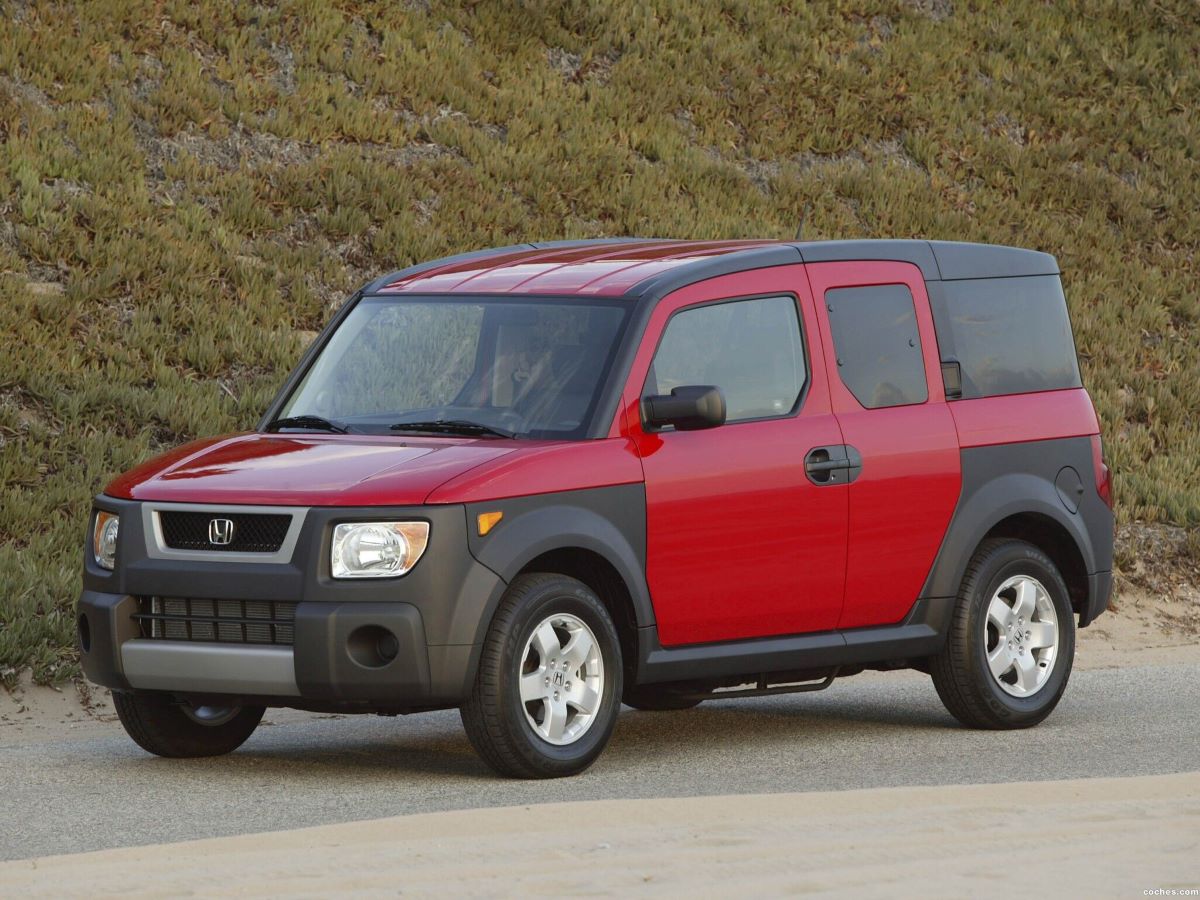
3. Honda Element
The Honda Element is one of the most uniquely designed vehicles ever produced for practical lifestyle use. Its boxy shape is not an aesthetic accident; it is what makes it exceptionally functional for living out of a vehicle. Unlike traditional cars that prioritize curved styling, the Element focuses on maximizing usable interior space, which is exactly what matters most for car dwellers.
Inside, the Element feels surprisingly open. The rear seats can be folded to the sides or completely removed, creating a flat and wide cargo area. This space is ideal for sleeping setups, especially for solo travelers. Many users install simple foam mattresses or modular sleeping platforms that turn the rear cabin into a compact bedroom. The square shape of the interior walls means there is less wasted space compared to sloped or curved vehicle designs.
Durability is another major advantage. The interior materials are designed to handle heavy use, dirt, and moisture. In fact, the flooring is made of a rubberized material that is easy to clean, which is extremely useful for people who live on the road and frequently deal with outdoor gear, pets, or changing weather conditions. This rugged design makes the Element feel less like a delicate passenger car and more like a functional utility space.
The compact size of the Element also makes it easy to park and maneuver in cities, which is important for stealth living. Unlike large vans that require special parking considerations, the Element can fit into standard parking spaces and blend in with regular traffic. This allows for more flexibility when choosing overnight locations.
However, there are drawbacks. Since the Element is no longer in production, finding well-maintained models can be difficult, and prices have increased in some markets. It also lacks modern infotainment and safety features found in newer vehicles. Still, its practicality and design philosophy make it one of the most respected vehicles in the car-loving community.

4. Ford Transit
The Ford Transit is one of the most widely used vehicles in the van life and mobile living world, and it has earned that reputation through pure practicality. It is essentially a blank canvas, designed for commercial use but perfectly adaptable for personal living spaces. Whether used in cargo form or fully converted, it offers unmatched flexibility for building a complete mobile home.
One of its biggest advantages is interior volume. The Transit comes in multiple lengths and roof heights, with high roof versions allowing a person to stand upright inside. This alone transforms the experience of living in a vehicle, as it eliminates the constant need to crouch or sit while moving around. Standing space allows for more advanced setups like kitchen counters, storage cabinets, and even compact workstations.
Customization potential is where the Transit truly shines. Because it is widely used commercially, there is a massive aftermarket ecosystem for conversion parts, insulation kits, furniture modules, and electrical systems. This makes it possible to design anything from a minimalist sleeping setup to a fully off-grid tiny home with solar power, water storage, and cooking facilities.
Reliability is another strong point. The Transit is built for heavy-duty use, meaning it can handle long distances and frequent driving without major issues if maintained properly. Replacement parts and service centers are widely available, which is critical for anyone relying on their vehicle as a primary residence.
The main drawback is its size. While the space is a major advantage, it also makes urban stealth parking more difficult. It is more noticeable than smaller cars or minivans, and fuel consumption is higher. Despite this, for people committed to full-time van life, the Ford Transit remains one of the most practical and scalable options available.
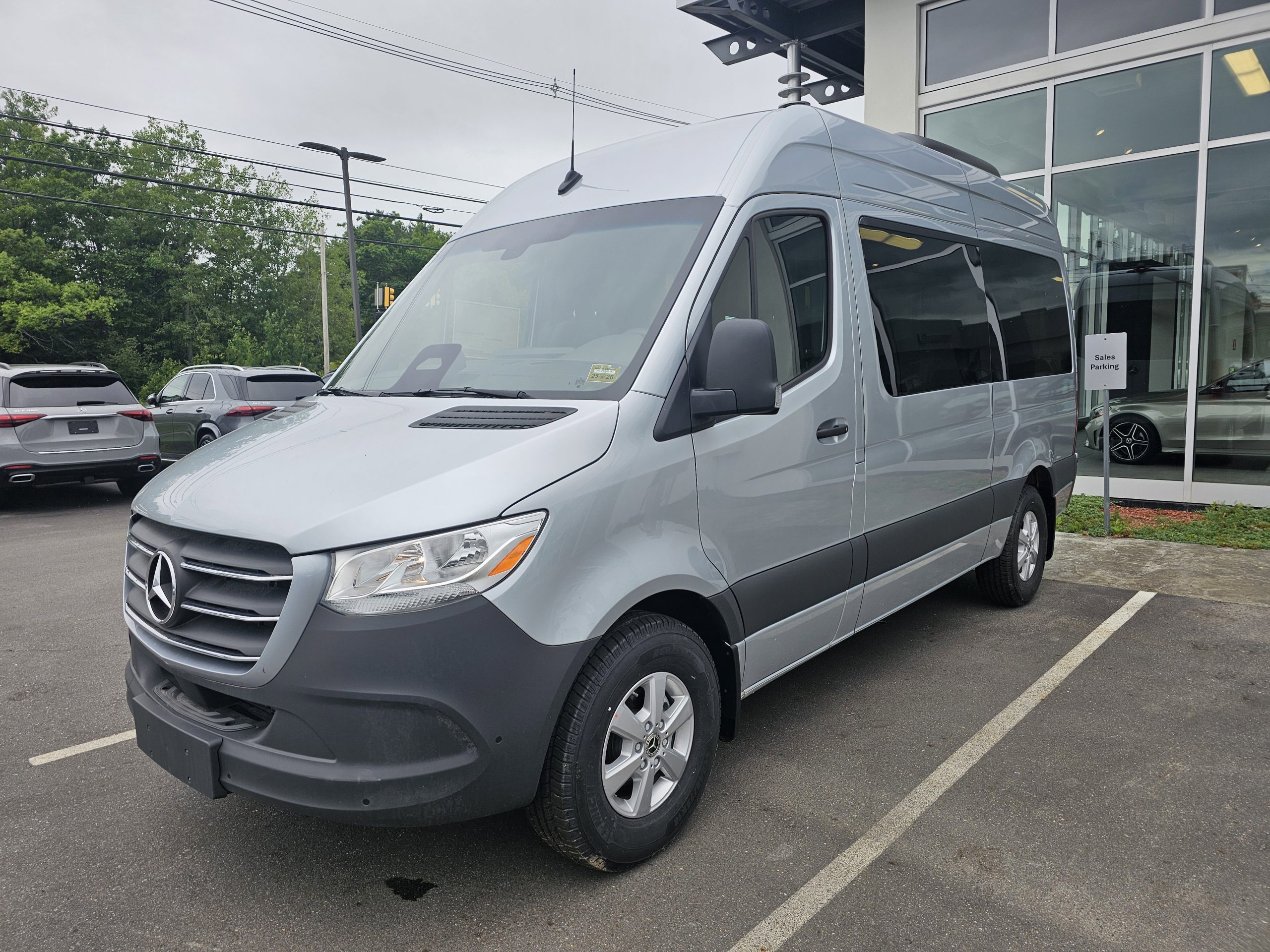
5. Mercedes Sprinter
The Mercedes Sprinter is often considered the premium standard for van life and mobile living. It combines durability, advanced engineering, and spacious design in a way that appeals to long-term travelers who want both comfort and performance. Many professional van converters and full-time nomads choose the Sprinter because it offers a strong foundation for building a high-quality mobile home.
One of its standout features is build quality. The Sprinter is designed for commercial fleets and long-distance transport, which means it is engineered for endurance. This makes it suitable for full-time living where the vehicle is constantly in use. Diesel engine variants, in particular, are known for their longevity and fuel efficiency over long distances.
Interior space is another major advantage. Like the Transit, the Sprinter comes in high roof configurations that allow standing room. This creates a comfortable living environment where users can move freely inside the vehicle. It also allows for more sophisticated interior layouts, including fixed beds, storage cabinetry, and even small bathrooms in advanced builds.
The driving experience is also notably refined compared to many other vans. The Sprinter offers better handling, safety systems, and ride comfort, which reduces fatigue during long trips. For people who travel frequently between cities or countries, this level of comfort becomes extremely valuable.
However, the Sprinter comes with a higher price tag, both in initial purchase cost and maintenance. Parts and servicing can be more expensive compared to domestic alternatives like the Ford Transit. This makes it less accessible for budget-focused car dwellers.
Despite the cost, the Mercedes Sprinter remains one of the most desirable platforms for serious van life enthusiasts who want a long-term, reliable, and highly customizable living solution.
Also Read: 10 Cars That Survive Being Used as Daily Uber Vehicles
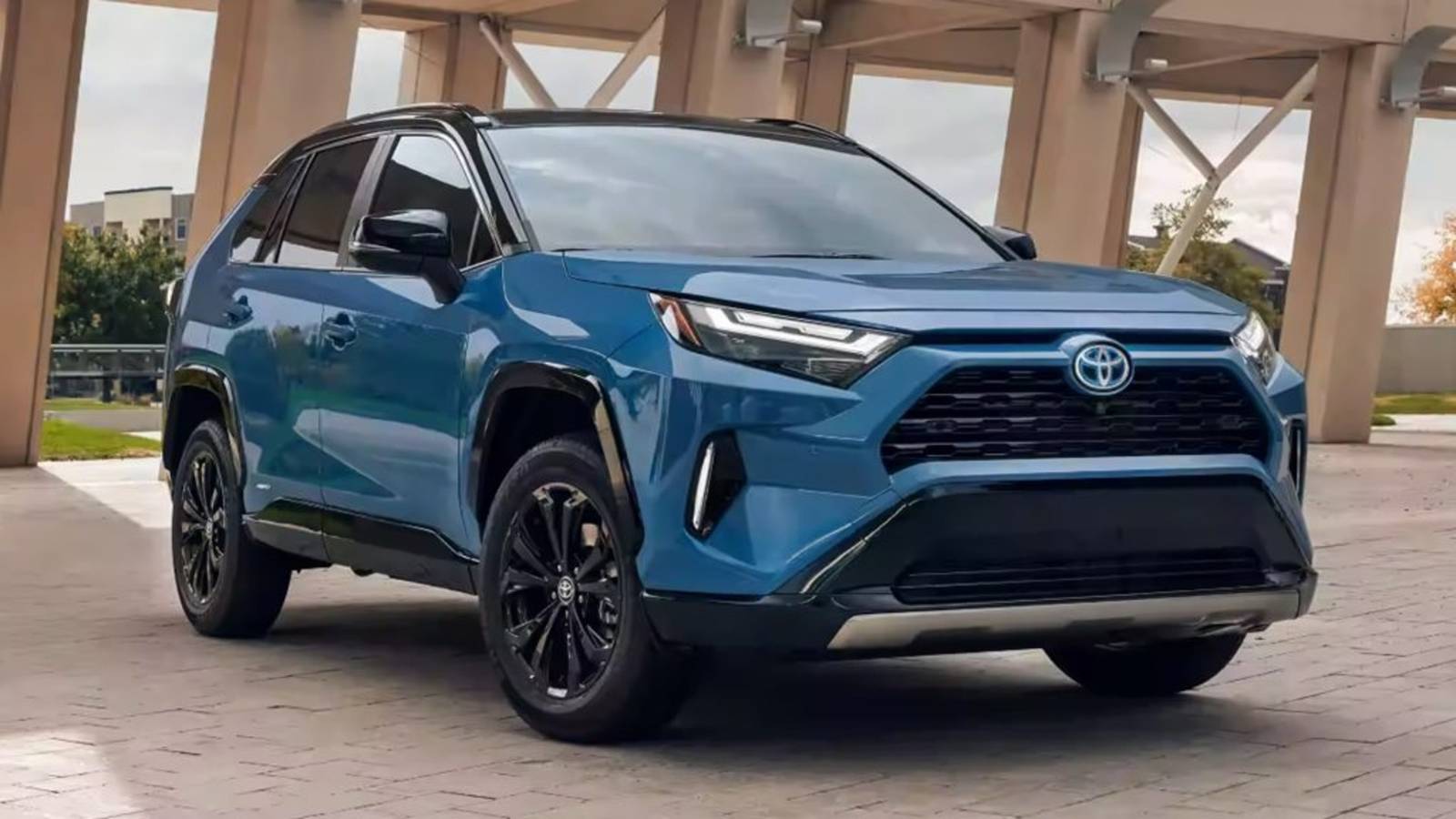
6. Toyota RAV4
The Toyota RAV4 is one of the most balanced SUVs for people who want to live out of a vehicle without committing to a full van setup. It sits in a sweet spot between compact cars and large SUVs, offering enough interior space for sleeping while still being efficient and easy to drive in both urban and rural environments.
For many people starting out in vehicle dwelling, the RAV4 represents a practical entry point because it does not require extensive modifications to become livable.
One of its strongest advantages is reliability. Toyota has built a reputation for producing vehicles that last well beyond 200,000 kilometers with proper maintenance, and the RAV4 is no exception. This is especially important for car dwellers, since their vehicle is not just transportation but also shelter. A breakdown can disrupt daily life completely, so having a dependable engine and drivetrain adds a layer of security and stability.
The interior of the RAV4 is designed with flexibility in mind. By folding down the rear seats, users can create a flat surface that works well for a single sleeping setup.
While it does not offer the full standing space of a van, it is sufficient for comfortable rest, especially when paired with a foam mattress or inflatable pad. Storage space can be organized in the cargo area and footwells, making it manageable for solo travelers who travel light.
Another important benefit is its hybrid availability in newer models. The hybrid RAV4 significantly improves fuel efficiency, which reduces long-term travel costs and allows for extended periods of driving or stationary climate control without excessive fuel usage. This is particularly useful in extreme weather conditions where heating or cooling becomes necessary for safe sleeping.
However, the RAV4 does have limitations. It is not ideal for multiple occupants living full-time due to the limited interior length. It also lacks the vertical space needed for standing or more advanced setups like kitchen stations. Still, for solo dwellers or those who prioritize mobility and efficiency over space, it remains one of the most practical SUV choices.
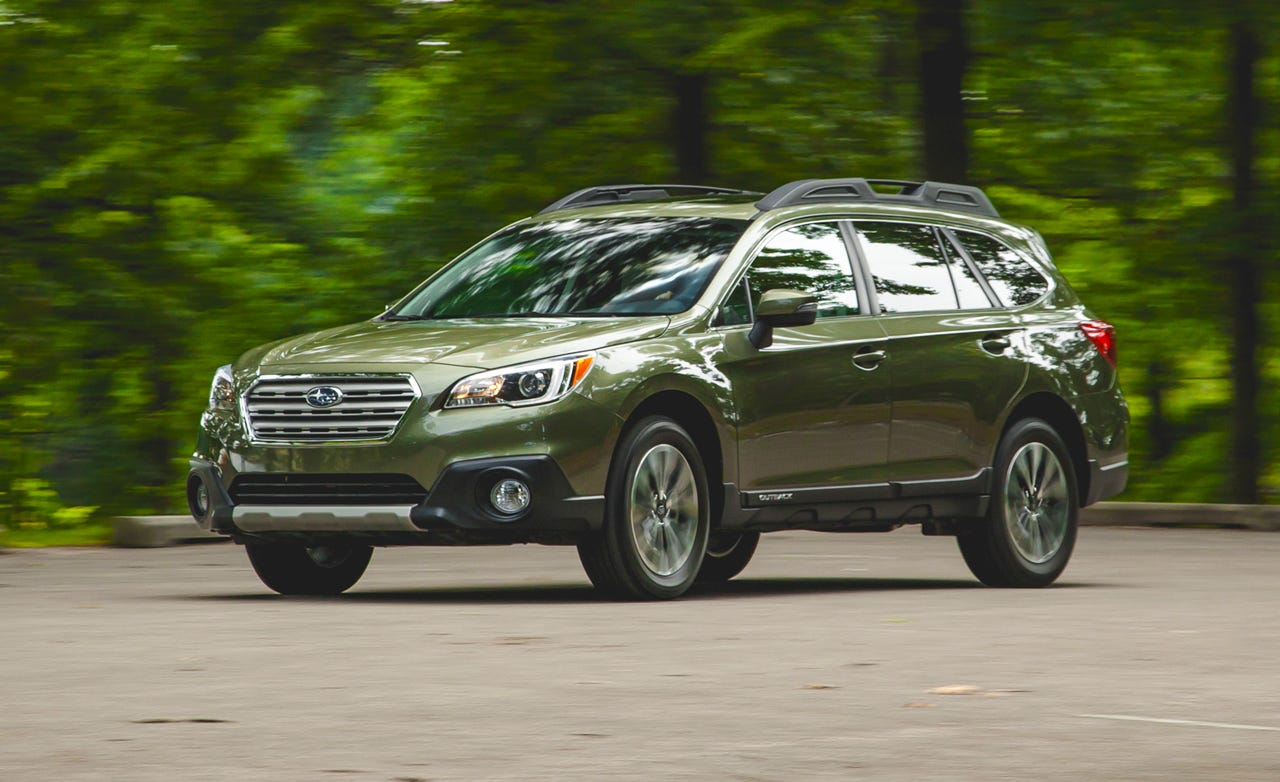
7. Subaru Outback
The Subaru Outback has earned a strong reputation among outdoor enthusiasts and minimalist travelers, and it translates surprisingly well into a vehicle living setup. It is technically a wagon, but it offers SUV-like capability with better fuel efficiency and handling. This combination makes it a favorite for people who want to split time between urban parking and remote camping.
One of the key strengths of the Outback is its All Wheel Drive system. Subaru has long specialized in AWD technology, and the Outback is designed to handle snow, rain, dirt roads, and uneven terrain with confidence. This makes it especially appealing for people who do not stay in one place and prefer to explore different environments while living in their vehicle.
The interior layout is simple but functional. By folding down the rear seats, users can create a relatively flat sleeping platform. While the width is slightly narrower compared to SUVs or vans, it is still adequate for one person to sleep comfortably. Many car dwellers use customized platforms or storage drawers underneath the sleeping area to maximize space efficiency.
Another advantage is fuel efficiency compared to larger SUVs. The Outback delivers respectable mileage, which helps reduce long-term travel costs. This is especially important for people who frequently move between locations or rely on their vehicle for both living and transportation.
Comfort is also a strong point. The Outback is known for its smooth ride quality and stable handling, which reduces fatigue during long drives. However, like most wagons, it lacks vertical space, which can make extended stays feel slightly restrictive. Despite this, its versatility, reliability, and off-road capability make it a strong choice for semi-mobile lifestyles.
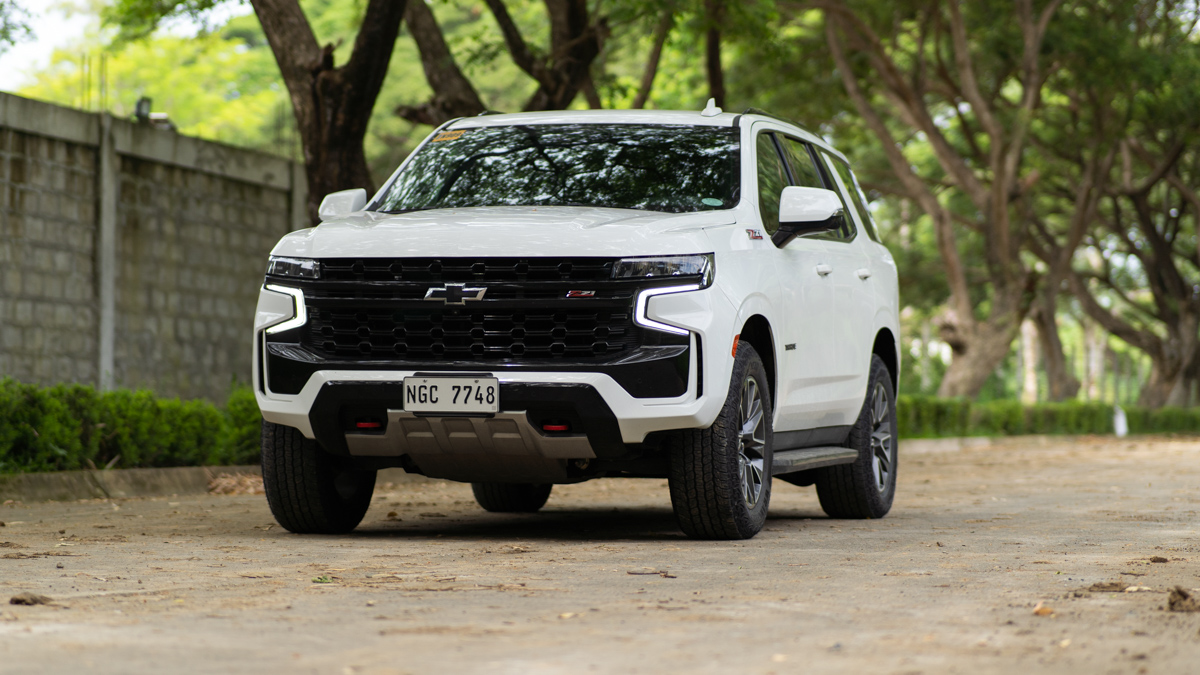
8. Chevrolet Tahoe
The Chevrolet Tahoe is a full-size SUV that offers a completely different experience compared to smaller vehicles. It is designed for space, power, and utility, making it suitable for people who prioritize interior room over fuel efficiency or compactness. For vehicle dwellers who want a more spacious and comfortable setup without transitioning into a full van, the Tahoe provides a strong middle ground.
One of its biggest advantages is sheer interior volume. When the rear seats are folded or removed, the cargo area becomes large enough to accommodate a full sleeping setup, storage bins, and even small furniture modifications. This makes it possible to create a semi-permanent living arrangement inside the vehicle, especially for solo travelers or couples who do not mind the larger footprint.
The Tahoe also excels in power and towing capability. Its strong engine allows it to handle heavy loads and long-distance travel without strain. This is useful for people who carry additional equipment such as bikes, camping gear, or storage trailers. It also performs well in varied terrain conditions, making it suitable for both city and rural living.
Comfort is another important factor. The Tahoe offers a spacious cabin, supportive seating, and a smooth ride for its size. This makes long-term travel and daily driving more comfortable compared to smaller, cramped vehicles. The driving position is elevated, which improves visibility and road awareness.
However, fuel consumption is a significant drawback. Large SUVs like the Tahoe require more fuel, which increases monthly living costs. Parking can also be challenging in dense urban areas due to its size. Despite these limitations, the Tahoe remains a solid option for those who value space and capability above efficiency.
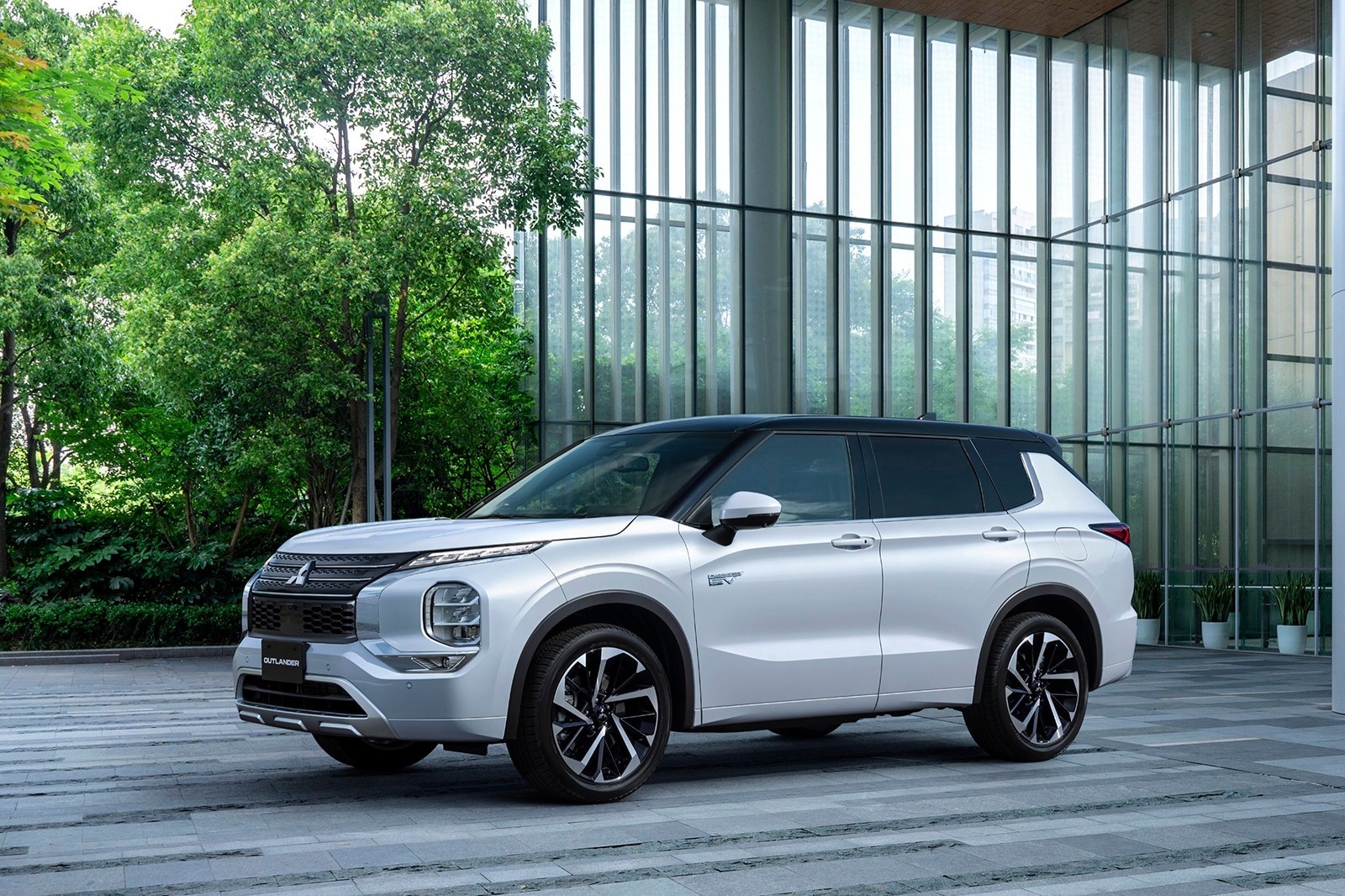
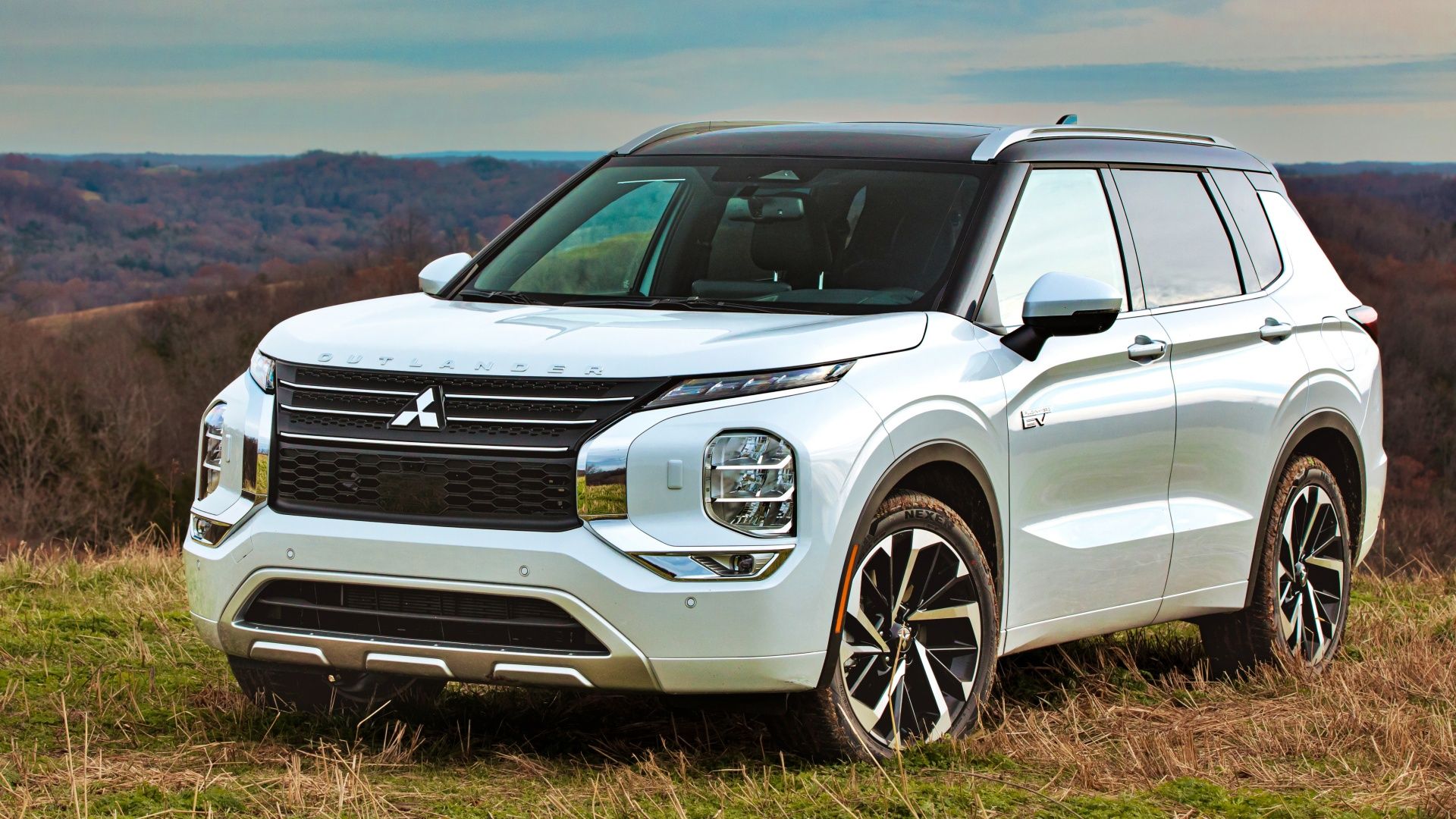
9. Mitsubishi Outlander PHEV
The Mitsubishi Outlander PHEV stands out in this list because of its plug-in hybrid technology, which offers a unique advantage for vehicle living. Unlike traditional gasoline or diesel vehicles, it can operate in electric mode for short distances and power onboard systems more efficiently. This makes it one of the most technologically flexible SUVs for mobile living.
One of its most valuable features is the ability to supply electrical power to devices. This means users can charge laptops, run small appliances, or maintain climate control with less reliance on fuel. For people who work remotely or rely on electronics, this feature is extremely useful and adds a level of independence not commonly found in most SUVs.
The interior space is also well designed for practical use. While not as large as a van, the rear seats can be folded to create a flat sleeping area suitable for one or two people, depending on setup. Storage can be organized efficiently in the cargo area, especially with modular bins or soft storage solutions.
Another advantage is fuel efficiency. The hybrid system reduces fuel consumption significantly, especially in stop-and-go city driving. This makes it a cost-effective option for people who frequently move between locations or spend time parked while using electrical systems.
However, it does have limitations. Electric range is limited, and charging infrastructure may be a consideration depending on location. It also does not offer standing space or full van-level comfort. Still, for those who want a modern, efficient, and partially electric vehicle living setup, it is a strong contender.
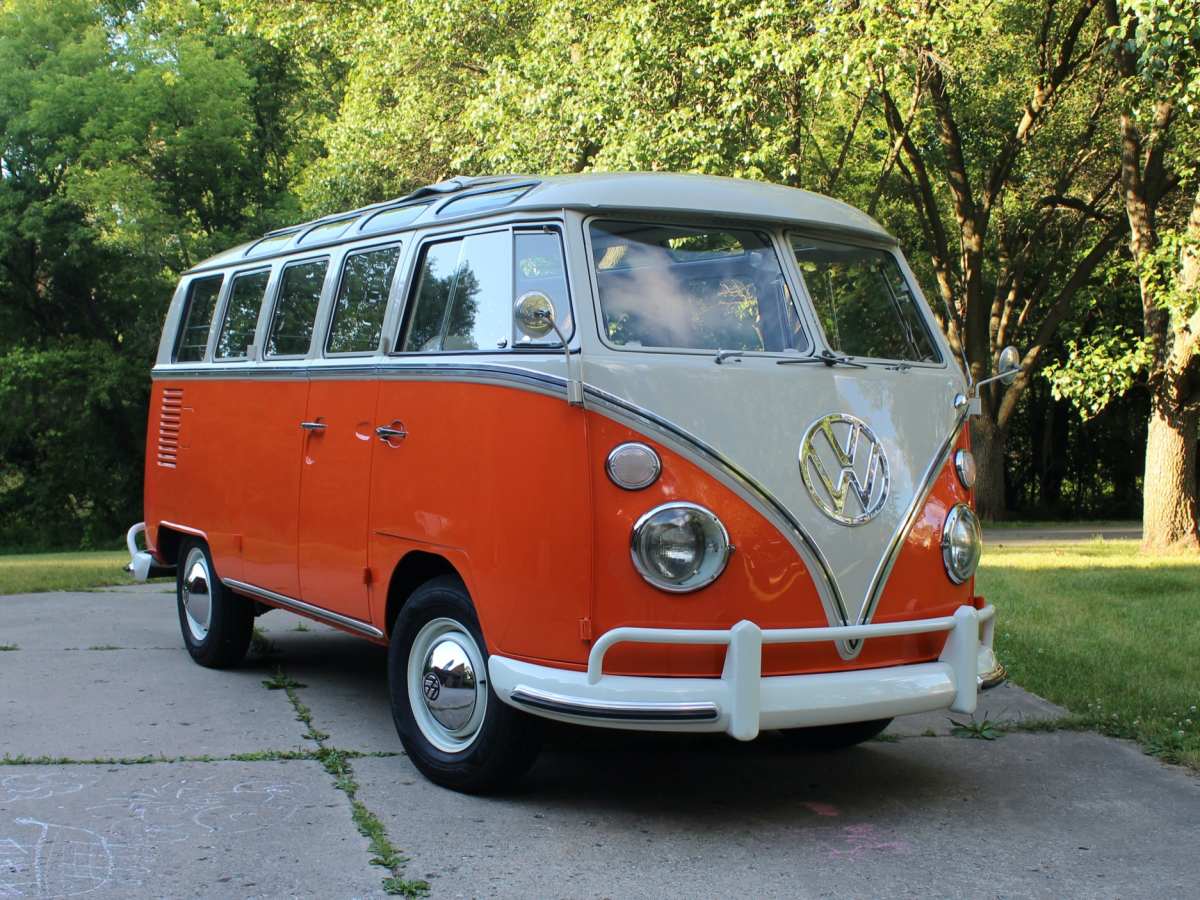
10. Volkswagen Bus
The Volkswagen Bus is one of the most iconic vehicles associated with road life, freedom, and long-term travel. It has a cultural legacy that goes beyond transportation, symbolizing a lifestyle centered around mobility and simplicity. For many people, it is not just a vehicle but a statement of intentional living.
One of its defining characteristics is its interior layout. Even older models were designed with spacious cabins that can be converted into sleeping and living areas. Many versions include foldable seating, storage compartments, and, in some cases, small built-in kitchen setups. These features allow for extended travel without requiring extensive modifications.
The Volkswagen Bus also offers a unique sense of openness. Large windows and a boxy shape create an airy interior atmosphere, which makes living inside feel less confined compared to compact cars. This psychological comfort is an important factor for long-term vehicle dwellers.
However, older models often require more maintenance and mechanical attention. Parts availability can vary depending on the region, and fuel efficiency is generally lower compared to modern vehicles. This means ownership requires more care and mechanical awareness.
Despite these challenges, the Volkswagen Bus remains a timeless choice for people who value lifestyle, nostalgia, and simplicity over modern efficiency. It continues to hold a special place in mobile living culture.
