
Buying a used SUV always involves compromise. Some vehicles offer incredible long-term value but demand patience with age-related repairs, higher fuel costs, or outdated technology.
Others look attractive because of low purchase prices or luxury features, yet quickly become exhausting money pits once ownership begins. The challenge for buyers is figuring out which used SUVs are genuinely worth the extra hassle and which ones simply create endless frustration.
Many older SUVs develop quirks over time. Suspensions wear out, electronics age, seals leak, and maintenance becomes unavoidable. Yet certain models still justify the effort because they deliver strong reliability, exceptional capability, or a driving experience that remains rewarding years later.
Owners willingly tolerate occasional repairs because the SUV continues offering something valuable in return. These vehicles often earn loyal fan bases because the positives outweigh the inconvenience.
At the opposite end are SUVs that become difficult to defend once the warranty disappears. Some suffer from recurring transmission failures, weak electronics, poor build quality, or repair costs so high that owners constantly question why they keep the vehicle.
What initially feels like a bargain eventually turns into repeated repair bills and declining confidence every time another warning light appears.
This topic matters because used SUVs remain incredibly popular across every price range. Families need cargo space and practicality, outdoor enthusiasts want capability, and commuters appreciate the higher seating position.
Rising new vehicle prices also push more buyers toward the used market, making long-term ownership quality more important than ever.
The SUVs in this comparison represent two very different ownership experiences. Some demand patience and maintenance but reward owners with durability, usefulness, and strong long-term value. Others create enough recurring problems that the hassle simply outweighs whatever strengths they once offered.
A used SUV does not need to be perfect to deserve consideration. The key question is whether the vehicle gives owners enough reliability, comfort, capability, or character to justify the extra effort required to keep it running properly. Some absolutely do. Others become exhausting long before the loan is even paid off.
Also Read: 4 SUVs With Panoramic Roofs That Don’t Leak vs 4 That Always Do
4 Used SUVs Worth the Hassle
Not every great used SUV is trouble-free. Some require extra maintenance, occasional repairs, or a willingness to accept older vehicle quirks. Yet some SUVs continue rewarding owners despite those inconveniences because they offer durability, capability, comfort, or personality difficult to replace at their price points.
These vehicles prove that a little hassle can still be worthwhile when the long-term ownership experience remains satisfying.
Many of these SUVs built loyal followings because they survive high mileage better than expected. Owners may deal with suspension work, aging electronics, or rising maintenance costs, but the core vehicle remains dependable and useful for years. That balance matters greatly in the used market where perfection rarely exists.
Another important factor is emotional value. Some SUVs simply feel worth saving because they deliver comfort, off-road capability, towing strength, or long-distance reliability that competitors struggle to match.
Drivers develop confidence in them over time and willingly invest in repairs because replacing the vehicle would cost far more while offering less character or utility.
Used SUVs worth the hassle also tend to hold their value better. Buyers actively search for clean examples because they understand the vehicle’s long-term strengths. That means money spent maintaining them often feels justified rather than wasted on something nobody wants.
The SUVs in this section are not flawless machines. Certain models require careful maintenance schedules or occasional patience with repairs. Still, they continue earning respect because their strengths remain meaningful even after years of ownership.
These are the used SUV owners who repair with confidence instead of regret. They may ask for extra attention along the way, but they repay that effort through capability, durability, and real-world usefulness that make the ownership experience worthwhile long after newer vehicles have lost their appeal.
1. Toyota Land Cruiser
The Toyota Land Cruiser became legendary because it was engineered to survive conditions most SUVs never encounter. That durability makes it one of the clearest examples of a used SUV worth the extra hassle, even when maintenance costs rise with age.
Owners willingly tolerate higher fuel consumption, expensive parts, and occasional repairs because the vehicle offers extraordinary long-term reliability and capability in return.
One reason the Land Cruiser remains so desirable is its mechanical toughness. These SUVs regularly cross extremely high mileage figures while continuing to operate dependably in harsh climates and rough terrain.
Engines, transmissions, and drivetrains were designed with longevity in mind rather than short-term efficiency targets. Even older examples often feel solid after decades of use.
Maintenance costs can still surprise buyers. Tires are expensive, fuel economy is poor, and suspension repairs on aging models are not cheap. Yet owners usually accept those expenses because the SUV continues delivering dependable service long after many competitors would have failed.
Another major strength involves resale value. Used Land Cruisers hold demand remarkably well because buyers trust their reputation worldwide. This means money spent maintaining the vehicle rarely feels completely wasted. Clean examples remain highly sought after even with substantial mileage.
The interior quality also contributes to long-term satisfaction. While older models may lack flashy technology, cabins usually age gracefully with durable materials and practical layouts. Families, travelers, and off-road enthusiasts appreciate how functional the SUV remains over time.
Drivers often describe the Land Cruiser as a vehicle that creates trust. Whether crossing snowy highways, towing trailers, or travelling far from civilization, owners feel confident the SUV will continue moving forward reliably.
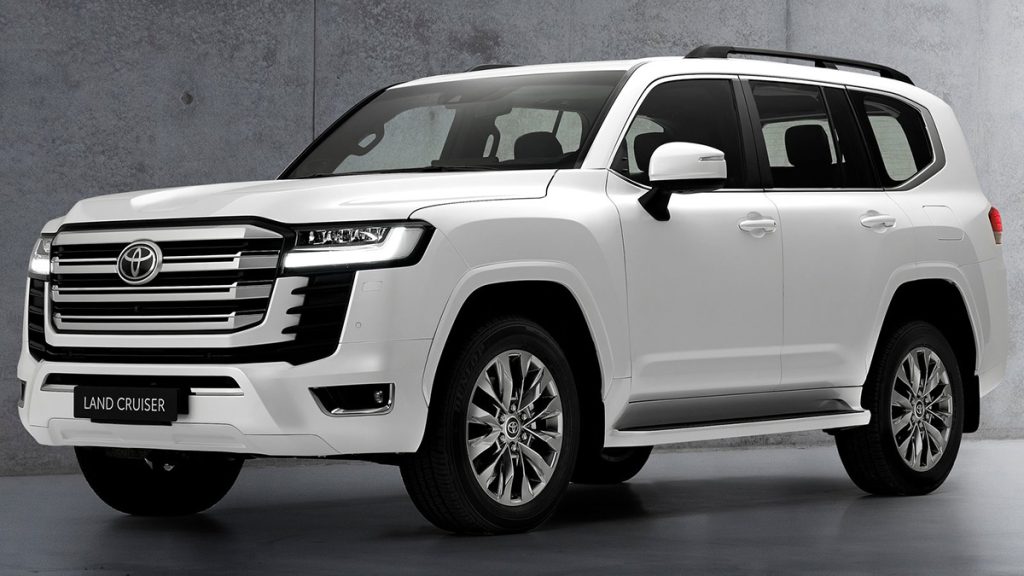
The Land Cruiser may require patience with maintenance and operating costs, but few used SUVs offer the same balance of durability, capability, and long-term confidence. That is why so many owners consider the hassle completely justified.
2. Jeep Wrangler
The Jeep Wrangler is not the smoothest SUV, the quietest highway cruiser, or the easiest vehicle to maintain, yet it remains absolutely worth the hassle for many owners because nothing else delivers the same driving experience and personality.
Buying a used Wrangler means accepting compromises, but enthusiasts gladly make those sacrifices because the SUV offers unmatched character and off-road capability.
One of the biggest reasons the Wrangler remains desirable is its versatility. Drivers can remove the roof and doors, tackle difficult trails, and customize nearly every part of the vehicle. Few SUVs create such a direct connection between owner and machine.
That emotional attachment often outweighs the inconvenience of occasional repairs or rough road manners.
Used Wranglers frequently require attention as they age. Suspension wear, steering issues, water leaks, and interior rattles are not uncommon. Soft tops and removable roof systems also demand maintenance over time. Still, owners usually tolerate these annoyances because the SUV delivers experiences most modern crossovers simply cannot match.
Another major advantage is aftermarket support. Replacement parts, upgrades, and repair information are available almost everywhere. This makes long-term ownership far easier than with rare SUVs that become difficult or expensive to maintain once they age.
Wranglers also hold value extremely well. Even older examples with higher mileage attract strong buyer interest because demand remains consistently high. Owners who maintain their vehicles properly often recover much of their investment later.
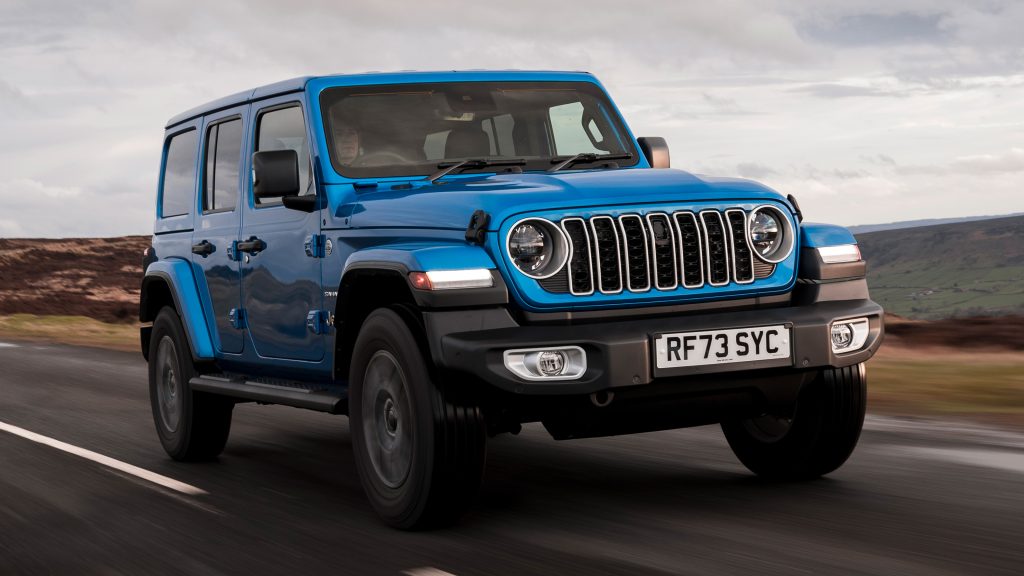
The driving experience itself feels completely different from ordinary SUVs. Sitting upright with strong visibility and genuine off-road capability creates a sense of adventure missing from many modern vehicles focused purely on comfort.
The Wrangler asks owners for patience. Highway noise, stiff rides, and occasional mechanical quirks come with the territory. Yet for drivers who value personality, freedom, and capability more than perfection, the hassle becomes part of the ownership experience rather than a reason to walk away.
3. Lexus GX 460
The Lexus GX 460 represents one of the few luxury SUVs that genuinely becomes more appealing with age for many buyers.
While it does demand patience with fuel economy and higher maintenance costs than a basic crossover, the SUV remains absolutely worth the hassle because of its unusual combination of luxury comfort and traditional body-on-frame durability.
One reason owners stay loyal to the GX 460 is its mechanical toughness. Underneath the premium interior sits a platform closely related to Toyota’s global off-road vehicles, giving the SUV remarkable long-term durability compared to many luxury rivals.
Engines and transmissions in these vehicles often survive extremely high mileage with proper maintenance, creating confidence that repairs are investments rather than temporary fixes.
Tageing also handles aging better than many premium SUVs because Lexus avoided excessive experimentation with fragile technology. Interior electronics, climate controls, and drivetrain systems generally remain dependable even after years of ownership. That reliability becomes especially valuable once warranty coverage disappears.
Fuel economy is one of the SUV’s biggest compromises. The V8 engine delivers smooth power but consumes fuel heavily compared to modern turbocharged crossovers. Some suspension repairs and maintenance items also carry luxury-level pricing.
Still, owners often accept these drawbacks because the GX provides a sense of solidity missing from many newer SUVs.
Another strength involves resale value. Buyers actively seek used GX models because they trust the vehicle’s durability and off-road capability. This strong demand helps justify maintenance expenses since the SUV retains meaningful market value over time.
The GX 460 also offers exceptional comfort for long-distance travel. Quiet cabins, supportive seating, and excellent ride quality make it a favorite among families and road trip drivers who plan to keep vehicles for many years.
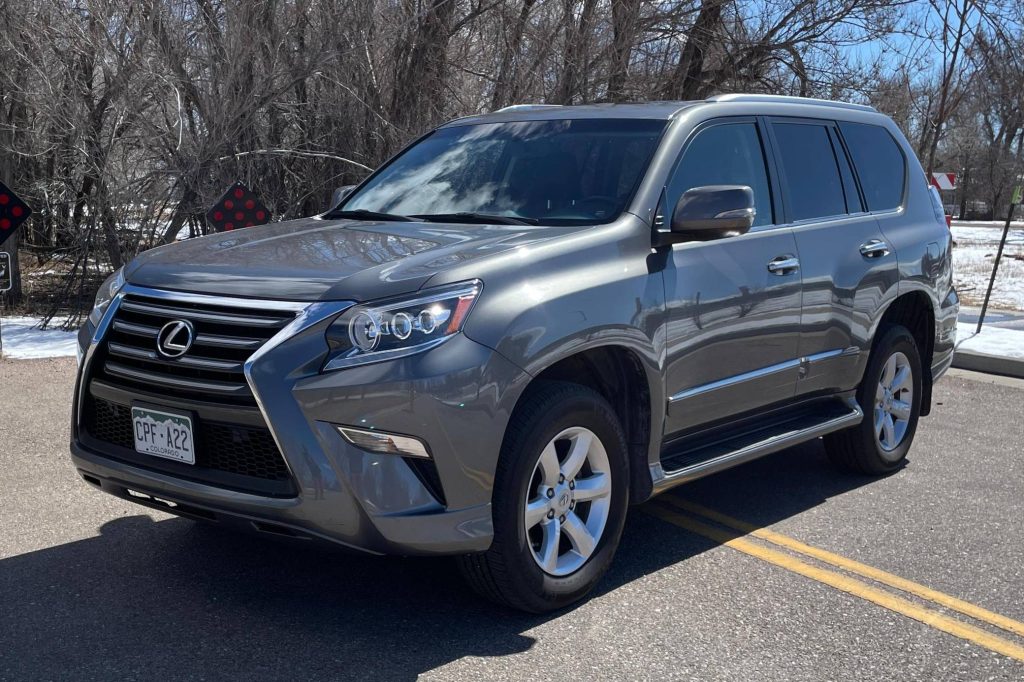
The SUV asks for compromise in efficiency and operating costs, but its reliability, capability, and maker balance continue making it one of the smartest used premium SUVs for buyers willing to handle the extra effort.
4. Chevrolet Tahoe
The Chevrolet Tahoe became a staple of American family transportation because it combines space, towing ability, and long-term durability in a way few SUVs can match.
Buying a used Tahoe often means accepting higher fuel bills and occasional repairs tied to its size and weight, but many owners still consider the SUV worth every bit of hassle because of its practicality and toughness.
One of Tahoe’s greatest strengths is its versatility. Families use these SUVs for road trips, towing boats, hauling equipment, and daily commuting all within the same week. Few vehicles handle such a wide range of duties as comfortably.
That usefulness helps owners overlook the compromises that come with maintaining a large body-on-frame-on-frame SUV.
The Tahoe’s V8 engines developed strong reputations for durability when serviced properly. High-mileage examples remain common, especially among fleet and commercial users who rely on the SUV for demanding daily work. Even older Tahoes often continue operating dependably long after smaller crossovers begin feeling worn out.
Repairs are still part of ownership. Suspension components wear from the vehicle’s heavy weight, fuel costs remain significant, and some electrical issues can appear as the SUV ages.
Yet parts availability is excellent, and mechanics across the country understand the platform well, keeping repairs manageable compared to more complicated luxury SUVs.
Interior space also contributes to long-term satisfaction. Large families appreciate the roomy seating and cargo capacity, while drivers towing trailers benefit from the Tahoe’s stable highway manners and strong chassis.
Another reason the Tahoe remains worth the effort is familiarity. Generations of owners trust these SUVs because they know what to expect from them. They are not delicate vehicles built only for short-term leases. They are designed to handle years of real-world use.
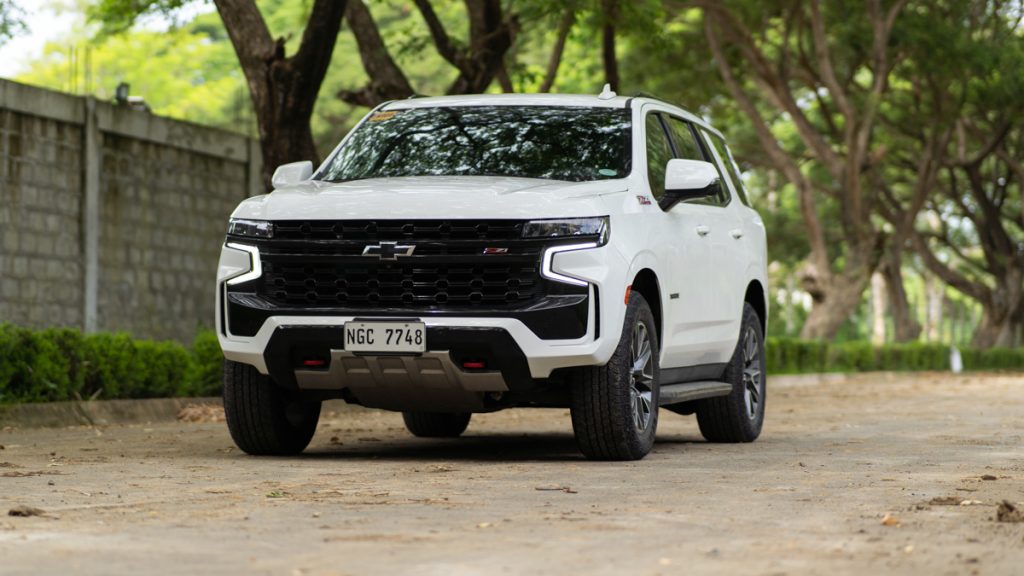
The Tahoe may require patience with maintenance and fuel consumption, but its combination of durability, capability, and practicality continues making it one of the most worthwhile used SUVs on the market.
4 That Aren’t
Some used SUVs seem tempting at first glance because they offer luxury badges, low purchase prices, stylish interiors, or impressive features for surprisingly little money. Buyers often convince themselves they are getting an incredible bargain compared to newer vehicles costing twice as much. Unfortunately, certain SUVs become cheap for a reason.
Once ownership begins, recurring repairs, unreliable electronics, weak drivetrains, and endless maintenance bills quickly erase any savings from the lower purchase price.
The biggest problem with these SUVs is not always a single catastrophic flaw. Instead, the frustration builds through repeated smaller failures that never seem to stop.
Owners fix suspension components only to face transmission issues weeks later. Electrical systems begin malfunctioning randomly, warning lights appear constantly, and repair costs slowly exceed the value of the vehicle itself.
Luxury SUVs are especially dangerous in the used market because repair expenses rarely shrink alongside depreciation. An SUV that originally cost premium money still demands premium repair pricing years later.
Buyers attracted by affordable used examples often underestimate how expensive ownership becomes once complicated technological and aging components begin failing together.
Another warning sign is poor long-term durability. Some SUVs simply do not age gracefully. Interiors deteriorate rapidly, drivetrains struggle under high mileage, and reliability problems become so common that owners lose confidence driving long distances.
The SUVs in this section earned reputations for creating more stress than satisfaction once they reached older age. While some may still drive well when functioning properly, the constant uncertainty and financial burden make them difficult to recommend as used purchases.
These are the SUVs where the hassle usually outweighs the reward. Instead of building trust over time, they often leave owners wondering when the next expensive problem will appear. For buyers seeking dependable long-term transportation, these vehicles frequently become lessons in why cheap luxury or flashy features do not always equal good value.
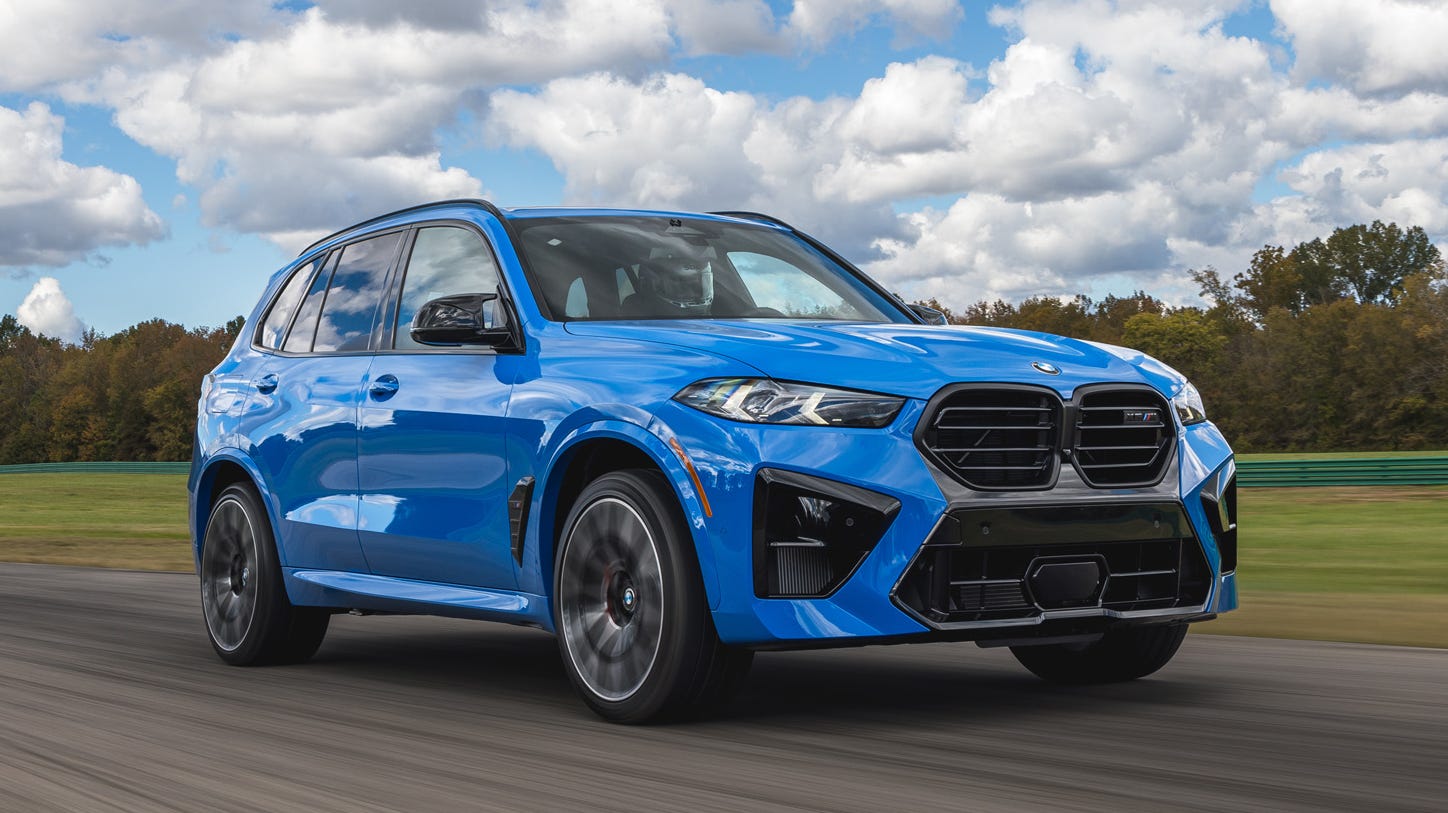
1. BMW X5 (E70 Generation)
The BMW X5 E70 generation looked like a dream used SUV for many buyers. It offered sharp styling, a luxurious interior, powerful engine options, and impressive handling for a midsize SUV.
Prices on older examples dropped quickly, making the vehicle appear like an incredible luxury bargain. Unfortunately, long-term ownership often became financially exhausting once repairs started piling up.
One of the biggest problems involved complexity. BMW packed the E70 X5 with advanced electronics, air suspension systems, turbocharged engines, and sophisticated drivetrain technology that aged poorly once mileage climbed. Owners frequently faced expensive issues involving cooling systems, oil leaks, suspension components, and electrical failures.
Turbocharged V8 models became especially feared because repair costs could spiral out of control quickly. Valve stem seal problems, timing chain concerns, and overheating risks created repair estimates large enough to exceed the SUV’s remaining market value. Even six-cylinder models demanded costly maintenance as they aged.
Electric unreliability always hurts the ownership experience. iDrive systems, sensors, panoramic roofs, and power accessories regularly developed frustrating faults. Diagnosing these problems often required dealership-level equipment and expensive labor. Owners sometimes fixed one issue only to watch another warning light immediately afterwards
Another major downside involved depreciation. While the X5 originally carried a premium price tag, used values dropped heavily over time. This meant owners continued paying luxury repair costs on a vehicle no longer worth very much financially. Many buyers underestimated how quickly maintenance expenses could overwhelm the SUV’s value.
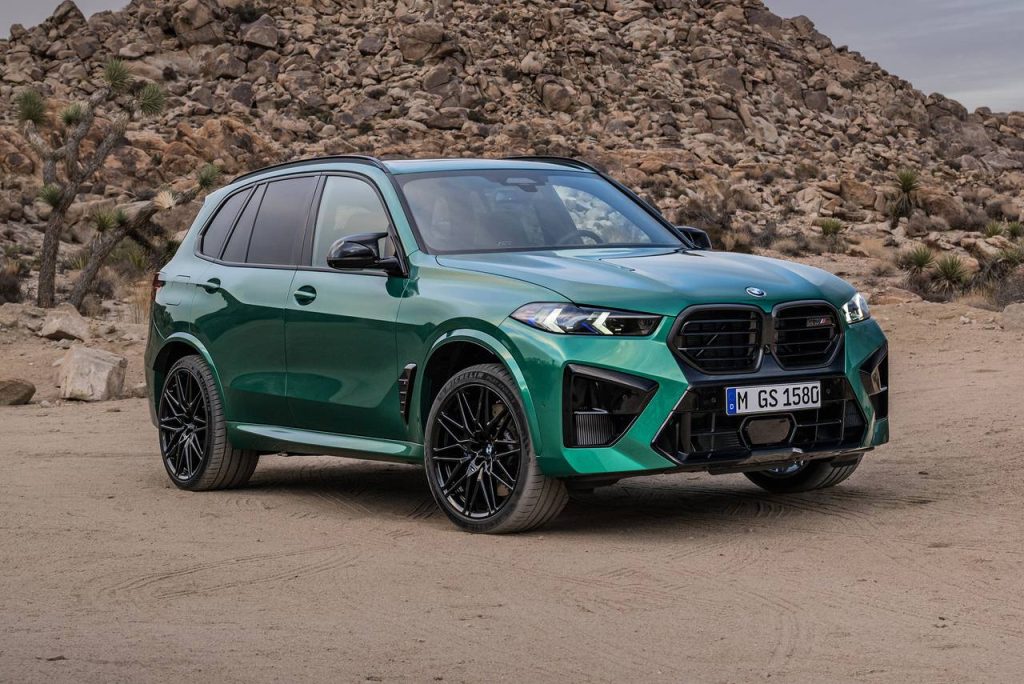
The driving experience remained excellent when everything worked correctly. The X5 felt refined, powerful, and surprisingly athletic for its size. Yet that enjoyment became difficult to appreciate once repairs started arriving one after another.
The E70 X5 represents a classic example of a used luxury SUV that appears affordable upfront but becomes extremely difficult to justify financially long-term. For many owners, the hassle eventually outweighed the prestige and driving pleasure completely.
2. Dodge Journey
The Dodge Journey attracted many used SUV buyers because of its low prices, roomy cabin, and family-friendly appearance. On paper, it looked like practical transportation for people wanting three rows without spending much money.
In reality, the Journey developed a reputation for disappointing reliability and poor long-term ownership quality that made it difficult to recommend even at bargain prices.
One major issue was outdated engineering. The Journey remained on the market for years with minimal improvements while competitors advanced significantly in safety, fuel economy, technology, and reliability. As the SUV aged, its weaknesses became impossible to ignore.
Drivetrain problems created frequent frustration for owners. Certain engines struggled with durability concerns, while transmissions developed rough shifting and premature wear issues. Repairs often arrived earlier than buyers expected, especially on higher mileage examples used heavily for family commuting.
Interior quality also hurt the ownership experience. Cheap plastics, weak aging materials, and aging electronics made the cabin feel worn much faster than rivals from Honda or Toyota. Even moderately used Journeys often developed rattles, broken interior pieces, and malfunctioning infotainment systems that made the SUV feel older than its actual age.
Another problem was poor resale value. The Journey depreciated heavily because buyers became aware of its reliability concerns and outdated design. Owners spending money on repairs rarely recovered that investment later because market demand remained weak.
Fuel economy and driving refinement also lagged behind competitors. The SUV felt underpowered with base engines and lacked the polished ride quality expected from modern family transportation. Long trips could become tiring compared to more refined rivals in the same category.
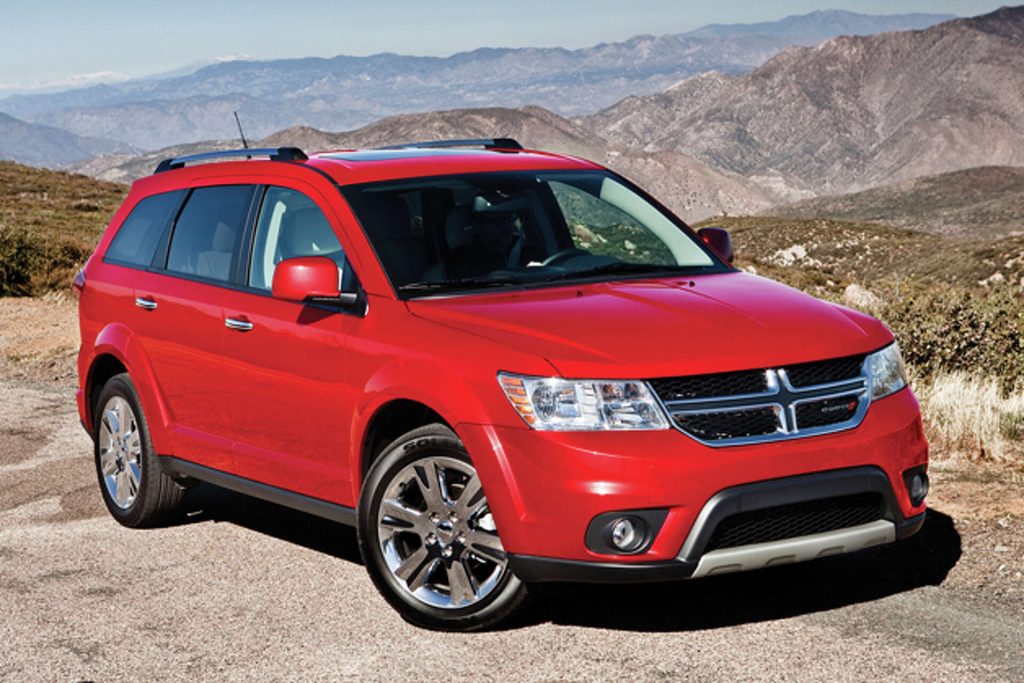
The journey’s biggest issue was that it rarely rewarded owners for the hassle solved. Repairs, aging quality problems, and weak resale value combined into an ownership experience that felt frustrating rather than worthwhile.
While cheap purchase prices attracted many buyers initially, long-term ownership often proved that saving money upfront can become far more expensive once reliability and concerns begin stacking together.
3. Land Rover Range Rover Sport
The Range Rover Sport became extremely tempting in the used SUV market because depreciation hit these vehicles brutally fast.
Buyers could suddenly afford a luxury SUV that once carried a premium price tag, complete with powerful engines, upscale interiors, and impressive road presence. Unfortunately, many owners quickly learned that the low purchase price did not mean low ownership costs.
One of the biggest problems involved the aging Range Rover Sports becoming known for electrical failures, air suspension issues, cooling system problems, and expensive drivetrain repairs. The SUV’s technology felt advanced when new, but long-term durability often failed to match the premium image attached to the brand.
Air suspension systems created especially costly headaches. The smooth ride quality depended on compressors, sensors, and air springs working perfectly together. Once failures began, repair bills climbed rapidly. Many owners fixed one suspension issue only to have another shortly afterwards.
Electrical complexity added another layer of frustration. Infotainment systems, power accessories, warning sensors, and climate controls frequently developed faults as the SUVs aged. Diagnosing the special often required specialized equipment and luxury-level labor rates, making even minor repairs surprisingly expensive.
Cooling system reliability also damaged owner confidence. Water pumps, hoses, and related components sometimes failed without much warning, increasing the risk of overheating and premature aging. Preventive maintenance became extremely important yet still expensive.
The most difficult part of ownership was unpredictability. Owners rarely felt confident that repairs were truly finished because another warning light or mechanical issue appeared soon afterward. That constant uncertainty made long-term ownership stressful.
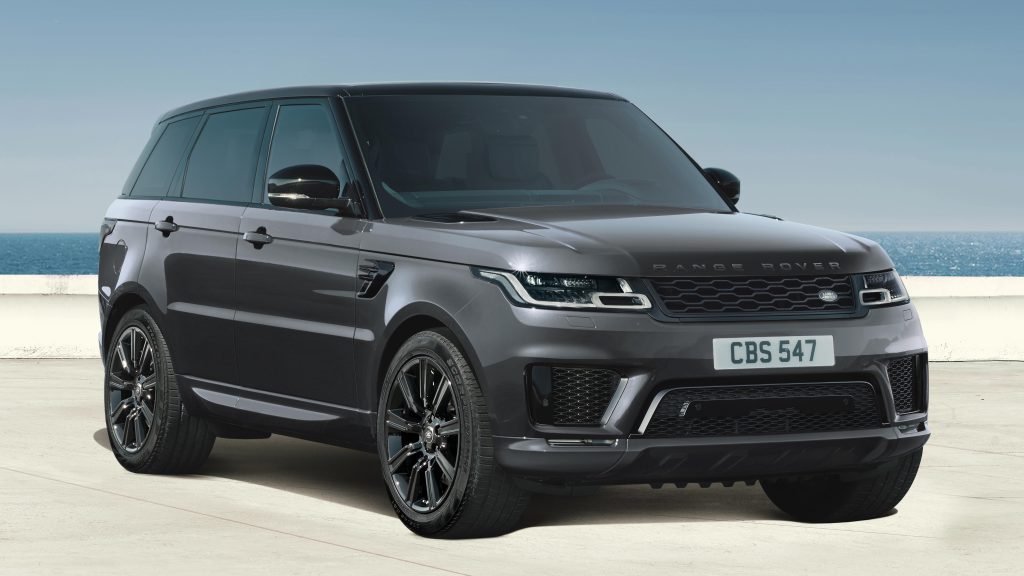
The Range Rover Sport still delivered comfort, strong performance, and undeniable style when functioning correctly. Yet for many used buyers, the experience eventually became financially draining.
The SUV demonstrated how quickly luxury and prestige lose their appeal once repeated repairs begin dominating the ownership experience year after year.
4. Chevrolet Captiva Sport
The Chevrolet Captiva Sport entered the used SUV market as an affordable compact crossover with decent practicality and reasonable passenger space. Many buyers considered it a cheap way to gain SUV versatility without stretching their budgets too far.
Unfortunately, the vehicle developed enough long-term reliability and quality concerns that it rarely felt worth the trouble once age and mileage increased.
One major weakness involved drivetrain durability. Owners frequently reported transmission problems, shifting behavior, and declining engine performance as the SUV aged. Repairs became frustrating because the Captiva never developed a strong reputation for dependable long-term mechanical reliability.
Electrical problems also created recurring annoyance. Power accessories, dashboard warning lights, and interior electronics often develop faults unexpectedly. While some issues were minor individually, the constant appearance of the new owner’s problems damaged the owner’s confidence in the vehicle.
Interior quality aged poorly compared to stronger competitors in the segment. Plastics wore down quickly, trim pieces loosened, and cabin materials often looked tired after only moderate use. The SUV rarely maintained the solid feeling buyers expect from vehicles intended for long-term family transportation.
Another issue was weak resale demand. The Captiva Sport never built a strong enthusiast following or reputation for reliability, so resale values stayed low. Owners investing money into repairs usually struggled to recover those costs later because buyers simply preferred better-known alternatives from Toyota, Honda, or Mazda.
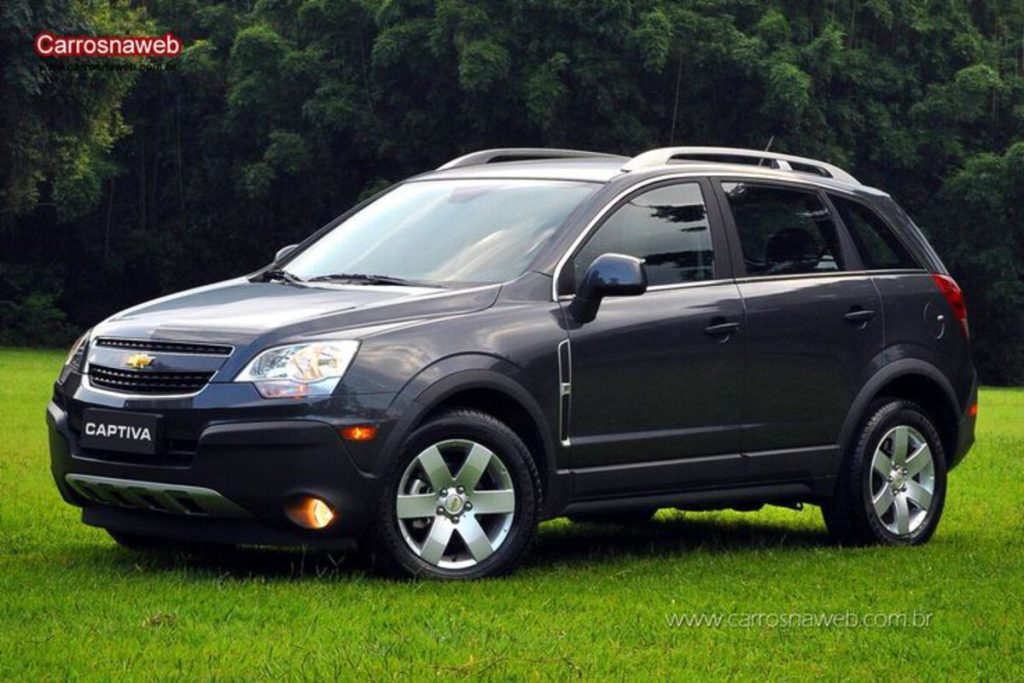
Driving refinement also disappointed many owners. Road noise levels were high, handling felt uninspiring, and the powertrain lacked the smoothness found in rival compact SUVs. Even when functioning properly, the Captiva rarely delivered an ownership experience that justified dealing with repeated repairs and declining quality.
The Captiva Sport was not completely unusable, but it often felt like an SUV buyers settled for rather than one they genuinely enjoyed owning long-term. For many drivers, the hassle simply outweighed the value it provided.
Also Read: 4 SUVs With Genuinely Useful Tow Modes vs 4 Where It’s Just a Dashboard Button
