
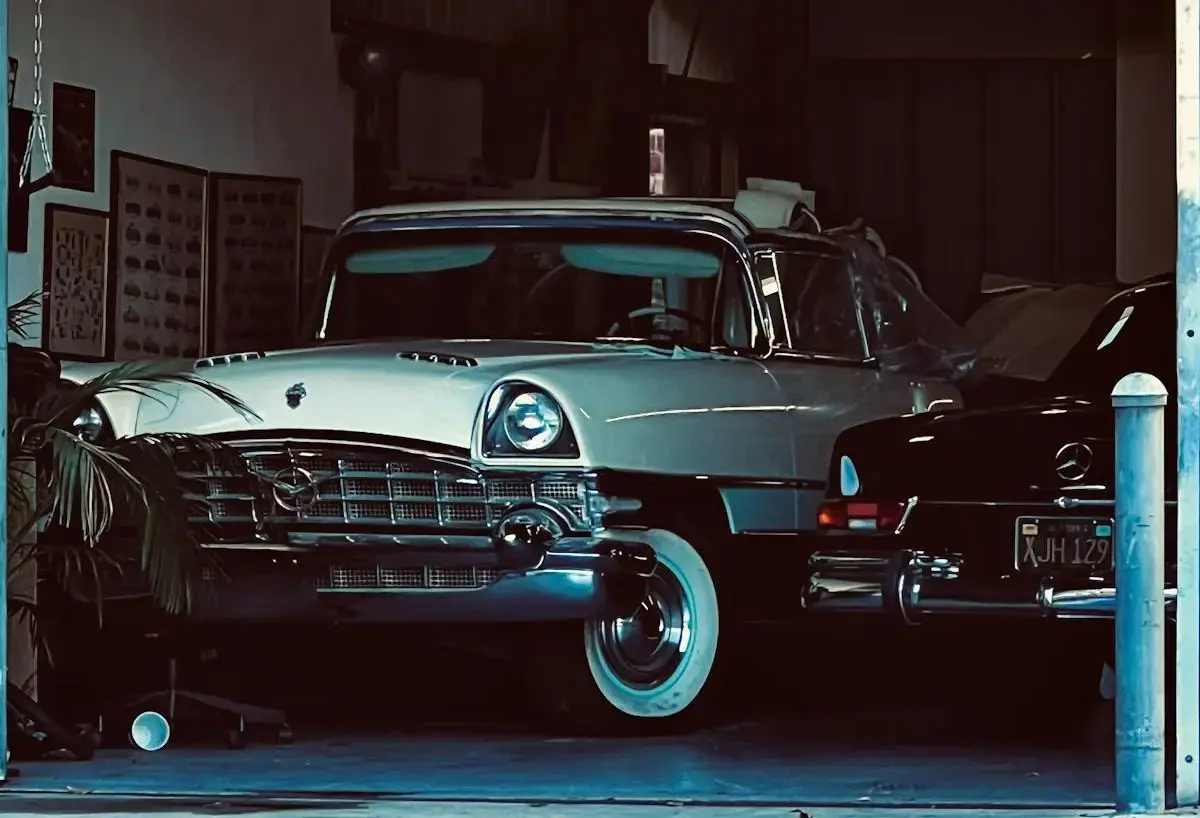
You probably picture a mechanic cruising around in something flashy, right? A brand-new truck, maybe a luxury SUV with all the bells and whistles. After all, who better to keep a modern vehicle running than the person who fixes cars for a living? Turns out, that assumption is almost always wrong.
Walk through any auto shop parking lot across the United States, and you will spot a pattern so consistent it almost feels like a code. The mechanics who spend their days wrenching on other people’s brand-new vehicles very often drive home in something old. Not broken-down old. Not embarrassingly old. Just… deliberately, intentionally old.
A well-worn 1998 Toyota Land Cruiser FJ80. A clean 2003 Ford F-250 Super Duty. A surprisingly peppy 1992 Honda Civic DX. These are the kinds of rides that keep showing up in those back parking spots. And it is not because these professionals cannot afford something newer. It is because they know something most people do not.
Mechanics operate with a level of automotive insider knowledge that the average car buyer simply does not have access to. They see what breaks. They know what costs a fortune to fix. They understand which vehicles are quietly bleeding their owners dry and which ones are stubbornly, brilliantly reliable. Every day, they work with the evidence, and that evidence points them back to older cars every single time.
This page breaks down the ten real reasons mechanics choose older vehicles on purpose. No fluff, no guessing. Just honest, practical insight pulled straight from the mindset of people who actually understand how cars work. Whether you are thinking about your next purchase or just curious why the guy who just fixed your transmission is driving a 20-year-old pickup, you are about to get the full picture. Read on.
1. Mechanics Know Exactly What They Are Getting Into With Older Cars
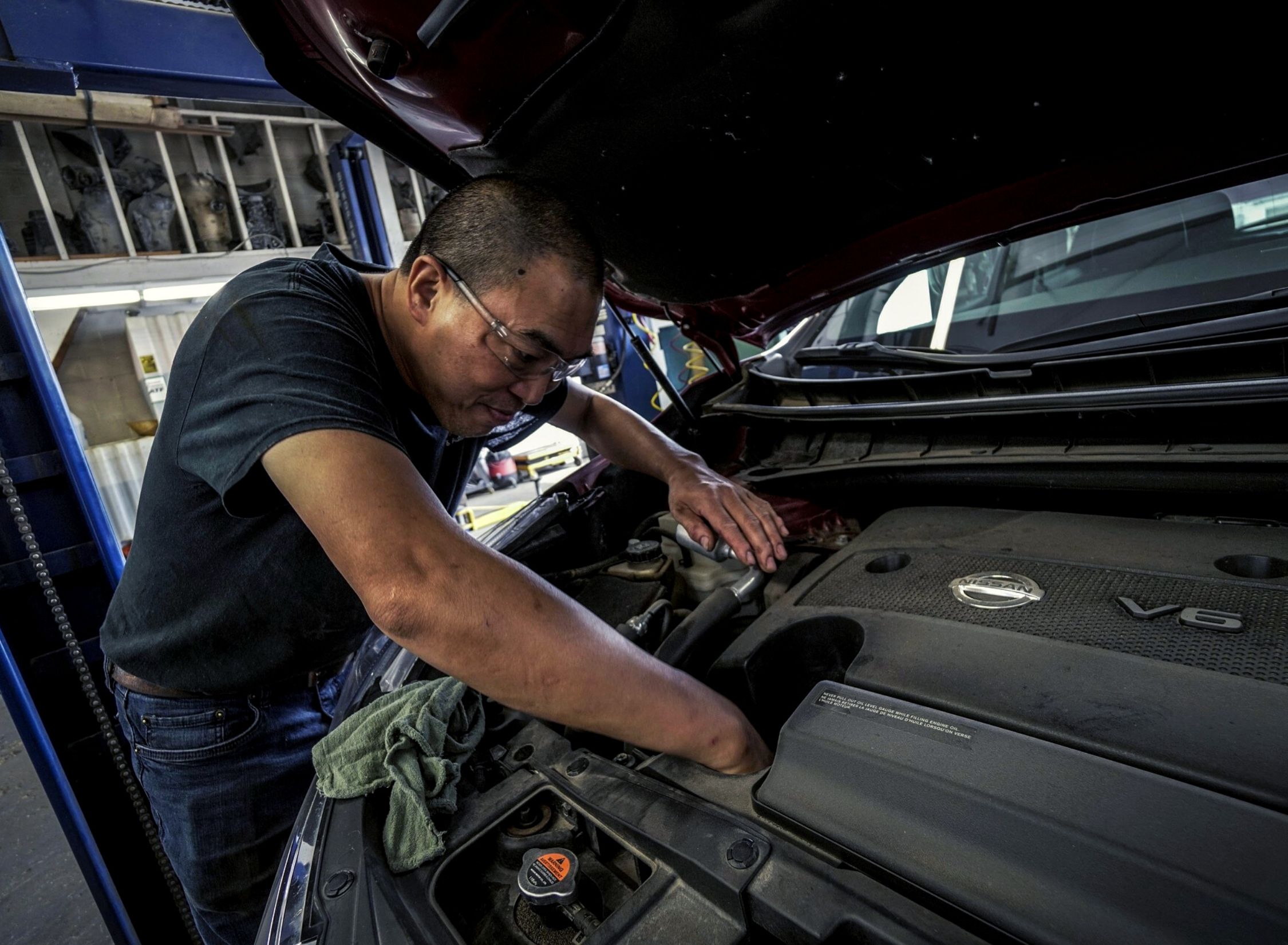
Ask any experienced mechanic what the worst part of working on a modern vehicle is, and most of them will tell you the same thing without hesitating: the computer systems. Today’s cars are packed with electronic control modules, proprietary software, and sensors that communicate in layers most independent shops cannot even decode without expensive diagnostic subscriptions.
That is not a complaint so much as a fact of life in 2024. But it is also one of the clearest reasons mechanics tend to drive older, simpler machines. Take the 1995 Chevrolet K1500 Silverado as a great example. That truck has a straightforward throttle body fuel injection system, a simple transfer case, and an engine that most mechanics can rebuild from memory.
There is no lane-keep assist module to reprogram, no 48-volt mild hybrid system to isolate, and no over-the-air software update that could quietly change how the brakes respond. What you see is what you get, and what you get is something a trained mechanic can fix in a driveway on a Saturday afternoon.
Predictability is worth more than people realize. When a mechanic buys an older vehicle they already know well, they are not gambling. They already understand the weak points, the common failure patterns, and the exact cost of every repair that vehicle might need over the next five years.
That information removes anxiety from ownership entirely. No surprises are waiting inside a 1994 Jeep Grand Cherokee ZJ that a seasoned technician has not already seen a dozen times on the lift. Beyond the mechanical simplicity, older vehicles often use parts that are interchangeable across model years.
A mechanic can pull from a wider pool of donor vehicles at salvage yards, use generic aftermarket parts without sacrificing quality, and avoid the dealership entirely. That kind of flexibility is something new-car owners rarely experience, especially when a modern vehicle requires OEM-specific components that cost three times more than they should.
There is also a confidence factor. Mechanics are not buying old cars because they are cheap or careless. They are buying them because they have the skill to keep them running indefinitely. That is a completely different relationship with a vehicle than most people have.
Owning a 1996 BMW E36 328i when you are a certified master technician means you are driving a car that will never catch you off guard. You already know every noise it makes and exactly what that noise means.
2. Repair Costs on Older Vehicles Are a Fraction of What New Cars Demand
Pull up the parts cost on a 2023 vehicle and then compare it to the same part on a 2002 version of a similar vehicle. The difference is not subtle. It is staggering. Mechanics see this every single day at the parts counter, and it does not escape their notice when they are making personal vehicle decisions.
Picture a 2002 Toyota Tacoma PreRunner with 180,000 miles. The parts for that truck are everywhere. Brake pads, rotors, water pumps, alternators, and even timing components are available from dozens of manufacturers at competitive prices. A mechanic can source quality parts for that vehicle without spending more than the repair is worth.
That same mechanic working on a 2022 version of the same truck will face OEM-spec requirements, higher labor times due to added complications, and parts prices that have multiplied several times over. Labor cost matters even when you are the one providing the labor.
Mechanics still value their time. If a job takes twice as long because the engine bay is stuffed with extra modules, brackets, and wiring harnesses, that represents real lost time, even if no invoice is being written. Older vehicles tend to be far more accessible under the hood. There is room to work, room to think, and room to get a wrench on the thing you actually need to reach.
Insurance costs also factor into this picture. Older vehicles without loan requirements can often be carried with liability-only coverage, dropping monthly costs. A mechanic driving a paid-off 1999 Pontiac Grand Prix GTP is not writing a check to a lender every month, not paying collision premiums on a depreciated asset, and not worrying about gap insurance. The financial breathing room that is created is real and substantial.
Parts availability for older, popular platforms is another reason the math works in favor of used vehicles. A mechanic who owns a 1997 Honda Accord EX is sitting on one of the most parts-saturated platforms in automotive history. Every auto parts store in the country stocks that stuff.
Online retailers carry it. Junkyards are full of it. That accessibility translates to faster repairs, lower costs, and zero dependency on a single dealership that may or may not have the part you need in stock. Put all of that together, and the financial argument for older vehicles becomes almost impossible to argue against. Mechanics are not just good at fixing cars. They are good at calculating the true cost of owning them.
Also Read: 8 Maintenance Items Your Manual Recommends That Mechanics Skip

3. Depreciation Is the Invisible Tax New Car Buyers Pay and Mechanics Refuse To
There is a reason experienced mechanics rarely flinch when someone drives a shiny new car into the shop. They are not jealous. They are calculating. That brand-new 2024 Ford Explorer ST sitting in the bay just lost several thousand dollars in value the moment it left the dealership lot.
By the time it hits three years old, the owner will have absorbed a depreciation hit that most people never stop to properly account for. Mechanics understand depreciation not as a theory but as something they observe in the real world constantly.
Customers trade in vehicles they financed two years ago and still owe more than the car is worth. That is called being underwater, and it is incredibly common among buyers who prioritize newness over value. A mechanic watching that transaction play out at a dealership across the street is making mental notes.
The sweet spot mechanics tend to target is the three-to-seven-year-old range, where depreciation has already done most of its damage and reliability has been proven in the real world. A 2017 Subaru Outback 3.6R Limited, for instance, has already shed a large chunk of its original sticker price. But mechanically, it is nowhere near worn out. A mechanic buying that vehicle gets proven reliability, modern enough comfort features, and a price that reflects reality rather than showroom excitement.
Going even older, the depreciation advantage becomes more dramatic. A 2001 Lexus LS 430 purchased today costs a fraction of what it sold for new, yet it was engineered with the kind of long-term durability that very few modern luxury vehicles can honestly claim.
Mechanics know the service history on these platforms, understand what to look for when inspecting one, and can purchase with confidence because their expertise removes the risk that typically comes with buying an older used vehicle. Refusing to pay the depreciation tax is not about being cheap. It is about being rational.
When you understand what a vehicle is actually worth at each stage of its life, you stop spending money on the privilege of having something no one else has driven yet. Mechanics bought into that logic a long time ago, and their bank accounts tend to reflect it.
4. Parts Availability and Aftermarket Support Make Older Cars Easier To Own Long Term
Here is something most car shoppers never think about when standing on a dealership lot: what happens when a part fails ten years from now? For a popular older vehicle, the answer is easy. For a modern vehicle with proprietary components, the answer can get complicated and expensive very quickly.
Mechanics think about the full lifecycle of a vehicle before they commit to owning one. That is a habit developed by watching customers struggle with parts that are backordered for weeks, discontinued entirely, or available only through a single dealer at an absurd markup. When it is their own vehicle, mechanics choose platforms where that scenario is almost impossible.
The 2000 Dodge Ram 2500 Cummins is a textbook example of this principle. That diesel engine has one of the most robust aftermarket support networks in truck history. Lift pumps, injectors, turbochargers, and everything in between are available from multiple suppliers at competitive prices. The community of people who own and maintain that platform is enormous, and the collective knowledge base is freely available across dozens of forums and YouTube channels. Owning that truck as a mechanic feels like having an entire support team behind you.
Compare that experience to owning a 2021 luxury crossover with a proprietary dual-clutch transmission that requires dealer-specific software and fluid specifications. When something goes wrong with that transmission, the options narrow immediately. The dealership is essentially the only place you can go, and the dealership knows it. Mechanics have seen that dynamic play out too many times to voluntarily put themselves in that position.
Even for vehicles that are not famous diesel workhorses, strong aftermarket support makes ownership genuinely less stressful. A mechanic who drives a 1993 Mazda RX-7 FD knows that rotary-specific parts, rebuild kits, and performance components are available from specialists around the country. That car is 30 years old, and the support network is still very much alive. Passion communities keep these platforms viable long after the manufacturer has moved on.
Long-term ownership is the goal, not just initial purchase satisfaction. Mechanics plan for the five-year, ten-year, and sometimes twenty-year versions of a vehicle relationship. Older cars on well-supported platforms make that kind of long game not just possible but practical.
5. Mechanics Understand That Simplicity Wins Every Time a Repair Is Needed
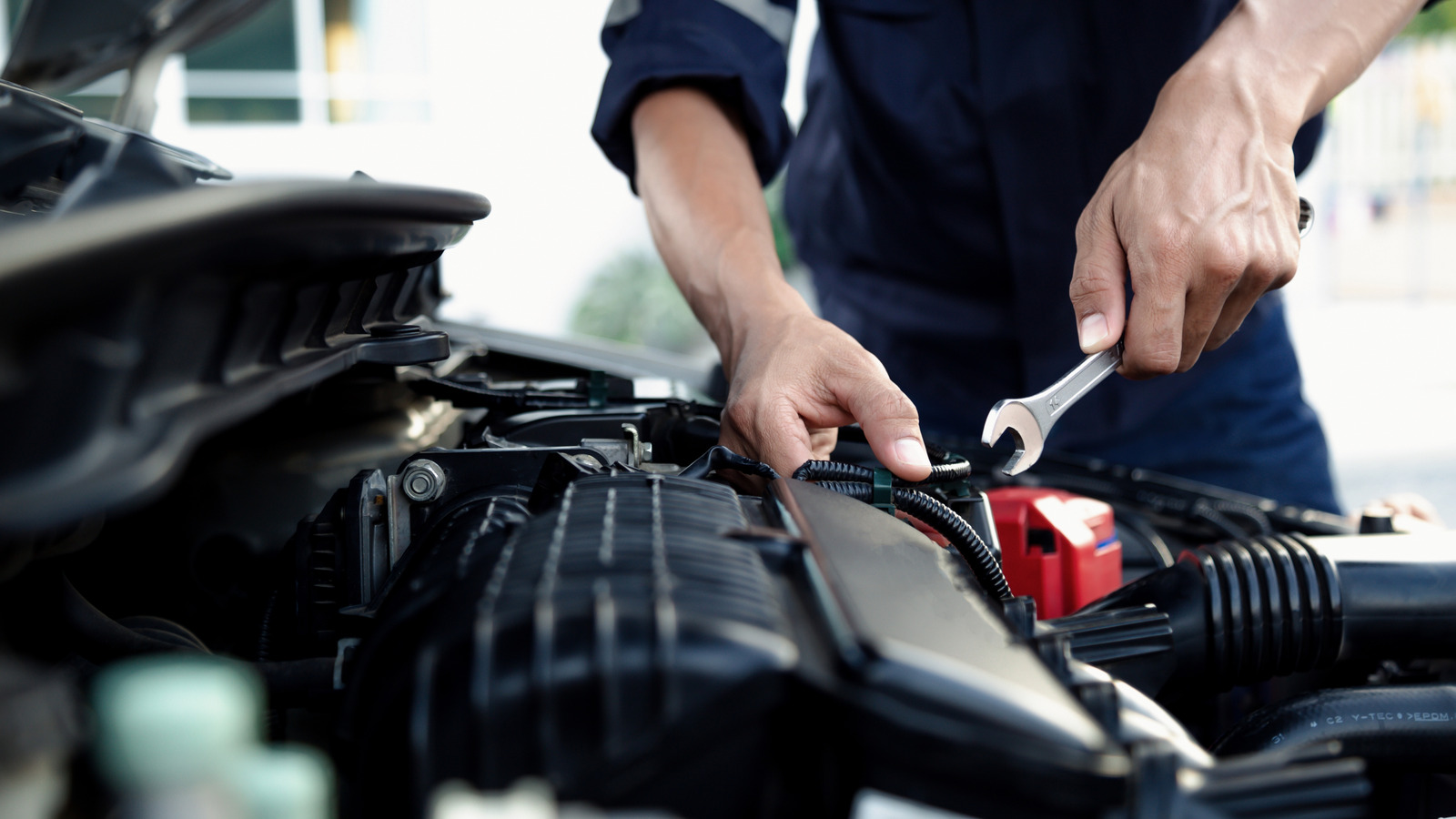
Walk into almost any independent auto shop and ask the mechanics which vehicles they dread seeing come through the door. After a few laughs, you will get a consistent list. Vehicles with integrated touchscreens that control the HVAC. Trucks with air suspension systems that require specialized bleeding equipment. SUVs where the battery is located under the rear seat and removing it takes 45 minutes. Complication is the enemy of reliability, and mechanics live by that truth.
When those same mechanics go home, they drive vehicles built before automotive engineers decided that every possible feature needed to be electronic, integrated, and touchscreen-controlled. A 1998 Volvo V70 XC has manual climate controls. They break far less often, and when they do break, anyone who can use a screwdriver can fix them. That is not nostalgia. That is practical engineering appreciation.
Simple vehicles are also faster and cheaper to diagnose. A mechanic with a multimeter and a factory service manual can solve most problems on an older vehicle without any scan tool at all. The same problem on a modern vehicle might require three different software subscriptions, a dealer-level scan tool, and a phone call to a technical hotline. Time spent diagnosing is time not spent fixing, and mechanics value efficiency at every stage.
The 1989 Toyota Pickup 4×4 with a 22RE engine is practically a legend in this category. That engine is simple, tough, and brutally reliable. There are no variable valve timing solenoids to gum up. No direct injection carbon buildup to clean. No turbocharged system to maintain. It starts, it runs, it stops, and it does those three things consistently for a very, very long time. Mechanics who own them often joke that the hardest part of maintaining those trucks is finding something to actually fix.
Electrical gremlins are the number one complaint mechanics hear from customers with modern vehicles. Phantom warning lights, sensors that fail without warning, and infotainment systems that freeze and require rebooting like a laptop. Older vehicles have electrical systems that are comparatively straightforward. When a wire fails on a 1995 GMC Suburban K1500, you find the wire, you fix the wire, and you move on. There is no network of modules to reconfigure afterward.

6. Financial Freedom Comes Standard When Your Car Has No Monthly Payment
Picture two mechanics working side by side at the same shop, earning identical wages. One drives a 2024 Ram 1500 Limited with a $750 monthly payment. The other drives a paid-off 2004 Toyota Tundra SR5 Access Cab that cost $8,000 cash. After five years, the payment mechanic has sent $45,000 to a lender, not counting interest. The other mechanic has spent perhaps $4,000 on parts and repairs total and still owns the truck outright. That gap is life-changing money.
Mechanics are not immune to the appeal of new vehicles. They appreciate quality engineering as much as anyone. But they also process every vehicle through a financial lens sharpened by years of watching people make expensive mistakes at the service counter.
Customers financing cars they cannot truly afford, rolling negative equity into new loans, and carrying insurance costs that consume a portion of their income are common sights. Mechanics absorb all of that and make different choices. No monthly payment also means a very different relationship with risk.
A mechanic who loses a job, faces a medical expense, or wants to take time off is not immediately threatened by a repossession. The vehicle is owned. It is an asset, however modest, not a liability sitting on a lender’s books. That kind of financial stability changes what is possible in life, and mechanics who have experienced it rarely go back to the payment model voluntarily.
The insurance angle adds another layer to the calculation. A 2005 Honda Pilot EX-L driven by someone who owns it free and clear can be insured with a basic liability policy in most states. That can represent hundreds of dollars in monthly savings compared to the full-coverage requirement that comes attached to any financed vehicle. Multiplied across years of ownership, the difference in total cost is enormous.
7. Rust, Dents, and Scratches Stop Being Stressful When Your Car Is Already Lived-In
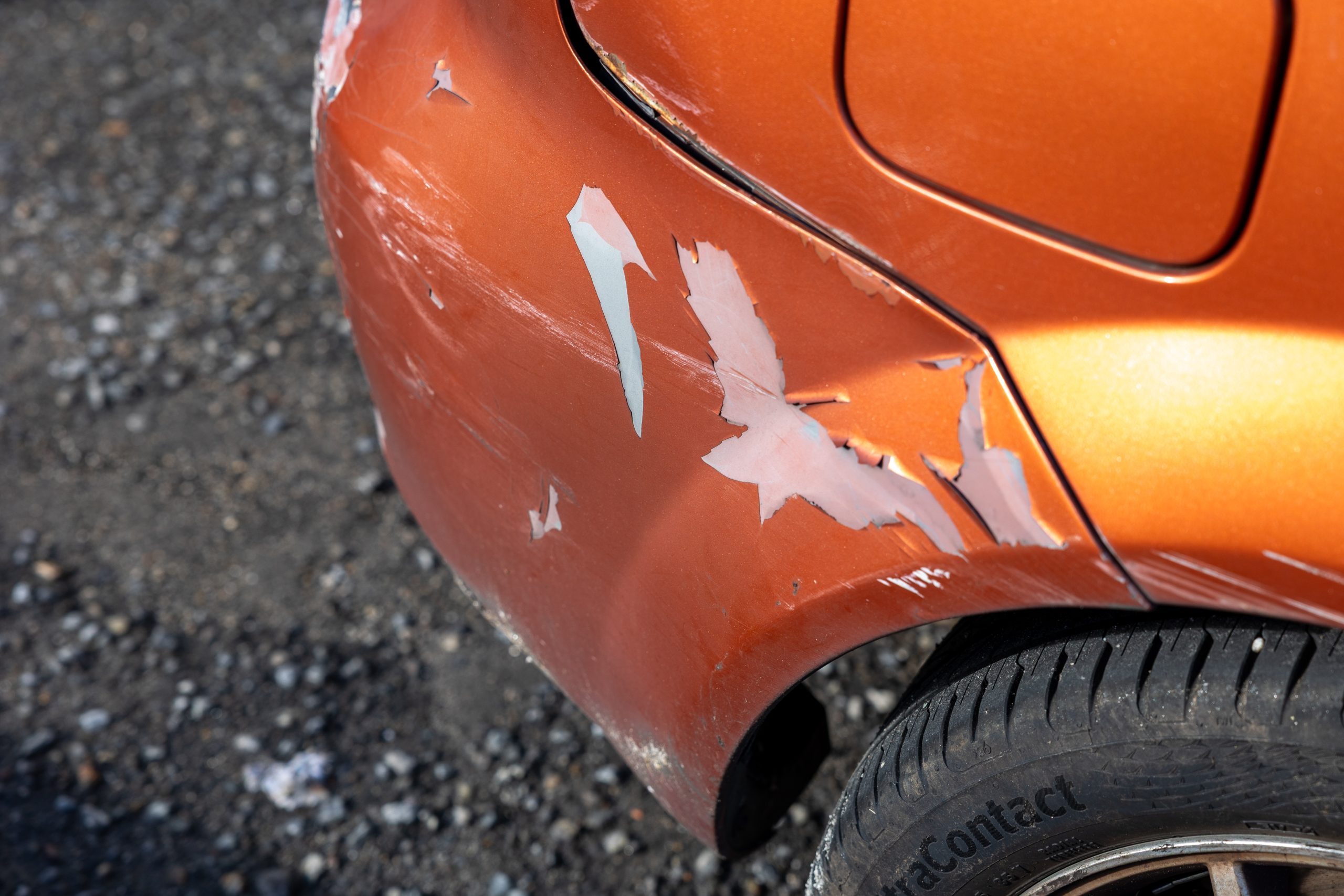
There is a specific kind of anxiety that comes with owning something new. A freshly bought 2024 Chevrolet Colorado Trail Boss sitting in a parking lot at the grocery store becomes a source of stress every time a cart comes near it. Every door ding is a minor tragedy. Every scratch on the bedliner sends the owner digging for touch-up paint. That psychological burden is real, and it costs something even if it cannot be measured in dollars.
Mechanics who drive older vehicles have largely escaped that trap. A 2001 Ford Ranger XL with 210,000 miles on it and a small ding in the passenger door does not cause its owner a moment of anxiety in any parking lot on earth. It already looks like a truck that has been used. Because it has been. That freedom is genuinely underrated.
There is a practical side to this as well. When a vehicle is no longer precious, it can be used for its actual purpose without hesitation. A mechanic can toss tools in the back without worrying. They can haul mulch, carry lumber, or load up equipment without laying down a protective liner first. The vehicle works as a vehicle, not as a showpiece. That utility matters to people who actually need their transportation to do things.
The psychological move that happens when you own something with modest resale value is subtle but powerful. Decisions become practical instead of emotional. When the 2001 Ford Ranger XL needs a repair, the choice is simple: fix it, because it is useful.
When a new vehicle needs a repair, the emotional calculation gets tangled up with resale value, warranty concerns, and dealer relationships. Older vehicles simplify everything. A mechanic who drives a 1997 Jeep Wrangler TJ Sport to work every day is not worried about the parking lot.
They are thinking about where they want to take it on the weekend. That mental move from protecting an asset to using one is something mechanics tend to achieve naturally as a byproduct of their relationship with vehicles. It is a genuinely better way to live with a car.
8. Fuel Efficiency Is Not the Only Metric That Determines a Vehicle’s Real Cost
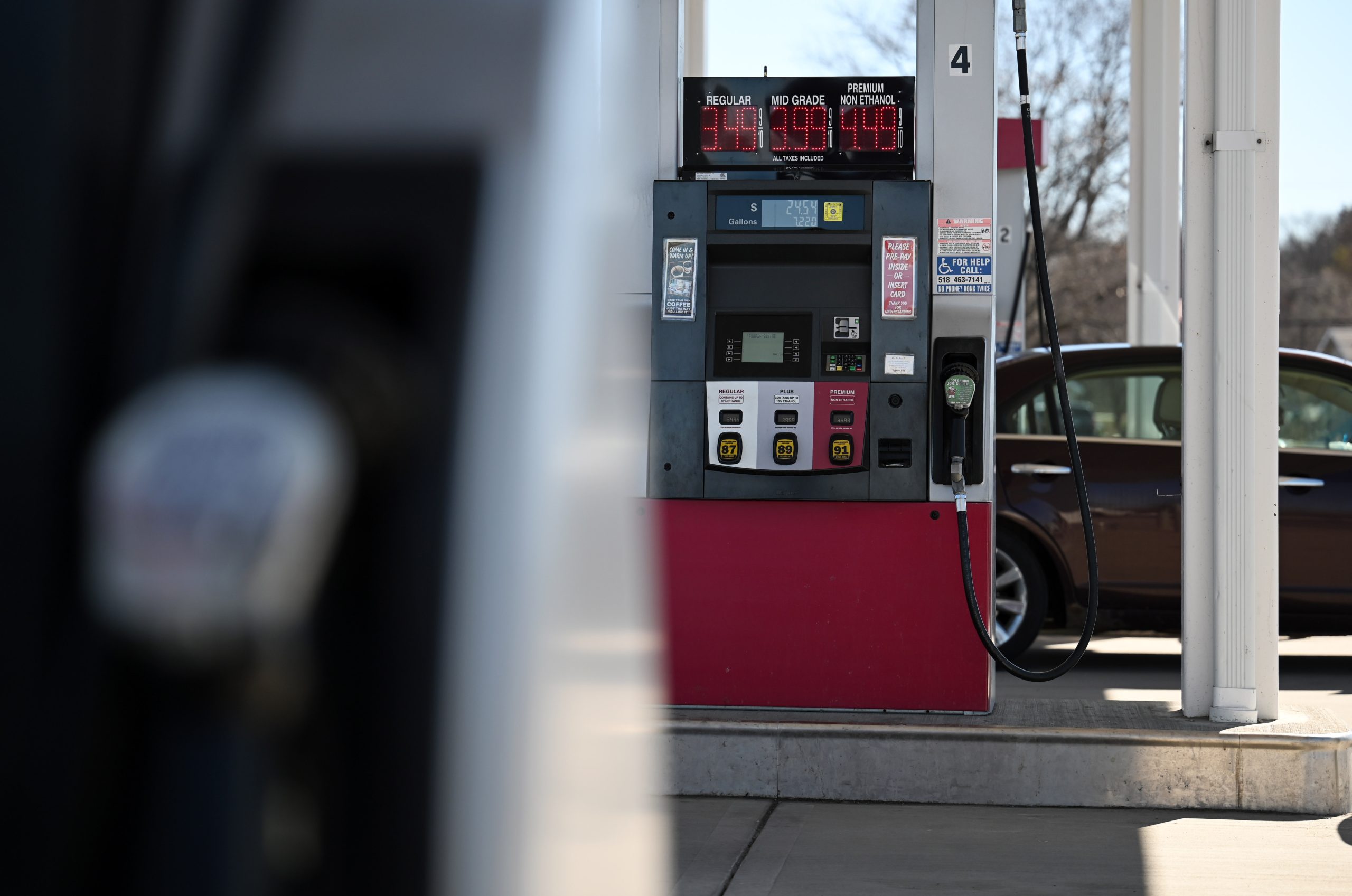
Modern advertising has done an excellent job convincing car buyers that fuel economy is the most important number associated with vehicle ownership. And yes, fuel costs matter. But mechanics look at the total cost of ownership picture, and when that full picture comes into view, fuel efficiency alone rarely determines which vehicle makes the most financial sense.
A 2023 hybrid crossover might get 38 miles per gallon. Impressive. But when the hybrid battery pack reaches the end of life, replacement can cost between $4,000 and $10,000, depending on the vehicle. That bill arrives right around the time the car starts looking financially attractive to a used-car buyer, typically between eight and twelve years into the vehicle’s life. Mechanics know this because they are the ones quoting those jobs at the counter.
A 2006 Lexus GS 300 getting 21 miles per gallon, by comparison, has a naturally aspirated inline-six engine with an exceptional reliability record and no hybrid components to fail. The fuel cost difference over 15,000 miles per year is real but not always as dramatic as the numbers suggest once you factor in the total cost of the newer vehicle’s technology-related repairs.
Mechanics also tend to do their own oil changes, brake jobs, and fluid services, which eliminates one of the ongoing costs that makes vehicle ownership expensive for the average driver. When you do your own maintenance, the fuel efficiency gap between an older and newer vehicle narrows even further because you are saving on the service side of the ledger simultaneously.
A 2003 Toyota 4Runner SR5 V6 is not going to win any fuel economy awards. But a mechanic who bought one for $9,000 cash, maintains it personally, and drives it for ten years has spent dramatically less than someone cycling through new vehicles every three to five years with financing each time. The math is not complicated. It just requires looking at the whole picture.
9. Older Cars Can Be Personalized and Modified Without Voiding Warranties or Fighting Software
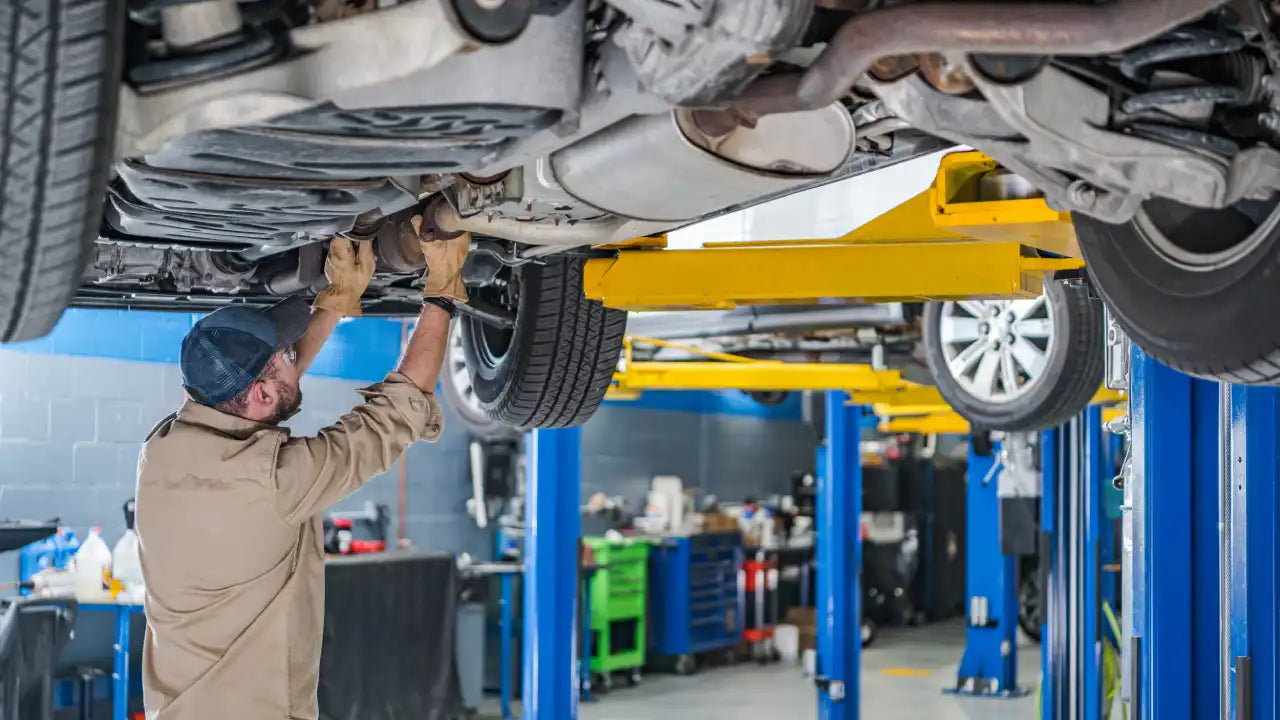
One of the quieter joys of owning an older vehicle is the freedom to make it exactly what you want without asking anyone’s permission. Mechanics, by nature, are people who understand vehicles deeply enough to improve them. That skill becomes a genuine pleasure when the vehicle they are working on belongs to them.
A 2002 Chevrolet Silverado 2500HD LT with a Duramax diesel engine is an incredible platform for someone who knows how to use it. Aftermarket tuning, upgraded injectors, larger turbochargers, and performance exhaust systems are all well-documented, well-supported modifications that can meaningfully improve the truck’s capability.
A mechanic making those changes is doing so on a vehicle they fully own and fully understand, with no warranty language to worry about and no proprietary software locking out their diagnostic tools. Modern vehicles increasingly resist modification. Manufacturer software controls everything from throttle response to rev limiters, and many of those parameters are deliberately locked.
Some manufacturers have moved aggressively against third-party tuning, citing emissions regulations and warranty concerns. For a mechanic who enjoys building and improving, that resistance is profoundly frustrating. It is like being handed ingredients and told you cannot add seasoning.
The culture around older platforms also makes modification more rewarding. A mechanic working on a 1994 Mazda Miata MX-5 is part of a community with decades of collective knowledge. Suspension setups, engine swaps, brake upgrades, and aero components have all been tested, documented, and refined by enthusiasts who have shared their findings openly. Getting help, finding parts, and learning from others is effortless within these communities.
Also Read: 10 Cars Mechanics Often Advise Against for Their Own Families
10. Experience Has Taught Mechanics That Reliability and Age Are Not the Same Thing
The single most persistent myth in car ownership is that newer automatically means more reliable. Dealerships count on that belief. Lenders depend on it. Advertising reinforces it constantly. But mechanics, who spend their working hours confronted with the reality of what breaks and why, have long since stopped believing it.
Reliability is a function of engineering quality, maintenance history, and design philosophy, not model year. A poorly maintained 2020 vehicle is far less reliable than a well-maintained 1999 vehicle with solid bones. Mechanics understand this because they diagnose and repair vehicles from every decade, and the pattern is consistent: good engineering maintained properly outlasts mediocre engineering regardless of how new it is.
The 1999 Acura TL 3.2 is a perfect illustration. That car was built with Honda’s legendary attention to detail during a period when reliability was the primary engineering focus rather than feature differentiation. Properly maintained examples are still running daily across the country with minimal drama. A mechanic who buys one and keeps up with fluid changes and timing belt intervals is investing in a vehicle that will not fail them.
Newer vehicles also carry risks that are not always obvious at the point of sale. Software issues, newly introduced reliability problems, and engineering changes that have not yet been field-tested can affect a model for years before the manufacturer acknowledges and addresses them. Older vehicles have already been through that gauntlet. Their problems are known quantities. Mechanics prefer known quantities over promises.
Driving an older car is not a statement about what you cannot afford. For a mechanic, it is a statement about what they know. They have seen too many expensive modern vehicles sitting in the shop for too long to believe that new equals trouble-free. They trust what they can verify, fix what they understand, and drive what makes sense for their life. That is not nostalgia. That is wisdom earned one repair at a time.
