
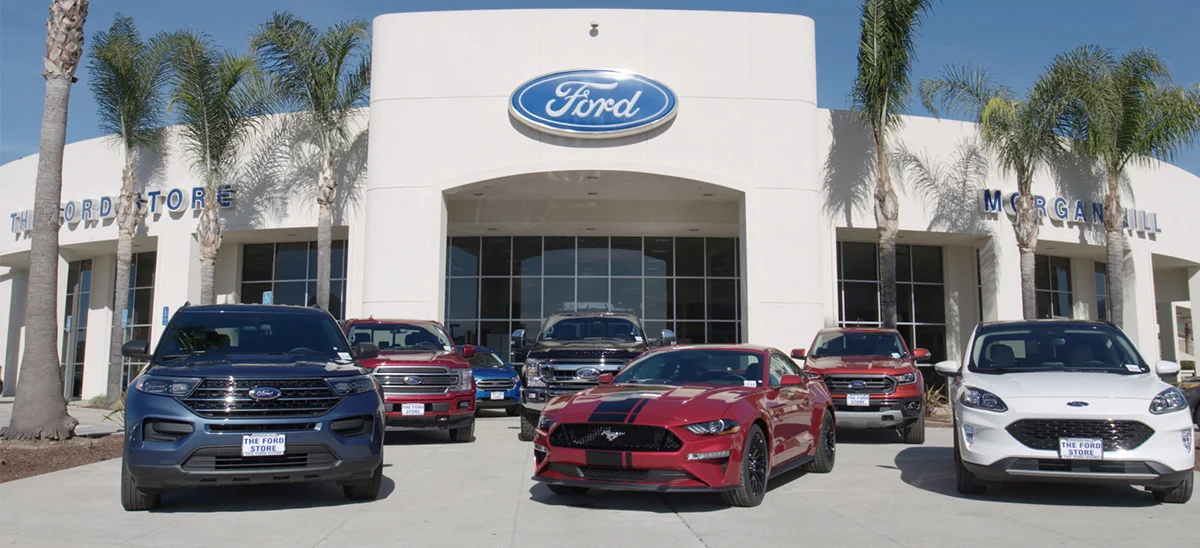
Ford’s situation in 2026 appears especially concerning. At the time of writing, the NHTSA website lists 34 recalls for Ford this year alone, nearly three times more than any other automaker. By comparison, General Motors, Chrysler, and Toyota each have 12 recalls, while Hyundai has 10 and Volkswagen has nine.
After setting an unfortunate record with 153 recalls in 2025, almost double GM’s previous high of 77 recalls recorded since 2014, many expected Ford’s performance to improve in 2026. Instead, the problem may be getting worse.
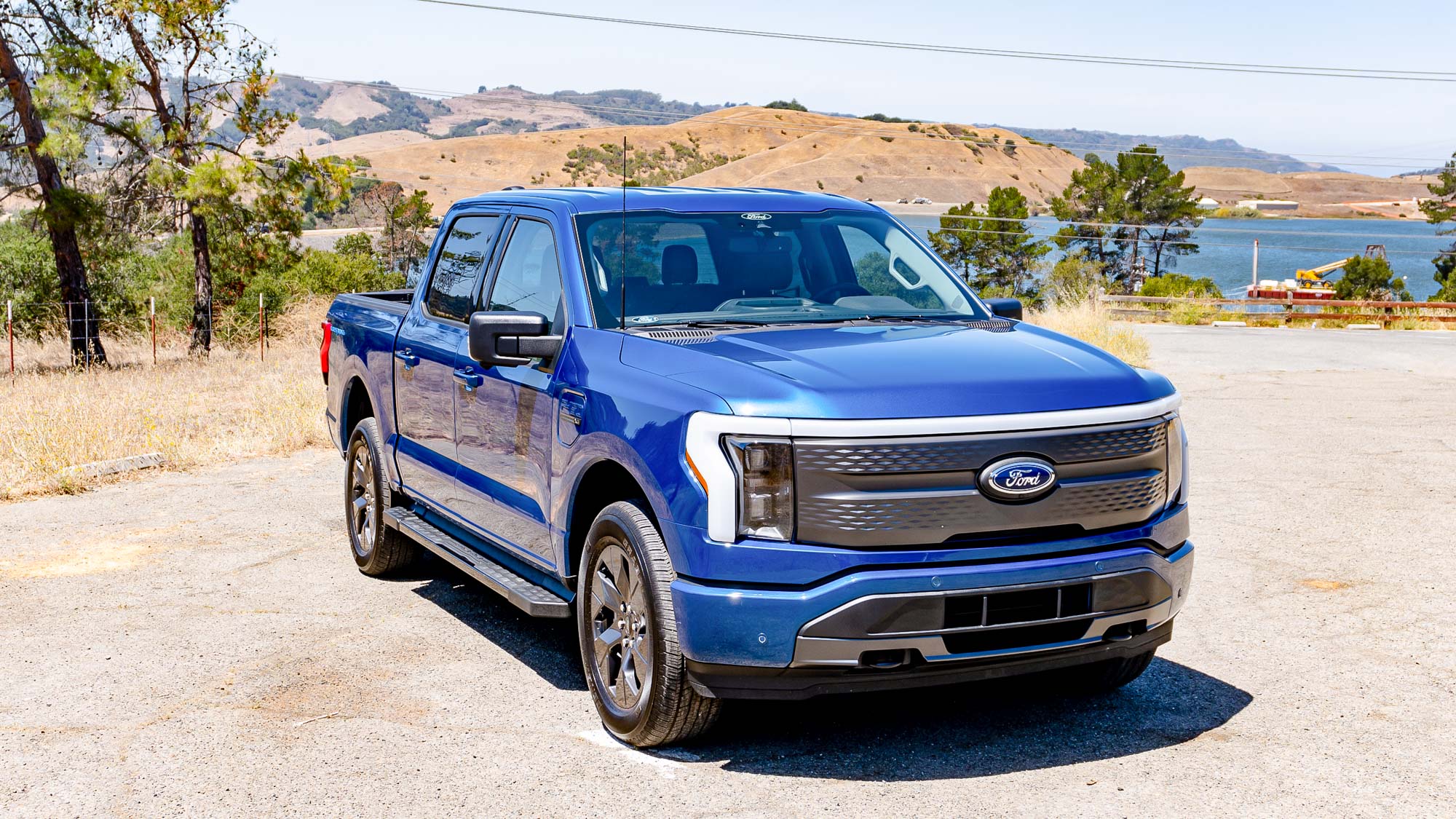
Ford Has Already Recalled Nearly 10 Million Vehicles in 2026
Last year, Ford recalls affected close to 13 million vehicles overall. However, according to a recent Motor1 analysis, the automaker is already approaching that figure in 2026. Its 34 recalls so far have impacted approximately 9,812,890 vehicles, even though the year is only a little over one-third complete.
The largest recall to date involves 4.3 million pickup trucks and SUVs due to a software malfunction that could disable trailer brakes and exterior lighting. Although the issue can be fixed through an over-the-air software update, it still raises concerns that such a large number of vehicles could fail to meet Federal Motor Vehicle Safety Standards. Several other recalls have involved more serious mechanical concerns.
Also Read: 10 Cars With Insurance Premiums Lower Than a Compact Sedan
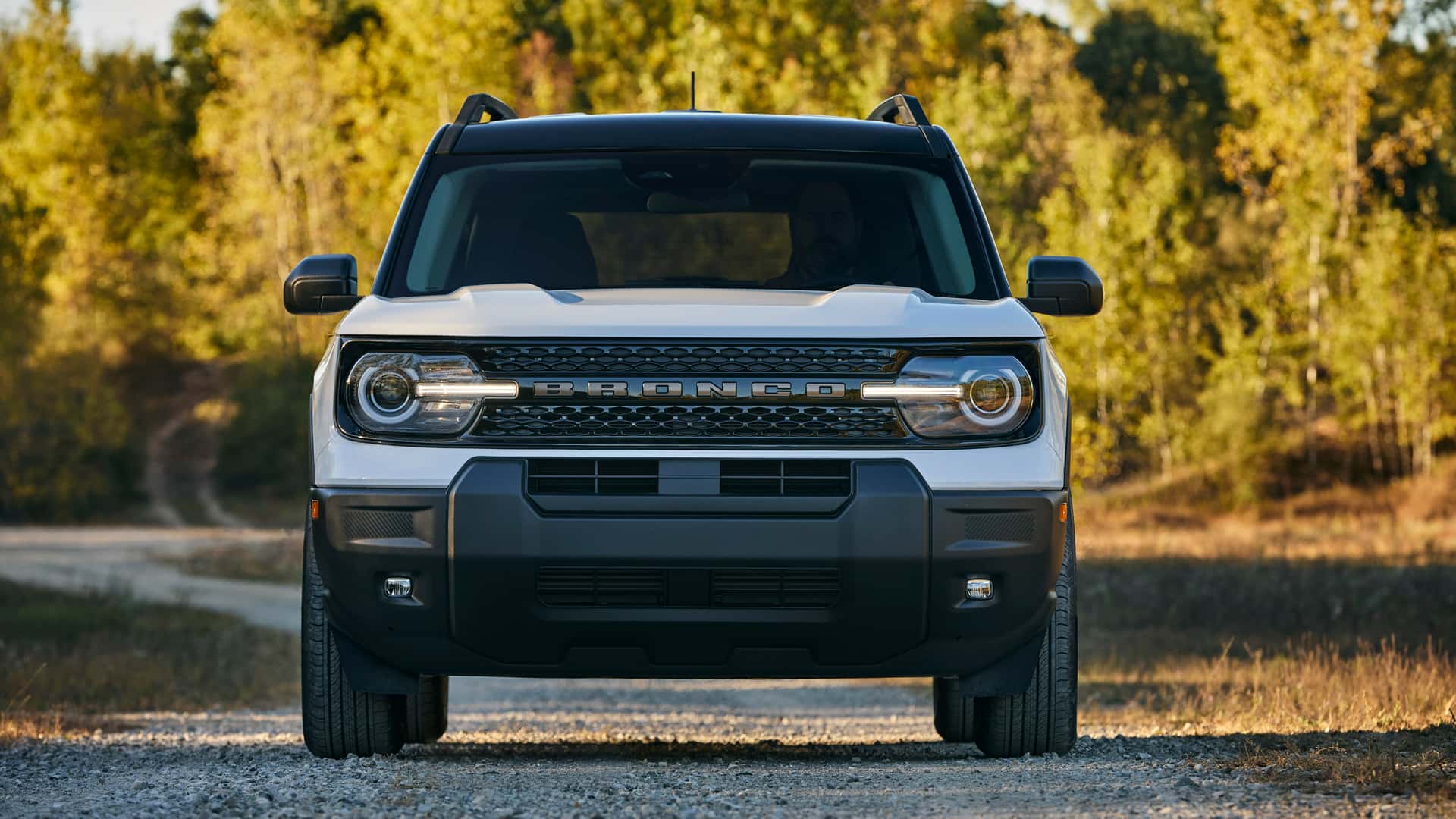
Last week, Ford recalled around 180,000 Bronco and Ranger models because of loose bolts in the front seat height-adjustment pivot links. Earlier in March, thousands of Super Duty trucks were recalled over defective high-pressure fuel pumps.
More recently, the company issued a recall covering roughly 422,613 pickups and SUVs because of faulty windshield wiper arms. In addition, the Bronco Sport and Maverick were recalled last month over airbag-related defects.
Ford Maintains Recalls Reflect a Focus on Quality
Despite the growing attention surrounding these issues, Ford argues that the recalls demonstrate a stronger commitment to improving quality and safety. The automaker says it has more than doubled the size of its safety and technical teams over the past two years while introducing stricter testing procedures designed to detect problems before vehicles reach customers.
Ford also claims it has adopted a more proactive strategy by issuing recalls earlier rather than waiting for widespread failures to emerge in real-world use. In addition, the company says it is working to streamline repairs so more issues can be resolved on the same day.
Back in 2022, Ford CEO Jim Farley told engineers that improving quality was the company’s top priority, although he admitted meaningful results would take years to appear. A few years later, Farley stated in late 2025 that Ford’s powertrain durability had become “competitive with Toyota.” Even so, judging by the pace of recalls in 2026, the automaker still appears to face major quality-control challenges.
