
Toyota has built one of the strongest reputations in the automotive world by consistently producing vehicles known for reliability, fuel efficiency, resale value, and low ownership costs. For decades, the Japanese automaker has dominated global markets with cars, trucks, and SUVs that appeal to nearly every kind of driver.
Whether someone wants a dependable commuter sedan, a rugged pickup truck, a family SUV, or a hybrid designed to save money at the pump, Toyota usually has an option that fits the need.
However, not every Toyota model has been a home run. Even companies with excellent track records occasionally release vehicles that suffer from poor reliability, outdated engineering, weak performance, uncomfortable interiors, or costly maintenance problems. That is why researching specific models before purchasing is extremely important.
Buying the right Toyota can provide years of stress-free ownership and strong resale value. Many Toyota vehicles easily surpass 200,000 miles with routine maintenance, making them ideal choices for budget-conscious buyers and long-term owners. Some models have become legendary because of their durability and practicality.
Vehicles like the Camry, Corolla, Tacoma, and Prius are frequently praised for their dependability and low operating costs. These models continue to dominate used car markets because buyers trust them. Toyota has also succeeded in hybrid technology, offering efficient vehicles that often outperform competitors in longevity and fuel economy.
On the other hand, some Toyota models failed to meet expectations due to design flaws, transmission issues, oil consumption problems, poor ride quality, or simply being overpriced for what they offered. Certain vehicles developed reputations for expensive repairs or disappointing reliability ratings despite carrying the Toyota badge.
In some cases, specific model years became notorious for recurring mechanical failures that frustrated owners and damaged customer confidence. While these vehicles may still appeal to certain buyers, they are generally considered riskier purchases compared to Toyota’s best offerings.
This article explores five Toyota models that are widely considered worth buying because of their performance, reliability, comfort, resale value, and ownership satisfaction. It also examines five Toyota models that buyers should approach cautiously or avoid altogether due to common issues or poor long-term value.
Each section explains the strengths or weaknesses of the vehicle in detail so buyers can make informed decisions. Whether you are shopping for a new vehicle or a used Toyota, understanding which models stand out and which ones disappoint can save you significant time, money, and frustration in the long run.
Also Read: 10 Cars With Insurance Premiums Lower Than a Compact Sedan
5 Toyota Models Worth Buying
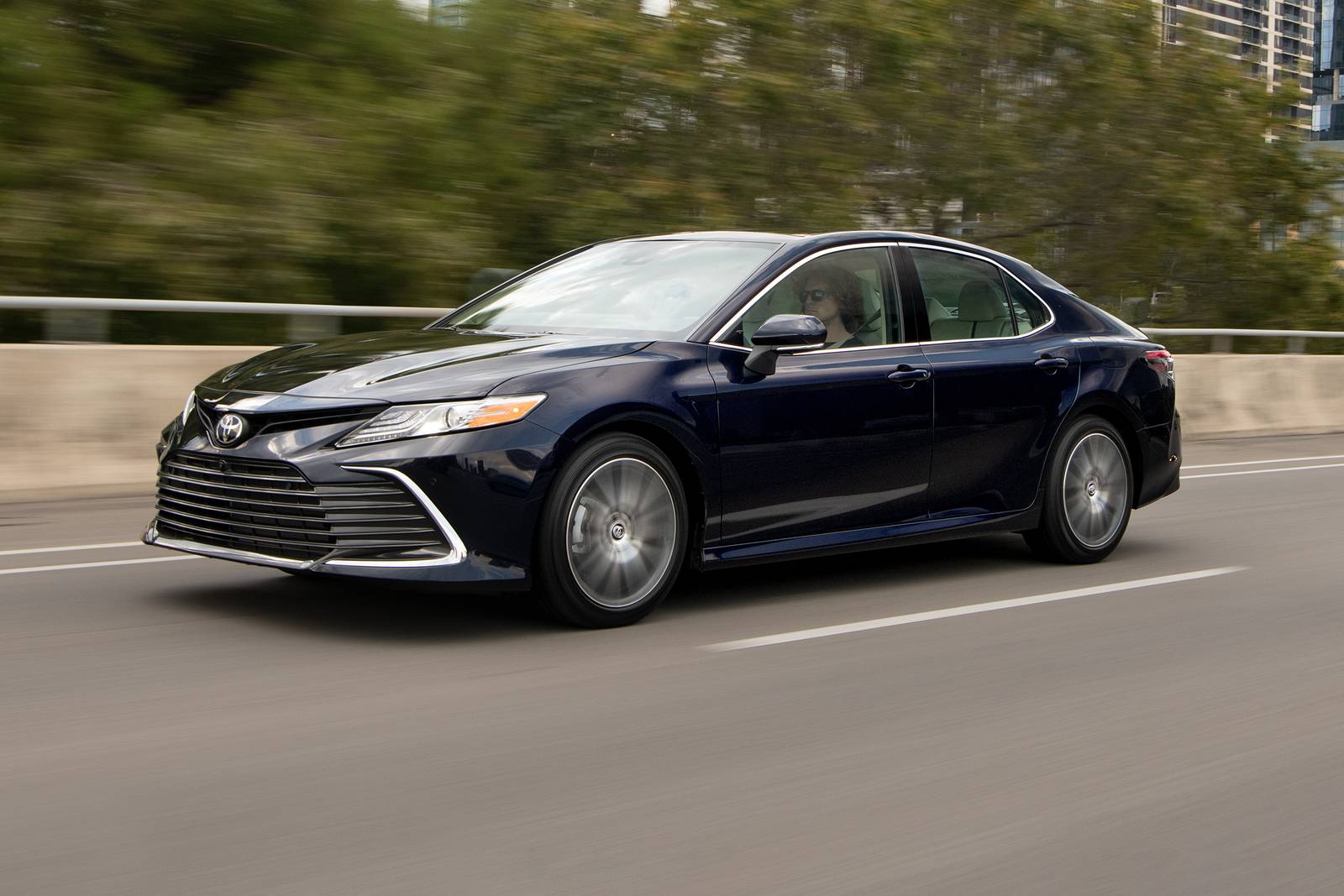
1. Toyota Camry
The Toyota Camry has earned its reputation as one of the most dependable midsize sedans in the global automotive market, and its long-standing success is no accident. Toyota has carefully refined the Camry over multiple generations to deliver a vehicle that balances comfort, reliability, efficiency, and practicality in a way few competitors can match.
For decades, it has consistently ranked among the best-selling passenger cars in markets like North America, Asia, and the Middle East. What makes the Camry especially appealing is its ability to satisfy a wide variety of drivers, including families, professionals, and commuters, all without sacrificing long-term durability or affordability. It is often considered the benchmark for midsize sedans, and many rival manufacturers have tried to replicate its formula with limited success.
This directly translates into fewer unexpected repairs, lower maintenance costs, and peace of mind for owners who want a car that simply works year after year.
Comfort is another area where the Camry truly excels, particularly in its more recent generations. Toyota has significantly improved cabin refinement, noise insulation, and suspension tuning, making the driving experience noticeably smoother and quieter than earlier models.
Features such as dual-zone climate control, premium audio systems, and advanced connectivity options like Apple CarPlay and Android Auto further enhance the vehicle’s comfort and convenience.
Fuel efficiency also plays a major role in the Camry’s popularity, especially as fuel prices continue to fluctuate globally. The standard four-cylinder engine already delivers strong mileage figures, but the hybrid variant takes efficiency to an even higher level.
The Camry Hybrid combines Toyota’s proven hybrid synergy drive system with smooth power delivery, resulting in excellent real-world fuel economy without compromising performance.
Another important factor contributing to the Camry’s value is its versatility, which allows it to adapt to different lifestyles and needs with ease. It is equally suitable for solo commuters, small families, rideshare drivers, and even older drivers looking for a comfortable and reliable daily vehicle.
When combined with low maintenance expenses and excellent fuel economy, the Camry becomes one of the most financially sensible vehicle choices available in its category.
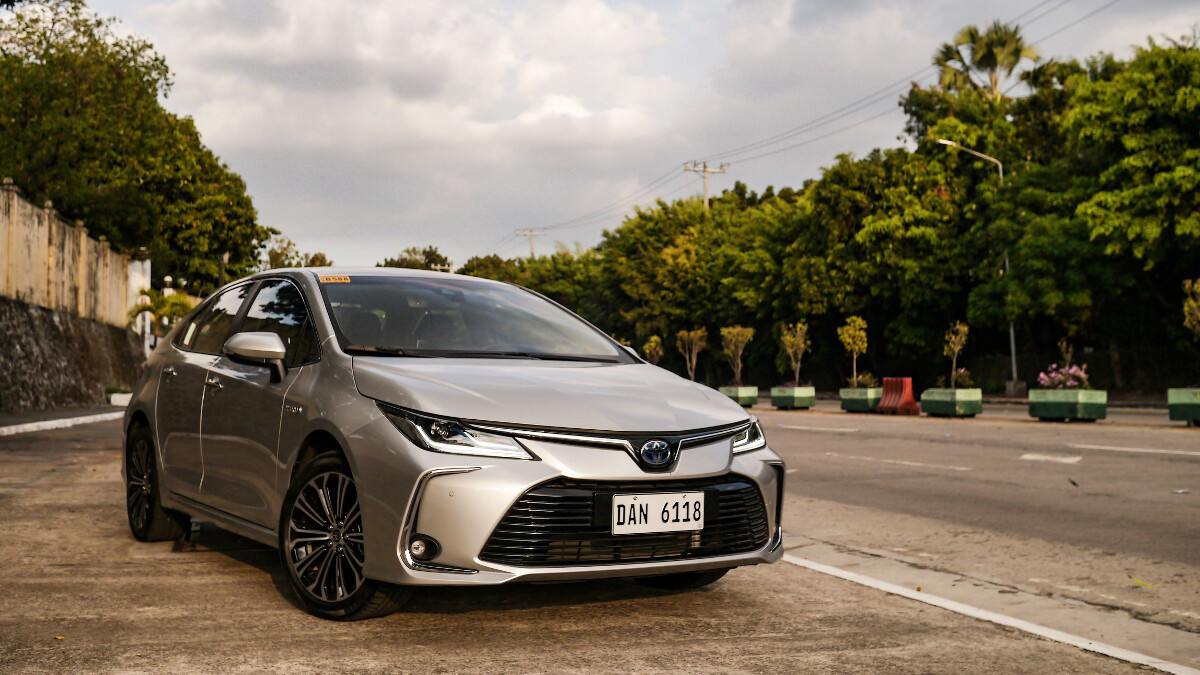
2. Toyota Corolla
The Toyota Corolla is widely recognized as one of the most successful compact cars in automotive history, and its reputation is built on decades of consistent performance, affordability, and dependability. It is often the first choice for first-time car buyers, students, and budget-conscious drivers who need a reliable vehicle without unnecessary complexity or high ownership costs.
Over the years, Toyota has continuously improved the Corolla while maintaining its core identity as a simple, efficient, and durable transportation solution. This balance between modernization and tradition is what keeps the Corolla relevant in an increasingly competitive compact car market.
Another key advantage of the Corolla is its long-term reliability, which has become one of its defining characteristics. Many Corolla vehicles remain operational even after decades of use, provided they receive basic maintenance.
This longevity is a major reason why the Corolla enjoys strong resale value and remains popular in the used car market. Buyers trust the Corolla because it has proven itself repeatedly as a vehicle that can endure high mileage without major mechanical failures. This reliability gives owners peace of mind and reduces the stress often associated with vehicle ownership.
Finally, the Toyota Corolla offers a well-balanced combination of practicality and everyday usability. While it may not be the most powerful or luxurious vehicle in its class, it excels in providing consistent, worry-free transportation.
Its compact size makes it easy to maneuver in tight urban environments, while still offering sufficient interior space for passengers and cargo. This combination of efficiency, affordability, and reliability makes the Corolla one of the most sensible automotive choices available today.
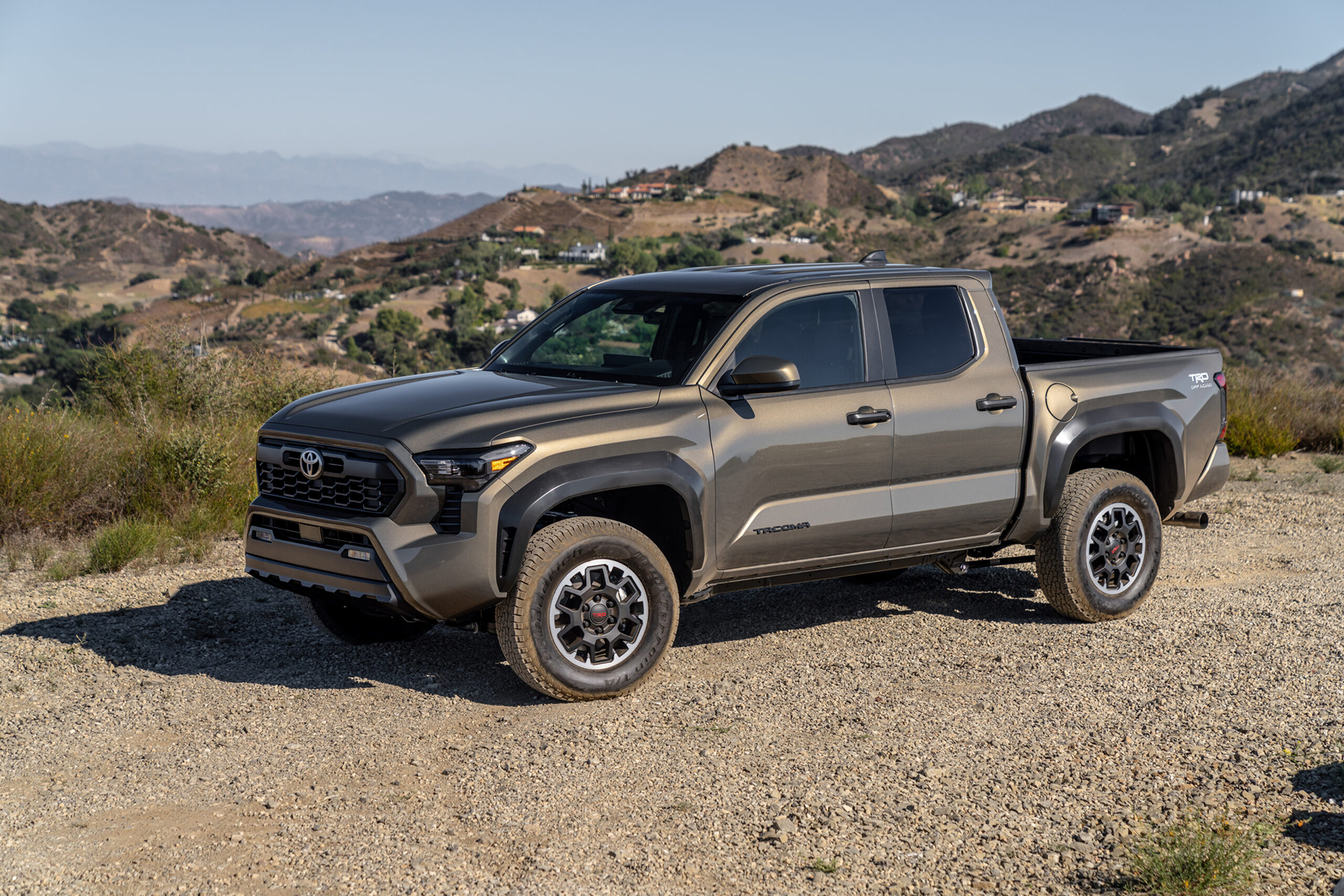
3. Toyota Tacoma
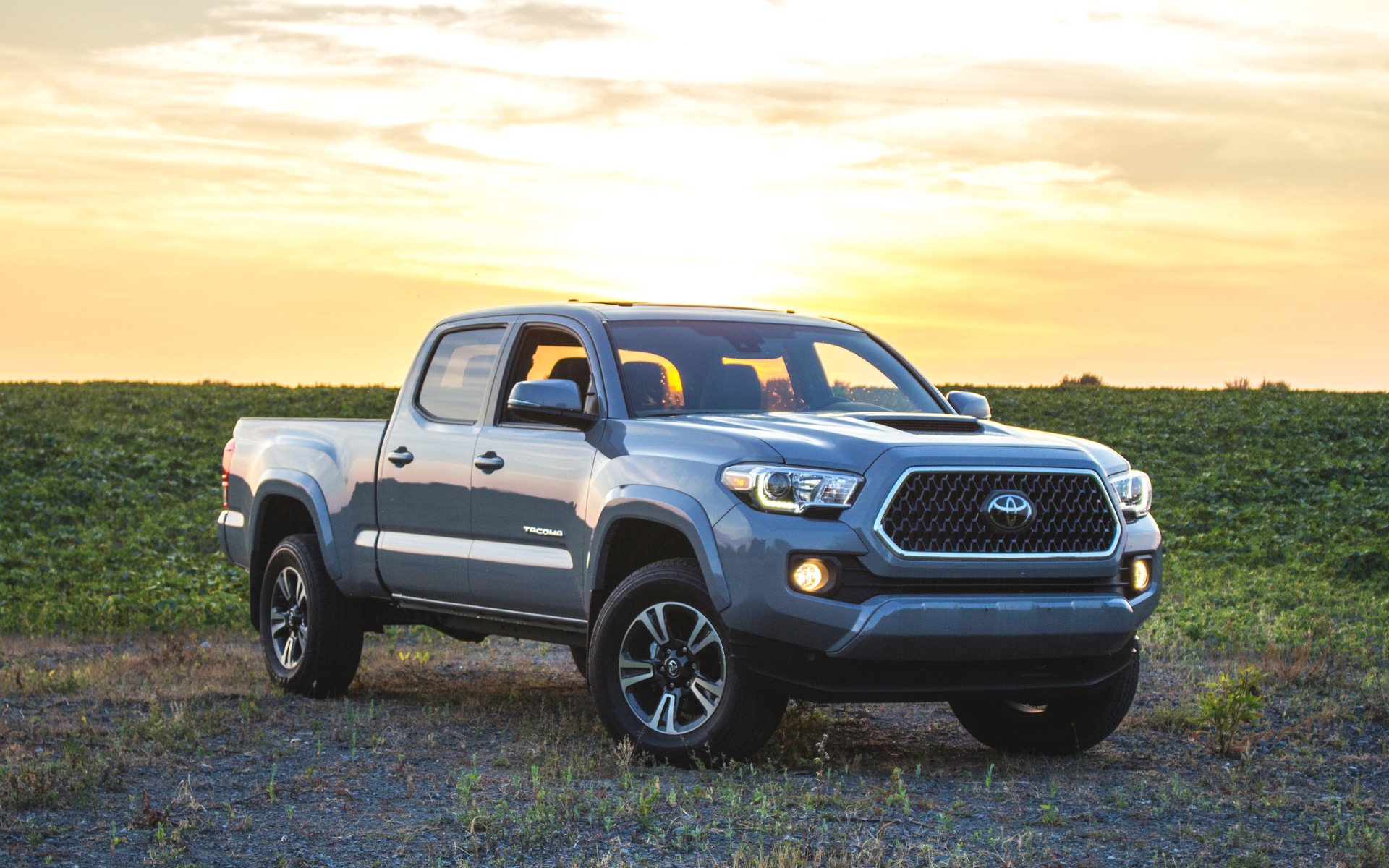
The Toyota Tacoma has established itself as one of the most dependable and respected midsize pickup trucks in the automotive industry, particularly among drivers who value durability, off-road capability, and long-term reliability.
Durability is arguably the Tacoma’s most defining characteristic, and it is one of the main reasons buyers are willing to invest in this vehicle despite its relatively higher price compared to some competitors. Toyota engineers designed the Tacoma with a body-on-frame construction that enhances structural strength and allows it to withstand heavy workloads and rough terrain.
Many Tacoma owners report minimal major mechanical issues even after extensive use in demanding environments. Whether used for towing, hauling, or off-road driving, the Tacoma consistently demonstrates its ability to endure stress without compromising performance or reliability.
Resale value is another area where the Tacoma significantly outperforms many competitors in the midsize truck segment. In fact, it is widely considered one of the best vehicles in the automotive market when it comes to retaining value over time.
The Tacoma also stands out for its versatility, which allows it to serve multiple roles depending on the owner’s needs. It can function as a reliable work truck during weekdays and a recreational adventure vehicle on weekends.
This makes it a popular choice for camping, overlanding, and outdoor exploration. Few midsize trucks offer the same level of factory-equipped off-road capability as the Tacoma, which further strengthens its position in the market.
In addition to its mechanical strengths, the Tacoma benefits from a strong aftermarket community that supports customization and upgrades. Owners can easily modify their trucks with accessories such as roof racks, lift kits, lighting systems, and performance enhancements.
This level of customization allows buyers to tailor the vehicle to their specific lifestyle needs, whether for work, recreation, or off-road exploration. Combined with Toyota’s reliability reputation, this flexibility makes the Tacoma one of the most well-rounded trucks available today.
4. Toyota Prius
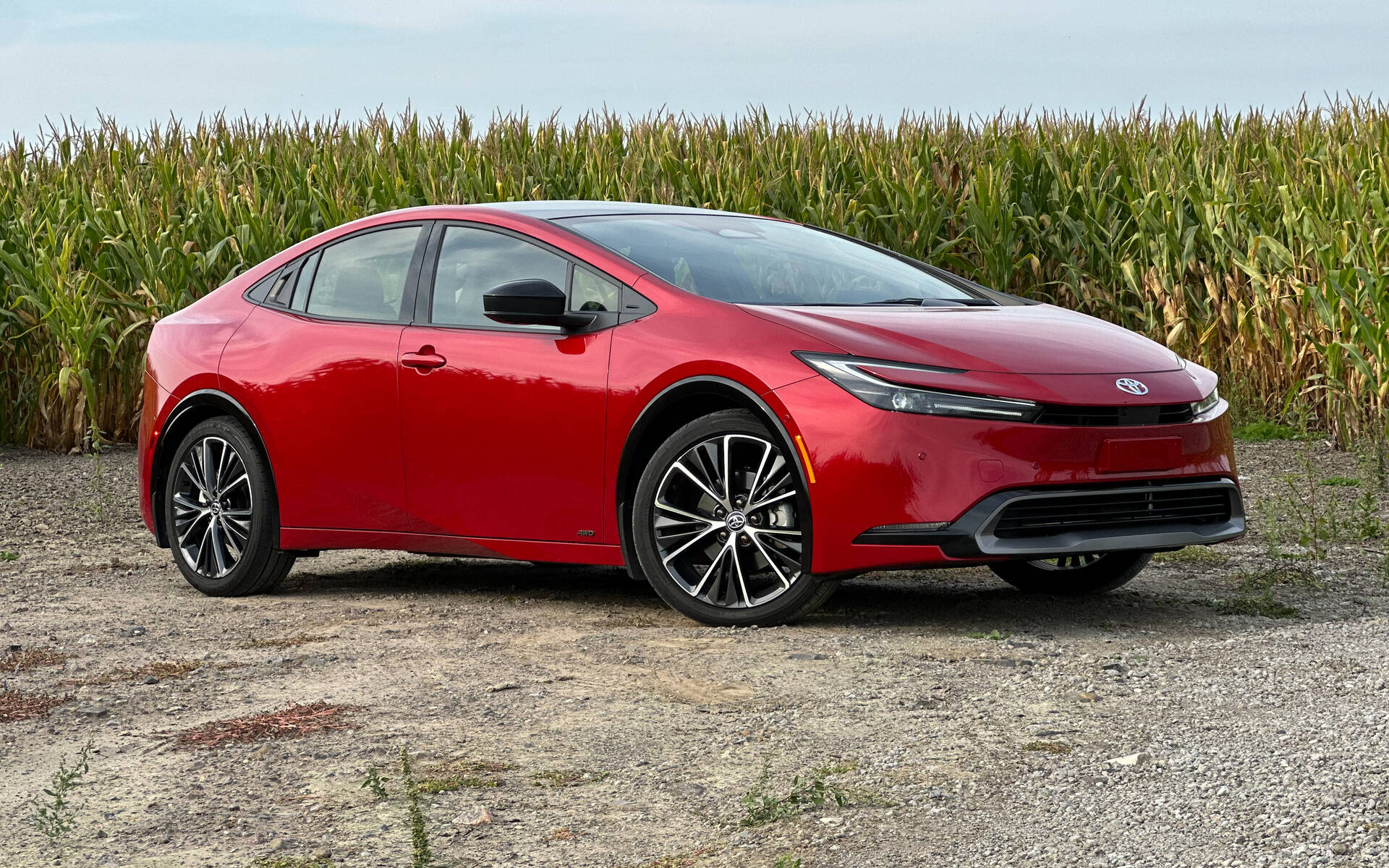
The Toyota Prius is one of the most influential vehicles in automotive history, largely because it played a major role in popularizing hybrid technology worldwide. Since its introduction, it has become synonymous with fuel efficiency, environmental responsibility, and innovative engineering.
While its design has often been polarizing, the Prius has consistently delivered exceptional value to drivers who prioritize low running costs and long-term reliability. Toyota’s leadership in hybrid technology is clearly reflected in the Prius, making it a standout choice for eco-conscious and budget-focused buyers.
This results in extremely low fuel consumption, especially in city driving conditions where regenerative braking helps recharge the battery. For drivers with long daily commutes, the Prius can lead to substantial savings on fuel costs over time, making it an economically smart choice.
Reliability is another major strength of the Prius, and Toyota’s hybrid systems have proven to be remarkably durable over the years. Early concerns about hybrid battery life have largely diminished due to improvements in battery technology and engineering refinement.
The Prius also offers practical interior space that often surprises first-time buyers. Despite its compact classification, the hatchback design provides generous cargo capacity, making it suitable for grocery runs, travel, and small family use.
Low maintenance costs further enhance the Prius’s appeal. The hybrid system reduces wear on key components such as the engine and brakes, which often results in fewer repair needs over time.
Regenerative braking reduces brake pad wear, while the electric motor helps ease the load on the gasoline engine. This engineering approach contributes to lower maintenance expenses, making the Prius one of the most cost-effective vehicles to own long-term.
5. Toyota 4Runner
The Toyota 4Runner is one of the most rugged and durable SUVs in Toyota’s lineup, and it has maintained a loyal customer base for decades due to its off-road capability and long-term reliability.
Durability is one of the most respected aspects of the 4Runner, and it is a major reason why many owners keep their vehicles for extended periods of time. The SUV is engineered to withstand heavy use in challenging conditions, including off-road trails, harsh weather, and uneven terrain.
Many 4Runner models remain operational well beyond 200,000 miles with proper maintenance, which is a testament to Toyota’s commitment to long-lasting engineering. This reliability gives owners confidence that their vehicle can handle both everyday driving and extreme conditions.
Off-road capability is another defining feature of the 4Runner, and it is one of the main reasons buyers choose it over more comfort-oriented SUVs. The vehicle is equipped with advanced Four Wheel Drive systems, locking differentials, and specialized off-road driving modes that allow it to navigate difficult terrain with ease.
TRD Off Road and TRD Pro variants enhance these capabilities further with upgraded suspension systems, skid plates, and terrain management technologies. This makes the 4Runner one of the most capable factory-built off-road SUVs available today.
Resale value is also exceptionally strong for the 4Runner, similar to the Toyota Tacoma. Its reputation for reliability and off-road capability ensures consistent demand in the used vehicle market.
Even older models with high mileage often retain significant value, which reduces depreciation and makes ownership more financially appealing. Buyers often consider the 4Runner a long-term investment because of its strong resale performance and low risk of major mechanical issues.
Finally, the Toyota 4Runner stands out because of its mechanical simplicity compared to many modern SUVs. It avoids overly complex systems that can increase repair costs or reduce long-term reliability.
This straightforward engineering approach contributes to its reputation as one of the most dependable SUVs on the market. For buyers who value rugged capability, long term durability, and proven performance, the 4Runner remains one of the strongest options available.
Also Read: 10 Cars That Survive Being Used as Daily Uber Vehicles
5 to Avoid
1. Toyota C HR
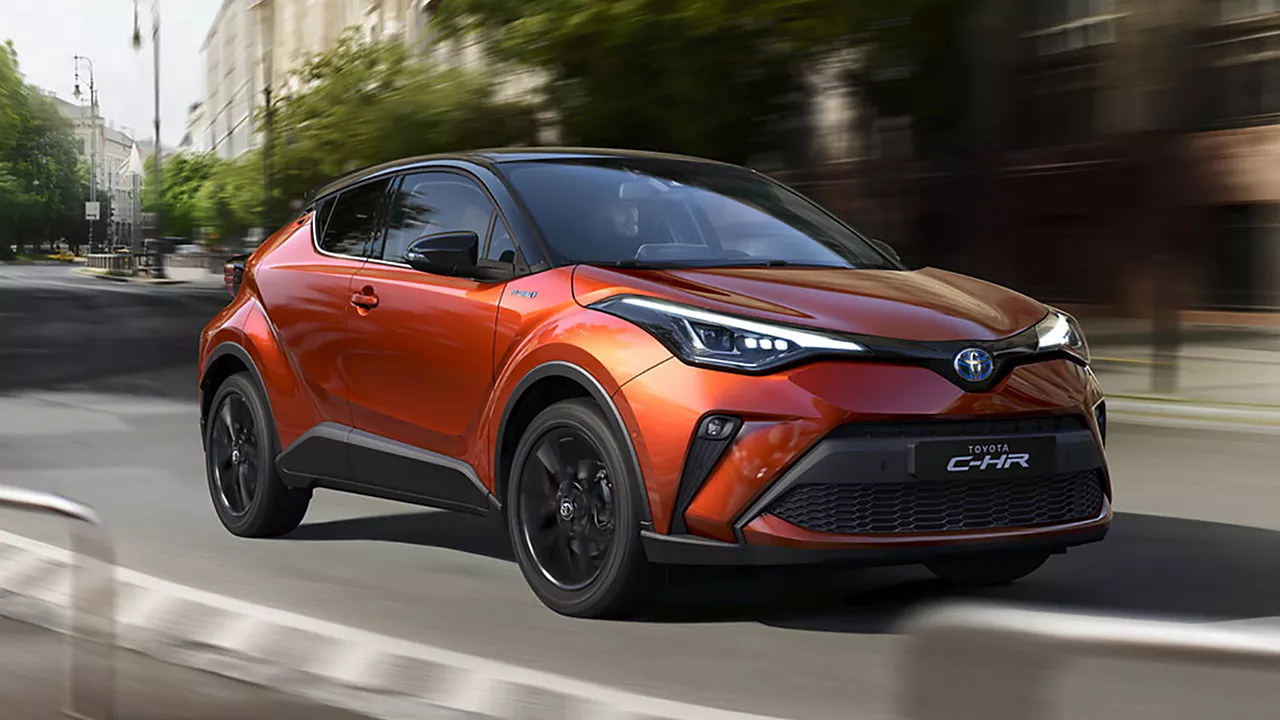
The Toyota C HR entered the compact crossover market with bold styling and a strong focus on youthful appeal, but despite its eye-catching design, it struggled to establish itself as a well-rounded and practical vehicle in its segment.
Toyota positioned the C-HR as a stylish urban crossover aimed at city drivers seeking something different from traditional, conservative designs. While its bold exterior successfully grabs attention, the vehicle falls short in delivering the performance, space, and versatility most buyers expect from a crossover SUV. In a segment where practicality matters just as much as design, the C-HR often feels like a compromise rather than a well-rounded solution.
The continuously variable transmission contributes to a driving experience that can feel slow and unresponsive under acceleration. While Toyota prioritized fuel efficiency and smooth city driving, the lack of adequate power makes the C HR feel less confident and less versatile compared to rivals in the same class.
Families or individuals who frequently carry passengers may find the rear seating area uncomfortable on longer journeys. Additionally, the cargo space is smaller than that of many competitors, making it less suitable for road trips or shopping needs that require more storage capacity.
Combined with noticeable road noise at higher speeds, the driving experience lacks the refinement found in more established compact SUVs. This makes the C HR less appealing for buyers who prioritize comfort and smooth driving dynamics.
Another limitation is value perception, as the C HR often competes with more capable vehicles in the same price range. Many buyers discover that slightly larger or better-equipped alternatives offer superior performance, more space, and greater versatility for a similar cost.
Competing models within Toyota’s lineup, such as the RAV4, offer far better practicality and more capable engine options without a significant price jump. Because of this, the C-HR struggles to justify its place in the market, making it a less compelling choice for most buyers.
2. Toyota Yaris
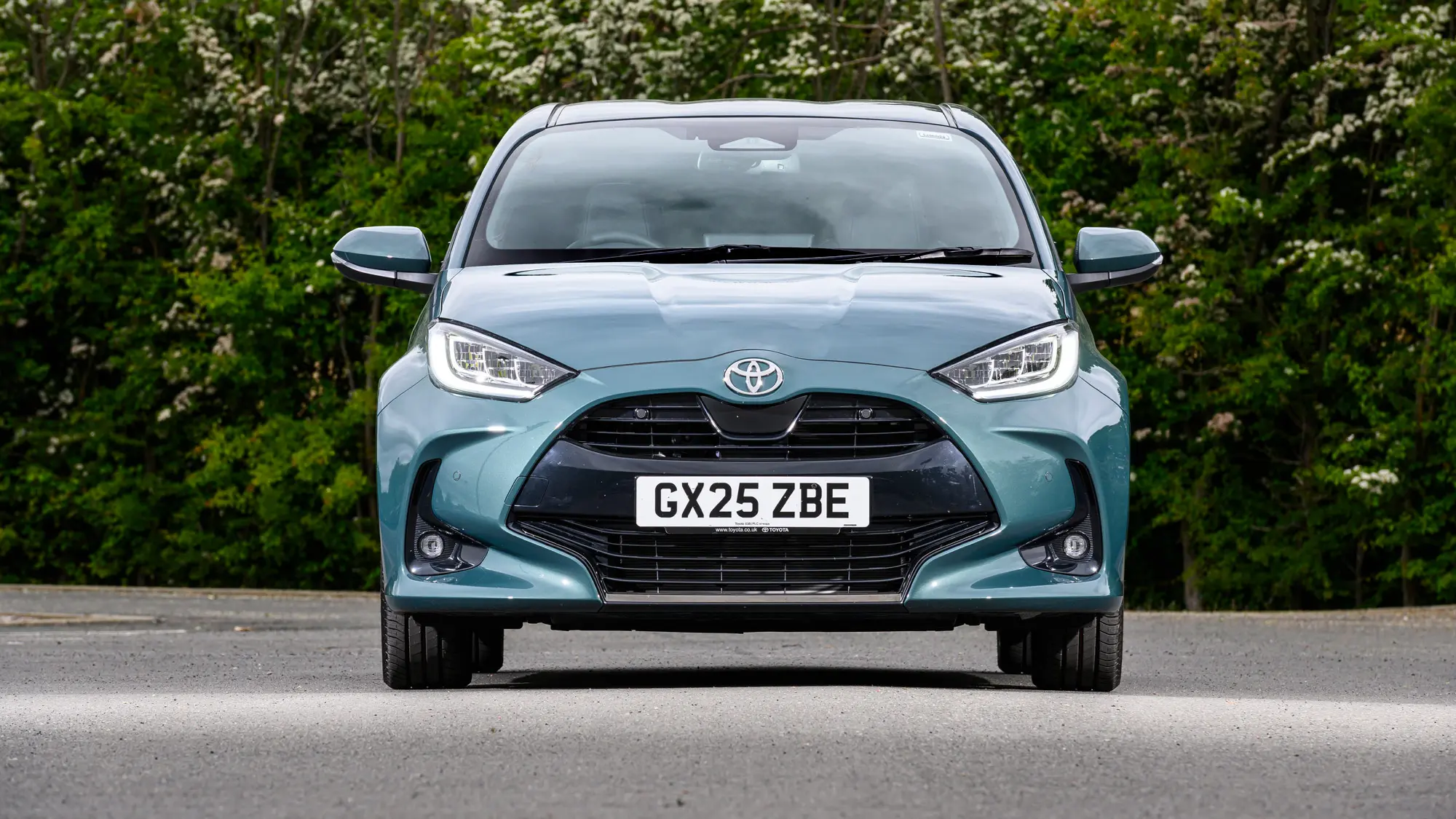
The Toyota Yaris has historically served as an entry-level subcompact vehicle designed primarily for affordability and basic transportation needs. While it successfully delivers low ownership costs and impressive fuel economy, it often falls short in areas that modern buyers increasingly expect, such as comfort, performance, interior refinement, and long-term driving satisfaction.
As a result, the Yaris appeals mostly to budget-focused buyers, but it struggles to compete with more balanced alternatives in the subcompact and compact segments.
One of the most noticeable weaknesses of the Yaris is its limited engine performance, which prioritizes efficiency over driving capability. The small displacement engines used in the Yaris are designed to conserve fuel rather than deliver strong acceleration or highway confidence.
This becomes especially evident during real-world driving situations such as merging onto highways, climbing steep roads, or carrying multiple passengers and cargo. The lack of sufficient power can make the vehicle feel strained under load, which reduces driving confidence in certain conditions.
Interior quality is another area where the Yaris does not perform as strongly as some competitors. While Toyota ensures basic durability, the materials used inside the cabin often feel more utilitarian than refined.
Ride quality and handling further highlight the Yaris’s limitations. Although the vehicle is easy to maneuver in tight urban environments due to its small size, the suspension setup can feel stiff and less stable on uneven or poorly maintained roads.
The short wheelbase contributes to a slightly bouncy or unsettled ride in certain conditions. While this is common in subcompact cars, some competitors manage to strike a better balance between agility and comfort, making the Yaris feel less refined in comparison.
Buyers considering used Yaris models need to carefully evaluate equipment levels, especially if modern safety features such as lane assist or automatic emergency braking are a priority.
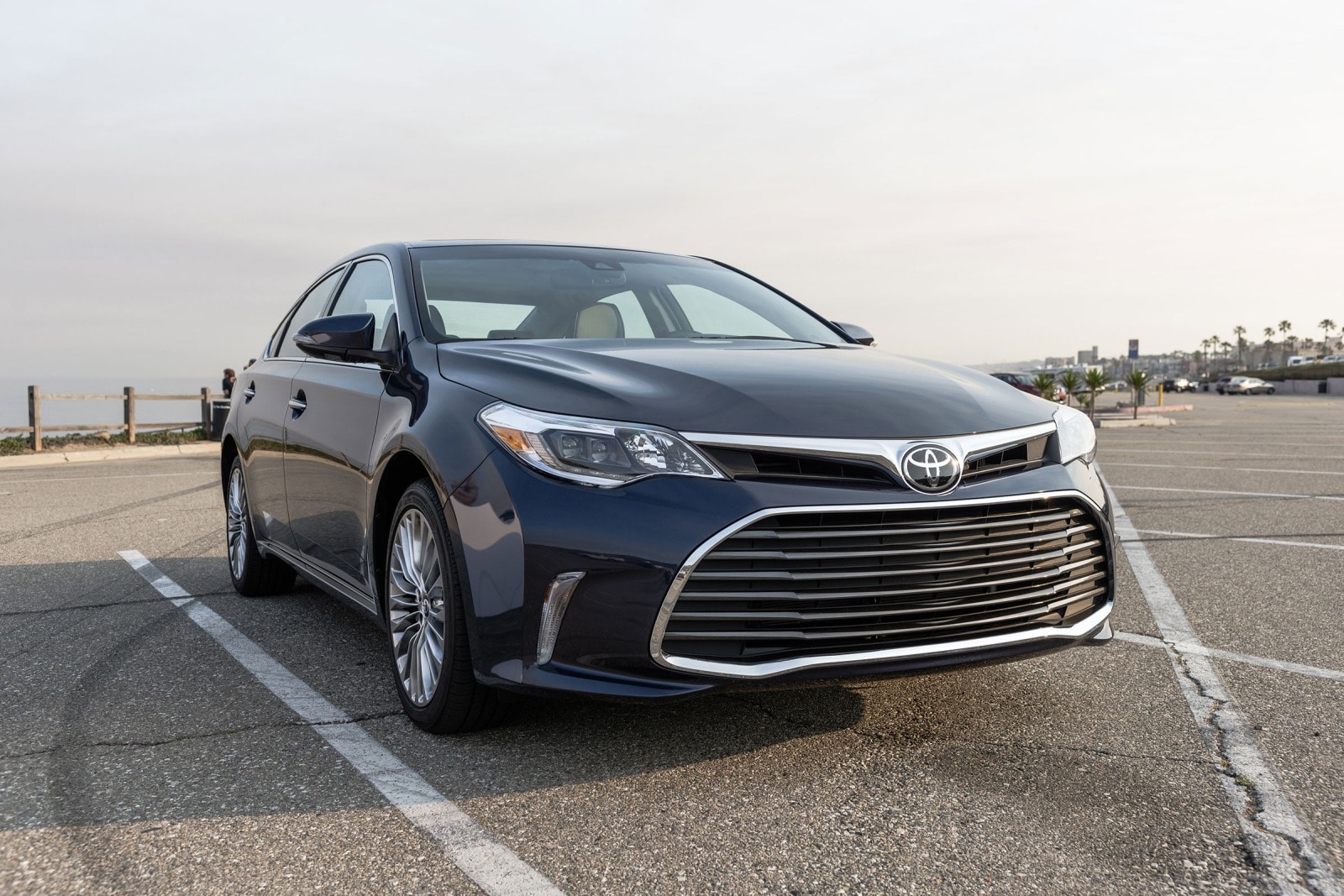
Toyota Avalon (Credit: Toyota)
3. Toyota Avalon
The Toyota Avalon was originally designed as Toyota’s flagship full-size sedan, offering a blend of comfort, space, and near-luxury features at a more accessible price point than premium brands.
However, in its later generations, the Avalon began to lose its distinct identity as market trends shifted heavily toward SUVs and crossovers. While it remained a comfortable and well-built sedan, it struggled to maintain strong appeal among modern buyers who increasingly prioritized versatility, technology, and sportier driving dynamics.
Styling changes in later generations also received mixed reactions from consumers. Toyota attempted to modernize the Avalon by introducing a more aggressive and sporty design language, but this shift did not appeal universally.
While some buyers appreciated its bold styling, others felt it strayed too far from the traditional, refined, and understated design that once defined the Avalon. This shift in design direction made it more difficult to maintain a clear target audience, ultimately weakening its appeal in the market.
Another major challenge has been the declining popularity of large sedans. As consumer preferences continue to move toward SUVs and crossovers, demand for full-size sedans has steadily dropped.
Many potential Avalon buyers chose vehicles like the Toyota Highlander or RAV4, which offered greater practicality, higher seating positions, and more cargo space. This broader market shift significantly impacted Avalon’s relevance, even though it remained a well-engineered and comfortable vehicle.
The Toyota Avalon remains a reliable and comfortable vehicle, but its declining popularity, pricing challenges, and reduced market relevance make it a less attractive option compared to more modern alternatives in Toyota’s own lineup and beyond.
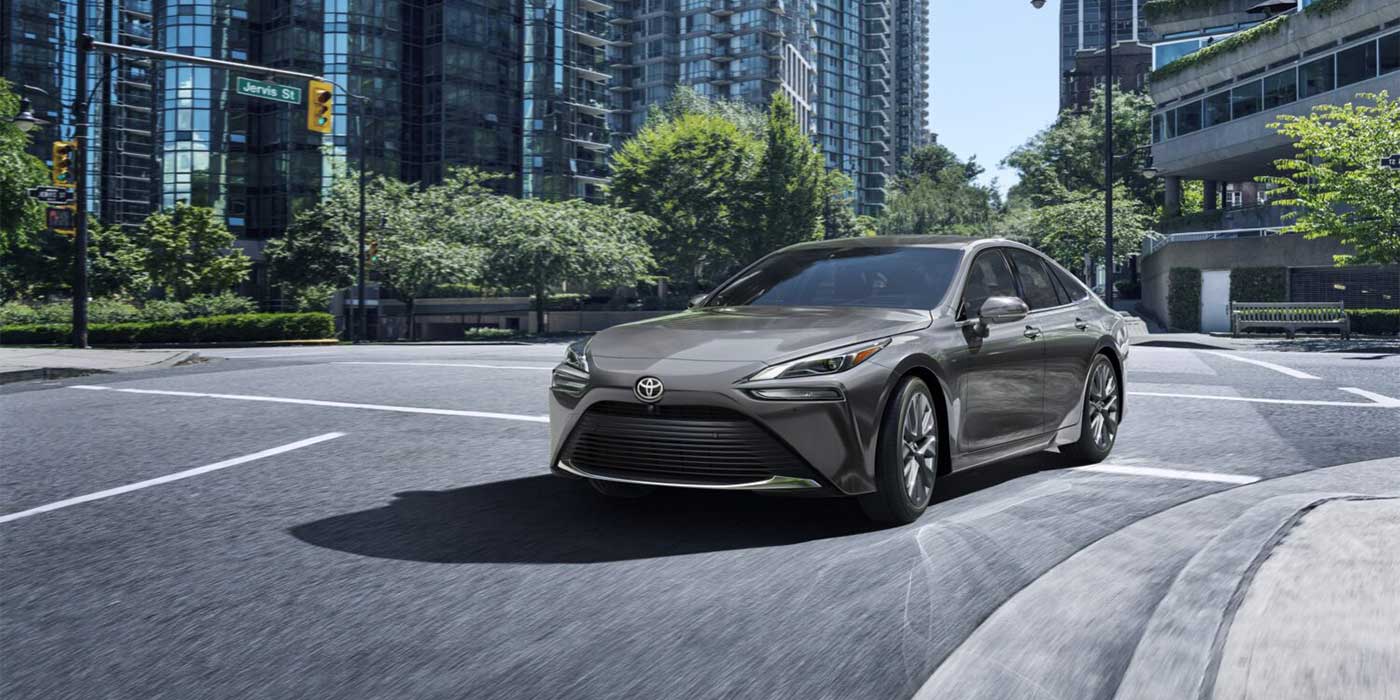
4. Toyota Mirai
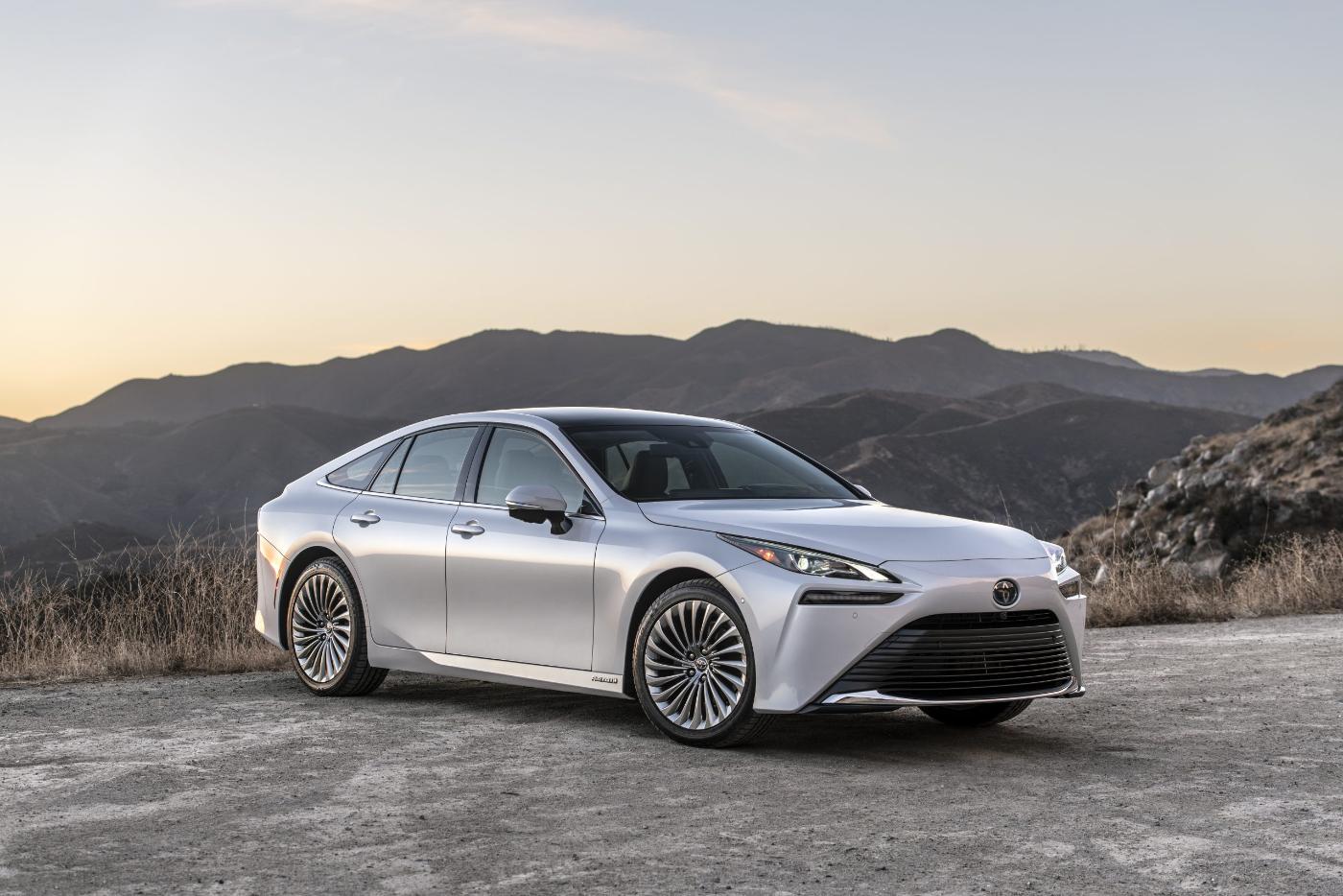
The Toyota Mirai represents one of the most ambitious attempts to bring hydrogen fuel cell technology into mainstream automotive use, but despite its innovative engineering, it faces significant real-world limitations that make it difficult to recommend for most everyday drivers.
Toyota developed the Mirai as a forward-thinking solution for zero-emission transportation, but the current lack of supporting infrastructure and practical challenges associated with hydrogen fuel significantly limit its usability.
The most critical issue with the Mirai is the extremely limited availability of hydrogen refueling stations. Unlike gasoline stations or electric charging networks, hydrogen infrastructure is still in its early stages and is concentrated in only a few regions.
This creates major challenges for owners who need reliable and convenient refueling options. In many areas, owning a Mirai is simply not practical because there are not enough stations to support daily driving needs or long-distance travel.
Depreciation is another major concern for the Mirai. Due to its limited practicality and niche market appeal, the vehicle tends to lose value much faster than conventional Toyota models. The small buyer pool and infrastructure limitations reduce demand in the used car market, resulting in lower resale values. This makes the Mirai a financially risky purchase for consumers who prioritize long-term value retention.
While the Toyota Mirai is an impressive technological achievement and an important step toward alternative energy innovation, it is currently best suited for very specific markets and use cases. For most buyers, traditional hybrids or electric vehicles offer far greater practicality, making the Mirai a difficult recommendation in today’s automotive industry.
5. Toyota bZ4X
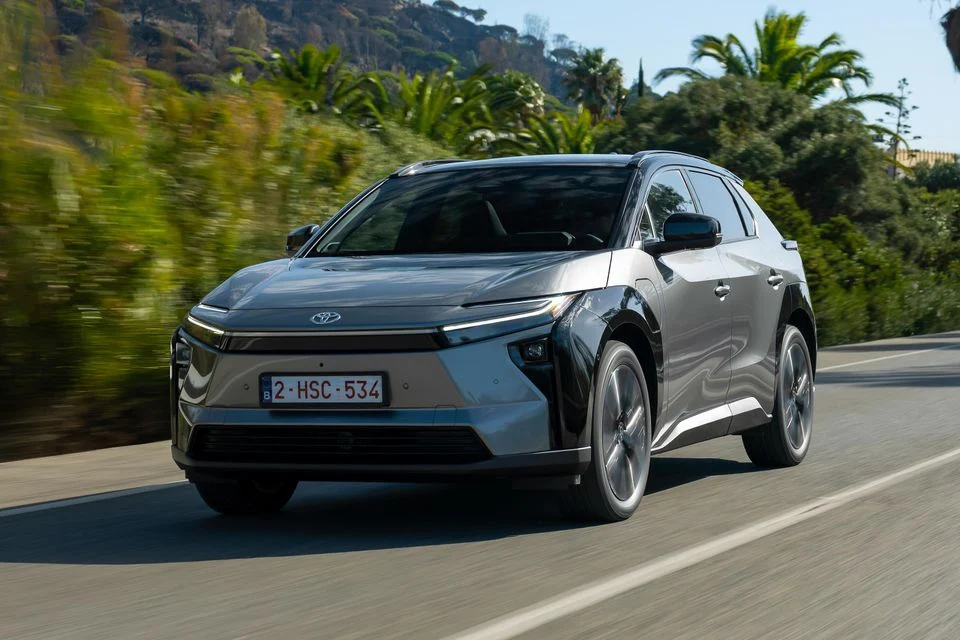
The Toyota bZ4X is Toyota’s first major step into the fully electric SUV market, representing the company’s attempt to compete in a rapidly growing and highly competitive segment. While the vehicle showcases Toyota’s engineering expertise and commitment to electrification, it has received mixed feedback due to several limitations that affect its competitiveness compared to established electric rivals.
One of the main concerns surrounding the bZ4X is its charging performance, which is slower than that of many competing electric SUVs in the same category. In a market where fast charging capability is becoming increasingly important for convenience and long-distance travel, this limitation reduces the vehicle’s appeal.
Drivers who frequently travel long distances may find the charging experience less efficient compared to competitors that offer significantly faster charging speeds.
Driving dynamics and steering feel have also received mixed reviews. While the vehicle delivers a smooth and comfortable ride typical of electric SUVs, it lacks the level of engagement or responsiveness found in some rival models.
Steering feedback can feel less precise, which may reduce driving enjoyment for users who value a more connected driving experience. Toyota appears to have prioritized comfort and safety over sportiness, which may not align with all consumer expectations.
