
Buying a first car is one of the most important decisions a new driver can make. For teenagers, college students, or adults getting behind the wheel for the first time, the right vehicle can make driving safer, easier, and far less stressful.
A good beginner car should offer dependable safety features, strong reliability ratings, affordable maintenance costs, predictable handling, and enough durability to survive the small mistakes that inexperienced drivers often make. Many new drivers focus heavily on appearance, horsepower, or entertainment features, but these should never come before safety and practicality. A sturdy beginner vehicle can help build confidence, reduce repair expenses, and provide years of dependable transportation.
The modern automotive market offers thousands of options, which can overwhelm first-time buyers. Some vehicles are designed with smooth steering, stable braking systems, and excellent visibility that make them ideal learning tools. Others prioritize speed, luxury, or aggressive performance, creating unnecessary risks for inexperienced motorists.
Insurance costs also vary dramatically depending on the type of vehicle purchased. Sports cars and high-powered luxury models typically cost more to insure because they are statistically involved in more accidents and expensive repairs. Meanwhile, practical sedans and compact SUVs often provide lower ownership costs and better long-term value.
Durability matters just as much as safety. New drivers are more likely to scrape curbs, brake harshly, misjudge parking distances, or overlook routine maintenance. A sturdy car can handle these challenges without constant mechanical problems.
Vehicles with strong reliability histories also reduce the likelihood of sudden breakdowns that can leave inexperienced drivers stranded. Fuel economy should also be considered because younger drivers and students usually operate on tighter budgets. Cars that combine excellent gas mileage with low maintenance expenses create a far more manageable ownership experience.
Technology has changed beginner vehicles significantly over the past decade. Features like automatic emergency braking, lane departure warning, blind spot monitoring, rearview cameras, and adaptive cruise control are now available in many affordable models.
These systems do not replace responsible driving, but they can provide an additional layer of protection for inexperienced motorists still developing road awareness and defensive driving habits. At the same time, some vehicles remain poor choices for beginners due to excessive power, poor reliability, cramped visibility, expensive repairs, or unsafe handling characteristics.
This guide explores four sturdy vehicles that are excellent choices for new drivers and four models that beginners should strongly consider avoiding. Each recommendation focuses on safety, reliability, affordability, ease of use, and practicality.
By understanding which cars help new drivers succeed and which create unnecessary challenges, buyers can make smarter decisions that improve both confidence and safety on the road.
Also Read: 10 Cars With Insurance Premiums Lower Than a Compact Sedan
Best Sturdy Cars for New Drivers
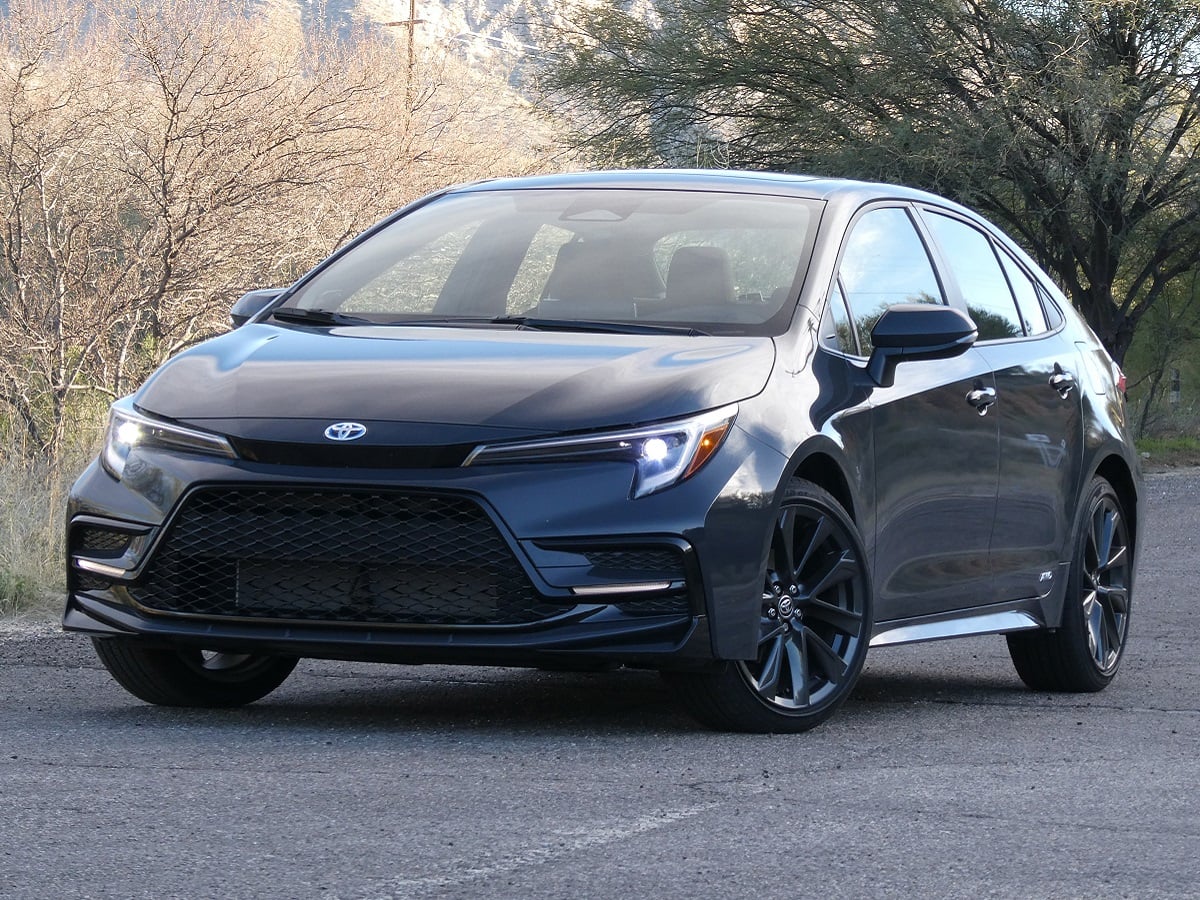
1. Toyota Corolla
The Toyota Corolla has built one of the strongest reputations in automotive history for reliability, durability, and affordability. For decades, it has consistently ranked among the best vehicles for first-time drivers because it combines simple controls with dependable engineering.
New drivers benefit from the Corolla’s predictable steering, balanced suspension, and smooth acceleration, all of which create a less intimidating driving experience. The vehicle is also compact enough for easy parking while still providing enough interior space for passengers and cargo. This balance makes it especially attractive for students, commuters, and young professionals.
Safety is one of the Corolla’s greatest strengths. Modern models include advanced driver assistance technologies such as automatic emergency braking, lane keeping assist, adaptive cruise control, and pedestrian detection systems. These features help reduce the likelihood of collisions while teaching inexperienced drivers safer habits.
Visibility is generally excellent from the driver’s seat, which is critical for lane changes, parking, and navigating busy intersections. The braking system also responds smoothly and predictably, giving beginners greater confidence during sudden stops or difficult traffic situations.
Another reason the Corolla stands out is its low cost of ownership. Insurance rates are usually affordable because the model is associated with responsible driving rather than high-speed performance. Maintenance expenses are also manageable due to Toyota’s reputation for long-lasting parts and strong mechanical reliability.
Replacement components are widely available and reasonably priced, making repairs less financially painful compared to luxury or performance vehicles. Fuel economy is another major advantage, with many Corolla models delivering impressive mileage that helps owners save money over time.
The Corolla’s interior emphasizes practicality rather than flashy design. Controls are straightforward and easy to understand, reducing distractions for inexperienced drivers. Comfortable seating and a smooth ride quality make long trips less tiring, while the infotainment system provides modern conveniences without becoming overly complicated.
New drivers often benefit from cars that prioritize function over excessive complexity, and the Corolla excels in this area. It offers enough modern technology to feel current while maintaining an approachable driving experience.
Long-term durability is perhaps the Corolla’s greatest selling point. Many examples remain reliable well beyond 200,000 miles with proper maintenance. This longevity makes it an excellent investment for families seeking a dependable first car that can continue serving for years.
The Corolla may not be the most exciting vehicle on the road, but its reputation for safety, simplicity, and resilience makes it one of the smartest choices for anyone learning to drive.
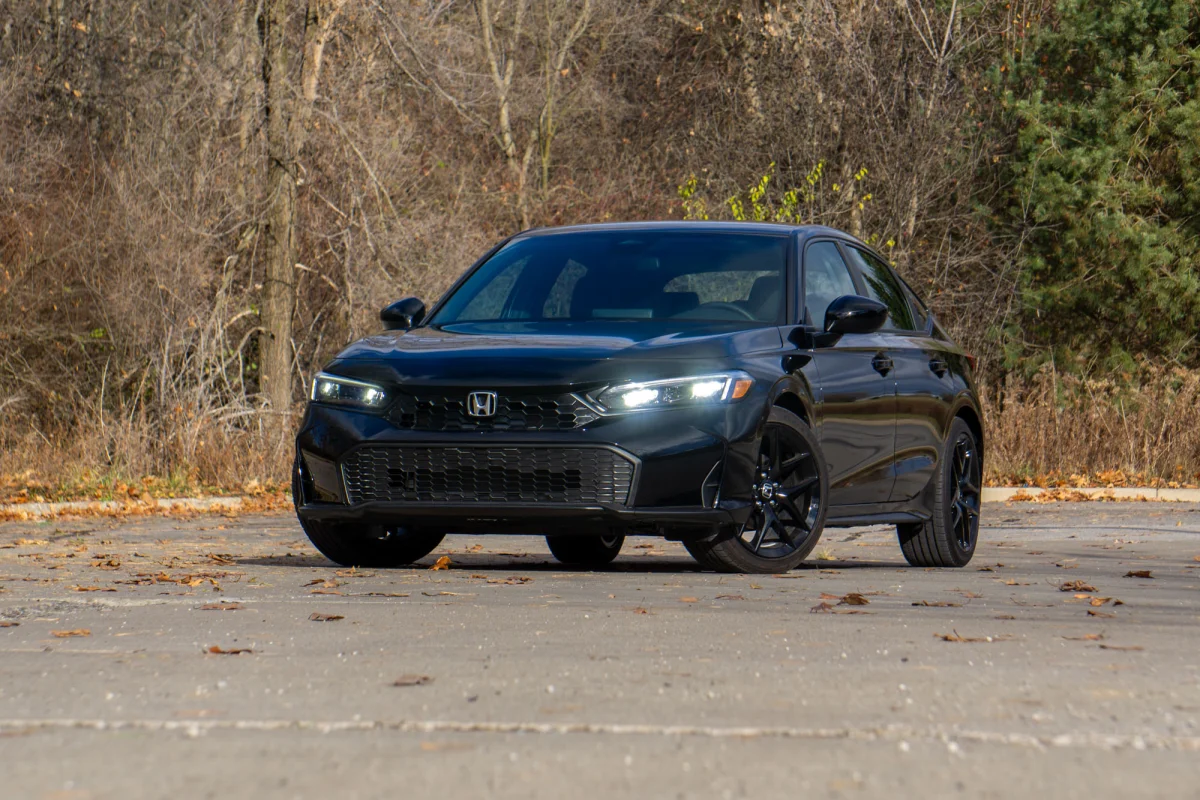
2. Honda Civic
The Honda Civic has earned widespread respect for blending reliability, efficiency, and enjoyable handling into a beginner-friendly package. Unlike some compact cars that feel underpowered or cheaply built, the Civic delivers a refined driving experience that helps new drivers feel more comfortable and capable behind the wheel.
Its steering is responsive without being overly sensitive, and the suspension strikes a strong balance between comfort and control. This combination allows beginners to develop confidence while still enjoying the driving experience.
Safety performance is another major advantage of the Civic. Modern models include numerous advanced safety systems that assist with accident prevention and driver awareness. Features such as lane departure warnings, collision mitigation braking, and traffic sign recognition can help inexperienced motorists avoid dangerous situations.
Crash test ratings for the Civic have consistently been strong, making it a reassuring option for parents purchasing a vehicle for teenage drivers. The sturdy structure and well designed cabin also contribute to excellent occupant protection during accidents.
Fuel efficiency is one of the Civic’s most appealing characteristics for younger owners managing limited budgets. The vehicle delivers impressive mileage while maintaining enough power for highway merging and daily commuting.
Insurance costs are often reasonable compared to sports cars or luxury sedans, and routine maintenance expenses remain relatively affordable. Honda’s reputation for mechanical reliability further increases the Civic’s appeal, as many models continue operating smoothly for years with regular care and maintenance.
Inside the cabin, the Civic offers a surprisingly upscale environment for a compact car. The seats are supportive, controls are intuitive, and the layout minimizes distractions while driving.
Technology integration is modern without becoming confusing, which is important for new drivers who need to focus on road awareness rather than complicated menus and settings. The spacious interior also provides enough room for passengers and cargo, making the Civic practical for school, work, road trips, and everyday errands.
Another key reason the Civic works so well for beginners is its balanced personality. It is more engaging to drive than many economy cars, yet it avoids the excessive speed and aggressive performance characteristics that can lead inexperienced drivers into trouble.
The Civic teaches good driving habits while still feeling enjoyable and rewarding. For drivers who want a dependable, efficient, and durable first vehicle with a slightly sportier character than the average compact sedan, the Honda Civic remains one of the best options available.
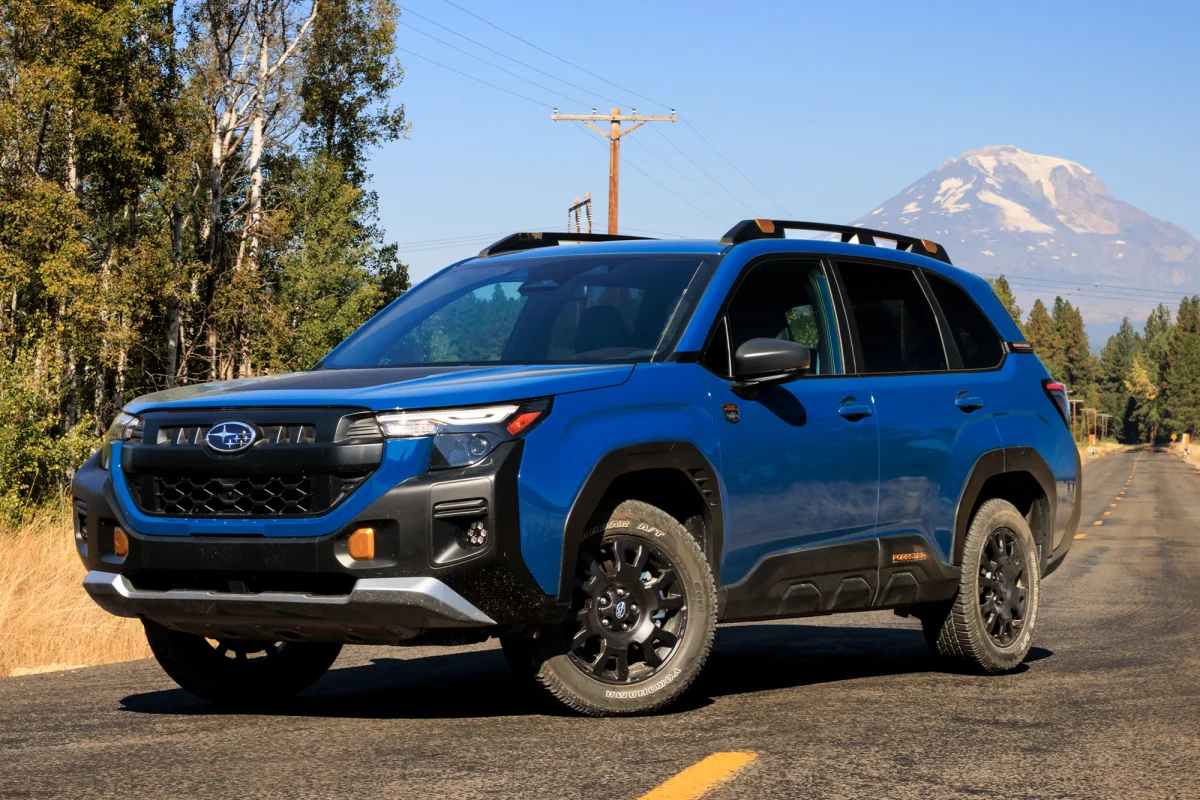
3. Subaru Forester
The Subaru Forester is an outstanding choice for new drivers who prefer the practicality and elevated seating position of an SUV. One of its greatest strengths is visibility. Large windows and a well-designed cabin provide an excellent view of the road, making it easier for beginners to judge distances, monitor surrounding traffic, and park confidently.
The elevated ride height also gives drivers a better sense of awareness compared to smaller sedans, which can improve confidence during complicated commuting situations.
Safety is a central part of the Forester’s appeal. Subaru has built a strong reputation for prioritizing crash protection and driver assistance technology. Many Forester models include Subaru’s EyeSight safety suite, which features adaptive cruise control, lane centering assistance, and automatic emergency braking.
These systems can significantly reduce accident risks when used properly. The Forester also performs exceptionally well in crash tests, offering peace of mind to both new drivers and their families.
All Wheel Drive is another major advantage. Unlike many competitors that reserve All Wheel Drive for expensive trim levels, Subaru includes it as standard equipment on the Forester. This feature improves traction during rain, snow, and rough weather conditions, helping inexperienced drivers maintain better control.
For people living in regions with challenging weather or uneven roads, the Forester’s stability and traction can be extremely valuable. The vehicle also handles rough pavement comfortably, making it suitable for both city and rural driving.
The Forester is highly practical for daily life. Its spacious cabin provides generous headroom and cargo capacity, allowing owners to transport luggage, sports equipment, groceries, or school supplies with ease. The seats are comfortable, and the ride quality remains smooth even during longer journeys.
Controls are simple and easy to access, reducing distractions while driving. This straightforward design philosophy helps beginners focus on the road rather than struggling with overly complex technology.
Reliability and long-term durability further strengthen the Forester’s reputation. While maintenance costs may be slightly higher than those of some compact sedans, the vehicle’s sturdy construction and dependable engineering make it a worthwhile investment.
It also retains strong resale value, which is beneficial for owners who may eventually upgrade to another vehicle. The Subaru Forester combines safety, practicality, visibility, and all-weather capability into one durable package, making it an excellent first vehicle for cautious and responsible new drivers.
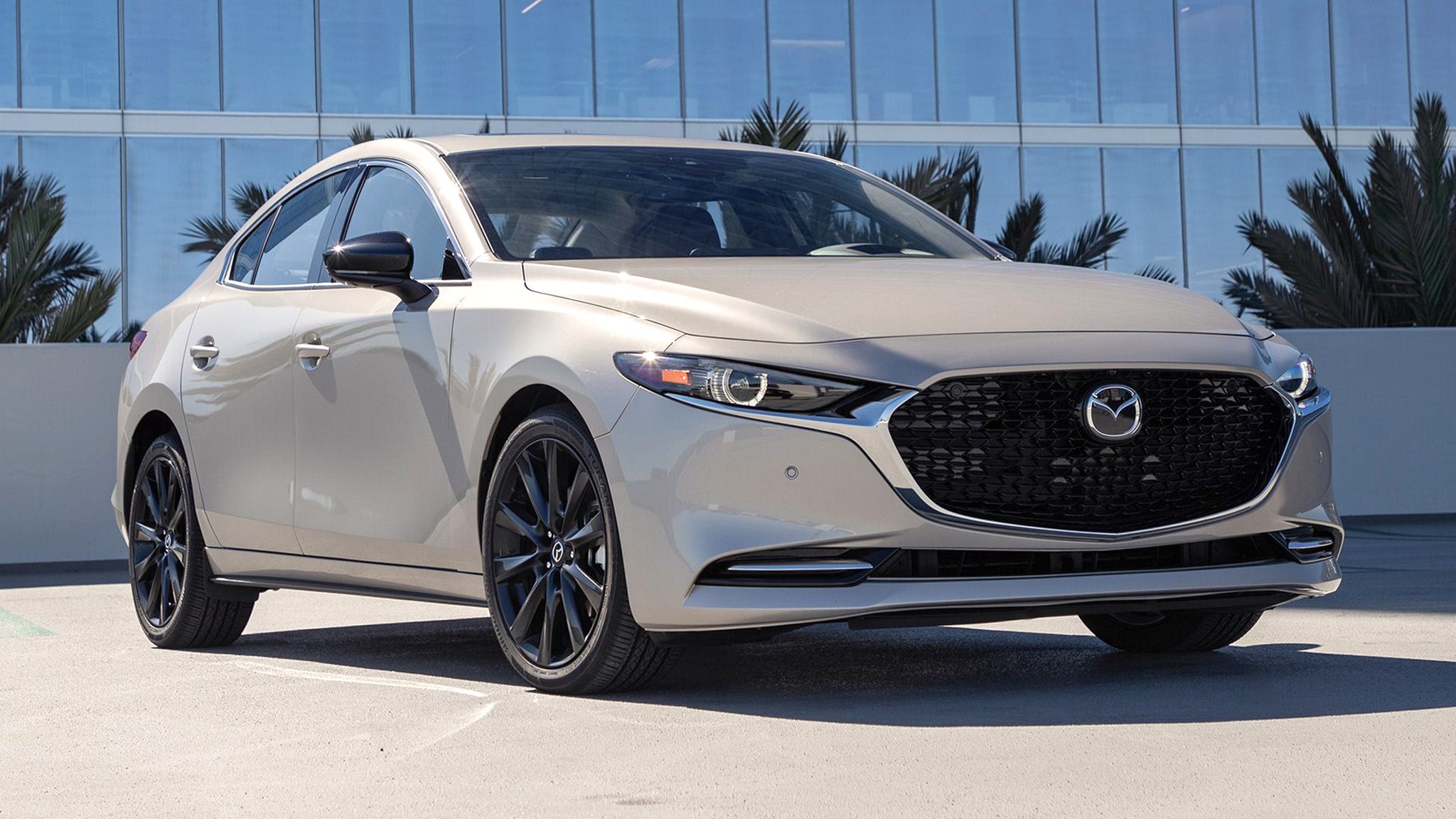
4. Mazda3
The Mazda3 stands out in the compact car segment because it combines durability with an upscale driving experience. Many beginner vehicles focus purely on practicality and sacrifice driving enjoyment, but the Mazda3 proves that a first car can still feel refined and engaging.
Its steering is precise, the suspension is balanced, and the cabin feels far more premium than many competitors in the same price range. These qualities make it an attractive option for new drivers who want reliability without driving something dull or uninspiring.
Safety performance is one of the Mazda3’s strongest features. Modern versions include advanced technologies such as blind spot monitoring, rear cross traffic alerts, lane departure warnings, and automatic emergency braking.
These systems support safer driving habits while helping inexperienced motorists remain aware of potential hazards. The Mazda3 also performs very well in crash testing, providing strong occupant protection and structural integrity during collisions. Its sturdy build quality contributes significantly to driver confidence.
Fuel efficiency and manageable ownership costs make the Mazda3 practical for students and younger drivers. It offers competitive gas mileage while still delivering responsive acceleration and enjoyable handling.
Insurance costs are generally lower than those of high-performance sports sedans, and routine maintenance remains relatively affordable. Mazda’s reliability has improved significantly over the years, giving buyers confidence that the vehicle can provide dependable transportation for a long time with proper care.
Inside the cabin, the Mazda3 feels more sophisticated than many compact rivals. High-quality materials, supportive seating, and a clean dashboard layout create a comfortable driving environment. The infotainment system is designed to minimize distractions by emphasizing simple controls and driver focus.
This approach benefits new drivers because it encourages attention on the road instead of excessive interaction with screens and menus. Quiet cabin insulation also reduces stress during highway driving and long commutes.
The Mazda3’s balance between excitement and responsibility makes it especially appealing. It is fun enough to keep drivers engaged but controlled enough to avoid encouraging reckless behavior.
The vehicle rewards careful driving with responsive handling and stable road manners, helping beginners build skills gradually and safely. For those who want a first car that feels stylish, durable, and enjoyable without sacrificing practicality or safety, the Mazda3 is an excellent choice that consistently delivers strong value.
Also Read: 10 Cars That Survive Being Used as Daily Uber Vehicles
Cars New Drivers Should Avoid
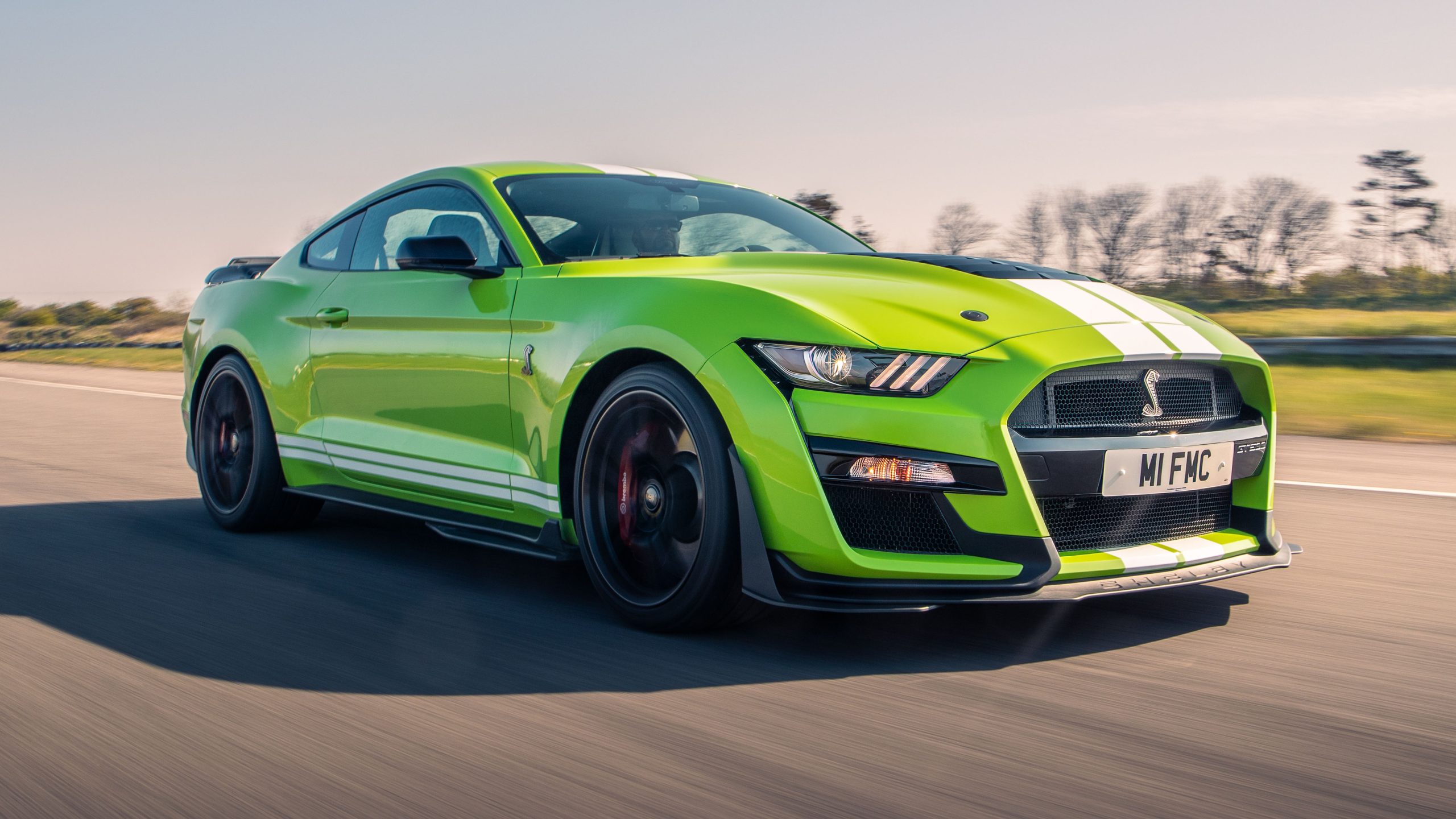
1. Ford Mustang GT
The Ford Mustang GT is an iconic performance car with undeniable appeal, but it is rarely a wise choice for inexperienced drivers. One of the biggest concerns is its powerful engine output.
Modern Mustang GT models produce substantial horsepower that can overwhelm beginners who have not yet developed advanced throttle control or emergency handling skills. Sudden acceleration can quickly lead to loss of control, especially in wet or slippery conditions. Many new drivers underestimate how rapidly high-powered cars can become dangerous when mistakes occur.
Rear Wheel Drive also presents challenges for inexperienced motorists. While experienced enthusiasts may enjoy the dynamic handling characteristics of Rear Wheel Drive vehicles, beginners often struggle with traction management during aggressive acceleration or poor weather conditions.
The Mustang GT requires a level of driving discipline and road awareness that many first-time drivers simply have not developed yet. Even minor overconfidence behind the wheel can lead to dangerous situations.
Insurance costs for the Mustang GT are another major drawback. Because the car is associated with speed, aggressive driving, and higher accident rates, insurance premiums can become extremely expensive for younger or inexperienced drivers.
Fuel economy is also relatively poor compared to practical sedans and compact SUVs, increasing long-term ownership expenses. Maintenance and tire replacement costs can further strain the budgets of students or first-time car owners.
Visibility is not ideal either. The Mustang’s sporty design creates larger blind spots and reduced rear visibility compared to beginner-friendly sedans like the Corolla or Civic. Parking and maneuvering can therefore become more difficult for inexperienced drivers.
The car’s low seating position and aggressive styling may look exciting, but they can create unnecessary stress for someone still learning basic driving techniques.
While the Mustang GT is a thrilling and capable vehicle in the hands of a skilled driver, it encourages performance-focused driving behaviors that are not suitable for beginners. New drivers benefit far more from vehicles that emphasize stability, predictability, and affordability rather than raw speed and aggressive acceleration. For most inexperienced motorists, the risks and costs associated with the Mustang GT significantly outweigh its excitement and visual appeal.
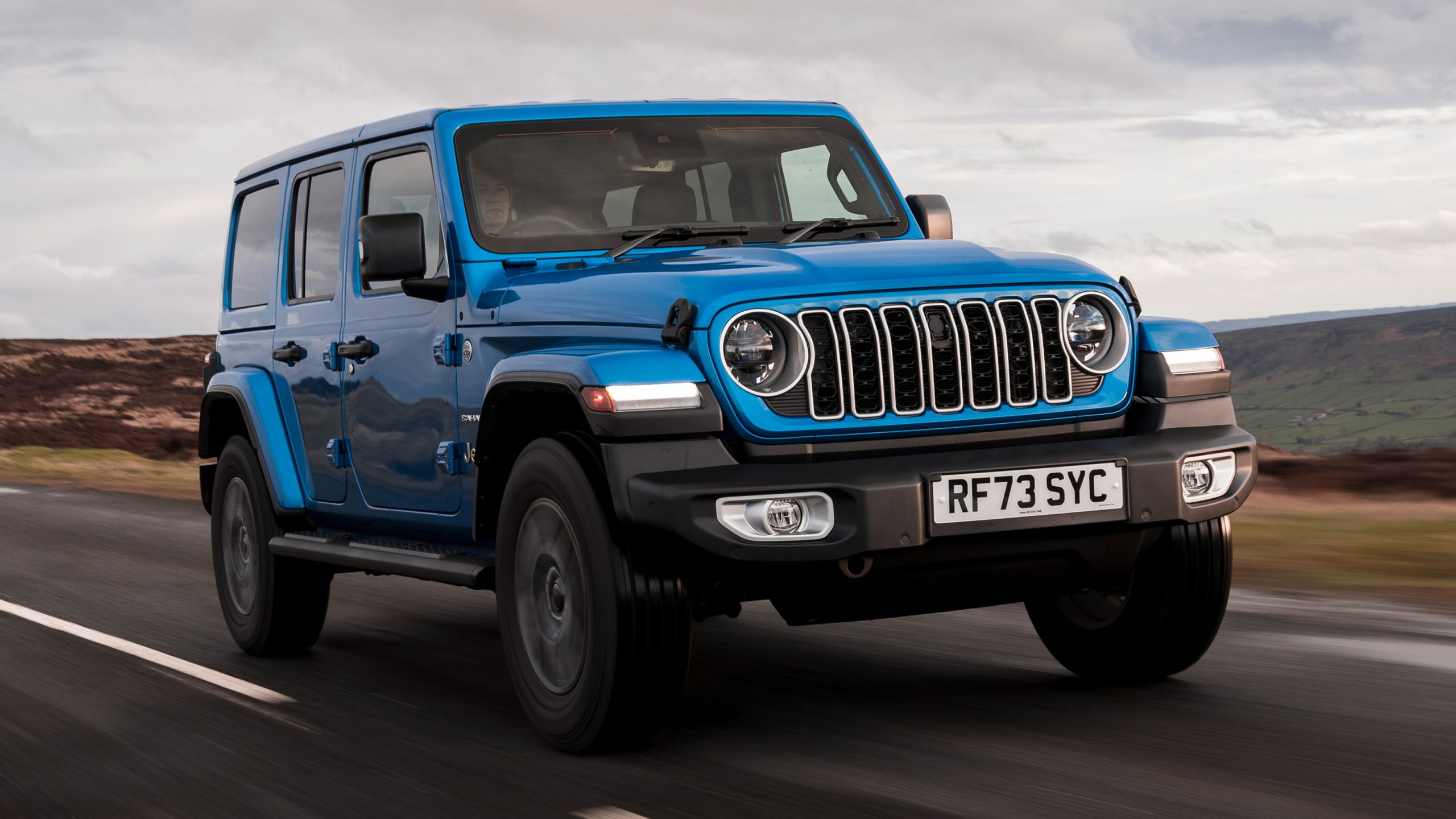
2. Jeep Wrangler
The Jeep Wrangler has a loyal fan base and exceptional off-road capability, but it can be a difficult and impractical choice for first-time drivers. One of the biggest concerns is its handling characteristics.
Unlike modern crossovers designed primarily for road comfort and stability, the Wrangler retains a rugged body-on-frame construction optimized for off-road performance. This design can lead to a rougher ride, less precise steering, and reduced stability during high-speed highway driving.
The Wrangler’s elevated center of gravity also increases rollover risk compared to lower, more stable vehicles. Inexperienced drivers may struggle with sudden evasive maneuvers or emergency braking situations where stability becomes critical.
Wind sensitivity can also affect handling, especially on highways, creating an additional challenge for beginners still learning vehicle control. While experienced drivers can adapt to these characteristics, they can feel intimidating and unpredictable for new motorists.
Fuel economy is another weakness. Wranglers generally consume more fuel than compact sedans or crossover SUVs, increasing ownership costs for budget-conscious drivers. Insurance premiums are often higher as well, partly because of repair expenses and accident statistics. Maintenance can become costly over time, especially for heavily used or modified models. Many owners also customize their Wranglers with aftermarket parts that may negatively impact reliability and handling.
Interior comfort and practicality can disappoint first-time buyers expecting a traditional SUV experience. The Wrangler’s cabin prioritizes rugged utility over refinement, resulting in more road noise and a less comfortable ride than many competitors.
Visibility can be awkward due to removable roof panels and bulky structural components. Parking and maneuvering in urban environments may also feel cumbersome for inexperienced drivers unfamiliar with larger vehicles.
Although the Jeep Wrangler excels in off-road adventures and outdoor recreation, most new drivers spend the majority of their time commuting on paved roads. For daily transportation and skill development, there are far better options available that provide superior comfort, safety, fuel economy, and handling stability.
The Wrangler’s unique personality appeals strongly to enthusiasts, but it is generally not an ideal match for someone just beginning their driving journey.
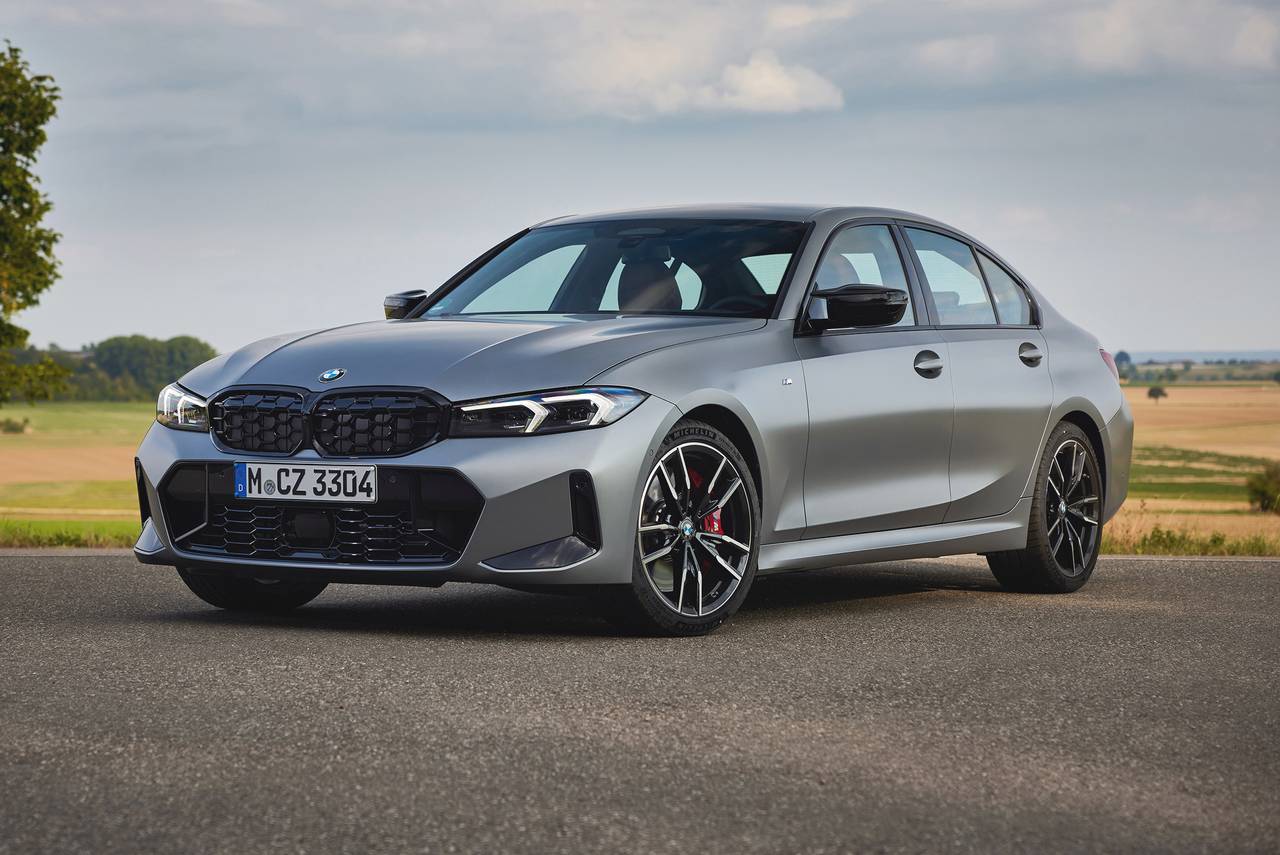
3. BMW 3 Series
The BMW 3 Series is widely respected for its luxury features and sporty handling, but it can create several challenges for new drivers. One of the primary concerns is the cost of ownership. Luxury vehicles typically require more expensive maintenance, premium fuel, and higher-priced replacement parts.
Even relatively minor repairs can become financially overwhelming for younger drivers or students operating on limited budgets. Insurance costs are also significantly higher compared to practical economy cars.
Performance capabilities can also become problematic. The 3 Series delivers strong acceleration and responsive handling that may encourage overconfidence behind the wheel. New drivers often lack the experience necessary to manage powerful Rear Wheel Drive or All Wheel Drive sports sedans safely under challenging conditions. While the car feels exciting and refined, its sporty nature can tempt inexperienced motorists to drive more aggressively than they should.
Technology complexity is another issue. Modern BMW models include sophisticated infotainment systems, customizable driving modes, and numerous electronic features that can distract inexperienced drivers.
Beginner motorists benefit more from straightforward controls and simple cabin layouts that allow them to focus fully on road awareness and defensive driving techniques. Excessive technological complexity can increase distraction levels, especially for younger drivers already prone to smartphone-related inattention.
Repair reliability also deserves consideration. Although BMW produces excellent engineering, long-term reliability can vary significantly depending on maintenance history and model year. Neglected used examples may develop costly mechanical or electrical problems that become frustrating and expensive for inexperienced owners.
Purchasing an older luxury car at a low price may initially seem attractive, but ongoing maintenance expenses can quickly exceed expectations.
The BMW 3 Series is undoubtedly a rewarding vehicle for experienced drivers who appreciate performance and refinement. However, beginner motorists are generally better served by reliable mainstream vehicles with lower costs, simpler controls, and less intimidating performance capabilities. The excitement and prestige of a luxury sports sedan rarely outweigh the financial and practical disadvantages for someone still developing basic driving experience.
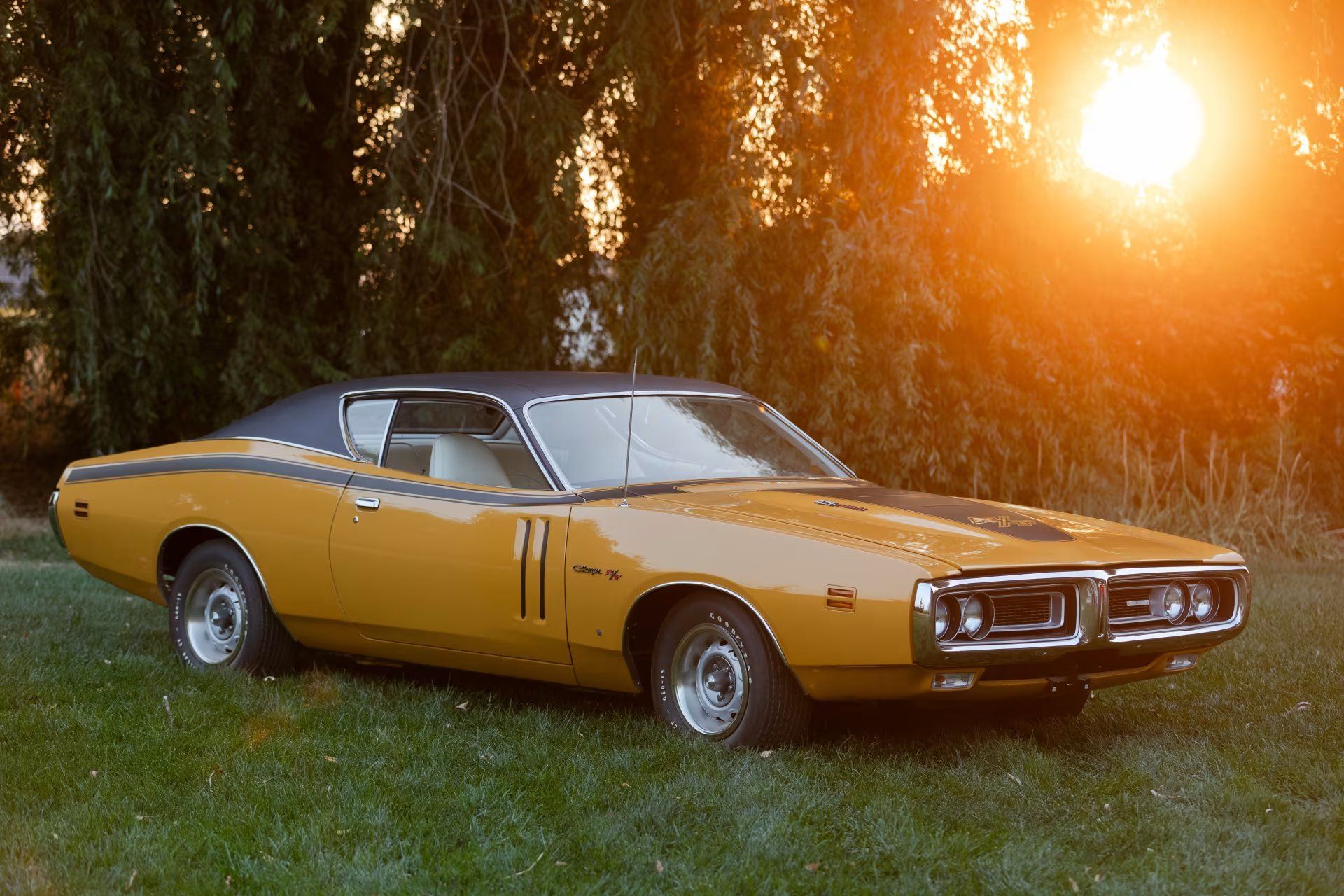
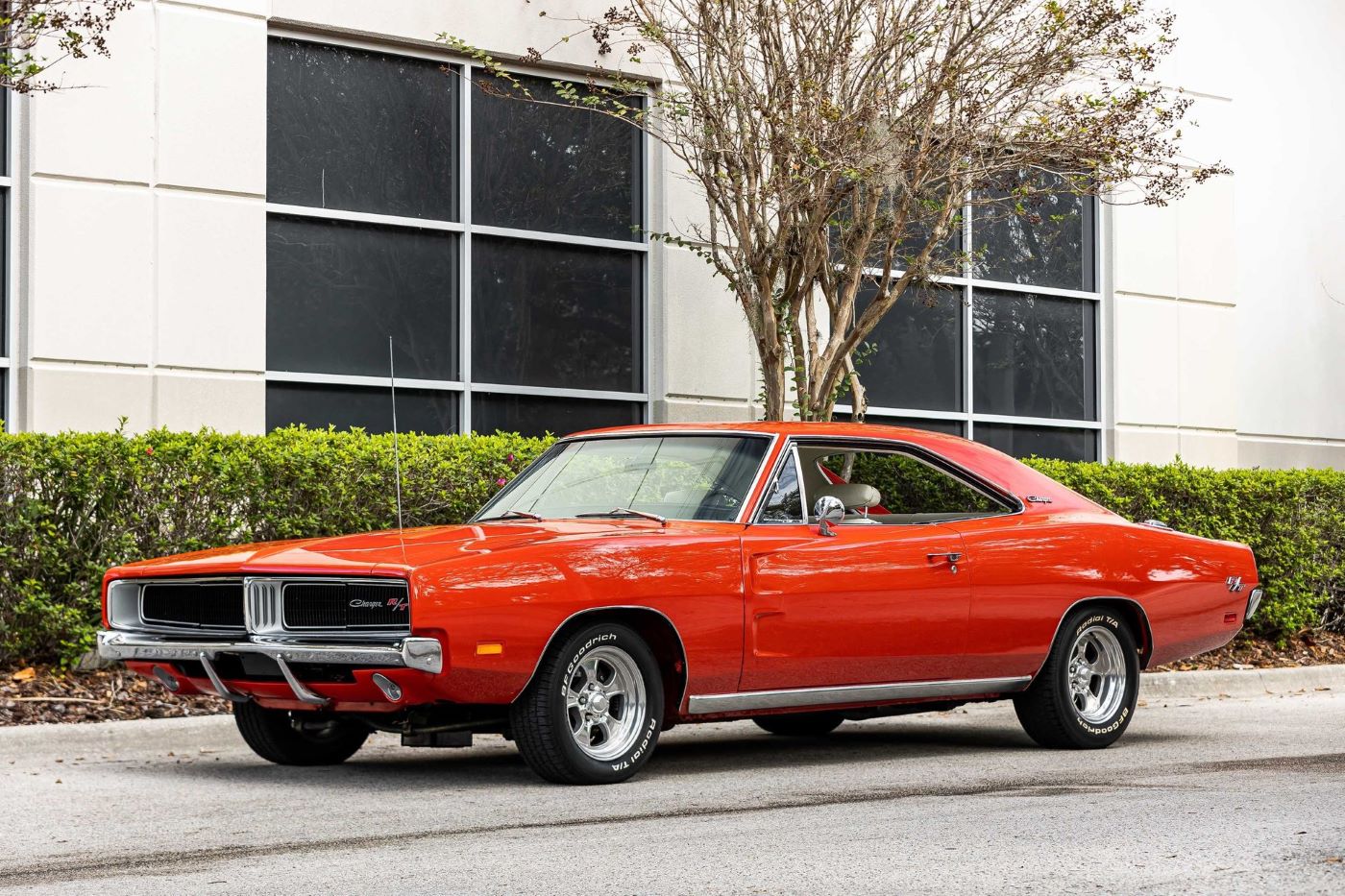
4. Dodge Charger R/T
The Dodge Charger R/T combines aggressive styling with substantial engine power, making it a risky choice for inexperienced drivers. One of the biggest concerns is acceleration. The Charger R/T’s powerful V8 engine delivers rapid speed that can quickly overwhelm beginners unfamiliar with performance-oriented vehicles. Inexperienced drivers may struggle to judge safe acceleration levels, especially in heavy traffic or adverse weather conditions.
The Charger’s large size also presents challenges. Compared to compact sedans, it is wider and longer, making parking and maneuvering more difficult for beginners.
Limited visibility in certain areas can further complicate lane changes and tight urban driving situations. New drivers often benefit from smaller vehicles that are easier to control and position on the road. The Charger’s bulk can therefore create unnecessary stress and increase the likelihood of minor accidents.
Fuel economy is relatively poor, particularly for younger owners commuting daily or traveling long distances. Insurance rates are also high because the Charger is classified as a performance-oriented vehicle associated with speeding and accident risks. Tire replacements, brake servicing, and general maintenance costs can exceed those of practical beginner cars by a significant margin. These expenses can become burdensome for drivers with limited financial flexibility.
The Charger’s aggressive personality may also encourage risky behavior. Muscle cars often attract drivers who enjoy rapid acceleration and high-speed driving, but beginners should focus on building safe habits and defensive driving skills instead. Vehicles that emphasize power and speed can create temptation at exactly the wrong stage of driving development. Confidence should come from experience and discipline, not horsepower.
Despite its bold appearance and thrilling performance, the Dodge Charger R/T is not a practical beginner vehicle for most people.
New drivers are far better off choosing cars that prioritize safety, predictability, fuel efficiency, and manageable ownership costs. While muscle cars can certainly be enjoyable later in life, inexperienced motorists usually benefit from mastering driving fundamentals in calmer and more forgiving vehicles first.
