
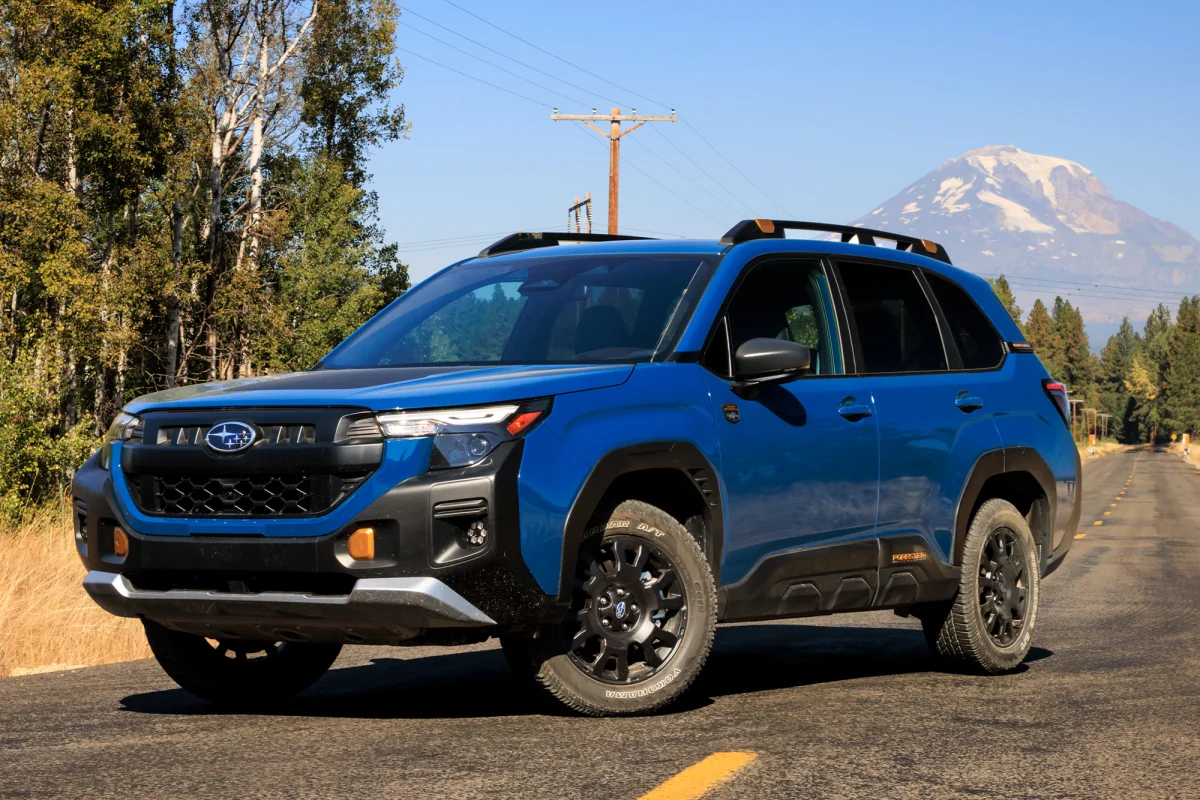
Subaru has built a strong reputation for making practical, safe, and all-weather capable SUVs that appeal to families, outdoor enthusiasts, commuters, and budget-conscious buyers alike.
Over the years, the brand has become closely associated with standard All Wheel Drive systems, excellent safety technology, and durable engineering that performs especially well in rough weather conditions. However, not every Subaru SUV delivers the same level of reliability, value retention, comfort, or long-term ownership satisfaction.
Some models stand out as smart investments that continue to impress owners years after purchase, while others have developed reputations for expensive repairs, underwhelming performance, outdated technology, or recurring mechanical concerns that make them harder to recommend.
Choosing the right Subaru SUV requires looking beyond brand loyalty and focusing on the specific strengths and weaknesses of each model. Some Subaru SUVs offer outstanding fuel economy, practical cargo space, advanced driver assistance systems, and strong resale value, which make them excellent choices in the crowded crossover market.
Others struggle with transmission problems, excessive oil consumption, weak acceleration, or aging interiors that fail to compete with rivals from Toyota, Honda, Mazda, or Hyundai. Buyers often assume that every Subaru automatically guarantees reliability and rugged capability, but ownership experiences vary significantly depending on the model year, engine design, and build quality.
One of the biggest advantages Subaru offers is its symmetrical All Wheel Drive system, which comes standard on nearly every SUV in its lineup. This gives many Subaru vehicles excellent traction and confidence in rain, snow, and dirt roads without forcing buyers into expensive upgrades.
Combined with impressive crash safety scores and user-friendly interiors, Subaru SUVs often become long-term family vehicles that retain strong resale values. Still, even respected automakers occasionally produce disappointing models or problematic generations, and Subaru is no exception.
Certain SUVs developed recurring issues with continuously variable transmissions, engine gasket failures, poor ride refinement, or cramped third-row seating that frustrated owners over time.
For used car buyers especially, understanding which Subaru SUVs are truly worth the money can save thousands in repair bills and ownership headaches. Some older models remain dependable bargains with excellent longevity, while others become financial risks once warranties expire.
Likewise, newer Subaru SUVs can vary widely in quality depending on drivetrain tuning, technology updates, and engineering improvements. Smart shoppers should focus not only on purchase price but also on maintenance costs, reliability history, fuel efficiency, comfort, cargo flexibility, and long-term dependability.
This guide breaks down four Subaru SUVs that consistently deliver strong value and ownership satisfaction, along with four models or generations that buyers may want to avoid. Whether you are shopping for a reliable family crossover, a rugged adventure vehicle, or a practical commuter SUV, understanding these distinctions can help you make a smarter purchase decision and avoid costly mistakes later.
Also Read: 10 Cars With Insurance Premiums Lower Than a Compact Sedan
4 Subaru SUVs Worth the Money
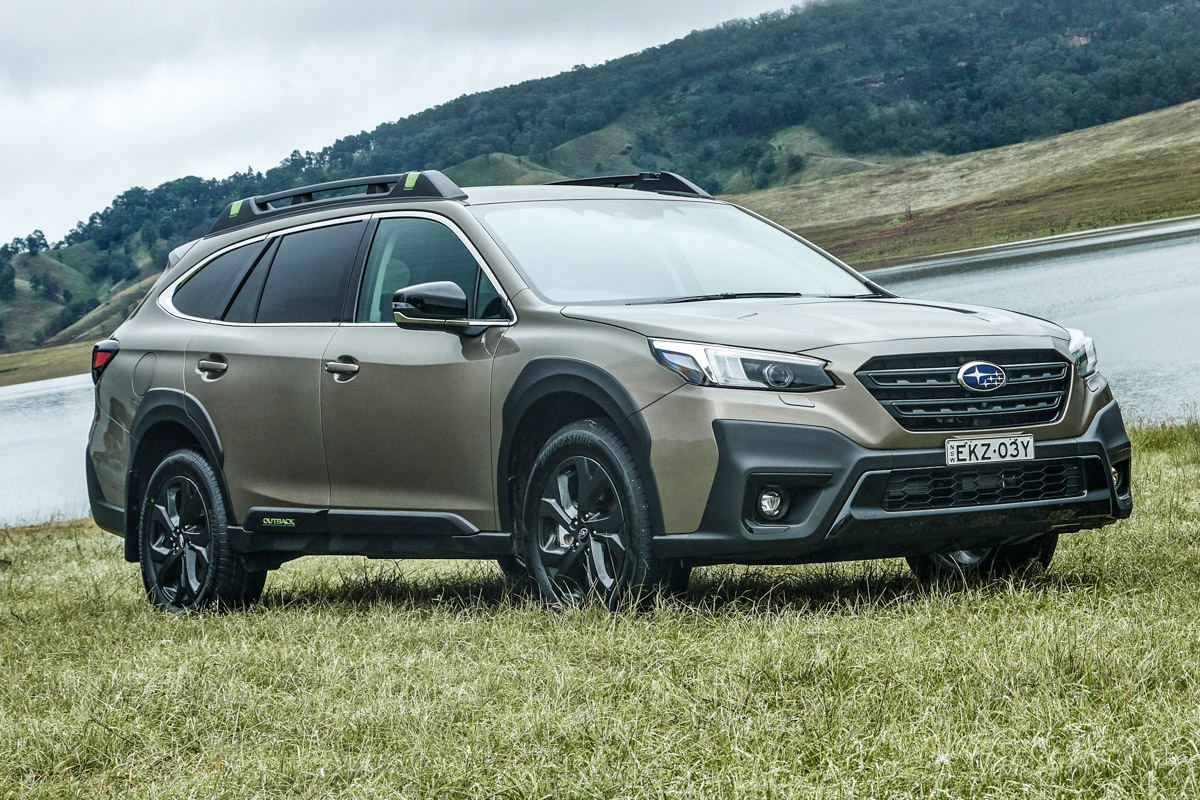
1. Subaru Outback
The Subaru Outback remains one of the smartest SUV-style purchases for buyers who value practicality, durability, and year-round capability. Although technically classified as a wagon by some standards, the Outback functions like a midsize SUV thanks to its elevated ride height, spacious cargo area, and rugged styling.
It has become especially popular among outdoor enthusiasts who want All Wheel Drive capability without moving into a large truck-based SUV. The Outback balances comfort, efficiency, and utility remarkably well, making it one of Subaru’s strongest long-term value vehicles.
One of the biggest reasons the Outback is worth the money is its exceptional versatility. Few vehicles manage to blend commuter comfort with light off-road confidence as effectively as the Outback.
It performs well during highway travel, offers comfortable seating for families, and still handles gravel roads, snow-covered streets, and camping trips with confidence. The available X Mode traction management system improves capability on slippery surfaces, while generous ground clearance helps drivers navigate rough terrain that would challenge ordinary crossovers.
Reliability has also improved significantly in newer Outback generations. Earlier Subaru models occasionally struggled with head gasket concerns and transmission complaints, but more recent Outbacks have benefited from improved engineering and better drivetrain durability.
The naturally aspirated 2.5-liter engine offers respectable fuel economy and dependable daily driving performance, while the turbocharged XT models provide stronger acceleration for drivers who want more power. Maintenance costs generally remain reasonable compared to luxury SUVs with similar All Wheel Drive capabilities.
Interior comfort and safety technology also help justify the Outback’s value. Subaru includes its EyeSight driver assistance suite on most trims, offering adaptive cruise control, lane centering, and automatic emergency braking.
Cabin materials have improved substantially in newer generations, and cargo space remains among the best in its class. Families appreciate the comfortable rear seating and practical storage layout, while road trip travelers benefit from a quiet cabin and smooth highway ride.
Another major advantage is resale value. The Outback consistently retains strong used market demand because buyers trust its reputation for safety and all-weather dependability. Owners who maintain their vehicles properly often keep them for well over 200,000 miles. That combination of longevity, versatility, safety, and resale strength makes the Subaru Outback one of the best SUV purchases in Subaru’s lineup.
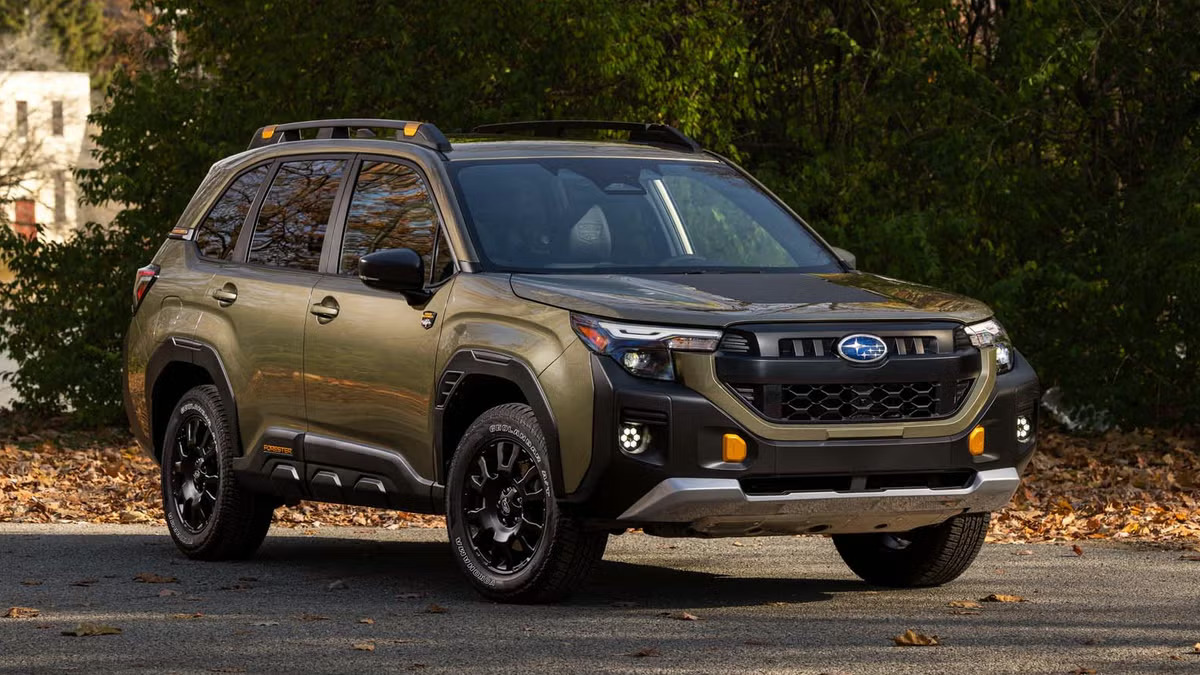
2. Subaru Forester
The Subaru Forester stands out as one of the most practical compact SUVs available today. Unlike many rivals that prioritize sporty styling over usability, the Forester focuses on visibility, interior space, comfort, and ease of ownership.
This straightforward design philosophy has helped it remain one of Subaru’s most consistently successful vehicles. Buyers looking for a dependable compact SUV with excellent visibility and safety technology often find the Forester difficult to beat for the price.
One of the Forester’s biggest strengths is cabin visibility. The large windows, upright seating position, and thoughtfully designed interior create an open and airy driving experience that many compact SUVs lack. Drivers appreciate the confidence this visibility provides during city driving, parking, and highway commuting. Elderly drivers and families especially value the Forester’s easy entry and exit, making it one of the most user-friendly SUVs in the segment.
The Forester also delivers excellent practicality. Cargo space is generous for a compact SUV, and the rear seats fold easily to accommodate larger items.
Subaru’s standard All Wheel Drive system adds another layer of confidence for buyers living in snowy or rainy climates. Unlike some competitors that reserve All Wheel Drive for expensive trims, Subaru makes it standard equipment, increasing the Forester’s value proposition significantly.
Fuel efficiency remains another positive aspect of Forester ownership. Despite standard All Wheel Drive, the Forester achieves competitive gas mileage compared to Front Wheel Drive rivals.
The naturally aspirated engine may not feel particularly fast, but it provides smooth and predictable power delivery suited for everyday driving. Most owners prioritize reliability and practicality over aggressive acceleration, and the Forester succeeds in those areas.
Safety ratings further strengthen the Forester’s reputation. Subaru consistently earns high crash test scores, and EyeSight driver assistance technology has become one of the most respected safety systems in the industry.
Features like adaptive cruise control, lane departure warning, and collision mitigation braking contribute to reduced driver fatigue and improved road safety. Parents and commuters alike often choose the Forester because of its strong safety profile.
Long-term ownership costs also remain relatively manageable. While no vehicle is immune to repairs, the Forester generally avoids the severe reliability concerns associated with some older Subaru models. Strong resale value, dependable all-weather performance, practical interior space, and trusted safety technology make the Subaru Forester one of the best compact SUV purchases for budget-conscious buyers seeking long-term value.
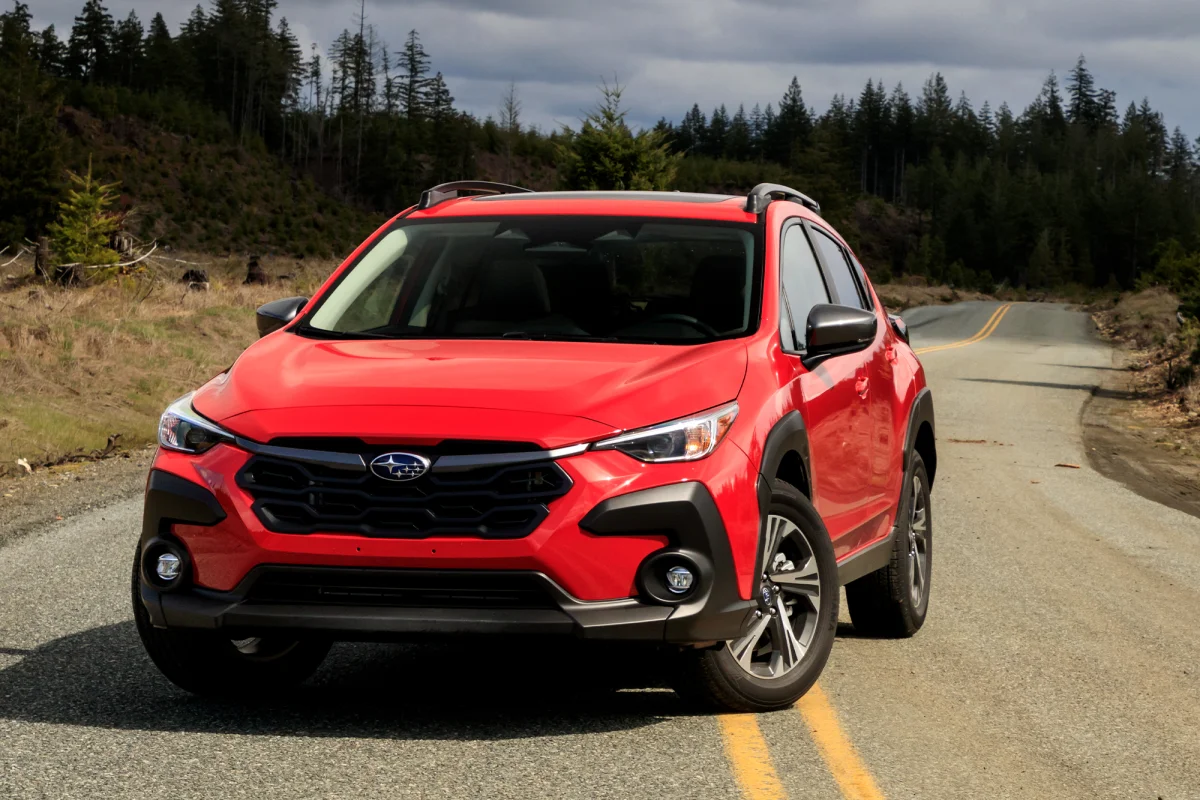
3. Subaru Crosstrek
The Subaru Crosstrek has become one of the brand’s biggest success stories because it delivers impressive versatility at an affordable price point. Built on a compact platform, the Crosstrek combines hatchback-like maneuverability with SUV-inspired ride height and standard All Wheel Drive capability.
For young professionals, students, small families, and outdoor enthusiasts, the Crosstrek offers a compelling blend of practicality, efficiency, and rugged styling without requiring a large financial commitment.
One reason the Crosstrek is worth the money is its affordability compared to many competitors offering similar features. Standard All Wheel Drive alone gives the Crosstrek a major advantage over many entry-level compact crossovers.
Buyers do not need to pay thousands extra for improved traction, making the Crosstrek especially attractive in regions with snow or heavy rain. Even lower trims include useful safety and convenience features that increase ownership satisfaction.
Fuel economy is another major strength. The Crosstrek delivers impressive efficiency for an All Wheel Drive vehicle, helping owners save money on fuel over time.
Earlier versions equipped with the smaller engine sometimes felt underpowered, but newer models with the larger 2.5-liter engine offer significantly better acceleration and highway performance. This improvement transformed the driving experience without sacrificing practicality or efficiency.
The Crosstrek also excels in urban environments. Its compact dimensions make parking and maneuvering easy, while the elevated seating position provides good visibility.
Despite its smaller size, the cabin remains surprisingly functional for daily commuting, grocery runs, and weekend travel. Fold-down rear seats add flexibility for transporting camping gear, bicycles, or luggage, enhancing the vehicle’s lifestyle appeal.
Subaru’s reputation for safety further enhances the Crosstrek’s value. Modern versions include advanced driver assistance systems and strong crash protection ratings. Many buyers appreciate the peace of mind provided by Subaru’s safety engineering, especially when shopping in the affordable crossover segment where compromises are common. The Crosstrek consistently earns praise for balancing affordability with meaningful safety technology.
Resale value remains another important advantage. Demand for used Crosstreks stays strong because buyers view them as reliable, efficient, and practical vehicles with genuine all-weather capability.
Owners often report high satisfaction rates due to the Crosstrek’s low operating costs and everyday usability. For buyers seeking a compact SUV with strong value retention, practical design, and year-round versatility, the Subaru Crosstrek is easily one of the best choices in the lineup.
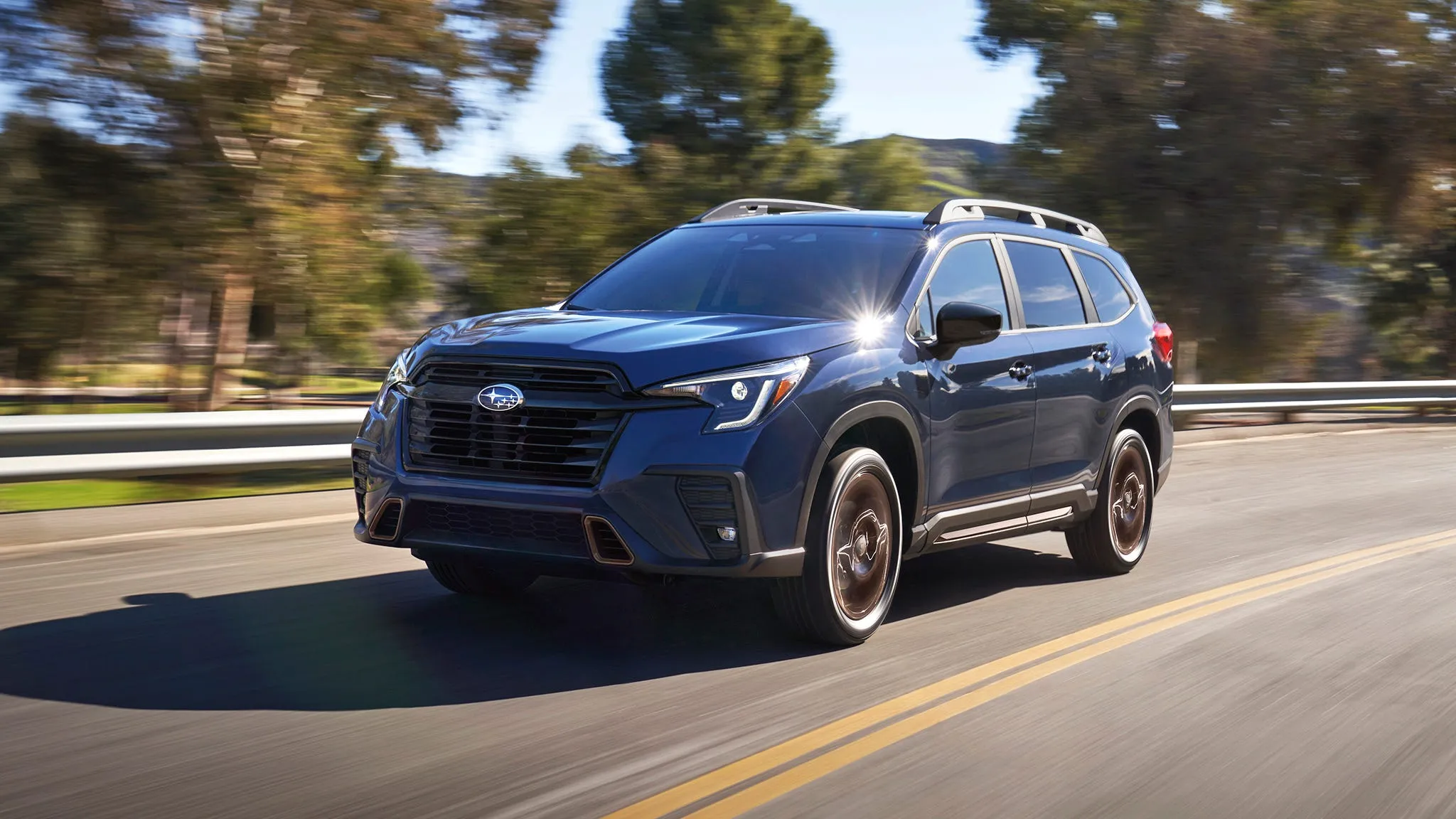
4. Subaru Ascent
The Subaru Ascent represents Subaru’s strongest effort in the three-row SUV segment and has improved significantly since its initial release. Designed for larger families needing additional seating and cargo capacity, the Ascent combines Subaru’s traditional strengths with modern family-focused features.
While early production years experienced some reliability concerns, later models have become much more refined and competitive, making the Ascent a worthwhile option for buyers wanting a family-friendly SUV with standard All Wheel Drive.
One of the Ascent’s biggest advantages is interior space. The cabin comfortably accommodates families with children, and the available captain’s chairs improve second row comfort for long trips. Cargo capacity is generous, especially with the third row folded flat. Families who travel frequently appreciate the Ascent’s practical layout and multiple storage compartments that help organize daily life more effectively.
Performance is respectable thanks to the turbocharged four-cylinder engine, which delivers better torque than many naturally aspirated competitors. Acceleration feels strong enough for highway merging and family road trips, even with passengers and cargo onboard. The standard All Wheel Drive system also gives the Ascent a significant advantage in poor weather conditions compared to some Front Wheel Drive-based rivals.
Safety remains a key selling point. Subaru designed the Ascent with family buyers in mind, and the SUV consistently earns strong crash test scores.
EyeSight safety technology comes standard, providing adaptive cruise control, lane keeping assistance, and collision prevention systems that enhance confidence during long drives. Parents often prioritize these features when choosing a family SUV, and the Ascent performs well in this area.
Ride comfort and refinement have also improved in newer model years. Early Ascents suffered from transmission complaints and quality control issues, but Subaru addressed many of these concerns through software updates and engineering revisions. More recent models offer smoother operation, quieter cabins, and improved reliability. Buyers considering the Ascent should focus on newer model years rather than early production examples.
Another reason the Ascent is worth considering is value pricing. Compared to many midsize SUVs with All Wheel Drive and advanced safety technology, the Ascent often provides strong equipment levels at competitive prices. Families seeking a spacious and capable three-row SUV without paying luxury brand prices may find the Subaru Ascent an excellent long-term investment.
Also Read: 10 Cars That Survive Being Used as Daily Uber Vehicles
4 To Avoid
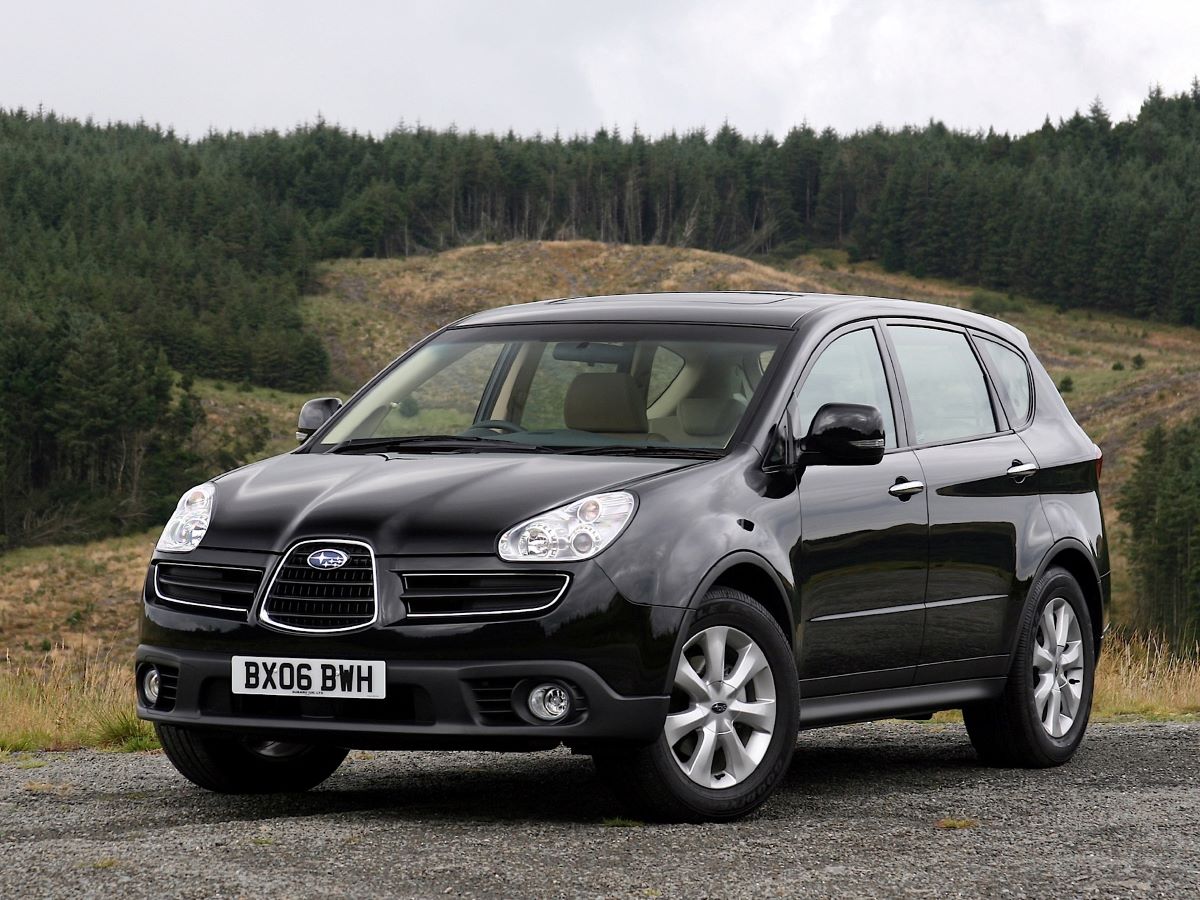
1. Subaru Tribeca
The Subaru Tribeca is often considered one of the least successful SUVs Subaru has ever produced. Introduced as Subaru’s attempt to enter the midsize crossover market, the Tribeca struggled with awkward styling, limited interior space, poor fuel economy, and underwhelming market reception.
While some owners appreciated its All Wheel Drive capability and safety features, the package failed to compete effectively against rivals from Toyota, Honda, and Ford.
One of Tribeca’s biggest problems was its controversial design. The original front grille styling received heavy criticism for looking awkward and overly complicated. Subaru eventually redesigned the front end, but the damage to the vehicle’s reputation had already been done. Consumers simply did not connect with the vehicle aesthetically, which hurt sales and resale value significantly.
Interior packaging also disappointed many buyers. Despite its midsize dimensions, the Tribeca offered cramped third-row seating that felt unsuitable for adults. Cargo space lagged behind competitors, reducing practicality for families who expected a spacious SUV. Buyers seeking true family utility often found more comfortable and functional alternatives elsewhere in the segment.
Fuel economy became another major weakness. The six-cylinder engine delivered mediocre efficiency without offering exceptional performance in return. As fuel prices increased during the late 2000s, buyers increasingly favored more efficient crossover options.
The Tribeca’s poor balance between power and fuel consumption made it difficult to justify compared to rivals offering better economy and stronger performance.
Reliability concerns further complicate ownership experiences. While Subaru’s All Wheel Drive system remained capable, some Tribeca owners encountered expensive maintenance and repair costs as the vehicles aged. Parts availability also became more difficult after the model was discontinued, increasing ownership challenges for used buyers. Combined with weak resale value, these issues made the Tribeca a risky long-term purchase.
The biggest issue with the Tribeca was that it never excelled in any major category. It was neither the most spacious, most efficient, most powerful, nor most luxurious SUV in its class. Buyers today can usually find far better used SUV options at similar prices, making the Subaru Tribeca one of the easiest Subaru SUVs to avoid.
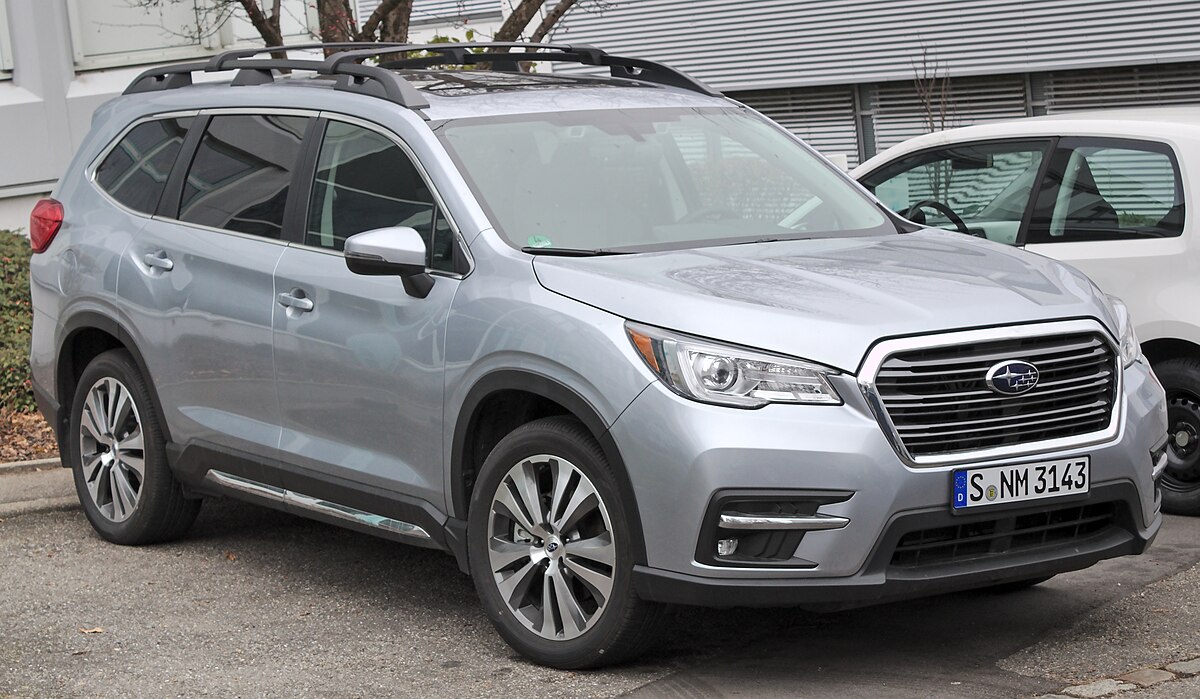
2. Early Subaru Ascent Models
While newer Subaru Ascent models have improved considerably, early production versions from the first years of release developed enough reliability concerns to deserve caution from used car buyers. Subaru introduced the Ascent with high expectations, but several quality control and drivetrain issues emerged quickly, damaging consumer confidence during the SUV’s launch period.
One major complaint involved the continuously variable transmission. Many early Ascent owners reported jerking, hesitation, unusual noises, and inconsistent acceleration behavior.
Some vehicles required transmission replacements or software updates relatively early in ownership. Since transmission repairs can become extremely expensive outside warranty coverage, these concerns significantly affected the Ascent’s reputation.
Electrical and software-related issues also appeared frequently in early models. Owners reported infotainment glitches, malfunctioning sensors, battery drain problems, and warning lights appearing unexpectedly. Although many of these issues were eventually addressed through recalls or software fixes, they created frustration for buyers expecting trouble-free family transportation from a brand known for reliability.
Build quality inconsistencies represented another concern. Some owners encountered rattles, loose interior trim pieces, and water leak complaints that suggested Subaru rushed the vehicle to market before fully refining production quality. While not every early Ascent experienced severe problems, the number of complaints remained higher than expected for a family-focused SUV.
Fuel economy also disappointed some buyers relative to expectations. Although the turbocharged engine provided respectable performance, real-world efficiency sometimes fell short of advertised estimates, especially during city driving. Combined with reliability concerns, this weakened the Ascent’s value proposition during its early years.
The good news is that Subaru gradually improved the Ascent through updates and revisions. However, buyers shopping for used examples should approach the earliest model years carefully and verify recall completion, maintenance history, and transmission condition before purchasing.
Newer Ascents generally represent safer investments, but the earliest versions remain among the Subaru SUVs that buyers should think twice about.
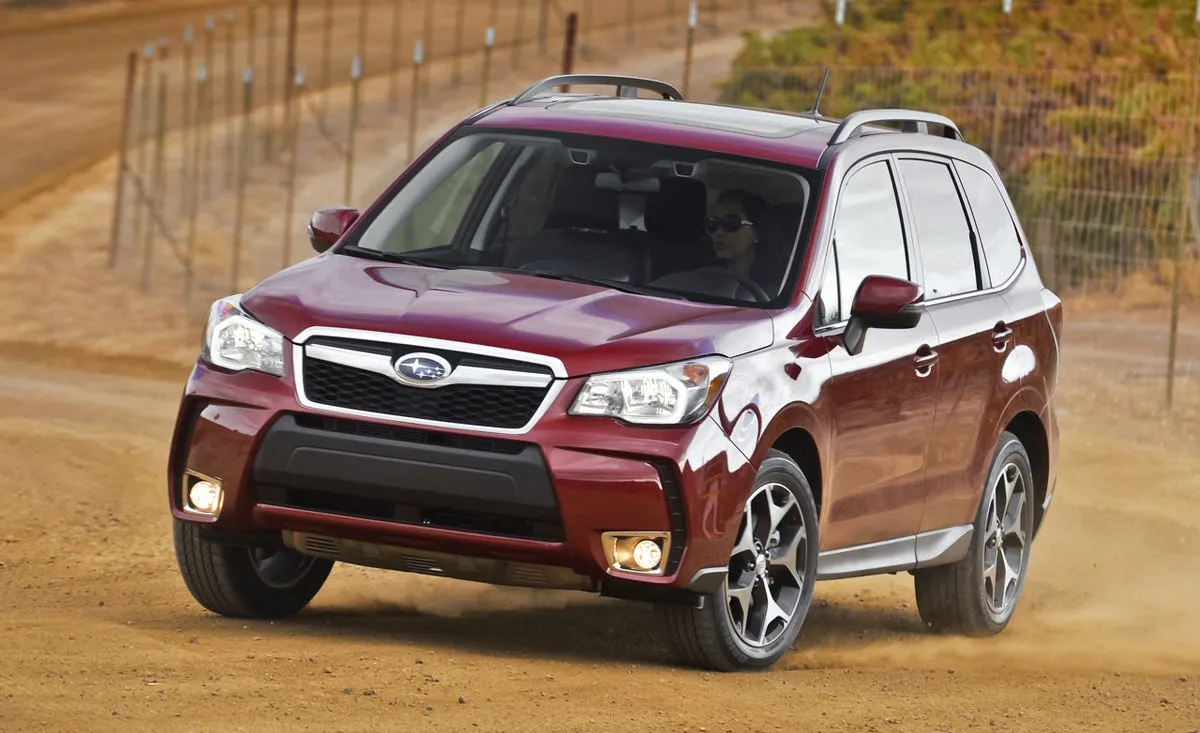
3. Subaru Forester with Early CVT Issues
The Subaru Forester is generally a strong SUV choice, but certain older model years equipped with early continuously variable transmissions developed reliability concerns that make them less desirable than newer versions. Subaru adopted CVT technology to improve fuel economy and smoothness, but the earliest implementations generated enough complaints to affect ownership satisfaction and long term durability.
One of the biggest issues involved transmission longevity. Some owners reported premature CVT failures, shuddering, hesitation, and unusual noises during acceleration. Transmission replacements could become extremely expensive, especially once warranties expired. Subaru eventually extended warranty coverage for some affected vehicles, but repair concerns continued to worry used car buyers.
Driving also feels disappointing to some owners. Early CVTs often produced rubber band-like acceleration characteristics that felt unnatural compared to traditional automatic transmissions. Drivers accustomed to conventional shifting behavior sometimes found the Forester less engaging and responsive than competitors using standard automatics. This issue became particularly noticeable during highway passing or steep hill climbing.
Oil consumption problems added another layer of concern for certain model years. Some naturally aspirated Subaru engines from this period developed excessive oil-burning tendencies that required owners to monitor fluid levels carefully between maintenance intervals. Ignoring these issues could potentially lead to severe engine damage over time.
Interior quality in these older Foresters also lagged behind modern competitors. Hard plastic materials, limited infotainment features, and basic cabin design reduced the sense of refinement compared to newer Subaru models. While practicality remained strong, the ownership experience felt less premium and technologically advanced than many rivals.
Despite these concerns, not every older Forester is problematic. Properly maintained examples can still provide years of dependable service. However, buyers considering used Foresters from the early CVT era should research specific model years carefully, inspect maintenance records thoroughly, and consider whether paying slightly more for a newer generation might offer better long-term reliability and value.

4. Subaru Baja
The Subaru Baja developed a cult following among enthusiasts, but from a practical ownership standpoint, it remains one of Subaru’s least sensible vehicles for most buyers. Combining elements of a compact pickup truck and crossover SUV, the Baja attempted to create a unique niche vehicle but struggled with limited practicality, weak sales, and compromised functionality.
One of the Baja’s biggest problems was its confusing identity. Buyers seeking a true pickup truck found the cargo bed too small for serious hauling tasks, while SUV buyers often preferred vehicles with enclosed cargo areas and greater passenger comfort. The Baja ended up occupying an awkward middle ground that appealed only to a narrow audience.
Interior space also proved disappointing. Rear passenger seating felt cramped, and cabin room lagged behind similarly sized SUVs. Since the cargo bed consumed much of the vehicle’s length, the interior sacrificed practicality that many families and commuters expected from a Subaru vehicle. This limited the Baja’s appeal as an everyday vehicle.
Performance was another weak point. Most Baja models lacked strong acceleration, especially when loaded with passengers or cargo. Fuel economy also failed to impress relative to more practical compact SUVs available during the same period. Buyers looking for efficiency or utility often found better alternatives elsewhere.
Repair and maintenance considerations further complicate Baja ownership today. Since the vehicle is sold in relatively small numbers, certain replacement parts can be harder to find and more expensive compared to mainstream Subaru models. Older examples may also suffer from rust issues, suspension wear, and aging drivetrain components that require significant investment to restore properly.
Although some collectors and enthusiasts appreciate the Baja’s unusual character today, it remains difficult to recommend as a smart financial purchase for most buyers. Practicality limitations, aging mechanical systems, and niche appeal make the Subaru Baja one of the more questionable choices in Subaru’s SUV and crossover history.
