
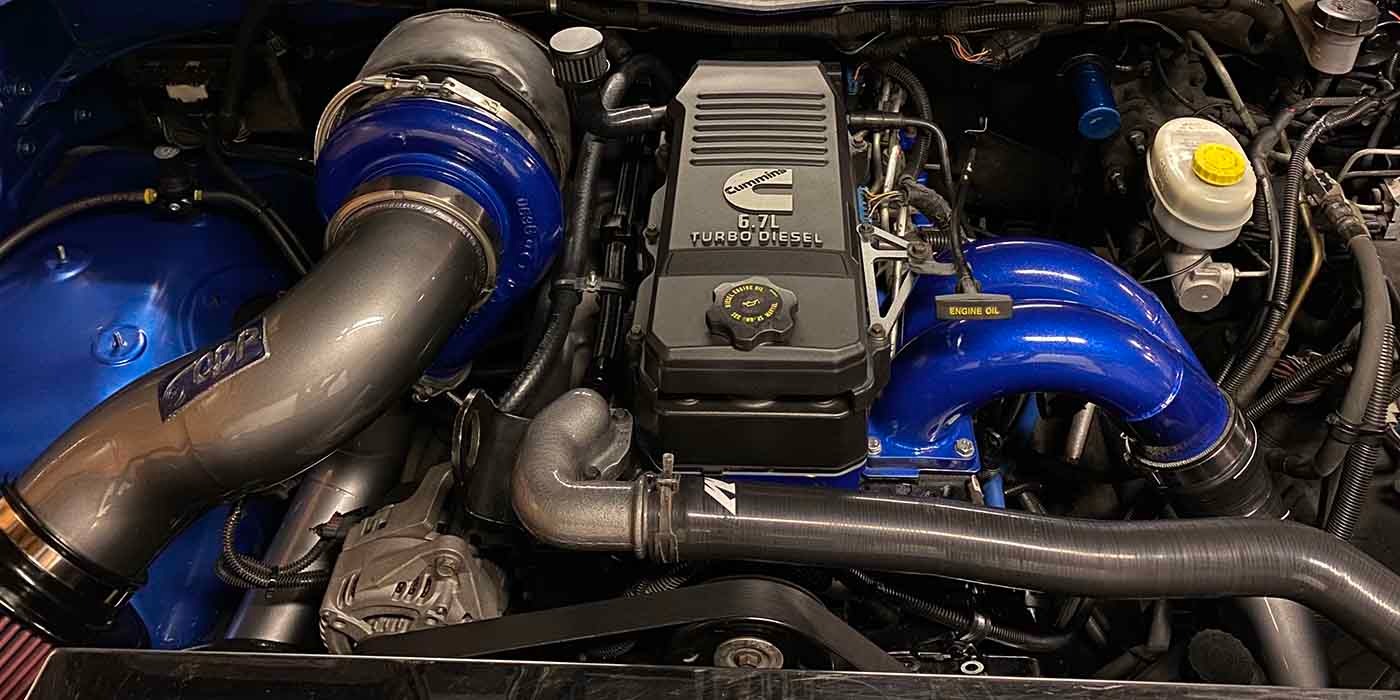
Few diesel engines have earned the level of trust and long-term respect that Cummins engines enjoy across the truck world. Whether the conversation involves heavy-duty towing, commercial hauling, farm work, off-road abuse, or high-mileage highway driving, Cummins powerplants continue to stand out because of their simple engineering, strong low-end torque, and unusually long service life.
Many diesel enthusiasts judge an engine not by horsepower numbers alone, but by how many miles it can realistically survive before requiring a major rebuild. In that discussion, Cummins engines almost always rank near the top.
Their reputation has been built over decades through mechanical simplicity, durable bottom-end construction, and the ability to tolerate heavy workloads for extended periods. Even older models that lack modern technology still command strong resale value because owners know they can continue running reliably with proper maintenance.
One reason these engines have remained so respected is that Cummins produced several distinct variants over the years, each with different strengths, weaknesses, fuel systems, emissions technologies, and durability characteristics. Some are famous for mechanical reliability and million-mile potential, while others offer better fuel economy or cleaner emissions at the expense of added complexity.
The legendary 5.9-liter 12-valve engine is often viewed as nearly indestructible, while newer 6.7-liter versions deliver enormous torque but require more careful emissions maintenance. Commercial variants used in medium-duty trucks can survive astonishing mileage figures because they operate at lower stress levels than high-output pickup applications.
Understanding these differences matters because many buyers assume all Cummins diesels last the same amount of time, when in reality, durability varies based on design generation, maintenance quality, tuning practices, towing frequency, and operating conditions.
Another important factor is that longevity numbers online are often exaggerated. It is common to hear claims of two-million-mile engines or stories about untouched trucks reaching impossible mileage totals. While Cummins engines absolutely can achieve extraordinary durability, realistic expectations are more useful than internet myths.
A properly maintained diesel may last several hundred thousand miles without major issues, but injector wear, turbocharger fatigue, transmission strain, cooling system neglect, and emissions equipment problems still affect ownership experience.
Some variants are famous because they survive abuse from owners who skip maintenance, while others demand strict service intervals to maintain reliability. Knowing the real-world lifespan of each engine helps buyers avoid disappointment and choose the right generation for their needs.
This article breaks down eight major Cummins diesel variants and explains how long each actually lasts in realistic ownership conditions. Each section covers the engine’s design, strengths, common problems, expected lifespan, maintenance considerations, and what kind of owner benefits most from that particular variant.
Instead of focusing only on peak numbers or enthusiast hype, the discussion centers on actual durability patterns seen in work trucks, tow rigs, fleet vehicles, and high-mileage daily drivers.
From the legendary mechanical diesels of the 1990s to the advanced electronically controlled engines used today, these are the Cummins variants that shaped diesel truck history and continue to influence the market.
Also Read: 10 Cars With Insurance Premiums Lower Than a Compact Sedan
1. 5.9L 12 Valve Cummins 1989 to 1998
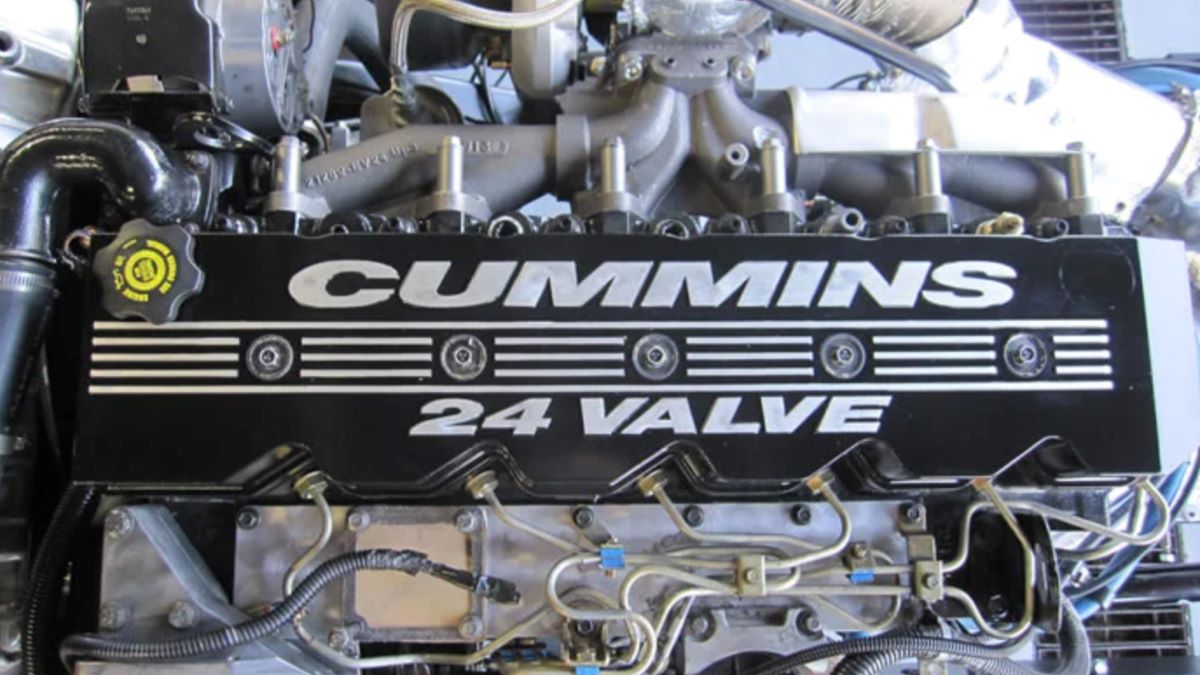
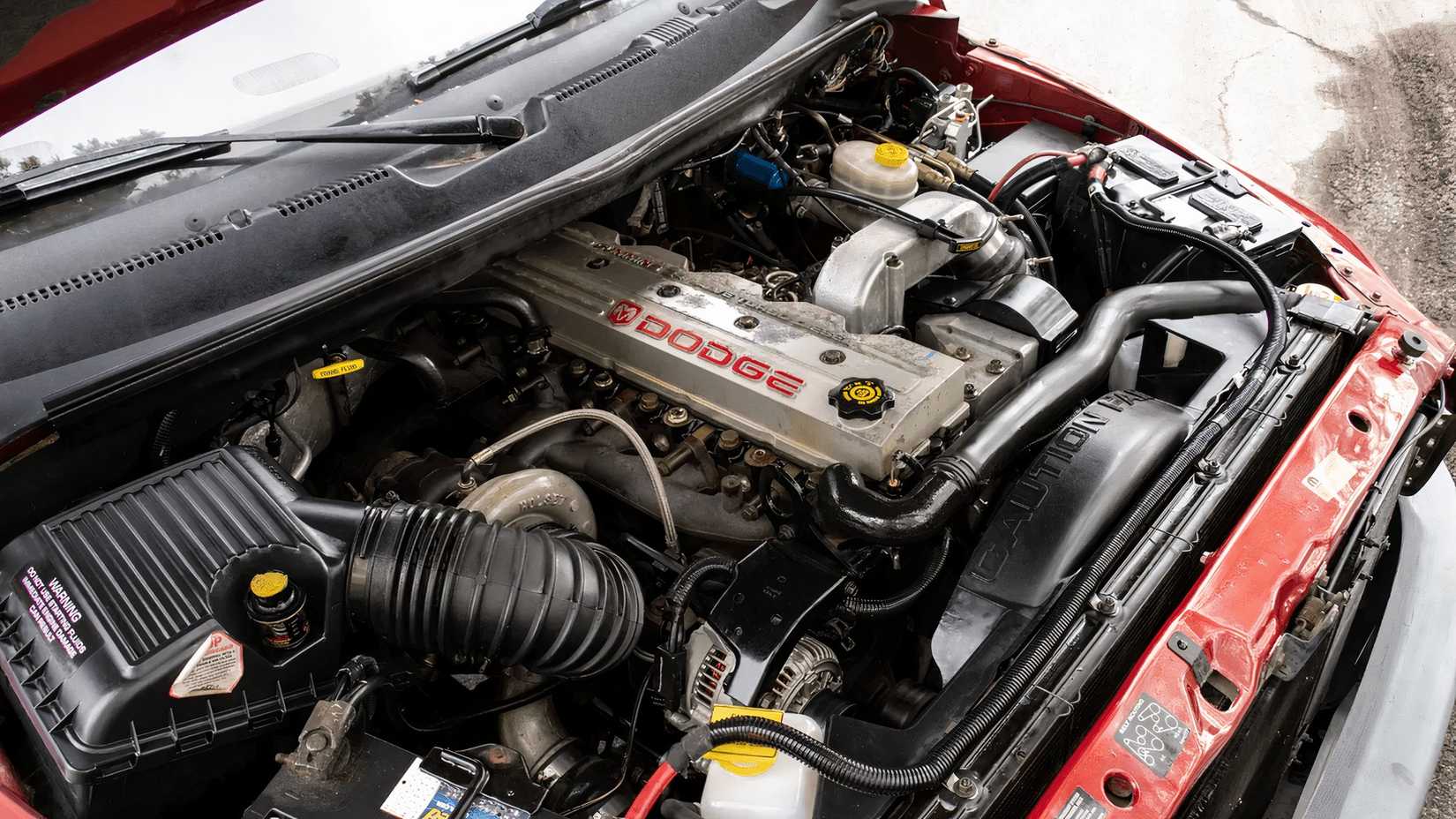
The 5.9-liter 12-valve Cummins is widely considered the most durable pickup truck diesel engine ever built. Introduced in Dodge Ram trucks beginning in 1989, this inline six engine immediately transformed the diesel pickup segment because it delivered commercial-grade durability in a consumer truck platform.
The engine used a cast-iron block, forged steel internals, and a simple mechanical fuel system that eliminated many of the electronics that later complicated diesel ownership. Early versions produced modest horsepower by modern standards, but they generated excellent torque and could handle continuous heavy workloads without excessive strain.
Owners quickly discovered that these engines could survive hundreds of thousands of miles while still maintaining strong compression and reliable operation.
One of the biggest reasons for the 12 valve engine’s reputation is the Bosch P7100 injection pump found in later versions. This mechanical injection system became legendary because it was reliable, easy to tune, and capable of supporting massive power increases without major modifications.
Unlike modern common rail systems that rely on complex sensors and expensive injectors, the P pump system was comparatively simple and rugged. Even when neglected, many engines continued operating with little complaint.
This simplicity also made repairs far less expensive compared to newer electronically controlled diesels. Farmers, ranchers, and commercial operators especially appreciated the ability to diagnose and repair problems without specialized dealer equipment.
Realistically, a well-maintained 12-valve Cummins can last between 500,000 and 800,000 miles before requiring a major rebuild. Some examples exceed one million miles, though those cases usually involve meticulous maintenance and highway driving rather than aggressive towing.
The bottom end of the engine is exceptionally durable, and many failures that occur at high mileage involve supporting components such as turbochargers, water pumps, injectors, or cooling systems rather than catastrophic internal damage. Oil leaks become common with age, but these rarely affect drivability.
Manual transmission trucks paired with these engines often survive longer because automatic transmissions from that era were comparatively weak and frequently failed before the engine itself.
Despite its legendary durability, the 12-valve engine is not perfect. The infamous killer dowel pin issue can cause catastrophic damage if left unaddressed. This small locating pin inside the timing case may vibrate loose and enter the timing gears. Fortunately, preventive fixes are inexpensive and widely available.
Fuel plate tampering and aggressive tuning can also create excessive exhaust temperatures that shorten turbocharger life. However, compared to modern diesel engines, these problems are minor and manageable. Most owners view the engine as highly forgiving, even when modified for additional power.
Today, the 12-valve Cummins remains one of the most sought-after diesel engines in the used market. Enthusiasts value its mechanical simplicity, tuning potential, and unmatched longevity.
Even trucks with extremely high mileage still command strong prices if the engine remains healthy. For buyers prioritizing long-term reliability over modern comfort and emissions compliance, the 12 valve continues to represent one of the best diesel investments ever made.
2. 5.9L 24 Valve VP44 Cummins 1998 to 2002
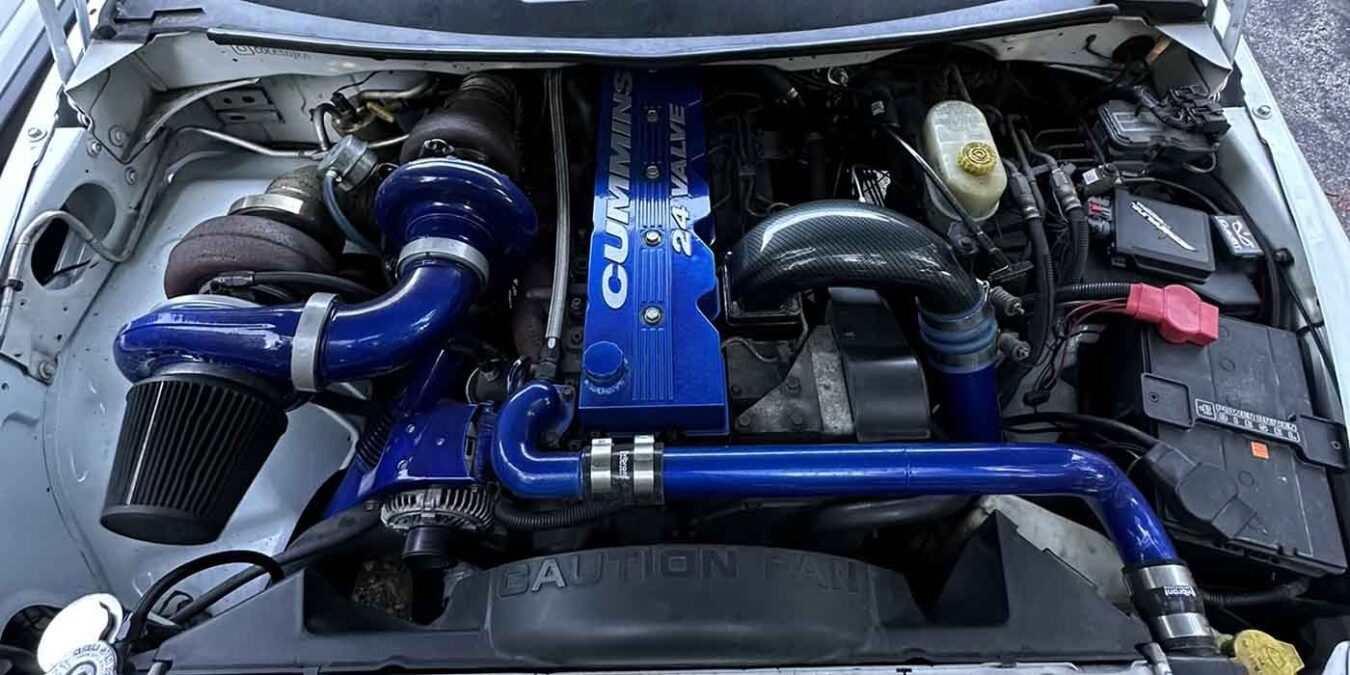
The transition from the 12 valve to the 24 valve Cummins introduced significant technological improvements along with new reliability concerns. Cummins redesigned the cylinder head to improve airflow and increase power output while also introducing electronic engine controls.
The result was a smoother, quieter, and more refined diesel engine that produced stronger performance than its predecessor. However, the VP44 injection pump became the defining issue of this generation. While the engine itself remained mechanically robust, fuel system reliability concerns damaged the long-term reputation of these otherwise capable trucks.
The VP44 injection pump relies heavily on adequate fuel pressure from the lift pump. Unfortunately, factory lift pumps frequently failed, starving the VP44 of fuel and causing premature injection pump failure. Since replacement VP44 pumps are expensive, many owners faced major repair bills at relatively low mileage.
Enthusiasts quickly learned that installing an aftermarket lift pump system dramatically improved reliability. Trucks that received proper fuel system upgrades often delivered excellent long-term durability, while neglected examples suffered repeated injection failures. This issue created a sharp divide between well-maintained trucks and problematic ones.
In terms of actual engine longevity, the 24 valve VP44 Cummins still performs extremely well. Most properly maintained examples comfortably reach 400,000 to 600,000 miles before major internal work becomes necessary. The rotating assembly remains strong, and the engine tolerates moderate towing and daily use without excessive wear.
Cylinder head cracking can occasionally occur on heavily abused engines, especially those running aggressive tuning without supporting modifications. Automatic transmission durability also remained a weak point during this era, meaning many trucks required transmission rebuilds long before engine problems appeared.
Another strength of this engine is its balance between old-school diesel simplicity and improved drivability. Compared to the 12 valve, the 24 valve engine offers smoother operation, easier cold starts, and better throttle response. Fuel economy generally remained strong, especially for highway driving.
Many owners still consider this generation an excellent compromise between mechanical durability and modern usability. Because emissions systems had not yet become overly complex, long-term maintenance costs stayed relatively manageable compared to newer diesel trucks.
Today, VP44-equipped Cummins trucks remain popular among diesel enthusiasts who understand the importance of proper fuel system maintenance. Buyers who install quality lift pumps and monitor fuel pressure often enjoy many years of dependable service. While this generation may not possess the bulletproof simplicity of the 12 valve, it still ranks among the longest-lasting diesel pickup engines ever produced when cared for properly.
3. 5.9L Common Rail Cummins 2003 to 2007
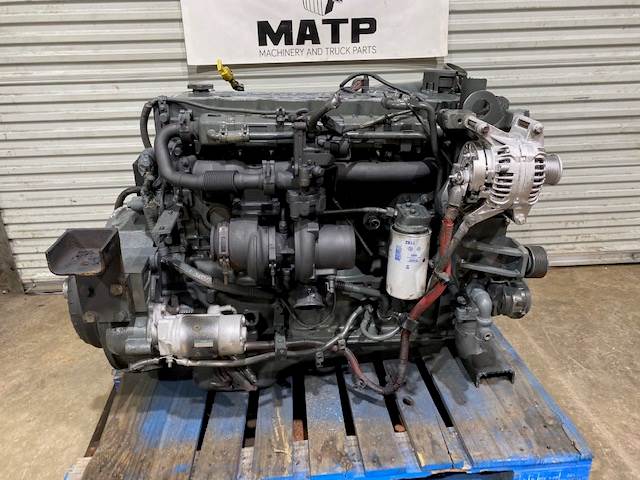
The introduction of the common rail 5.9-liter Cummins marked a major leap forward in refinement, power delivery, and tuning capability. This generation abandoned the VP44 injection system in favor of high-pressure common rail technology developed with Bosch.
The result was dramatically improved fuel atomization, smoother combustion, quieter operation, and significantly greater horsepower potential. Enthusiasts quickly embraced these engines because they responded extremely well to tuning while still maintaining impressive durability. Many diesel fans consider the 2003 to 2007 common rail engines the ideal balance between modern performance and pre-emissions simplicity.
One of the defining strengths of this generation is its excellent injector system compared to some competing diesel engines of the era. While injectors can eventually wear out at high mileage, they generally prove more durable than early common rail systems from rival manufacturers.
Turbocharger reliability also tends to be respectable when owners avoid excessive tuning or poor maintenance practices. These engines produce strong torque without requiring aggressive boost pressure, which helps reduce long-term stress on internal components. Cooling systems are also generally reliable, contributing to the engine’s ability to survive prolonged towing workloads.
Real-world lifespan for the common rail 5.9 Cummins typically falls between 500,000 and 700,000 miles when properly maintained. Highway-driven trucks used for moderate towing often achieve especially impressive longevity because the engine operates comfortably within its capabilities.
Fuel filters and oil changes play a critical role in preserving injector and turbocharger health. Trucks running oversized injectors and extreme tuning programs may experience shortened engine life due to increased cylinder pressure and exhaust heat. However, mildly modified examples often remain highly reliable.
Another major reason this engine remains desirable is the absence of modern diesel emissions systems such as diesel particulate filters and selective catalytic reduction systems. Without these components, owners avoid many expensive repairs associated with newer diesel trucks.
This simplicity makes the 2003 to 2007 common rail engines especially attractive for long-term ownership. The trucks themselves may develop suspension wear, steering issues, or interior aging, but the engines frequently remain strong well beyond 300,000 miles with little more than routine service.
Because of their combination of power, reliability, and tuning potential, these Cummins engines continue commanding premium prices in the used market. Many diesel enthusiasts specifically seek this generation because it offers modern drivability without the maintenance complexity of later emissions-equipped models.
For buyers wanting strong towing capability and long-term durability, the common rail 5.9-liter Cummins remains one of the best diesel engines ever produced.
4. 6.7L Cummins Early Emissions Era 2007.5 to 2012
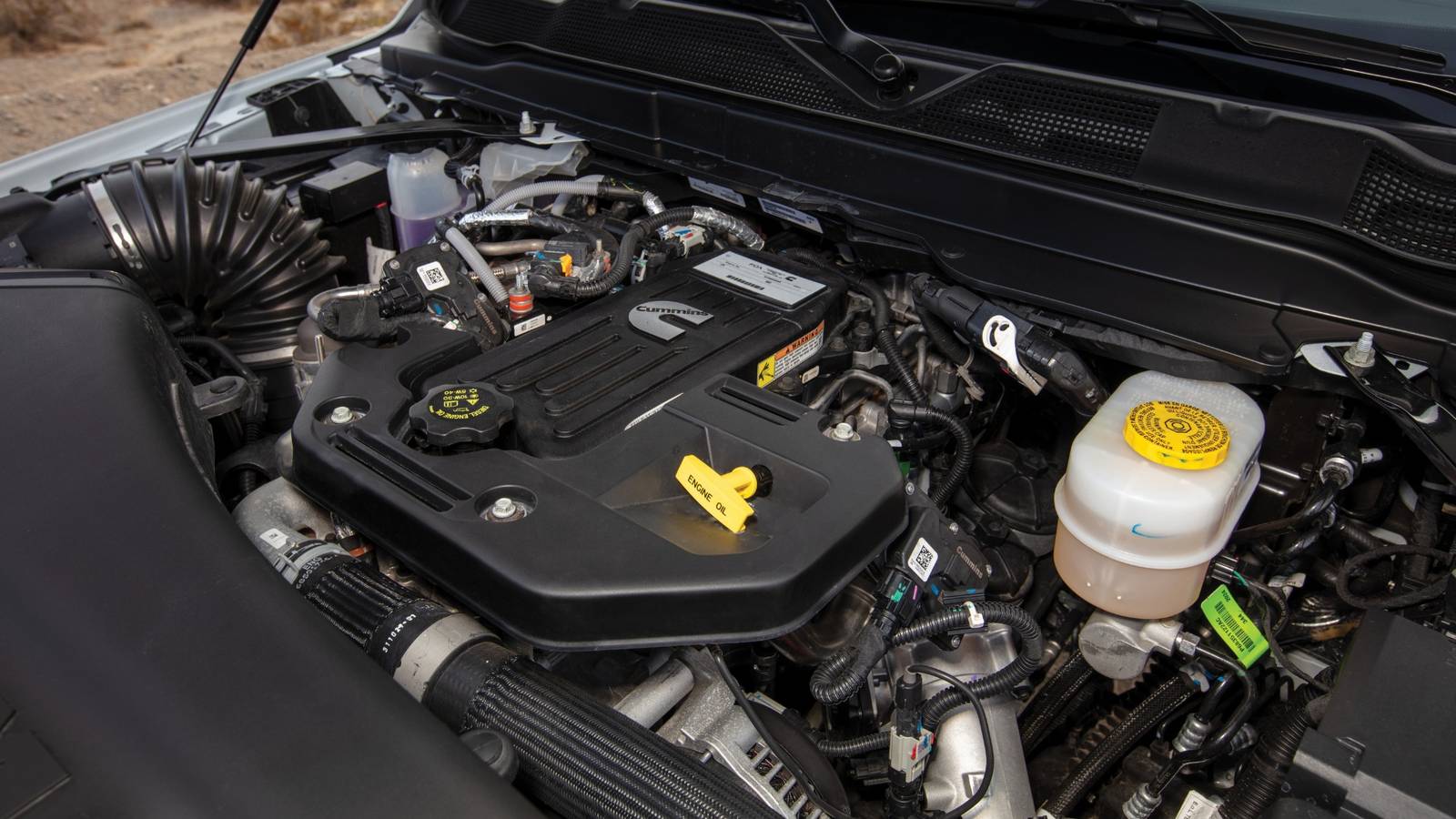
The 6.7-liter Cummins introduced a larger displacement, variable geometry turbocharging, and significantly higher torque output. It also marked the beginning of stricter diesel emissions regulations that dramatically changed ownership experiences for diesel truck buyers.
While the core engine itself remained strong, emissions equipment such as the diesel particulate filter added complexity and maintenance concerns that previous generations largely avoided. Despite these challenges, the early 6.7-liter Cummins still established a reputation for strong towing performance and respectable longevity when maintained correctly.
One major advantage of the 6.7 engine is its excellent low-end torque. The larger displacement and variable geometry turbocharger improved towing responsiveness and reduced turbo lag compared to earlier engines. Heavy trailers became easier to manage, especially in mountainous terrain or stop-and-go traffic.
The exhaust brake functionality also improved downhill control and reduced brake wear during towing. Drivers who regularly haul heavy loads often praise the engine’s ability to maintain stable power delivery under demanding conditions.
However, the early emissions systems created several reliability frustrations. Diesel particulate filters can clog during excessive short-trip driving, while exhaust gas recirculation systems may contribute to carbon buildup over time.
Turbocharger vane sticking also became a known issue in some trucks, especially those that spent long periods idling or operating at low load conditions. Owners who primarily drove highway miles and towed regularly generally experienced fewer emissions-related problems because higher exhaust temperatures helped keep systems cleaner.
The actual lifespan of these early 6.7-liter engines usually ranges between 350,000 and 500,000 miles before significant repairs become likely. The bottom end remains durable, but emissions-related maintenance costs can increase substantially as mileage accumulates.
Injectors, turbochargers, sensors, and emissions hardware may require replacement long before the engine itself wears out internally. Trucks used primarily for highway towing often survive much longer than city-driven examples subjected to frequent regeneration cycles and short-trip operation.
Despite the emissions complications, many owners still appreciate these trucks for their towing capability and strong aftermarket support.
Proper maintenance, quality fuel, and regular highway driving greatly improve reliability outcomes. While not as simple as earlier Cummins generations, the early 6.7-liter engine remains capable of very high mileage when treated correctly. Buyers considering one today should focus heavily on maintenance records and emissions system condition before purchasing.
Also Read: 10 Cars That Survive Being Used as Daily Uber Vehicles
5. 6.7L Cummins DEF Era 2013 to 2018
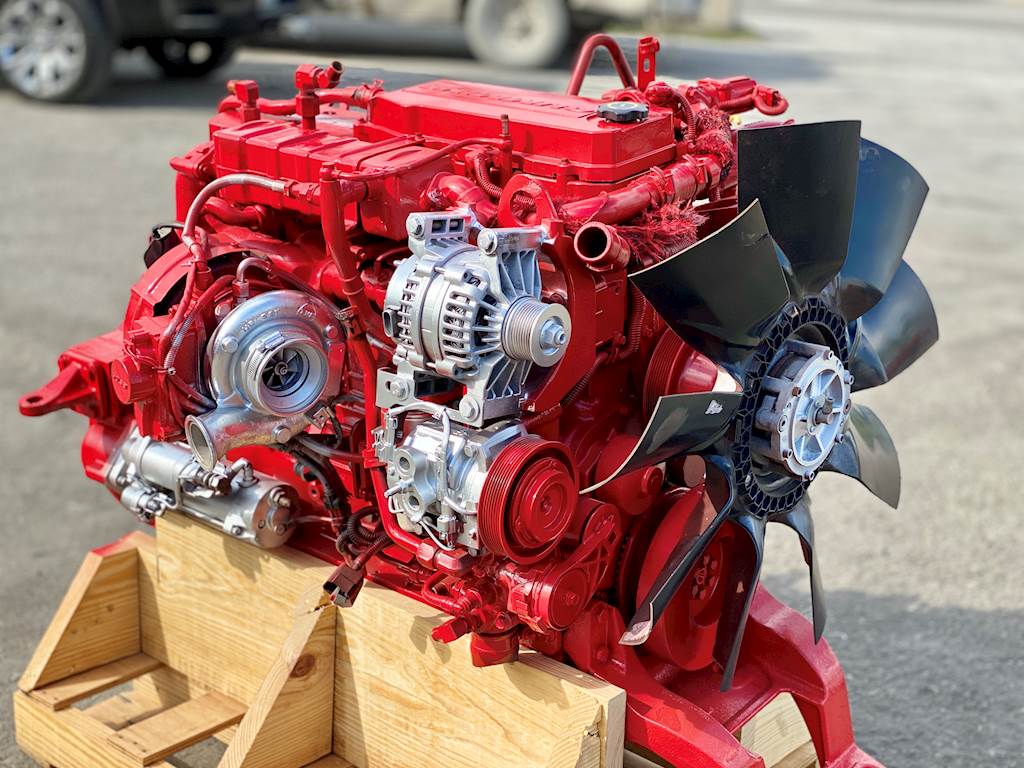
The addition of diesel exhaust fluid technology significantly improved emissions compliance while also helping reduce some of the issues associated with earlier diesel particulate filter systems.
Beginning around 2013, Cummins trucks benefited from more refined emissions calibration, improved fuel economy, and stronger drivability. Many diesel owners consider this generation a major improvement over the earliest emissions era trucks because the systems became more reliable and predictable during daily use.
One important improvement involved a lower regeneration frequency. Earlier emissions systems often required frequent regeneration cycles that frustrated owners during short-distance driving. The newer selective catalytic reduction setup reduced stress on the diesel particulate filter and improved engine efficiency.
Cummins also continued refining turbocharger response and transmission integration, making these trucks smoother and more capable under heavy towing conditions. Highway fuel economy often improved compared to previous models despite increasing power output.
In terms of longevity, these 6.7-liter DEF-era engines commonly reach 400,000 to 600,000 miles when properly maintained. Commercial operators who perform regular service intervals and use quality fluids frequently report excellent durability.
The engine’s rotating assembly remains extremely robust, and many high-mileage examples still maintain strong compression well beyond 300,000 miles. However, emissions-related components continue representing the most common source of expensive repairs. DEF pumps, NOx sensors, EGR coolers, and particulate filters can eventually fail, increasing ownership costs over time.
Another factor influencing durability is tuning. Many owners install aftermarket tuners to increase horsepower and improve throttle response. While mild tuning may not dramatically shorten engine life, aggressive modifications can strain transmissions, increase cylinder pressure, and accelerate turbocharger wear.
Trucks used for heavy towing with oversized tires often experience reliability problems much sooner than stock vehicles. Owners who prioritize longevity generally achieve the best results by keeping modifications conservative and following strict maintenance schedules.
The 2013 to 2018 6.7 liter Cummins generation represents a strong compromise between modern emissions compliance and long-term reliability.
These trucks offer excellent towing capability, impressive torque, and comfortable highway manners while still retaining the durability expected from a Cummins diesel. For buyers wanting a relatively modern truck without sacrificing engine lifespan, this generation remains a popular choice.
6. High Output 6.7L Cummins
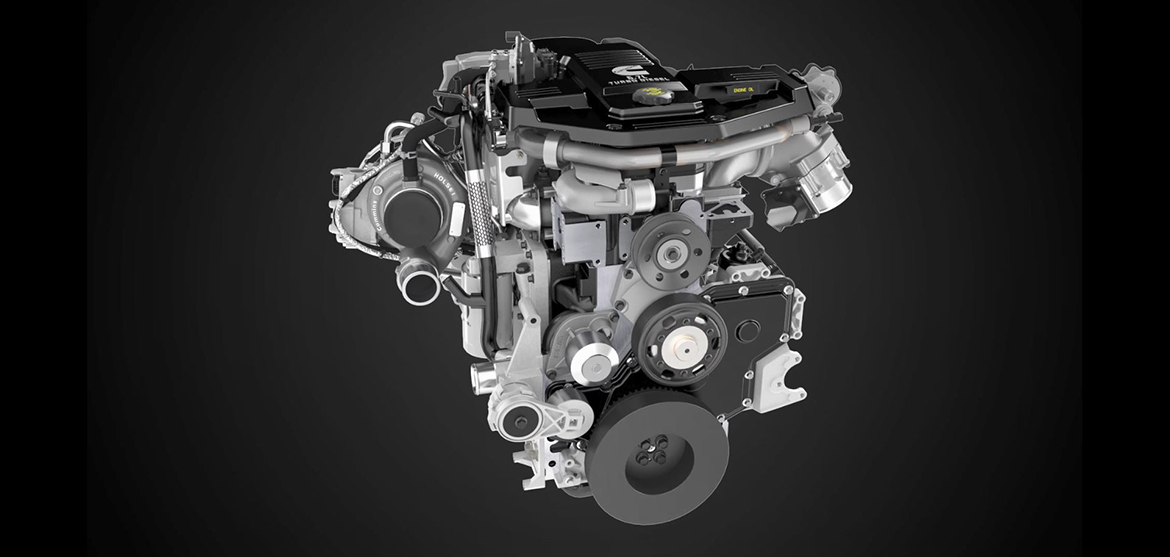
The high-output versions of the 6.7-liter Cummins were developed to deliver greater towing capability and competitive torque figures in the heavy-duty truck market. Paired with stronger transmissions such as the Aisin automatic, these engines produce enormous low-end pulling power that makes them especially popular among serious towing enthusiasts.
The increased output comes from revised turbocharging, fueling adjustments, and calibration changes designed to maximize performance under load.
One of the biggest advantages of the high output configuration is its towing confidence. These engines handle large fifth wheel trailers, equipment haulers, and commercial loads with remarkable ease. Torque delivery feels immediate and effortless, especially at low engine speeds where diesel trucks spend most of their working lives.
The integrated exhaust brake systems also provide excellent downhill control, reducing driver fatigue during long towing trips through mountainous terrain.
Despite the increased power, these engines still demonstrate impressive durability when maintained correctly. Most high-output 6.7-liter engines realistically last between 350,000 and 500,000 miles before requiring major internal work.
For drivers who frequently tow large trailers or operate in commercial environments, the high-output 6.7-liter Cummins remains one of the strongest diesel options available. It combines exceptional pulling power with the long-term durability expected from the Cummins name. While operating costs may be higher than older mechanical diesels, the performance advantages are substantial for owners who genuinely need heavy-duty capability.
7. Cummins ISB Medium Duty Variant
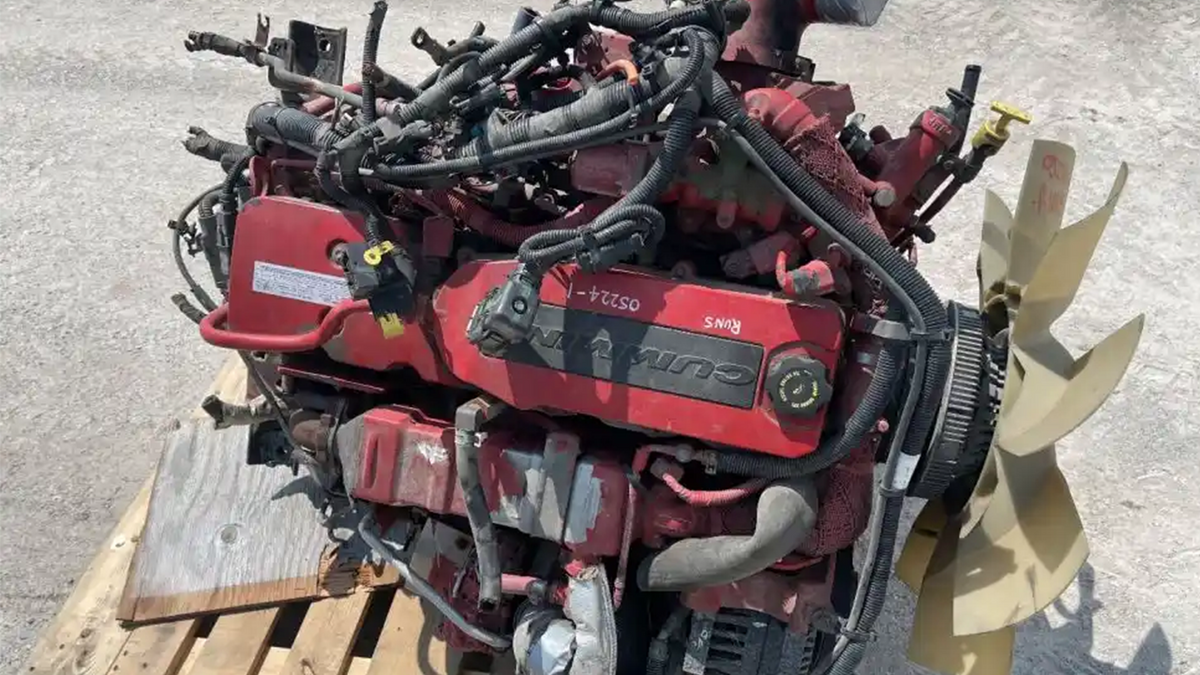
The Cummins ISB engine used in medium-duty commercial trucks deserves special attention because its lifespan often exceeds pickup truck variants by a significant margin. Found in delivery trucks, buses, utility vehicles, and commercial chassis applications, the ISB version of the Cummins inline six is typically tuned more conservatively than pickup engines. Lower horsepower output and reduced stress levels contribute heavily to its exceptional longevity.
One key difference involves operating conditions. Commercial medium-duty trucks often spend long periods running at steady engine speeds rather than experiencing constant acceleration and aggressive driving. This consistent operation reduces thermal cycling and internal stress.
Many commercial fleets also follow strict maintenance schedules because downtime directly impacts profitability. Regular oil analysis, cooling system maintenance, and fuel system servicing help these engines survive extraordinary mileage figures.
Another reason for the ISB’s durability is conservative tuning. Unlike pickup trucks marketed with competitive horsepower wars, commercial engines prioritize reliability and fuel efficiency over maximum output. This lower stress environment dramatically improves internal longevity.
Fleet managers often prefer engines that sacrifice some performance in exchange for reduced maintenance costs and predictable service life. Cummins successfully achieved that balance with the ISB platform.
8. Modern 6.7L Cummins 2019 to Present
The newest generation of 6.7-liter Cummins engines reflects the continuing evolution of diesel technology under increasingly strict emissions standards. These trucks deliver enormous torque figures, advanced transmission integration, quieter operation, and impressive towing capability.
Modern calibration improvements have also helped reduce some of the reliability frustrations associated with earlier emissions systems. However, the increased technological complexity means long-term ownership requires greater attention to maintenance and electronic systems than older diesel generations.
Modern 6.7-liter trucks benefit from significantly improved refinement compared to earlier diesels. Noise levels are lower, throttle response feels smoother, and transmission programming has become more intelligent during towing situations.
The latest automatic transmissions help keep engine speeds within ideal torque ranges, improving both fuel efficiency and drivability. These advancements make modern Cummins-powered trucks far more comfortable for daily commuting and long-distance travel than older diesel pickups.
In terms of lifespan, it is still somewhat early to determine the absolute upper mileage limits of these newest engines. However, current evidence suggests properly maintained examples should realistically achieve between 350,000 and 500,000 miles before requiring major engine work.
The core inline six architecture remains exceptionally durable, but long-term reliability increasingly depends on emissions systems, electronic modules, sensors, and software calibration. Repair costs can become substantial once trucks move beyond warranty coverage.
Owners who primarily drive short city routes may encounter more emissions-related maintenance than drivers who tow regularly or travel long highway distances. Diesel engines generally perform best when fully warmed and operated under moderate load conditions.
Frequent short trips can accelerate particulate filter issues and increase regeneration frequency. Regular highway use helps maintain cleaner emissions systems and supports better long-term reliability outcomes.
Despite their complexity, modern Cummins trucks remain among the most durable heavy-duty pickups available today. They offer immense towing capability, strong resale value, and proven engine architecture backed by decades of development.
While they may never achieve the mechanical simplicity of the legendary 12 valve era, they continue the Cummins tradition of producing diesel engines capable of surviving extremely high mileage when maintained responsibly.
