
Living in the Snow Belt means dealing with some of the harshest driving conditions on the road. Heavy snowfall, icy highways, freezing temperatures, slush-covered streets, salt-damaged underbodies, and poor visibility can turn an ordinary commute into a stressful experience.
Drivers in northern states and colder regions quickly learn that not every vehicle is built to survive or thrive in winter weather. While many buyers focus on horsepower, styling, fuel economy, or touchscreen technology, winter driving demands something entirely different.
Traction, ground clearance, drivetrain reliability, cold-weather starting capability, heating performance, tire compatibility, and durability matter far more when roads disappear beneath snow and black ice.
A vehicle that performs perfectly in warm climates can become frustrating or even dangerous during winter. Low clearance sedans can get stuck after a single storm. Rear Wheel Drive sports cars struggle for traction at stoplights. Vehicles with weak heating systems or unreliable electronics can become nightmares in subzero temperatures.
On the other hand, certain SUVs, trucks, and crossovers have built reputations as winter legends because they consistently handle deep snow, steep icy roads, and brutal weather without complaint. These vehicles inspire confidence during blizzards and remain dependable year after year.
Choosing the right vehicle for snowy regions is not just about convenience. It is also about safety, long-term reliability, and ownership costs. A capable All Wheel Drive system can prevent accidents. Durable suspension components can survive potholes created by freezing conditions.
Rust resistance becomes critical because road salt destroys poorly protected frames and body panels. Fuel efficiency also matters because winter conditions often reduce mileage significantly. Drivers need vehicles that balance capability with practicality.
Modern marketing can sometimes make winter capability confusing. Many vehicles advertise All Wheel Drive systems, but not all systems are equally effective. Some are designed primarily for fuel efficiency rather than traction. Others react too slowly when roads become slippery.
Tire choice also matters, but even the best winter tires cannot completely compensate for a poorly designed drivetrain or low ride height. Buyers who live in snow-heavy areas need to look beyond advertisements and focus on real-world winter performance.
This article examines five vehicles that are genuinely worth buying for Snow Belt living and five that are better avoided in harsh winter climates. The selections are based on reliability, winter handling, owner satisfaction, durability, maintenance concerns, and practicality in snowy conditions.
Whether you face months of lake effect snow, icy rural roads, mountain passes, or freezing urban streets, choosing the right vehicle can make winter driving dramatically safer and less stressful.
Also Read: 10 Cars With Insurance Premiums Lower Than a Compact Sedan
5 Vehicles Worth Buying in the Snow Belt
1. Subaru Outback
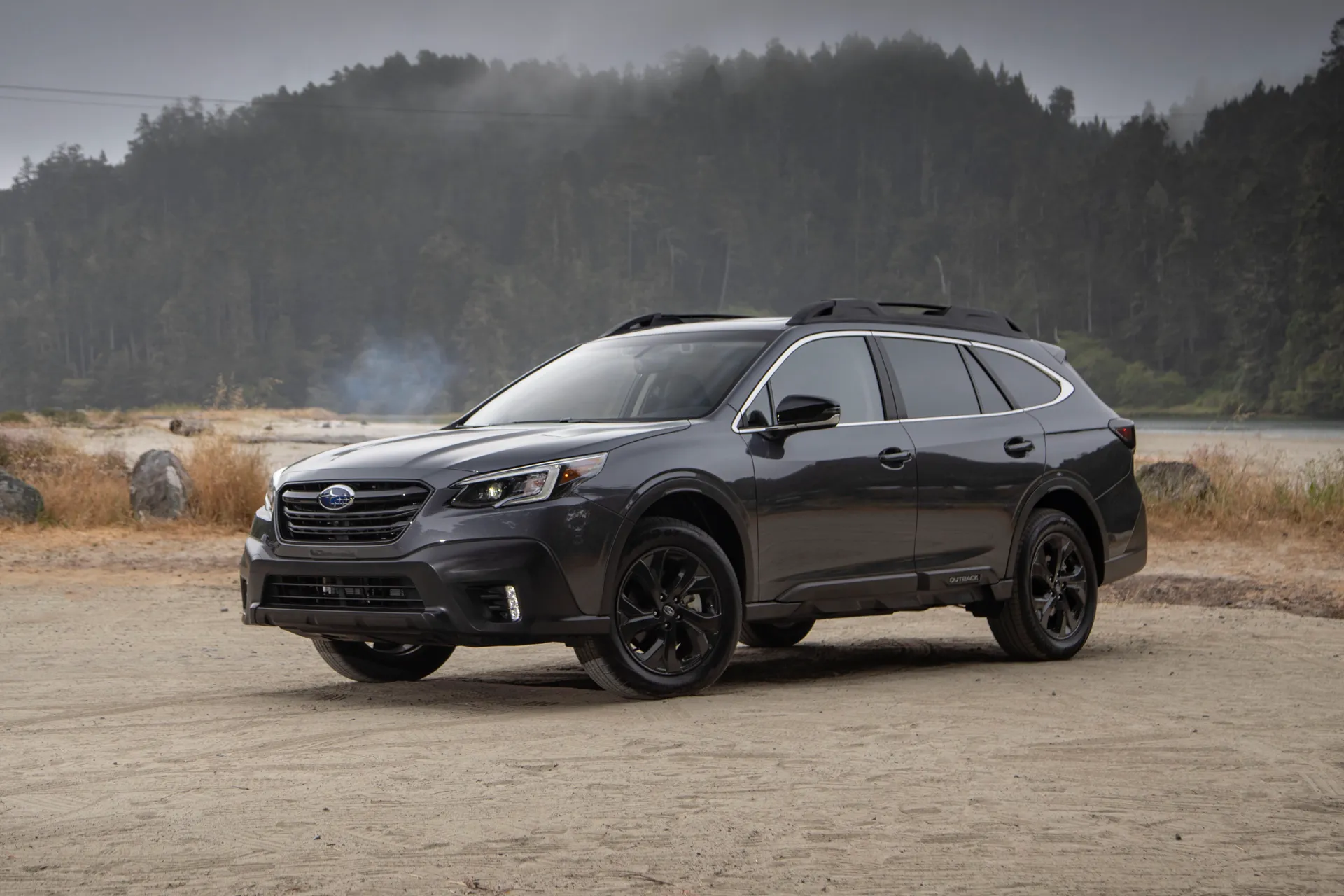
The Subaru Outback has earned one of the strongest reputations for winter driving capability in North America. Unlike many crossovers that simply add optional All Wheel Drive for marketing purposes, Subaru designs the Outback around a full-time symmetrical All Wheel Drive system that consistently delivers excellent traction in snow and ice. This balanced setup provides predictable handling and inspires confidence during poor weather.
Ground clearance is another major advantage. The Outback sits higher than most wagons and many crossovers, allowing it to travel through deep snow without scraping or becoming stuck. This is especially useful after storms when roads remain partially unplowed. Despite the higher clearance, the vehicle maintains stable road manners and avoids the top-heavy feeling found in some SUVs.
Cold weather reliability is generally strong, particularly with newer models. Subaru owners in snowy states often praise the vehicle’s ability to start in extremely low temperatures and maintain dependable traction throughout winter.
Heated seats, heated mirrors, windshield deicers, and excellent visibility further improve winter usability. The large windows and upright driving position make it easier to spot hazards during storms.
Another strength is practicality. The Outback offers substantial cargo space for winter gear, groceries, snow tires, or outdoor equipment. Fold flat rear seats increase flexibility for larger loads. Fuel economy also remains relatively reasonable compared to larger SUVs or trucks, making it a smart choice for commuters dealing with long winter drives.
The Outback is not perfect. Some owners report expensive maintenance as mileage climbs, and continuously variable transmissions can be controversial. However, its balance of winter traction, comfort, practicality, and durability makes it one of the best all-around choices for Snow Belt living.
2. Toyota 4Runner
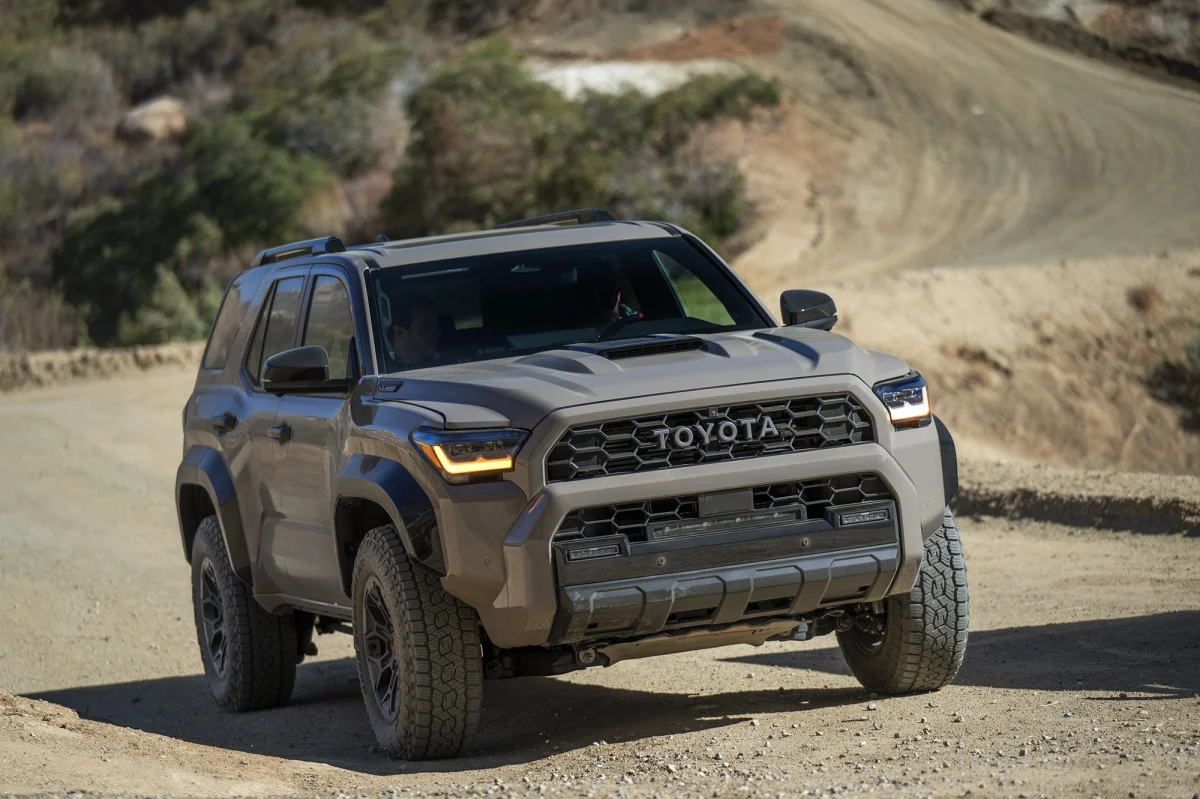
The Toyota 4Runner remains one of the most rugged and dependable winter vehicles available today. Built on a traditional body-on-frame platform, the 4Runner is designed for durability and off-road capability rather than pure on-road comfort. In snowy regions, this toughness becomes a major advantage.
One of the biggest strengths of the 4Runner is its exceptional Four Wheel Drive system. Combined with generous ground clearance and excellent approach angles, it can handle severe winter conditions that overwhelm smaller crossovers. Deep snow, icy hills, and unplowed roads are rarely a problem. Drivers in rural or mountainous regions especially appreciate this capability.
Reliability is another major selling point. Toyota has built a reputation for long-lasting vehicles, and the 4Runner consistently performs well in harsh climates. The naturally aspirated engine design avoids some of the complexity and cold-weather concerns associated with turbocharged engines. Owners frequently keep these vehicles for well over 200,000 miles.
Interior comfort also supports winter driving well. Heated seats, durable materials, spacious cargo capacity, and commanding visibility create a practical cold-weather environment. The rear cargo area easily accommodates snow gear, tools, emergency supplies, or winter tires. The available sliding rear cargo deck is especially useful for loading heavy items during icy conditions.
Fuel economy is the main downside. The 4Runner consumes significantly more fuel than smaller crossovers or sedans. Ride quality can also feel truck-like on rough pavement. Still, for buyers who prioritize winter capability and long-term durability above all else, the 4Runner remains one of the smartest choices available.
3. Honda CR-V
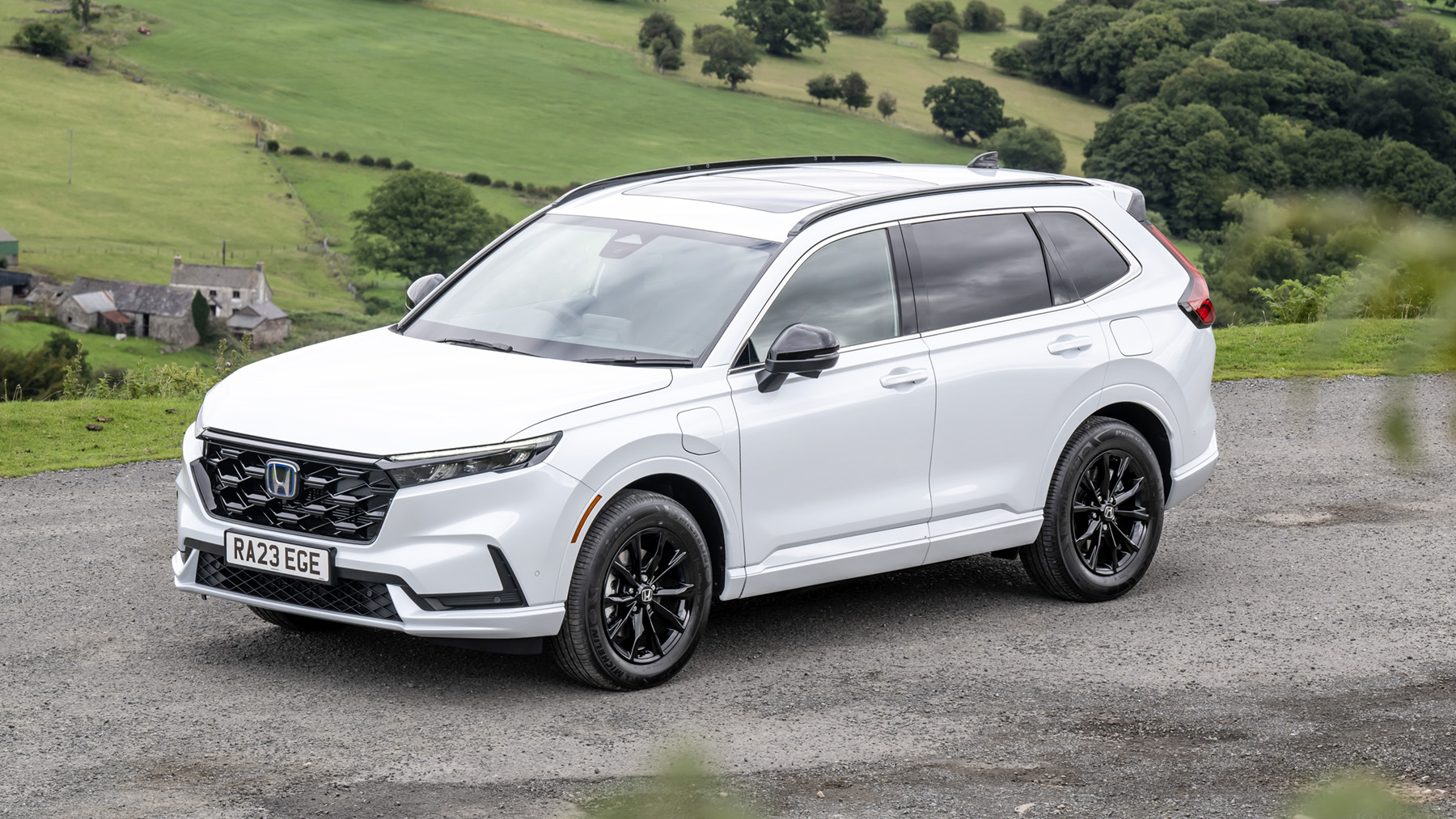
The Honda CR-V with All Wheel Drive offers an excellent balance of winter performance, comfort, fuel efficiency, and affordability. Unlike larger SUVs that may feel cumbersome in city environments, the CR-V remains easy to maneuver while still providing impressive snow capability.
Honda’s modern All Wheel Drive system reacts quickly to changing traction conditions, helping maintain stability during snowstorms and icy commutes. While it may not match hardcore off-road vehicles in extreme conditions, it performs exceptionally well for everyday winter driving. Combined with quality winter tires, the CR-V becomes highly capable in snow-covered urban and suburban environments.
The CR V also shines in terms of interior practicality. Its spacious cabin, comfortable seating, and large cargo area make winter errands and road trips much easier. Families especially appreciate the easy entry height and flexible cargo layout. Heated seats and remote start functions further improve cold-weather comfort.
Fuel economy remains another important advantage. Winter driving already reduces efficiency because of cold starts and increased rolling resistance. The CR V minimizes this penalty better than larger SUVs and trucks. Long-distance commuters can save substantial fuel costs over several winters.
Reliability ratings are generally strong, although some turbocharged engine versions have experienced oil dilution concerns in extremely cold climates. Still, ownership costs remain relatively reasonable, and the CR V’s combination of comfort, efficiency, and dependable winter traction makes it an excellent Snow Belt choice.
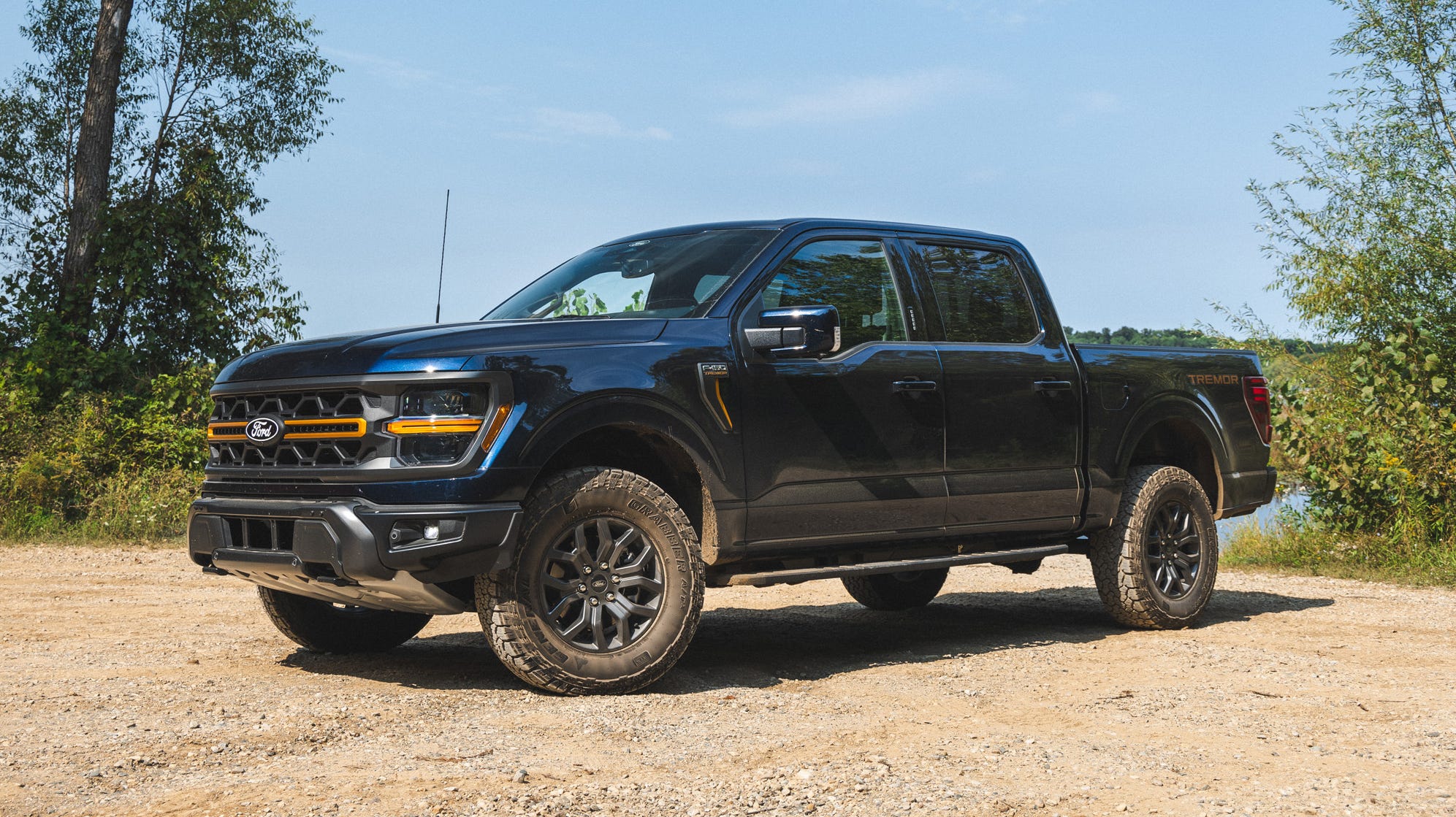
4. Ford F-150 4×4
For drivers facing severe winters, especially in rural areas, the Ford F-150 with Four Wheel Drive remains one of the most versatile and capable options available. Its combination of power, cargo capacity, towing ability, and winter traction makes it highly practical for work and daily life.
One major advantage is ground clearance. Snowbanks, rough roads, and deep drifts rarely present serious problems. Modern F-150 models also include advanced traction management systems that improve stability on icy roads. Drivers can select multiple terrain modes depending on conditions, helping optimize control during storms.
The F 150 also handles winter workloads exceptionally well. Whether transporting snowmobiles, hauling firewood, carrying snowblowers, or towing trailers, the truck performs reliably in harsh conditions. Heated seats, heated steering wheels, remote start systems, and powerful climate control further enhance winter usability.
Modern aluminum body construction improves rust resistance compared to older steel trucks, which is particularly valuable in salt-heavy regions. Engines such as the EcoBoost lineup provide strong torque for slippery conditions, although proper maintenance becomes especially important during cold weather.
Parking and fuel economy can be disadvantages in urban settings. Large size also makes maneuvering through tight snow-covered streets more difficult. However, for buyers needing maximum capability during harsh winters, the F 150 remains one of the best full-size truck options available.
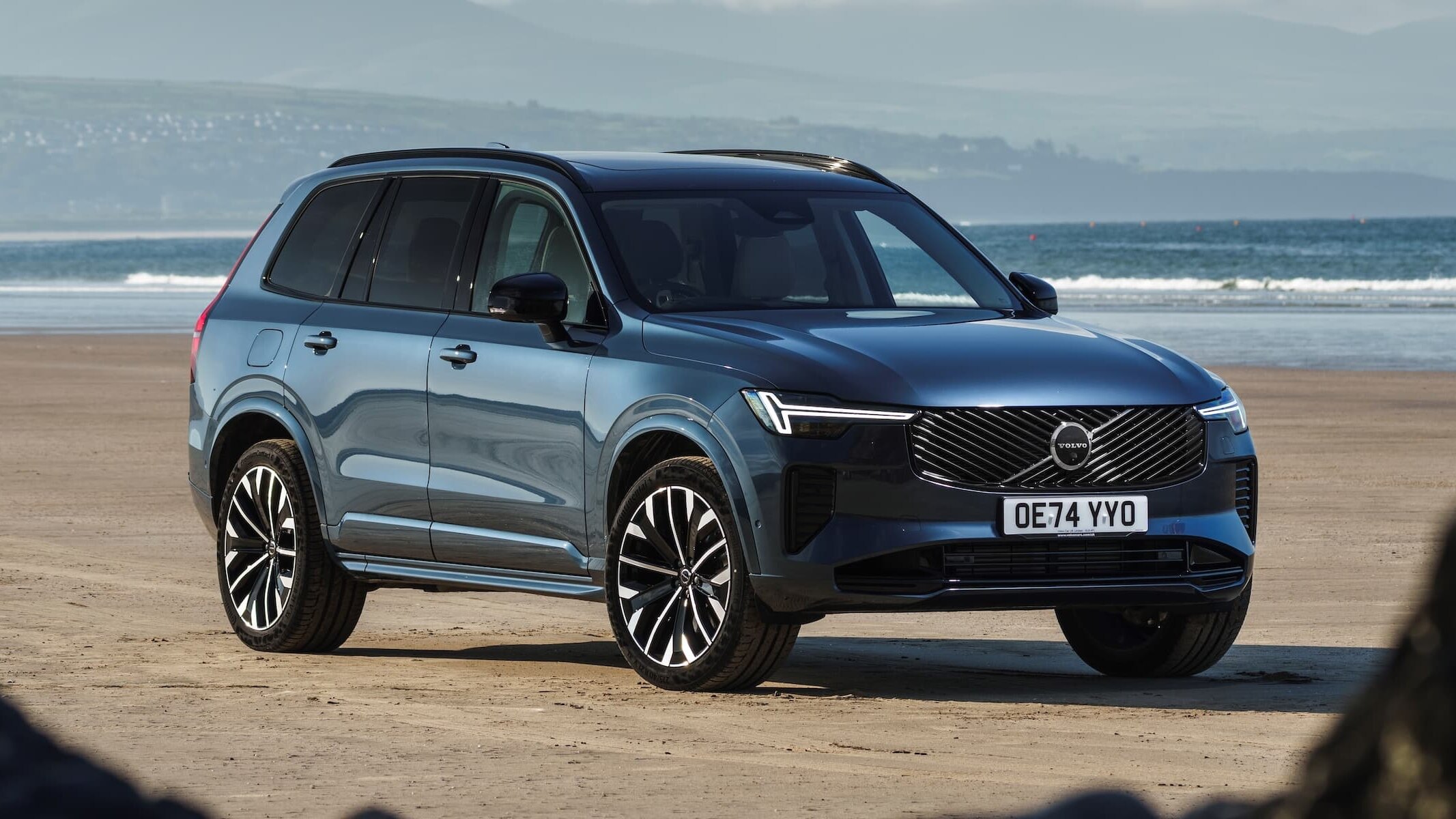
5. Volvo XC90
The Volvo XC90 combines luxury, safety, and winter competence in a way few vehicles can match. Designed by a Swedish manufacturer with deep experience in cold climates, the XC90 feels purpose-built for snowy environments.
Its All Wheel Drive system provides excellent traction during winter weather, while advanced electronic stability systems help maintain control during slippery conditions. The vehicle feels composed and secure even during heavy snow or freezing rain. Steering remains predictable, which boosts driver confidence during difficult weather.
Safety is perhaps the XC90’s greatest strength. Volvo has long prioritized occupant protection, and the XC90 includes advanced collision avoidance systems, excellent crash ratings, and strong structural engineering. In hazardous winter conditions, these features provide meaningful peace of mind.
Interior comfort is exceptional. Heated seats in multiple rows, strong cabin insulation, advanced climate control, and premium materials create a relaxing environment during long winter drives. Cargo space is generous, and the cabin remains practical for families despite its luxury focus.
Maintenance and repair costs are higher than those of mainstream competitors, and some owners report expensive electronic issues as vehicles age. Nevertheless, the XC90 offers one of the best combinations of winter safety, luxury, and all-weather confidence available today.
Also Read: 10 Cars That Survive Being Used as Daily Uber Vehicles
5 Vehicles to Skip in the Snow Belt
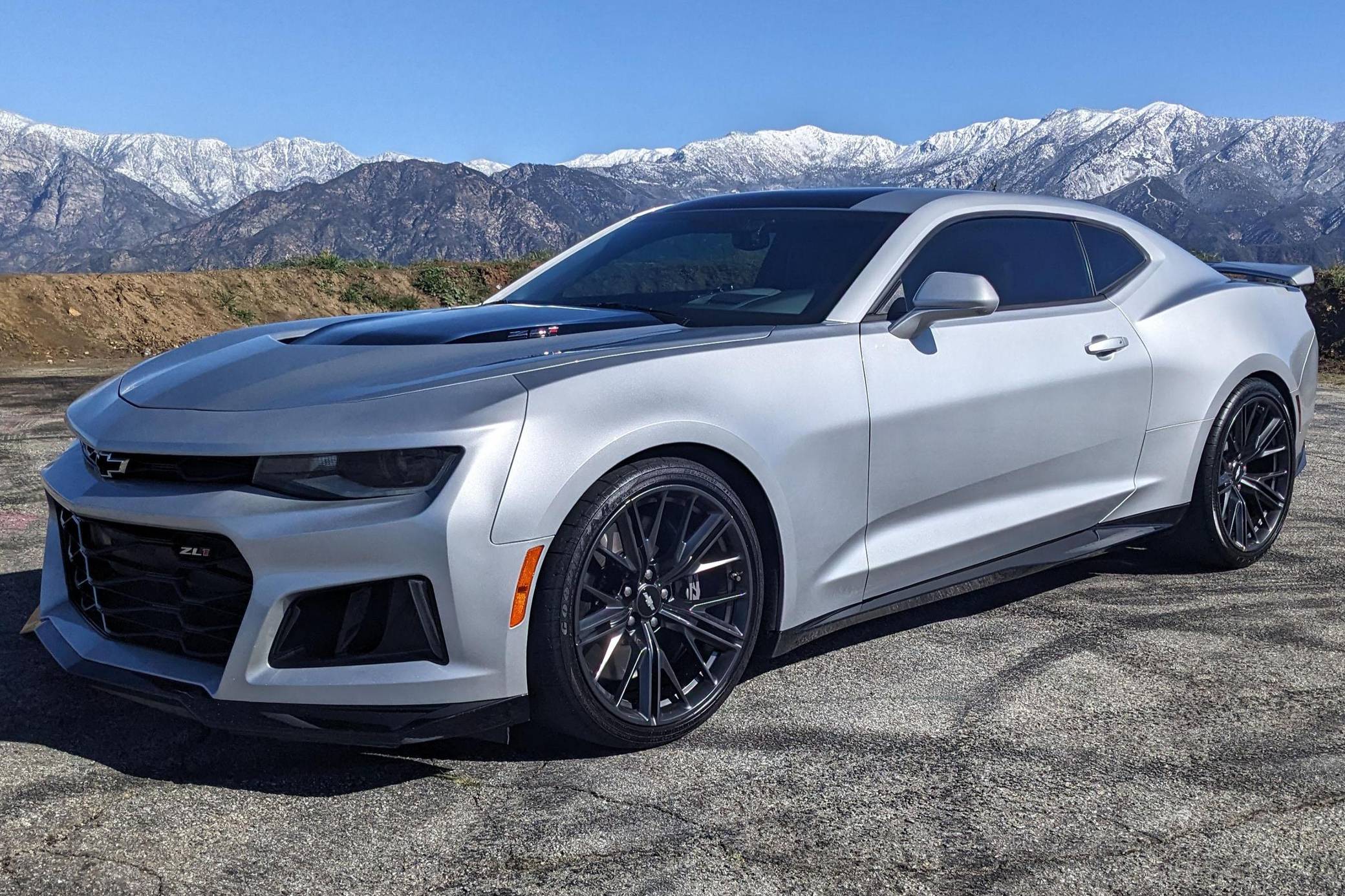
1. Chevrolet Camaro
The Chevrolet Camaro delivers strong performance and aggressive styling, but Rear Wheel Drive versions are poorly suited for snow-belt living. Sports cars prioritize dry pavement handling and acceleration rather than winter capability, and the Camaro’s design creates several challenges in snow and ice.
Low ground clearance becomes a major problem after even moderate snowfall. Snow buildup beneath the vehicle can reduce traction and eventually immobilize the car. Steep driveways and unplowed roads become frustrating obstacles. Drivers often find themselves scraping snowbanks and struggling through intersections after storms.
Rear Wheel Drive also limits traction significantly during icy conditions. While winter tires help, the Camaro still lacks the balanced stability of All Wheel Drive vehicles. Sudden oversteer and wheelspin can become difficult to manage for inexperienced drivers, especially during heavy snow or freezing rain.
Visibility is another concern. The Camaro’s narrow windows and low seating position already create blind spots in ideal weather. During snowstorms with reduced visibility, these limitations become even more problematic. Parking lot maneuvering and lane changes can feel stressful.
Practicality also suffers during the winter months. Cargo space is limited, rear seats are cramped, and entering or exiting the low cabin becomes uncomfortable when roads are icy or covered with slush. For drivers living in snowy regions, there are far better choices that provide safety and convenience without sacrificing daily usability.
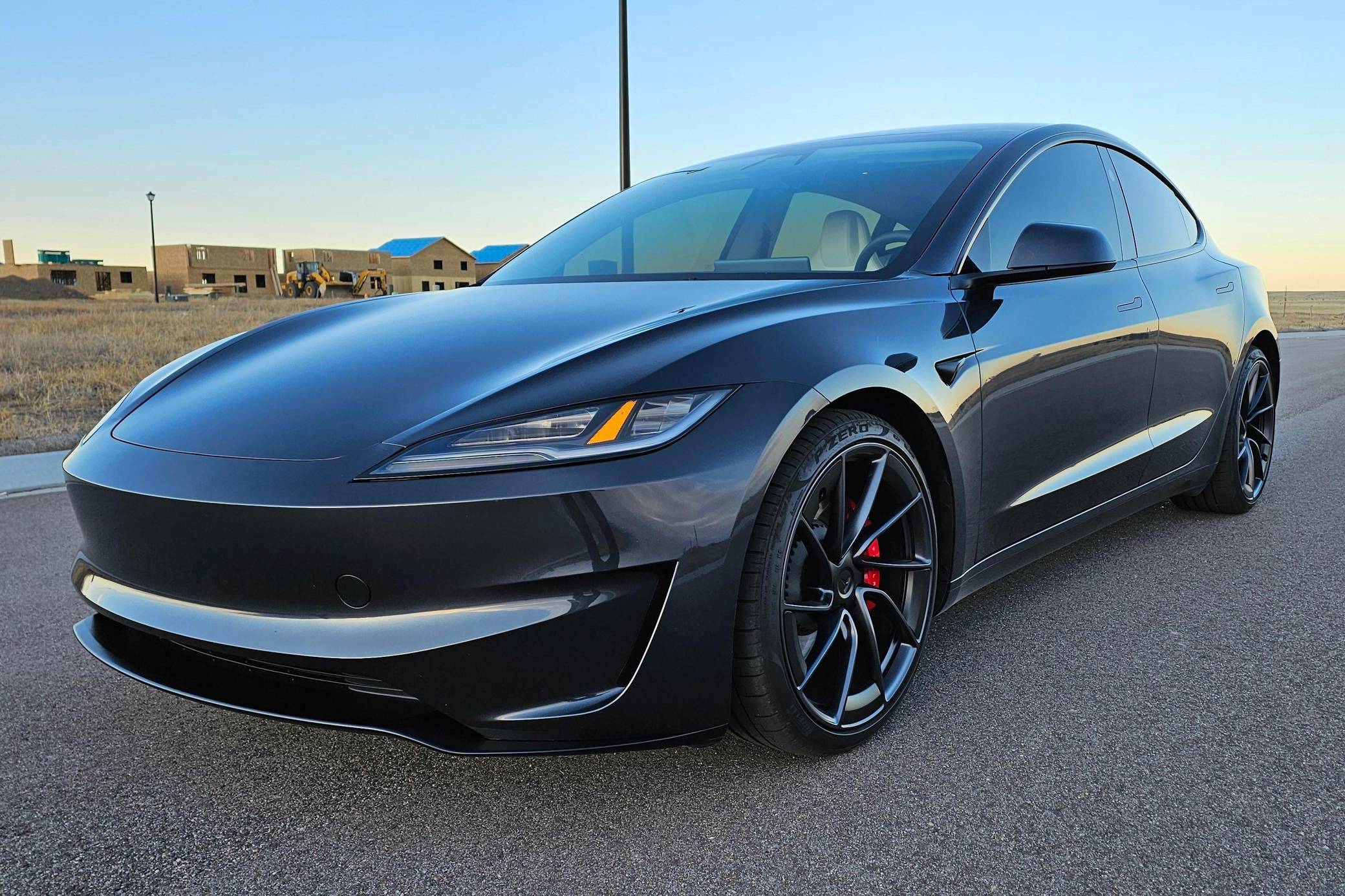
2. Tesla Model 3
The Tesla Model 3 has many strengths, including quick acceleration and modern technology, but Rear Wheel Drive versions present challenges in severe winter climates. Electric vehicles behave differently in cold weather, and some of those differences become problematic during Snow Belt winters.
One major issue is cold-weather range reduction. Freezing temperatures significantly impact battery efficiency, often reducing driving range by a noticeable margin. Long winter commutes can become stressful, particularly in remote areas with limited charging infrastructure. Cabin heating also consumes additional energy, further reducing range.
Rear wheel drive traction creates another concern. Instant electric torque can easily overwhelm traction on icy roads, especially during acceleration from stops. While traction control systems help, All Wheel Drive versions are much better suited for snowy environments. Drivers unfamiliar with electric vehicle behavior may struggle during slippery conditions.
Ground clearance is also relatively low compared to crossovers or SUVs. Deep snow can become problematic, particularly after plows create heavy ridges at intersections or parking lots. The low front fascia is vulnerable to snow buildup and ice impacts.
Charging in extreme cold may also become inconvenient. Charging speeds can slow substantially during freezing temperatures unless the battery is preconditioned properly. While the Model 3 excels in many areas, Snow Belt buyers are generally better served by the All Wheel Drive version or a more winter-focused vehicle.
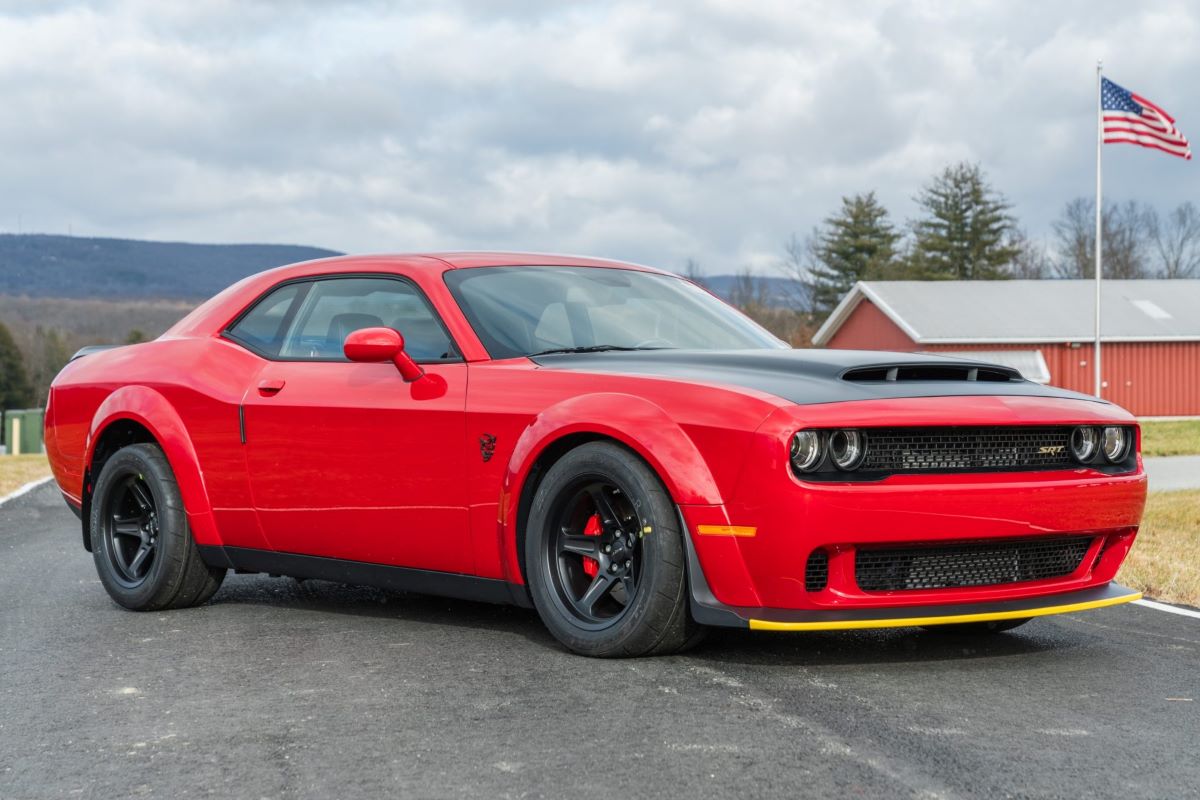
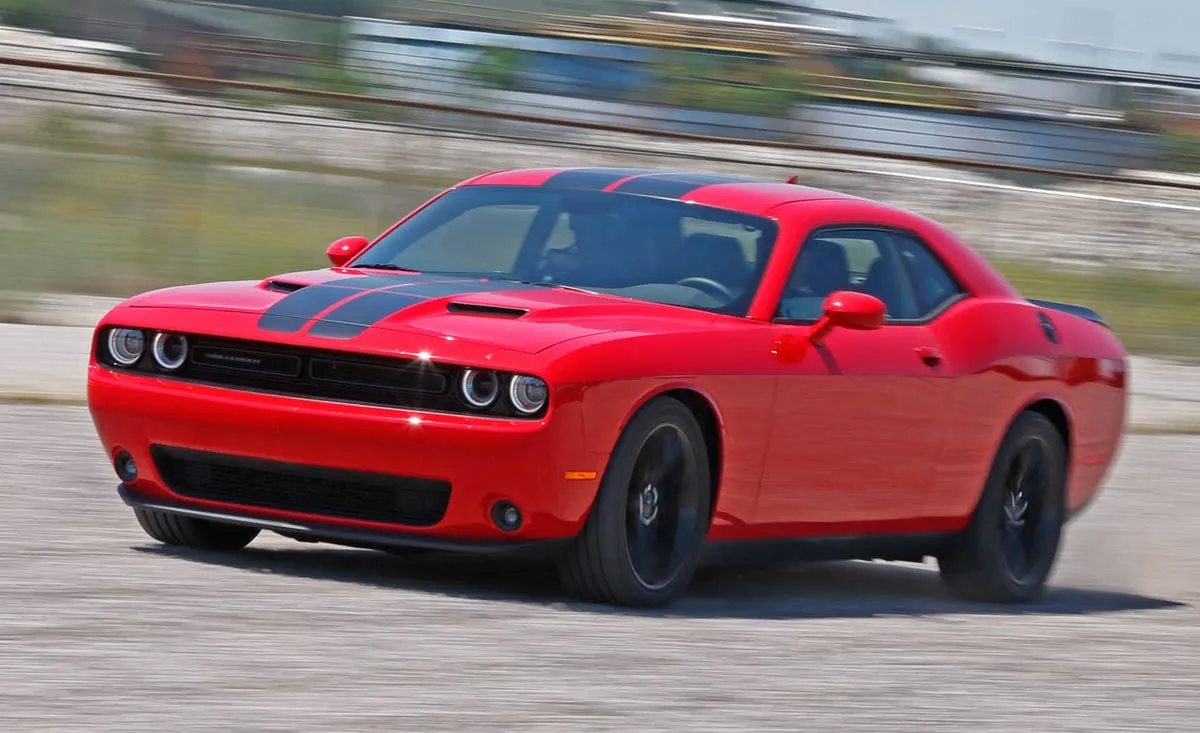
3. Dodge Challenger
The Dodge Challenger offers retro muscle car styling and powerful engine options, but it performs poorly in snowy climates. Large dimensions, rear wheel drive layouts, and heavy weight combine to create difficult winter behavior.
Traction problems are common during snowstorms. Even with electronic stability systems, Rear Wheel Drive Challengers struggle on icy roads and steep inclines. High-horsepower engines worsen the issue because excessive torque can easily break traction during acceleration.
The vehicle’s size creates additional challenges. Wide body dimensions make maneuvering through narrow snow-covered streets difficult. Parking in crowded winter lots becomes frustrating, especially when snowbanks reduce available space. Visibility limitations further complicate winter driving.
Fuel economy is another major drawback. Winter conditions already increase fuel consumption, and large V8 engines consume substantial amounts of fuel even in ideal conditions. Cold starts, idling for cabin heat, and slippery roads only worsen efficiency.
Practical winter concerns also hurt the Challenger’s appeal. The low ride height struggles in deep snow, while heavy doors and a coupe design become inconvenient during icy weather. Drivers in snowy regions generally benefit far more from vehicles designed specifically for all-weather capability.
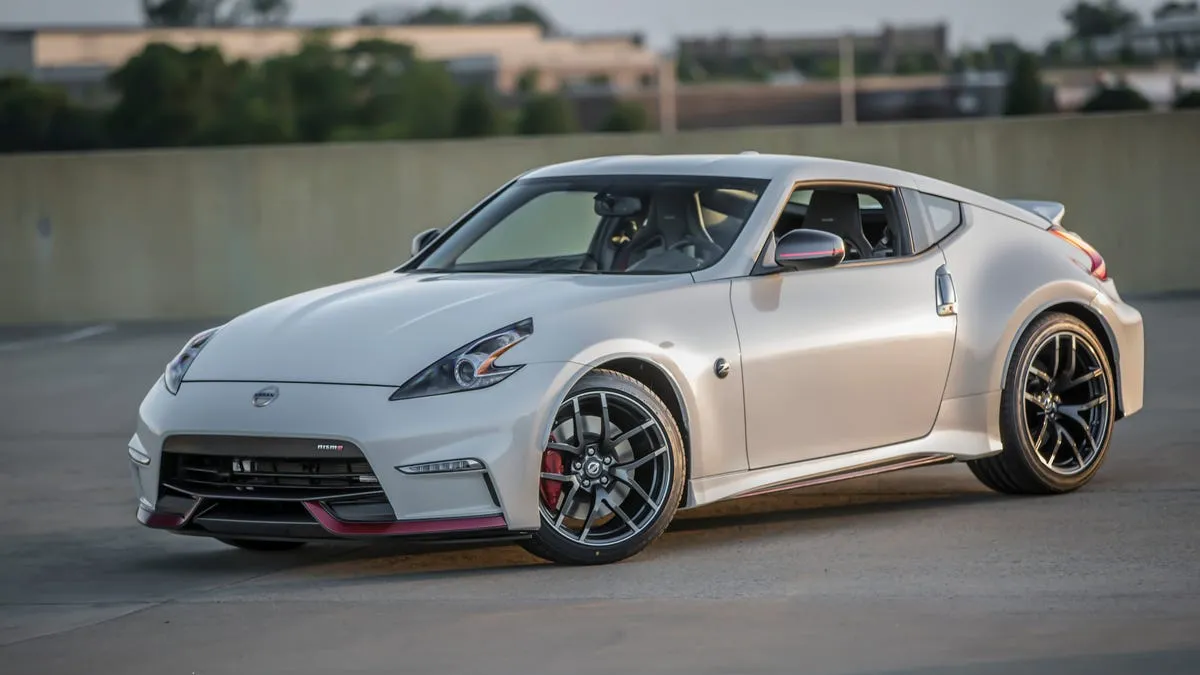
4. Nissan 370Z
The Nissan 370Z is a fun sports car on dry roads, but it becomes highly impractical in Snow Belt conditions. Sports-oriented suspension tuning, low clearance, and rear wheel drive make winter driving difficult and often stressful.
Traction remains the largest problem. Lightweight Rear Wheel Drive sports cars can become unstable on icy roads, especially during acceleration or sudden steering inputs. Even experienced drivers may struggle to maintain control during severe winter storms.
Ground clearance is extremely limited. Snow accumulation quickly becomes an obstacle, particularly in residential neighborhoods or parking lots. Owners often avoid driving entirely during major storms because the car simply cannot handle deep snow safely.
The stiff suspension also performs poorly on winter-damaged roads filled with potholes and ice ridges. Impacts feel harsh, and the vehicle can become unsettled on uneven frozen surfaces. Tire options are limited as well because many performance tires lose effectiveness in freezing temperatures.
Interior practicality is almost nonexistent for winter lifestyles. Cargo space is tiny, visibility is limited, and cabin comfort suffers during long, cold-weather drives. While the 370Z delivers enjoyable summer driving experiences, it is a poor match for regions with long, severe winters.
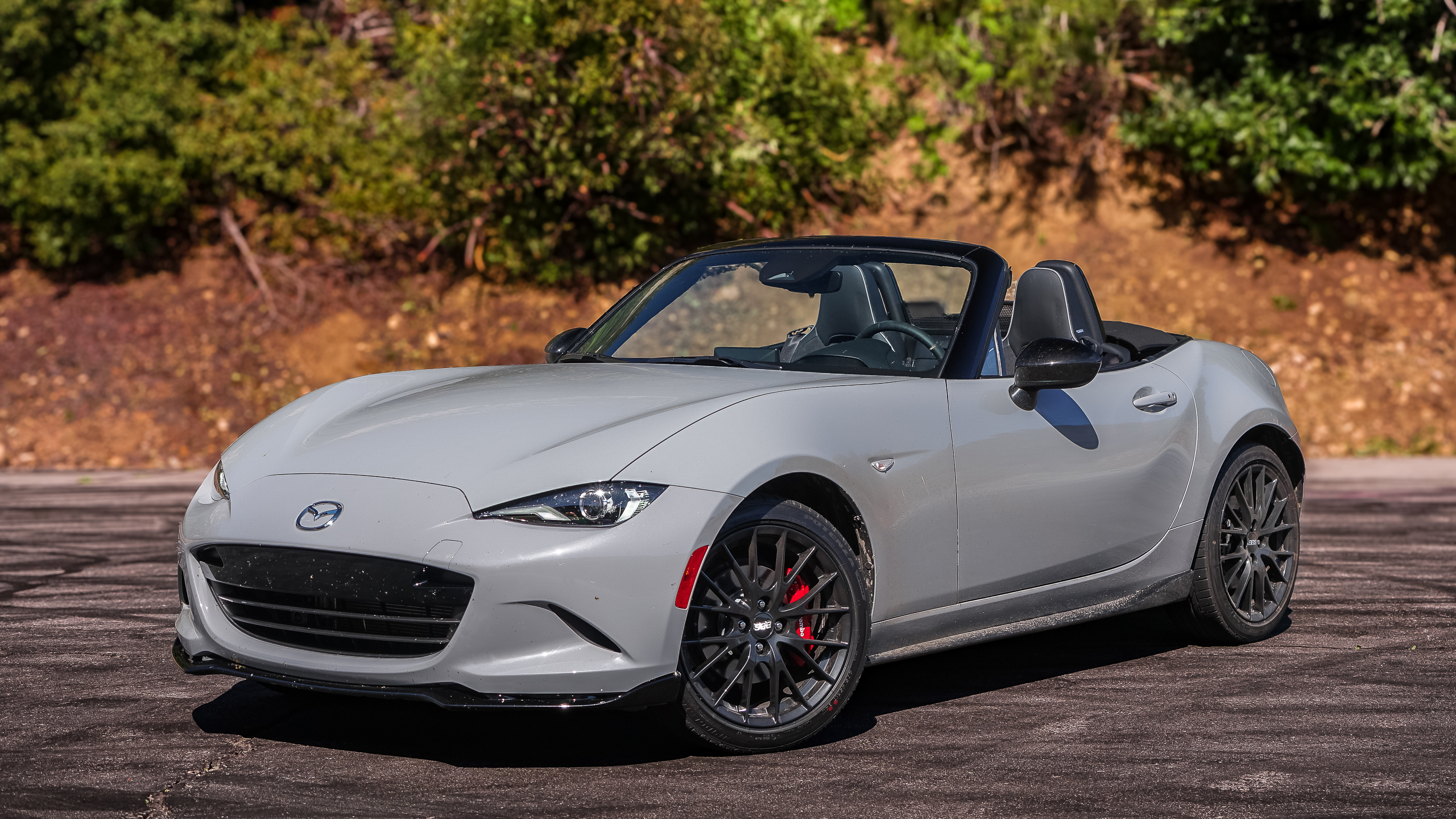
5. Mazda MX-5 Miata
The Mazda MX-5 Miata is one of the most beloved sports cars ever made, but it is not an ideal Snow Belt vehicle. Lightweight construction and rear wheel drive create major winter traction challenges, especially during heavy snowfall.
Because the Miata is extremely light, maintaining traction on icy roads becomes difficult. Snow and slush can easily upset stability, and sudden wheelspin occurs frequently during acceleration. Winter tires improve performance somewhat, but physics still limit capability.
The low ride height also creates constant problems in snowy conditions. Deep snow can trap the car easily, while snowbanks and frozen slush threaten the underbody. Drivers often find themselves avoiding side streets or poorly plowed roads altogether.
Convertible soft tops introduce additional winter concerns. Although modern tops are relatively durable, they provide less insulation than traditional roofs. Cabin warmth can suffer during extremely cold temperatures, and snow accumulation may require extra maintenance attention.
Practicality is another weakness. Tiny cargo capacity limits winter usefulness, especially when transporting snow gear, groceries, or emergency supplies. While the Miata excels as a lightweight enthusiast car for warm-weather driving, Snow Belt residents generally need something far more versatile and winter-capable.
