
Electric vehicles have rapidly improved in range, charging speed, and efficiency, but one issue continues to confuse buyers: the gap between advertised range and real-world range. Most EVs are rated using EPA or similar laboratory testing standards, which do not always reflect real highway driving conditions, weather impacts, or driving behavior.
In multiple independent tests, including long-term evaluations by Consumer Reports and Edmunds, the real-world range often differs significantly from official numbers. In fact, studies consistently show that many EVs achieve about 75% to 90% of their advertised range in normal driving conditions, especially on highways where energy consumption increases due to sustained speeds and aerodynamic drag.
Factors such as temperature, terrain, use of air conditioning or heating, and driving style can all reduce effective range further. At the same time, some manufacturers are conservative and underestimate their EV range, meaning a few vehicles actually meet or exceed their official EPA ratings.
This creates two categories in the EV market: vehicles with honest or conservative range estimates and vehicles whose advertised numbers are more optimistic or inflated. Understanding this difference is critical for buyers who rely on the range for daily commuting or long-distance travel.
Real-world testing at steady highway speeds, such as 70 mph evaluations, has become the most reliable benchmark for comparing EV efficiency across brands. In this article, we break down four EVs that consistently deliver honest or even conservative real-world range, and four EVs that tend to show inflated or overly optimistic estimates compared to real driving conditions.
This comparison is based on aggregated findings from independent road tests, industry analysis, and published real-world EV range studies.
Also Read: 10 Cars With Insurance Premiums Lower Than a Compact Sedan
4 EVs With the Most Honest Real World Range
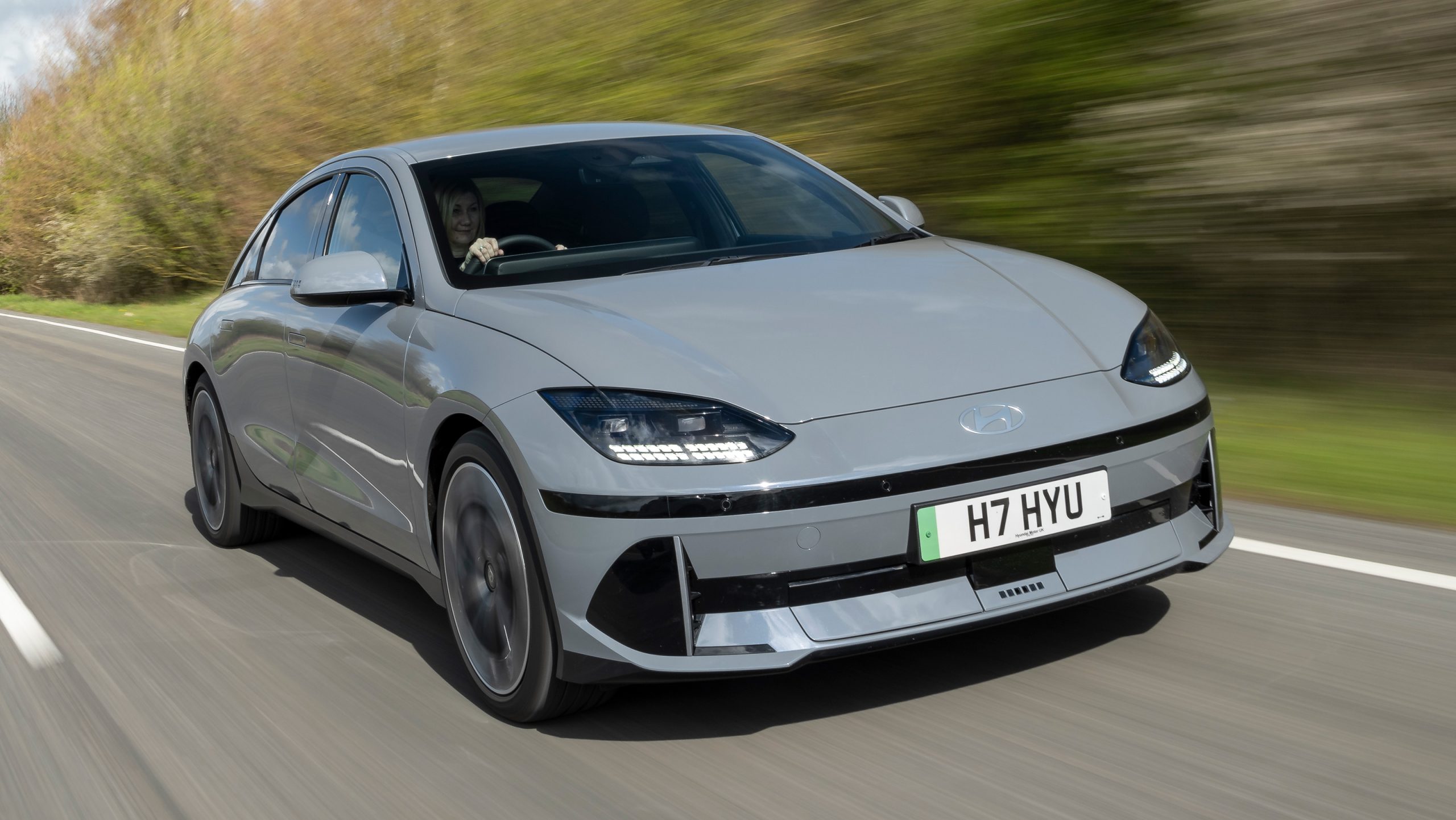
1. Hyundai Ioniq 6
The Hyundai Ioniq 6 has quickly become one of the most respected electric vehicles in terms of range accuracy and efficiency. Unlike many EVs that struggle to match their official estimates once they leave controlled testing environments, the Ioniq 6 consistently performs close to its advertised range in real-world driving.
Hyundai achieved this by focusing heavily on aerodynamic efficiency, battery optimization, and intelligent energy management rather than simply increasing battery size. The car’s sleek, low-drag shape plays a major role in helping it preserve energy at highway speeds, where most EVs tend to lose efficiency rapidly.
Drivers who regularly commute long distances often report that the Ioniq 6 delivers dependable range estimates that remain stable throughout the drive, which is something many EV buyers prioritize more than headline specifications.
One of the biggest reasons the Ioniq 6 stands out is its excellent highway efficiency. In many EVs, range estimates can collapse during sustained 70 mph or 75 mph driving because higher speeds dramatically increase aerodynamic resistance. The Ioniq 6 handles this challenge better than most vehicles in its class. Independent range tests have shown that the difference between its EPA estimate and actual highway range is relatively small compared to competitors.
This consistency makes the vehicle especially appealing for drivers who frequently travel between cities or rely on their EV for road trips. Instead of forcing drivers to constantly monitor battery percentage and charging station availability, the Ioniq 6 offers confidence and predictability.
The charging performance of the Ioniq 6 also indirectly supports its reputation for honest usability. Thanks to Hyundai’s advanced 800-volt electrical architecture, the vehicle charges extremely quickly at compatible fast charging stations.
While charging speed is separate from driving range, the combination of reliable efficiency and fast charging creates a more trustworthy ownership experience. Drivers know they can accurately predict both how far the vehicle can travel and how long charging stops will take. This level of consistency reduces stress during long trips and makes the Ioniq 6 one of the most user-friendly EVs currently available.
Beyond the technical aspects, owner satisfaction with the Ioniq 6 has been strong because expectations often align with reality. In the EV market, disappointment frequently occurs when real-world results fail to match advertisements. Hyundai has largely avoided this issue with the Ioniq 6.
The car demonstrates that manufacturers do not necessarily need massive battery packs to achieve excellent usability. Smart engineering, aerodynamic efficiency, and realistic range estimates can be just as valuable. For buyers searching for an EV that delivers dependable performance without exaggerated claims, the Hyundai Ioniq 6 has established itself as one of the most honest electric vehicles on the market.
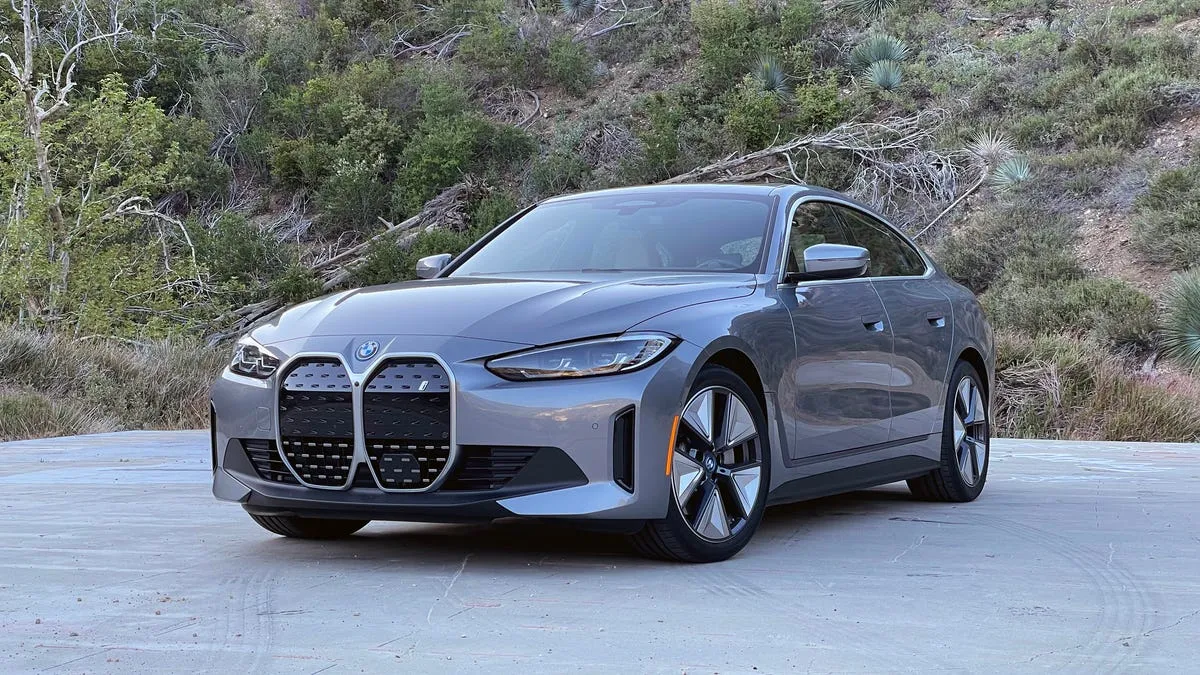
2. BMW i4
The BMW i4 represents a rare combination in the electric vehicle market: luxury performance and honest range delivery. Many premium EVs prioritize acceleration and high power outputs at the expense of efficiency, but the i4 manages to balance both surprisingly well.
Independent real-world testing has repeatedly shown that the BMW i4 often performs very close to its official EPA range estimates and, in some conditions, can even exceed them. This has helped BMW build credibility among EV buyers who are increasingly skeptical of advertised numbers. Rather than chasing unrealistic laboratory figures, BMW appears to have focused on creating a vehicle that behaves predictably in everyday driving scenarios.
Aerodynamics also play a significant role in the i4’s real-world success. Although it retains BMW’s traditional sporty styling, the car has been carefully engineered to reduce drag and improve efficiency. This allows it to maintain strong energy consumption numbers even during sustained highway driving, where many EVs lose substantial range.
In practical terms, this means the i4 can comfortably handle road trips without forcing drivers to make frequent charging stops. The vehicle’s efficiency is particularly impressive considering it delivers strong acceleration and premium luxury features at the same time.
The i4’s battery management system is another major strength. Temperature control is critical for EV efficiency because batteries perform best within a narrow thermal range. BMW has developed an advanced cooling and heating system that helps maintain battery performance across different climates.
While all EVs experience some reduction in range during extremely cold weather, the i4 minimizes these losses more effectively than many competitors. This contributes to more consistent range performance year-round, which is essential for buyers who live in regions with changing seasonal conditions.
In addition to technical performance, the BMW i4 has earned praise because it avoids creating unrealistic expectations. Some EV manufacturers advertise idealized range figures that are only achievable under very specific driving conditions. BMW appears to have taken a more balanced approach, ensuring that official estimates are attainable in normal use.
As a result, many owners feel pleasantly surprised rather than disappointed after purchasing the vehicle. This trust factor is increasingly important in the competitive EV market. The BMW i4 proves that luxury electric vehicles can still deliver honest and dependable efficiency without relying on inflated marketing claims.
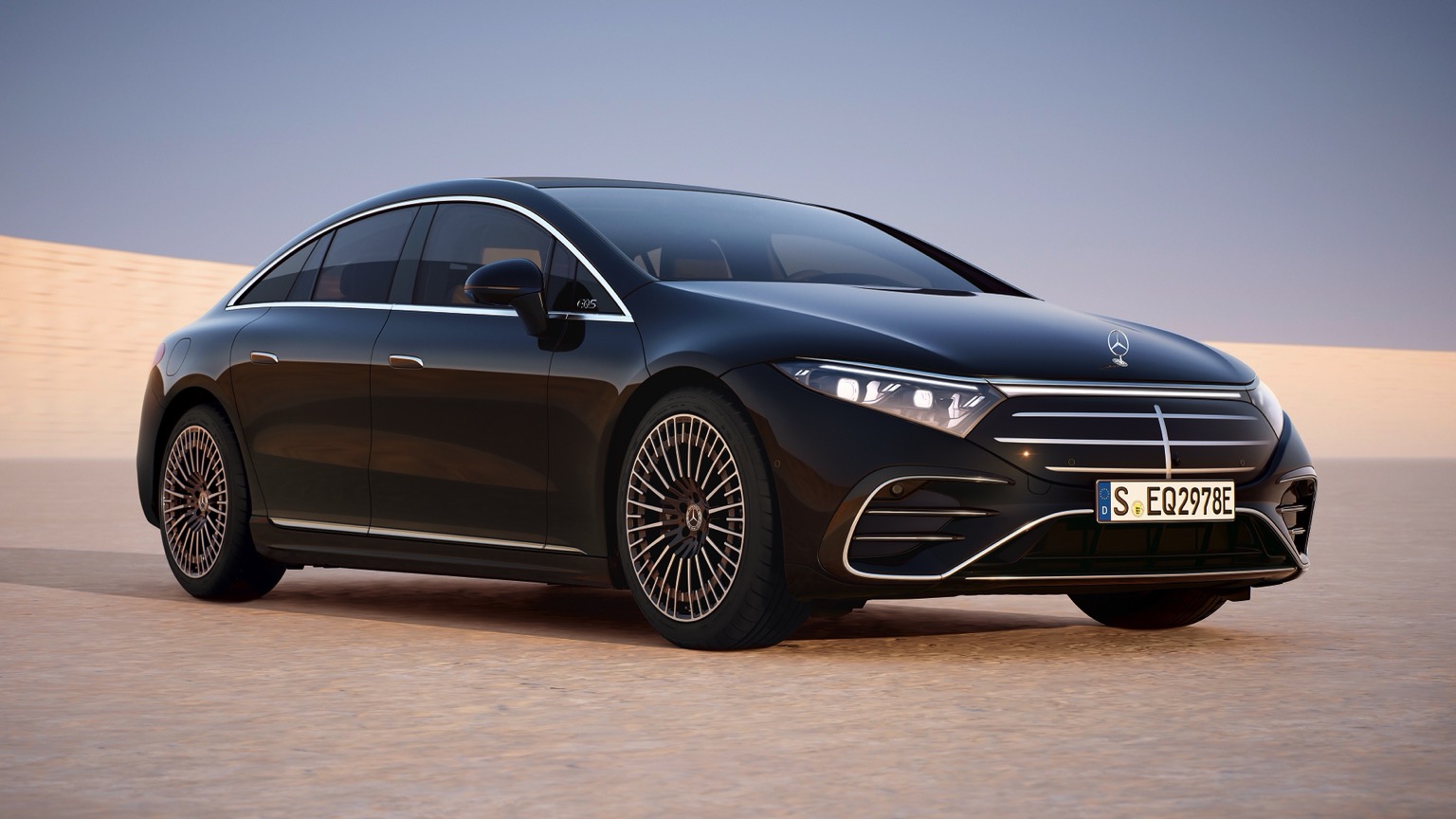
3. Mercedes EQS
The Mercedes EQS entered the market with enormous expectations because it was designed to serve as the flagship electric luxury sedan for Mercedes-Benz. Fortunately for buyers, the EQS has largely delivered on its promises, especially when it comes to real-world range consistency.
Despite being a large and heavy luxury vehicle packed with advanced technology, the EQS performs remarkably close to its official range estimates. This is particularly impressive because larger EVs typically struggle with efficiency due to their weight and size. Mercedes addressed this challenge through advanced aerodynamics and intelligent energy optimization, creating one of the most efficient luxury EVs available today.
The aerodynamic design of the EQS is one of its greatest strengths. Mercedes engineers focused heavily on reducing drag, resulting in one of the slipperiest production cars ever built. This low drag coefficient significantly improves highway efficiency, allowing the vehicle to maintain strong range numbers during long-distance travel.
Highway driving is often where EV range estimates become unreliable because aerodynamic resistance increases rapidly at higher speeds. The EQS handles this issue exceptionally well, helping drivers achieve real-world range figures that remain close to official estimates even during demanding driving conditions.
Another reason the EQS delivers an honest range is its sophisticated battery and thermal management system. The vehicle continuously monitors battery temperature and adjusts cooling or heating as needed to maintain efficiency. This not only improves range consistency but also helps preserve long-term battery health.
In real-world driving, these systems ensure that the vehicle behaves predictably across different climates and road conditions. Drivers can more accurately estimate how far they can travel before needing to recharge, which is a major advantage for luxury buyers who expect convenience and reliability from a premium vehicle.
The EQS also benefits from advanced regenerative braking technology that maximizes energy recovery during normal driving. The system intelligently adapts to traffic conditions and driving style, capturing energy efficiently without creating an unnatural driving experience.
This contributes to improved efficiency and helps the vehicle maintain stable range performance in urban as well as highway conditions. Many drivers appreciate how seamlessly the technology operates in the background while still producing measurable benefits in everyday use.
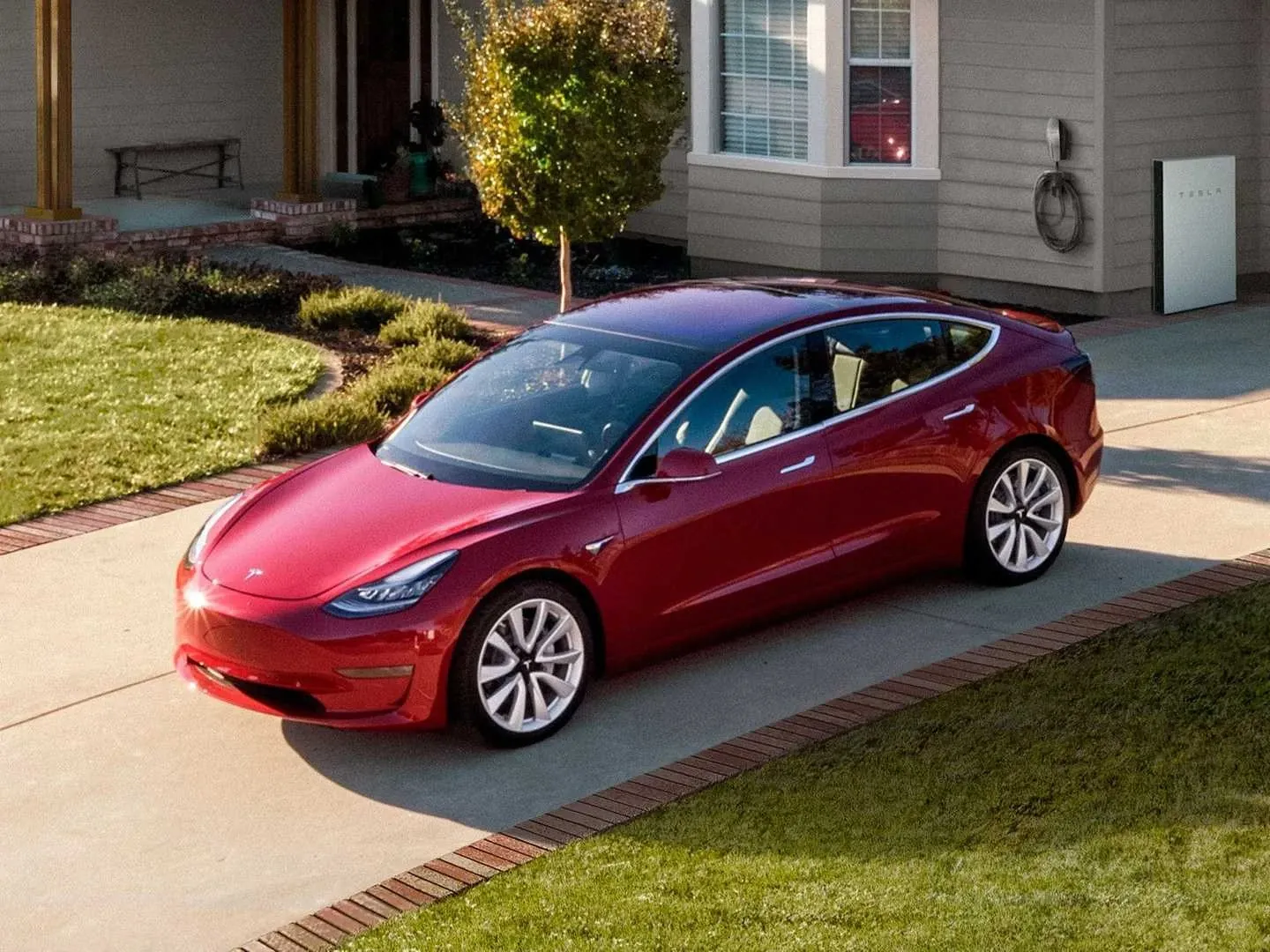
4. Tesla Model 3 Long Range
The Tesla Model 3 Long Range has become one of the most influential electric vehicles in the modern EV market, largely because it proved that electric cars could combine efficiency, performance, and practicality in a relatively affordable package.
While Tesla has occasionally faced criticism regarding range calculations and display methods, the Model 3 Long Range still remains one of the more consistent EVs in terms of real-world efficiency. Compared to many competitors, the gap between its official range and actual driving results is often manageable and predictable, especially when driven under moderate conditions.
One of the key reasons for the Model 3’s strong real-world performance is Tesla’s focus on efficiency rather than simply increasing battery size. The car has a relatively low weight for an EV, excellent aerodynamics, and highly optimized electric motors.
These factors help it maintain efficient energy consumption during both city and highway driving. Independent range tests frequently show that the Model 3 Long Range performs better than many other EVs with similar battery capacities. While it may not always achieve its full EPA rating at high highway speeds, it generally remains competitive and predictable in everyday driving situations.
Tesla’s software ecosystem also contributes to the usability of the Model 3. The navigation system continuously monitors battery consumption, traffic conditions, elevation changes, and charging station availability. This allows drivers to receive accurate trip planning assistance and realistic battery projections during long journeys.
Even if the real-world range varies slightly from official estimates, Tesla’s software often compensates by helping drivers manage charging stops efficiently. This creates a smoother ownership experience compared to EVs with less advanced route planning systems.
Another important strength of the Model 3 Long Range is its charging infrastructure integration. Tesla’s Supercharger network reduces the practical impact of any range discrepancies because charging stops are typically fast and widely available in many regions.
Drivers can travel long distances with relatively little inconvenience, which makes the vehicle feel more capable than raw numbers alone might suggest. Combined with efficient battery management and consistent energy consumption, this helps the Model 3 maintain its reputation as one of the best long-distance EVs available.
Also Read: 10 Cars That Survive Being Used as Daily Uber Vehicles
4 EVs With Inflated or Optimistic Range Estimates
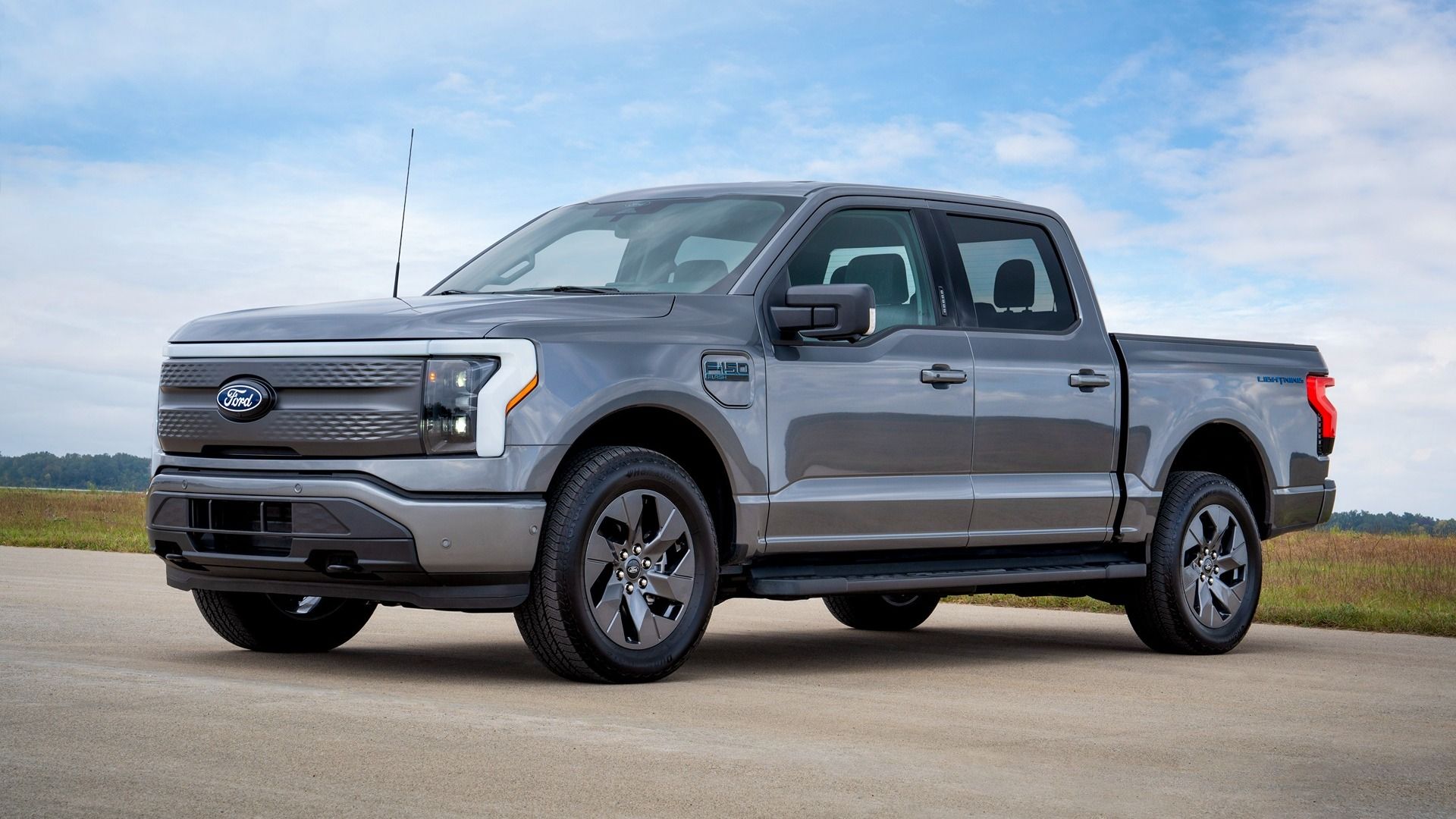
1. Ford F-150 Lightning
The Ford F-150 Lightning entered the electric vehicle market with enormous excitement because it combined America’s best-selling truck platform with modern EV technology. On paper, the truck appeared highly competitive thanks to its strong towing capabilities, practical design, and respectable advertised range figures.
However, real-world testing quickly revealed that the Lightning often struggles to match its official EPA estimates, especially during highway driving and heavy use scenarios. This gap between advertised and actual range has become one of the most discussed aspects of the truck among reviewers and owners alike. While the vehicle remains impressive in terms of utility and performance, its efficiency limitations are difficult to ignore.
One major reason the F-150 Lightning falls short of expectations is simple physics. Pickup trucks are inherently less aerodynamic than sedans or crossovers because of their large frontal area and boxy shape. At highway speeds, aerodynamic drag increases dramatically, forcing the battery to work much harder to maintain speed.
Unlike laboratory testing conditions, real-world highway driving exposes these weaknesses quickly. Independent range tests have shown that the Lightning can lose a substantial amount of range when traveling at sustained interstate speeds. Drivers who expect the advertised figures to translate directly into long-distance road trip capability are often surprised by how quickly battery percentage declines.
Weather conditions also impact the Lightning more heavily than many consumers expect. Cold temperatures can reduce battery efficiency while simultaneously increasing energy consumption due to cabin heating needs. Since trucks already consume more energy because of their size and weight, winter driving can create particularly noticeable range reductions.
Owners in colder regions frequently report needing to plan charging stops more carefully during winter months. Although this behavior is normal for EVs in general, the Lightning’s already optimistic baseline estimates make the seasonal drop feel even more significant.
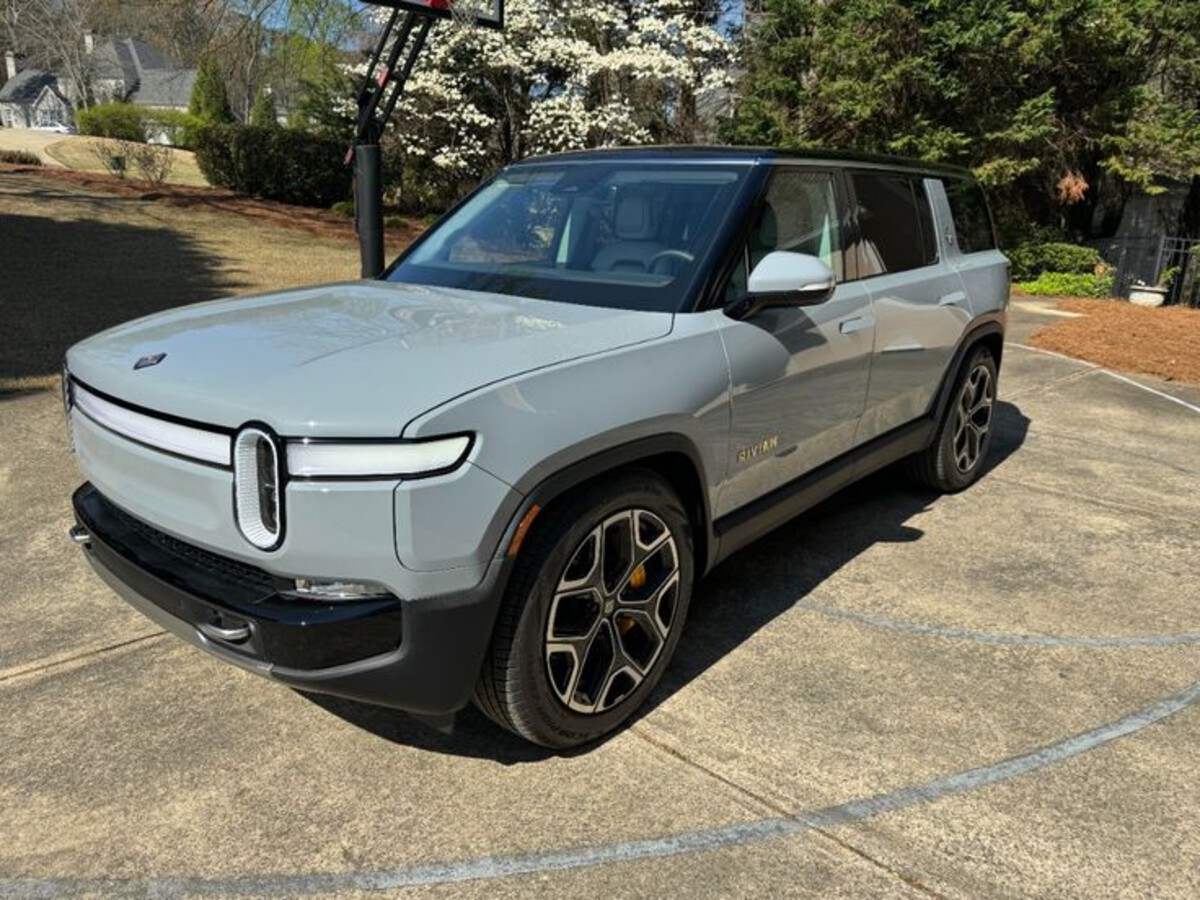
2. Rivian R1S
The Rivian R1S has gained widespread praise for its rugged design, luxurious interior, and exceptional off-road capability, but its real-world range performance has often fallen short of the optimistic expectations created by official estimates. Rivian positioned the R1S as an adventure-focused electric SUV capable of handling long journeys into remote areas while still delivering premium comfort and performance.
While the vehicle certainly excels in capability and innovation, independent testing has shown that its actual highway range can differ noticeably from advertised figures. This discrepancy has become a common discussion point among EV enthusiasts and reviewers who compare EPA estimates with practical driving results.
A major factor behind the R1S range shortfall is its size and engineering priorities. The SUV was designed to handle demanding off-road environments, which means it includes large tires, high ground clearance, heavy-duty suspension components, and substantial structural reinforcement.
These features improve durability and capability but also increase weight and reduce aerodynamic efficiency. Compared to more streamlined EV crossovers, the R1S consumes significantly more energy at highway speeds. In real-world conditions, especially during long interstate trips, the vehicle often delivers fewer miles per charge than buyers initially expect based on official marketing materials.
The R1S also emphasizes performance, which further affects efficiency. Rivian equipped the SUV with extremely powerful electric motors capable of delivering rapid acceleration and advanced All Wheel Drive capability. While this creates an exciting driving experience, it naturally increases energy consumption.
Drivers who take advantage of the vehicle’s performance potential often see even larger gaps between estimated and actual range. Unlike laboratory testing cycles that involve controlled acceleration patterns, real drivers frequently use more power in everyday situations, leading to faster battery depletion.
Off-road usage presents another challenge for range consistency. Rivian markets the R1S as an adventure vehicle built for exploring rugged terrain, but difficult driving conditions can dramatically increase energy consumption. Mud, sand, steep inclines, and uneven surfaces all place additional demands on the powertrain.
Even accessories such as roof racks, larger off-road tires, and camping gear can reduce efficiency further by increasing aerodynamic drag and vehicle weight. Owners who fully embrace the outdoor lifestyle promoted in Rivian advertisements often discover that real-world range can vary significantly depending on how the vehicle is equipped and used.
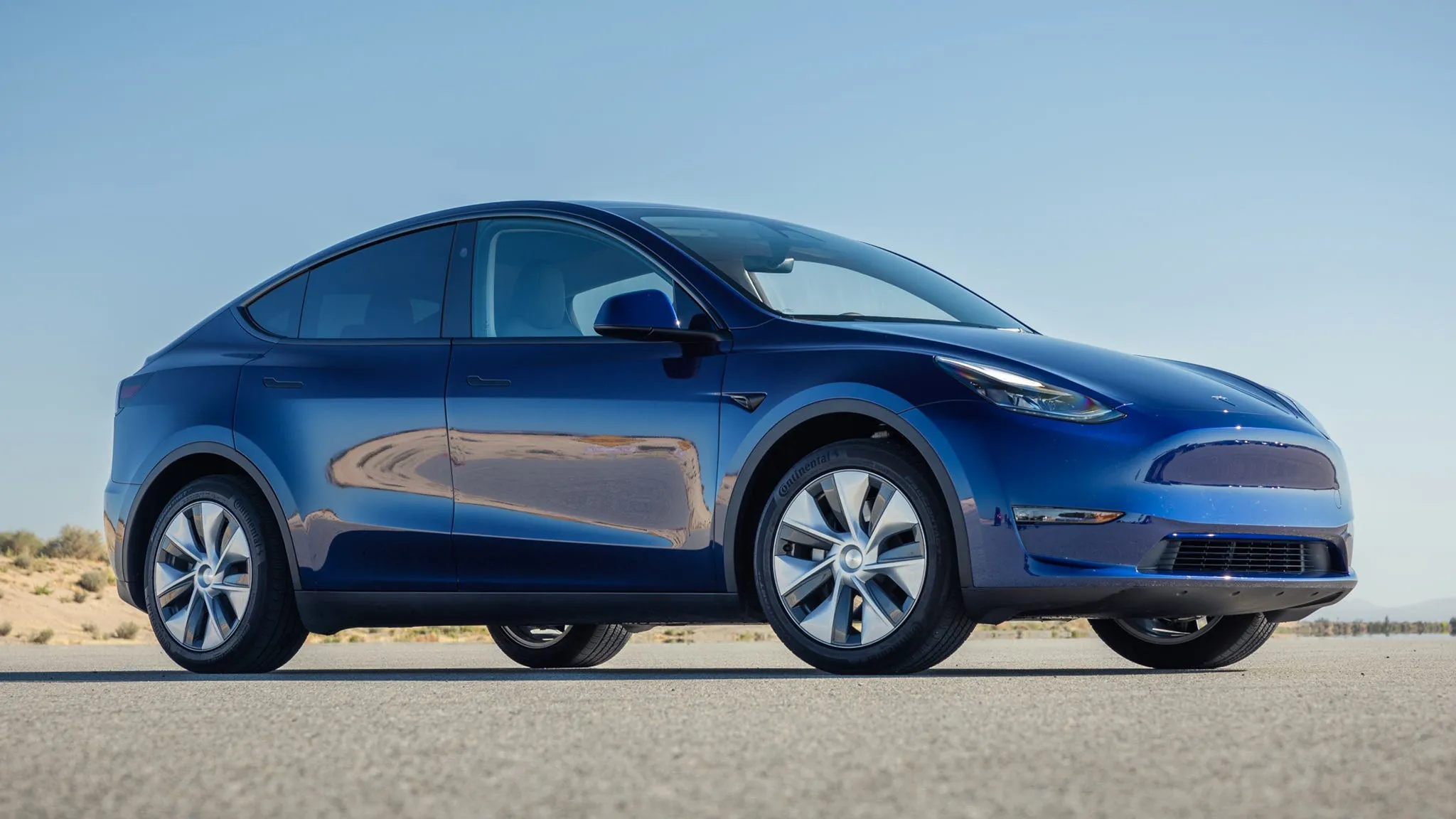
3. Tesla Model Y Long Range
The Tesla Model Y Long Range is one of the best-selling electric SUVs in the world, praised for its practicality, performance, and advanced technology. However, it has also become an example of how official EV range estimates can appear overly optimistic under real driving conditions.
Tesla advertises impressive EPA range figures for the Model Y, but many independent highway tests and owner experiences suggest that achieving those numbers consistently requires ideal circumstances. While the vehicle remains highly efficient compared to many competitors, the difference between advertised and practical range has generated ongoing debate among consumers and industry analysts.
One reason the Model Y struggles to match official estimates is the nature of EPA testing itself. EPA procedures involve a mix of city and highway driving under controlled conditions, but many real-world drivers spend long periods traveling at higher highway speeds where EV efficiency decreases significantly.
The Model Y, despite being aerodynamic for an SUV, still experiences noticeable efficiency losses during sustained interstate driving. Drivers traveling at 75 mph or above frequently report range numbers substantially lower than advertised figures. This issue becomes especially important during road trips, where charging stop planning depends heavily on accurate expectations.
Tesla’s aggressive efficiency projections have also contributed to criticism surrounding the Model Y. Some reviewers argue that Tesla tends to prioritize impressive headline range numbers because they are highly influential in EV purchasing decisions. While technically achievable under favorable conditions, these estimates may not reflect the average owner experience.
In practice, factors such as weather, elevation changes, traffic conditions, and driving habits can reduce usable range considerably. Drivers transitioning from gasoline vehicles often expect the displayed range number to behave similarly to a fuel gauge, only to discover that EV range fluctuates more dynamically based on real-time conditions.
Cold weather can create particularly noticeable discrepancies for the Model Y Long Range. Like all EVs, the vehicle uses battery energy not only for propulsion but also for cabin heating and battery temperature management. In winter conditions, efficiency can decline substantially, especially during short trips where the battery does not have enough time to reach optimal operating temperature.
Owners in colder climates frequently report seeing significantly lower effective range during winter months compared to official EPA estimates. While Tesla’s heat pump technology improves cold-weather efficiency relative to older EV systems, it does not eliminate the fundamental limitations imposed by low temperatures.
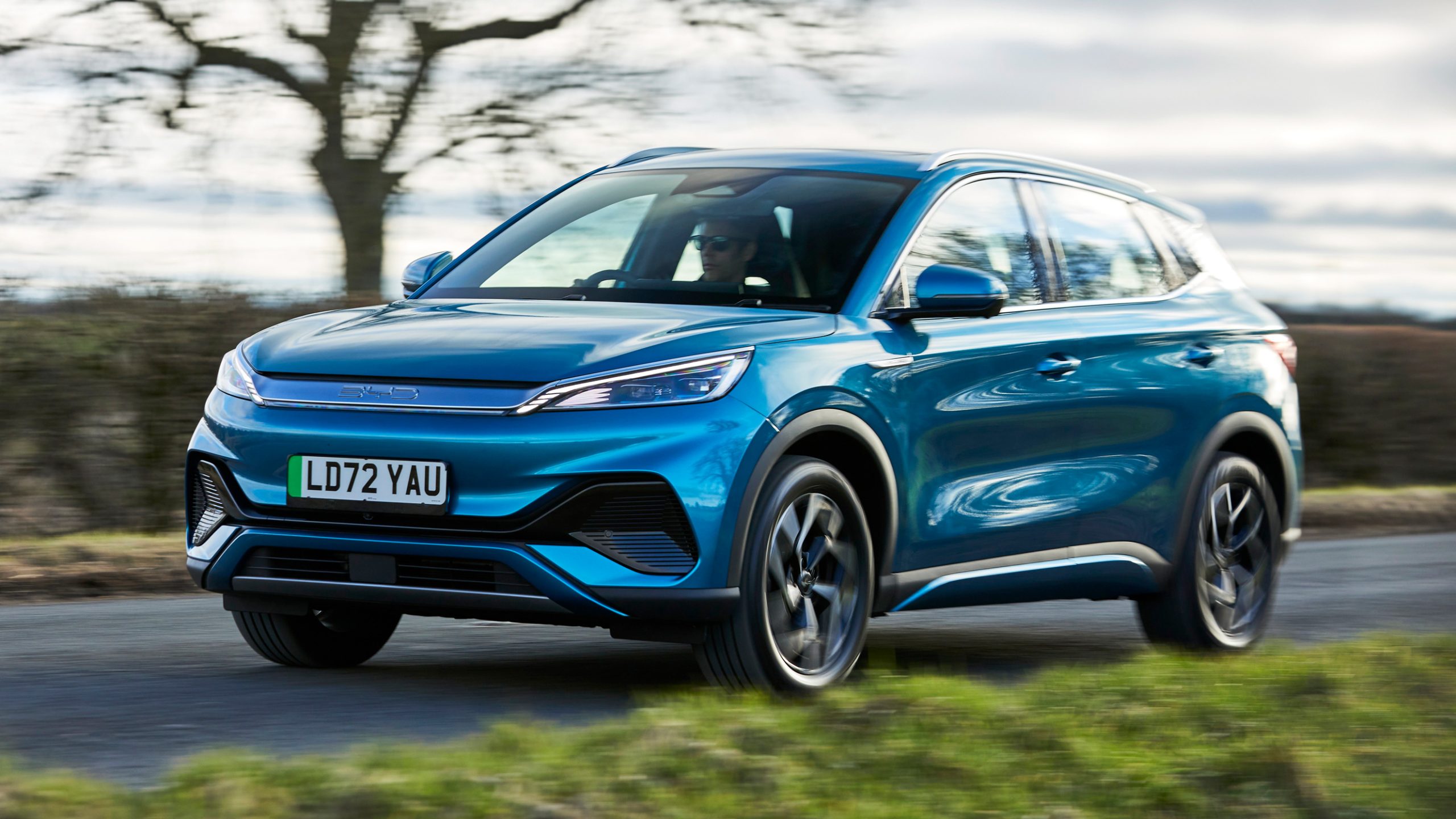
4. BYD Atto 3
The BYD Atto 3 has become one of the most important affordable electric vehicles in international markets thanks to its competitive pricing, modern technology, and practical design. However, the vehicle has also attracted attention because of the significant difference between its advertised range and real-world performance in many driving conditions. Much of this issue stems from the testing standards used in various markets.
In regions where the Atto 3 is marketed using CLTC range figures, the official numbers often appear far more optimistic than what drivers can realistically achieve during everyday use. This has created confusion among buyers who may not fully understand the differences between testing systems.
The CLTC testing cycle used in China is generally considered more generous than EPA testing in the United States or even WLTP testing in Europe. It includes lower average speeds and gentler driving patterns that favor higher efficiency results.
As a consequence, EVs tested under CLTC standards frequently advertise range figures that are difficult to replicate in normal highway driving. The BYD Atto 3 is a clear example of this phenomenon. While the vehicle performs reasonably well in urban conditions, highway travel often reveals a much larger gap between official claims and actual achievable distance per charge.
Aerodynamics and vehicle design also contribute to the discrepancy. The Atto 3 is a compact crossover SUV, which naturally creates more aerodynamic drag than a low sedan. At higher speeds, this drag significantly increases energy consumption.
Drivers who regularly travel on highways often report seeing efficiency figures much lower than expected based on the advertised range. Air conditioning use, passenger load, and road elevation changes can further amplify the difference. In practical terms, this means buyers relying heavily on highway driving may need to charge more frequently than they initially anticipated.
Temperature sensitivity is another factor affecting the Atto 3’s real-world performance. Hot climates increase air conditioning usage while colder conditions reduce battery efficiency and require additional energy for heating. Since many emerging EV markets experience extreme weather conditions, these environmental factors can noticeably impact practical range.
Drivers who purchased the vehicle expecting laboratory-level efficiency may feel frustrated when real-world performance varies significantly depending on season and location. This issue highlights the importance of understanding how testing standards differ across global markets.
