
SUVs are no longer judged solely by horsepower, fuel efficiency, or off-road capability. A key factor that often goes unnoticed is the in-cabin audio experience. Whether on long highway drives, family road trips, or daily city commutes with music or podcasts, the quality of the sound system and cabin acoustics plays a major role in shaping driver and passenger satisfaction.
A vehicle can have premium styling and advanced technology, but if the audio system is weak or the cabin noise interferes with clarity, the driving experience can feel noticeably diminished.
In recent years, manufacturers have started investing heavily in premium sound engineering. Brands like Bose, Harman Kardon, Bowers & Wilkins, AKG, and Bang & Olufsen have become common in mid-range and luxury SUVs.
At the top end, systems now include multi-speaker layouts, subwoofer integration, surround sound tuning, and even Dolby Atmos support in select electric SUVs. Some models achieve studio-like clarity with carefully tuned acoustic environments, making music feel immersive and detailed even at highway speeds.
However, not all SUVs deliver equally. While some vehicles excel in delivering loud, clean, and distortion-free audio, others suffer from what enthusiasts and reviewers often describe as “muddy sound.”
This typically refers to weak bass separation, unclear vocals, excessive road noise masking the music, or poorly tuned speaker calibration. Even vehicles with “premium” branded audio systems can fall short if cabin insulation and speaker placement are not optimized.
Another critical factor is cabin noise isolation. SUVs naturally face acoustic challenges due to their boxy shape, larger wheel wells, and higher ride height. Wind noise, tire roar, and engine vibration can easily interfere with audio clarity. As a result, the difference between a great sound system and a poor one is not just about speakers; it is about the entire cabin ecosystem working together.
This article compares four SUVs known for loud, clear, and immersive cabin sound systems with four SUVs that are frequently criticized for muddy, underwhelming, or poorly balanced audio performance. The goal is to help buyers understand not only which models perform well, but also why some vehicles succeed while others struggle.
We will examine speaker systems, cabin insulation, tuning philosophy, and real-world user impressions to provide a complete and realistic comparison of modern SUV audio experiences.
Also Read: 10 Cars With Insurance Premiums Lower Than a Compact Sedan
SUVs With Loud and High-Quality Sound
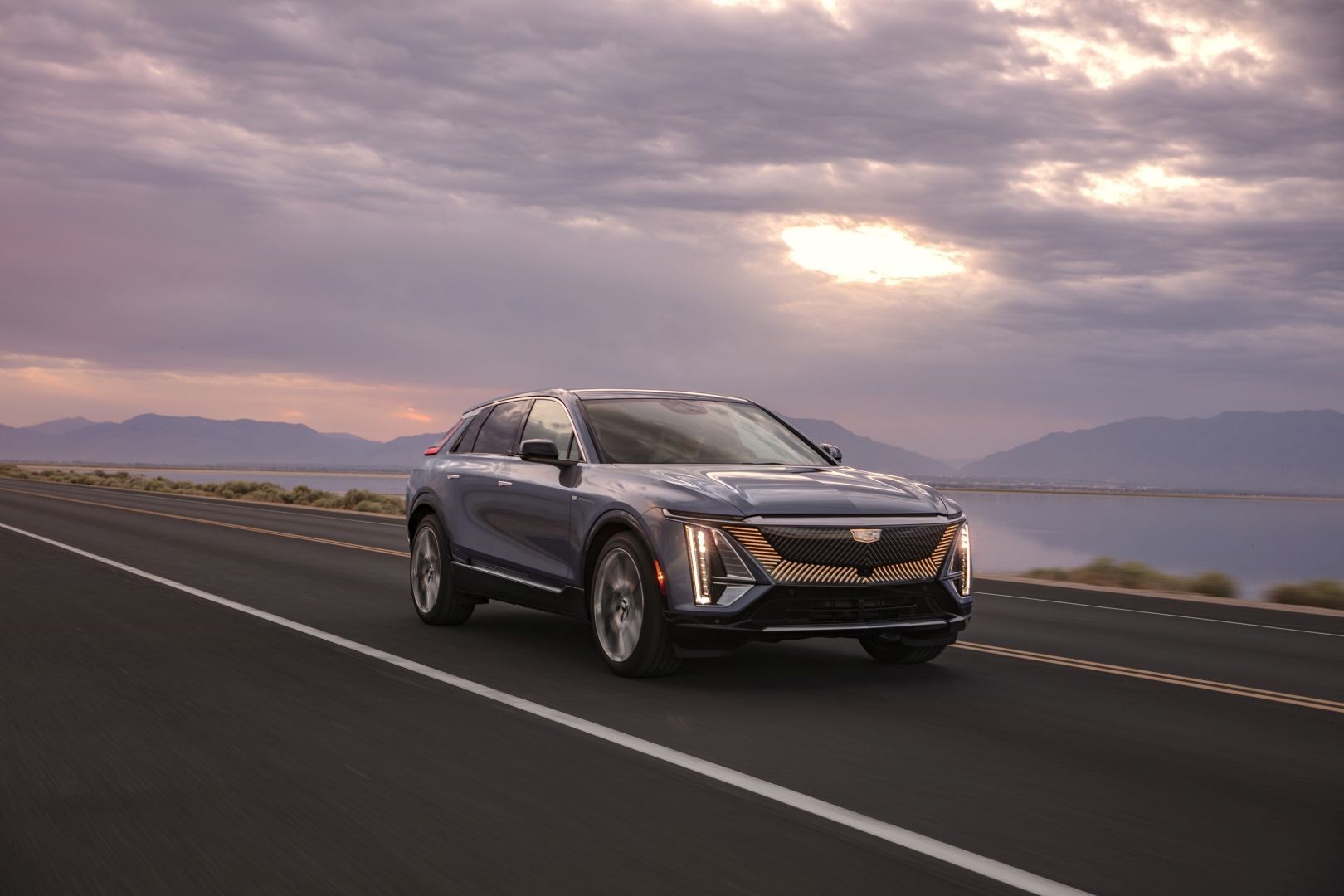
1. Cadillac Lyriq
The Cadillac Lyriq represents one of the most advanced attempts by a traditional American luxury brand to redefine in-cabin audio for the electric vehicle era. It’s available AKG Studio Reference sound system is not just a collection of speakers, but a fully engineered acoustic ecosystem designed in collaboration with professional sound engineers.
The system is tightly integrated into the vehicle architecture, meaning speaker placement, cabin geometry, and digital tuning all work together rather than functioning as separate components. This is especially important in an SUV body style, where sound reflection and cabin volume can easily distort audio if not carefully managed.
What truly elevates the Lyriq’s audio experience is its use of Dolby Atmos support in higher configurations. This technology allows sound to move in a three-dimensional space rather than staying confined to traditional left-right stereo channels. As a result, listeners can perceive instruments, vocals, and ambient effects as if they are positioned around and above them.
This creates a highly immersive experience, particularly noticeable when listening to live recordings, orchestral music, or high-quality streaming formats. Even subtle background details that are often lost in standard systems become audible, giving the impression of a studio-grade listening environment inside the cabin.
Another key advantage of the Lyriq is its fully electric platform, which eliminates engine vibration and combustion noise entirely. This dramatically lowers the cabin noise floor, meaning the audio system does not have to compete with mechanical interference.
At low speeds or during stationary listening, the clarity can feel almost studio-like. At highway speeds, the combination of active noise cancellation and aerodynamic refinement ensures that wind and tire noise remain controlled, allowing the audio system to maintain consistency across different driving conditions.
The system is also carefully tuned for dynamic range. It performs well not only at high volume levels but also at moderate listening levels where many systems tend to lose detail. Bass response is deep yet controlled, avoiding distortion even in bass-heavy tracks.
Midrange frequencies, particularly vocals, remain crisp and forward without becoming harsh. This balance makes the Lyriq’s audio system suitable for a wide range of listeners, from casual podcast users to serious music enthusiasts who prioritize clarity and spatial accuracy over exaggerated sound effects.

2. Volvo EX90
The Volvo EX90 is engineered around a philosophy of Scandinavian minimalism, safety, and sensory calm, and its Bowers & Wilkins audio system is a direct extension of that philosophy. Instead of focusing on artificial enhancement or overly aggressive tuning, the system is designed to replicate the experience of a professionally treated listening room.
This is achieved through precise calibration, high-quality speaker materials, and an extremely quiet cabin environment that minimizes external acoustic interference.
One of the defining strengths of the EX90 is its remarkable attention to tonal accuracy. The system avoids excessive bass boosting or treble sharpening, which are common shortcuts used in many automotive audio systems to create an impression of “power.”
Instead, it prioritizes natural sound reproduction, ensuring that instruments sound as close as possible to how they were originally recorded. This is particularly noticeable in acoustic genres, classical music, jazz, and vocal-centric tracks where subtle detail and tonal balance are essential for realism.
The cabin itself plays a major role in supporting this audio philosophy. Volvo has invested heavily in multi-layer insulation materials, laminated glass, and structural noise reduction techniques to ensure that external sound intrusion is minimized. As a result, the noise floor inside the EX90 remains exceptionally low, even at highway speeds.
This allows the sound system to operate in a near-ideal acoustic environment, where even low-volume playback retains clarity and separation.
The system also includes multiple sound modes that simulate different acoustic environments such as concert halls, studio rooms, and immersive spaces. These modes are not just cosmetic filters; they are carefully tuned digital processing profiles that adjust reverberation, spatial imaging, and frequency response.
This allows users to tailor the listening experience depending on mood or content type. For example, a live concert recording can feel expansive and atmospheric, while a podcast or audiobook remains focused and centered.
The EX90 delivers one of the most refined and emotionally neutral audio experiences in the SUV segment. It does not aim to overwhelm the listener with loudness but instead focuses on precision, balance, and long-term listening comfort without fatigue.
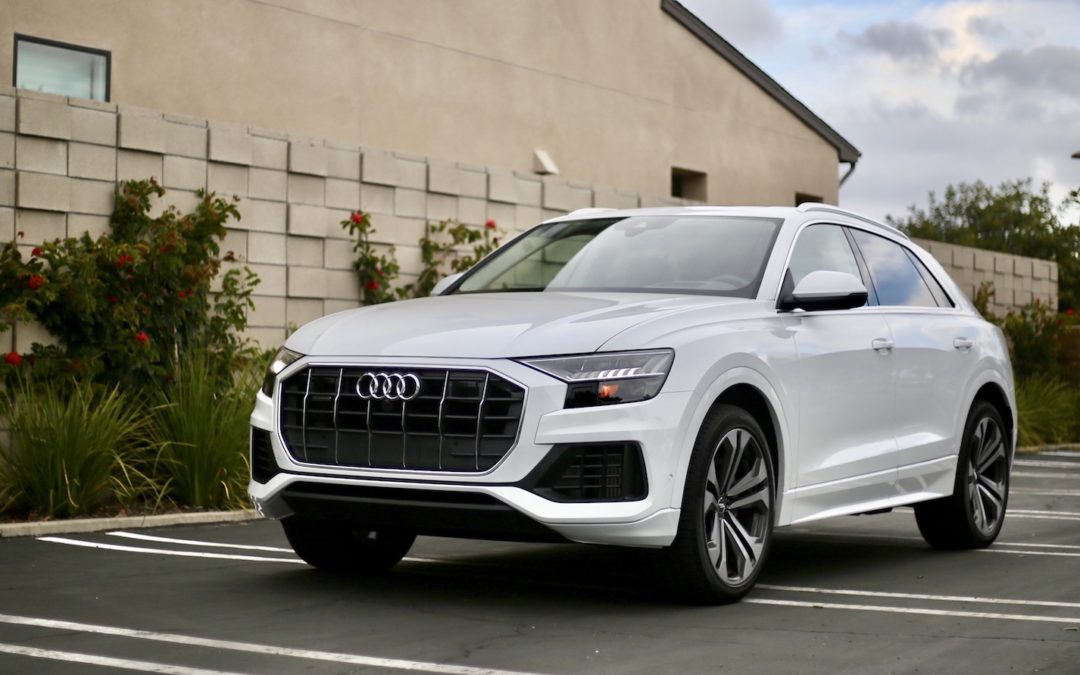
3. Audi Q8
The Audi Q8 is widely regarded as one of the most acoustically refined SUVs in the luxury segment, and this reputation plays a critical role in the performance of its premium sound system. Audi’s engineering approach has always emphasized cabin quietness as a foundation for audio excellence, and the Q8 benefits significantly from this philosophy.
The vehicle is designed with extensive sound-deadening materials, aerodynamic shaping, and structural rigidity that together reduce unwanted noise intrusion from wind, tires, and road surfaces.
This quiet cabin environment directly enhances the performance of the audio system, allowing even subtle details in music to be heard clearly at moderate volumes. Unlike vehicles where the audio system must compensate for high levels of external noise, the Q8’s system operates in a relatively “clean acoustic space.” This means less distortion is required to overcome interference, resulting in more natural and accurate sound reproduction.
Audi’s tuning approach is generally more analytical than emotional. The system prioritizes clarity, precision, and separation over exaggerated bass or artificially widened sound staging. This makes it particularly appealing to listeners who prefer accuracy and balance rather than heavily colored sound signatures. Instruments remain distinctly positioned within the sound field, and vocals are reproduced with a high degree of intelligibility.
At highway speeds, the Q8 maintains one of the lowest cabin noise levels in its class. This allows the audio system to remain consistent regardless of driving conditions, which is a key factor in long-distance comfort. Many SUVs suffer from audio degradation at higher speeds due to rising wind and tire noise, but the Q8 minimizes this issue effectively.
Additionally, the speaker system is calibrated to distribute sound evenly across all seating positions. This ensures that passengers in both front and rear seats receive a balanced listening experience without a significant drop-off in quality. The result is a highly consistent and premium in-cabin audio environment that is often used as a reference point in its category.
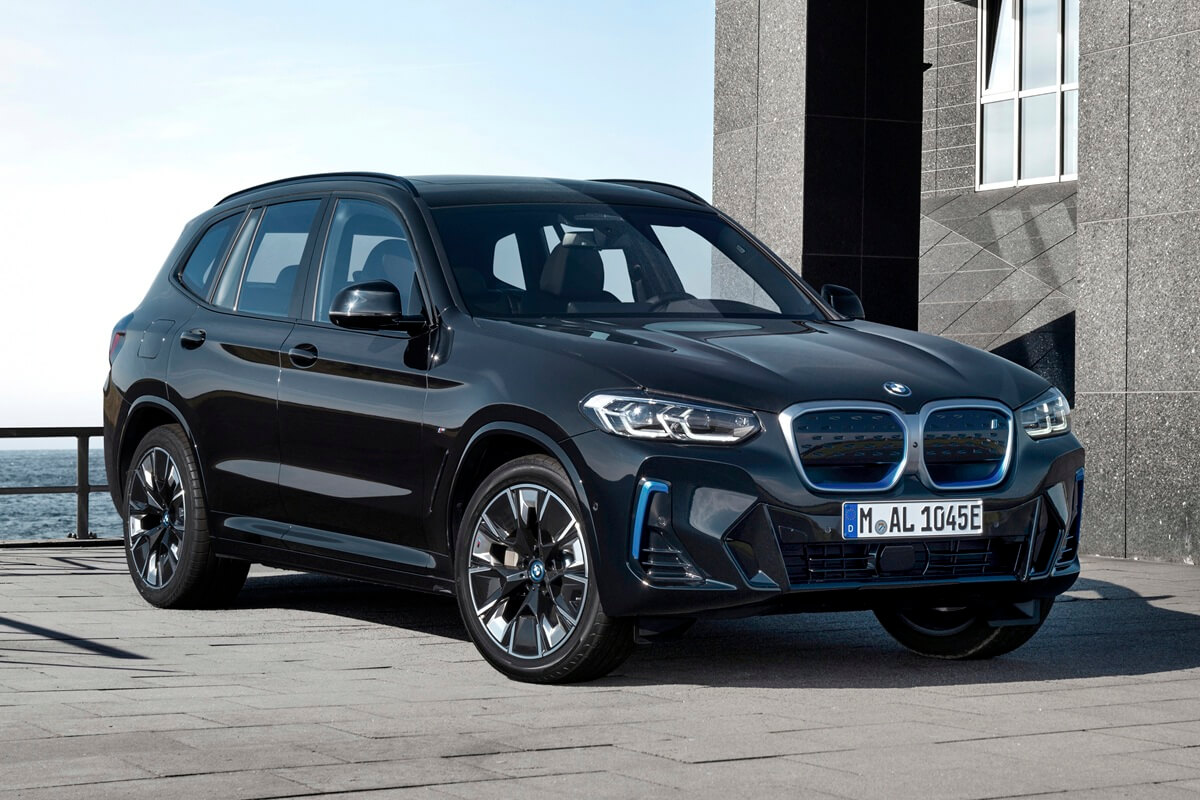
4. BMW iX
The BMW iX leverages the inherent advantages of an all-electric platform to deliver one of the quietest cabin environments in the SUV market, which directly benefits its audio system performance.
Without a combustion engine, the vehicle eliminates a major source of low-frequency vibration and noise, allowing the sound system to operate in a much cleaner acoustic space. This reduction in background interference is one of the primary reasons the iX delivers such strong perceived audio clarity even at moderate system specifications.
BMW’s audio tuning philosophy in the iX focuses heavily on spatial realism and clarity rather than aggressive bass enhancement. The system is designed to create an evenly distributed sound field that ensures passengers in all seating positions experience consistent audio quality.
This is achieved through carefully placed speakers integrated into the cabin architecture, including door panels, dashboard areas, and rear seating zones. The goal is to create a seamless sound bubble rather than a directional speaker experience.
Another major advantage is the extremely low cabin noise floor at city and highway speeds. Even at higher velocities, the combination of aerodynamic design, acoustic glass, and insulation ensures that external noise remains minimal.
This allows the audio system to maintain its dynamic range without being forced to compete with environmental interference. As a result, even subtle background instruments and vocal nuances remain audible in complex musical tracks.
The system also excels in vocal clarity and midrange performance, which is particularly important for podcasts, audiobooks, and dialogue-heavy content. While bass response is present and controlled, it is not overly exaggerated, which helps maintain balance across different types of audio content. This makes the iX especially suitable for users who prioritize clarity, detail, and long listening sessions without fatigue.
The BMW iX demonstrates how electric vehicle architecture can significantly enhance in-cabin audio performance. By removing mechanical noise and focusing on acoustic refinement, it delivers a listening environment that feels both modern and highly immersive.
Also Read: 10 Cars That Survive Being Used as Daily Uber Vehicles
SUVs With Muddy Audio Systems
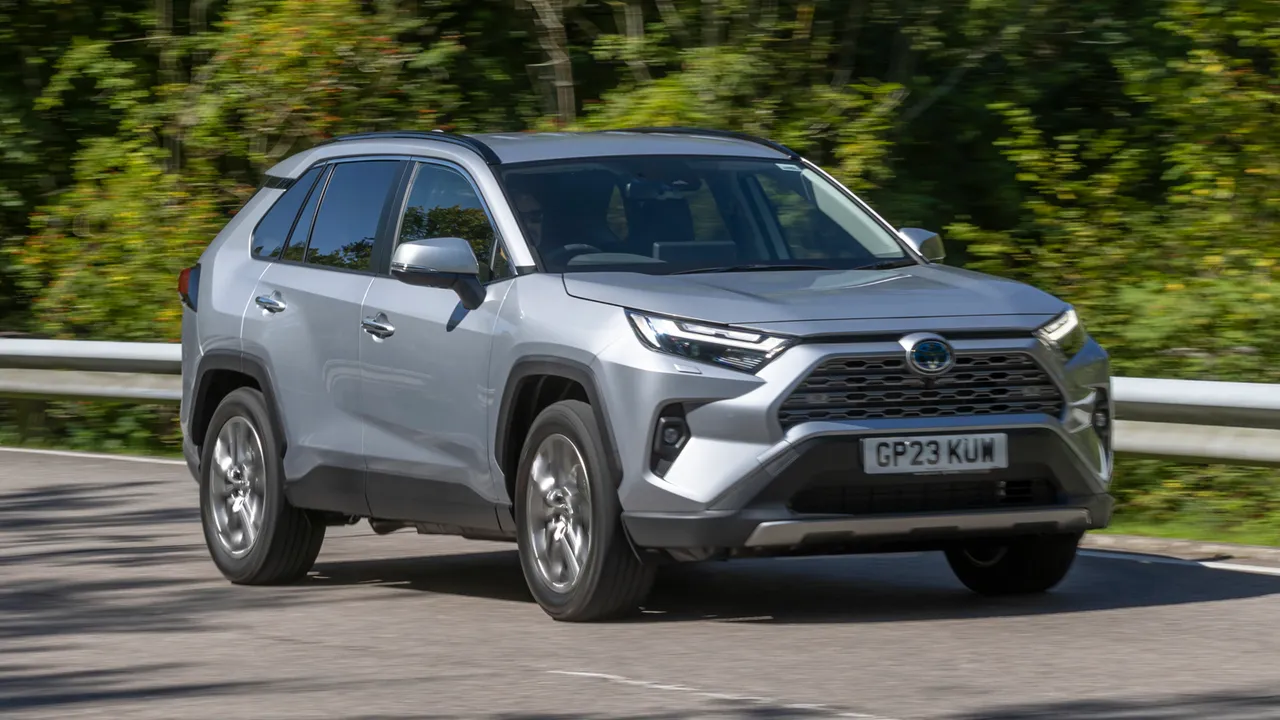
1. Toyota RAV4
The Toyota RAV4 is one of the most successful compact SUVs globally, largely because of its reliability, fuel efficiency, and practical design. However, when it comes to in-cabin audio performance, it generally sits in the “functional but uninspiring” category.
The sound system is designed to be dependable rather than immersive, which means it prioritizes basic clarity for everyday listening rather than delivering a rich or high-fidelity experience. While this approach is acceptable for casual users, it becomes noticeable for anyone who expects depth, separation, or studio-like detail in their music playback.
One of the primary limitations of the RAV4 is cabin noise intrusion. At city speeds, the system performs adequately, but as speed increases, wind and tire noise become significantly more pronounced.
This is especially noticeable on rough road surfaces or highways where coarse asphalt generates constant low-frequency rumble. These external noises raise the cabin noise floor, which directly interferes with audio clarity. As a result, even when the volume is increased, fine details in music often get masked, leading to a perception of “flat” or “muddy” sound.
Another issue lies in speaker tuning and frequency balance. The bass response in the RAV4 can feel loose and poorly controlled, especially in non-upgraded audio systems. Instead of delivering tight and punchy low-end frequencies, the system tends to produce a broader, less defined bass presence that can overlap with midrange frequencies.
This overlap reduces vocal clarity and makes complex tracks sound congested. Instruments that require separation, such as layered acoustic arrangements or electronic music with multiple bass elements, often lose definition.
Midrange performance is serviceable but not refined. Vocals are generally audible but lack crispness and forward projection. High frequencies, which are responsible for sparkle and detail in music, are present but not particularly sharp or airy.
This creates a sound signature that is safe and inoffensive but not engaging. Even in higher trims, while improvements are noticeable, the character remains conservative.
The RAV4’s audio system reflects its design philosophy: practical, durable, and cost-effective. It is perfectly suitable for podcasts, navigation prompts, and casual music listening, but it does not deliver the immersive or emotionally engaging experience that more premium SUVs offer.
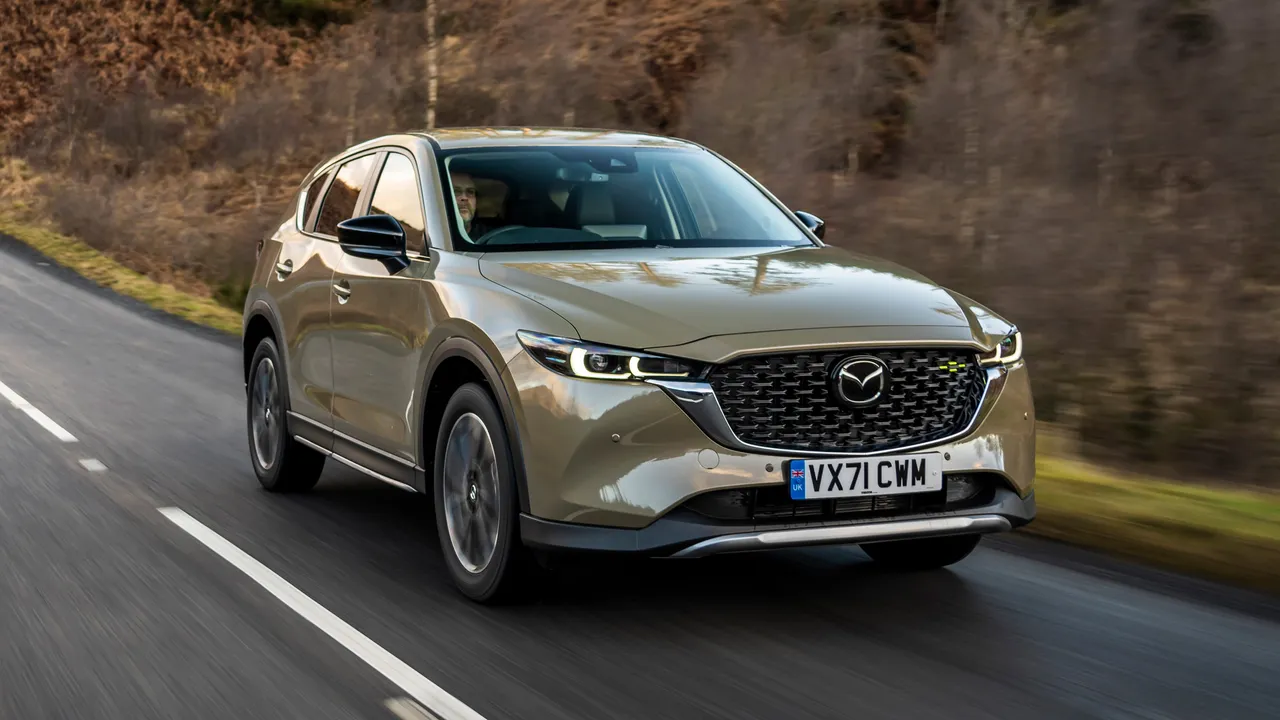
2. Mazda CX-5
The Mazda CX-5 is often praised for delivering a near-luxury interior experience at a mainstream price point, and its driving dynamics are among the best in its segment. However, its audio performance does not always match the high expectations set by its interior design and brand positioning.
Even though some trims offer a Bose premium sound system, the tuning and cabin acoustics can still result in inconsistent audio behavior depending on road conditions and listening environment.
One of the key challenges in the CX-5 is audio balance inconsistency across different frequencies. In some tracks, the bass response can feel overly dominant, while in others it may lack presence entirely.
This inconsistency is often linked to how the system interacts with cabin acoustics rather than just speaker quality alone. When bass frequencies become overpowering, they tend to mask midrange clarity, which is essential for vocals and instrument separation. This leads to a listening experience where certain parts of the music feel blurred or “muddy.”
Cabin insulation in the CX-5 is relatively good for its class, but it is not sufficient to fully isolate occupants from highway noise. As speed increases, tire roar and wind noise gradually enter the cabin, raising the background noise level. This forces the audio system to compete with external sound, which reduces perceived clarity. Even when the volume is increased, the system struggles to maintain separation between instruments, especially in complex audio tracks.
The Bose system, while branded as premium, tends to emphasize a more “consumer-friendly” sound profile rather than an accurate or studio-neutral tuning. This often means boosted bass and slightly softened treble to create a warm listening impression. While this can sound pleasant at lower volumes, it can become congested when the volume is raised or when listening to high-energy tracks.
Another limitation is sound staging. The perceived placement of instruments in the CX-5 is not particularly wide or precise. Instead of creating a well-defined spatial field, the sound often feels centralized or compressed toward the front of the cabin. This reduces immersion and makes the listening experience feel less dynamic compared to higher-end SUVs.
The CX-5 delivers a comfortable but inconsistent audio experience. It is enjoyable for relaxed driving and everyday commuting, but it does not offer the precision, clarity, or spatial depth found in more acoustically refined vehicles.
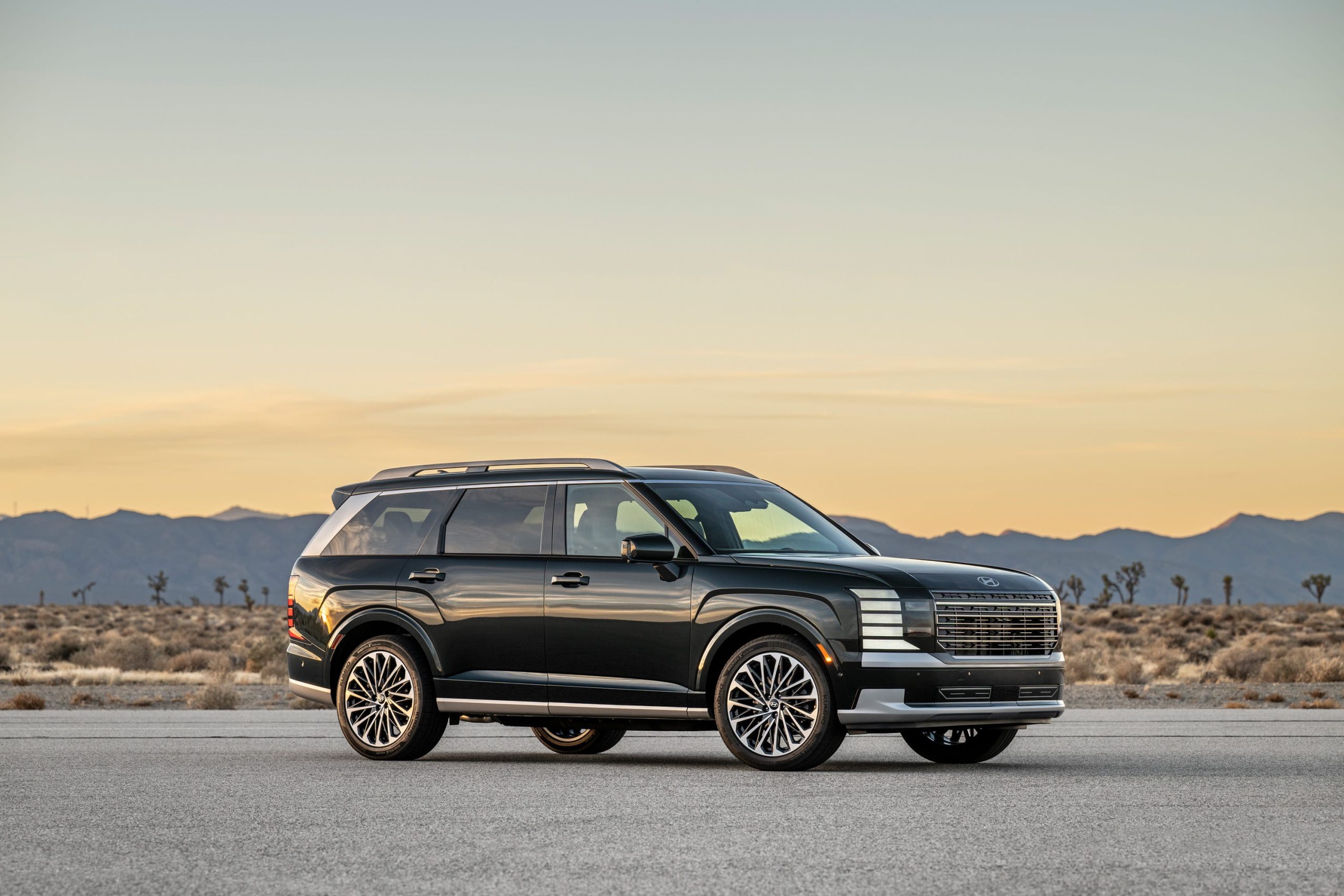
3. Hyundai Palisade
The Hyundai Palisade is a large three-row SUV designed primarily for comfort, space, and family practicality. It excels in ride comfort, interior room, and feature availability, but its base audio system is often considered one of its weaker aspects when compared to its value proposition.
While higher trims with premium audio upgrades perform better, the standard system tends to prioritize loudness over clarity, which can result in a somewhat unrefined listening experience.
One of the most noticeable characteristics of the Palisade’s base audio system is its tendency to sound loud but not clean. At lower volumes, the system is acceptable and delivers basic clarity for everyday use. However, as volume increases, the sound begins to lose definition.
Bass frequencies become overly dominant and can bleed into the midrange, making vocals less distinct. This creates a “boomy” effect that reduces listening precision.
Cabin acoustics also play a role in this behavior. The Palisade’s large interior space is designed for passenger comfort rather than acoustic optimization. In such a large cabin volume, sound dispersion becomes more challenging, and without highly advanced tuning or speaker calibration, audio can feel scattered or uneven. Rear passengers may experience a different sound balance compared to front occupants, which further reduces consistency.
Road and wind noise at highway speeds also impacts performance. Although the Palisade is relatively comfortable, it is not class-leading in cabin insulation. At higher speeds, external noise increases enough to interfere with midrange clarity, particularly in vocal-heavy content such as podcasts or dialogue-driven media. This forces the system to be pushed louder, which only exacerbates distortion in lower-quality recordings.
Even upgraded sound systems in the Palisade improve loudness more than true fidelity. While additional speakers and branding enhancements help with volume and bass presence, they do not fully resolve issues related to sound separation or acoustic clarity. As a result, the listening experience remains more functional than refined.
The Palisade’s base audio system is suitable for general entertainment and background listening but does not provide the level of detail, balance, or immersion expected in premium audio-focused SUVs.
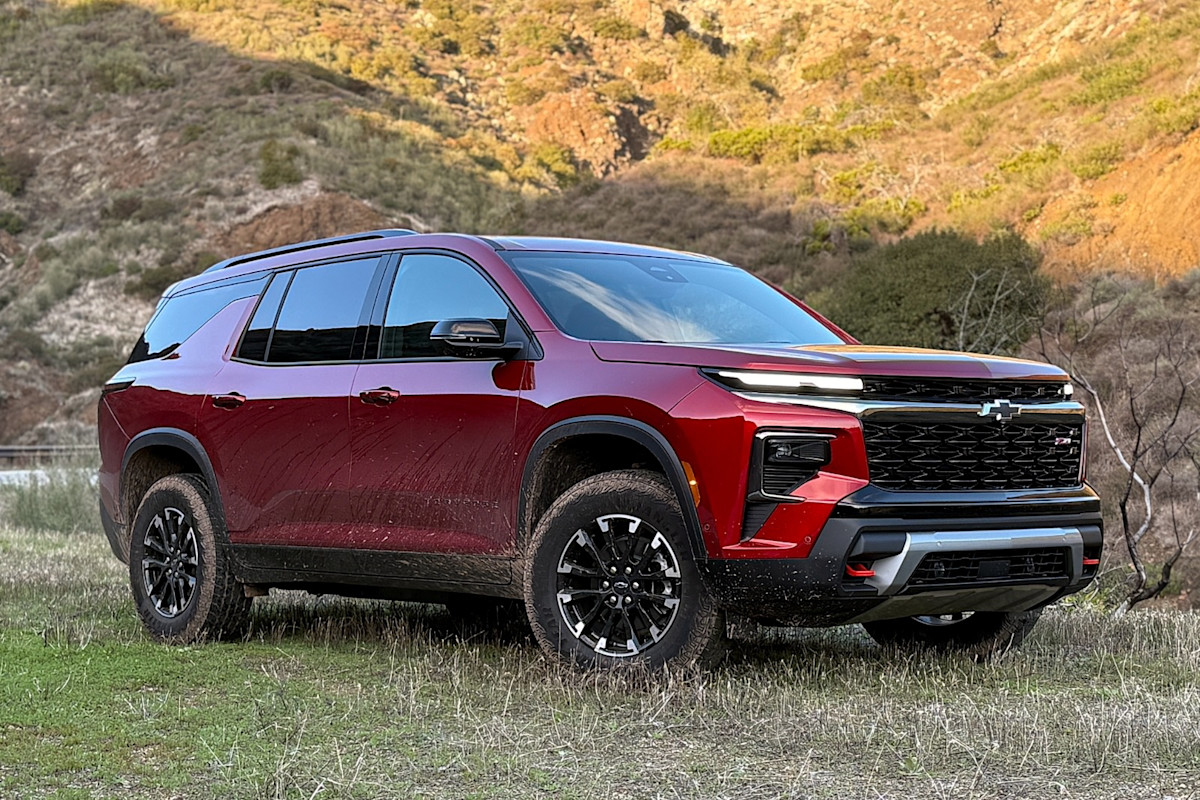
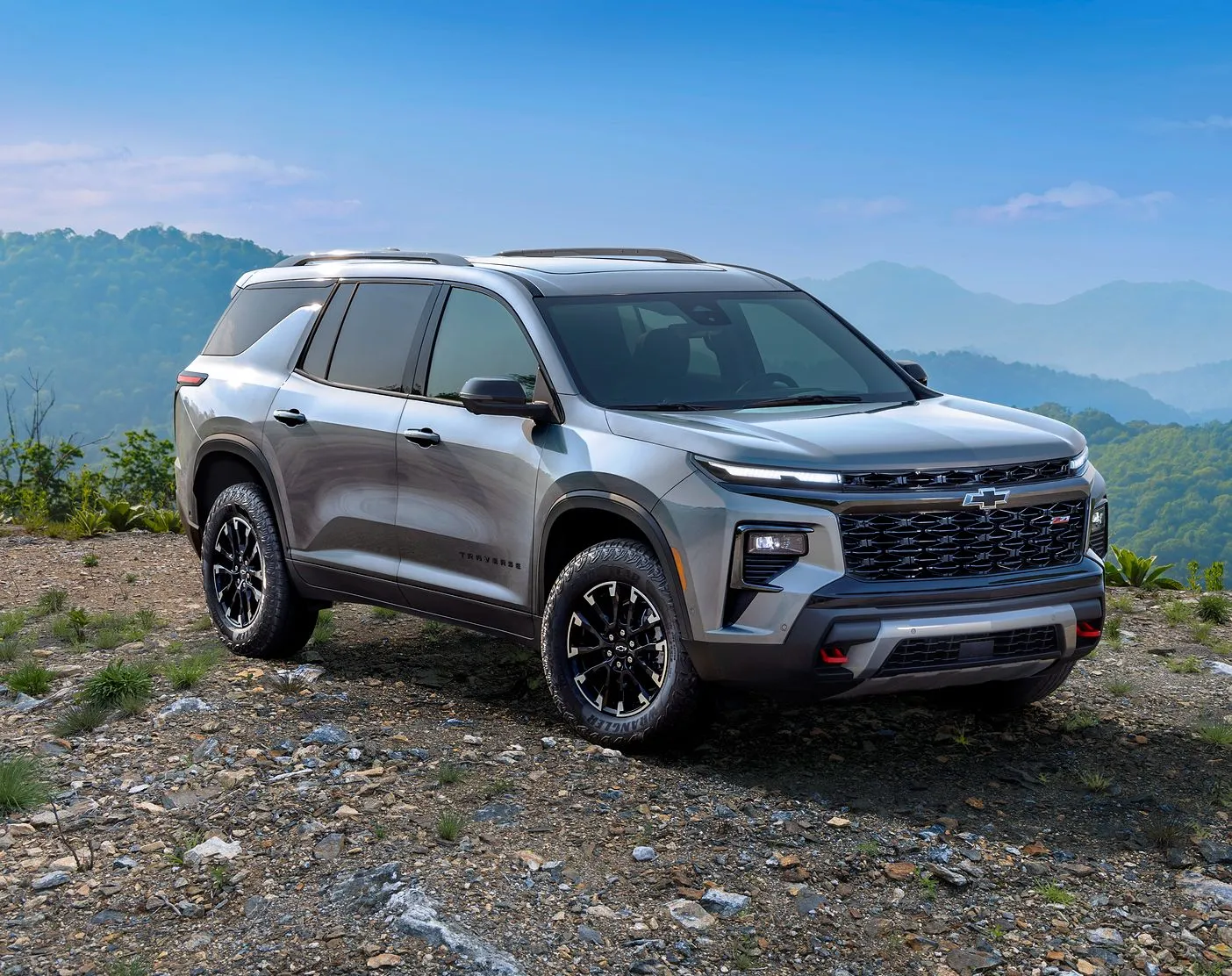
4. Chevrolet Traverse
The Chevrolet Traverse is designed primarily as a family-oriented midsize SUV focused on space, practicality, and accessibility rather than luxury refinement. While it performs well in terms of passenger capacity and comfort, its audio system often struggles to deliver a refined listening experience due to both cabin acoustics and tuning limitations.
One of the major challenges in the Traverse is cabin noise intrusion at higher speeds. The SUV’s large body size and design emphasis on interior volume mean that aerodynamic efficiency and sound insulation are not as advanced as in premium competitors.
As a result, wind noise becomes noticeable at highway speeds, and tire noise on rough surfaces can further increase cabin sound levels. This elevated noise floor directly interferes with audio clarity, making it harder for the sound system to maintain separation and detail.
The audio system itself tends to prioritize output volume rather than fine-tuning. While it is capable of producing loud sound levels suitable for entertainment and family use, it lacks precision in frequency control.
Bass response is present but often uncontrolled, leading to a slightly muddy or “boomy” character in lower frequencies. This can overshadow midrange details and reduce vocal clarity, particularly in music with layered instrumentation.
Midrange performance is adequate but not particularly sharp. Vocals are generally intelligible but lack the crispness and forward presence found in more refined systems. High frequencies, which contribute to brightness and detail, are also somewhat subdued, which reduces sound excitement. This results in a sound signature that feels safe and functional but not immersive.
Sound staging in the Traverse is also relatively basic. Instead of creating a wide or three-dimensional sound field, the audio tends to feel front-focused and somewhat flat. This limits immersion, especially for passengers in the rear seats, who may experience a noticeable drop in clarity and balance.
The Chevrolet Traverse prioritizes practicality and space over acoustic engineering. Its audio system is sufficient for everyday listening, family use, and casual entertainment, but it does not deliver the refined, detailed, or immersive experience that more premium SUVs are capable of offering.
