
Electric vehicles have evolved from niche commuter cars into mainstream transportation choices that compete directly with gasoline-powered sedans, SUVs, and pickup trucks. Modern EVs deliver strong acceleration, lower running costs, quiet cabins, and advanced technology that appeals to both first-time buyers and long-time car enthusiasts.
Yet one factor continues to shape the ownership experience more than many buyers realize during the purchase process. Charging speed matters far more in daily life than most people initially expect.
A slower charging setup may appear acceptable during a short dealership test drive, or while comparing monthly payments, but after months of ownership, many drivers discover that saving money by skipping the faster charging option can become a major source of frustration.
The issue usually appears in two ways. Some buyers skip an optional DC fast charging package because they assume they will mostly charge at home. Others purchase lower trims that come with slower onboard chargers, limiting how quickly the battery replenishes during overnight charging sessions or public charging stops.
While these choices can reduce the upfront price, they often create long-term inconvenience. Charging sessions become longer than expected, road trips require additional stops, and busy public charging stations become even more frustrating when the vehicle cannot take advantage of the station’s full capability.
In some situations, the slower charging configuration also hurts resale value because used EV shoppers increasingly prioritize convenience and future-proof technology.
The EV market has matured quickly, and charging infrastructure has improved dramatically in many regions. That improvement has ironically made slower charging options feel even more outdated. Drivers now see nearby vehicles charging much faster at the same station, making the difference impossible to ignore.
Owners who initially thought they would rarely use public charging often discover that lifestyle changes, new jobs, apartment living, colder weather, or unexpected travel patterns increase their dependence on quick charging. As a result, the decision to skip a faster charging package can haunt owners years after the original purchase.
Several popular electric vehicles have developed reputations for this exact issue. Some models offered optional fast charging capabilities that many budget-conscious buyers declined. Others included trim levels with significantly different charging speeds that seemed minor on paper but became very noticeable in real-world use.
In this article, we will look at eight EVs where many owners later regretted choosing the slower charging setup. We will explore why the faster charger mattered, how it affected everyday usability, and what future EV shoppers can learn from these ownership experiences.
For anyone planning to buy an electric vehicle, understanding these lessons can help avoid one of the most common forms of buyer regret in the modern EV market.
Also Read: 10 Cars With Insurance Premiums Lower Than a Compact Sedan
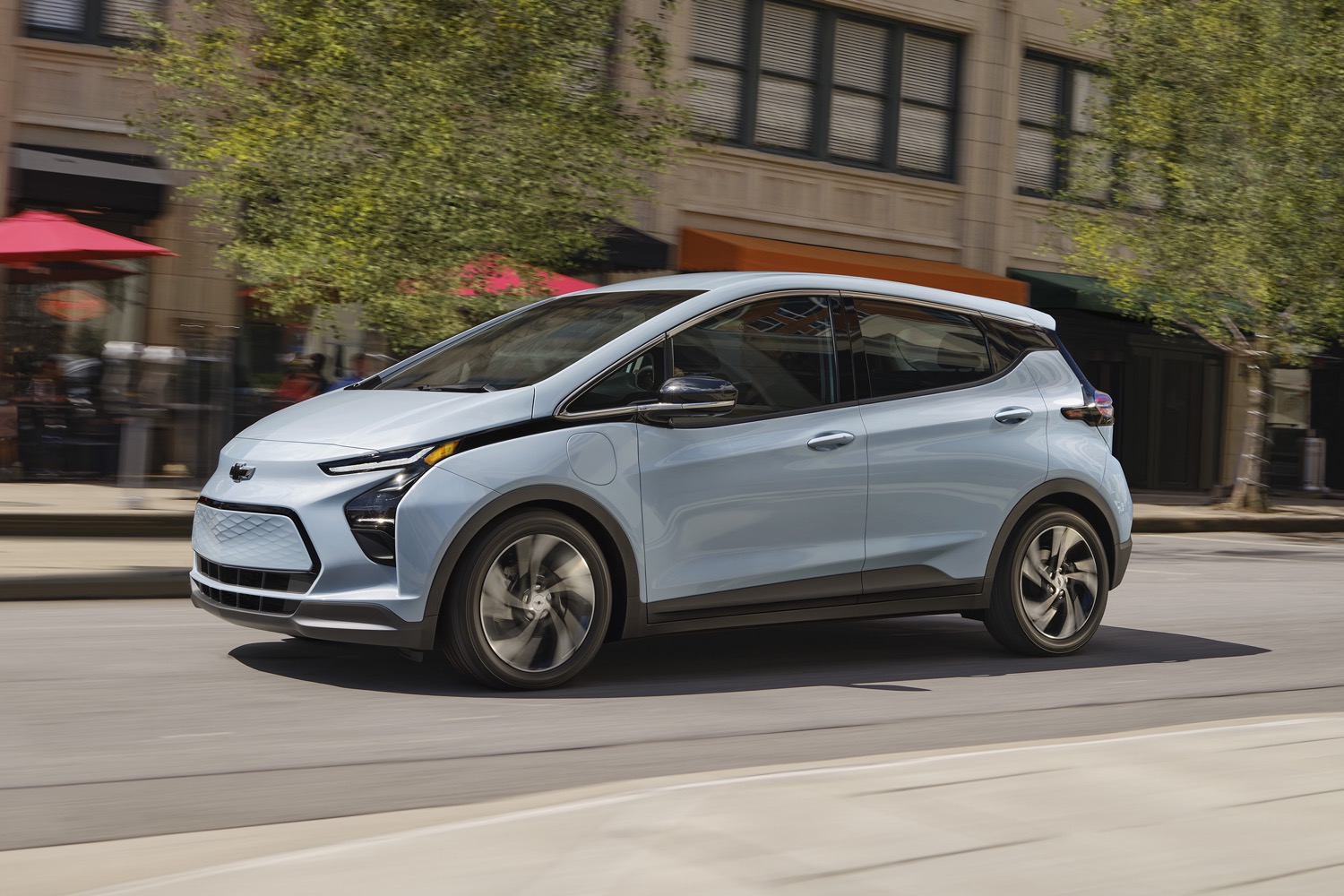
1. Chevrolet Bolt EV
The Chevrolet Bolt EV earned praise for delivering impressive driving range at a relatively affordable price. Early models became especially popular among commuters who wanted a practical electric hatchback without spending luxury car money. However, one of the biggest complaints from long-term owners centered around charging speed.
Many Bolt buyers focused heavily on battery range during the shopping process and underestimated how important charging speed would become later. The result was an ownership experience that felt convenient for local driving but frustrating during longer journeys.
One major issue involved DC fast charging availability on older Bolt EV models. In several versions, DC fast charging capability was optional rather than standard equipment. Buyers attempting to lower the purchase price sometimes skipped the feature entirely, assuming Level 2 home charging would meet their needs.
At first, this decision seemed financially smart. Yet many owners quickly realized that relying solely on slower charging options dramatically limited the vehicle’s flexibility. Even occasional road trips became difficult because charging sessions took far longer than expected.
Drivers who lacked the fast charging package often discovered another hidden problem. Public charging infrastructure expanded rapidly over time, making quick charging increasingly common and accessible. Unfortunately, Bolt EV owners without DC fast charging could not fully utilize these stations.
Watching other EVs gain significant battery range in under an hour while their own car remained tethered for extended periods created understandable frustration. Many owners later admitted they would gladly pay the original upgrade cost if given another chance.
The Bolt EV also highlighted how charging speed affects resale value. Used EV shoppers became more educated about charging technology and actively searched for models equipped with DC fast charging. Vehicles lacking the option often attracted less interest and lower offers in the used market.
Owners who skipped the faster charging capability to save money upfront sometimes lost a similar amount during resale negotiations. This realization added another layer of regret for drivers who initially viewed the upgrade as unnecessary.
Despite these complaints, the Bolt EV remained an important and highly influential electric car. It proved that affordable EV ownership was achievable for mainstream buyers. However, its charging-related buyer regret became a lesson throughout the industry. Many shoppers learned that range alone does not define convenience.
Charging speed directly impacts how enjoyable and flexible an EV feels over the years of ownership. The Bolt EV demonstrated that skipping the faster charging option can save money initially while creating long-term inconvenience that many drivers eventually wish they had avoided.
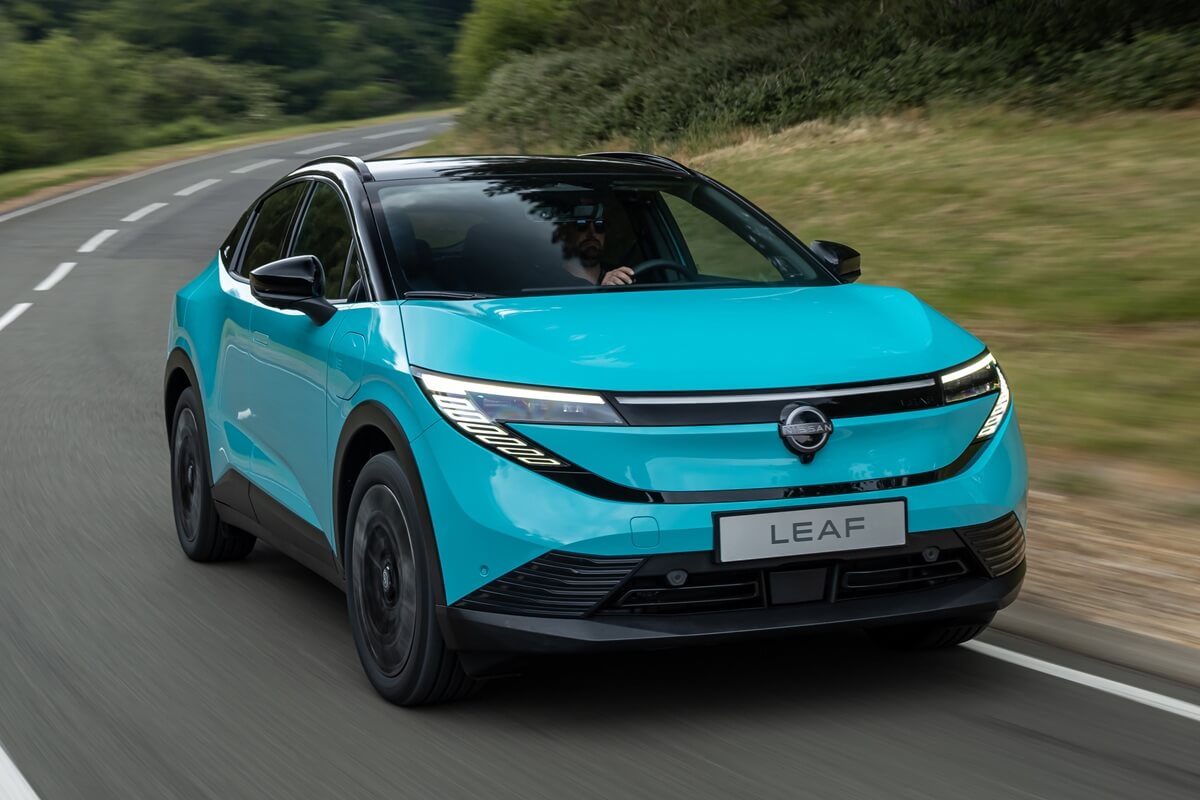
2. Nissan Leaf
The Nissan Leaf played a historic role in bringing electric vehicles into the mainstream market. For years, it was one of the most recognizable EVs on the road and introduced thousands of drivers to battery-powered transportation.
Yet the Leaf also became a classic example of why charging capability should never be overlooked during the buying process. Many owners later regretted selecting configurations with slower charging support because their real-world needs evolved over time.
Earlier Nissan Leaf models frequently offered quick charging as part of an optional package rather than standard equipment. Buyers focused on affordability often declined the upgrade, especially when they planned to use the car mainly for commuting. Initially, this approach seemed reasonable because home charging covered most daily mileage needs.
However, owners soon discovered that life rarely stays predictable. Weekend travel, emergency trips, and changing work routines increased the importance of fast charging flexibility.
The Leaf’s reliance on the CHAdeMO charging standard also complicated ownership for some buyers. Although CHAdeMO stations were once relatively common, the broader charging market gradually shifted toward CCS and newer charging systems.
Owners who lacked fast charging capability felt especially limited because their vehicles became harder to integrate into the evolving public charging ecosystem. Charging stations that supported their car were sometimes less available or slower than newer alternatives used by competing EVs.
Many Leaf owners reported that winter driving intensified charging frustrations. Cold weather naturally reduces EV range, increasing dependence on public charging during longer trips. Drivers without fast charging capability suddenly found themselves spending far more time waiting for battery replenishment than anticipated.
What once seemed like a manageable compromise became a recurring inconvenience during colder months. This issue highlighted how environmental conditions can amplify weaknesses in charging infrastructure and vehicle configuration choices.
Another source of regret involved the psychological side of EV ownership. Drivers who skipped the faster charger often felt constrained by their vehicle’s limitations, even if they technically could complete their journeys. The need to carefully plan routes, avoid unexpected detours, or dedicate extra hours to charging reduced the carefree feeling many people expect from modern transportation.
In hindsight, numerous Leaf owners acknowledged that the original upgrade cost would have been worthwhile for the added convenience, flexibility, and confidence that faster charging could provide throughout years of ownership.
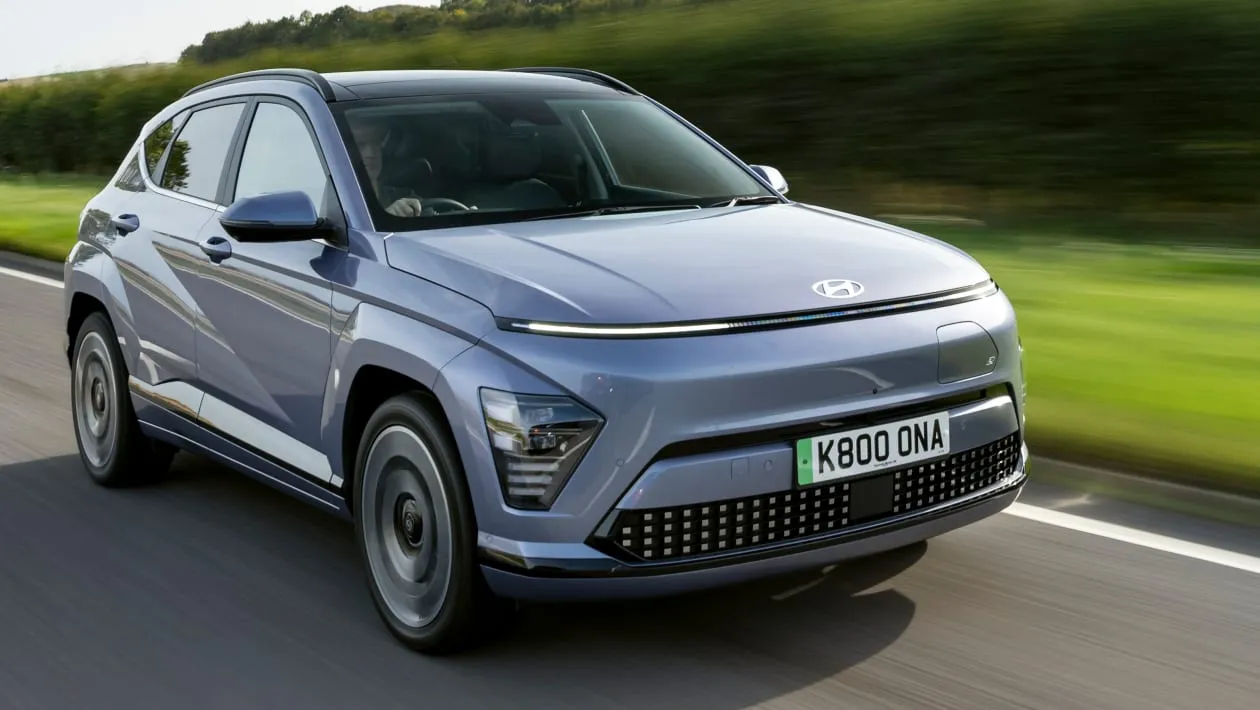
3. Hyundai Kona Electric
The Hyundai Kona Electric gained attention for combining strong range, compact SUV practicality, and attractive pricing. It quickly became one of the most respected non-luxury EVs on the market.
However, ownership experiences revealed that charging speed could significantly impact satisfaction levels, especially among buyers who selected lower trims or skipped optional charging-related features. Many Kona Electric owners eventually realized that charging convenience mattered almost as much as driving range.
One common issue involved the onboard charger configuration. Certain Kona Electric versions charged more slowly on Level 2 systems compared to higher trims or competing EVs. Buyers initially focused on battery size and monthly payments, but sometimes ignored this distinction because slower overnight charging seemed acceptable.
Yet over time, drivers discovered that a faster onboard charger made everyday ownership substantially easier. The ability to recover more range in shorter periods became especially valuable for households with unpredictable schedules.
Road trip performance also exposed the limitations of slower charging setups. While the Kona Electric offered respectable range, its charging curve and charging speed could feel conservative compared to newer EV rivals.
Owners who frequently traveled between cities often found themselves spending longer at charging stations than expected. Watching neighboring vehicles finish charging and depart while their own session continued created frustration that many had not anticipated during the purchase process.
Apartment dwellers and urban drivers experienced additional challenges. Many EV owners initially believe they will primarily charge at home, but circumstances change. Some moved to buildings without dedicated charging access, while others relied increasingly on public infrastructure due to work or lifestyle adjustments.
In these situations, every minute spent charging became more significant. Drivers who skipped higher charging capabilities often regretted not preparing for future flexibility when purchasing the vehicle.
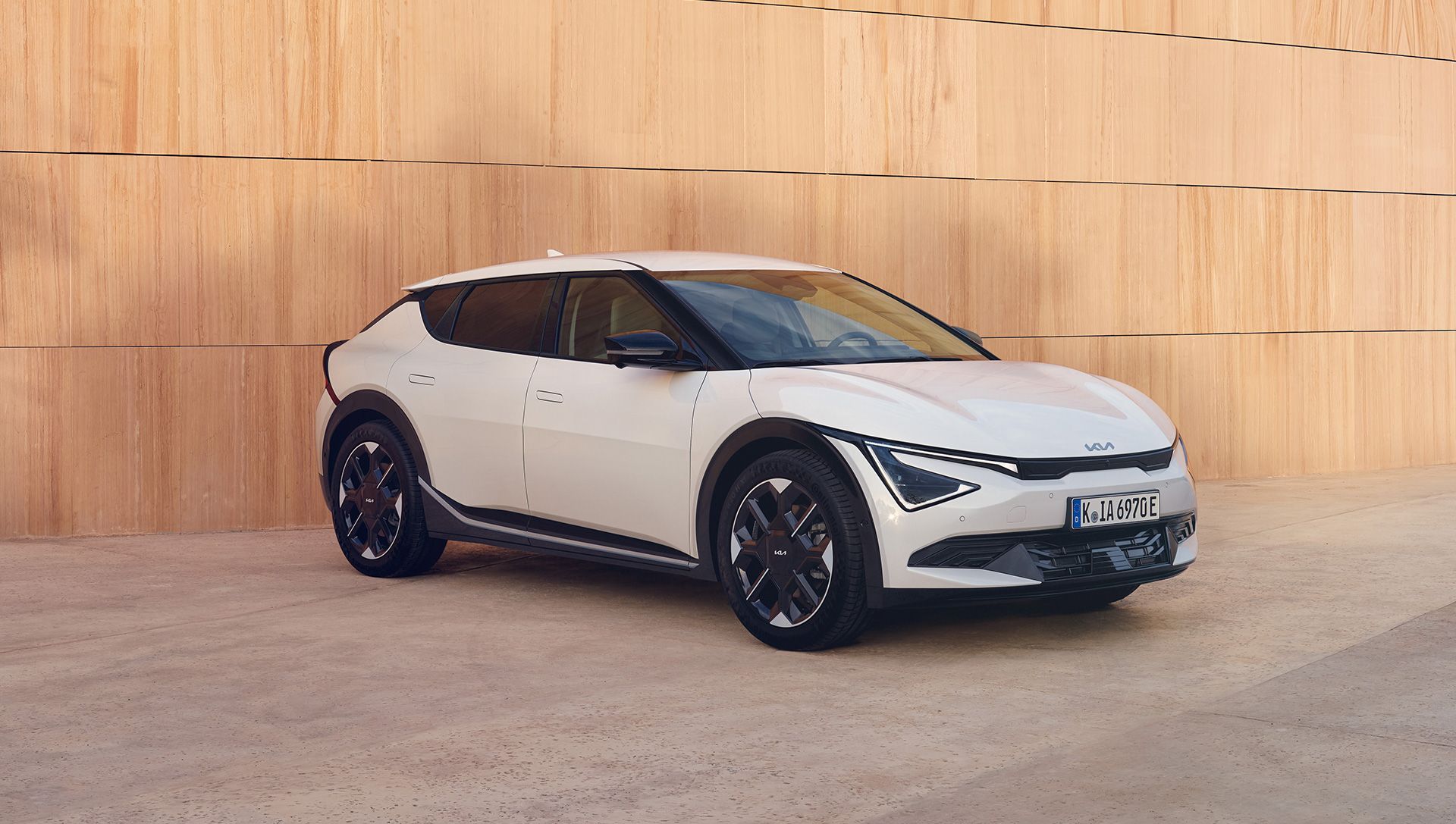
4. Kia EV6
The Kia EV6 entered the market with futuristic styling, strong performance, and advanced charging technology that immediately distinguished it from many competitors. Its 800-volt architecture allowed exceptionally fast charging under ideal conditions, making it one of the most impressive mainstream EVs available.
However, not every EV6 configuration delivered the same charging experience. Buyers who selected lower trims or overlooked charging-related specifications sometimes later regretted their decisions.
One issue involved battery and drivetrain combinations that affected charging performance. Some EV6 trims offered different charging characteristics depending on equipment levels and battery size. Budget-conscious shoppers occasionally prioritized lower monthly payments over charging capability because the differences appeared minor during dealership discussions. Yet after months of ownership, these distinctions became much more noticeable during real-world use.
Owners who frequently used high-speed charging networks quickly appreciated the value of the EV6’s advanced architecture. Drivers with the best-equipped versions could add substantial range in remarkably short periods, transforming road trips into far more convenient experiences.
Those with less capable configurations sometimes felt they missed out on one of the EV6’s defining advantages. The realization that a slightly more expensive trim could have delivered dramatically faster charging created understandable buyer regret.
Charging infrastructure growth also changed perceptions over time. As ultra-fast charging stations became more common, the benefits of higher charging capability increased significantly. EV6 owners with slower charging setups occasionally found themselves unable to maximize the potential of newer charging stations. This situation mirrored broader trends in the EV market, where infrastructure improvements can make older or lower spec charging systems feel outdated more quickly than expected.
The EV6 highlighted another important lesson for EV buyers. Technology specifications that seem secondary during the purchase process can become central to long-term satisfaction. Many consumers naturally focus on range, styling, and performance while underestimating how charging speed affects convenience and flexibility.
Owners who skipped the fastest charging-capable configurations often later admitted that they would have preferred spending slightly more upfront to fully enjoy one of the EV6’s strongest technological advantages throughout the vehicle’s lifespan.
Also Read: 10 Cars That Survive Being Used as Daily Uber Vehicles
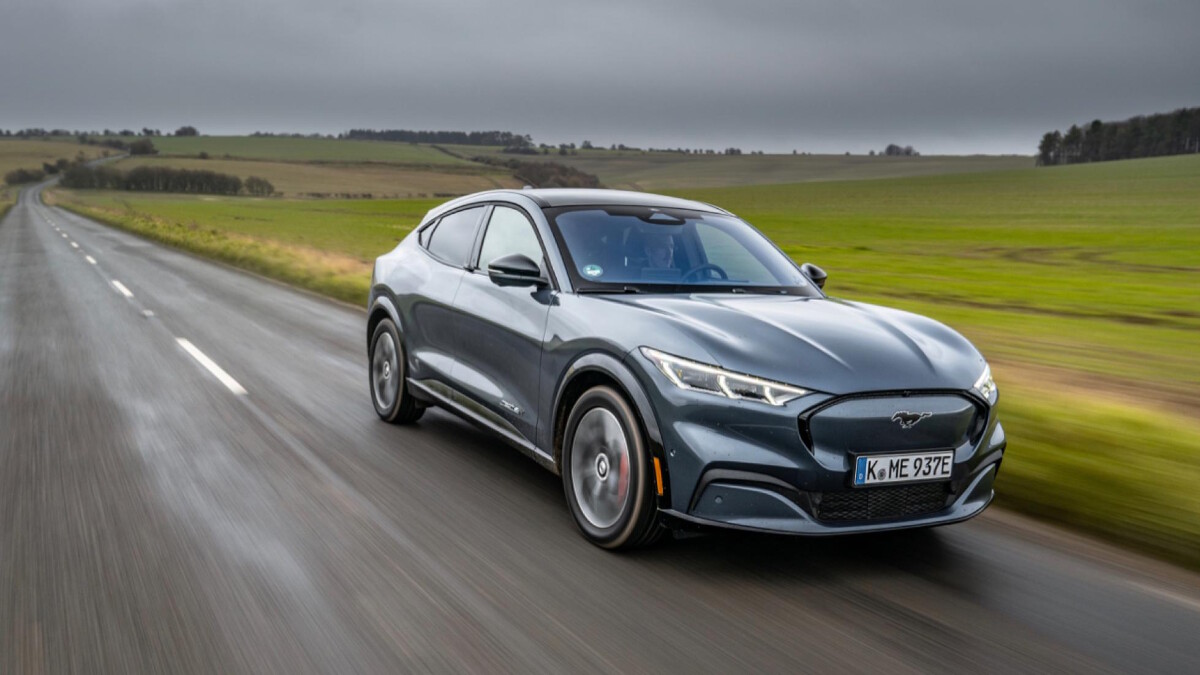
5. Ford Mustang Mach-E
The Ford Mustang Mach-E successfully combined iconic branding with modern electric performance, attracting buyers who wanted a stylish and practical EV crossover. The vehicle delivered strong acceleration, comfortable interiors, and advanced technology features that helped establish Ford as a serious EV competitor.
However, charging speed became a recurring discussion point among owners, especially those who selected lower trims or battery configurations with slower charging characteristics.
Some Mach E buyers prioritized affordability by choosing standard range models with lower charging capability. Initially, this seemed like a logical compromise because the vehicles still offered solid daily usability.
Yet many owners later discovered that charging speed differences became highly noticeable during long-distance travel. Slower charging sessions extended trip times and reduced the convenience expected from a modern premium EV experience.
The Mach E also demonstrated how software updates and charging network expansion can influence owner satisfaction. As public charging infrastructure improved, drivers increasingly expected seamless and rapid charging experiences.
Owners with slower charging configurations occasionally felt left behind as newer EVs and higher trim Mach E variants achieved better charging performance at the same stations. This comparison effect amplified buyer regret because the limitations became more visible over time.
Another factor involved family usage patterns. Many Mach E buyers purchased the vehicle as a primary household car rather than a secondary commuter vehicle. As a result, the EV needed to handle vacations, weekend trips, and unexpected travel demands.
Drivers who originally believed slower charging would not matter often changed their perspective after encountering crowded charging stations or time-sensitive travel situations. Faster charging capability suddenly felt much more valuable than anticipated.
Despite these concerns, the Mach-E remained one of the most influential electric crossovers in the market. It proved that established American automakers could create compelling EVs that appealed to mainstream buyers. Still, its ownership experiences reinforced an important lesson.
Charging speed directly affects how confidently drivers can use an EV in diverse situations. Buyers who skipped faster charging options frequently realized later that convenience, flexibility, and reduced waiting times would have justified the higher purchase price from the beginning.
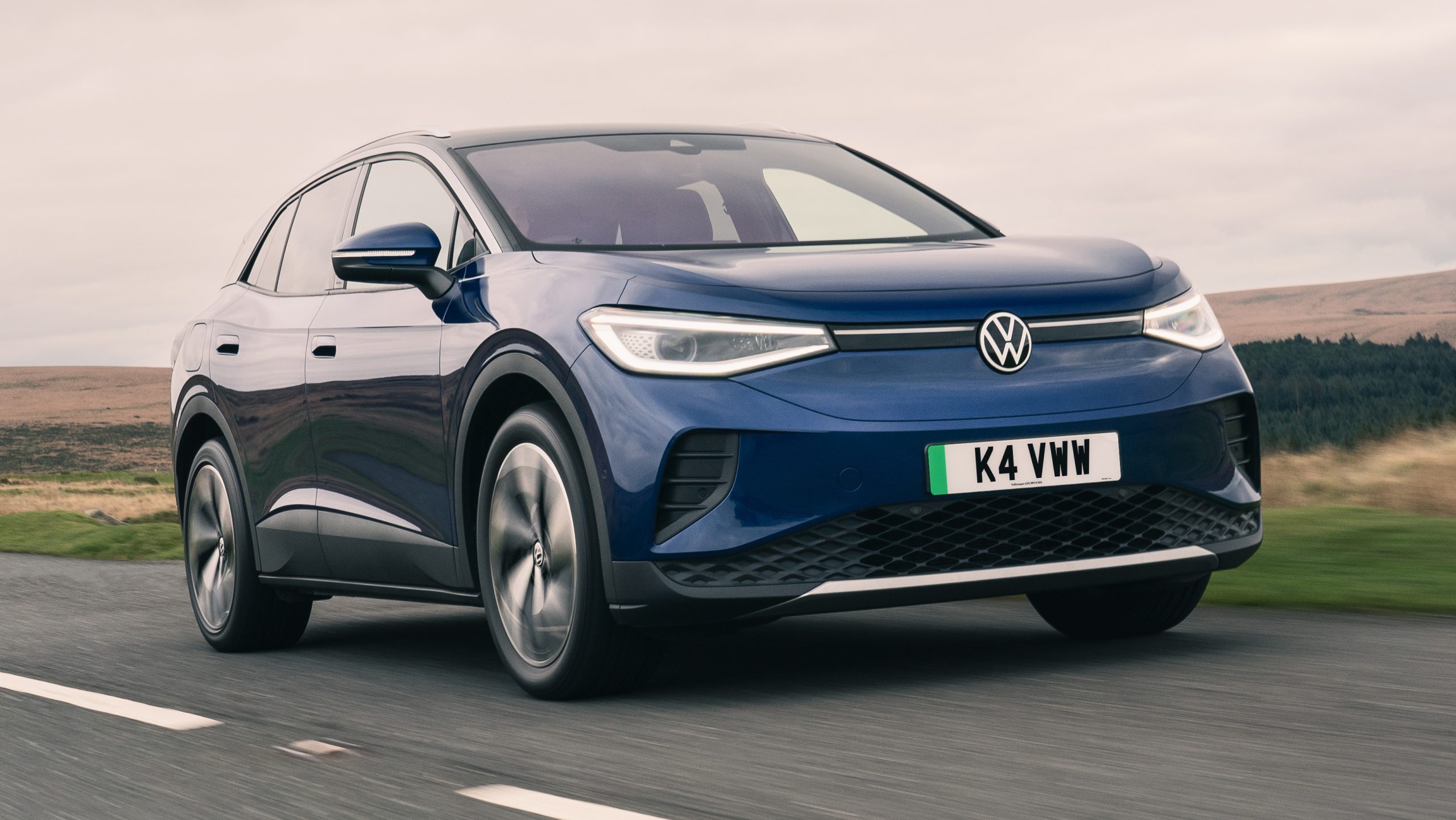
6. Volkswagen ID.4
The Volkswagen ID.4 entered the EV market as a family-friendly crossover designed for comfort, practicality, and broad consumer appeal. It targeted buyers transitioning from gasoline SUVs by emphasizing smooth driving characteristics and everyday usability rather than extreme performance.
While the ID.4 earned praise in many areas, charging speed became one of the factors that divided owner experiences. Some buyers later regretted not prioritizing configurations with better charging capability.
The ID.4’s charging performance varied depending on model year, battery configuration, and software updates. Certain versions charged noticeably faster than others, creating significant differences in real-world usability.
Buyers focused primarily on interior space and pricing, sometimes underestimating the impact of these variations. However, longer ownership periods revealed that charging speed strongly influenced convenience during travel and public charging sessions.
Public charging station congestion became a common frustration for slower charging configurations. As EV adoption increased, many charging locations experienced higher traffic levels. Drivers with faster charging capability could complete sessions more quickly and continue their journeys, while slower charging owners spent additional time waiting. This difference became especially frustrating during holidays or busy travel periods when charging station demand surged.
Some ID.4 owners also encountered situations where software improvements enhanced charging performance for newer or better-equipped models. Watching updated versions of the same vehicle family achieve faster charging rates created disappointment among drivers who selected less capable configurations earlier.
The experience reinforced the idea that charging technology evolves rapidly, making initial purchase decisions more important than many consumers realize.
The Volkswagen ID.4 succeeded as a practical and comfortable EV for many households. Yet its ownership stories emphasized how charging speed shapes the emotional side of electric vehicle ownership. Faster charging does more than reduce waiting time.
It increases confidence, improves travel flexibility, and helps drivers feel their vehicle remains technologically competitive over time. Many ID.4 owners said that investing in the faster charging configuration would have delivered a noticeably better long-term ownership experience.
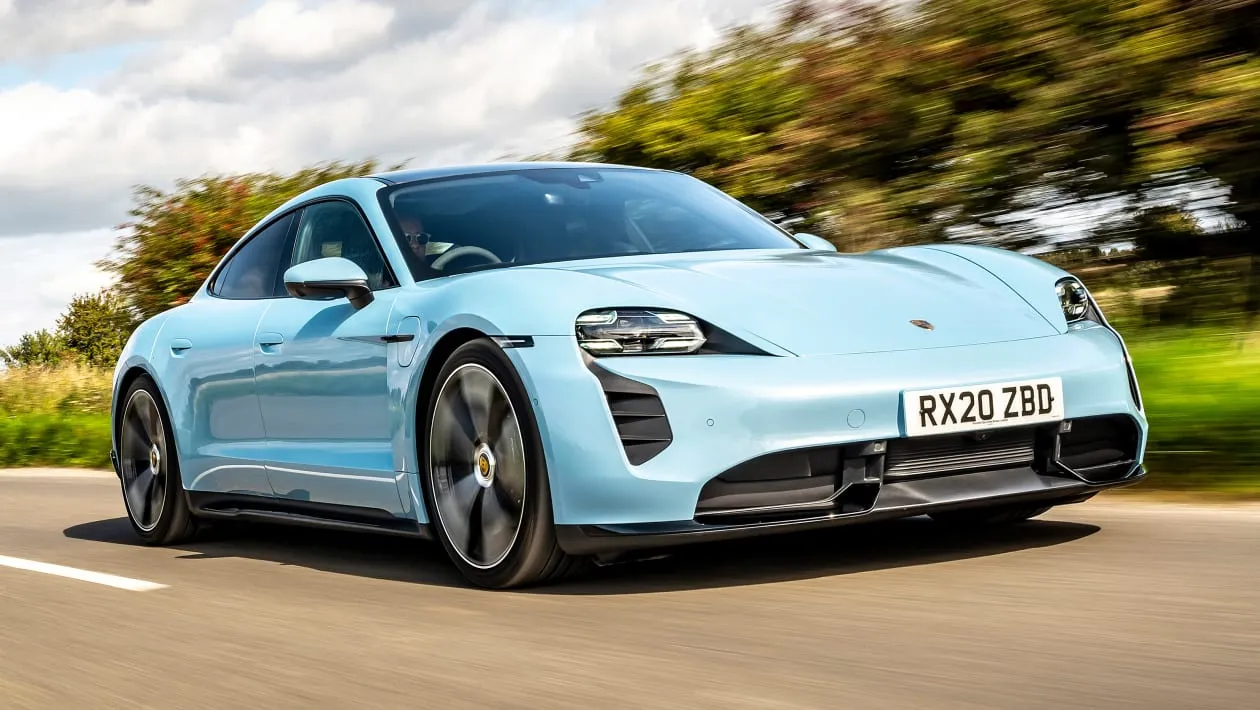
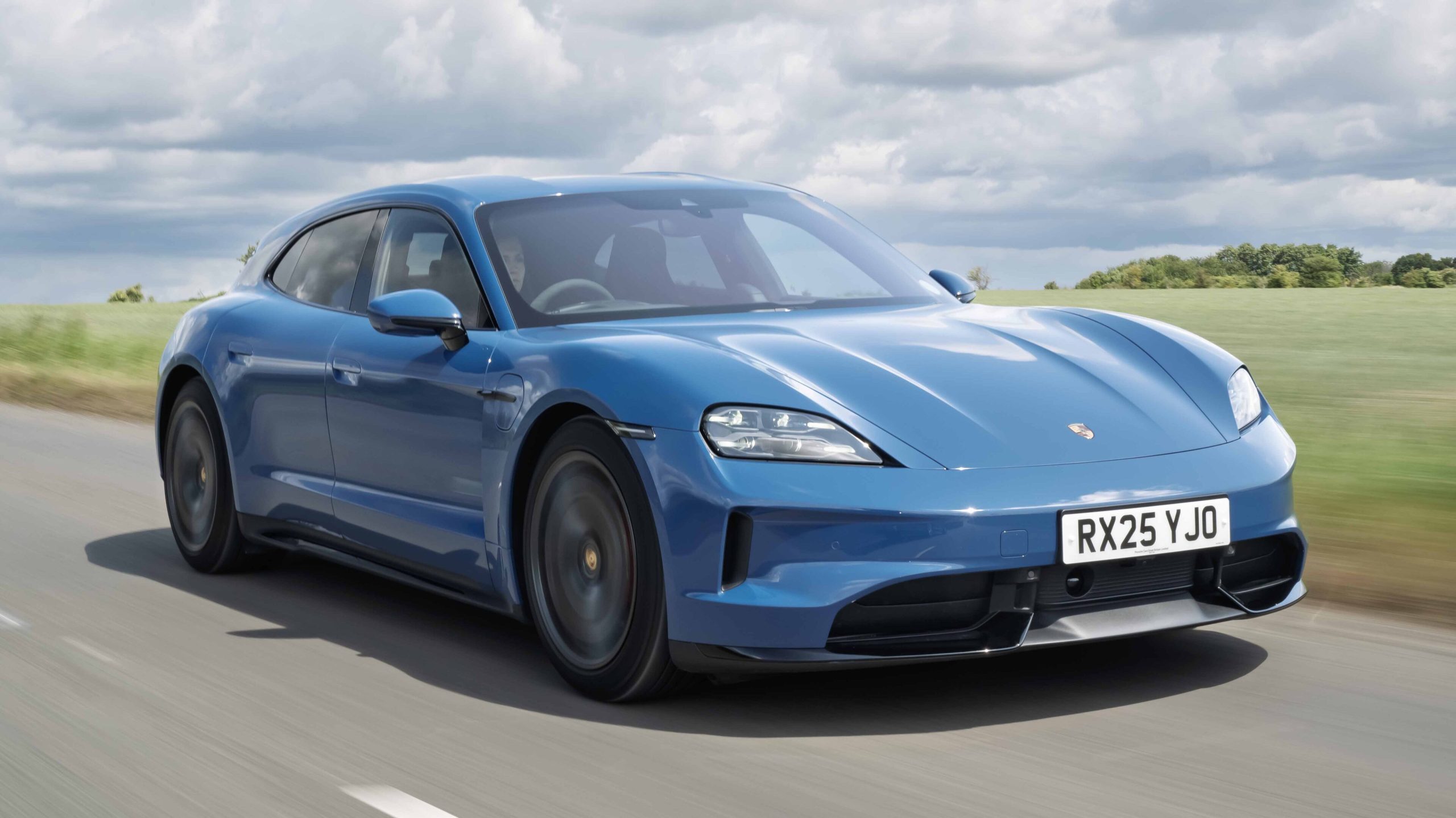
7. Porsche Taycan
The Porsche Taycan represented a major milestone for performance-oriented electric vehicles. It combined luxury, sports car handling, and extremely advanced charging technology in a package that challenged assumptions about EV capability.
However, even within the premium segment, some buyers later regretted skipping charging-related upgrades or selecting configurations with lower charging performance. The Taycan showed that charging convenience matters even for luxury customers.
One area of concern involved optional charging equipment available during the ordering process. Porsche offered various charging-related packages and hardware upgrades that some buyers initially considered unnecessary. Given the already high purchase price, skipping additional options appeared financially sensible to certain customers. Yet many later realized that these features significantly improved daily convenience and long-distance usability.
The Taycan’s advanced 800-volt architecture enabled remarkably fast charging under ideal conditions. Owners with fully optimized configurations could achieve extremely short charging stops during road trips.
Drivers who skipped relevant options or selected less capable setups sometimes felt they failed to fully experience one of the vehicle’s greatest technological strengths. This realization created disappointment because rapid charging was heavily associated with the Taycan’s identity and marketing appeal.
Luxury EV buyers also tend to have high expectations regarding convenience and seamless usability. Spending substantial amounts of money on a premium vehicle naturally increases sensitivity to limitations.
Owners who encountered slower-than-expected charging sessions often expressed stronger frustration because they believed the vehicle should deliver the best possible experience in every category. In hindsight, many acknowledged that charging upgrades would have represented a relatively small addition compared to the vehicle cost.
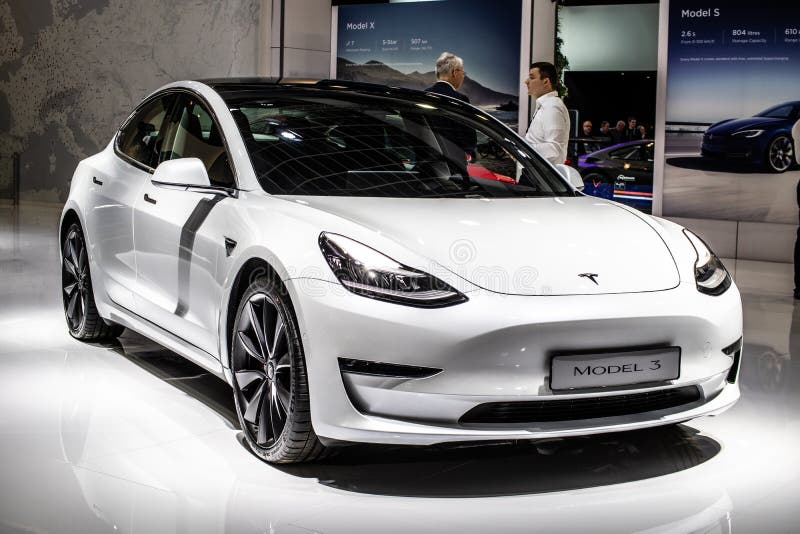
8. Tesla Model 3
The Tesla Model 3 transformed the EV industry by making long-range electric driving accessible to a much larger audience. Its strong charging network integration, impressive efficiency, and modern technology created a benchmark that many competitors attempted to follow. Yet even within the Tesla ecosystem, some buyers later regretted selecting configurations with slower charging capability or lower battery specifications that limited charging performance.
Tesla’s extensive Supercharger network also amplified the visibility of charging performance differences. Drivers regularly shared charging stations with other Tesla owners, making comparisons unavoidable.
Owners of slower charging configurations could directly observe neighboring vehicles reaching higher charging speeds and departing sooner. This side-by-side experience intensified awareness of the limitations associated with lower-tier charging capability.
Software updates and charging infrastructure expansion further changed owner expectations over time. As Tesla improved charging networks and introduced faster charging technologies, drivers naturally wanted their vehicles to take full advantage of these advancements.
Owners who selected lower charging-capable configurations occasionally felt their cars aged more quickly in practical usability terms, even if the vehicles remained mechanically reliable and technologically advanced in other areas.
Despite these concerns, the Model 3 remained one of the most influential EVs ever produced. It helped normalize electric transportation for mainstream consumers and proved that EVs could serve as practical primary vehicles. Still, ownership experiences consistently reinforced the importance of charging speed.
Many buyers who skipped faster charging-capable configurations later admitted they underestimated how frequently they would appreciate shorter charging sessions and greater flexibility during years of real-world driving.
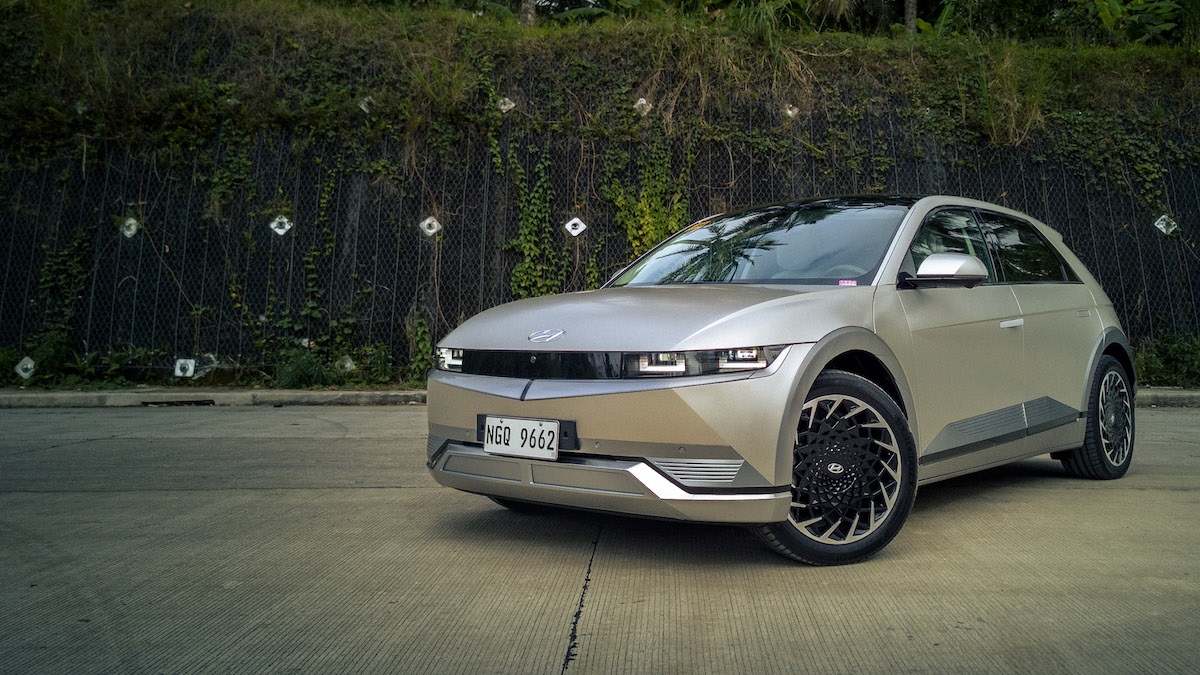
9. Hyundai Ioniq 5
The Hyundai Ioniq 5 quickly became one of the most celebrated electric vehicles on the market thanks to its retro-futuristic styling, spacious interior, and exceptionally fast charging technology. Like its corporate cousin, the Kia EV6, the Ioniq 5 benefited from an advanced 800-volt architecture that allowed impressive charging performance. However, not all configurations delivered identical experiences, and some owners later regretted selecting trims or setups with slower charging capability.
Owners who frequently traveled long distances quickly recognized the importance of maximizing the vehicle’s charging potential. The Ioniq 5’s best configurations could recharge rapidly at compatible high-speed stations, making road trips far more practical and enjoyable.
Drivers with less optimized setups sometimes felt they missed one of the vehicle’s standout advantages. Watching other Ioniq 5 owners complete charging sessions faster created a sense of missed opportunity.
Charging infrastructure evolution also played a role in buyer regret. As more ultra-fast charging stations appeared, the value of higher charging capability increased dramatically.
Owners who selected slower configurations realized that future-proofing matters in the rapidly changing EV industry. Features that seemed optional during purchase discussions later became highly desirable as charging networks improved and consumer expectations rose.
The Hyundai Ioniq 5 demonstrated how quickly charging technology can shape perceptions of vehicle quality and satisfaction. Faster charging capability improves not only travel efficiency but also the emotional experience of ownership.
