
Driving for Uber and Lyft has become far more competitive in recent years, which means choosing the right vehicle matters more than ever. Rideshare drivers are not simply commuting from one place to another.
They spend entire days transporting passengers through traffic, airport lines, downtown streets, and suburban neighborhoods while trying to balance fuel costs, comfort, reliability, and customer ratings.
A poor vehicle choice can quickly reduce profits through expensive repairs, bad fuel economy, or unhappy passengers. The right car can make long shifts smoother, quieter, and far more profitable.
Passengers today expect more than basic transportation. Clean interiors, comfortable seating, smooth ride quality, and modern technology all influence ratings and tips. Riders notice cramped rear seats, loud cabins, rough suspensions, and weak air conditioning very quickly.
Because of this, rideshare drivers need vehicles that create a pleasant passenger experience while also remaining practical for high-mileage daily use.
Fuel efficiency remains one of the biggest factors in rideshare work. Uber and Lyft drivers often spend hours in stop-and-go traffic where fuel expenses rise rapidly. Hybrids have become especially popular because they lower operating costs dramatically during urban driving. Reliability also becomes critical since downtime means missed earnings.
Drivers putting thousands of miles on their vehicles every month need cars capable of handling heavy use without constant repair shop visits.
Comfort for the driver matters just as much. Long hours behind the wheel can become exhausting without supportive seating, quiet cabins, and smooth road manners. Technology such as adaptive cruise control, smartphone integration, and driver assistance systems can also reduce fatigue during demanding shifts.
The vehicles in this list stand out because they meet the real needs of modern rideshare work. Some prioritize luxury and passenger comfort, while others focus on efficiency and long-term durability. Together, they represent the strongest options for Uber and Lyft drivers looking to maximize both customer satisfaction and earnings in 2026.
Also Read: 8 Cars With the Best Pedestrian Crash Prevention Ratings
1. Toyota Camry Hybrid
The Toyota Camry Hybrid continues dominating the rideshare world because it delivers nearly everything Uber and Lyft drivers need in one dependable package. It combines excellent fuel economy, strong passenger comfort, low maintenance costs, and long-term reliability in a way few midsize sedans manage successfully.
For drivers spending ten or twelve hours on the road daily, that balance can make a massive difference financially and physically.
One of the biggest reasons rideshare drivers choose the Camry Hybrid is efficiency. Urban driving filled with traffic lights, airport queues, and stop-and-go congestion can destroy fuel economy in traditional gasoline vehicles.
The hybrid system handles those conditions remarkably well, helping drivers reduce one of their largest operating expenses while still maintaining smooth and responsive performance.
Passenger comfort also plays a huge role in the Camry’s popularity. Rear seat space is generous enough for adults to sit comfortably during longer trips, and the suspension absorbs rough pavement effectively.
Riders often notice when a vehicle feels calm and refined instead of noisy or cramped. A comfortable experience can lead to higher ratings and better tips over time.
Toyota approached the cabin with a clear focus on usability and day-to-day convenience. The layout emphasizes straightforward controls that are easy to operate, while the front seats are built to provide consistent support during extended hours behind the wheel. In addition, the interior offers ample storage space, making it easy to organize essentials like water bottles, chargers, snacks, cleaning tools, and other personal items needed throughout long shifts.
The trunk easily handles airport luggage, grocery bags, and shopping pickups without becoming inconveniently small.
Another important advantage involves reliability. Rideshare drivers frequently accumulate extremely high mileage within short periods, making durability essential. The Camry Hybrid earned a reputation for running dependably for years with basic maintenance, which reduces stress and unexpected repair costs.
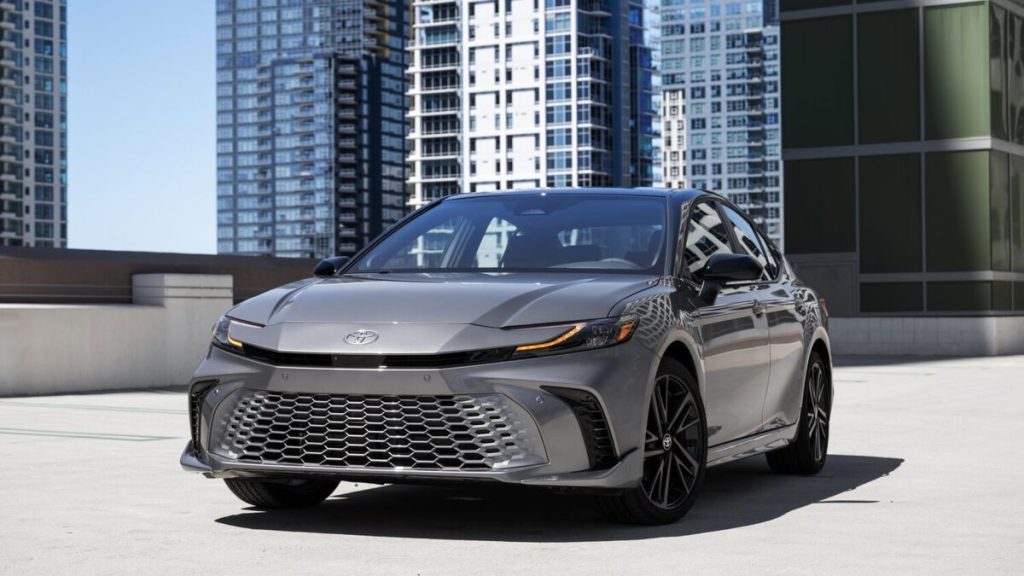
Road noise stays well controlled at highway speeds, helping both drivers and passengers feel more relaxed during longer trips. Safety technology such as adaptive cruise control and lane assistance also helps reduce fatigue during extended workdays.
The Camry Hybrid succeeds because it quietly excels in every area that matters for rideshare work. It creates a smooth experience for passengers while helping drivers maximize comfort, fuel savings, and long-term profitability.
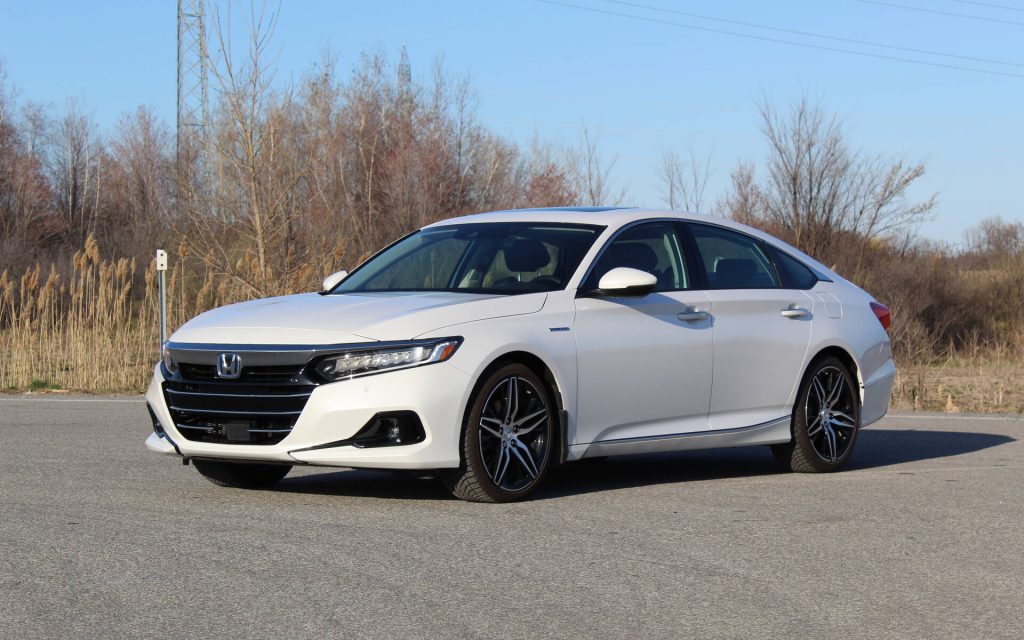
2. Honda Accord Hybrid
Some rideshare drivers want a vehicle that feels slightly more refined and spacious without sacrificing efficiency or dependability. The Honda Accord Hybrid fits that role perfectly.
It delivers one of the most balanced driving experiences in the midsize sedan segment while providing the comfort and professionalism that Uber and Lyft passengers appreciate during daily rides.
The first thing many riders notice about the Accord Hybrid is cabin space. Rear seat legroom is excellent, making the car especially appealing for airport runs and longer trips where passenger comfort matters more.
Taller riders fit comfortably in the back without feeling squeezed, which can positively influence ratings during busy workdays.
The hybrid system also performs impressively in city traffic. Acceleration feels smooth and quiet during stop-and-go driving, helping passengers enjoy a calmer ride experience. Drivers benefit from strong fuel economy as well, which becomes essential when covering hundreds of miles each week across urban environments.
Honda designed the front seats with long-distance comfort in mind, and that matters enormously for full-time rideshare drivers. Spending endless hours behind the wheel can quickly become exhausting in vehicles with poor ergonomics, but the Accord Hybrid supports drivers effectively during extended shifts.
The cabin remains quiet at highway speeds, too, creating a more peaceful atmosphere for conversations or relaxing rides.
Technology integration feels especially useful in this car. Smartphone connectivity, navigation support, and easy access to controls simplify daily operations for drivers constantly managing ride requests and directions. Passengers also appreciate modern charging options and a more upscale interior appearance compared to older economy sedans.
Another major advantage involves reliability. Honda built the Accord Hybrid with durability in mind, and many drivers trust the brand for long-term, high-mileage ownership. This becomes crucial in rideshare work because unexpected repairs can interrupt income and create major expenses.
Cargo space is an area where the Accord Hybrid performs better than expected. Its trunk can comfortably accommodate several pieces of luggage, which is especially useful for airport pickups and drop-offs. The layout is also practical for routine errands, making it easier to load and arrange groceries or shopping bags without hassle.
The Accord Hybrid stands out because it blends efficiency, comfort, and professionalism into a sedan that feels ideal for modern rideshare driving.
3. Hyundai Sonata Hybrid
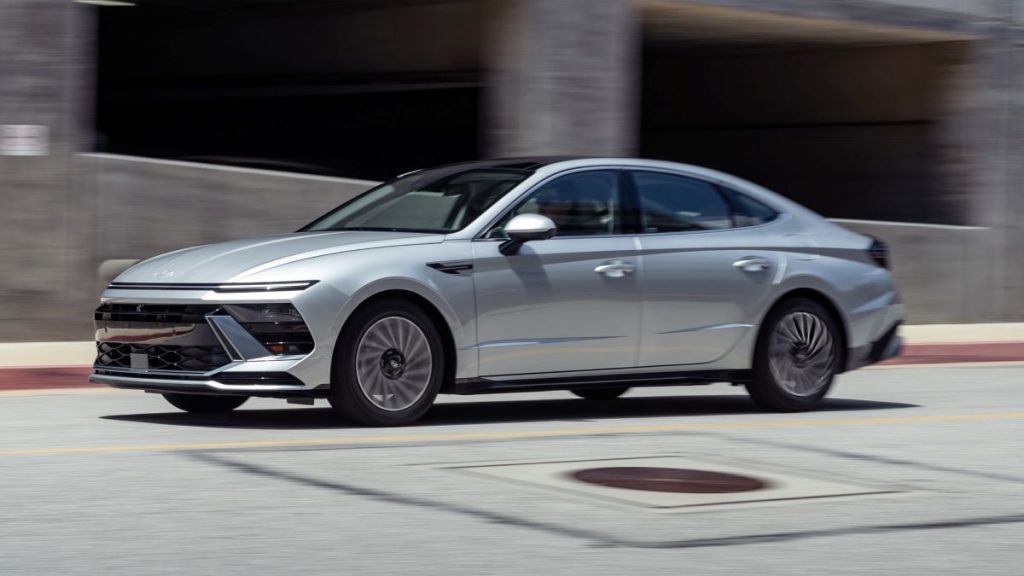
The Hyundai Sonata Hybrid has become an increasingly smart choice for Uber and Lyft drivers who want strong fuel efficiency without blending into a sea of ordinary sedans.
Its styling feels modern and upscale, which can subtly improve the passenger experience before the ride even begins. Riders often notice when a vehicle feels fresh, clean, and more premium than expected, and the Sonata Hybrid delivers that impression effectively.
One of the strongest reasons rideshare drivers appreciate this sedan is its cabin quietness. Long workdays spent in noisy traffic can become mentally exhausting, especially during airport pickups or congested downtown routes.
The Sonata Hybrid maintains a calm interior environment that benefits both drivers and passengers. Conversations feel easier, music sounds clearer, and highway cruising becomes far more relaxing during longer trips.
Passenger space is another major advantage. Rear seating feels roomy enough for adults during extended rides, making the Sonata Hybrid well-suited for airport transportation and commuter traffic. Drivers who regularly transport groups or business travelers often benefit from vehicles that feel spacious without requiring SUV-sized fuel expenses.
The hybrid powertrain also handles urban driving smoothly. Stoplights, traffic jams, and repeated acceleration cycles are common parts of rideshare work, but the Sonata Hybrid responds calmly and efficiently in those situations. Fuel savings quickly become noticeable for drivers covering heavy mileage every week.
Hyundai also packed the sedan with useful technology. Large displays, driver assistance systems, and smartphone integration simplify everyday rideshare tasks. Navigation, music control, and communication with riders feel more intuitive inside the Sonata compared to many older sedans still used in rideshare fleets.
Driver comfort matters heavily during long shifts, and Hyundai addressed that with supportive seats and a balanced suspension setup. Rough pavement and uneven city roads feel controlled rather than harsh, helping reduce physical fatigue over time.
The trunk also provides practical space for airport luggage, shopping bags, and personal equipment that drivers carry throughout the day. Combined with strong warranty reputations and improving reliability, the Sonata Hybrid gives rideshare workers a compelling alternative to more predictable choices.
For drivers wanting comfort, fuel savings, and a modern, passenger-friendly atmosphere, the Sonata Hybrid delivers an impressive balance tailored perfectly for demanding rideshare schedules.
4. Kia Carnival Hybrid
Not every Uber or Lyft driver wants a traditional sedan. Some drivers focus heavily on airport runs, group transportation, and premium comfort for passengers carrying luggage or traveling with families.
The Kia Carnival Hybrid fills that niche brilliantly by combining minivan practicality with efficiency and upscale interior comfort that feels far more refined than older vans people may remember.
The biggest strength of the Carnival Hybrid is passenger space. Riders immediately notice the roomy seating layout, especially during longer trips where cramped rear seats become frustrating in smaller vehicles.
Families heading to airports, groups leaving events, and travelers with extra baggage often appreciate vehicles that provide easy entry and generous legroom.
For rideshare drivers, this extra space can translate into higher earning opportunities. Larger vehicles may qualify for premium ride categories in some markets, and they often handle airport transportation far more effectively than compact sedans.
The Carnival Hybrid allows drivers to carry passengers and luggage comfortably without stepping into massive SUV fuel costs.
The ride quality also deserves praise. Kia tuned the suspension for comfort, helping passengers feel relaxed even on rough roads or longer highway journeys. Quiet cabin insulation further improves the experience by reducing outside noise during conversations or late-night rides.
Another major advantage involves practicality for the driver. Sliding doors simplify passenger entry in crowded pickup zones where traditional doors become awkward. Loading luggage is easier too, reducing stress during busy airport shifts.
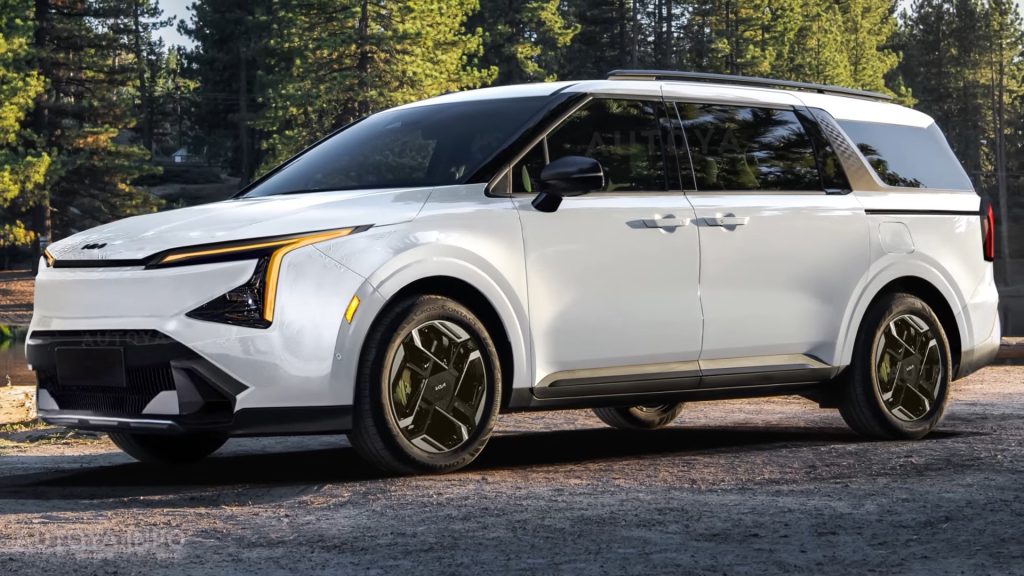
Fuel efficiency remains surprisingly strong considering the vehicle’s size. Hybrid technology helps offset one of the biggest disadvantages traditionally associated with large people movers. Drivers can complete extended shifts while keeping fuel costs manageable compared to conventional full-size SUVs.
Technology integration inside the Carnival Hybrid feels modern and passenger-focused. Multiple charging ports, large displays, climate control flexibility, and comfortable seating arrangements create an atmosphere that feels closer to a premium shuttle service than a standard rideshare vehicle.
The Carnival Hybrid succeeds because it targets a different type of Uber and Lyft driver. For prioritizing passenger comfort, luggage capacity, and group transportation without sacrificing efficiency, few vehicles provide such a well-rounded and practical solution.
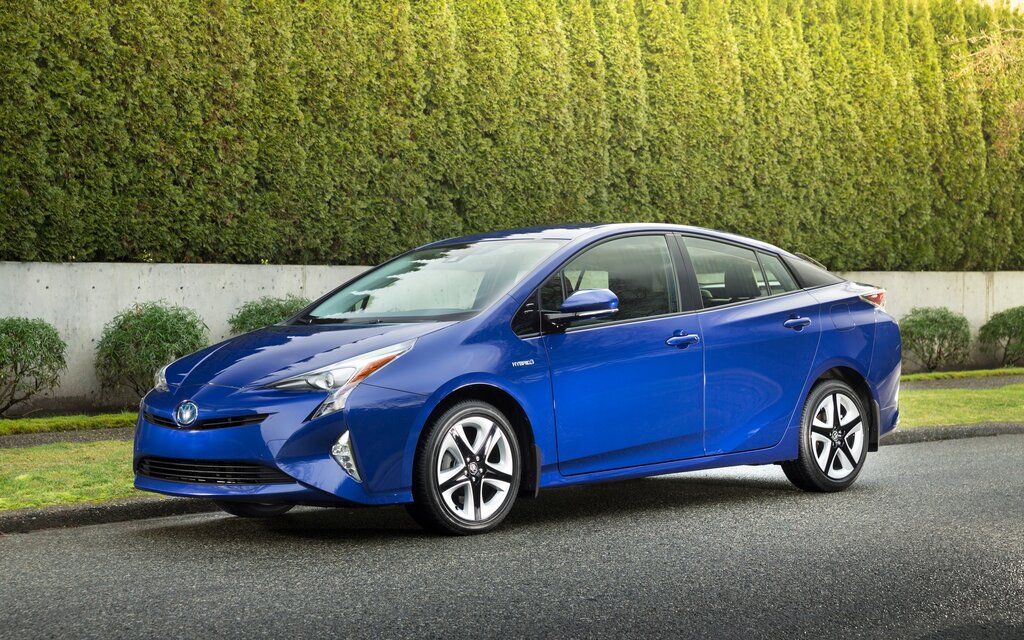
5. Toyota Prius
Few vehicles have shaped the rideshare industry quite like the Toyota Prius. For years, it has remained one of the most recognizable cars in Uber and Lyft fleets because it solves the biggest challenge rideshare drivers face every day: fuel costs.
Drivers spending entire shifts moving through heavy traffic quickly realize that small differences in efficiency can create major financial advantages over time, and the Prius continues to lead that category.
Its hybrid system thrives in city environments filled with constant stopping and starting. Traditional gasoline cars burn unnecessary fuel during idle periods and traffic jams, but the Prius handles these situations remarkably efficiently.
Drivers covering hundreds of urban miles each week often see fuel savings substantial enough to influence monthly earnings dramatically.
The hatchback design also makes the Prius more practical than many people expect. Airport pickups become easier because luggage space is generous for a compact vehicle. Grocery trips, shopping rides, and passengers carrying backpacks or equipment fit comfortably without making the cabin feel cramped.
Another reason rideshare drivers continue trusting the Prius is its reliability. Many examples accumulate extremely high mileage while still maintaining dependable operation.
Since rideshare work places heavy strain on vehicles through nonstop daily use, durability becomes just as important as efficiency. Drivers cannot afford repeated breakdowns or expensive repair downtime when their vehicle directly affects income.
The Prius also creates a surprisingly calm ride experience. Road noise remains controlled, visibility is strong, and the suspension handles city pavement comfortably enough for long shifts. Passengers may not view the Prius as luxurious, but many appreciate the smooth and quiet ride quality during regular commutes and airport transfers.
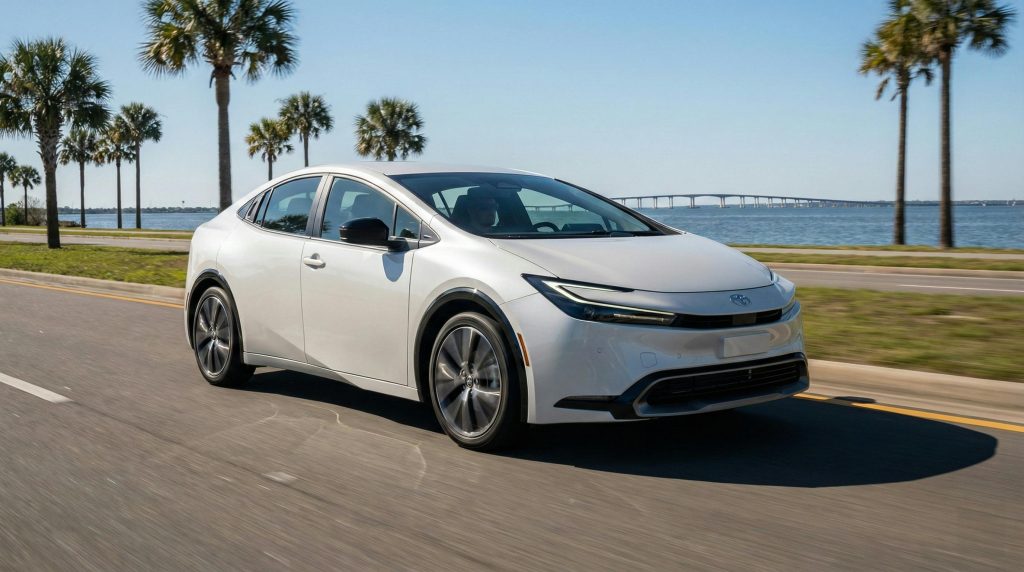
Ease of use is just as important for drivers who spend long hours on the road. The intuitive control layout minimizes distractions, while the well-positioned seating helps reduce fatigue over extended shifts. Practical storage solutions throughout the cabin make it easy to keep essentials like phones, chargers, snacks, and cleaning items within reach. For rideshare drivers in particular, where the car effectively becomes a workspace, comfort and organization play a crucial role in daily efficiency.
Maintenance costs also tend to remain manageable thanks to Toyota’s proven hybrid technology and wide parts availability. Many mechanics are already familiar with the Prius because of its popularity in commercial driving.
The Prius continues succeeding because it prioritizes efficiency, reliability, and practicality, exactly the qualities full-time rideshare drivers depend on most.
6. Tesla Model 3
The Tesla Model 3 changed the way many rideshare drivers think about operating costs and passenger appeal. Electric vehicles once seemed impractical for high-mileage commercial driving, but the Model 3 proved that a well-designed EV could work extremely effectively in rideshare environments.
In many cities, passengers now specifically enjoy getting matched with Teslas because the experience feels modern, quiet, and different from ordinary rides.
One of the most important advantages is energy cost savings. Charging a Model 3 typically costs far less than constantly refilling a gasoline vehicle, especially for drivers completing long daily shifts. Over months of heavy rideshare work, those savings can become substantial and help offset the vehicle’s higher initial purchase price.
Passengers often notice the cabin atmosphere immediately. The quiet electric powertrain eliminates engine vibration and much of the noise associated with traditional sedans. This creates a smoother, calmer ride that feels premium during airport trips, downtown commutes, and late-night rides.
Acceleration is another factor that changes the driving experience. The Model 3 responds instantly and smoothly in traffic, helping drivers merge and maneuver efficiently without harsh gear changes or sluggish performance. Riders frequently comment on how refined and effortless the vehicle feels during city driving.
The interior design takes a very different approach compared to conventional sedans. Minimalist styling, a large touchscreen interface, and panoramic glass create a futuristic environment that many passengers enjoy. In competitive rideshare markets, standing out positively can influence ratings and tips over time.
Driver assistance technology further helps during long shifts. Highway travel becomes less tiring thanks to advanced cruise systems and lane management features. Drivers covering large urban regions every day often appreciate technology that reduces stress during repetitive commutes.
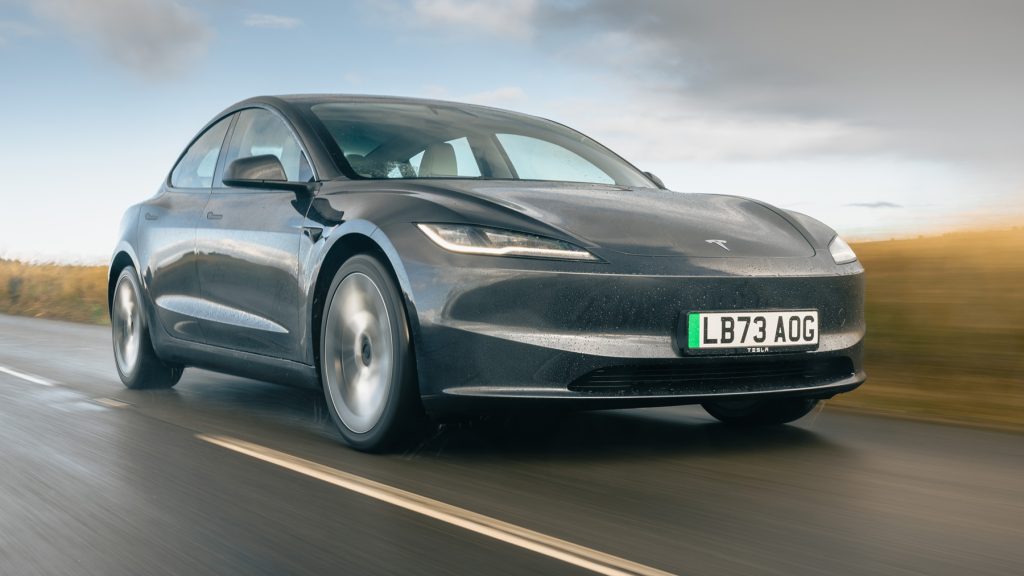
The Model 3 takes a clever approach to maximizing space within a sedan layout. Combining a traditional rear trunk with a front storage compartment, it creates more room for carrying everyday items. This setup makes it easier to separate and organize luggage, groceries, or shopping bags, giving drivers added flexibility that isn’t usually found in cars of this size.
Charging infrastructure remains an important consideration depending on the city, but drivers with reliable access to home or fast charging often find the transition worthwhile.
For Uber and Lyft drivers seeking lower energy costs and a more premium passenger experience, the Tesla Model 3 represents one of the most forward-thinking options available in 2026.
7. Honda CR-V Hybrid
The Honda CR-V Hybrid has become one of the most intelligent choices for Uber and Lyft drivers who want something larger and more versatile than a sedan without stepping into the high fuel costs associated with traditional SUVs.
Rideshare work demands a difficult balance between passenger comfort, reliability, cargo flexibility, and operating efficiency, and the CR-V Hybrid handles those responsibilities exceptionally well. It feels practical for long daily shifts while still creating a comfortable and welcoming experience for riders.
One of the first things passengers notice about the CR-V Hybrid is the spacious interior. Rear seat legroom is generous, and the seating position feels naturally comfortable for people of different sizes.
This matters greatly in rideshare driving because passengers quickly become uncomfortable in cramped cabins, especially during airport transfers or heavy traffic situations. Riders carrying backpacks, shopping bags, or small suitcases also appreciate the SUV layout because it feels less restrictive compared to compact sedans.
The upgraded ride height creates another advantage. Passengers entering and exiting the vehicle often find crossovers easier to use than lower sedans, particularly older riders or travelers carrying luggage.
During busy shifts filled with constant pickups and drop-offs, these small conveniences can improve the entire experience for both driver and passenger.
Fuel efficiency remains one of the CR-V Hybrid’s biggest strengths. Many rideshare drivers hesitate to use SUVs because they fear excessive fuel costs, but Honda’s hybrid system changes that equation significantly.
The vehicle’s handling of stop-and-go traffic is efficient, helping drivers maintain reasonable operating expenses despite carrying a larger body style. For drivers working full-time, these fuel savings become meaningful over months of heavy mileage.
Honda also designed the CR-V Hybrid with comfort in mind. The suspension absorbs rough roads effectively, creating a calm ride during long urban commutes or airport highway runs.
Noise insulation remains strong as well, helping conversations feel more natural inside the cabin. Drivers spending ten hours a day transporting passengers quickly learn to value vehicles that reduce stress and fatigue.
Cargo flexibility further strengthens the CR-V Hybrid’s appeal. Airport pickups become easier because the rear cargo area accommodates multiple suitcases comfortably. Grocery trips, shopping runs, and family rides also feel more manageable thanks to the SUV’s practical storage design.
Reliability continues to be one of Honda’s greatest advantages. Rideshare drivers often accumulate mileage rapidly, so dependable engineering becomes essential for protecting income. The CR-V Hybrid has earned trust among drivers who need vehicles capable of surviving years of demanding commercial use without frequent breakdowns.
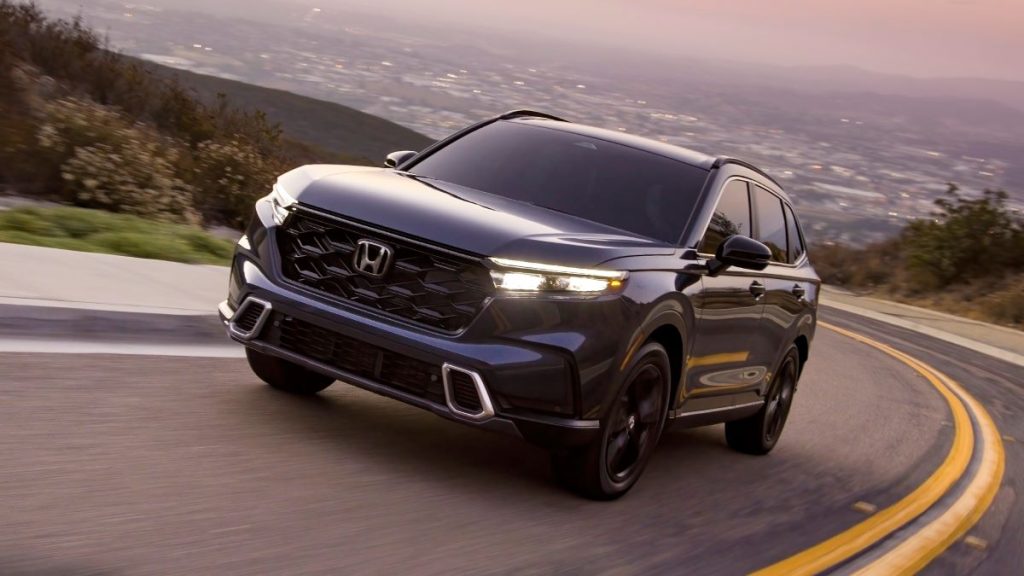
Technology integration feels useful rather than overwhelming. Smartphone connectivity, navigation support, adaptive cruise control, and driver assistance systems all contribute to smoother long shifts.
Instead of trying to impress through flashy gimmicks, the CR-V Hybrid focuses on making daily rideshare work more comfortable, more efficient, and less stressful for everyone inside the vehicle.
8. Hyundai Ioniq 5
The Hyundai Ioniq 5 represents a completely different direction for rideshare driving in 2026. While many Uber and Lyft vehicles still rely on gasoline engines or traditional hybrid systems, the Ioniq 5 embraces a modern electric approach while delivering the kind of comfort and passenger appeal that can genuinely upgrade the rideshare experience.
It stands out immediately, and in competitive rideshare markets, standing out positively can matter more than many drivers realize.
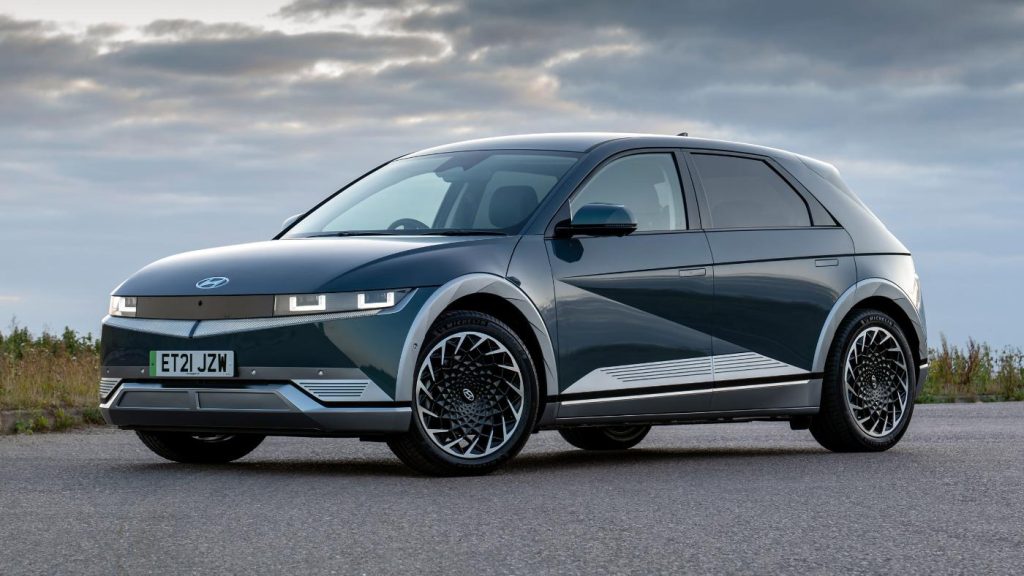
Passengers often react strongly to the Ioniq 5 the moment they approach it. Its futuristic styling, unique lighting design, and clean proportions create an impression that feels more upscale than many conventional crossovers.
Riders frequently associate newer electric vehicles with premium transportation, which can influence satisfaction and tipping behavior during trips.
Inside the cabin, the Ioniq 5 feels unusually spacious because of its dedicated electric platform. The flat floor design opens up legroom for passengers, making the rear seating area feel far larger than expected.
Uber and Lyft riders notice comfort quickly, especially during airport commutes or longer highway trips where cramped seating becomes frustrating.
The driving experience is another major reason this vehicle works so well for rideshare duty. Electric acceleration feels smooth and immediate without harsh shifting or engine noise.
Stop-and-go traffic becomes easier to manage because the vehicle responds instantly and calmly during repeated acceleration cycles. Passengers often describe the ride as relaxing because the cabin remains exceptionally quiet even in busy urban environments.
For drivers, operating cost savings can become substantial. Charging expenses are generally lower than gasoline costs in many regions, especially for drivers able to charge at home overnight. Since rideshare work involves extremely high mileage, reducing energy expenses can significantly improve long-term profitability.
Another major advantage involves fast-charging capability. The Ioniq 5 supports rapid charging speeds that help drivers return to work quickly during breaks instead of waiting extended periods at charging stations. In busy rideshare markets, minimizing downtime directly affects earnings potential.
Comfort over long hours is equally important. Hyundai focused on supportive seating, a clean and uncluttered dashboard, and strong outward visibility to help minimize fatigue during the day. For drivers who spend extended periods in city traffic, having a cabin that feels relaxed and easy to manage makes a noticeable difference compared to one that quickly becomes tiring.
Cargo space further strengthens practicality. The rear hatch area handles airport luggage, shopping bags, and passenger belongings effectively, making the vehicle suitable for a wide range of ride types. Families, business travelers, and groups all fit comfortably without sacrificing storage flexibility.
The Hyundai Ioniq 5 succeeds because it combines futuristic technology with real-world usability. It offers rideshare drivers lower operating costs, strong passenger appeal, and a refined driving experience that feels perfectly suited for modern urban transportation in 2026.
