
Modern cars have evolved far beyond mechanical transportation machines. Today’s vehicles are essentially rolling computers, equipped with infotainment systems, advanced driver assistance systems, connected services, voice assistants, digital dashboards, and semi-autonomous driving features.
While this technological evolution is marketed as a major leap forward in safety, convenience, and user experience, multiple industry studies suggest a surprising disconnect between what manufacturers build and what consumers actually use.
Research from automotive analytics firms, especially J.D. Power’s U.S. Tech Experience Index and Driver Interactive Vehicle Experience studies, consistently shows that a significant portion of in-car technology goes unused during the early ownership period.
In fact, one widely cited finding reveals that more than one in five new vehicle owners report never using about half of the technology features installed in their vehicles within the first 90 days of ownership. Additionally, for more than one-third of advanced technologies, fewer than half of owners ever use them in that same period. This suggests that a large share of expensive, bundled features may not deliver proportional real-world value to buyers.
The reasons behind this gap are complex. Many buyers are overwhelmed by feature complexity, lack proper dealer explanation during purchase, or simply prefer familiar smartphone-based solutions like Apple CarPlay or Android Auto over built-in systems.
Some features are also perceived as unnecessary, overly complicated, or distracting, especially newer innovations such as gesture controls, in-car apps, or automated parking systems. Studies indicate that consumers often prioritize a small set of practical features such as backup cameras, parking sensors, and smartphone integration, while ignoring more experimental or luxury-oriented technologies.
This mismatch has significant economic implications. Automakers invest billions of dollars annually in developing in-vehicle technology, yet a portion of this investment may not translate into actual consumer usage or satisfaction. It also raises questions about whether modern cars are becoming over-engineered, with features that increase cost and complexity without delivering proportional benefits.
At the same time, the industry is not uniformly misaligned. Some technologies are widely appreciated and heavily used, especially those that directly improve safety or convenience, such as reverse cameras and driver alerts. However, the broader pattern remains clear: a substantial share of modern automotive technology is underutilized, supporting the claim that many buyers effectively pay for features they rarely or never use.
Also Read: 10 Cars With Insurance Premiums Lower Than a Compact Sedan
Evidence from Industry Studies on Feature Underuse
One of the strongest sources of evidence comes from the J.D. Power Driver Interactive Vehicle Experience (DrIVE) report. The study surveyed thousands of new vehicle owners after their first 90 days of ownership and analyzed usage of more than 30 in-car technologies.
A key finding was that approximately 20 percent of new car owners had never used half of the technology features in their vehicles during the initial ownership period. This is significant because the first few months are when users are most likely to explore and adopt new features, meaning long-term usage is likely even lower for many systems.
Another major finding showed that for over one-third of advanced features, fewer than half of all owners actually used them. This includes systems such as built-in apps, in-car concierge services, mobile hotspot functions, and automated parking assistance. These are often expensive features included in higher trim levels or packaged bundles, meaning consumers may be paying for capabilities they never engage with.
The data also highlights a behavioral trend: consumers tend to rely on familiar external devices, especially smartphones, rather than learning complex in-car systems. This creates a persistent gap between installed capability and real-world usage.
Which Car Technologies Are Most Commonly Ignored
Not all vehicle technologies suffer from low usage equally. Studies show that certain categories are particularly underused compared to others.
Features such as in-car concierge systems, mobile Wi-Fi hotspots, gesture-based controls, and built-in app marketplaces are among the least used technologies. For example, some surveys show that more than 40 percent of users never engage with in-car concierge features, while a large share ignore mobile hotspot functionality entirely.
Automated parking systems and advanced infotainment apps also show low adoption rates. Many drivers either do not trust these systems or find them unnecessary in everyday driving situations. Similarly, gesture controls and voice-based interfaces often suffer from usability issues, leading users to revert to traditional physical controls or smartphone-based alternatives.
The pattern suggests that novelty does not guarantee adoption. Features that require learning new behaviors or feel non-essential tend to be ignored, even if they are heavily marketed as premium innovations.
Why Car Buyers Do Not Use Half the Tech They Pay for
There are several key reasons behind the underutilization of automotive technology.
First, usability plays a major role. Many systems are not intuitive and require significant learning time. If a feature is not immediately understandable within the first few uses, many drivers abandon it entirely.
Second, lack of awareness is a major factor. Some owners do not even realize certain features exist in their vehicles, especially when dealerships fail to properly demonstrate them during delivery. Studies show that poor handover processes directly correlate with lower feature adoption rates.
Third, consumers often perceive limited value in many features. If a system does not clearly improve safety, comfort, or convenience, it is unlikely to be used regularly. Drivers overwhelmingly prefer practical features such as rear-view cameras and parking sensors over entertainment or experimental technologies.
Fourth, smartphone substitution is a major disruptor. Many in-car systems duplicate functions that smartphones already perform better, such as navigation, music streaming, and communication. As a result, built-in systems become redundant.
Finally, complexity and distraction concerns also discourage usage. Drivers may avoid advanced systems if they believe they could reduce attention on the road or increase cognitive load while driving.

Economic and Industry Impact of Underused Car Technology
The underutilization of automotive technology has significant implications for manufacturers and consumers alike.
For automakers, integrating advanced systems increases production costs, research and development expenses, and vehicle pricing. However, if a large portion of these features goes unused, it raises questions about return on investment and product strategy efficiency.
It also complicates vehicle design, leading to more complex infotainment systems and software ecosystems that may not align with user needs.
For consumers, the impact is financial. Buyers often pay for technology bundled into trim packages, even if they only use a fraction of it. This creates a perception of wasted value, especially when high-cost features remain unused throughout ownership.
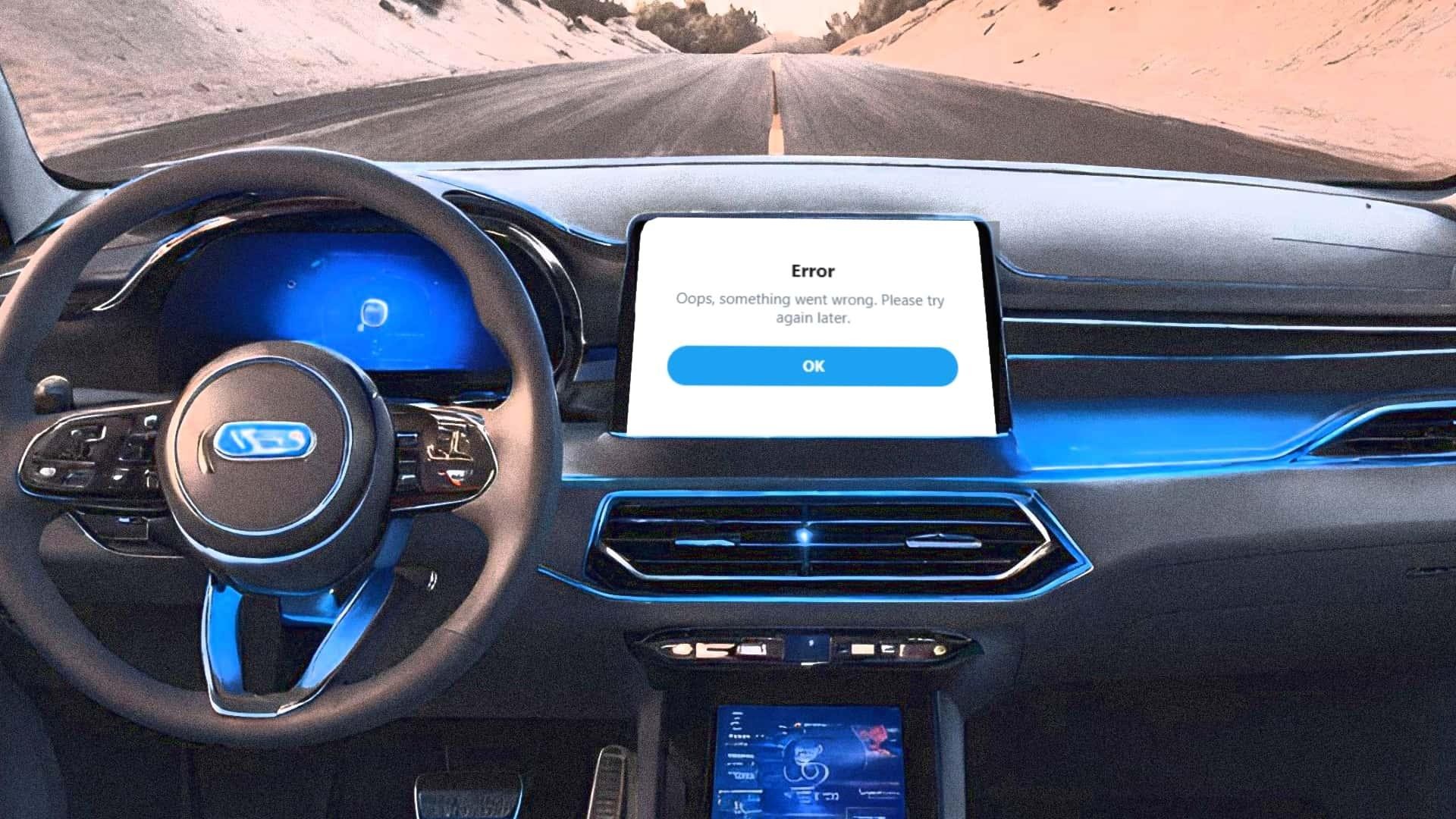
There is also a quality perception issue. Some industry reports suggest that increased technology complexity can lead to more system bugs, infotainment glitches, and reliability concerns. This can negatively affect satisfaction ratings, even if the core mechanical performance of the vehicle is strong.
At the same time, automakers are learning from these trends. Recent design shifts show a renewed interest in simplifying interfaces, reintroducing physical controls, and focusing on high-use features such as cameras and driver assistance systems rather than low-adoption experimental technologies.
