
When it comes to pickup trucks, towing numbers often look impressive on paper, but real-world performance tells a very different story. In this comparison of 4 Pickups Worth Towing With vs 4 That Lie About Their Capacity, we separate trucks that consistently deliver dependable hauling strength from those whose advertised ratings do not fully translate into practical use.
Some models are engineered with reinforced frames, advanced towing technology, and balanced payload systems that make heavy hauling stable and predictable. Others, however, run into hidden limits such as low payload ratings, suspension sag, or trim-dependent towing figures that reduce their true capability once loaded with passengers and gear.
From heavy-duty giants like the Ford F-450 Super Duty and Ram 3500 to midsize and half-ton champions like the Ford F-150 Max Tow and Colorado/Canyon twins, the “worth towing with” group proves reliable under pressure. On the other side, trucks like the Gladiator, Frontier, Tundra, and Ram 2500 reveal where marketing numbers and real-world hauling performance begin to diverge.
4 Pickups Worth Towing With
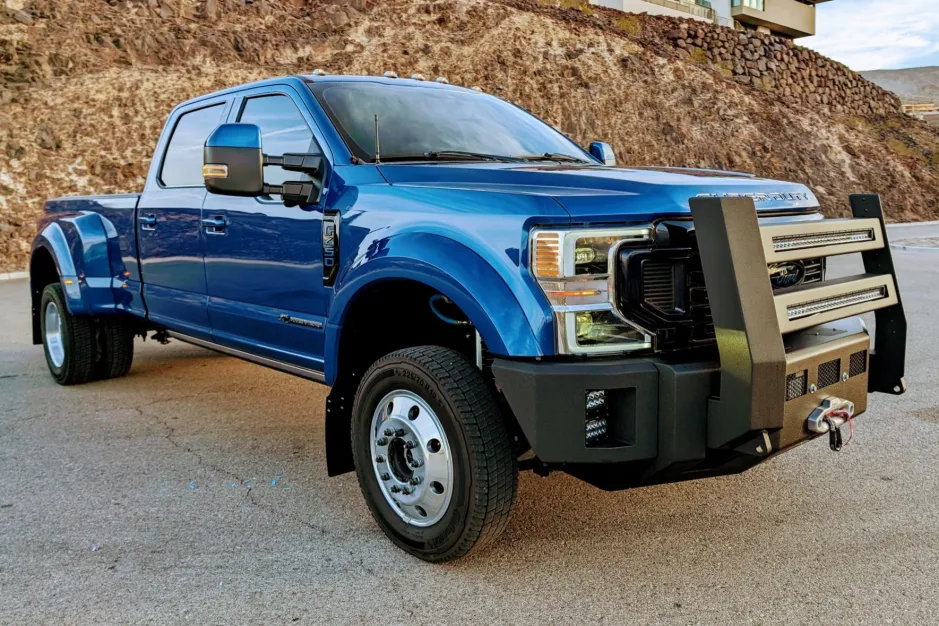
1. Ford F-450 Super Duty
Few pickup trucks are engineered with the same singular focus on strength and towing capability as the Ford F-450 Super Duty. Positioned at the top of Ford’s heavy-duty lineup, this truck is designed for drivers who regularly handle massive loads and demand consistent, reliable performance under pressure.
Its high-output 6.7-liter Power Stroke V8 turbo diesel engine delivers immense torque, reaching up to 1,200 lb-ft in newer versions, which allows it to tow up to 40,000 pounds with a properly equipped gooseneck hitch. This makes it highly suitable for transporting large trailers, industrial equipment, and heavy recreational vehicles.
The F-450 is built on a reinforced, commercial-grade frame that emphasizes durability and long-term use. A key feature is its wide-track front axle, which improves steering capability and reduces the difficulty of making tight turns compared to other heavy-duty trucks in its class.
Stability is another major strength, supported by its dual rear wheel configuration that creates a broader footprint and significantly reduces trailer sway. Combined with large, heavy-duty brakes and an integrated exhaust braking system, the truck maintains strong control even when descending steep grades with a full load.
This model is offered exclusively as a crew cab with an eight-foot bed and standard four-wheel drive. Buyers can choose from several trims, ranging from basic work-oriented versions to more refined and luxurious options. Inside, the truck balances functionality with modern comfort and technology, while standard safety features include multiple airbags, seatbelt systems, and post-crash alert functions.
There are some compromises to consider. The heavy-duty suspension produces a firm ride when the truck is not carrying cargo, which may feel less comfortable during daily use. Its large size, measuring close to 22 feet in length, can also make parking and maneuvering in tight urban areas more difficult.
The F-450 excels in towing strength, stability, and durability. It is best suited for users who prioritize heavy-duty capability and are willing to accept reduced comfort and convenience in everyday driving situations.
2. Ram 3500 Heavy Duty
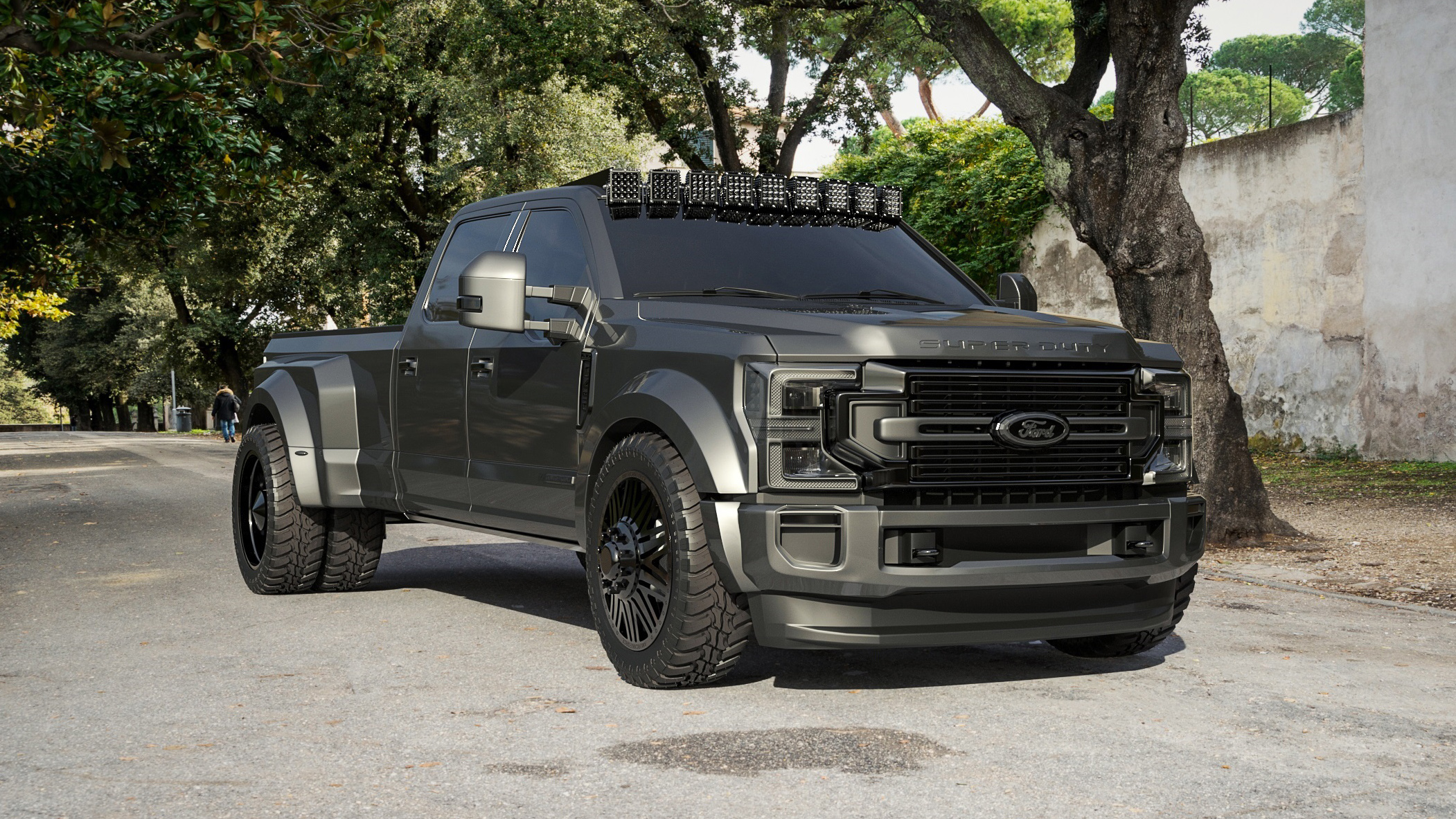
The Ram 3500 Heavy Duty is designed for drivers who need serious towing strength combined with long-distance comfort. Built for demanding workloads such as hauling large fifth-wheel RVs, livestock trailers, and commercial equipment, it stands out as one of the most capable heavy-duty pickups available.
At its core is the available 6.7-liter High-Output Cummins turbo diesel inline-six engine, producing an impressive 1,075 lb-ft of torque. This low-end pulling force allows the truck to move extremely heavy loads smoothly, even during steep climbs or highway merging.
Capability is a defining strength of the Ram 3500. When properly equipped, it can tow up to 37,100 pounds, placing it among the leaders in its class. A high-strength steel frame supports this capacity, while a heavy-duty rear suspension system helps manage weight without excessive sagging. Dual rear wheel configurations improve balance and stability, reducing trailer sway and creating a more controlled towing experience, especially in strong winds or uneven road conditions.
The truck also benefits from advanced towing technology. Features such as trailer-guided reversing, multiple camera views, and an available auto-leveling air suspension make hitching and controlling large trailers easier. The air suspension system can lower the rear of the truck to simplify trailer connection, improving convenience during setup.
Inside, the Ram 3500 is more refined than many competitors. Higher trims offer a premium cabin with advanced infotainment systems, including large touchscreen displays and optional passenger-side interfaces that allow navigation control and media access. This blend of utility and comfort reduces fatigue during long trips.
Recent updates include a refreshed exterior design with split headlights, a new eight-speed automatic transmission, and improved diesel starting systems using glow plugs. These changes enhance both efficiency and drivability while maintaining the truck’s core strength-focused identity.
Despite its advantages, the Ram 3500 can feel firm when unladen, and its size can make it less practical for everyday urban driving. Pricing can also rise quickly with higher trims and diesel configurations.
Still, the Ram 3500 delivers strong towing performance, advanced technology, and a more comfortable interior than many rivals, making it a top choice for heavy-duty hauling needs.
3. Ford F-150 Max Tow Package
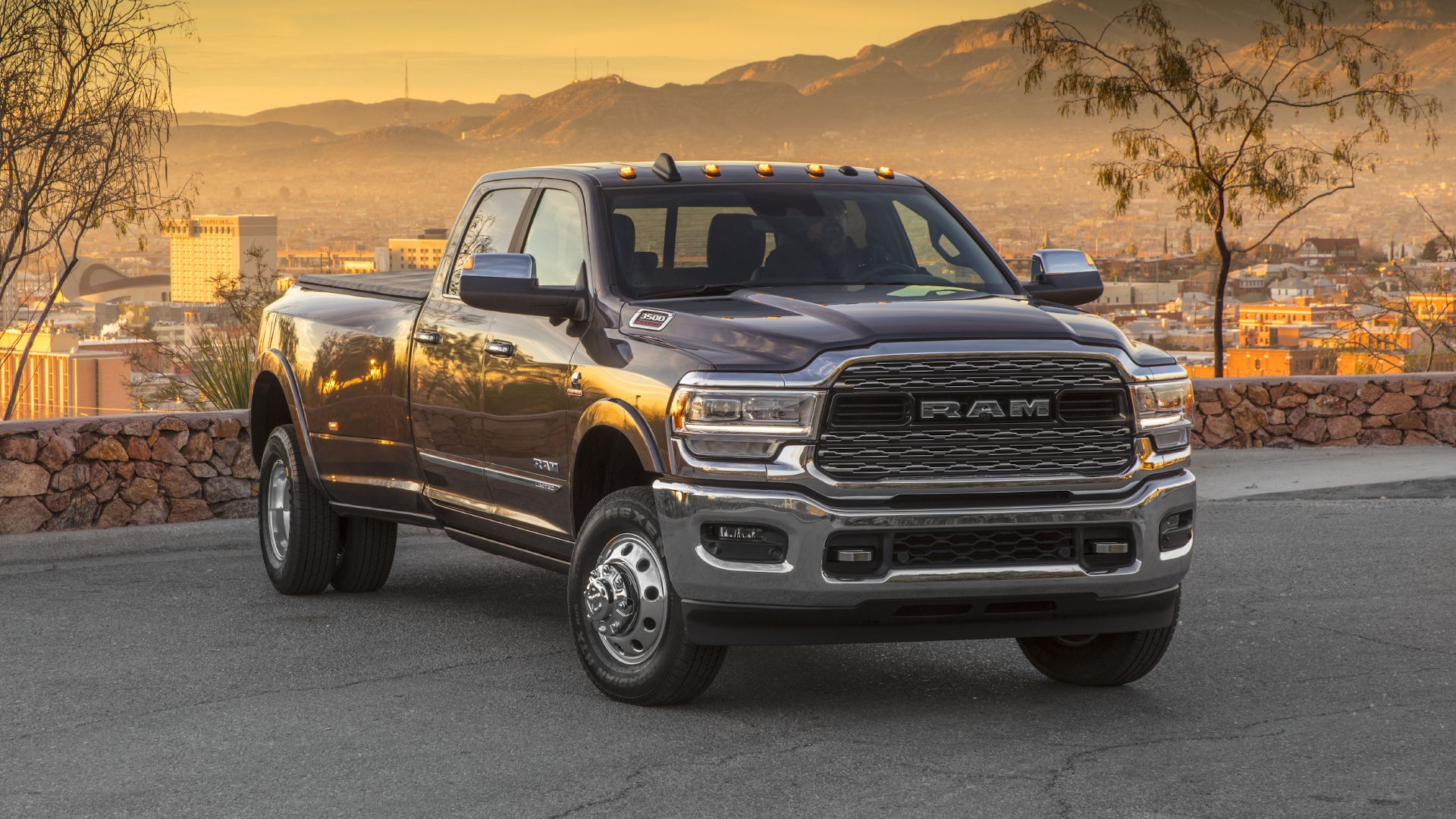
In the half-ton pickup segment, the Ford F-150 Max Trailer Tow Package is engineered to push capability far beyond typical light-duty expectations. When fitted with the 3.5-liter EcoBoost V6 engine, this configuration reaches a maximum towing capacity of up to 14,000 pounds, making it one of the strongest options in its class. It is designed for users who regularly tow large boats, campers, or work trailers but still need a truck that functions comfortably in daily use.
A major advantage comes from its construction approach. The truck combines a lightweight military-grade aluminum body with a high-strength steel frame. This design reduces weight while improving strength, which directly increases payload and towing efficiency.
Reinforced components such as an upgraded rear axle, improved axle ratio, and larger rear brakes contribute to better stability and braking control when carrying or pulling heavy loads. Enhanced engine and transmission cooling systems help maintain consistent performance during long highway climbs or demanding towing conditions.
The Max Tow Package also emphasizes control through integrated technology. An advanced trailer brake controller synchronizes braking between the truck and trailer, producing smoother and more predictable stops. Trailer sway control automatically detects instability caused by wind or uneven road surfaces and applies corrective braking to keep the trailer aligned. Pro Trailer Backup Assist simplifies reversing by allowing the driver to guide trailer direction using a dashboard knob while the system handles steering input.
Additional tools, such as onboard scales and Smart Hitch, assist with weight estimation and proper load distribution before driving. The Smart Trailer Tow Connector ensures correct electrical connections for trailer lights and braking systems, reducing setup errors. Driver assistance features like blind spot monitoring with trailer coverage expand awareness of surrounding traffic, especially when changing lanes or towing wide loads.
Inside the cabin, the SYNC 4 infotainment system integrates towing information, navigation, and trailer controls into a large touchscreen interface. Split-screen capability allows multiple functions to be viewed at once, improving usability during travel.
With multiple engine options, including EcoBoost V6, hybrid, and V8 variants, the F-150 Max Tow Package offers flexibility for different towing needs while maintaining strong performance, safety, and ease of use.
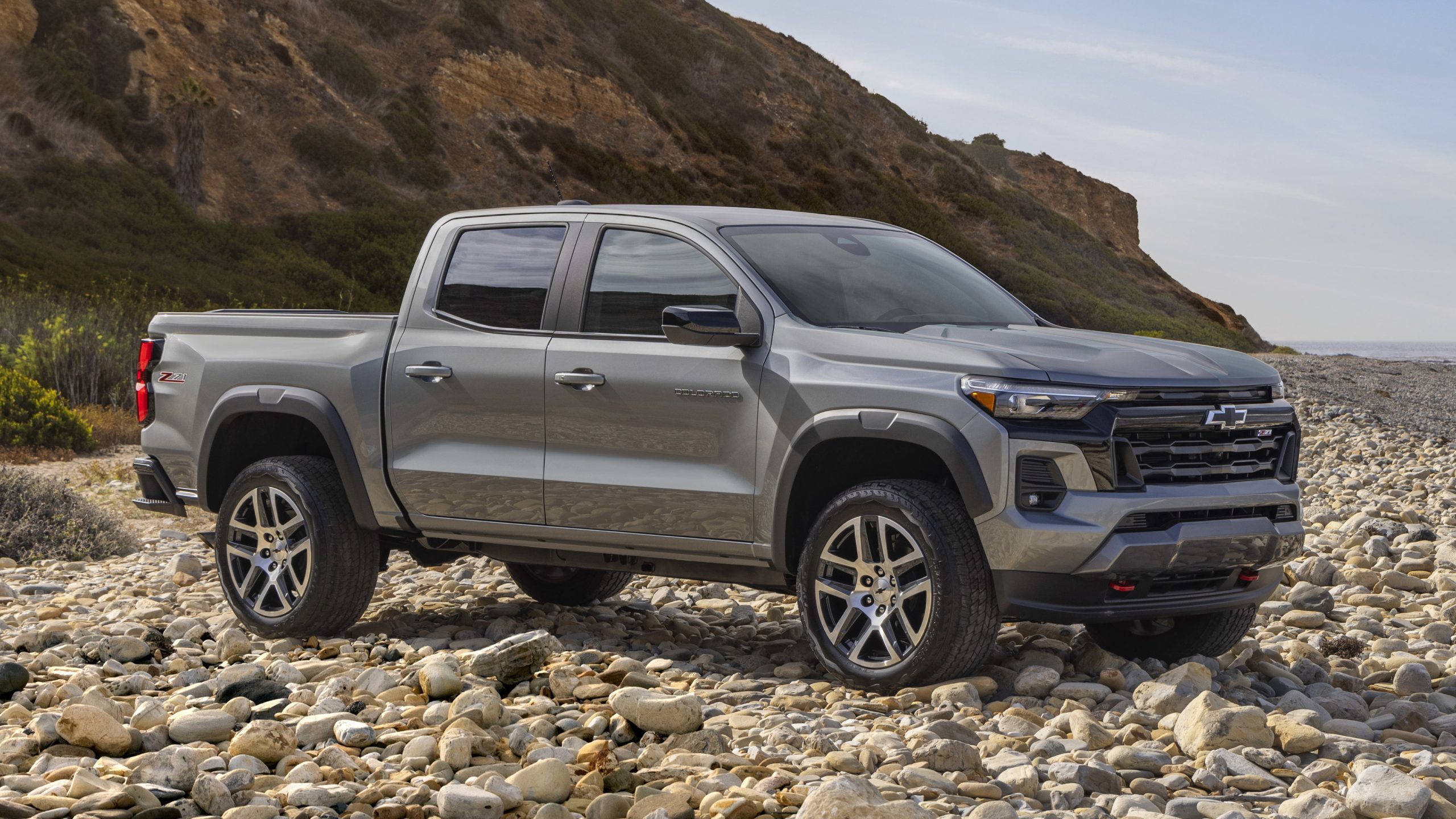
4. Chevrolet Colorado & GMC Canyon
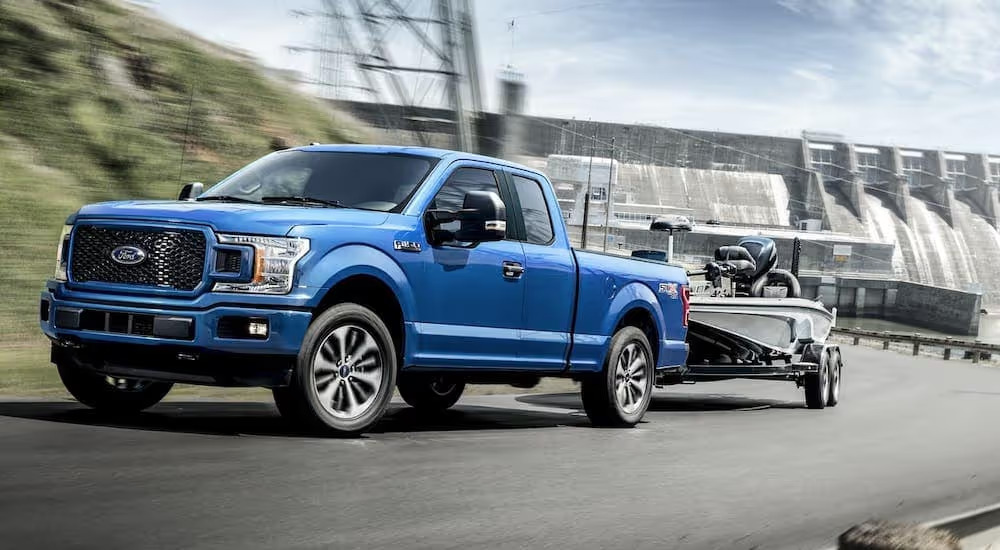
The Chevrolet Colorado and GMC Canyon redefine what midsize pickup trucks can achieve by combining strong towing performance, modern technology, and everyday usability in a more compact footprint. Built on the same platform, these two trucks function as mechanical twins, yet they cater to different buyers through styling, pricing, and feature emphasis. The Colorado focuses on value and versatility, while the Canyon leans toward a more premium experience with upscale finishes and additional standard features.
At the heart of both trucks is the 2.7-liter TurboMax engine, producing 310 horsepower and 430 lb-ft of torque. This high-torque setup allows them to achieve a best-in-class towing capacity of up to 7,700 pounds when properly equipped. Power is delivered through an 8-speed automatic transmission, offering smooth shifts and strong low-end pulling ability. This makes both models capable of handling small campers, boats, horse trailers, and recreational equipment with confidence.
A key strength of these trucks is their advanced trailering technology. Features such as integrated trailer brake control, hitch guidance with zoom functionality, and an in-vehicle trailering app help simplify towing tasks. Multiple camera views, especially in the Canyon, improve visibility when lining up a hitch or changing lanes with a trailer attached. Trailer sway control and stability-focused chassis tuning further enhance safety during highway driving or sudden steering inputs.
Despite their capability, the midsize dimensions make them easier to park, maneuver, and use in tight spaces compared to full-size pickups. This balance of size and strength appeals to weekend travelers and light-duty workers who need towing ability without the bulk of larger trucks. Off-road variants like the Colorado ZR2 and Canyon AT4X add specialized suspension systems and improved traction while still offering respectable towing capacity.
Inside, both trucks feature modern technology such as a large 11.3-inch touchscreen with Google-based software, wireless smartphone integration, and innovative cargo solutions like the StowFlex tailgate storage system. However, they also share drawbacks, including limited rear-seat space, moderate fuel economy, and interior materials that can feel less refined in some trims.
The Colorado lineup spans work-focused trims like WT and LT to extreme off-road versions like the ZR2, while the Canyon offers premium options such as AT4 and Denali, emphasizing comfort and luxury.
4 That Lie About Their Capacity
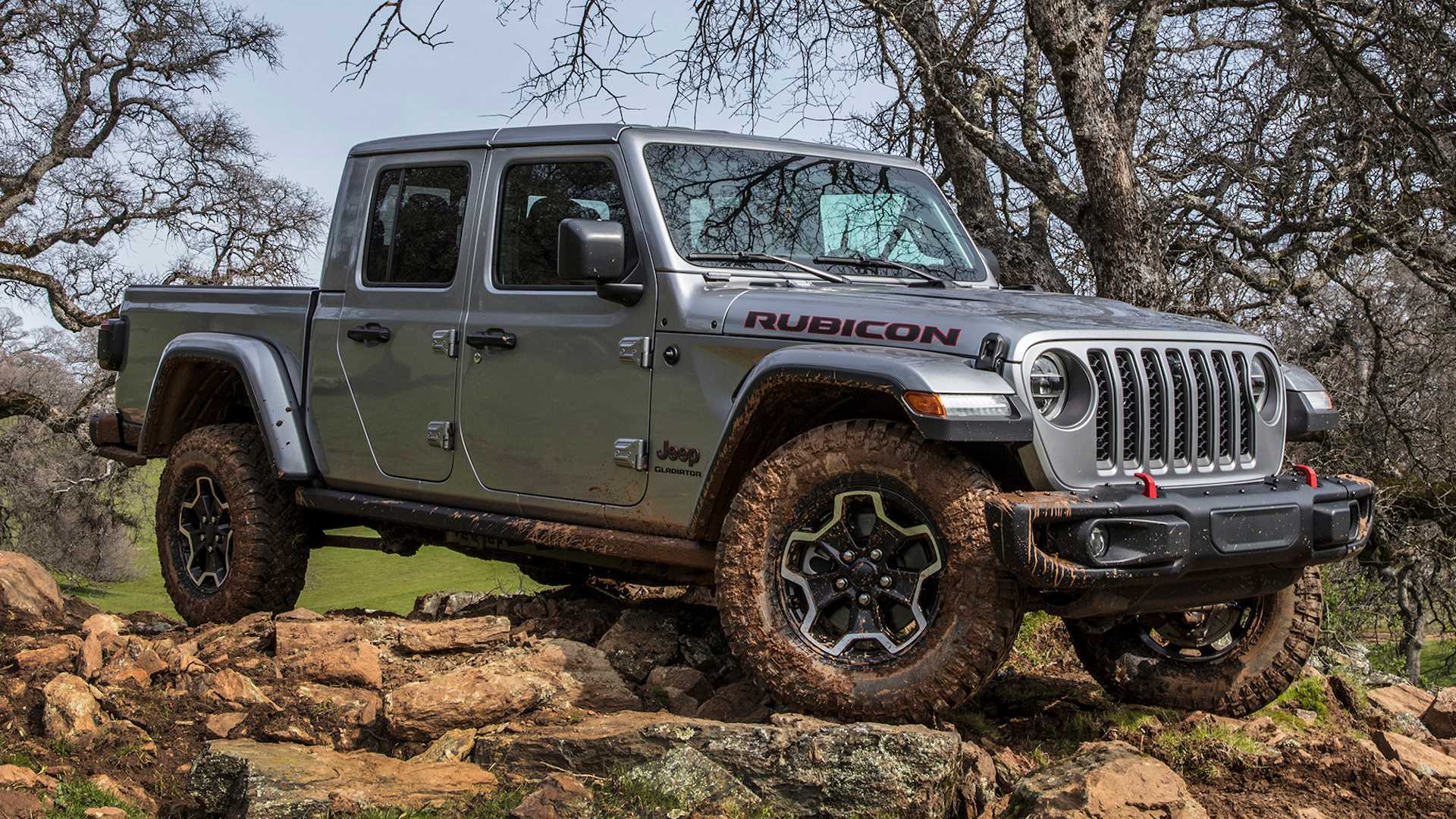
1. Jeep Gladiator
The Jeep Gladiator is marketed with an impressive maximum towing capacity of up to 7,700 pounds when properly equipped, but its real-world towing performance is often less capable than the numbers suggest. Built on a platform derived from the Jeep Wrangler, it prioritizes off-road strength and slow-speed rock crawling rather than stable, high-speed hauling. This design choice directly affects how confidently it handles trailers on highways.
A major limitation comes from payload capacity, often referred to as the “payload trap.” While the truck may technically pull heavy loads, its ability to safely carry the weight placed on the hitch is restricted. For example, towing a 7,000-pound trailer typically requires around 1,000 pounds of tongue weight. Many Gladiator trims only offer payload ratings between 1,100 and 1,200 pounds, meaning the truck quickly reaches its limit once passengers and cargo are added. This leaves very little flexibility for real-world use.
Another important factor is trim availability. The maximum 7,700-pound towing rating is only available on specific configurations like the Sport and Sport S with the Max Tow package. Higher-end trims such as the Rubicon and Overland have reduced towing capacities closer to 6,000–7,000 pounds and often lower payload ratings, further limiting practical hauling ability.
The Gladiator’s suspension system also plays a role in its towing behavior. It uses soft coil springs designed for off-road articulation, which results in a comfortable ride on rough terrain but causes noticeable rear sag when a trailer is attached. This shift in weight reduces front-end stability and can make steering feel less precise. In windy conditions or during sudden maneuvers, trailer sway becomes more pronounced compared to more towing-focused trucks.
Power delivery is another constraint. Most models use a 3.6-liter V6 engine that produces 285 horsepower but has limited low-end torque. When towing near its limits, the engine often works at high RPMs and shifts frequently to maintain speed, especially on inclines.
For light recreational towing, the Gladiator performs adequately. However, frequent heavy towing or long-distance hauling can quickly expose its mechanical and structural limitations.
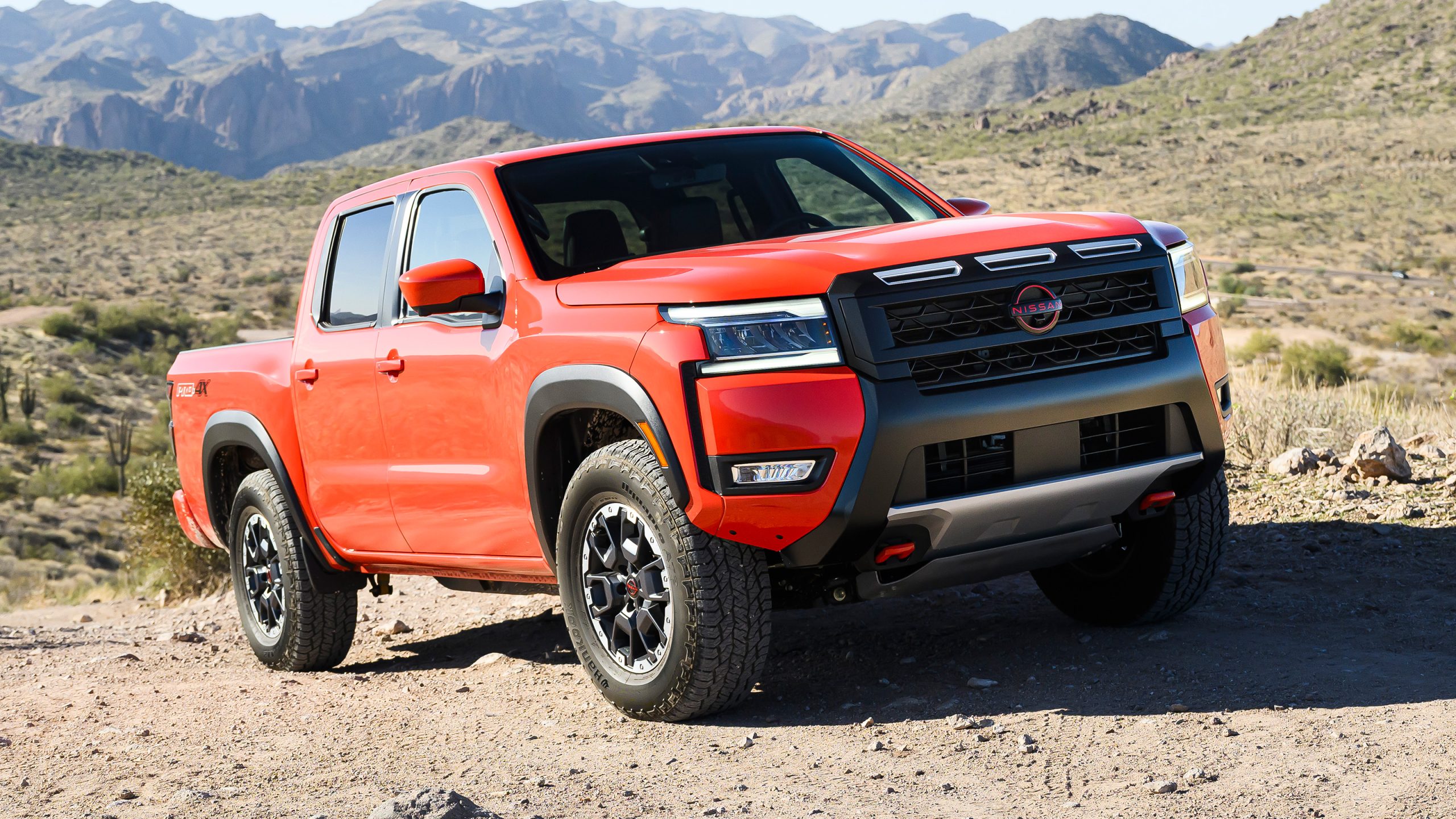
2. Nissan Frontier
The Nissan Frontier enters the midsize truck segment with a strong and reliable 3.8-liter V6 engine producing around 310 horsepower, yet its towing performance places it near the lower end of its class.
With a maximum towing capacity of up to 6,600 pounds, depending on configuration, it struggles to match more capable rivals that offer higher limits and stronger real-world stability. While the engine provides adequate power, its torque delivery peaks at higher RPMs, which often forces the transmission to downshift frequently and operate at higher revs when climbing highways with a trailer attached.
A key issue with the Frontier’s towing reputation is how its capacity figures vary significantly depending on trim level. The highest advertised ratings apply only to lighter rear-wheel-drive King Cab versions with minimal equipment. Once four-wheel drive, Crew Cab layouts, or off-road packages like the PRO-4X are added, increased vehicle weight reduces usable payload and towing margin, sometimes lowering payload capacity to nearly 1,000–1,100 pounds. This makes it easy for real-world use to reach limits faster than expected.
While the Frontier can technically tow its rated maximum, maintaining control under load is more challenging. In many cases, a weight-distributing hitch is recommended to ensure stability and proper weight balance. Additionally, aerodynamic drag can become a limiting factor at higher speeds, meaning wind resistance may restrict performance before maximum towing weight is reached.
The suspension setup also contributes to its limitations. Designed for comfort, the softer rear leaf springs allow for a smoother ride when unloaded but lead to noticeable rear sag when the truck is heavily loaded or towing near capacity. This can reduce ground clearance, affect steering balance, and create instability over uneven surfaces.
For safe operation, owners are encouraged to check the specific payload rating listed on the driver’s door sticker rather than relying on general brochure figures. Keeping a safety buffer below maximum towing limits is widely recommended to ensure stability, durability, and better long-term performance when hauling trailers or heavy loads.
3. Toyota Tundra
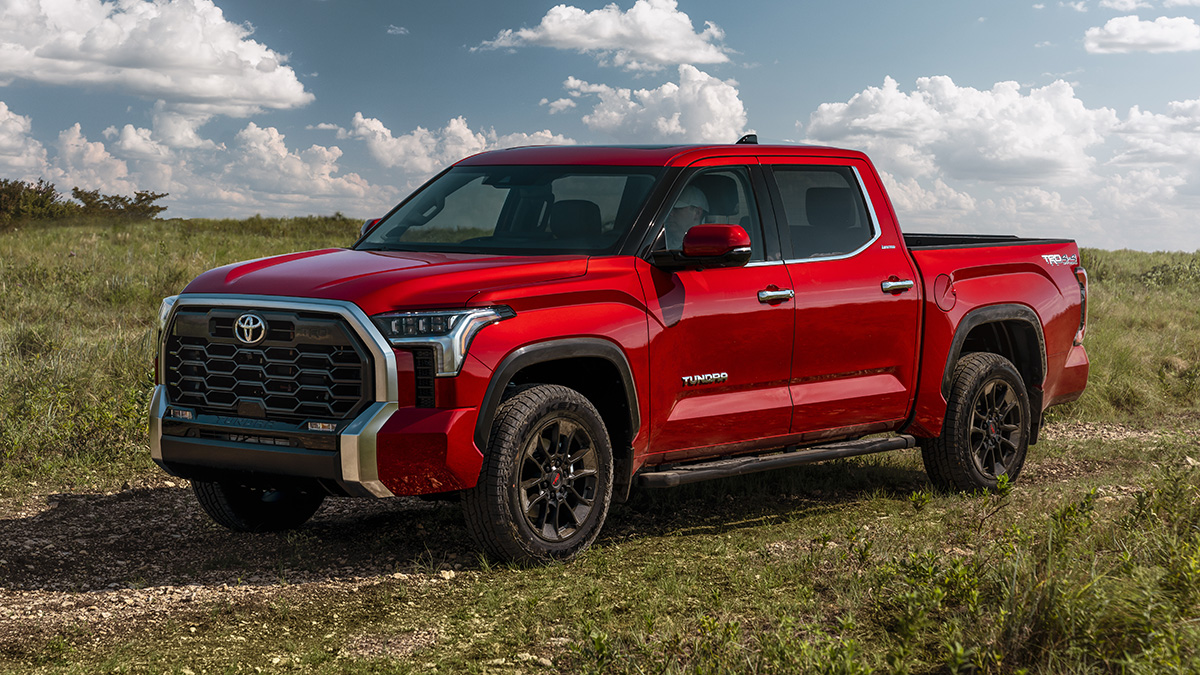
The Toyota Tundra is widely promoted as a full-size pickup capable of towing up to 12,000 pounds, but real-world usage often falls short of this figure due to payload limitations. While the truck has enough engine power to pull heavy trailers, its ability to safely carry the weight placed on the chassis becomes the primary restriction. This creates a gap between advertised capability and practical towing performance.
A key issue lies in how towing and payload ratings are presented. The maximum figures, including around 12,000 pounds of towing capacity and roughly 1,940 pounds of payload, apply only to base, stripped-down models such as the SR Double Cab. These versions are lighter and lack many of the features found in higher trims, allowing them to reach peak specifications under ideal conditions.
As buyers move to higher trims like the Limited, Platinum, or 1794 Edition, added luxury features significantly increase vehicle weight. Items such as premium interiors, larger wheels, panoramic sunroofs, and hybrid components reduce available payload capacity, often bringing it down to around 1,300 pounds or less. This reduction limits how much trailer tongue weight, passengers, and cargo the truck can safely carry at the same time.
This leads to a common towing challenge known as the payload trap. Even though the Tundra can physically pull a heavy trailer, the tongue weight of that trailer quickly consumes available payload capacity. Since tongue weight typically accounts for 10 to 15 percent of trailer weight, a heavily loaded trailer combined with passengers and gear can easily push the truck beyond its Gross Vehicle Weight Rating, even before reaching the advertised towing maximum.
Because of this, real-world capacity should always be verified using the driver-side door jamb sticker, which provides accurate weight limits for each specific configuration.
Despite these limitations, the Tundra remains a strong and comfortable full-size truck for everyday driving and moderate towing. However, those needing consistent heavy towing or large fifth-wheel hauling often find that a 3/4-ton or 1-ton truck is better suited for the job.
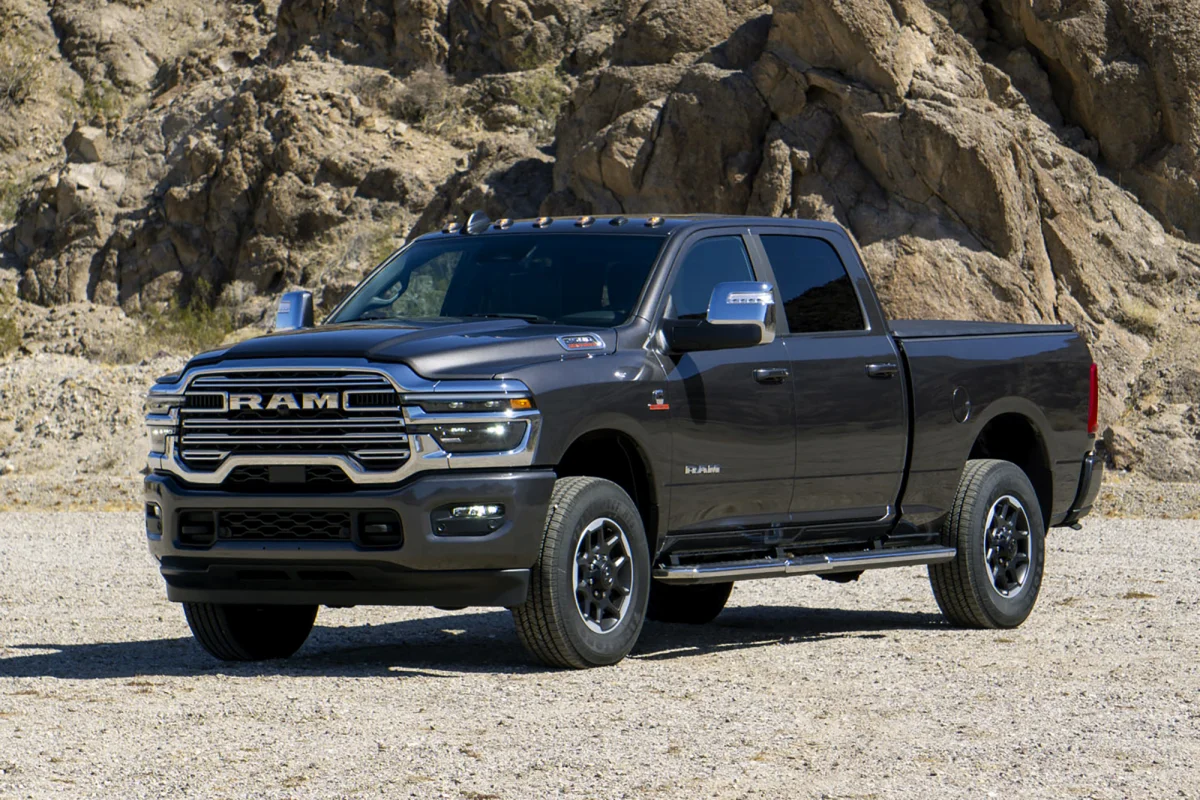
4. Ram 2500 Heavy Duty
The Ram 2500 Heavy Duty is marketed with an impressive towing capability of up to 20,000 pounds, placing it among the strongest 3/4-ton pickups available. However, its real-world usefulness is often limited not by towing power, but by payload restrictions and suspension design. While the truck is structurally robust and closely related to heavier-duty models, several engineering and regulatory factors reduce its practical hauling flexibility.
A major limitation comes from the relationship between towing and payload capacity. Even though the Ram 2500 can pull extremely heavy trailers, the downward force from a trailer’s tongue or gooseneck pin weight counts directly against the truck’s payload limit. With the 6.7-liter Cummins diesel engine installed, the truck’s curb weight increases significantly, reducing available payload to roughly 2,400 to 2,700 pounds. This becomes critical when towing large trailers, as a 15,000-pound trailer can produce over 2,200 pounds of pin weight, leaving little remaining capacity for passengers, fuel, or additional cargo.
Another factor influencing performance is the rear suspension system. Unlike traditional leaf-spring setups used by competitors, the Ram 2500 uses a coil-spring rear suspension designed for improved ride comfort when the truck is empty. While this system delivers a smoother, more car-like driving experience, it also leads to noticeable rear-end sag under heavy loads. This can affect stability, especially when carrying high tongue weights or uneven cargo distribution.
Regulatory classifications also play a role in limiting official ratings. To keep the truck within the 10,000-pound Gross Vehicle Weight Rating threshold, which helps owners avoid additional taxes and commercial registration requirements in some regions, manufacturers assign conservative payload figures. Although the Ram 2500 shares much of its frame, braking system, and structural design with the heavier Ram 3500, its official ratings are intentionally reduced.
Because of these constraints, owners are encouraged to rely on the door jamb payload sticker or VIN-specific towing guides for accurate limits. While the Ram 2500 remains a highly capable heavy-duty truck, its real-world hauling ability is often defined more by payload management than raw towing strength.
The contrast between these two groups highlights an important truth about pickup ownership: towing confidence is not defined by maximum advertised numbers alone. Trucks in the “worth towing with” category deliver consistent stability, balanced payload capacity, and advanced towing systems that keep loads controlled even in demanding conditions.
Their engineering prioritizes real-world usability, whether hauling fifth-wheel trailers or weekend campers. Meanwhile, the “lie about their capacity” group exposes how factors like payload limits, suspension softness, trim weight, and regulatory rating systems can significantly reduce usable capability.
These trucks can still tow, but often not at their advertised extremes without compromise. For buyers, the key takeaway is simple: understanding payload, configuration, and suspension design matters more than headline figures. Choosing the right truck is not just about how much it can pull, but how safely and confidently it can do so once fully loaded.
Also read: 10 Vehicles That Lost Their Best Feature in the Redesign
