
Modern vehicles are packed with advanced technology, smart infotainment systems, digital key access, and wireless connectivity. While these features make driving more convenient, they have also opened the door to a new generation of vehicle theft techniques.
Gone are the days when thieves needed screwdrivers and exposed wires to steal a car. Today, many criminals rely on signal amplification devices, key cloning tools, relay attacks, CAN bus manipulation, and software vulnerabilities that allow them to unlock and start certain vehicles in seconds.
Some of the most targeted cars on the road are not necessarily luxury supercars. In many cases, they are popular SUVs, pickup trucks, and family sedans with high resale value and strong demand for parts. Organized theft rings often target these vehicles because they can quickly dismantle them or export them overseas.
In several cases, security researchers and law enforcement agencies have demonstrated that certain vehicles can be stolen in less than thirty seconds when criminals exploit weaknesses in their keyless entry systems. Car manufacturers have started responding with software updates, encrypted communication systems, motion-sensing keys, improved immobilizers, and enhanced anti-theft protections.
However, not every company has acted quickly, and some brands continue facing criticism over delayed fixes and poor security measures. Vehicle theft rates have increased significantly in many countries over the last few years, especially for models with vulnerable electronic systems.
Drivers are now investing in steering wheel locks, Faraday pouches, GPS trackers, and aftermarket immobilizers to protect their vehicles from increasingly sophisticated theft methods. Understanding which vehicles are most vulnerable can help owners take preventive action and pressure manufacturers to improve security standards.
In this article, we will explore ten cars that thieves can reportedly steal in under thirty seconds, how criminals exploit these vulnerabilities, whether the manufacturers have fixed the issues, and what owners can do to protect their vehicles. This guide is designed to be informative, SEO friendly, and practical for anyone concerned about modern car theft trends.
Also Read: 10 Fastest Hennessey-Tuned Models & Ranked by Top Speed
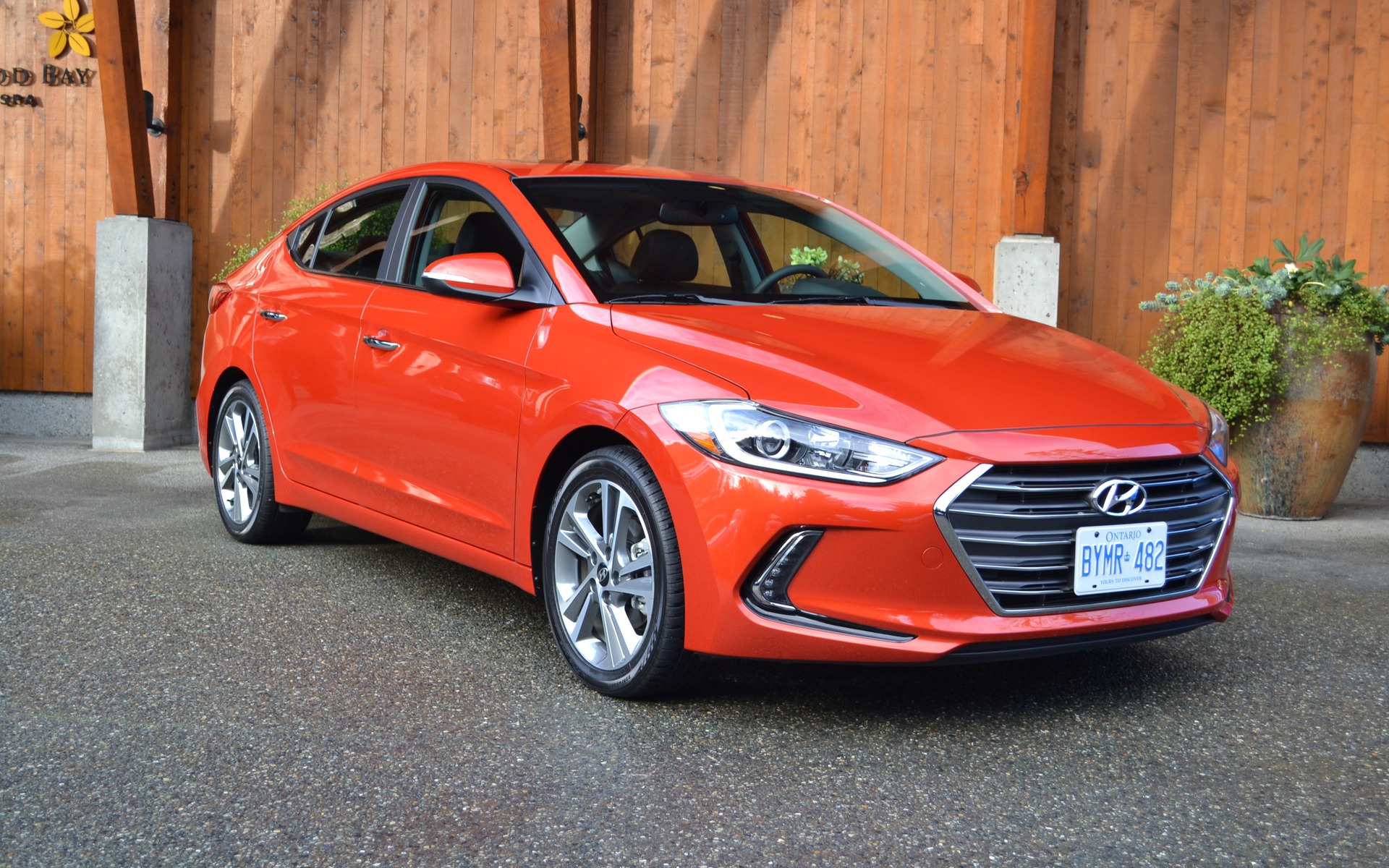
- Engine: 2.0L inline 4 cylinder (base model)
- Horsepower: 147 hp
- Torque: 179 Nm
- Length: 4675 mm
- Width: 1825 mm
1. Hyundai Elantra
The Hyundai Elantra became one of the most discussed vehicles in the automotive world after a viral trend exposed major vulnerabilities in certain models. Older Elantra vehicles without engine immobilizers could be stolen using extremely basic tools.
Criminals discovered they could remove the steering column cover and use a USB cable to start the ignition system. The theft process was shockingly fast and required little technical knowledge, making the car a frequent target in several cities across the United States.
One of the main reasons thieves targeted the Elantra was the absence of a standard immobilizer system in many lower trim models manufactured between roughly 2015 and 2021. Immobilizers are designed to prevent the engine from starting unless the correct electronic key is present.
Without this protection, thieves found it relatively easy to bypass the ignition system. Social media videos dramatically accelerated the spread of these theft methods, leading to spikes in insurance claims and theft reports.
Hyundai Elantra owners were particularly frustrated because many competing brands had already made immobilizers standard years earlier.
Critics argued that cost-cutting decisions left customers vulnerable. Insurance companies in some regions even refused coverage or increased premiums for affected Hyundai vehicles due to the elevated theft risk. Police departments also reported that stolen Elantras were frequently used in reckless driving incidents and other crimes.
Hyundai eventually responded by offering software updates, steering wheel locks, and security kits for eligible vehicles. The company also began installing immobilizers in newer models to address the issue.
While these updates significantly improved protection, not every older Elantra can receive a complete fix due to hardware limitations. Some owners still rely on aftermarket anti-theft systems for added security.
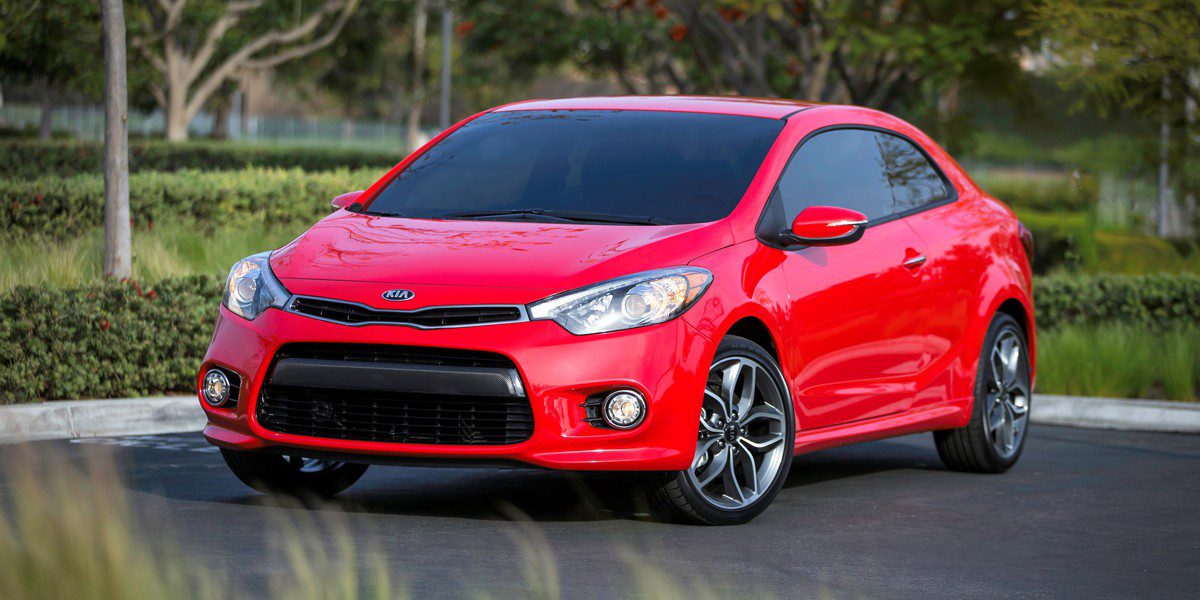
- Engine: 2.0L inline 4 cylinder
- Horsepower: 147 hp
- Torque: 179 Nm
- Length: 4640 mm
- Width: 1800 mm
2. Kia Forte
The Kia Forte suffered from problems nearly identical to those affecting Hyundai vehicles because both brands shared similar engineering decisions during the same production years. Certain Forte models lacked immobilizers, making them highly vulnerable to theft techniques that spread rapidly online. Criminals learned they could start these vehicles with minimal tools and almost no experience.
Kia Forte became a common target because it was widely available, affordable, and easy to steal. Once thieves understood the weakness, theft incidents increased dramatically in several major cities.
Videos demonstrating the theft process gained millions of views online, making the issue even more widespread. Law enforcement agencies warned owners to take extra precautions because organized theft groups were specifically hunting for vulnerable Kia models.
The lack of an immobilizer was the core problem. Immobilizers communicate electronically with the vehicle key to ensure only authorized users can start the engine. Without this technology, thieves could bypass the ignition system in seconds. In some reported cases, criminals stole vehicles so quickly that nearby witnesses did not even realize a crime was occurring.
Kia eventually introduced software updates intended to improve ignition security and prevent unauthorized starts. The company also distributed steering wheel locks through police partnerships in some regions. Newer Forte models now include better anti-theft systems, but many older vehicles remain vulnerable unless owners install aftermarket protections.
Although Kia has taken steps to improve security, the brand still faces lawsuits and criticism over how long it took to address the issue. Some owners argue the fixes arrived too late after theft rates had already surged.
The situation highlighted how rapidly digital vulnerabilities can spread once exposed publicly. Today, Forte owners often use steering wheel locks, GPS trackers, and secure parking practices to reduce theft risk.
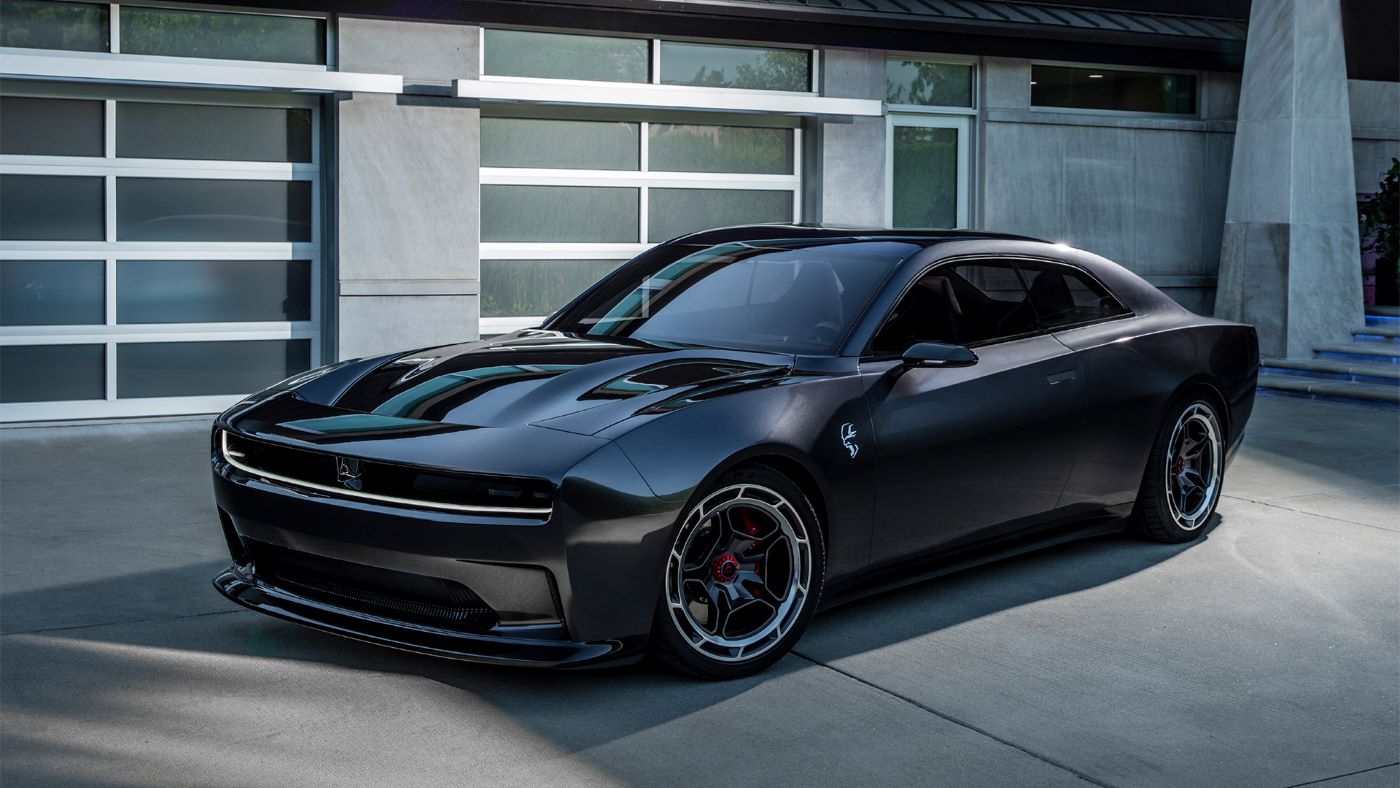
- Engine: 3.6L V6 (base) / 6.2L V8 (Hellcat in high performance trims)
- Horsepower: 292 hp to 717 hp
- Torque: 353 Nm to 881 Nm
- Length: 5100 mm
- Width: 1905 mm
3. Dodge Charger
The Dodge Charger is one of the most stolen performance sedans in North America. Unlike the Hyundai and Kia theft methods, criminals targeting the Charger often use sophisticated electronic hacking tools. High-powered Charger models are especially attractive because of their strong resale value, powerful engines, and popularity in illegal street racing circles.
Dodge Charger thieves commonly exploit vulnerabilities involving key fob cloning or relay attacks. In relay attacks, criminals amplify the signal from a nearby key fob, tricking the car into believing the authorized key is present. Once inside, specialized devices can program new keys or bypass security systems in under thirty seconds.
Hellcat variants are particularly targeted because their supercharged engines are valuable on the black market. Some organized crime groups specifically steal Chargers to strip them for parts. Videos captured by surveillance cameras often show thieves arriving with electronic equipment, entering the vehicle quickly, and driving away almost immediately.
The company responded by introducing enhanced security features, such as a security mode requiring a personal identification number before the engine starts. Dodge also improved software protections and encouraged owners to activate tracking services. Newer Chargers include stronger encryption and improved key security, but older vehicles remain vulnerable if they have not received updated protections.
Even with improvements, Charger theft continues to be a major issue due to the car’s popularity and value. Owners are advised to use Faraday pouches for key fobs, install kill switches, and avoid leaving keys near entry doors at home. The Charger demonstrates how modern performance vehicles can become prime targets when advanced electronics fall into criminal hands.
- Engine: 2.4L turbo 4 cylinder / 2.5L hybrid (varies by version)
- Horsepower: 265 hp (turbo) / 243 hp (hybrid combined approx)
- Torque: 420 Nm (turbo engine)
- Length: 4950 mm
- Width: 1930 mm
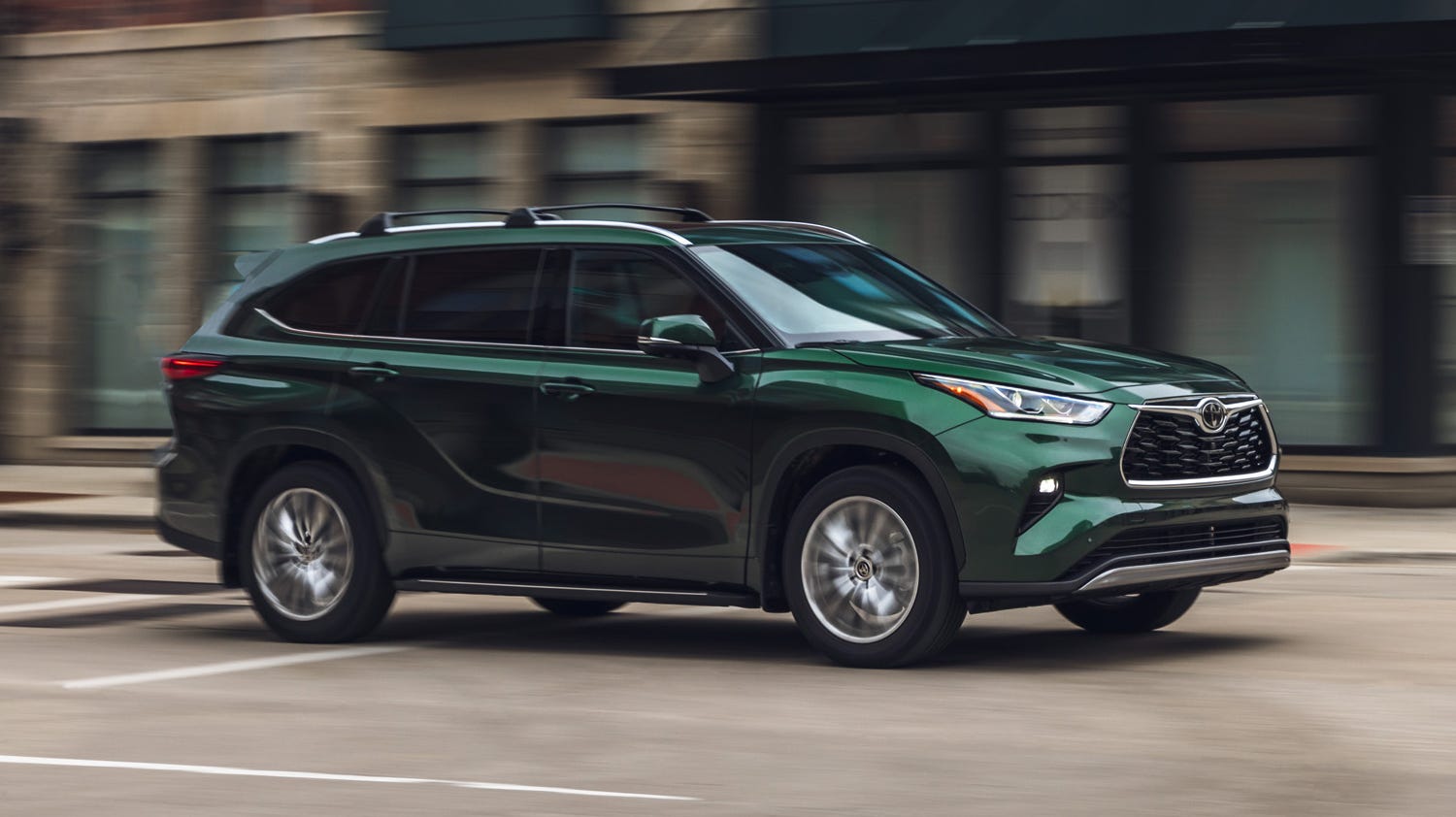
4. Toyota Highlander
The Toyota Highlander has become a surprising target for modern thieves due to vulnerabilities involving CAN bus attacks. In these attacks, criminals access the vehicle’s communication network through external components such as headlights or bumpers. Once connected, thieves can send commands that unlock and start the vehicle rapidly.
Toyota Highlander owners were shocked to learn that sophisticated criminals could bypass traditional anti-theft protections without even possessing the original key. The theft method spread through organized crime groups in Europe before appearing in other regions. Since the Highlander is a popular family SUV with strong resale value, it became a profitable target.
CAN bus attacks are especially concerning because they exploit weaknesses in the vehicle’s internal electronic architecture rather than simple physical vulnerabilities. Criminals can access wiring behind certain external panels and inject signals that mimic authorized commands. This allows them to unlock doors and start the engine in an alarmingly short amount of time.
Toyota has worked on software updates and improved security protocols for newer models. The company has also strengthened communication encryption in recent vehicles.
However, experts continue urging owners to use additional security measures because sophisticated thieves constantly adapt their methods. Steering wheel locks and aftermarket immobilizers remain popular among Highlander owners concerned about theft.
Despite Toyota’s reputation for reliability, the Highlander incident demonstrates that no manufacturer is immune to evolving cyber-related vehicle crimes. The automotive industry increasingly resembles the technology sector, where software vulnerabilities can create real-world security risks. Owners should remain proactive rather than assuming factory systems alone provide complete protection.
- Engine: 2.4L turbo 4 cylinder / 2.5L hybrid (varies by trim)
- Horsepower: 275 hp to 366 hp (hybrid variants)
- Torque: 430 Nm (approx in turbo variant)
- Length: 4890 mm
- Width: 1920 mm
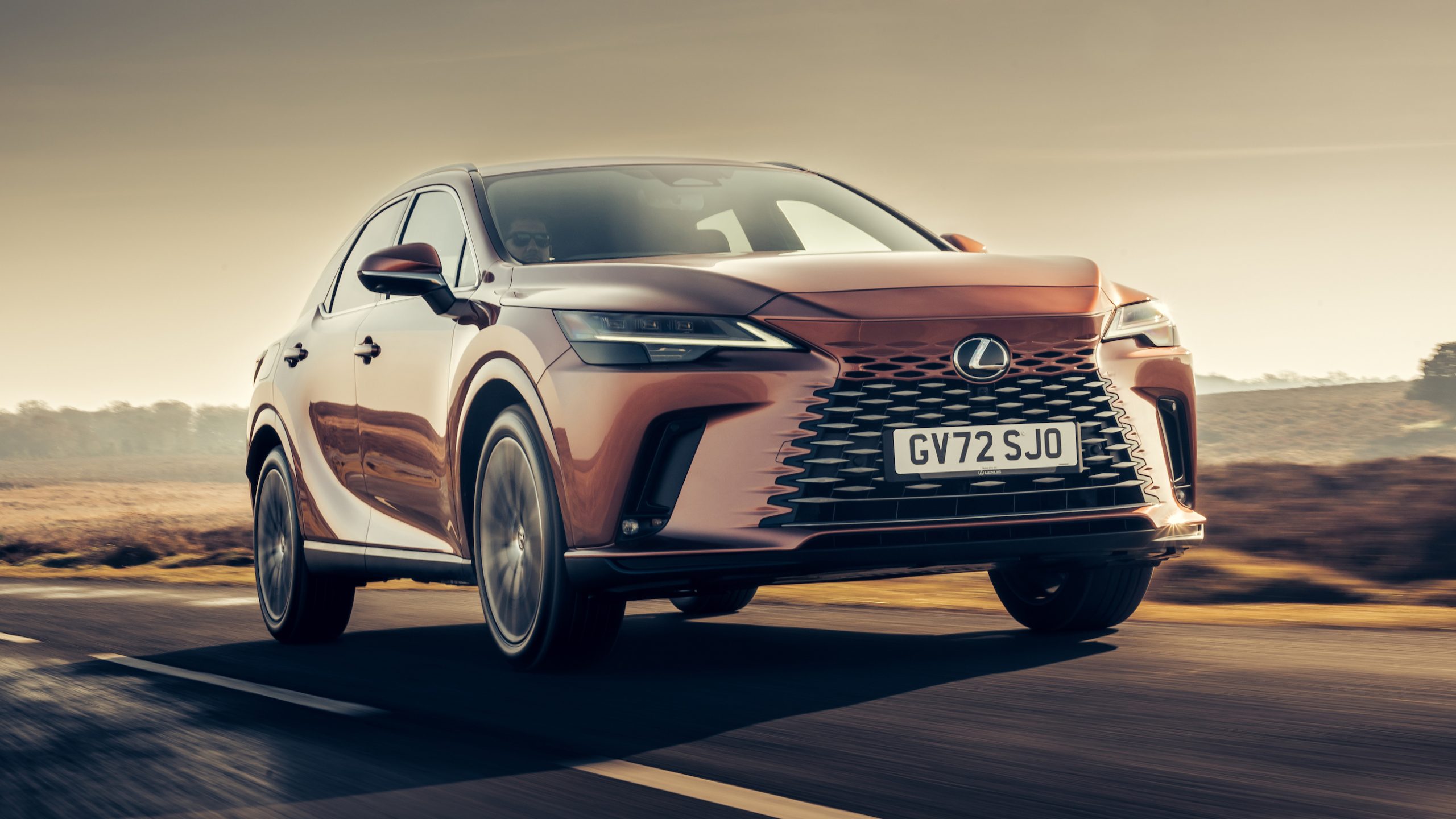
5. Lexus RX
Luxury SUVs are frequent theft targets, and the Lexus RX has become one of the most vulnerable models in several international markets. Criminal organizations often target these vehicles because of their high resale value and strong overseas demand. Many thefts involve advanced electronic attacks rather than traditional break-ins.
Lexus RX models have reportedly been stolen through CAN bus manipulation techniques similar to those affecting Toyota vehicles. Since Lexus shares technology with Toyota, some vulnerabilities overlap between the brands. Criminals can reportedly access wiring through external body panels and send unauthorized electronic commands.
Owners are often surprised by how silently and quickly these thefts occur. Security footage from various incidents shows thieves approaching calmly, accessing the electronic systems, and driving away within moments. In many cases, no broken windows or obvious damage remain behind, making the theft appear highly professional.
Lexus has introduced updated software and stronger encryption for newer models. The company has also advised owners to use tracking systems and secure parking areas. Some dealerships offer additional anti-theft solutions, including immobilizer upgrades and tracking devices designed specifically for high-risk vehicles.
Even with improved protections, the Lexus RX remains attractive to organized theft groups due to its luxury status and export value. Experts recommend combining factory security systems with visible deterrents and electronic tracking technology.
The rise in thefts has also increased awareness about how vulnerable luxury vehicles can be to modern cyber-related crime techniques.
Also Read: 10 Honda Cars Cheaper In Japan Than in the USA
- Engine: 2.7L V6 / 5.0L V8 / 3.5L EcoBoost V6 (varies widely)
- Horsepower: 325 hp to 450+ hp
- Torque: 542 Nm to 691 Nm
- Length: 5880 mm
- Width: 2029 mm
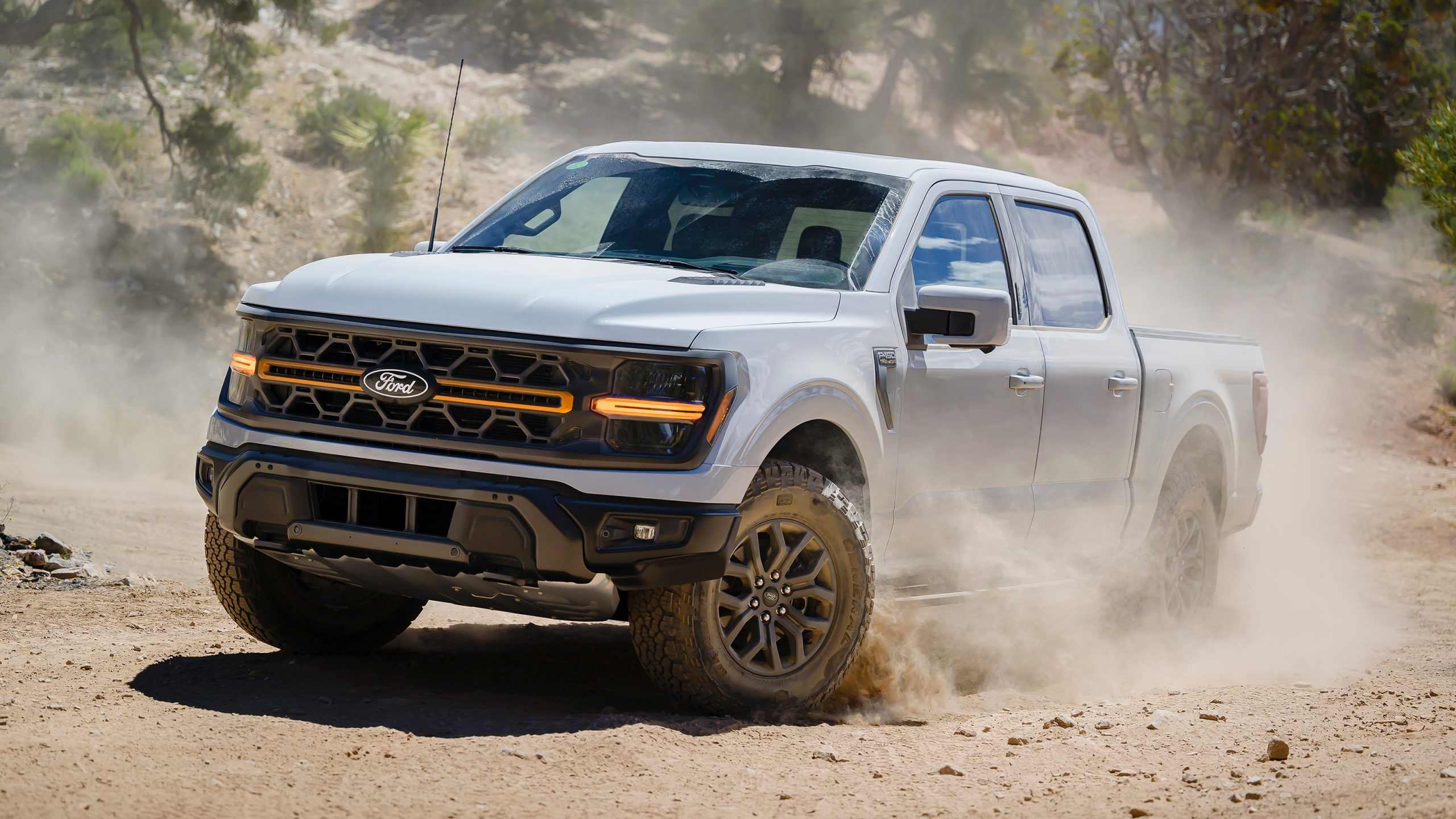
6. Ford F-150
The Ford F-150 is one of the best-selling vehicles in the world, making it a natural target for thieves. Pickup trucks are especially valuable because their parts are in constant demand, and many can be resold quickly. Criminals often target older F-150 models using key cloning and relay attack techniques.
Ford F-150 thefts are common in both urban and rural areas. Some criminals use relay devices to capture signals from key fobs inside nearby homes. Others exploit vulnerabilities in onboard diagnostic ports to program new keys rapidly. Since many owners use their trucks for work, theft can create major financial hardship.
Ford has improved anti-theft technology in newer models with stronger encryption and enhanced key authentication systems. The company also expanded connected tracking services that help owners locate stolen vehicles. However, older trucks remain vulnerable if owners rely solely on factory protections.
One reason the F-150 remains highly targeted is its immense popularity. Criminals know there is a huge market for replacement parts, engines, wheels, and accessories. Stolen trucks are often dismantled quickly, making recovery difficult even when tracking systems are available.
Owners can reduce risk by storing keys in signal-blocking pouches, using steering wheel locks, and parking in secure locations. Some truck owners also install aftermarket kill switches that prevent the engine from starting without additional authentication. The F-150 demonstrates how popularity itself can increase theft risk, regardless of brand reputation.
- Engine: 2.0L NA petrol / 1.5L turbo petrol (common trims)
- Horsepower: 158 hp to 180 hp
- Torque: 187 Nm to 240 Nm
- Length: 4650 mm
- Width: 1800 mm
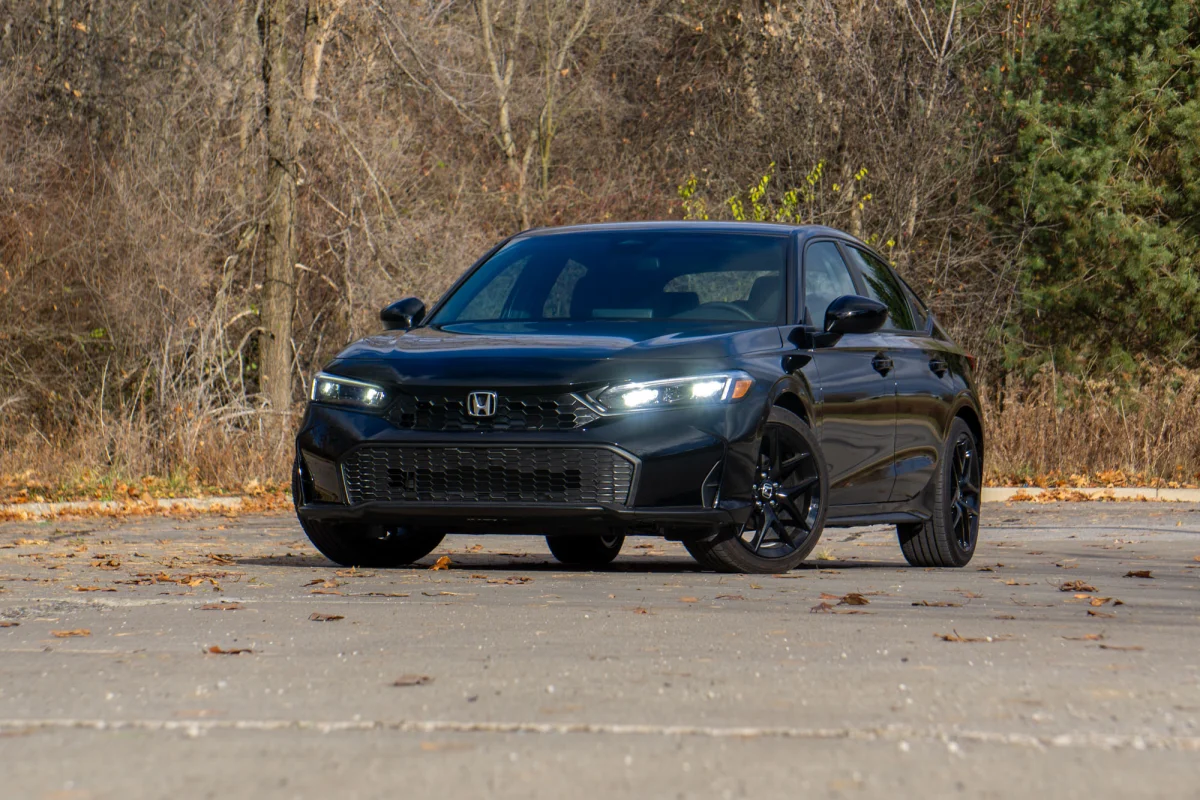
7. Honda Civic
The Honda Civic has been one of the most stolen cars for decades. Earlier generations were often targeted because of their simplicity and interchangeable parts, while newer models face electronic theft threats similar to those of other modern vehicles. Criminals continue targeting Civics because they are common, reliable, and easy to sell or dismantle.
Honda Civic thieves frequently exploit relay attacks or key programming vulnerabilities in newer models. Older Civics were vulnerable to physical theft techniques involving lock manipulation and ignition tampering. Even though Honda improved security over the years, the Civic remains attractive due to the massive global demand for parts and accessories.
Another factor contributing to Civic theft rates is the vehicle’s popularity among younger drivers and tuning enthusiasts. Performance modifications, aftermarket components, and engine swaps create strong demand for used parts. Criminal organizations can profit significantly by dismantling stolen Civics and selling individual components.
Honda has introduced stronger immobilizers, encrypted keys, and enhanced alarm systems in recent generations. Newer Civics are much harder to steal than models from the 1990s and early 2000s. However, advanced electronic theft methods still pose risks for some keyless entry models.
Civic owners should remain cautious despite improved factory security. Experts recommend combining visible deterrents with electronic tracking systems. Simple precautions such as locking garages, keeping keys away from doors, and using steering wheel locks can significantly reduce the chances of theft.
- Engine: 3.0L inline 6 mild hybrid / 4.4L V8 (high trims)
- Horsepower: 355 hp to 523 hp+
- Torque: 500 Nm to 750+ Nm
- Length: 4946 mm
- Width: 2047 mm
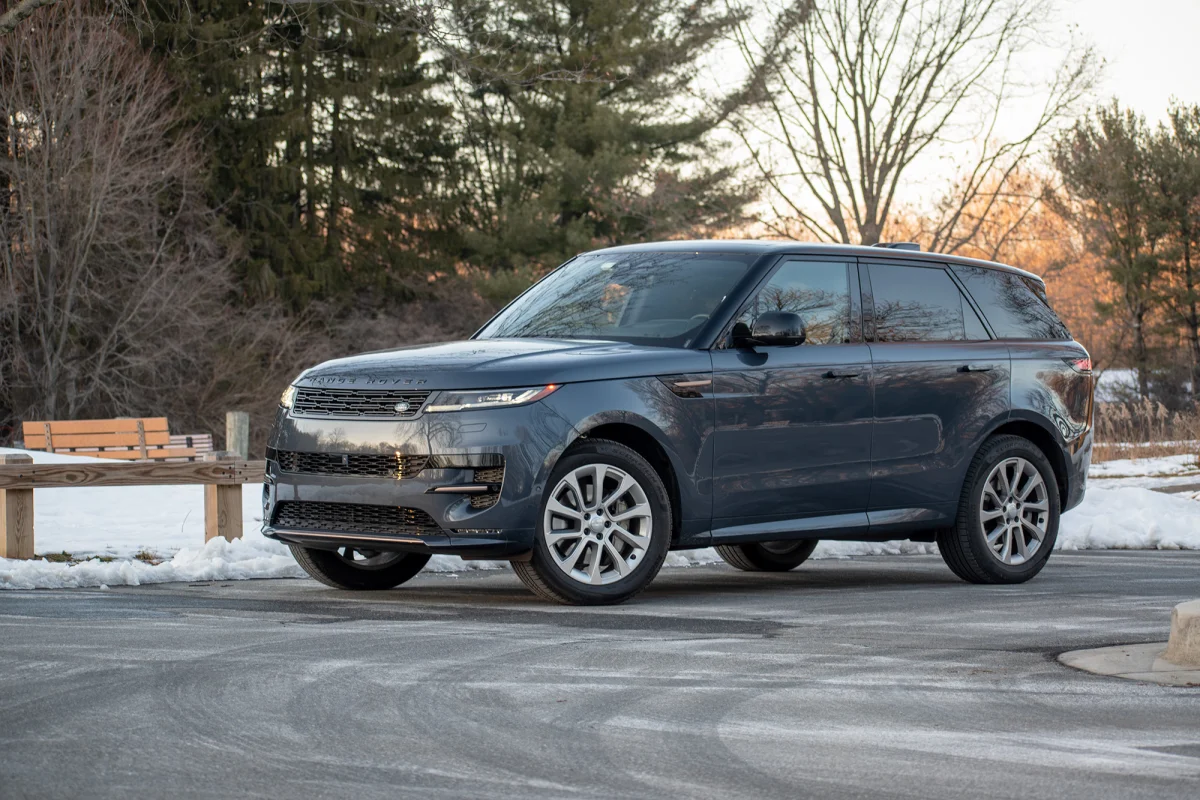
8. Range Rover Sport
Luxury SUVs are highly desirable targets, and the Range Rover Sport has developed a reputation for being vulnerable to sophisticated theft methods. Criminals often use relay attacks or key programming devices to gain access quickly. The combination of luxury status, high resale value, and strong overseas demand makes the vehicle particularly attractive to organized crime groups.
Range Rover Sport thefts frequently occur in affluent neighborhoods where thieves assume owners keep key fobs near entrances. Relay devices capture and extend the signal from the key, allowing criminals to unlock and start the vehicle almost instantly. In some cases, owners only discover the theft hours later.
Land Rover has responded by introducing ultra-wideband technology and motion-sensing key fobs that stop transmitting signals when stationary. These improvements significantly reduce relay attack risks. Newer models include stronger encryption and additional authentication systems intended to frustrate thieves.
Despite these improvements, older Range Rover Sport vehicles remain vulnerable if owners do not take extra precautions. Criminals specifically target vehicles without updated security features. Some insurance providers now require additional anti-theft devices for high-risk luxury SUVs.
Experts recommend Faraday pouches, steering wheel locks, and secure parking for all Range Rover owners. While Land Rover has improved security, organized crime groups continue adapting their methods. The ongoing battle between manufacturers and thieves illustrates how vehicle security constantly evolves alongside technology.
- Engine: 2.7L turbo / 5.3L V8 / 6.2L V8 (varies by trim)
- Horsepower: 310 hp to 420 hp
- Torque: 473 Nm to 624 Nm
- Length: 6120 mm
- Width: 2060 mm
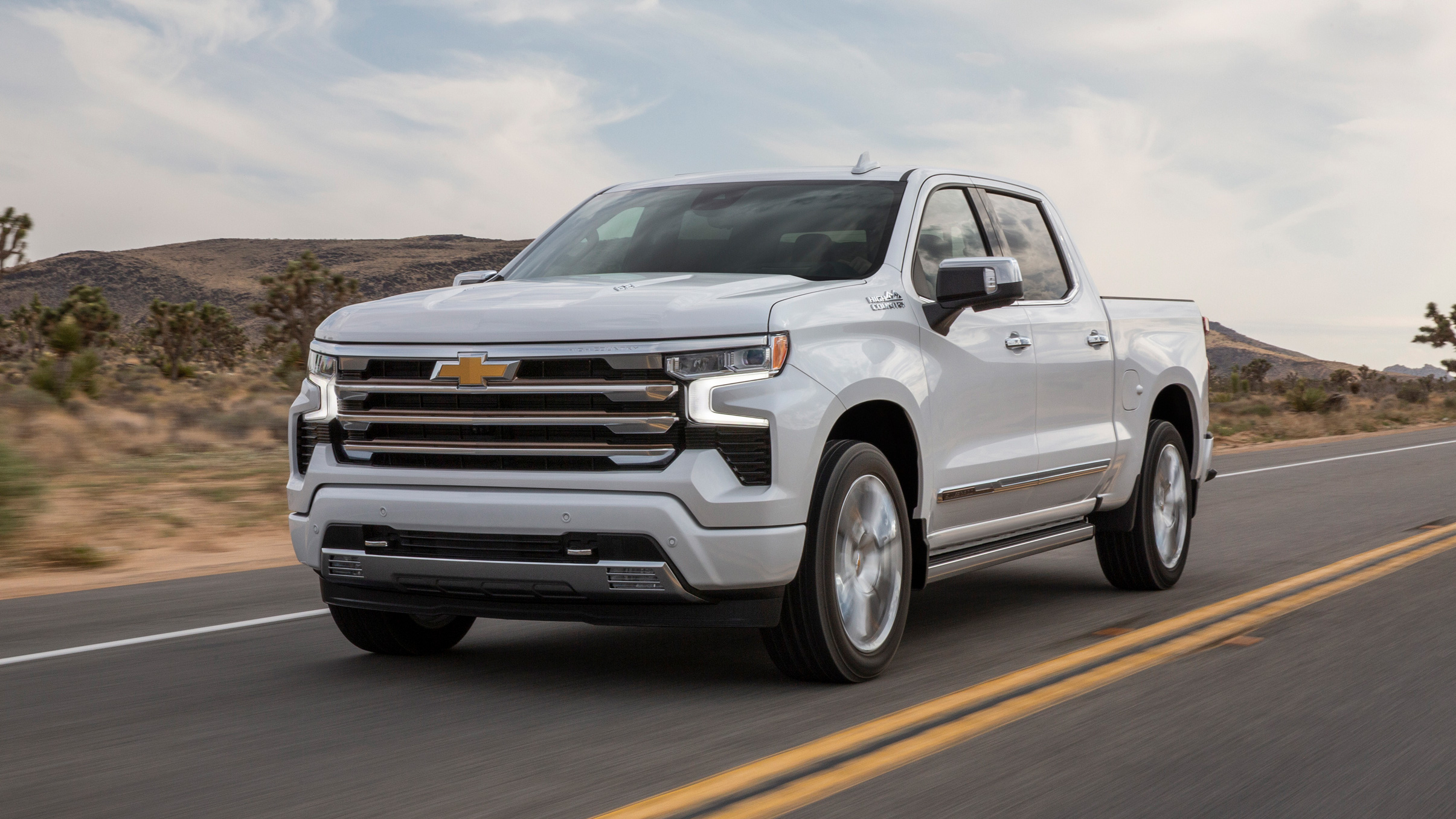
9. Chevrolet Silverado
The Chevrolet Silverado is another highly targeted pickup truck due to its popularity and high parts demand. Thieves often use electronic key programming tools or relay attacks to steal these trucks rapidly. Some theft groups specialize in pickup trucks because they can transport stolen goods or be dismantled profitably.
Chevrolet Silverado owners frequently underestimate the sophistication of modern thieves. Many criminals carry portable devices capable of reprogramming keys through diagnostic ports. In some cases, the entire theft process takes less than thirty seconds once access to the cabin is achieved.
General Motors has upgraded security systems in newer Silverado models with improved encryption and anti-theft monitoring. Connected vehicle services also help track stolen trucks more effectively than older systems. However, vulnerabilities still exist in some model years, especially when owners leave key fobs too close to entry points.
The Silverado’s immense popularity contributes heavily to theft rates. Replacement engines, transmissions, wheels, and towing components are valuable on secondary markets. Organized theft groups often dismantle stolen trucks within hours, making recovery increasingly difficult.
Truck owners are encouraged to layer multiple security measures rather than relying solely on factory systems. Visible deterrents can convince thieves to target easier vehicles instead. As theft technology evolves, owners must adapt their protection strategies accordingly.
- Engine: 2.5L inline 4 cylinder / 2.0L VC-Turbo (select trims)
- Horsepower: 188 hp to 248 hp
- Torque: 244 Nm to 370 Nm
- Length: 4900 mm
- Width: 1850 mm
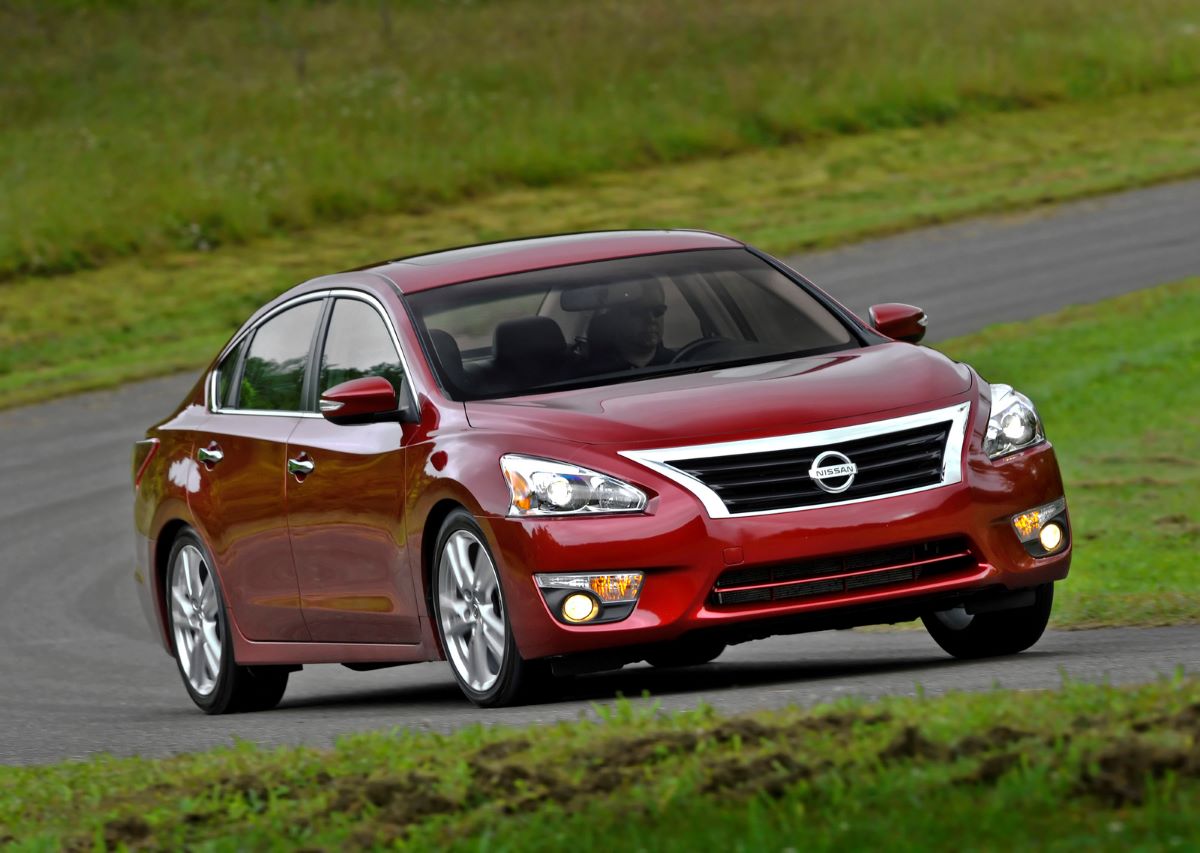
10. Nissan Altima
The Nissan Altima is one of the most common midsize sedans on the road, and its popularity makes it attractive to thieves. While newer Altima models include stronger security systems than older generations, electronic theft methods still pose risks in some cases. Criminals often target common vehicles because they blend in easily after theft.
Nissan Altima theft methods vary depending on the model year. Older versions were vulnerable to traditional lock and ignition manipulation, while newer models can face relay attacks and electronic key vulnerabilities. Since the Altima is widely used for commuting and rental fleets, stolen vehicles can disappear into traffic without drawing attention.
Nissan has gradually improved anti-theft systems through immobilizers, encrypted keys, and enhanced alarm technology. Newer Altima models are generally more secure than previous generations. However, experts warn that no keyless entry system is completely immune to advanced relay attacks.
Owners often add aftermarket tracking systems and steering wheel locks for extra protection. Some also choose Faraday pouches to block key fob signals when not in use. These precautions can dramatically reduce theft risk even if criminals attempt electronic attacks.
The Altima demonstrates that mainstream family sedans are not immune to modern theft trends. Criminals increasingly target common vehicles because replacement parts remain in constant demand. As automotive technology advances, manufacturers and consumers alike must remain vigilant about emerging security threats.
