
The global automotive industry is undergoing one of the most dramatic transformations in its history, driven by increasingly strict emissions regulations aimed at reducing air pollution, carbon output, and environmental damage caused by internal combustion engines.
By 2027, new emissions frameworks in major markets such as the European Union and the United States will significantly reshape what kinds of vehicles can be sold, how they are engineered, and even whether certain engine types remain financially viable for manufacturers.
These regulations are part of broader climate strategies that include the European Union’s Euro 7 standards and the United States Environmental Protection Agency’s multi-pollutant vehicle rules that begin phasing in for model year 2027 vehicles.
Unlike previous regulatory updates that mainly targeted tailpipe emissions such as nitrogen oxides and carbon monoxide, the upcoming rules go further by addressing real-world driving emissions, brake and tire particle pollution, and long-term durability of emission control systems.
This means automakers must ensure compliance not only in laboratory conditions but across a vehicle’s entire lifespan, often exceeding 10 years or more. These requirements place a significant burden on traditional internal combustion engine platforms, particularly those with high-performance tuning, larger displacement engines, or older emissions technology architectures.
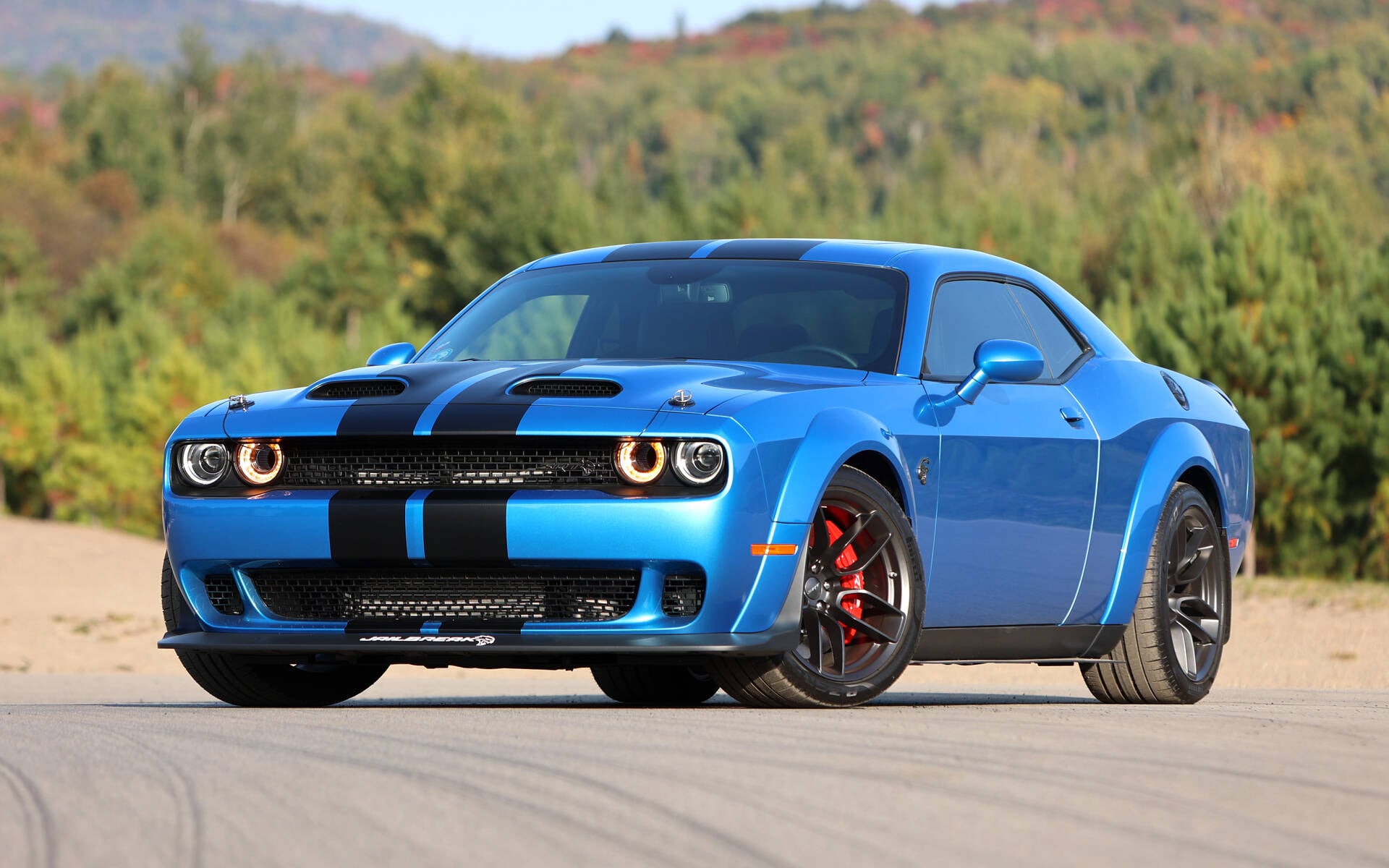
As a result, many vehicles currently on the market or in late-stage development may struggle to survive in their current form. Some will be forced into expensive redesigns, others may transition into hybrid or fully electric variants, and a few may be discontinued entirely.
The impact will not only affect niche performance cars but also mainstream models that rely on older engine families or cost-sensitive manufacturing strategies. Automakers are already prioritizing electrification, as compliance costs for updated combustion engines rise sharply while electric vehicle platforms become more scalable and future-proof.
In this article, we explore 8 cars and vehicle types that are most at risk of disappearing or undergoing major transformations by the time the 2027 emissions rules fully take effect. Each example represents broader industry trends, showing how regulation is reshaping performance, affordability, and the very definition of what a modern car can be.
Also read: 10 Cars Where the Cheaper Option Was Always the Smarter One
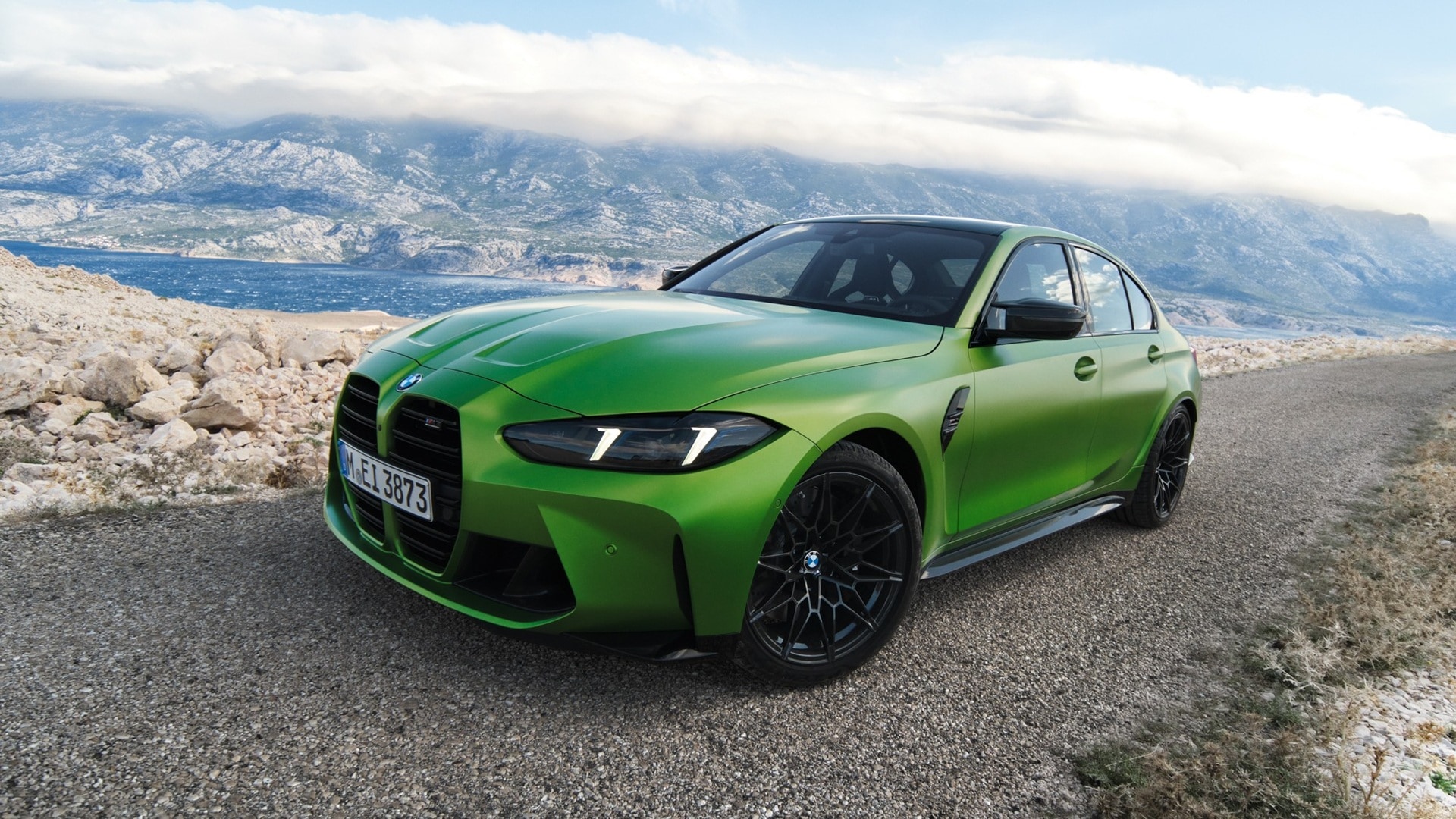
- Engine: 3.0L Twin-Turbo Inline-6 (S58)
- Horsepower: 473 hp (Base) / 503 hp (Competition)
- Torque: 550 Nm (Base) / 650 Nm (Competition)
- Length: ~4,794 mm
- Width: ~1,903 mm (without mirrors)
1. BMW M3
The BMW M3 has earned its reputation as one of the most balanced and technically refined performance sedans ever produced, largely due to its signature inline-six engine layout, which delivers smooth power delivery, high rev capability, and exceptional tuning potential.
However, under the upcoming 2027 emissions regulations, this kind of high-performance combustion engine faces mounting pressure from multiple regulatory directions at once. The new standards, particularly those aligned with stricter real-world driving emissions testing, are designed to eliminate discrepancies between laboratory certification results and actual on-road performance, meaning that engines like the M3’s must maintain ultra-low emissions even during aggressive driving, rapid acceleration, and high-load track-like conditions.
This is extremely difficult for performance engines that rely on turbocharging and high fuel enrichment strategies to deliver peak horsepower.
Another major challenge for the BMW M3 is the increasing demand for emissions system durability. It is no longer enough for a vehicle to pass emissions tests when new; it must maintain compliance for potentially over a decade of real-world use.
This requirement puts strain on components such as catalytic converters, particulate filters, and exhaust gas recirculation systems, all of which must operate efficiently even under extreme thermal conditions generated by performance driving. High-performance engines naturally produce more heat and pressure, which accelerates wear on these systems and increases the likelihood of emissions degradation over time.
To compensate, manufacturers must invest in more robust materials and advanced thermal management systems, which significantly increase production costs.
At the same time, the BMW M division faces a strategic dilemma. Maintaining the traditional character of the M3, which enthusiasts associate with sharp throttle response, high-revving performance, and mechanical engagement, becomes increasingly difficult when hybrid systems or restrictive engine tuning are introduced to meet emissions targets.
While BMW has already begun integrating mild hybrid systems into some performance models, full compliance with 2027 standards may require deeper electrification that alters the car’s weight distribution and driving dynamics. This creates tension between regulatory compliance and brand identity, making the future of a purely combustion-based M3 highly uncertain.
Even though the M3 is unlikely to disappear completely, its future iterations will almost certainly be transformed. It may evolve into a plug-in hybrid performance sedan or transition toward an electrified platform that preserves acceleration but sacrifices some of the analog driving feel that defines its legacy.
As emissions regulations continue to tighten globally, the traditional inline-six-powered M3 may become a symbol of a fading era in automotive engineering.
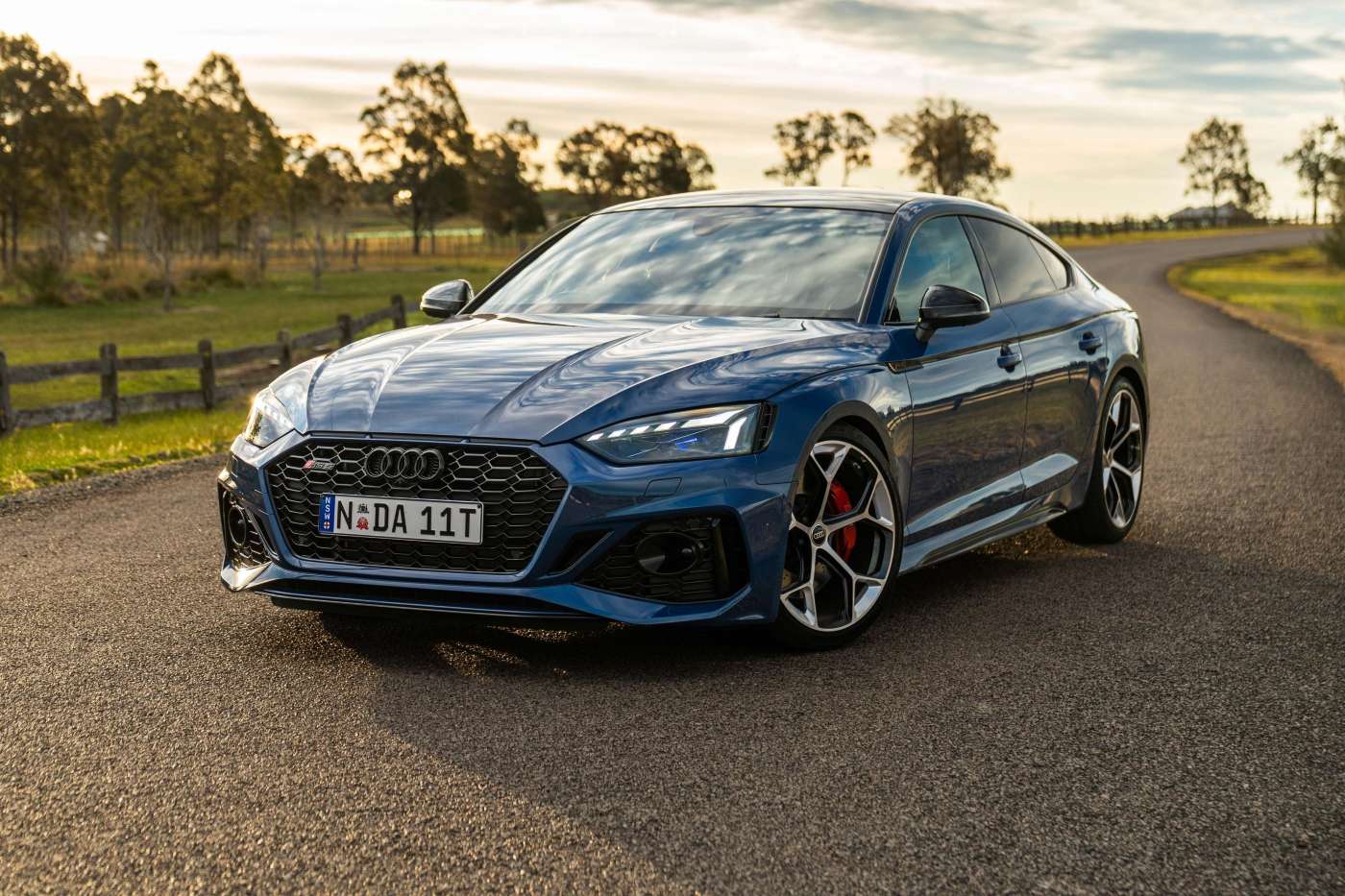
- Engine: 2.9L Twin-Turbo V6
- Horsepower: 444 hp
- Torque: 600 Nm
- Length: ~4,723 mm
- Width: ~1,866 mm (without mirrors)
2. Audi RS 5
The Audi RS 5 occupies a unique position in the performance coupe segment, blending luxury, all-wheel-drive stability, and a turbocharged V6 engine that delivers strong acceleration and everyday usability.
However, under the 2027 emissions framework, turbocharged direct injection engines like the RS 5’s face significant challenges due to their tendency to produce higher particulate emissions and complex combustion byproducts under high load conditions. These emissions are especially problematic during rapid acceleration, cold starts, and stop-and-go driving, all of which are now more heavily scrutinized under real-world emissions testing procedures.
One of the core engineering issues for the RS 5 is controlling fine particulate output without sacrificing performance. Modern gasoline direct injection engines tend to produce more soot compared to older port injection systems, and while gasoline particulate filters help mitigate this, they add backpressure and can slightly reduce engine responsiveness.
As regulations tighten, these filtration systems must become more efficient while maintaining minimal impact on performance, which requires advanced calibration and expensive materials. This adds both complexity and cost to an already premium performance vehicle.
Audi also faces increasing pressure to justify continued investment in low-volume performance combustion models like the RS 5. As the automotive industry shifts toward electrification, manufacturers must allocate engineering resources carefully, often prioritizing electric vehicle platforms that offer greater long-term compliance stability.
This means that internal combustion performance models may receive fewer updates or be phased out entirely in favor of electric RS variants that can deliver instant torque and zero tailpipe emissions. From a business perspective, maintaining the RS 5’s current engine architecture may no longer be economically sustainable once the 2027 regulations are fully enforced.
The RS 5 is likely to undergo either a full electrification process or a significant redesign that fundamentally changes its character. While performance may remain strong in a future electric form, the traditional V6 engine experience that defines the RS 5 may not survive in its current configuration.
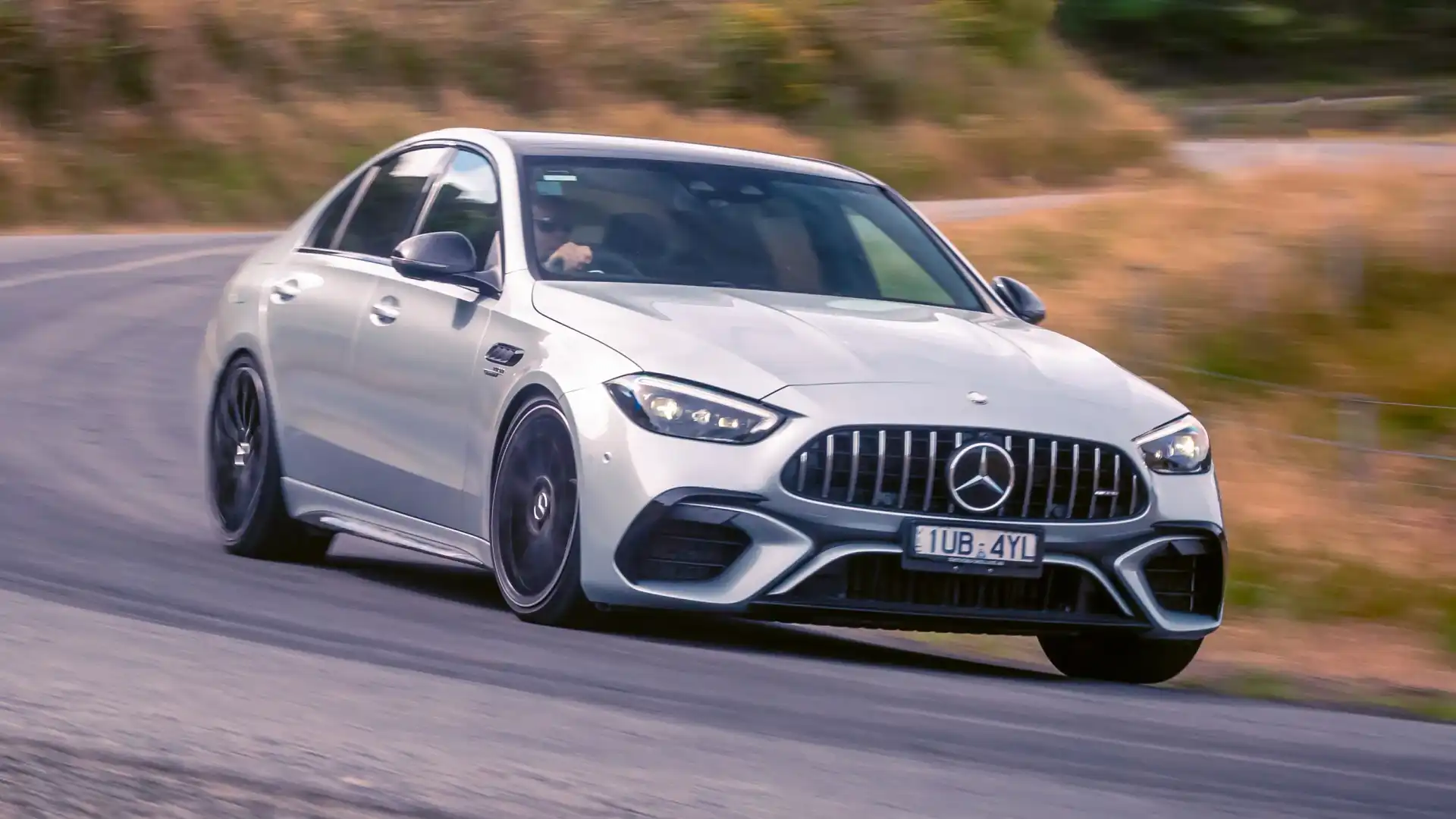
- Engine: 2.0L Turbo Inline-4 + Plug-in Hybrid system
- Horsepower: 671 hp (combined system output)
- Torque: 1,020 Nm (combined system output)
- Length: ~4,791 mm
- Width: ~1,900 mm (without mirrors)
3. Mercedes AMG C 63
The Mercedes AMG C 63 is one of the most significant examples of how emissions regulations are reshaping high-performance vehicles in real time.
Historically powered by a handcrafted V8 engine that symbolized raw power and emotional driving character, the C 63 has already transitioned toward a smaller turbocharged four-cylinder hybrid system in response to earlier emissions pressures. However, the 2027 regulations intensify these challenges further by placing stricter limits on both carbon dioxide output and real-world pollutant consistency across varied driving conditions.
One of the key engineering difficulties for AMG is maintaining performance identity while reducing engine displacement. Smaller engines can be more efficient under light loads, but when combined with hybrid systems to replicate V8-level performance, they introduce significant weight increases due to battery packs and electric motors.
This added weight can negatively affect handling dynamics, braking performance, and driving feel, which are critical attributes for AMG vehicles. Engineers must carefully balance these trade-offs to ensure that emissions compliance does not completely dilute the performance DNA of the brand.
Another important factor is customer perception. AMG V8 engines have long been associated with emotional sound, vibration, and power delivery, all of which are difficult to replicate in hybrid or fully electric systems.
As emissions regulations force manufacturers toward electrification, there is a risk that the core identity of AMG vehicles will shift away from mechanical aggression toward electronically managed performance. While this may satisfy regulatory requirements, it changes the fundamental experience that traditional AMG buyers expect.
Looking forward, it is highly likely that the AMG C 63 will continue evolving toward electrified systems, potentially becoming a high-performance plug-in hybrid or fully electric model in future generations. The classic V8 era, however, is effectively entering its final chapter as emissions standards make it increasingly impractical to sustain.
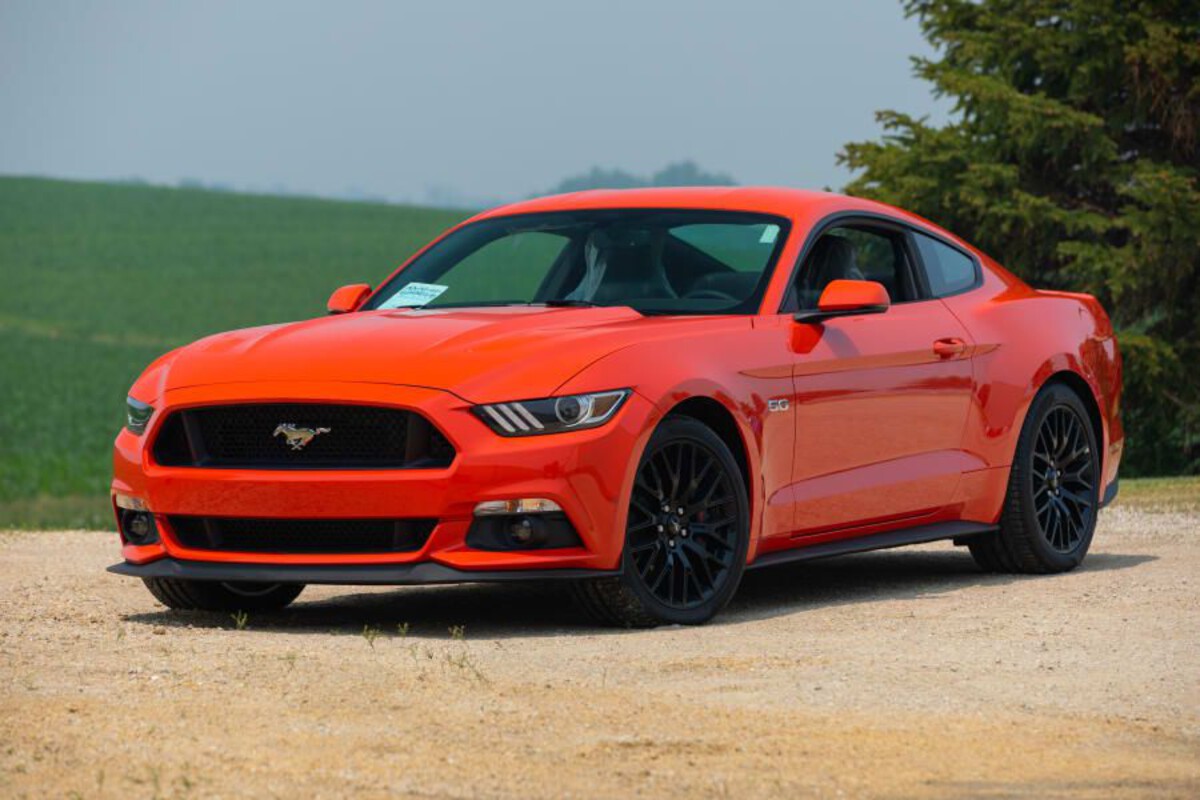
- Engine: 5.0L Naturally Aspirated V8 (Coyote)
- Horsepower: 480 hp (standard) / 486 hp (performance pack)
- Torque: 563 Nm
- Length: ~4,810 mm
- Width: ~1,915 mm (without mirrors)
4. Ford Mustang GT
The Ford Mustang GT represents one of the last remaining mainstream vehicles powered by a naturally aspirated V8 engine, making it a cultural icon in the muscle car segment. However, naturally aspirated engines face unique disadvantages under modern emissions regulations, particularly because they lack the efficiency advantages of turbocharging and hybrid assistance systems.
These engines tend to consume more fuel for the same level of performance, which directly translates into higher carbon dioxide emissions, a key regulatory target under the upcoming 2027 standards.
A major challenge for the Mustang GT is emissions performance during cold starts and urban driving conditions. Modern emissions testing places significant emphasis on real-world usage patterns, where engines are less efficient and catalytic converters take time to reach optimal operating temperature.
During these periods, V8 engines tend to produce disproportionately high emissions compared to smaller, turbocharged, or hybrid alternatives. This makes compliance increasingly difficult without introducing additional technologies such as hybridization or cylinder deactivation systems.
Ford has already begun exploring partial electrification strategies in its broader lineup, but integrating such systems into the Mustang GT presents engineering and branding challenges. Adding hybrid components increases weight, which can reduce the agility and raw driving feel that muscle car enthusiasts value.
At the same time, failing to adopt electrification risks non-compliance in key global markets, limiting the Mustang’s availability and profitability outside regions with more lenient regulations.
As 2027 emissions rules take effect, the Mustang GT may face restricted availability, higher production costs, or significant redesigns that alter its traditional V8 character. While the Mustang nameplate is expected to survive, its naturally aspirated V8 configuration may not remain viable in its current form for much longer.
Also read: 12 Cars With Bulletproof Drivetrains You Can Buy for Peanuts
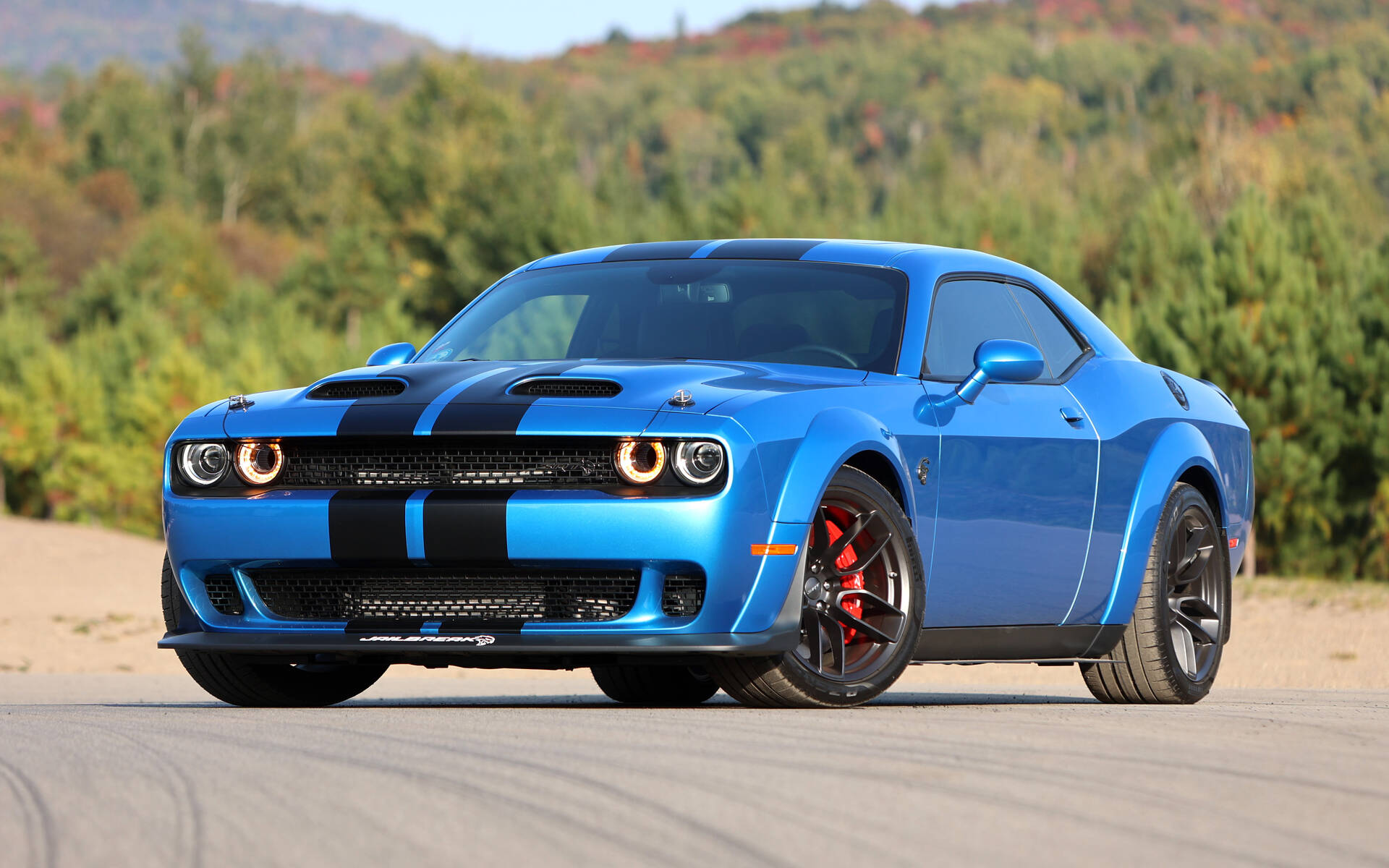
- Engine: 6.2L Supercharged V8 (Hemi)
- Horsepower: 717 hp (standard Hellcat) / up to 797 hp (Redeye variants)
- Torque: 881 Nm (standard) / up to 959 Nm (Redeye)
- Length: ~5,022 mm
- Width: ~1,923 mm
5. Dodge Challenger Hellcat
The Dodge Challenger Hellcat is widely recognized as one of the most extreme expressions of internal combustion performance, featuring a supercharged V8 engine capable of producing enormous horsepower figures. However, this level of performance comes at the cost of extremely high fuel consumption and correspondingly high emissions output, making it one of the most vulnerable vehicle types under tightening environmental regulations.
The primary issue with the Hellcat platform is its inherent inefficiency. Supercharged engines require significant fuel input to generate boost pressure, which leads to high carbon dioxide emissions under both city and highway driving conditions.
Additionally, during full throttle operation, combustion temperatures and pressures increase dramatically, resulting in elevated nitrogen oxide emissions and particulate matter output. These factors make it extremely difficult for such engines to comply with increasingly strict real-world emissions standards.
Another challenge is regulatory consistency across global markets. While some regions may still tolerate high-performance combustion vehicles, major automotive markets are moving toward unified emissions frameworks that limit the viability of such engines.
This creates a scenario where vehicles like the Hellcat become economically unfeasible to produce in volume, as they can only be sold in limited regions or special compliance categories.
Dodge has already begun transitioning toward electrified performance concepts, signaling that the future of high-performance vehicles will likely rely on electric torque delivery rather than large displacement combustion engines.
As a result, the Hellcat, in its traditional form, is likely approaching the end of its lifecycle, potentially surviving only as a limited-production collector model rather than a mainstream performance offering.
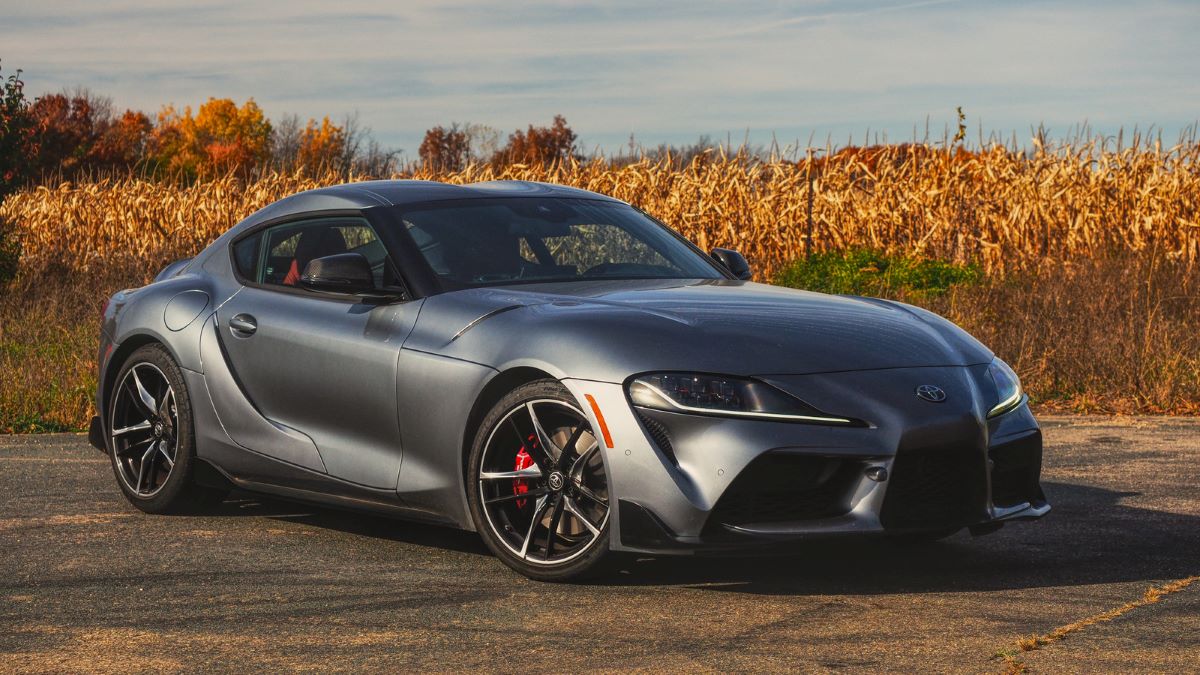
- Engine: 3.0L Turbocharged Inline-6 (BMW B58)
- Horsepower: 382 hp
- Torque: 500 Nm
- Length: ~4,379 mm
- Width: ~1,854 mm
6. Toyota Supra 3.0
The modern Toyota Supra 3.0 has become one of the most discussed sports cars of the past decade, not only because of its performance credentials but also because of its unique engineering partnership with BMW, which supplies its turbocharged inline-six engine.
This engine is widely praised for its strong torque delivery, smooth power curve, and tuning potential, but under the upcoming 2027 emissions regulations, it faces increasing scrutiny due to the inherent challenges of turbocharged performance engines operating under real-world emissions conditions.
These regulations focus heavily on ensuring that vehicles maintain compliance not only in laboratory certification cycles but also during dynamic driving situations such as hard acceleration, rapid deceleration, and extended high-speed cruising, all of which can significantly increase emissions output.
One of the main concerns for the Supra 3.0 is the complexity of maintaining emissions compliance while preserving its performance identity. Turbocharged engines often rely on richer fuel mixtures during high load conditions to prevent engine knock and manage heat, but this directly increases emissions output.
Under stricter regulatory frameworks, manufacturers are required to minimize these fluctuations while still delivering consistent performance, which forces engineers to adopt more restrictive tuning strategies or introduce hybrid systems. Either option can alter the driving characteristics that make the Supra appealing to enthusiasts, particularly its sharp throttle response and linear power delivery.
Another important factor is platform dependency. Since the Supra shares its engine architecture with BMW performance models, any regulatory impact on BMW’s inline-six lineup directly affects the Supra as well. If BMW is forced to hybridize or redesign its performance engines to meet emissions requirements, the Supra will likely follow the same path.
This dependency reduces Toyota’s flexibility in independently adapting the Supra to future regulations without major engineering collaboration, increasing the likelihood of a shared transition toward electrified performance systems.
In the long term, the Supra nameplate is likely to survive, but the current 3.0-liter internal combustion configuration may not. Future versions could shift toward hybrid-assisted performance or even fully electric platforms, fundamentally changing the character of the car while attempting to preserve its performance identity in a new regulatory environment.
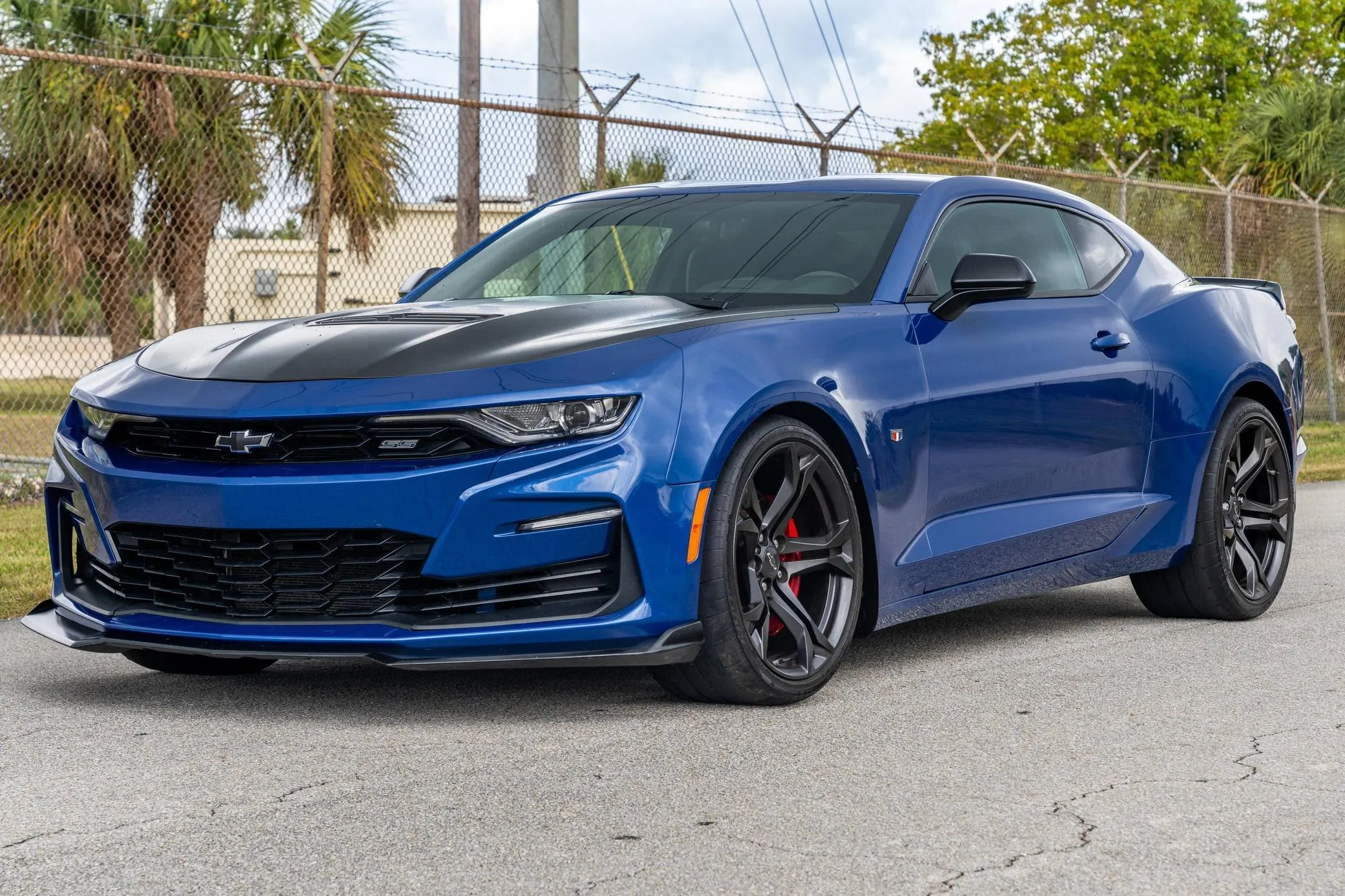
- Engine: 6.2L Naturally Aspirated V8 (LT1)
- Horsepower: 455 hp
- Torque: 617 Nm
- Length: ~4,783 mm
- Width: ~1,897 mm
7. Chevrolet Camaro SS
The Chevrolet Camaro SS represents one of the most recognizable American muscle cars, powered by a naturally aspirated V8 engine that delivers strong acceleration, a distinctive exhaust note, and a traditional rear-wheel-drive performance experience.
However, under increasingly strict emissions regulations, especially those targeting real-world driving conditions and long-term durability of emissions systems, the Camaro SS faces significant challenges that threaten its long-term viability in its current form.
Large displacement V8 engines are inherently less efficient than smaller turbocharged or hybrid powertrains, particularly in urban driving scenarios where frequent acceleration and deceleration cycles increase fuel consumption and emissions output.
A major issue for the Camaro SS is its difficulty in balancing performance with regulatory compliance without sacrificing its core identity. Muscle cars are designed to deliver high power output and an emotional driving experience, but this typically comes at the cost of higher fuel usage and elevated carbon dioxide emissions.
Modern emissions standards place increasing emphasis on reducing fleet emissions, which forces manufacturers like General Motors to offset high-emission vehicles with more efficient or electric models. This creates internal pressure to either significantly redesign the Camaro or phase it out in favor of electrified alternatives.
Another challenge lies in evolving consumer expectations and regulatory alignment. As global markets move toward stricter environmental policies, vehicles that rely heavily on traditional combustion performance are becoming less practical to sell internationally.
This limits the Camaro SS’s market reach and reduces its economic viability as a mass-produced performance vehicle. Even in regions where such cars remain popular, regulatory costs associated with emissions compliance continue to rise, making it more expensive for manufacturers to justify continued production.
In the future, the Camaro nameplate is more likely to transition into an electrified performance platform rather than retain its traditional V8 configuration. While electric performance vehicles can replicate acceleration figures, they fundamentally change the driving experience by replacing mechanical engine feedback with instantaneous torque delivery.
As a result, the classic Camaro SS may gradually fade from production, marking the end of a long-standing muscle car era shaped by internal combustion engineering.
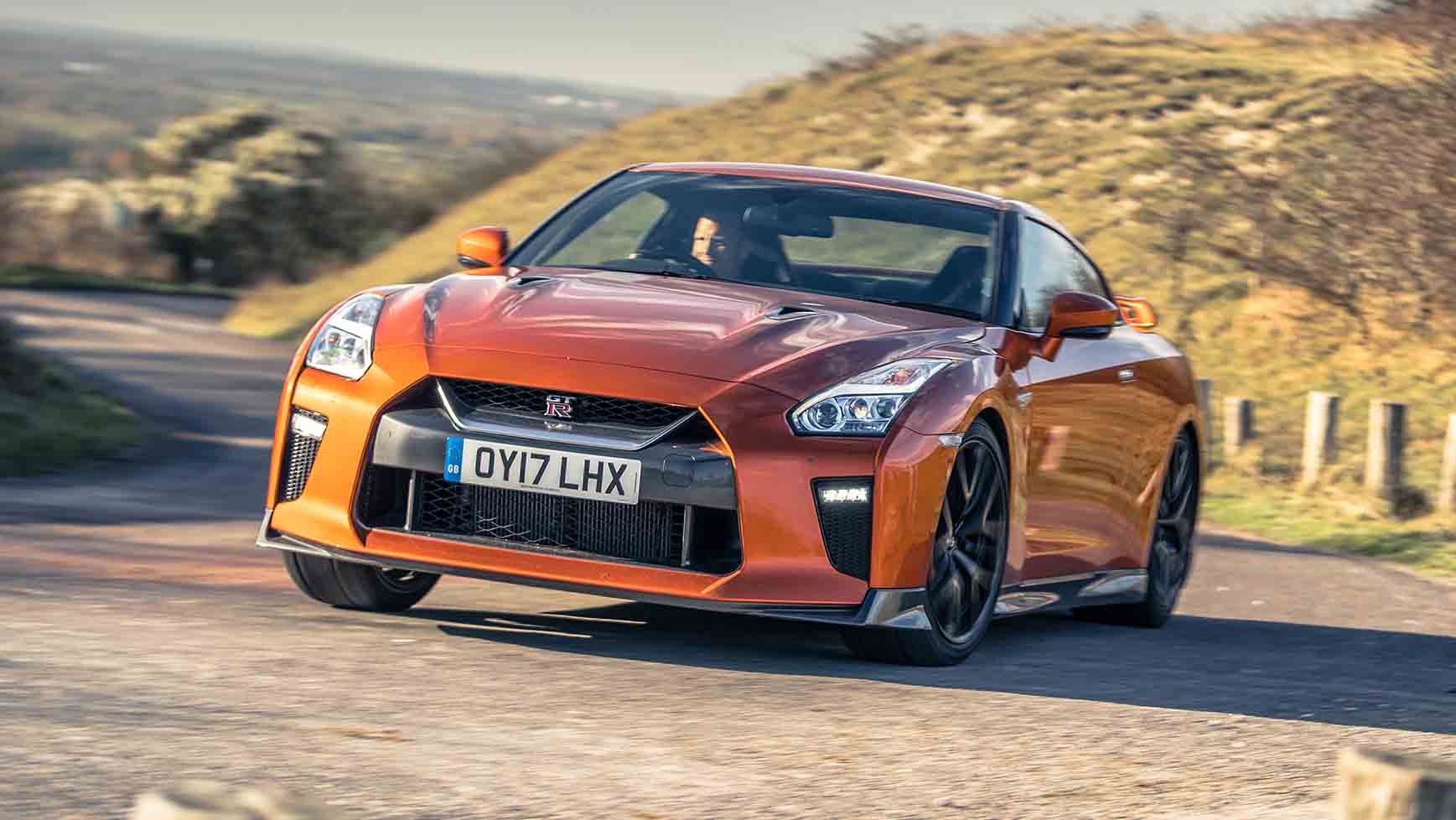
- Engine: 3.8L Twin-Turbo V6 (VR38DETT)
- Horsepower: 565 hp (base later models) / up to 600 hp (Nismo)
- Torque: 633 Nm (base) / 652 Nm (Nismo)
- Length: ~4,710 mm
- Width: ~1,895 mm
8. Nissan GT-R
The Nissan GT-R R35 is one of the most iconic modern performance cars, known for its advanced all-wheel-drive system, twin turbocharged V6 engine, and exceptional performance capabilities that have remained competitive for years despite the platform’s aging architecture.
However, the same longevity that makes the GT-R legendary also creates a significant challenge under the upcoming 2027 emissions regulations. The R35 platform was originally designed in an earlier regulatory era, meaning its fundamental engine and emissions control systems were not built with today’s stringent real-world emissions durability requirements in mind.
One of the primary issues facing the GT-R is the increasing difficulty of updating older engine architectures to meet modern emissions standards without a complete redesign. While incremental updates can improve efficiency and reduce emissions marginally, they often fall short of the comprehensive requirements imposed by newer regulations.
These rules demand consistent emissions performance across a wide range of operating conditions and over extended vehicle lifespans, which places significant strain on older turbocharged engine designs that were not originally optimized for such rigorous standards.
Another key challenge is technological obsolescence. As newer performance vehicles incorporate advanced hybrid systems, lightweight electrification, and highly optimized combustion strategies, older platforms like the GT-R become increasingly difficult to justify from both an engineering and economic standpoint.
Retrofitting such systems into the R35 architecture would require extensive reengineering, potentially affecting weight distribution, drivetrain balance, and the car’s signature performance characteristics. This makes full compliance an expensive and complex undertaking.
Additionally, Nissan faces strategic decisions about where to allocate development resources. As the automotive industry accelerates toward electrification, companies are prioritizing next-generation electric platforms rather than investing heavily in aging internal combustion systems.
This means that the G-R R35, despite its legendary status, is unlikely to receive the level of redevelopment required to fully comply with 2027 emissions regulations in its current form.
The GT-R is expected to be replaced by a next-generation platform that incorporates hybrid or fully electric performance technology. While the GT-R name may continue, the R35’s specific combustion-driven architecture is approaching the end of its lifecycle, making it one of the clearest examples of how emissions regulations are reshaping even the most iconic performance vehicles.
