
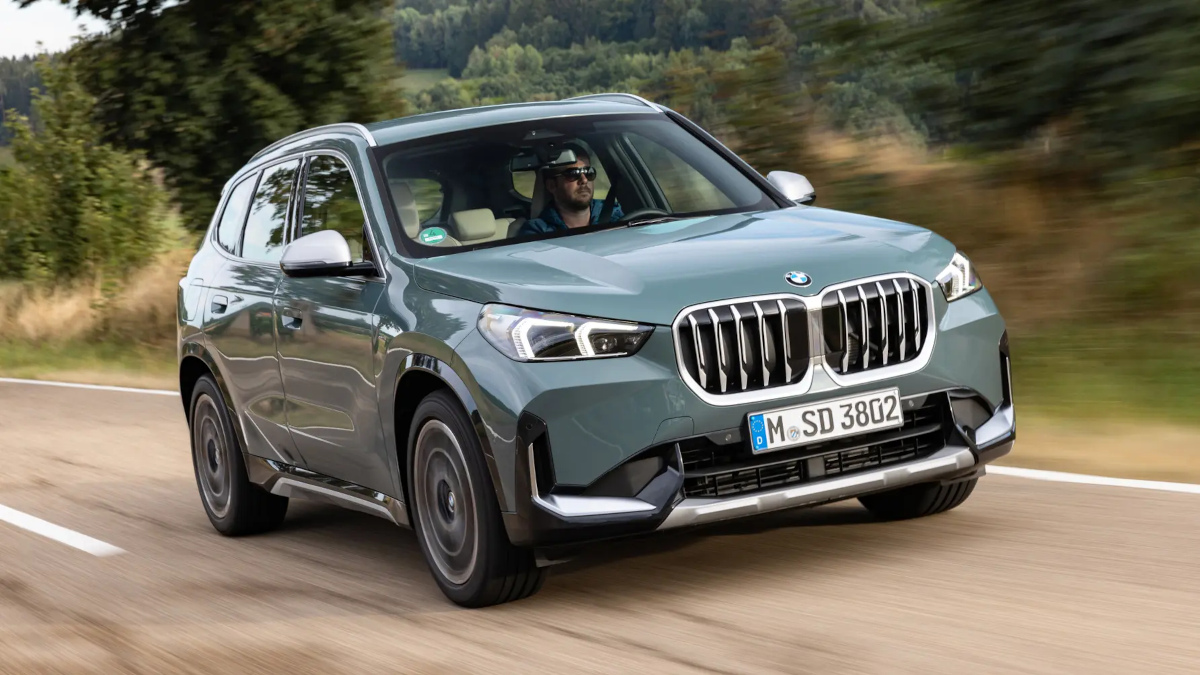
The automotive industry is one of the most competitive businesses in the world. Building vehicles requires enormous investments in research, manufacturing facilities, labor, supply chains, and technology.
Even famous brands with decades of history can find themselves on the edge of collapse when economic downturns, poor management decisions, changing consumer tastes, or financial crises strike. While many automakers have disappeared forever, a select group managed to survive situations that seemed impossible to overcome.
Financial disaster can take many forms. Some companies struggle with massive debt after years of losses. Others face bankruptcy due to declining sales, failed product strategies, or global economic crises.
In some cases, government intervention, new ownership, or bold leadership decisions become the only path to survival. What makes these stories remarkable is not merely that the companies stayed alive, but that they returned stronger than before.
Several automotive brands that once appeared destined for history books eventually became industry leaders again. They rebuilt customer trust, launched successful new products, modernized their operations, and found innovative ways to compete against rivals.
Their recoveries demonstrate how resilience, strategic planning, and product excellence can reverse even the most severe financial setbacks.
Some brands transformed their image completely, while others returned to their roots and focused on what originally made them successful.
A few relied on partnerships with larger corporations, while others introduced groundbreaking vehicles that revitalized public interest. Regardless of the method, each comeback story offers valuable lessons about adaptability and determination.
The following eight vehicle brands experienced periods of severe financial trouble that threatened their existence. Yet instead of disappearing, they fought back and achieved remarkable recoveries. Their journeys from crisis to success remain among the most impressive turnaround stories in automotive history.
Also Read: 10 Best Vans for Converting Into a Camper
1. Ford
Few automotive companies have faced a challenge as serious as the one Ford encountered during the late 2000s.
Before the global financial crisis struck, the company had already been dealing with declining market share, rising costs, and increasing competition from both domestic and foreign manufacturers. Losses mounted rapidly, and many analysts questioned whether the company could remain independent.
A critical turning point came under the leadership of Alan Mulally. Rather than waiting for conditions to improve, Ford launched an aggressive restructuring program known as the “One Ford” strategy.
The plan aimed to simplify operations, reduce unnecessary complexity, and create a more unified global product lineup. This approach helped eliminate inefficiencies that had accumulated over many years.
One of Ford’s most important decisions occurred before the financial crisis reached its peak. The company secured billions of dollars in financing by leveraging its assets, including its famous blue oval logo.
That move provided valuable liquidity when credit markets later tightened dramatically. Unlike some competitors, Ford managed to avoid bankruptcy protection and government bailouts.
The recovery gained momentum as new products reached showrooms. Vehicles such as the Fusion, Focus, and redesigned F-Series pickups attracted buyers and improved public perception. Consumers responded positively to higher quality standards and better fuel efficiency.
Another factor behind Ford’s rebound was its willingness to streamline its brand portfolio. The company sold several luxury divisions and concentrated resources on core operations. This allowed management to focus on developing competitive products rather than maintaining a sprawling collection of brands.
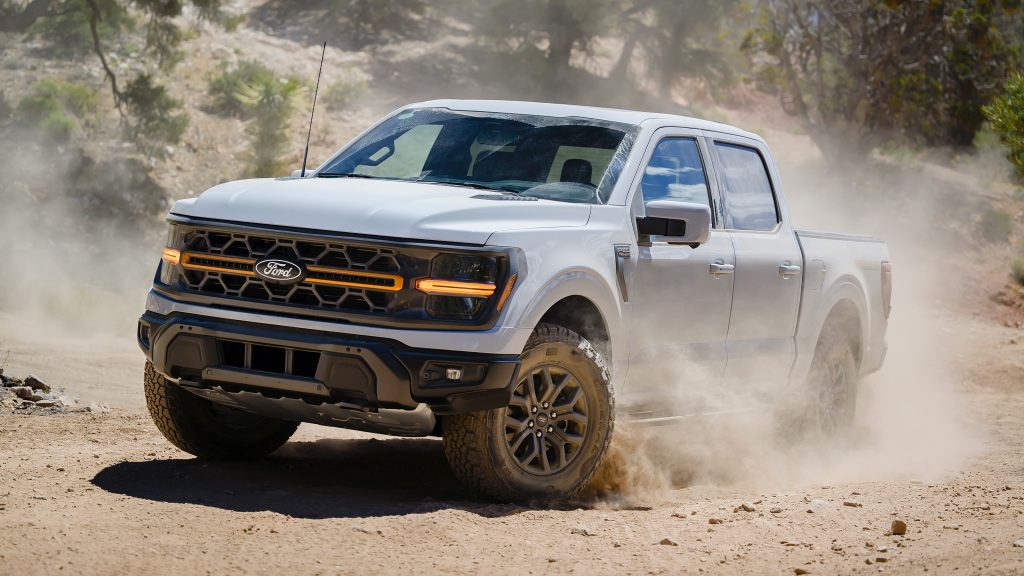
Today, Ford remains one of the world’s most recognized automakers. Its ability to survive one of the industry’s most difficult periods while preserving its independence is often cited as a textbook example of corporate turnaround management.
The company’s recovery demonstrated that decisive leadership and long-term planning can overcome even the most severe financial challenges.
2. Nissan
Nissan’s financial situation during the late 1990s was so severe that many industry observers doubted the company would survive in its existing form.
Years of declining profitability, excessive debt, and an aging product lineup had weakened one of Japan’s largest automakers. By 1999, Nissan carried debt exceeding $20 billion, creating enormous pressure on its future.
The turning point came when French automaker Renault invested in the struggling company and formed a strategic alliance. This partnership brought financial stability, but perhaps more importantly, it introduced new leadership and a fresh perspective on how Nissan should operate.
Carlos Ghosn became the central figure in the turnaround effort. He implemented the Nissan Revival Plan, a comprehensive restructuring strategy that focused on cost reduction, plant efficiency, and product development. The company closed underperforming facilities, reduced supplier costs, and reexamined virtually every aspect of its operations.
Unlike many restructuring programs that emphasize cost-cutting alone, Nissan also concentrated heavily on creating desirable vehicles.
New models arrived with stronger styling, improved performance, and greater appeal to global customers. Cars such as the Altima and vehicles like the 350Z generated excitement and restored confidence in the brand.
The results appeared remarkably quickly. Within a few years, Nissan returned to profitability and significantly reduced its debt burden. The company exceeded many of the goals established in its recovery plan ahead of schedule.
An important element of Nissan’s resurgence was its renewed focus on innovation. The company later became a leader in electric vehicle development with the launch of the Leaf, one of the world’s first mass-market electric cars. This commitment to forward-thinking technology helped maintain momentum after the initial turnaround was completed.

Nissan’s recovery remains one of the most studied corporate turnarounds in modern business history. What seemed like an inevitable decline became a remarkable comeback through strategic partnerships, disciplined management, and a renewed commitment to building vehicles that customers genuinely wanted to buy.
3. Chrysler
When discussing automotive survival stories, Chrysler deserves a place near the top of the list. The company has faced financial crises multiple times throughout its history, but the events surrounding the 2008 global recession were particularly dramatic.
As vehicle sales collapsed across North America, Chrysler’s already fragile financial position deteriorated rapidly. Cash reserves shrank, dealerships struggled, and the possibility of liquidation became a very real concern.
Unlike downturns that develop gradually, the recession hit with exceptional force. Consumer confidence dropped, lending became more difficult, and demand for many of Chrysler’s products weakened.
The automaker eventually filed for Chapter 11 bankruptcy protection in 2009, a move that many viewed as the beginning of the end. The outcome turned out very differently.
A partnership with Italian automaker Fiat created a lifeline. Under the leadership of Sergio Marchionne, Chrysler began restructuring its operations and modernizing its product portfolio. Rather than simply reducing costs, management concentrated on building vehicles that could compete more effectively in a changing market.
One of the most important developments was the revitalization of iconic nameplates. The company improved the quality of its interiors, upgraded powertrains, and introduced more refined designs. Vehicles that had once been criticized for lacking competitiveness suddenly became serious contenders in their segments.
The Jeep and Ram divisions played a particularly significant role in the recovery. Consumer demand for SUVs and pickup trucks increased steadily, allowing Chrysler to capitalize on some of the strongest brands in the industry. Those divisions generated substantial profits and helped stabilize the company’s finances.
Another noteworthy aspect of Chrysler’s rebound was the speed at which confidence returned. Within a relatively short period, sales improved, profitability returned, and the company emerged from bankruptcy far sooner than many experts expected.

Today, the legacy of that recovery remains visible. The company eventually became part of larger global automotive groups, but its survival during one of the worst economic periods in modern history stands as a remarkable example of how strategic partnerships and strong product planning can rescue a company from financial collapse.
4. BMW
BMW is often associated with financial success, premium engineering, and strong global demand. Yet during the late 1950s, the German manufacturer found itself facing one of the most dangerous periods in its history.
Sales were weak, profits were scarce, and the company was struggling to establish a clear identity in a rapidly evolving automotive market.
At that time, BMW’s product lineup presented a challenge. The company offered expensive luxury vehicles that sold in limited numbers and tiny microcars that generated insufficient profits.
There was little in between, leaving BMW vulnerable to changing consumer preferences. Financial losses accumulated, and concerns about the company’s future grew increasingly serious.
The situation became so severe that a takeover by Mercedes-Benz parent Daimler-Benz was seriously considered. For many observers, it appeared that BMW would soon lose its independence.
Instead, a combination of shareholder resistance and new investment changed the company’s trajectory.
The Quandt family played a crucial role by investing heavily and supporting a long-term recovery strategy. Rather than abandoning the company, they helped provide the financial foundation necessary for BMW to reinvent itself.
The true breakthrough arrived with the introduction of the “New Class” sedans during the 1960s. These vehicles occupied a market segment that BMW had previously neglected. They combined sporty driving characteristics with practicality and premium engineering, creating a formula that would define the brand for decades.
Customers embraced the concept. Sales increased dramatically, profits returned, and BMW established a unique identity centered on performance-oriented luxury vehicles. This approach differentiated the company from competitors and created a loyal customer base.
As years passed, BMW expanded its lineup while maintaining the characteristics that made the New Class successful. The company transformed from a struggling manufacturer into one of the most respected premium automotive brands in the world.

Had BMW failed to execute this transition, the automotive industry could look very different today. Its recovery demonstrates how a single well-planned product strategy can completely reshape the future of an entire company.
5. Volkswagen
Volkswagen’s history contains several difficult periods, but few were as threatening as the financial troubles that emerged during the early 1990s. The company had expanded aggressively, operating numerous brands and production facilities across different regions.
While growth had brought scale, it also created complexity and rising costs. At the same time, economic weakness in Europe reduced vehicle demand, leaving Volkswagen with excess production capacity and shrinking profits.
The situation became increasingly concerning as losses accumulated. Manufacturing expenses were high, productivity lagged behind some competitors, and the company struggled to maintain profitability.
Industry analysts questioned whether Volkswagen could successfully manage its growing empire of brands while remaining financially healthy.
Recovery began through a combination of operational reforms and product innovation. Management introduced measures designed to improve efficiency throughout the organization. Production methods were modernized, workflows were streamlined, and efforts were made to reduce unnecessary expenses without sacrificing vehicle quality.
One particularly important step involved creating platforms that could be shared across multiple models. Instead of designing every vehicle from scratch, Volkswagen developed common engineering architectures that could support different products.
This reduced development costs and allowed the company to bring new vehicles to market more effectively.
The arrival of appealing products also played a major role in the rebound. Successive generations of the Golf and Passat strengthened the brand’s reputation, while other models helped attract new customers. Volkswagen became known for delivering vehicles that balanced practicality, quality, and driving refinement.
Another factor behind the recovery was the company’s ability to expand globally. Growing demand in markets outside Western Europe provided additional revenue streams and reduced dependence on a single region. This diversification improved financial stability and created new opportunities for long-term growth.
Volkswagen eventually evolved into one of the largest automotive groups in the world. The company now manages a vast collection of brands and sells millions of vehicles annually. Its rebound from financial difficulties demonstrated the importance of efficient manufacturing, disciplined management, and a strong product portfolio.

The story serves as a reminder that even giant corporations can face serious financial pressure, yet thoughtful restructuring and consistent execution can restore competitiveness and profitability.
6. Aston Martin
Unlike mass-market manufacturers that sell millions of vehicles each year, Aston Martin has traditionally operated in a far more challenging environment. Producing exclusive luxury sports cars offers prestige, but it also creates financial risks.
Limited production volumes mean that economic downturns can have a significant impact on revenue, and throughout its history, Aston Martin has repeatedly found itself in precarious financial situations.
In fact, the company has entered bankruptcy proceedings multiple times. Few automotive brands have faced such recurring threats to their existence. Despite producing some of the world’s most admired grand touring cars, Aston Martin often struggled to generate the consistent profits needed to sustain long-term growth.
One of the most difficult periods occurred during the latter part of the twentieth century, when ownership changes became frequent and financial stability remained elusive. The company required substantial investment to develop new vehicles, modernize production facilities, and compete against larger luxury manufacturers with greater resources.
The turnaround emerged gradually through a series of ownership transitions and strategic investments. Financial backing from major investors provided the capital necessary to improve operations and develop new products. Rather than relying solely on heritage, Aston Martin focused on creating vehicles capable of competing with modern rivals.
The launch of models such as the DB7 proved particularly important. These vehicles broadened the company’s appeal while preserving the elegance and performance expected from the brand. Sales improved significantly, helping Aston Martin move toward greater stability.
Its association with the James Bond film franchise also contributed to strengthening global recognition. While brand image alone cannot solve financial problems, the increased visibility helped maintain customer interest and reinforced Aston Martin’s position as one of the world’s most desirable luxury automotive names.
More recently, the company has invested heavily in technology, performance improvements, and expanded product offerings. SUVs and modern sports cars have helped diversify revenue sources while attracting new buyers.
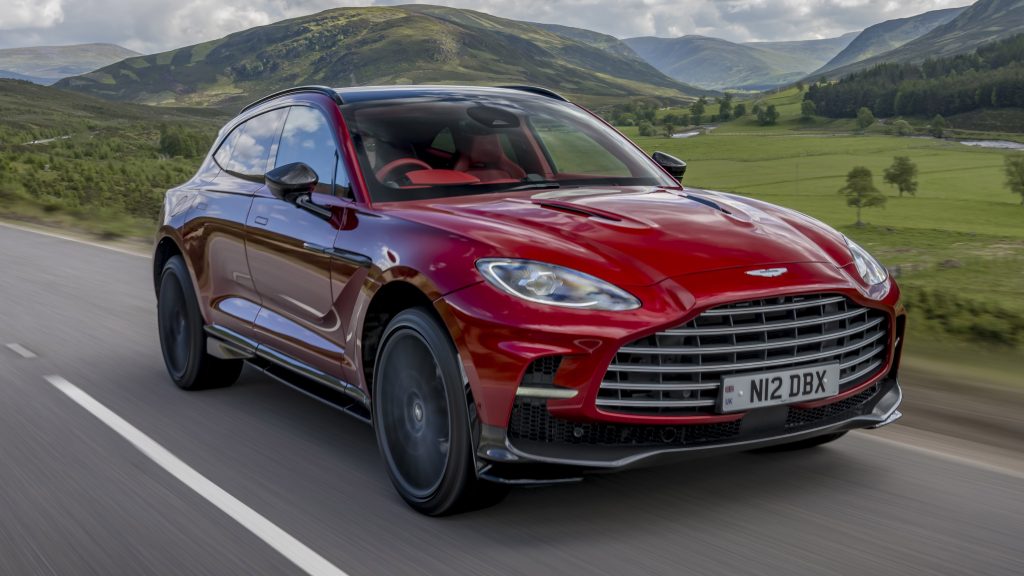
Aston Martin’s survival is remarkable because the company repeatedly faced circumstances that could have ended its existence. Instead, through persistence, investment, and product development, it managed to remain relevant in an exceptionally competitive luxury market.
7. General Motors
For much of the twentieth century, General Motors represented industrial strength on a scale few companies could match. The corporation controlled a vast collection of brands, employed hundreds of thousands of workers, and regularly competed for the title of the world’s largest automaker.
Yet by the early 2000s, deep structural problems had begun to threaten the company’s future. Rising healthcare and pension obligations, declining market share, intense competition from foreign manufacturers, and a growing dependence on trucks and SUVs created financial pressures that became increasingly difficult to manage.
As fuel prices fluctuated and consumer preferences shifted, General Motors found itself carrying costs that were far higher than those of many competitors. Years of complex corporate structures and overlapping vehicle programs also reduced efficiency.
When the global financial crisis arrived in 2008, the company was already vulnerable. Vehicle sales collapsed across North America, credit markets tightened, and cash reserves rapidly diminished.
The crisis reached a breaking point in 2009 when General Motors filed for Chapter 11 bankruptcy protection. It was one of the largest industrial bankruptcies in American history.
For many people, the filing symbolized the end of an era. A company that had dominated the automotive industry for decades suddenly faced the possibility of permanent decline.
What followed was one of the most significant corporate restructurings ever undertaken in the automotive sector. General Motors reduced debt, streamlined operations, and eliminated several brands that were no longer financially sustainable.
Resources were concentrated on the strongest divisions, allowing management to focus on improving product quality and competitiveness.
The company also invested heavily in engineering, design, and technology. New generations of vehicles arrived with better fuel efficiency, improved reliability, and stronger consumer appeal. Products such as redesigned pickup trucks, SUVs, and performance models helped rebuild customer confidence.
Another important aspect of the recovery was cultural change within the organization. Leadership emphasized accountability, efficiency, and customer satisfaction. Rather than relying solely on past reputation, General Motors worked to earn consumer trust through better products and stronger execution.
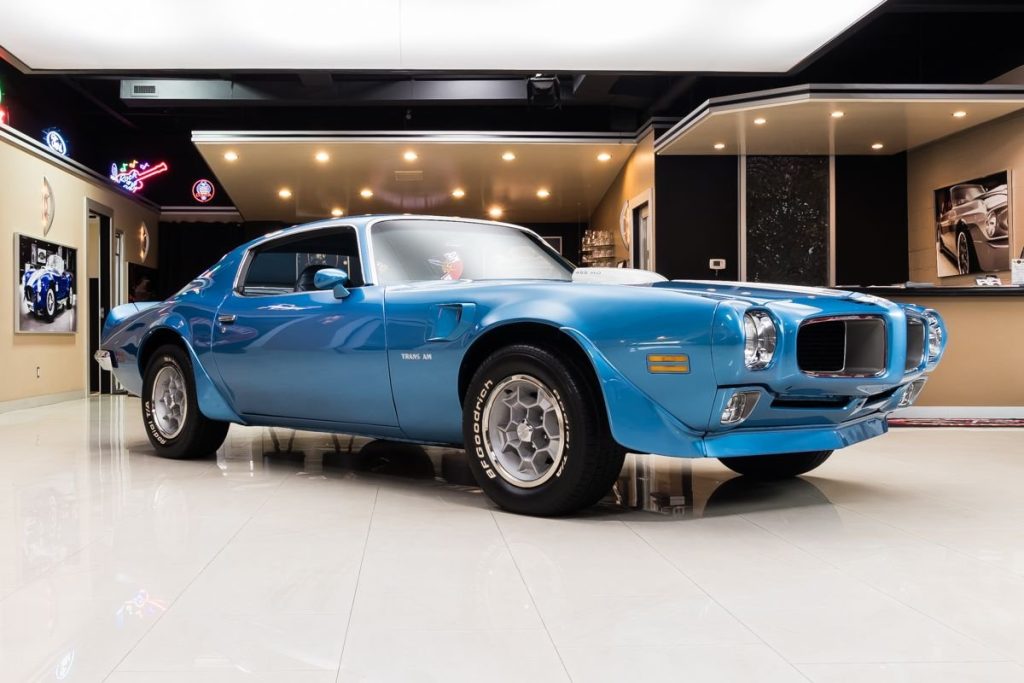
Over the following years, profitability returned, and the company regained financial stability. While challenges continued to exist, General Motors demonstrated that even a corporation facing extraordinary difficulties could rebuild itself through decisive action and strategic restructuring.
The recovery remains one of the most remarkable comeback stories in automotive history because of the sheer scale of the crisis. Few companies have fallen so far while maintaining the ability to recover and remain a major global player.
8. Jaguar
Jaguar’s journey through financial hardship is very different from the experiences of mass-market manufacturers. The British luxury brand built its reputation on elegant styling, spirited performance, and engineering innovation.
However, maintaining those qualities consistently proved difficult during several periods of its history. Changes in ownership, quality concerns, economic instability, and increasing competition often placed the company under significant financial strain.
During the latter decades of the twentieth century, Jaguar struggled with issues that damaged both profitability and customer confidence. Production inefficiencies and reliability concerns affected the brand’s reputation in key markets.
Although Jaguar continued to produce beautiful and desirable vehicles, sales were not always sufficient to provide long-term financial security.
The situation became serious enough that the company required outside support to survive. Ownership changes brought new resources and opportunities, but they also highlighted the difficulty of competing in the premium automotive sector without substantial investment.
Developing luxury vehicles demands enormous financial commitment, and smaller manufacturers often struggle to match the resources available to larger rivals.
A major turning point arrived when Jaguar gained access to stronger financial backing and modern development capabilities. Investment allowed the company to improve manufacturing standards, modernize facilities, and create a new generation of products.
Instead of relying primarily on heritage, Jaguar focused on becoming more competitive in contemporary luxury markets.
The introduction of vehicles such as the XF played an important role in changing perceptions. These models featured modern styling, advanced technology, and driving characteristics that appealed to a broader audience. Critics and consumers responded positively, helping restore credibility to the brand.
Jaguar also embraced lightweight construction, performance-oriented engineering, and innovative design language. These efforts distinguished its vehicles from competitors and reinforced the qualities that had originally made the brand famous.

Another important factor in the recovery was the expansion of the lineup. By entering additional market segments, Jaguar gained access to new customers and diversified its revenue sources. This helped reduce dependence on a small number of niche products.
Today, Jaguar continues to evolve as the automotive industry transitions toward electrification and new technologies. Its survival through multiple financial challenges demonstrates the value of strong brand identity combined with meaningful investment and modernization.
Many historic luxury manufacturers disappeared when faced with similar circumstances. Jaguar remained alive because it adapted, reinvented itself when necessary, and continued producing vehicles that captured the imagination of enthusiasts around the world.
Also Read: 8 Cars With the Best Visibility Out the Windshield
