
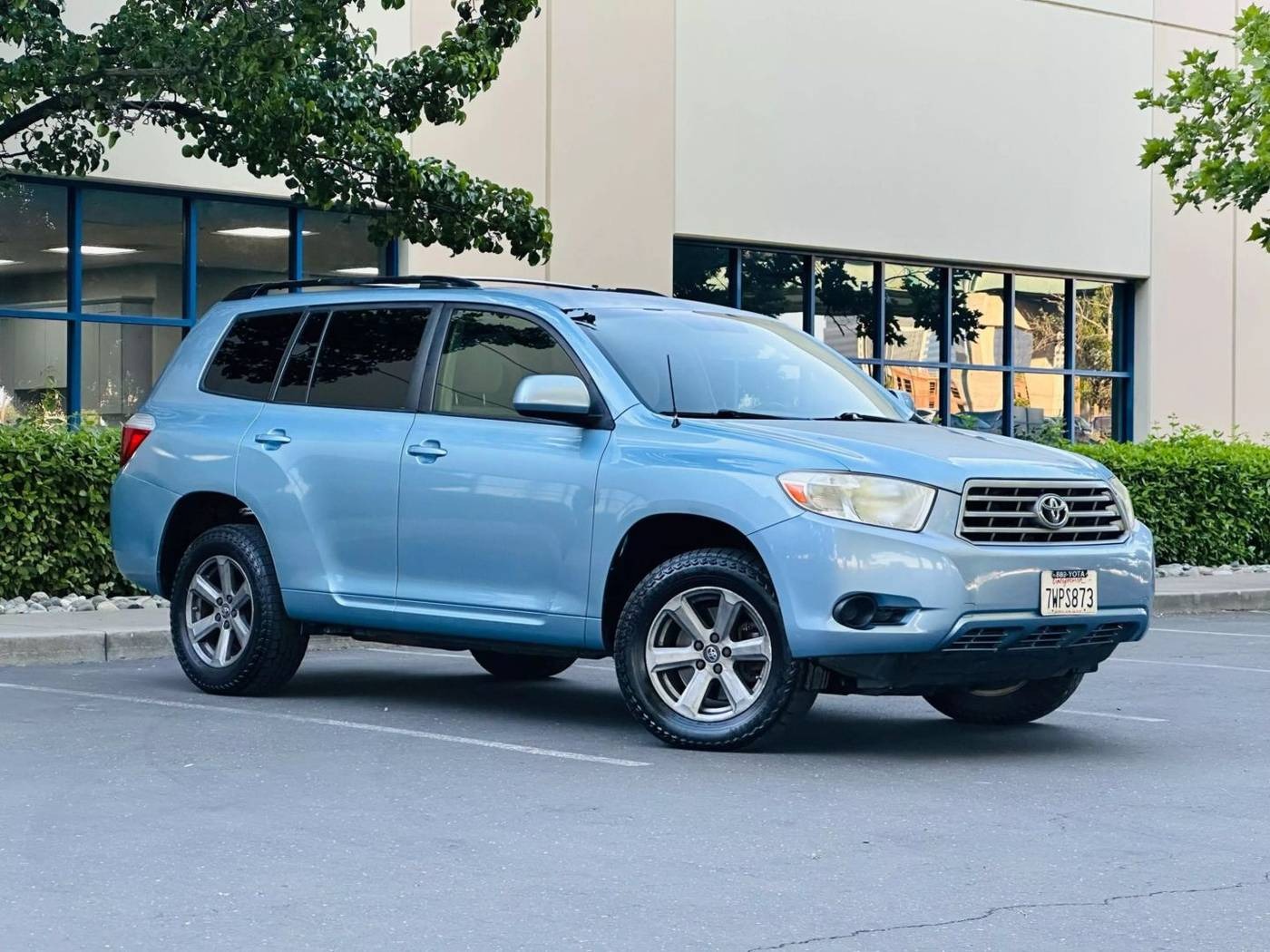
The Toyota Highlander has earned a reputation as one of the most dependable midsize SUVs on the market. Since its introduction in 2001, the Highlander has attracted families, commuters, and road trip enthusiasts looking for a vehicle that combines comfort, practicality, safety, and long-term reliability.
Unlike many competitors that prioritize aggressive styling or sporty performance, Toyota has consistently focused on creating a balanced SUV that delivers strong value across a wide range of categories. This approach has helped the Highlander become one of the best-selling three-row SUVs in North America and a favorite among buyers seeking a dependable family vehicle.
Over the years, the Highlander has undergone multiple redesigns and received numerous improvements in technology, fuel efficiency, cabin quality, and safety features.
However, not every model year has been equally successful. Some Highlanders have experienced more complaints than others, including issues related to engine performance, oil leaks, infotainment glitches, transmission behavior, and excessive maintenance costs.
At the same time, several model years have become standouts thanks to exceptional reliability ratings, low ownership costs, advanced safety systems, and impressive owner satisfaction scores.
For buyers considering a used Toyota Highlander, understanding the strengths and weaknesses of different model years can make a significant difference. Choosing the right year can mean years of trouble-free driving and excellent resale value, while selecting a less reliable model may lead to unexpected repair bills and frustration.
Factors such as reliability records, safety ratings, owner feedback, recalls, fuel economy, and value all play important roles when evaluating a particular Highlander.
This ranking examines 8 Toyota Highlander model years and places them from worst to best based on their ownership experience.
While even the lower-ranked Highlanders remain more dependable than many competing SUVs from the same periods, certain years clearly outperform others in key categories. Whether you are shopping for a budget-friendly used SUV or researching which Highlander deserves a place in your driveway, this guide highlights the models that stand out for better or worse.
Also Read: 10 Best Beginner Drift Cars You Can Actually Afford
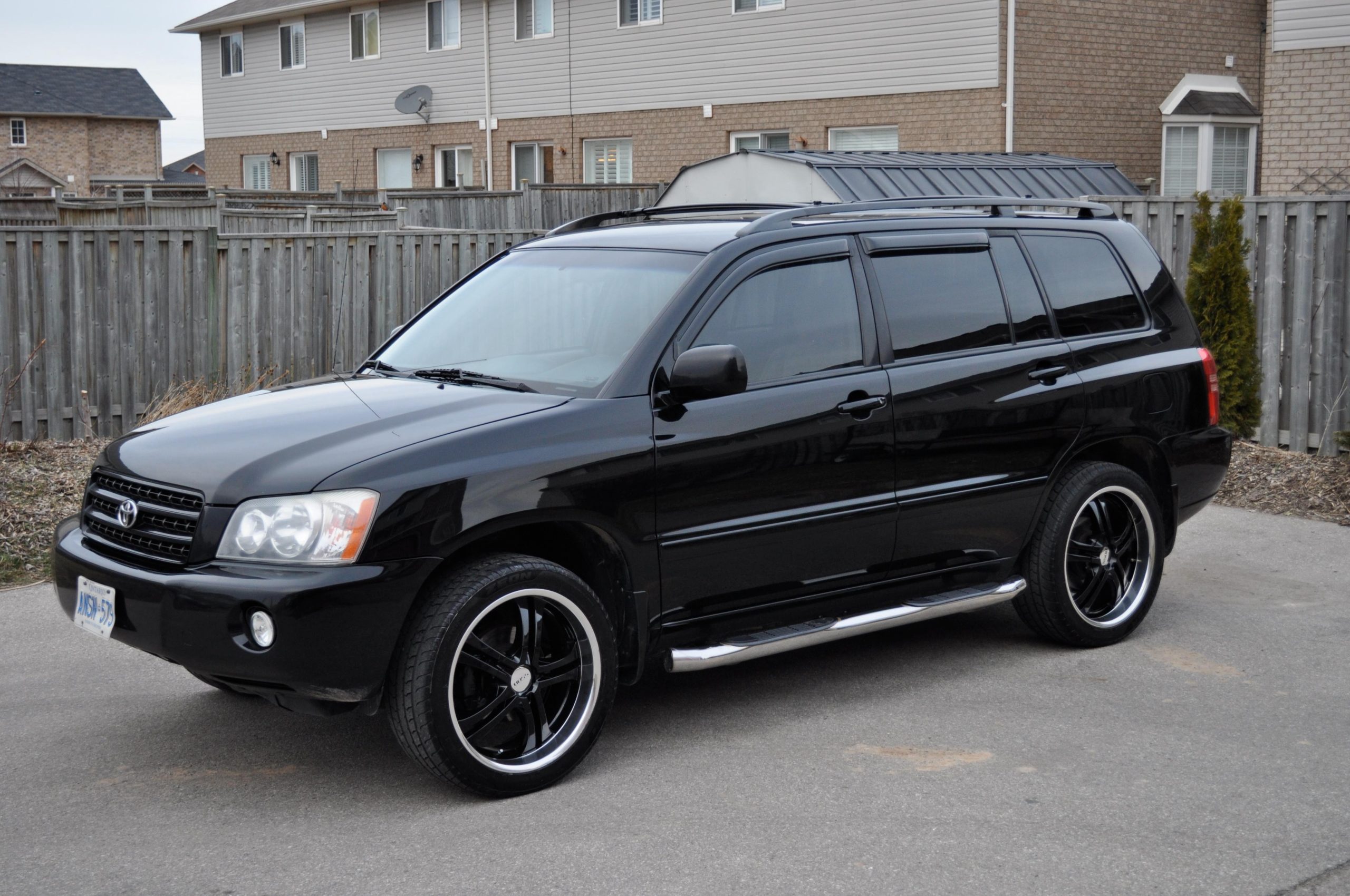
- Engine: 3.0L V6
- Horsepower: 220 hp
- Torque: 222 lb ft
- Length: 184.4 inches (4,684 mm)
- Width: 71.9 inches (1,826 mm)
8. 2003 Toyota Highlander
The 2003 Toyota Highlander ranks eighth on this list primarily because it was still part of the model’s early development years. While Toyota’s reputation for reliability was already well established, the Highlander was a relatively new entrant in the midsize SUV market and lacked many of the refinements that would later define the nameplate.
Buyers appreciated its car-like handling and comfortable ride, but it did not yet offer the level of sophistication seen in future generations.
One of the strongest aspects of the 2003 Highlander was its simplicity. The vehicle featured proven powertrain components that were generally dependable when maintained properly. Many examples have remained on the road for decades, demonstrating the durability that Toyota vehicles are known for.
However, age has become a major concern, as nearly every remaining 2003 Highlander now faces issues related to wear and tear rather than original design flaws.
Interior quality was respectable for the early 2000s, but by modern standards, it feels outdated. The cabin design is straightforward and functional, yet it lacks the advanced convenience features that contemporary drivers expect. Materials were durable but not particularly luxurious, reflecting Toyota’s focus on practicality over premium appeal.
Safety technology was also limited compared to newer Highlanders. While the vehicle provided solid crash protection for its era, it does not offer the advanced driver assistance systems that have become standard in modern family SUVs. Buyers considering a 2003 Highlander today must understand that safety expectations have evolved significantly over the past two decades.
Another factor affecting its ranking is value. Although these vehicles can often be purchased at very low prices, maintenance requirements increase as they age. Components such as suspension parts, cooling systems, electrical systems, and seals may require attention simply due to the vehicle’s age rather than any inherent reliability problem.
Despite these limitations, the 2003 Highlander deserves recognition for helping establish Toyota’s presence in the midsize crossover segment.
It provided a comfortable alternative to truck-based SUVs and introduced many buyers to the practicality that would become a Highlander trademark. Nevertheless, its age and lack of modern features place it near the bottom of this ranking.
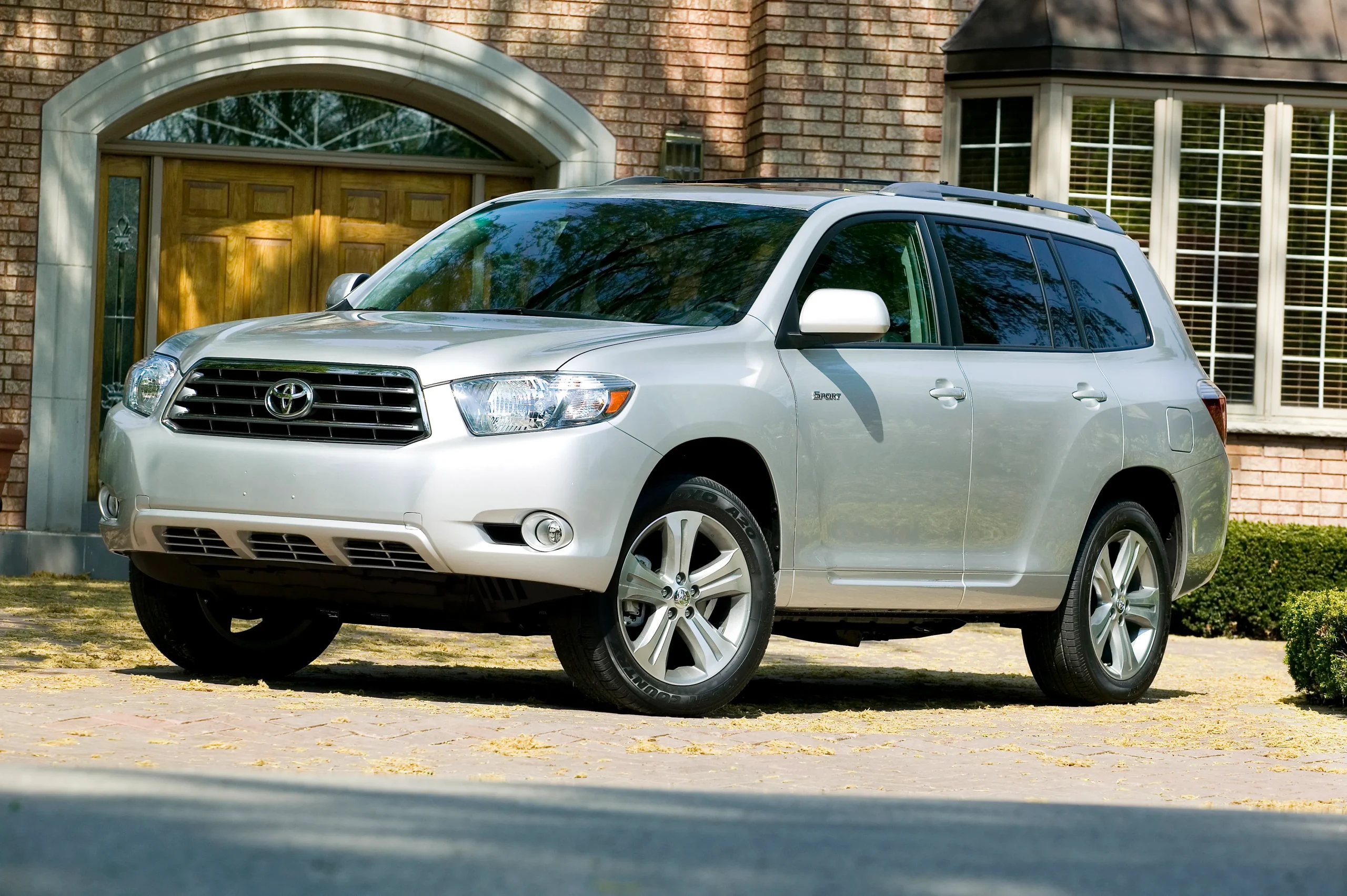
- Engine: 3.5L V6
- Horsepower: 270 hp
- Torque: 248 lb ft
- Length: 188.4 inches (4,785 mm)
- Width: 75.2 inches (1,910 mm)
7. 2010 Toyota Highlander
The 2010 Toyota Highlander occupies the seventh position because it offered improvements over earlier second-generation models while still falling short of the refinement achieved in later years. By 2010, Toyota had addressed many of the concerns associated with the 2008 redesign, resulting in a more polished and reliable vehicle.
One of the biggest strengths of the 2010 Highlander was its dependable powertrain lineup. Buyers could choose between efficient four-cylinder engines and more powerful V6 options, allowing them to select a configuration that matched their driving needs. The V6 variant, in particular, earned praise for its smooth performance and strong highway capability.
Interior space remained a major selling point. The Highlander offered comfortable seating, practical storage solutions, and a flexible cabin layout that appealed to families. Toyota focused on usability, ensuring that passengers in all rows had sufficient room for everyday travel and longer journeys.
Reliability improved compared to earlier second-generation models, but some owners still reported issues involving oil consumption, minor electrical glitches, and occasional component wear. These concerns were generally less severe than those found in some competitors, yet they prevented the 2010 Highlander from reaching the top tier of the rankings.
The driving experience was another positive aspect. Unlike many larger SUVs of the time, the Highlander delivered a comfortable ride and predictable handling characteristics. It felt more like a large sedan than a traditional truck-based SUV, making it attractive to buyers transitioning from passenger cars.
From a resale perspective, the 2010 Highlander continues to hold value relatively well due to Toyota’s reputation and the vehicle’s dependability. However, it lacks the advanced technology, modern safety systems, and premium interior features that would become common in later generations.
For buyers seeking a balance between affordability and reliability, the 2010 Highlander remains a respectable option. It represents a period when Toyota had refined the second-generation platform and delivered a dependable family SUV, but it does not quite match the excellence of the higher-ranked models on this list.
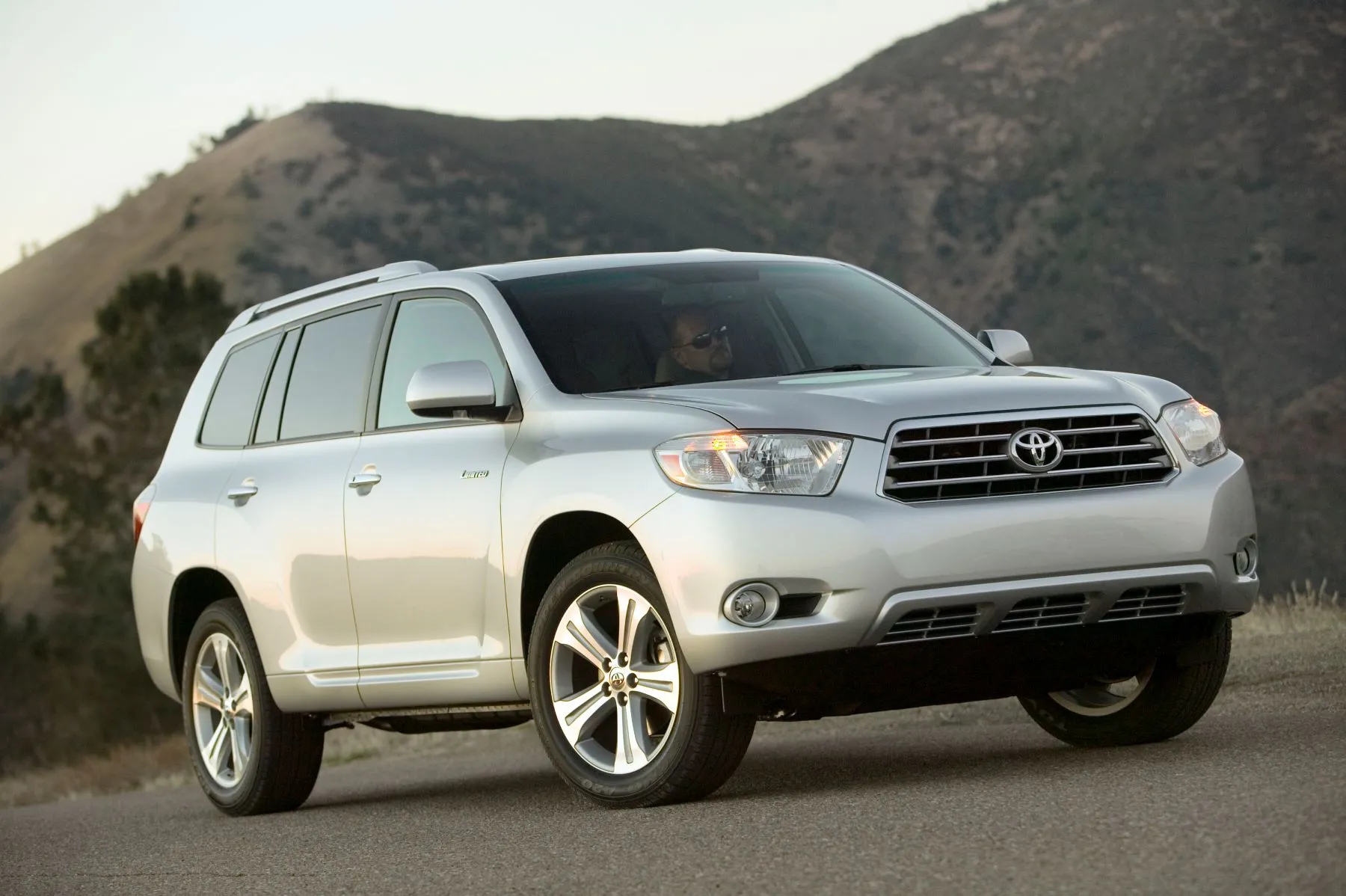
- Engine: 3.5L V6
- Horsepower: 270 hp
- Torque: 248 lb ft
- Length: 188.4 inches (4,785 mm)
- Width: 75.2 inches (1,910 mm)
6. 2008 Toyota Highlander
The 2008 Toyota Highlander occupies the last position in this ranking not because it was a poor vehicle, but because it introduced a new generation and experienced several growing pains.
Toyota completely redesigned the Highlander for the 2008 model year, bringing larger dimensions, improved interior space, and a more refined driving experience. While these changes were generally welcomed, early production issues affected long-term owner satisfaction.
One of the most commonly reported concerns involved oil leaks that developed as vehicles accumulated mileage. Some owners also reported water pump failures that occurred earlier than expected. While these issues were not universal, they appeared frequently enough to influence reliability perceptions among used vehicle shoppers.
The vehicle’s fuel economy was competitive for its era but fell short of more modern Highlanders. Rising fuel costs have made older V6-powered SUVs less attractive for budget-conscious buyers. As a result, operating expenses can be higher compared with newer models featuring more efficient powertrains.
Technology also feels dated by modern standards. Features that are now considered standard, such as advanced driver assistance systems, smartphone integration, and sophisticated infotainment interfaces, were either unavailable or limited. Buyers seeking contemporary convenience features may find the 2008 Highlander lacking.
Despite these drawbacks, the 2008 Highlander still offers comfortable seating, strong crash protection for its time, and the durability associated with Toyota engineering. It remains a viable used SUV option but ranks lowest among the models featured here because later Highlanders addressed many of its shortcomings.
Also Read: 8 Cars Where the Battery Is Hidden in a Bizarre Spot
- Engine: 3.5L V6
- Horsepower: 270 hp
- Torque: 248 lb ft
- Length: 191.1 inches (4,854 mm)
- Width: 75.8 inches (1,925 mm)
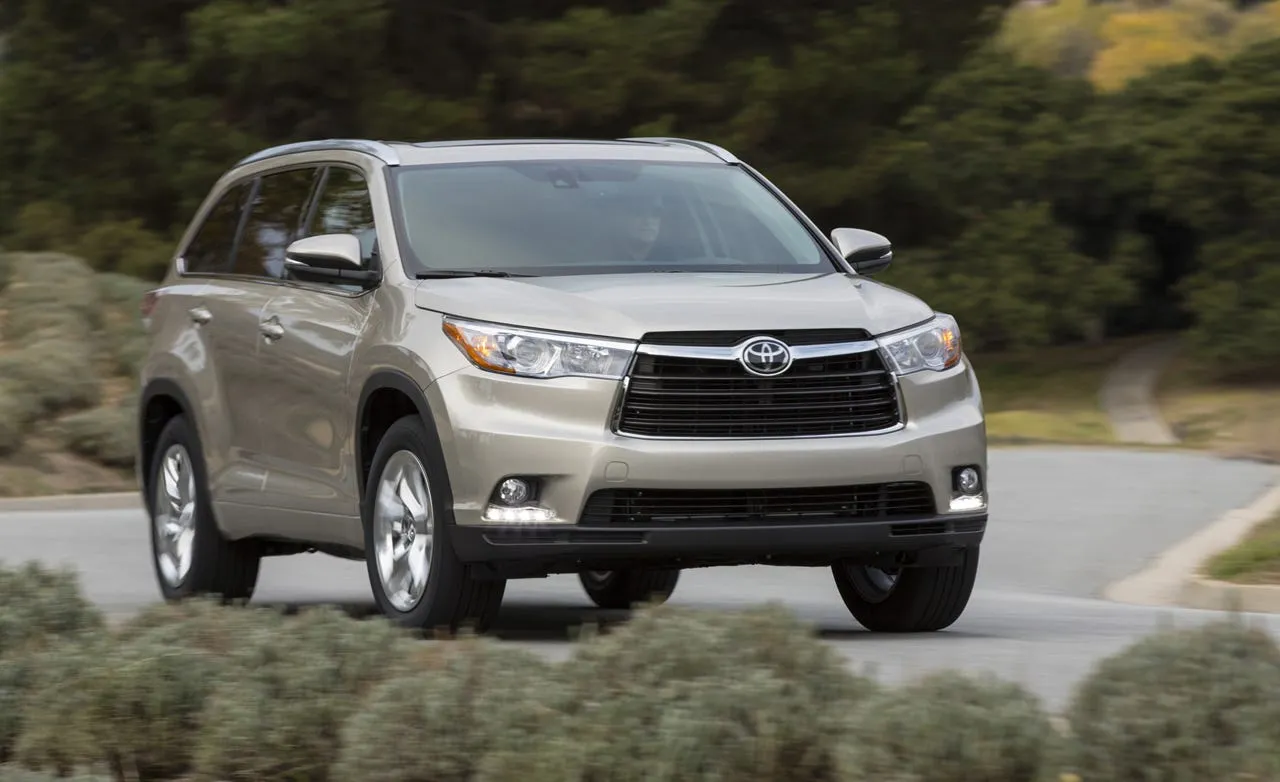
5. 2014 Toyota Highlander
The 2014 Highlander marked the beginning of the third generation and introduced significant improvements in styling, cabin quality, and passenger space. Toyota successfully modernized the SUV while maintaining the practicality that made previous Highlanders popular.
However, first-year redesign models often experience unexpected issues, and the 2014 Highlander was no exception. Some owners reported transmission hesitation and shifting irregularities. Although these concerns did not affect every vehicle, they generated enough complaints to impact the model year’s reputation.
The infotainment system represented a major technological step forward, but certain users experienced software glitches and connectivity problems. Compared with later versions of Toyota’s multimedia systems, the 2014 setup can feel somewhat outdated and less intuitive.
Interior quality received praise thanks to improved materials and a more upscale design. Families appreciated the increased storage space, easier access to the third row, and greater comfort. These improvements helped make the Highlander more competitive within the crowded midsize SUV segment.
Safety performance remained a strong point. The vehicle earned favorable crash test results and offered several advanced safety technologies that were becoming increasingly important to consumers. Although the 2014 model delivered many improvements, later years refined the formula further and achieved stronger reliability records.
- Engine: 3.5L V6
- Horsepower: 295 hp
- Torque: 263 lb ft
- Length: 192.5 inches (4,890 mm)
- Width: 75.8 inches (1,925 mm)
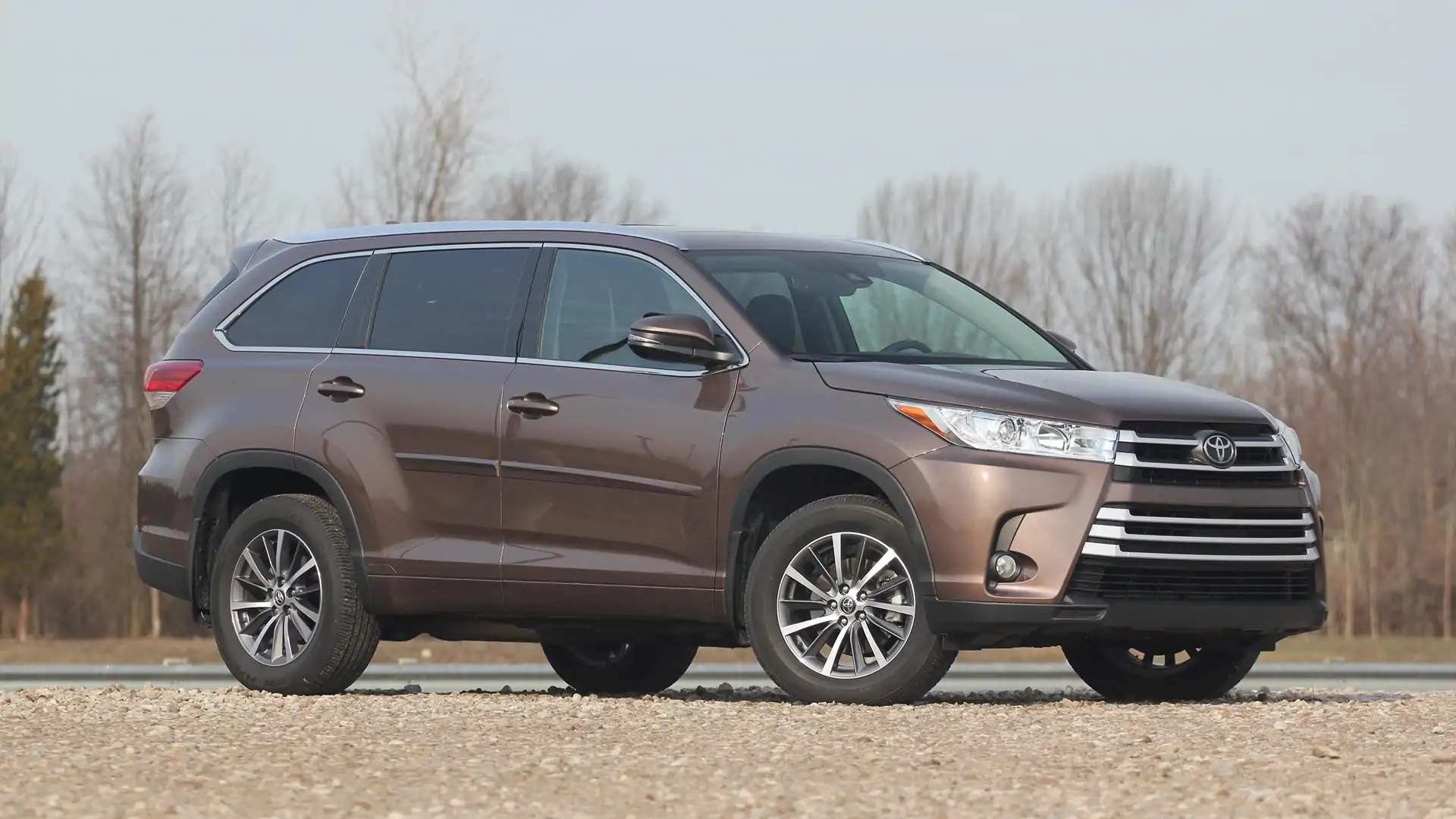
4. 2017 Toyota Highlander
The 2017 Highlander benefited from a mid-cycle refresh that introduced updated styling, revised powertrain options, and additional safety features. Toyota made meaningful improvements that enhanced the SUV’s appeal while addressing some concerns associated with earlier third-generation models.
A major highlight was the updated V6 engine, which provided stronger acceleration and improved performance. Paired with an enhanced transmission, the Highlander offered smoother highway cruising and more confident passing power. Many drivers appreciated the combination of responsiveness and refinement.
Toyota also expanded the availability of safety technology. The inclusion of advanced driver assistance systems helped strengthen the Highlander’s reputation as a family-friendly SUV focused on occupant protection. Features such as adaptive cruise control and lane departure alerts added significant value.
Some owners reported minor infotainment and transmission-related complaints, though these issues generally occurred less frequently than in earlier years. Reliability remained above average, helping the Highlander maintain its standing among top midsize SUV choices.
The 2017 model strikes a solid balance between affordability and modern features. Buyers looking for a used Highlander often consider it a practical option because it combines updated technology, respectable reliability, and comfortable family transportation.
- Engine: 3.5L V6
- Horsepower: 295 hp
- Torque: 263 lb ft
- Length: 192.5 inches (4,890 mm)
- Width: 75.8 inches (1,925 mm)
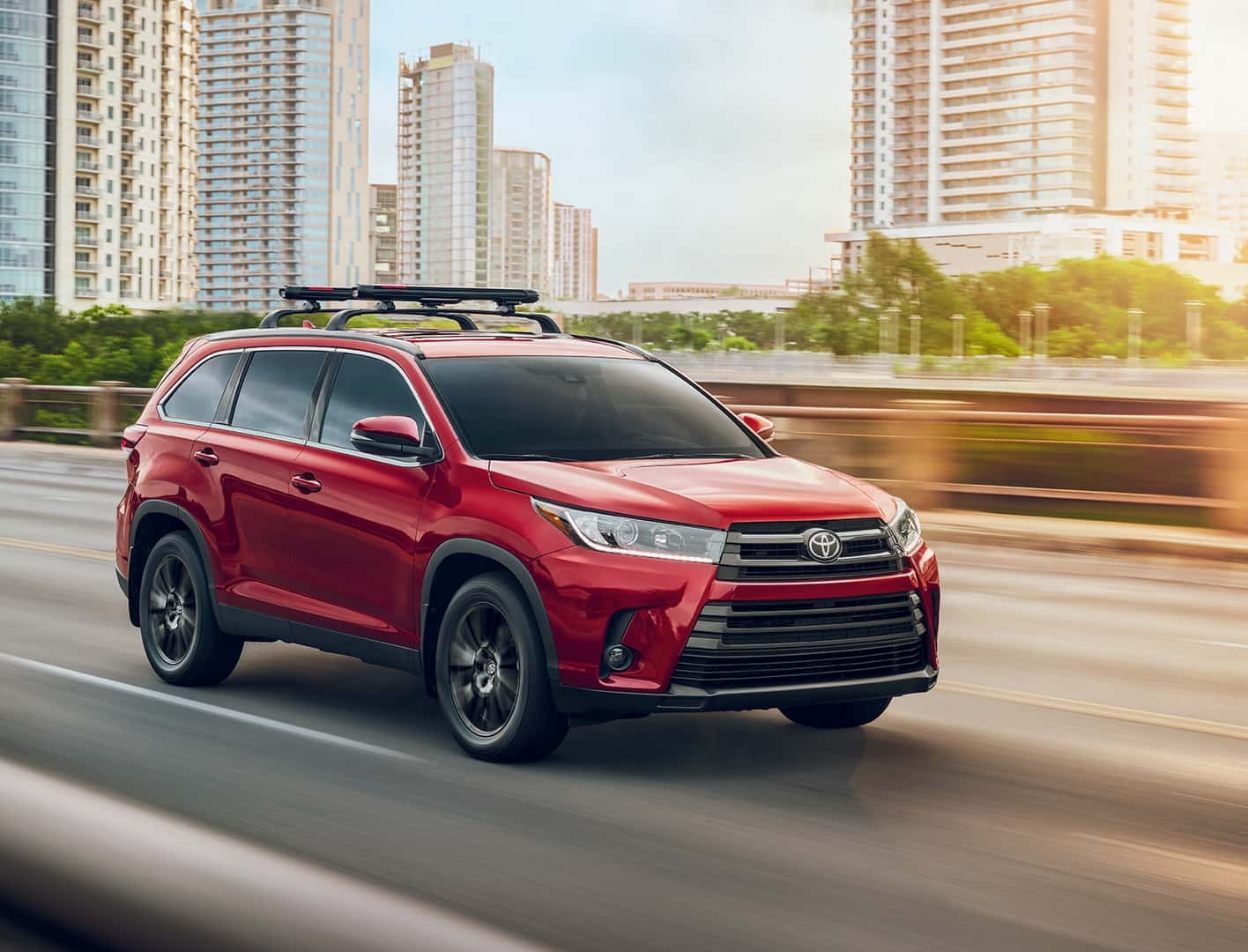
3. 2019 Toyota Highlander
The 2019 Highlander represents one of the most refined versions of the third generation. By this point, Toyota had several years to address earlier concerns and improve reliability. The result was a mature, polished SUV with strong owner satisfaction ratings.
Reliability became a major strength for the 2019 model. Many owners reported years of dependable operation with minimal unscheduled repairs. This consistency helped reinforce Toyota’s reputation for long-lasting vehicles.
The interior remained spacious and comfortable, offering ample room for passengers and cargo. Families appreciated the quiet cabin, supportive seating, and practical storage solutions that made daily commuting and long road trips more enjoyable.
Safety features were another standout area. Toyota’s suite of driver assistance technologies became more comprehensive, helping drivers avoid accidents and increasing confidence behind the wheel. These systems contributed to excellent safety credentials.
While the design was beginning to show its age compared with newer competitors, the Highlander’s proven reliability and comfortable driving experience made it one of the strongest used SUV choices available. Its combination of durability and practicality earns it a high position in this ranking.
- Engine: 3.5L V6
- Horsepower: 295 hp
- Torque: 263 lb ft
- Length: 194.9 inches (4,950 mm)
- Width: 76.0 inches (1,930 mm)
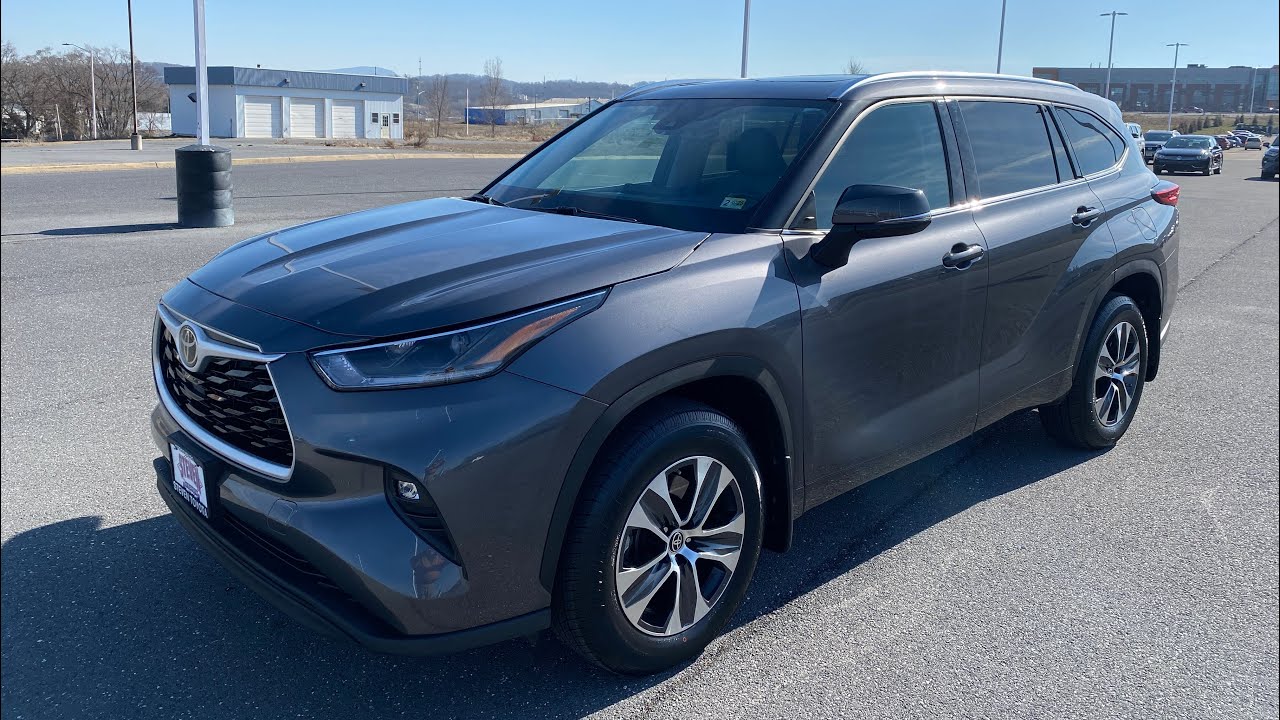
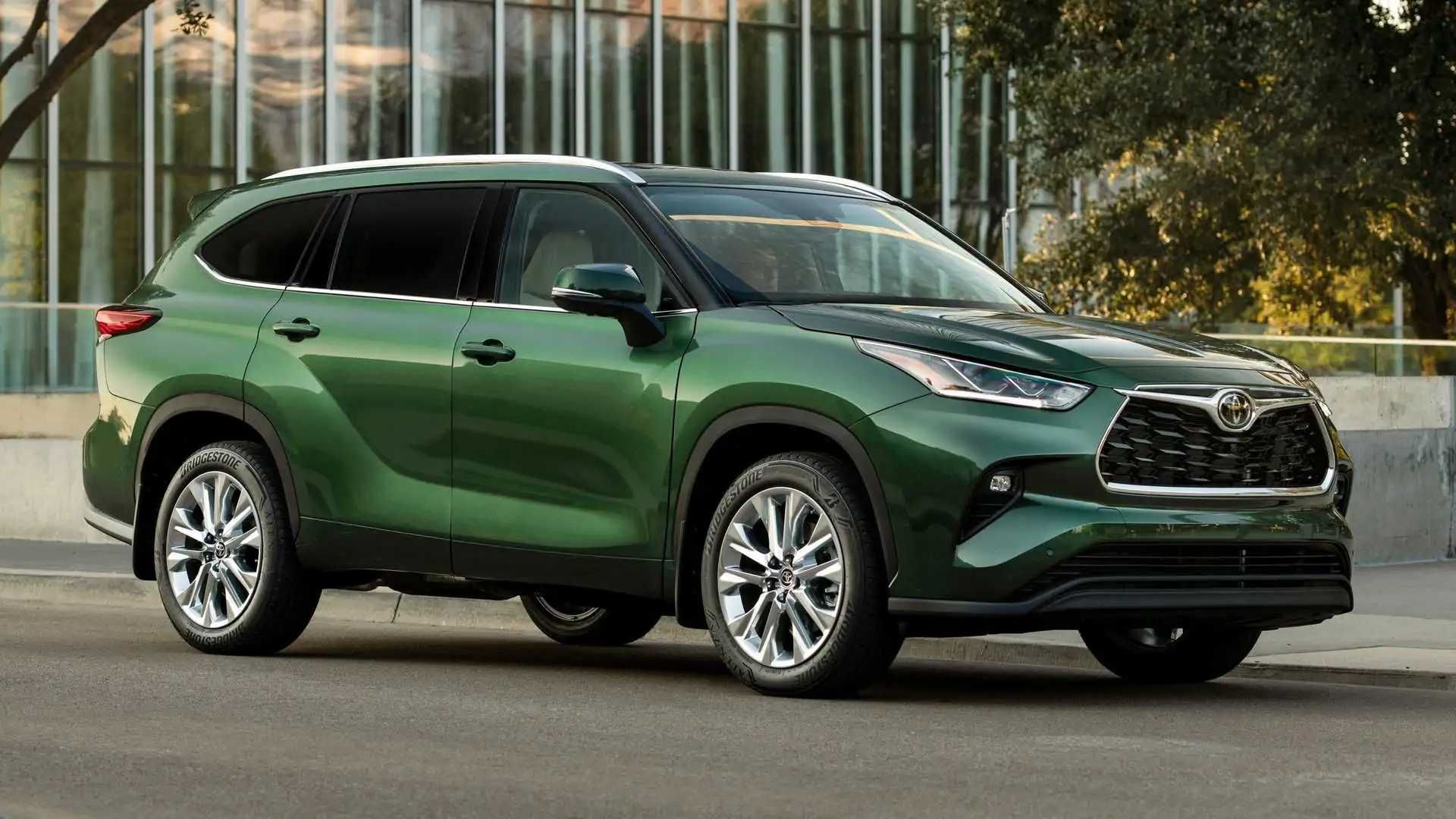
2. 2021 Toyota Highlander
The 2021 Highlander built upon the success of the fourth generation introduced a year earlier. Featuring modern styling, advanced technology, and improved fuel efficiency, it quickly became one of the most attractive options in the midsize SUV market.
The cabin showcased a substantial leap forward in quality and design. Higher-grade materials, improved ergonomics, and a user-friendly infotainment system created a more premium experience. Passengers benefited from comfortable seating and enhanced ride quality.
Toyota also expanded safety technology across the lineup. Standard driver assistance features provided impressive value and contributed to strong crash safety ratings. For families prioritizing protection, the 2021 Highlander stood out as a compelling choice.
Fuel efficiency improved compared with many earlier Highlanders, particularly in hybrid variants. Rising consumer demand for economical SUVs made these versions especially attractive. Owners frequently praised the balance between performance and efficiency.
Minor complaints existed, as with any vehicle, but reliability remained excellent. The 2021 Highlander successfully blended modern features, comfort, and dependability, earning its place near the top of this ranking.
- Engine: 2.4L Turbocharged Inline 4
- Horsepower: 265 hp
- Torque: 310 lb ft
- Length: 194.9 inches (4,950 mm)
- Width: 76.0 inches (1,930 mm)
1. 2023 Toyota Highlander
The 2023 Toyota Highlander claims the top position thanks to its combination of advanced technology, strong reliability, impressive efficiency, and family-focused practicality. Toyota continued refining the fourth-generation formula, creating one of the most complete Highlanders ever produced.
One of the most significant updates was the introduction of a turbocharged engine that replaced the previous V6. Despite concerns from some traditionalists, the new powertrain delivered strong performance while improving fuel economy. Many drivers found it responsive and well-suited to everyday driving.
The interior remained one of the vehicle’s strongest assets. High-quality materials, a spacious layout, and upgraded technology created a modern environment that appealed to both drivers and passengers. Large touchscreen options and improved connectivity features enhanced the ownership experience.
Safety continued to be a defining characteristic. Toyota equipped the Highlander with a comprehensive array of driver assistance technologies designed to help prevent collisions and protect occupants. These features reinforced the SUV’s status as a leading family vehicle.
Perhaps most importantly, the 2023 Highlander combines everything buyers expect from a Toyota. Reliability, comfort, efficiency, practicality, and strong resale value come together in a package that few competitors can match. For shoppers seeking the best Toyota Highlander experience, the 2023 model stands at the top of the list.
