
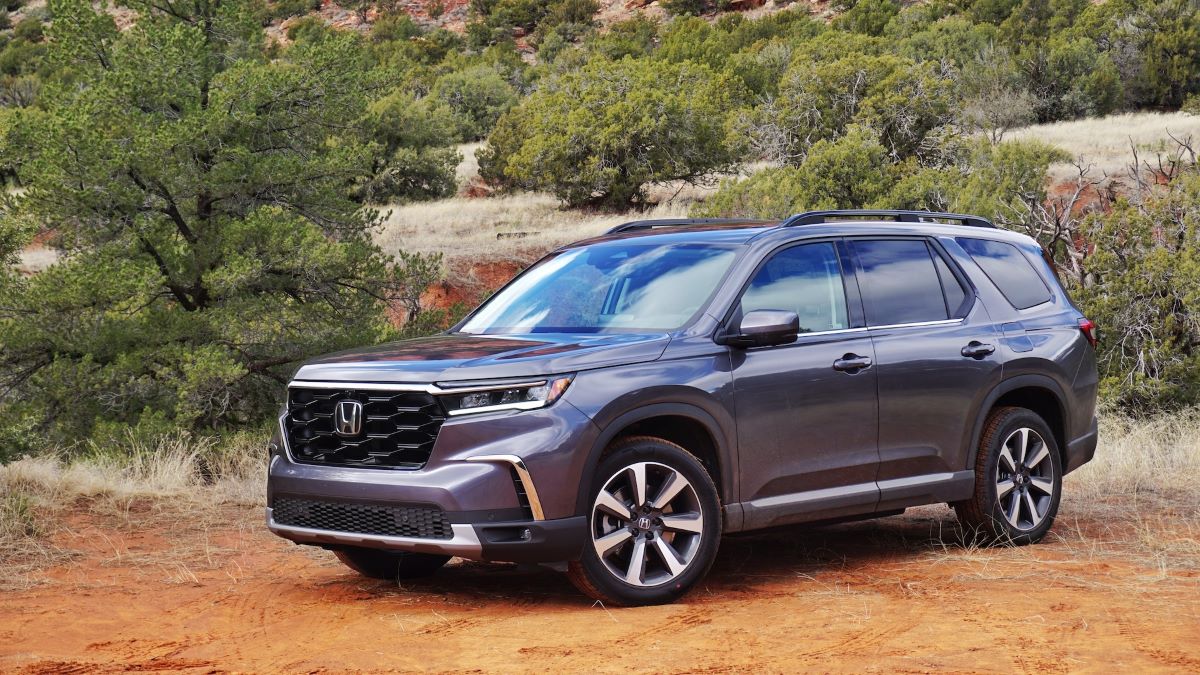
The Honda Pilot has built a strong reputation as one of the most dependable three-row SUVs on the market. Since its debut in 2003, Honda’s family-focused SUV has attracted buyers looking for practicality, comfort, reliability, and long-term value. However, not every Honda Pilot generation has delivered the same ownership experience.
Some model years became known for transmission issues, excessive oil consumption, or expensive repairs, while others earned praise for durability, safety, and everyday usability.
When evaluating Honda Pilot model years, several factors matter. Reliability remains the most important consideration because repair costs can quickly erase any savings gained from purchasing a used SUV. Safety ratings also play a major role, especially for families who rely on the Pilot as their primary vehicle.
Performance, fuel economy, interior quality, technology, and resale value help separate average model years from exceptional ones. A vehicle that combines dependable mechanical components with modern features and strong crash test performance will naturally rank higher than one plagued by recurring problems.
Over the years, Honda has continuously refined the Pilot. Early models emphasized rugged utility and spacious interiors, while later generations introduced advanced driver assistance systems, improved fuel efficiency, and more refined driving dynamics.
Some redesigns represented major leaps forward, while others introduced unexpected issues that temporarily hurt the Pilot’s reputation. Understanding these differences is essential for anyone considering a used Honda Pilot or simply curious about how the SUV has evolved throughout its history.
This ranking examines seven Honda Pilot model years and generations, placing them from the least desirable to the most impressive. The rankings consider owner experiences, reliability records, safety performance, maintenance costs, driving characteristics, and value. While even the lower-ranked Pilots offer many strengths compared to competitors, certain model years stand out for the wrong reasons.
Conversely, the highest-ranked examples demonstrate why the Honda Pilot remains one of the most respected family SUVs available today. Whether you are shopping for a used vehicle or researching Honda’s SUV legacy, this guide highlights the best and worst Pilots produced over the years.
Also Read: 10 Best Beginner Drift Cars You Can Actually Afford
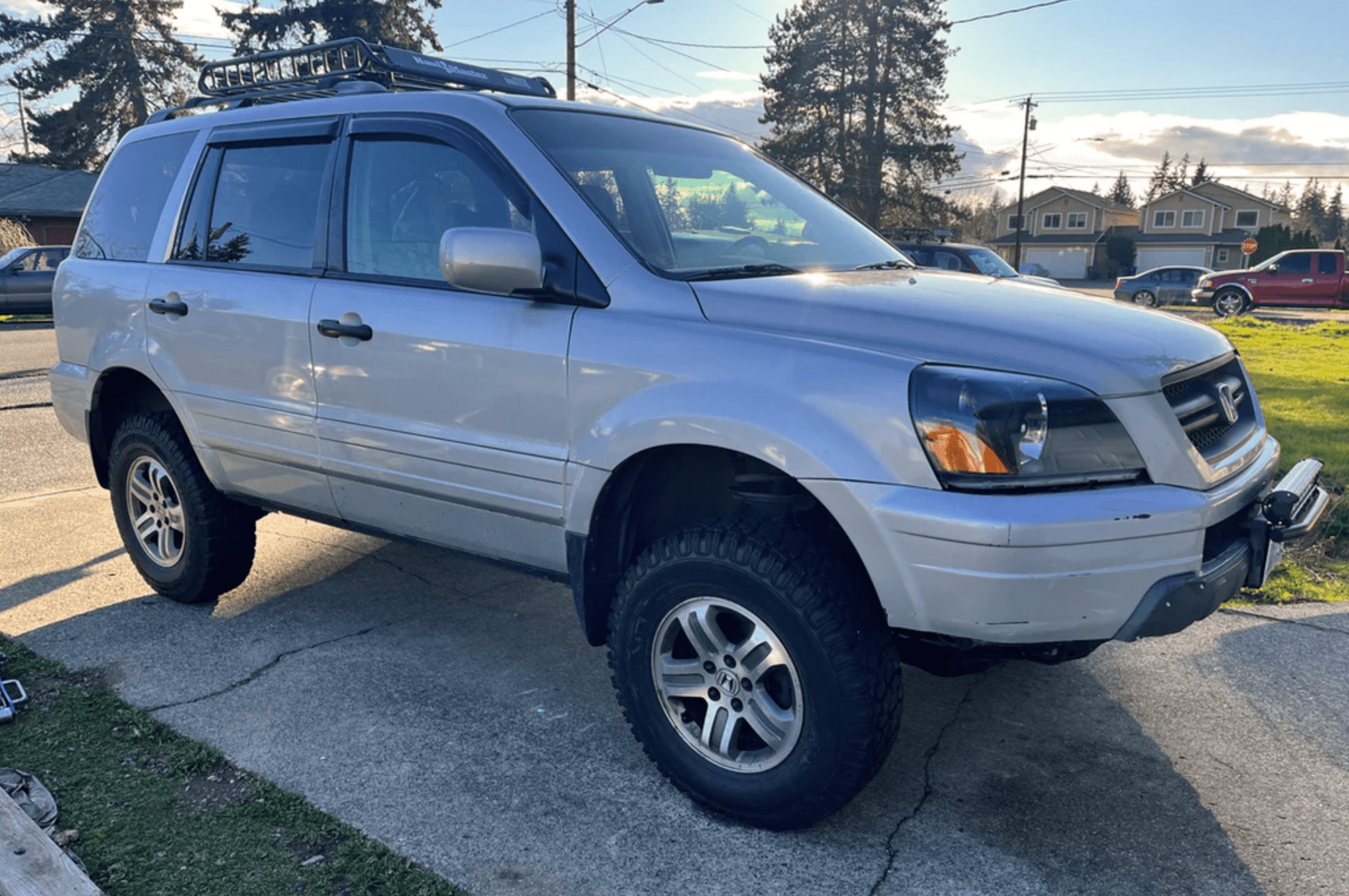
- Engine: 3.5L V6
- Horsepower: 240 hp
- Torque: 242 lb ft
- Length: 188.0 inches (4,775 mm)
- Width: 77.5 inches (1,969 mm)
7. 2003 Honda Pilot
The 2003 Honda Pilot holds a special place in the model’s history because it marked the debut of Honda’s first mainstream three-row crossover SUV.
At a time when many families were moving away from traditional truck-based SUVs, the Pilot offered a more comfortable and practical alternative. Built on a unibody platform shared with other Honda products, it provided car-like driving manners while retaining the space and versatility buyers expected from an SUV.
One of the biggest advantages of the 2003 Pilot was its roomy interior. Honda designed the cabin with families in mind, offering seating for up to eight passengers and a flexible cargo area. The large windows created an airy atmosphere, and visibility was excellent from nearly every seat. This practicality helped the Pilot quickly gain popularity among growing families.
Despite its strengths, the first model year experienced several mechanical concerns that would eventually hurt its reputation. Transmission problems became one of the most frequently discussed issues among owners. Some vehicles experienced rough shifting, delayed gear engagement, or premature transmission wear. These issues could lead to expensive repairs, particularly as mileage increases.
The driving experience was acceptable for its era but feels dated by modern standards. Steering lacked precision compared to newer generations, and body roll was noticeable during cornering. While the Pilot delivered a comfortable ride on highways and city streets, it did not provide the refinement buyers now expect from midsize crossovers.
Technology was another area where the 2003 model shows its age. Features that are now considered essential, including smartphone connectivity, advanced navigation systems, and modern driver assistance technologies, were unavailable. Even basic convenience features were relatively limited compared to today’s standards.
Safety performance was respectable for the early 2000s, but advancements in crash protection have significantly raised expectations since then. Modern Pilots offer far more sophisticated occupant protection systems and accident prevention technologies. As a result, the 2003 model feels outdated when compared with newer alternatives.
While the original Pilot deserves credit for establishing a successful vehicle line, it ranks last because of its reliability concerns, aging design, and limited technology. Buyers interested in a first-generation Pilot are generally better off considering later years that benefited from Honda’s ongoing improvements.
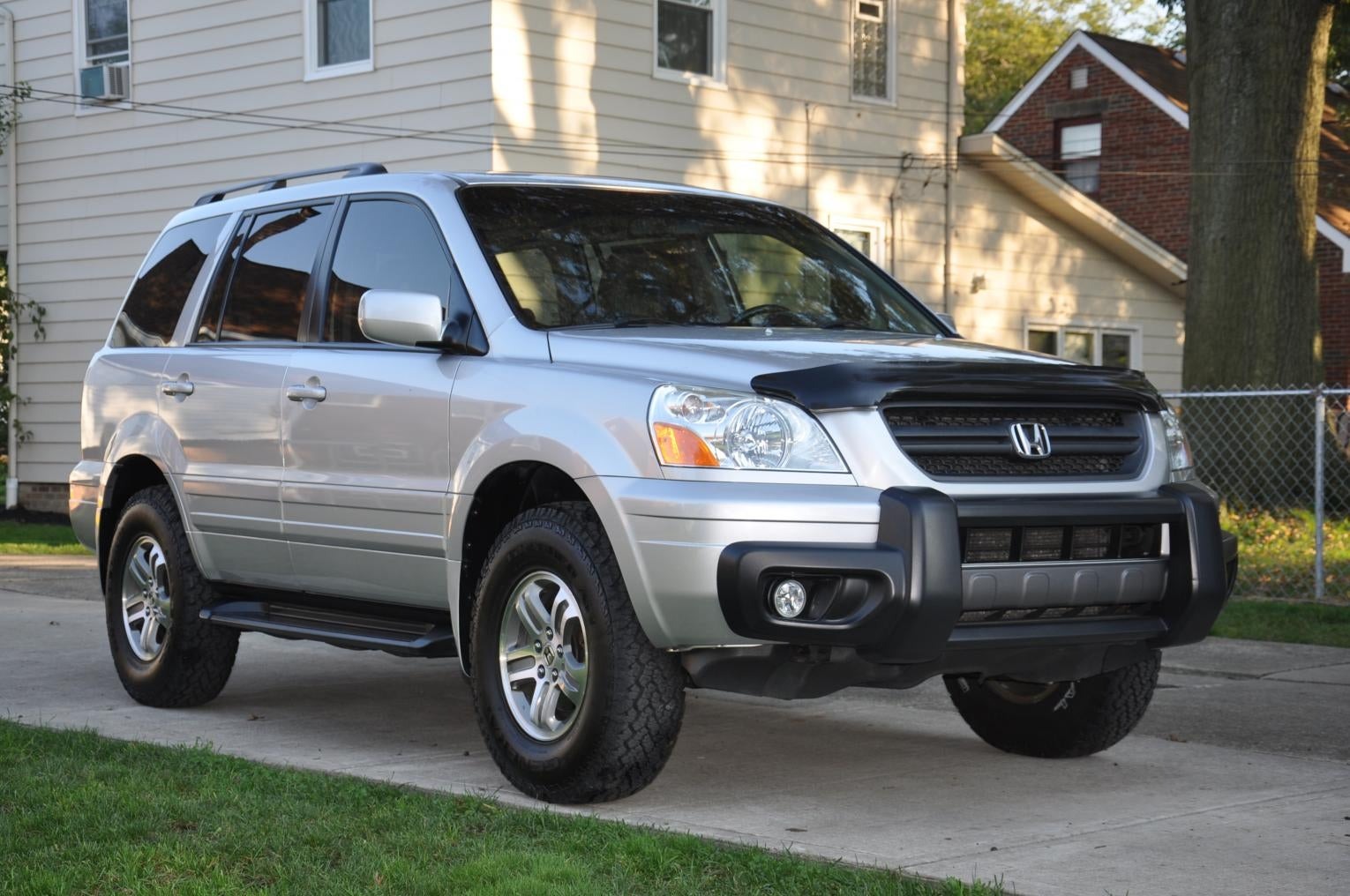
- Engine: 3.5L V6
- Horsepower: 255 hp
- Torque: 250 lb ft
- Length: 188.0 inches (4,775 mm)
- Width: 77.5 inches (1,969 mm)
6. 2005 Honda Pilot
By 2005, Honda had gained valuable experience with the Pilot and implemented several refinements aimed at improving owner satisfaction. The SUV maintained its reputation for practicality while addressing some of the shortcomings found in earlier production models. As a result, many consumers viewed the 2005 Pilot as a more mature version of the original concept.
The spacious interior remained one of the vehicle’s strongest attributes. Families appreciated the comfortable seating, generous cargo capacity, and numerous storage compartments throughout the cabin. Long road trips were relatively comfortable thanks to supportive seats and a smooth ride quality that compared favorably with many competitors.
The 3.5-liter V6 engine delivered solid performance for daily driving. Acceleration was adequate for merging onto highways, and the engine generally operated smoothly under normal conditions. The Pilot’s towing capability also appealed to buyers who needed occasional utility beyond simple passenger transportation.
Unfortunately, transmission concerns continued to affect this model year. Although improvements were made compared to the 2003 version, some owners still encountered drivetrain-related issues. These problems varied in severity but remained significant enough to impact the model’s reliability reputation.
Fuel economy represented another weakness. Compared with modern midsize SUVs, the 2005 Pilot consumed noticeably more fuel. Rising fuel prices during the late 2000s made efficiency a growing concern, and the Pilot struggled to match the economy offered by newer designs.
Interior materials were durable but lacked sophistication. Hard plastics dominated many surfaces, and the design prioritized functionality over visual appeal. While this approach helped durability, it also made the cabin feel less upscale than competing vehicles.
The 2005 Pilot ultimately ranks slightly higher than the 2003 model because of its refinements and improved ownership experience. However, persistent reliability concerns and aging technology prevent it from moving further up the rankings.
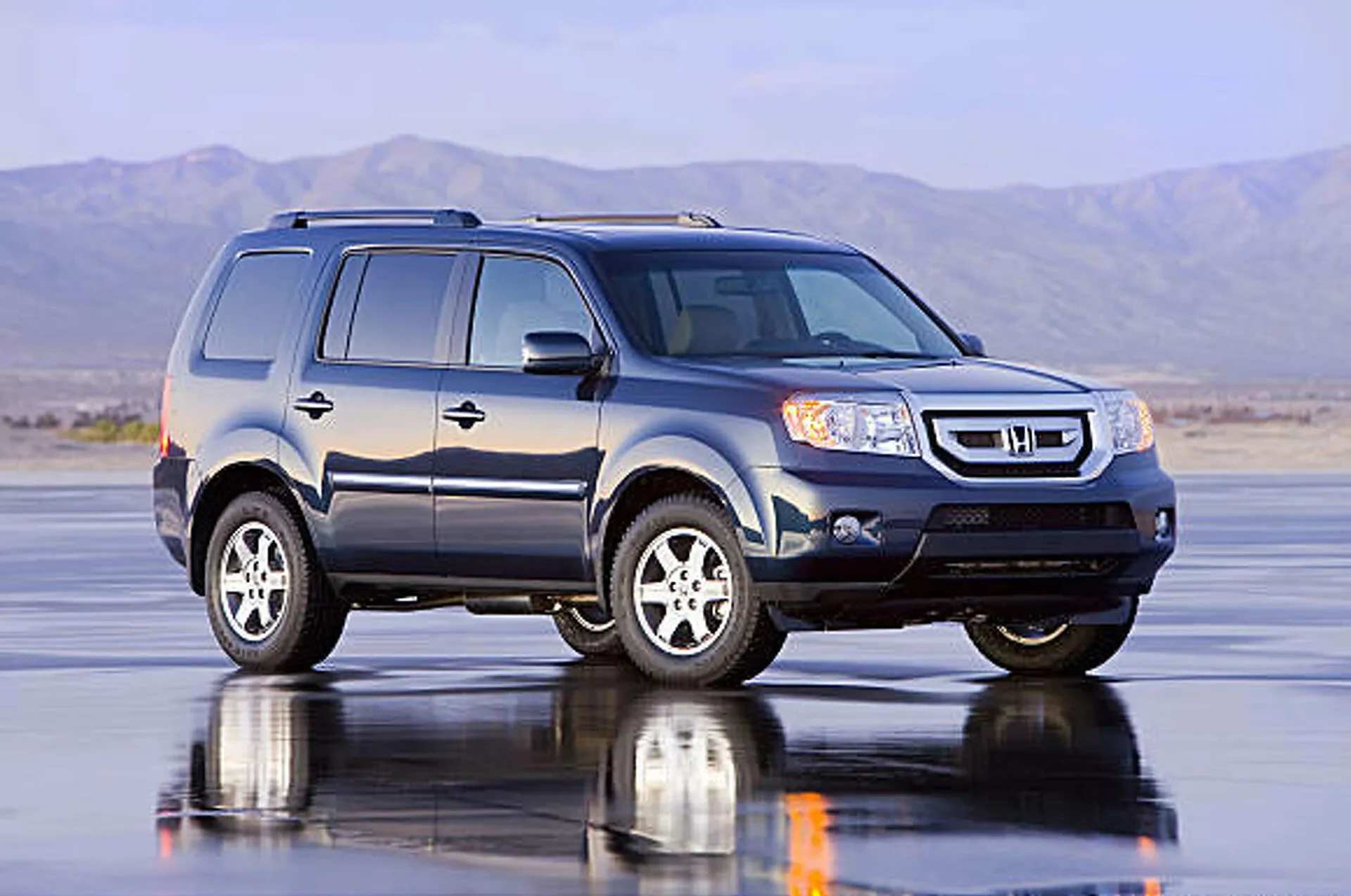
- Engine: 3.5L i VTEC V6
- Horsepower: 250 hp
- Torque: 253 lb ft
- Length: 190.9 inches (4,849 mm)
- Width: 78.5 inches (1,994 mm)
5. 2009 Honda Pilot
The 2009 Honda Pilot introduced the second generation and represented one of the most dramatic redesigns in the vehicle’s history. Honda moved toward a more rugged, truck-inspired appearance that emphasized utility and durability. The squared-off styling made the Pilot instantly recognizable and helped distinguish it from many crossover competitors.
Inside, Honda significantly increased interior versatility. The second generation offered improved cargo management solutions, more passenger space, and enhanced seating flexibility. Families found the vehicle exceptionally practical, especially for road trips, sports activities, and daily transportation needs.
Ride quality improved compared to earlier models. The suspension provided a comfortable balance between handling and comfort, allowing the Pilot to absorb rough road surfaces effectively. Drivers appreciated the confidence inspired by the vehicle’s stable highway behavior and predictable responses.
Safety became a major strength of the redesigned Pilot. Honda incorporated additional safety technologies and structural improvements that enhanced occupant protection. Strong crash test ratings reinforced the Pilot’s appeal among family-oriented buyers who prioritized safety.
However, reliability was not flawless. Some owners reported excessive oil consumption, suspension wear, and occasional electrical issues. Although these concerns were not universal, they appeared frequently enough to influence the model’s long-term reputation.
The exterior design remains somewhat divisive. While some buyers appreciated the rugged appearance, others found it overly boxy and less attractive than both earlier and later generations. Styling preferences are subjective, but the design continues to generate mixed opinions years after its release.
The 2009 Pilot deserves recognition for its spaciousness, practicality, and safety improvements. Nevertheless, reliability concerns and polarizing styling keep it in the middle of the rankings rather than among the top performers.
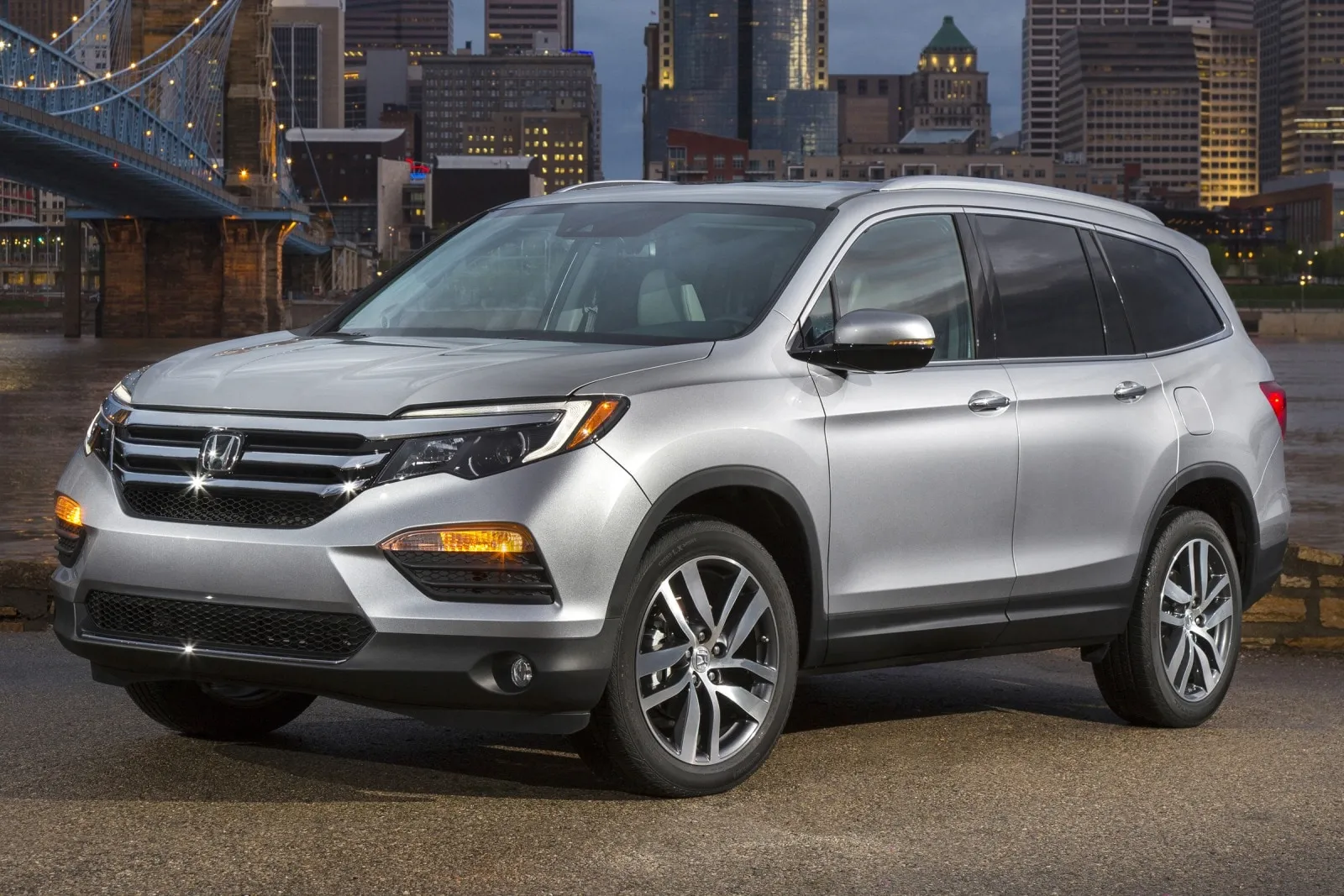
- Engine: 3.5L Earth Dreams V6
- Horsepower: 280 hp
- Torque: 262 lb ft
- Length: 194.5 inches (4,940 mm)
- Width: 78.6 inches (1,996 mm)
4. 2016 Honda Pilot
The 2016 Honda Pilot marked the arrival of the third generation and introduced sweeping changes that transformed the SUV’s identity. Honda abandoned the boxy styling of the previous generation in favor of a more aerodynamic and modern appearance. The redesign immediately broadened the Pilot’s appeal among consumers seeking a more refined family vehicle.
One of the most noticeable improvements was interior quality. The cabin featured softer materials, improved ergonomics, and a cleaner design. Honda focused on creating a premium atmosphere without sacrificing practicality, resulting in an interior that felt significantly more upscale than previous generations.
Technology advanced substantially with the 2016 redesign. Buyers gained access to modern infotainment systems, touchscreen controls, smartphone integration, and a variety of convenience features. These additions helped the Pilot remain competitive in a rapidly evolving automotive market.
The revised V6 engine delivered strong performance while improving fuel efficiency. Drivers benefited from smooth acceleration and respectable towing capability. The Pilot continued to provide a comfortable ride while becoming more refined and quieter during highway travel.
Despite these strengths, the 2016 model year experienced several first-year issues. Owners reported transmission hesitation, infotainment glitches, software bugs, and occasional electronic malfunctions. While many problems were corrected through updates and service campaigns, they affected customer satisfaction during the vehicle’s early years.
Honda also introduced a more sophisticated nine-speed automatic transmission on certain trims. While beneficial for efficiency and performance, the transmission initially received criticism for inconsistent behavior and occasional rough shifting characteristics.
The 2016 Pilot remains an important milestone because it modernized nearly every aspect of the SUV. However, early production challenges prevent it from ranking alongside the most refined and dependable versions of the Pilot.
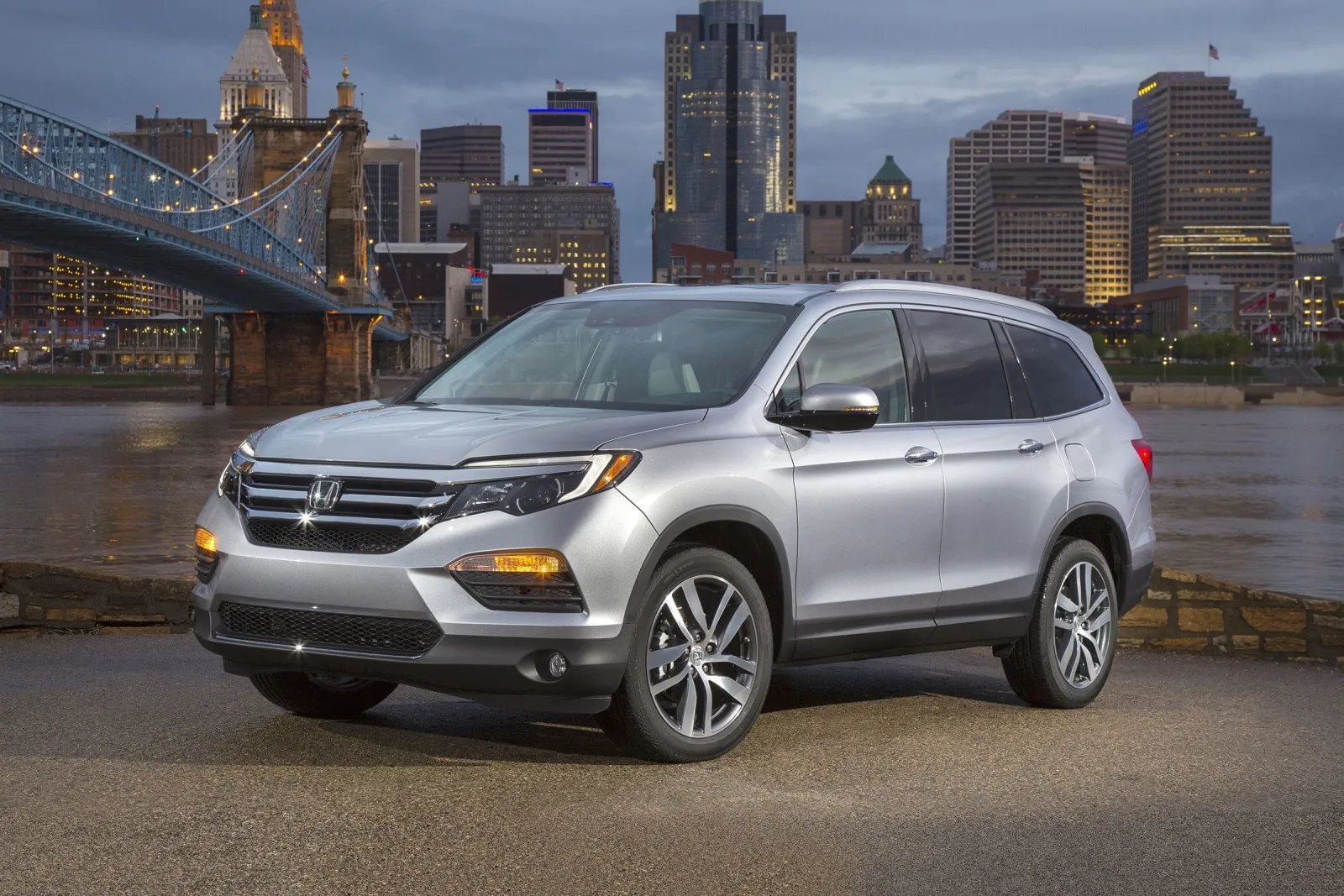
- Engine: 3.5L Earth Dreams V6
- Horsepower: 280 hp
- Torque: 262 lb ft
- Length: 194.5 inches (4,940 mm)
- Width: 78.6 inches (1,996 mm)
3. 2018 Honda Pilot
The 2018 Honda Pilot benefited from several years of refinement following the third-generation redesign. By this point, Honda had addressed many of the concerns that affected earlier models, resulting in a more polished ownership experience.
Reliability improved noticeably compared with the 2016 version. Owners generally reported fewer serious mechanical and electronic issues, making the 2018 Pilot a more attractive option for used vehicle shoppers. This improvement strengthened confidence in the third-generation platform.
Passenger comfort remained one of the Pilot’s defining strengths. The SUV offered generous space across all three rows, allowing adults and children to travel comfortably. Families appreciated the easy access to the third row and the flexibility provided by multiple seating configurations.
The driving experience balanced comfort and practicality effectively. The Pilot handled daily commuting, road trips, and family transportation duties with ease. Its refined suspension contributed to a smooth ride, while improved sound insulation created a quieter cabin environment.
Technology features were more refined and user-friendly than in earlier third-generation models. Infotainment systems operated more reliably, and available connectivity options helped keep the Pilot competitive with rivals in the segment.
Safety remained a major selling point. Advanced driver assistance technologies became increasingly common, providing additional peace of mind for families. Features such as adaptive cruise control and lane keeping assistance enhanced convenience during long journeys.
The 2018 Pilot represents one of the smartest choices in the used SUV market because it combines practicality, comfort, technology, and improved reliability. These qualities earn it a place among the top three models in this ranking.
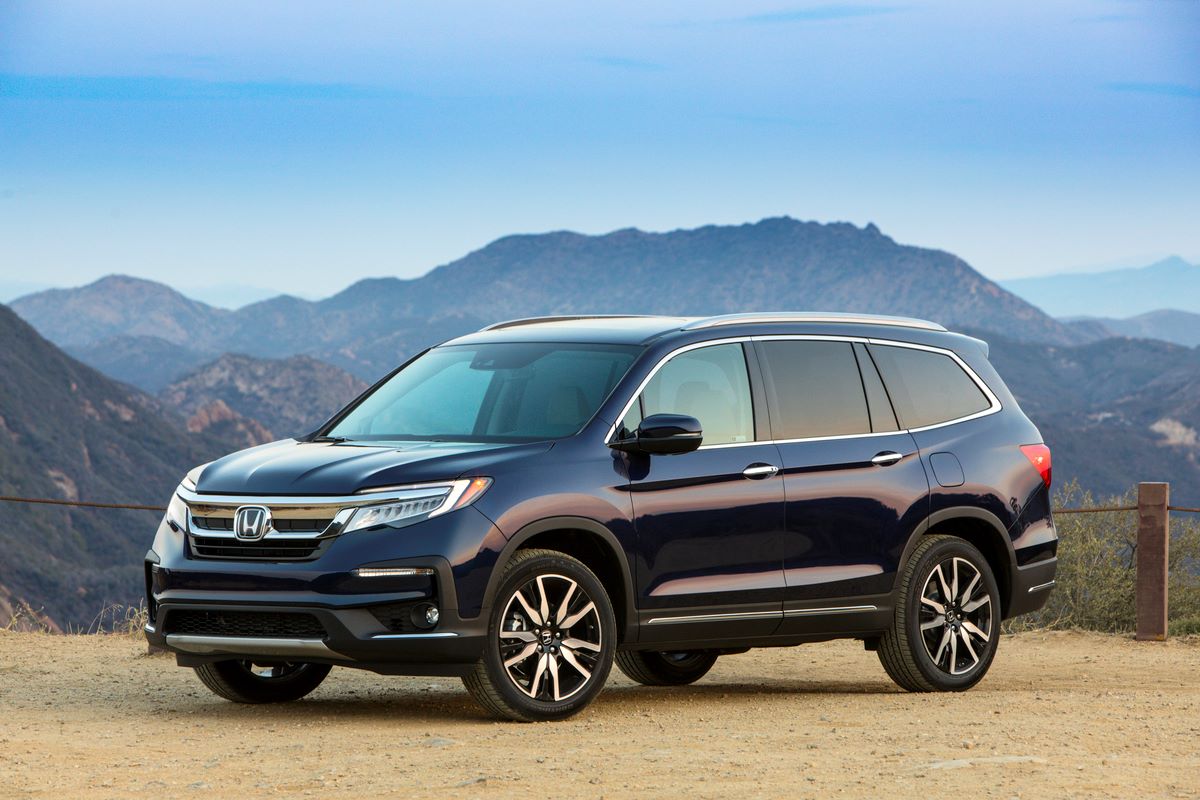
- Engine: 3.5L V6
- Horsepower: 280 hp
- Torque: 262 lb ft
- Length: 196.5 inches (4,991 mm)
- Width: 78.6 inches (1,996 mm)
2. 2021 Honda Pilot
The 2021 Honda Pilot reflects years of continuous improvement and refinement. By this stage of the third generation, Honda had successfully addressed many earlier concerns while enhancing technology, safety, and user experience.
Reliability became one of the model’s strongest attributes. Owners generally reported consistent performance and fewer unexpected repairs than many earlier Pilots. This dependability contributes significantly to the vehicle’s strong resale value and long-term appeal.
The interior remained exceptionally versatile. With seating for up to eight passengers and ample cargo capacity, the Pilot excelled as a family vehicle. Honda’s thoughtful approach to storage solutions and cabin organization further improved everyday usability.
Ride comfort reached an impressive level. The suspension delivered a composed driving experience, while improved sound insulation minimized road and wind noise. Long-distance travel felt effortless, reinforcing the Pilot’s reputation as an outstanding road trip vehicle.
Technology features have matured considerably. Infotainment systems became more intuitive, smartphone integration worked more effectively, and advanced safety technologies were widely available. These enhancements made the Pilot feel contemporary despite being several years into its generation.
The exterior design aged gracefully and remained attractive to a broad audience. Unlike some competitors that pursued aggressive styling trends, the Pilot maintained a balanced appearance focused on practicality and long-term appeal.
For many buyers, the 2021 Pilot represents the ideal blend of proven reliability, modern technology, comfort, and value. It narrowly misses the top position only because the next generation introduced another major leap forward.
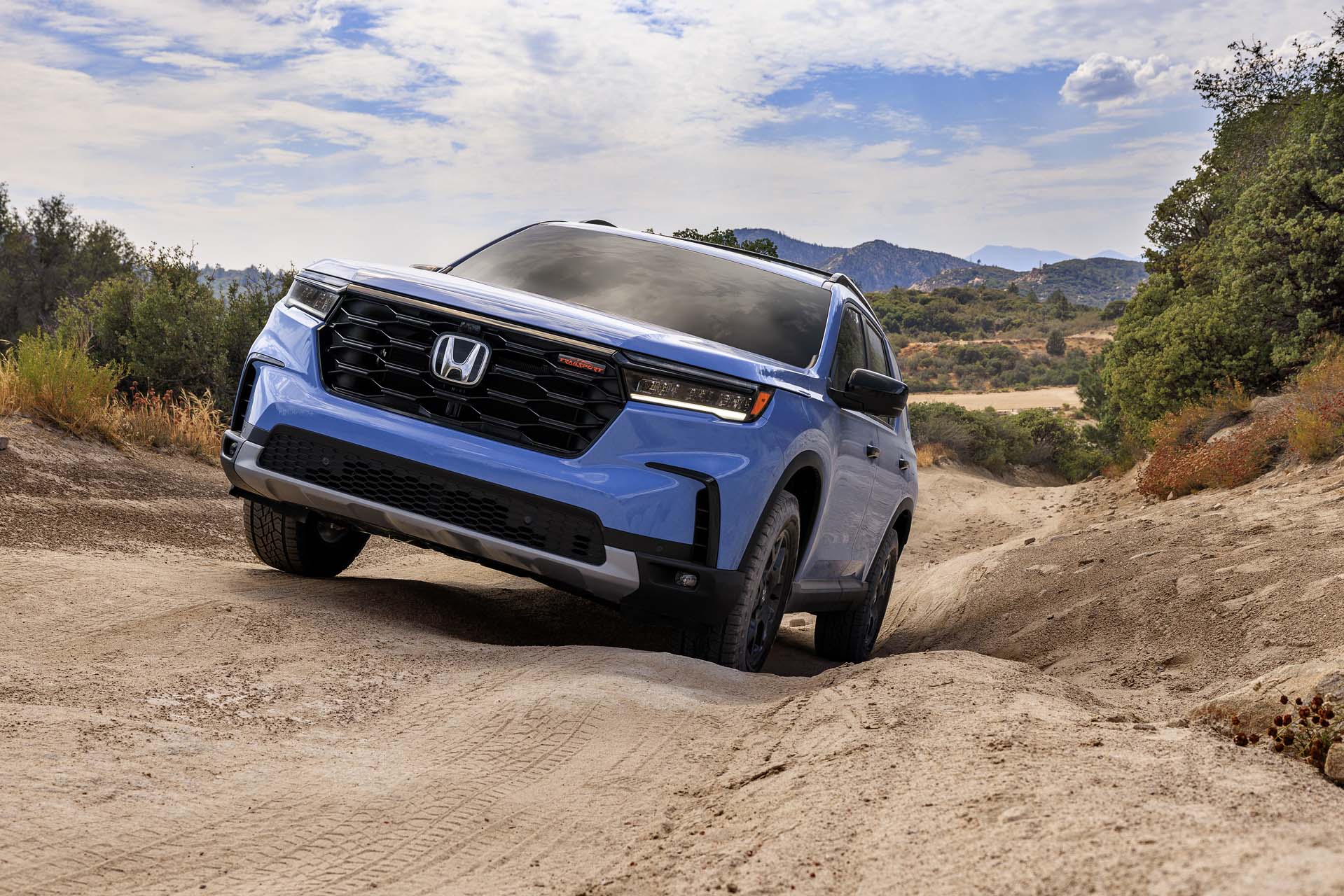
- Engine: 3.5L DOHC V6
- Horsepower: 285 hp
- Torque: 262 lb ft
- Length: 199.9 inches (5,077 mm)
- Width: 78.5 inches (1,994 mm)
1. 2023 Honda Pilot
The 2023 Honda Pilot stands as the most impressive version of the SUV ever produced. Honda completely redesigned the vehicle with the goal of improving capability, comfort, technology, and refinement. The result is a Pilot that feels more confident and sophisticated than any previous generation.
The redesigned exterior projects a stronger and more adventurous personality. Honda adopted a more rugged design language that gives the Pilot greater visual presence without sacrificing its family-friendly nature. The styling appeals to buyers who want both practicality and a sense of capability.
Underneath the bodywork, the new platform enhances structural rigidity and driving dynamics. The Pilot feels more stable, more responsive, and more refined across a wide variety of driving conditions. These improvements contribute to a more enjoyable ownership experience.
Interior quality reaches new heights in the 2023 model. Premium materials, improved ergonomics, and a more modern layout create an upscale atmosphere. Passengers benefit from increased comfort, while drivers enjoy a cleaner and more intuitive control arrangement.
Technology is another standout area. Updated infotainment systems, improved connectivity options, and advanced driver assistance features help position the Pilot among the most competitive vehicles in its class. Honda successfully integrated these technologies while maintaining ease of use.
Safety continues to be a defining strength. Enhanced crash protection, advanced accident prevention systems, and improved structural engineering provide reassurance for families. The Pilot’s commitment to occupant safety remains one of its most important selling points.
Perhaps most importantly, the 2023 Pilot builds upon decades of lessons learned from previous generations. Honda addressed many historical weaknesses while preserving the qualities that made the Pilot successful in the first place. The combination of practicality, comfort, capability, safety, and refinement makes it the clear winner in this ranking and the best Honda Pilot produced to date.
