
Over the past decade, the cost of owning a vehicle in the United States has changed dramatically, shaped by rising inflation, supply chain disruptions, advances in automotive technology, higher insurance premiums, and changing fuel prices.
Ten years ago, in 2016, the average American driver could reasonably expect relatively stable costs for buying, maintaining, and fueling a vehicle compared to today. Fast forward to 2026, and nearly every component of vehicle ownership has become more expensive, more complex, or both. From compact sedans to full-size pickup trucks and electric vehicles, the total cost of ownership has shifted in ways that affect millions of households across the country.
This article explores 10 popular vehicles in the US market and compares their approximate cost of ownership between 2016 and 2026. Cost of ownership includes purchase price, fuel or energy costs, insurance, maintenance, and depreciation over time.
While exact figures vary depending on location, driving habits, and trim levels, the trends are consistent across the board: higher upfront prices, increased insurance costs, more expensive repairs due to advanced technology, and fuel or energy costs that fluctuate more aggressively than in the past.
Another major factor influencing ownership costs is vehicle complexity. Modern cars are more fuel-efficient and safer, but they also rely heavily on sensors, software systems, and electronic components. This has improved performance and safety ratings but increased repair costs significantly.
Even minor accidents can now lead to expensive repairs due to radar systems, cameras, and integrated electronics. At the same time, vehicles are lasting longer on average, which spreads depreciation differently than it did a decade ago.
Electric vehicles have also changed the ownership equation. While EVs like the Tesla Model 3 or Chevrolet Bolt were relatively niche or newly mainstream in 2016, by 2026, they will be a major part of the market.
EV ownership reduces fuel costs but introduces new variables such as charging infrastructure, battery degradation concerns, and higher insurance premiums in some cases. Meanwhile, traditional gasoline vehicles continue to see rising fuel and maintenance costs.
In this article, we break down 10 widely recognized vehicles in the US market, comparing what ownership looked like roughly in 2016 versus what it looks like in 2026. The goal is to provide a clear, structured understanding of how dramatically the economics of driving have changed in just one decade, and what that means for everyday drivers, families, and commuters across the United States.
Also Read: 5 Land Rover Models Worth the Risk VS 5 To Avoid
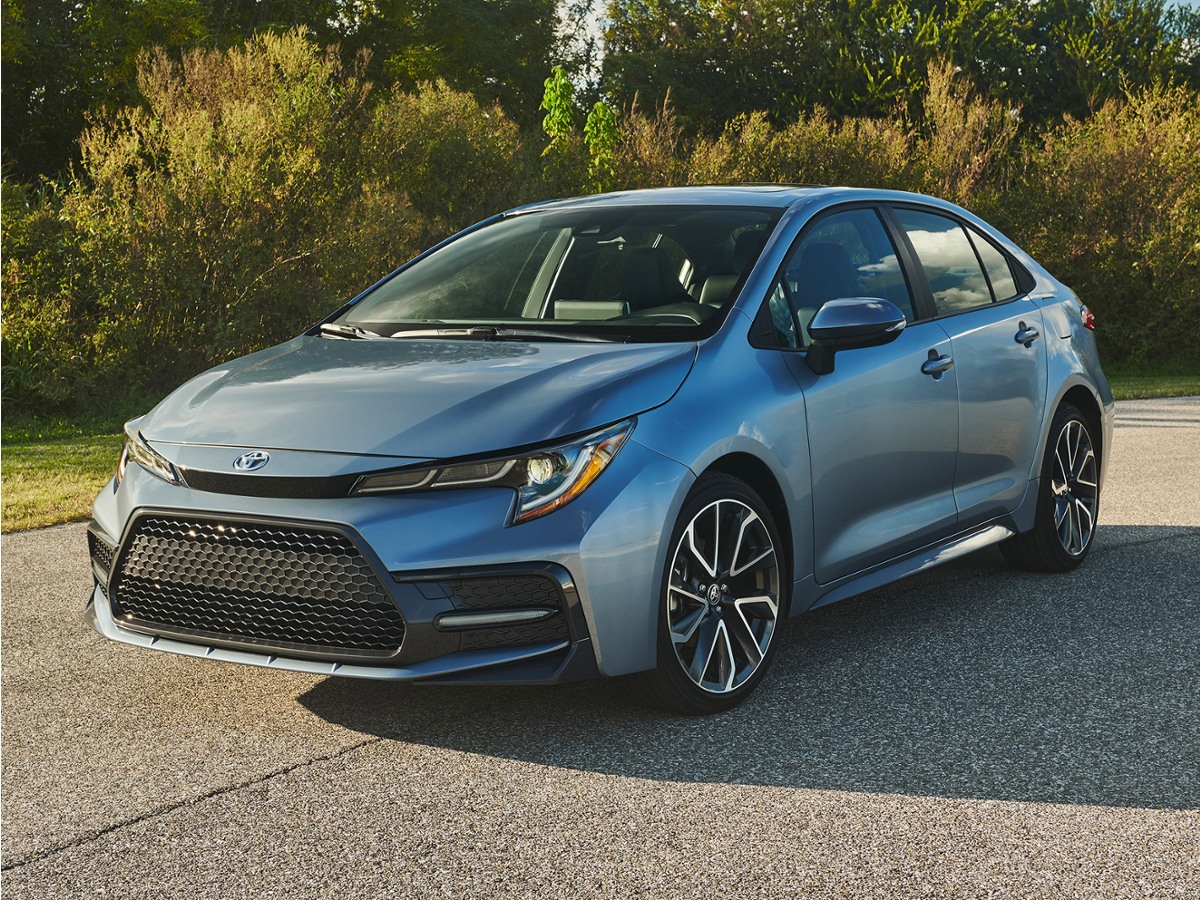
- Engine: 2.0L 4-cylinder (gasoline)
- Horsepower: 169 hp
- Torque: 151 lb-ft
- Length: ~182.3 inches
- Width: ~70.1 inches
1. Toyota Corolla: Compact Economy Sedan Ownership Comparison
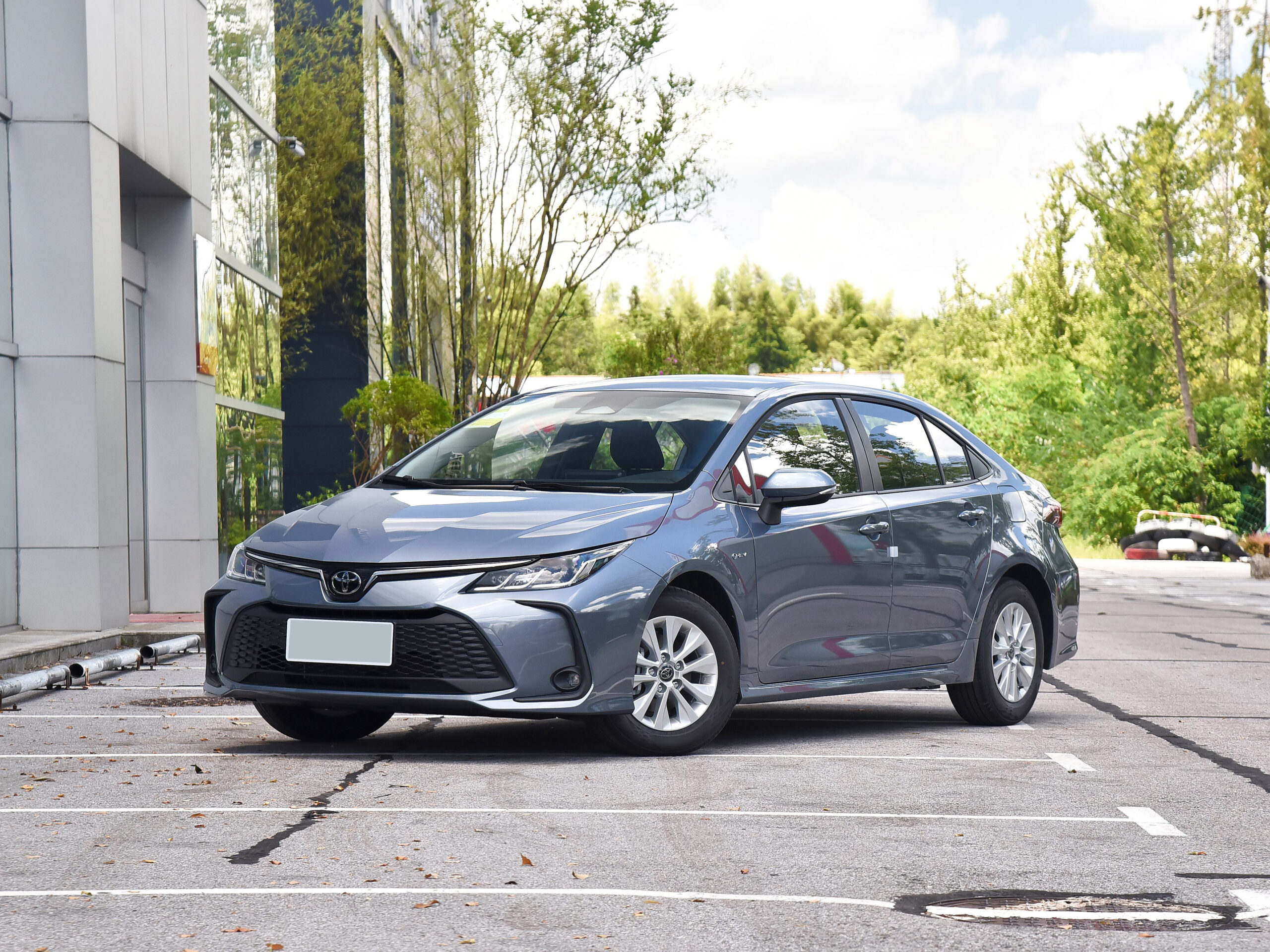
The Toyota Corolla has long been one of the most affordable and widely owned compact cars in the United States, and in 2016, it represented the definition of low-cost vehicle ownership.
Buyers at that time were attracted to its low starting price, strong fuel economy, and reputation for long-term reliability. For many first-time car owners, students, and commuters, the Corolla was often the default choice because it minimized financial stress across all categories of ownership.
Insurance premiums were low, routine maintenance was predictable, and fuel costs were manageable even for daily long-distance commuting. The simplicity of the engineering also meant fewer unexpected repair bills compared to more complex vehicles.
By 2026, however, the Corolla has evolved significantly in terms of design, safety, and technology, and those improvements have influenced its ownership cost structure.
Modern Corolla models now include advanced driver assistance systems, touchscreen infotainment setups, hybrid variants, and enhanced crash safety structures as standard or near-standard features. While these upgrades increase value and safety, they also raise the base purchase price compared to 2016.
Inflation in manufacturing costs and stricter safety regulations in the US automotive market have further contributed to higher upfront expenses. As a result, even though the Corolla remains one of the cheapest mainstream sedans, it is no longer as “bare minimum affordable” as it once was.
Fuel economy has improved slightly, especially with hybrid variants becoming more common in recent years, but real-world savings are often offset by fluctuating fuel prices across the United States. In 2016, gasoline prices were relatively stable for long stretches, allowing owners to predict monthly fuel expenses with confidence.
In contrast, the 2026 market has seen more volatility, influenced by global energy shifts and regional pricing differences. Even though the Corolla remains fuel efficient, the total annual fuel cost for many drivers has increased simply due to external market conditions rather than vehicle inefficiency.
Insurance costs have also shifted upward significantly over the decade. In 2016, the Corolla benefited from being categorized as a low-risk, low-cost repair vehicle. However, modern safety systems such as radar sensors, lane-keeping cameras, and collision detection technology have made even minor repairs expensive.
A simple bumper replacement today may require recalibration of multiple electronic systems, which increases labor costs. This has led insurance companies to adjust premiums upward, even for economy vehicles like the Corolla. As a result, the long-term insurance expenditure over 10 years is noticeably higher than it was in 2016.
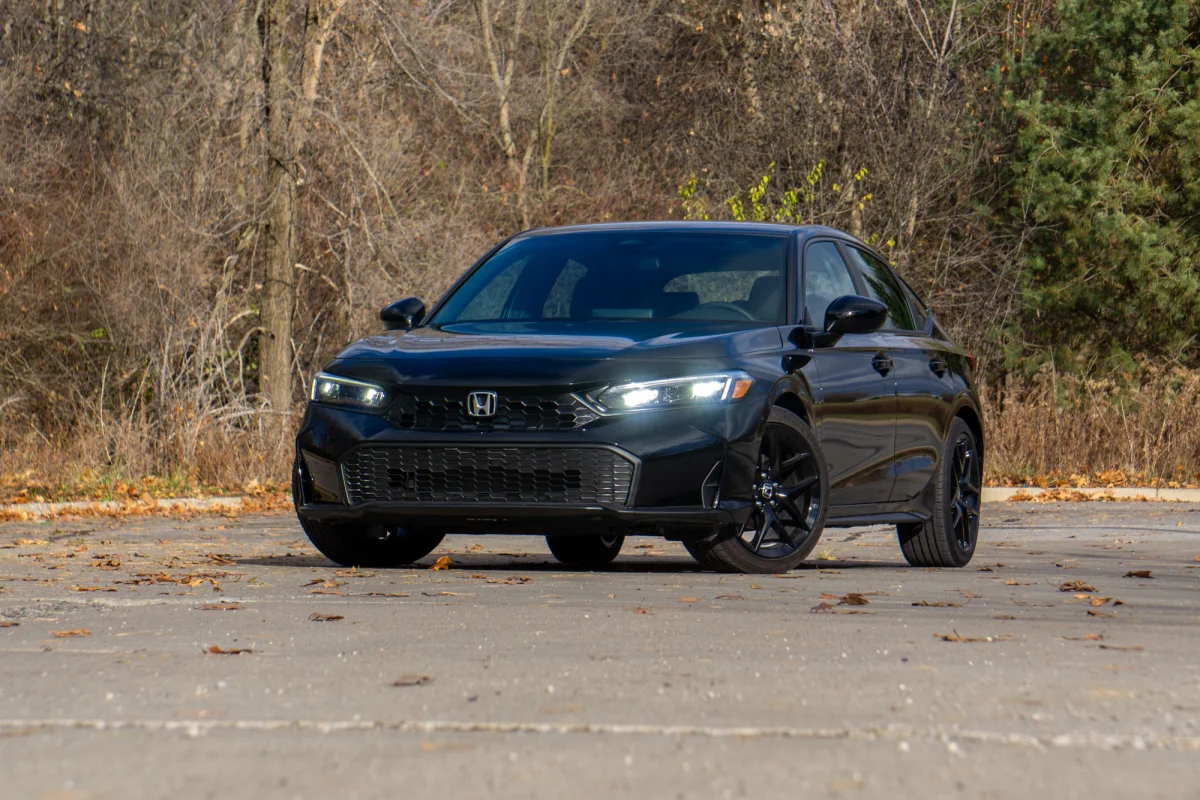
- Engine: 2.0L 4-cylinder / 1.5L turbo 4-cylinder
- Horsepower: 158–180 hp
- Torque: 138–177 lb-ft
- Length: ~184.0 inches
- Width: ~70.9 inches
2. Honda Civic: Long-Term Reliability and Rising Ownership Costs
The Honda Civic has historically been one of the most balanced compact cars in the United States, and in 2016, it stood out as a strong competitor to the Toyota Corolla while offering a slightly more engaging driving experience. At that time, the Civic was known for its affordability, strong resale value, and efficient fuel consumption.
It was particularly popular among younger drivers and urban commuters who valued both economy and style. Maintenance costs were low, and Honda’s reputation for reliability meant that long-term ownership rarely involved major unexpected repairs during the first decade of use.
Fast forward to 2026, and the Civic has undergone a significant transformation in terms of design philosophy and technology integration. Modern Civics now come with advanced infotainment systems, turbocharged engines in many trims, and a wide array of driver assistance features that were once reserved for higher-end vehicles.
These improvements have made the Civic feel more premium, but they have also contributed to a higher base purchase price. In addition, manufacturing costs have increased across the automotive industry, meaning that even base models cost substantially more than their 2016 counterparts.
Fuel efficiency remains one of the Civic’s strongest advantages, with modern engines delivering excellent mileage compared to many competitors. However, the real-world benefit of this efficiency is partially reduced by increased gasoline prices and more variable fuel markets in the United States.
In 2016, drivers could reasonably expect consistent fuel spending month to month, but in 2026, fluctuations in fuel pricing mean that budgeting for long-term ownership has become more complex. Even efficient vehicles like the Civic cannot fully escape the impact of broader energy market trends.
Insurance costs have also risen sharply for the Civic over the past decade. While it was once considered one of the cheapest vehicles to insure, the introduction of advanced electronics and turbocharged performance variants has changed that classification.
Modern Civics are more expensive to repair after accidents due to the integration of sensors, cameras, and complex electrical systems. Even windshield replacements may require recalibration of safety systems, which increases labor and service costs. Insurance providers now reflect these risks in higher premiums, which contribute to a higher 10-year ownership cost.
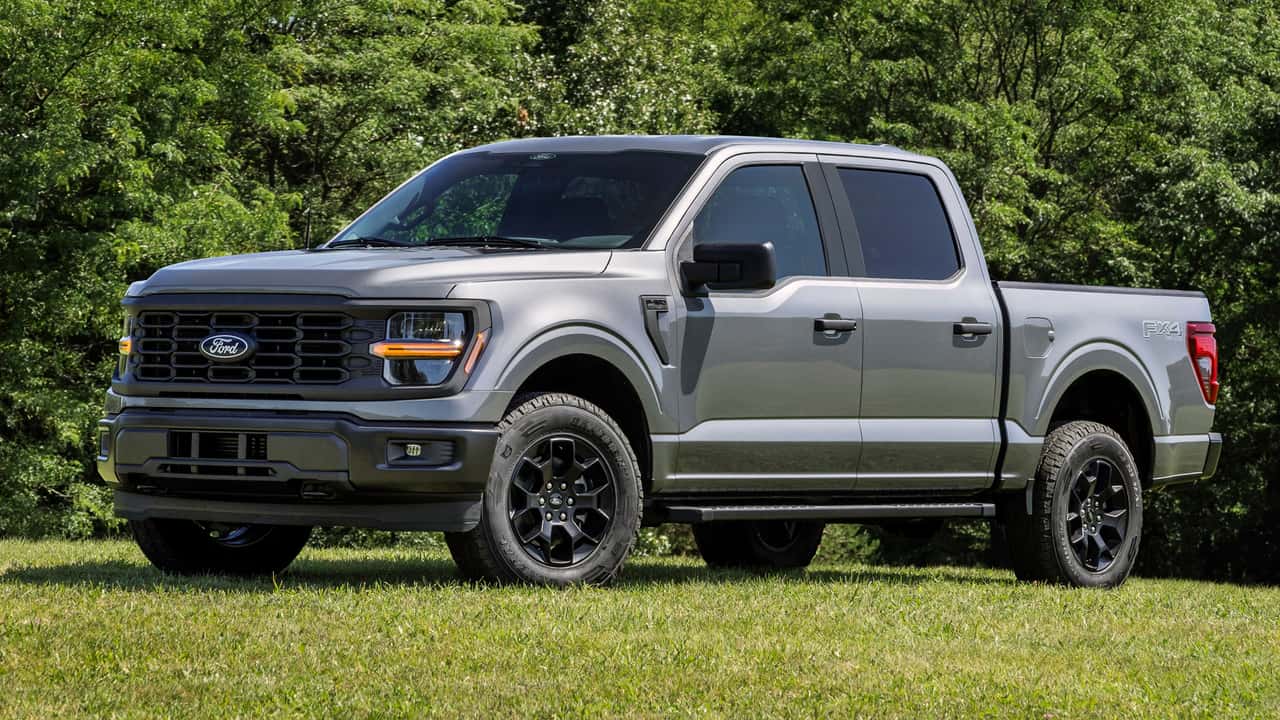
- Engine: 2.7L EcoBoost V6 / 3.5L EcoBoost V6 / 5.0L V8
- Horsepower: 325–400+ hp
- Torque: 400–500+ lb-ft
- Length: ~209–250 inches
- Width: ~79.9 inches
3. Ford F-150: America’s Best-Selling Truck Ownership Shift
The Ford F-150 has long held its position as the best-selling vehicle in the United States, and in 2016, it was already a symbol of durability, capability, and versatility. At that time, the F-150 offered a wide range of configurations, from basic work trucks to more comfortable family-oriented trims.
Ownership costs were already higher than those of compact cars due to fuel consumption, insurance rates, and maintenance requirements, but the truck was still considered practical for both personal and commercial use. Many buyers accepted higher costs in exchange for towing capacity and utility.
By 2026, the Ford F-150 will have evolved into a far more technologically advanced vehicle, and this evolution has significantly increased its ownership cost. Modern models include hybrid powertrains, aluminum body construction, advanced towing assistance systems, large digital dashboards, and a wide array of connectivity features.
While these innovations improve performance, safety, and comfort, they also increase purchase prices substantially compared to 2016. Higher trim levels now approach luxury vehicle pricing, which was not as common a decade ago.
Fuel costs remain one of the largest contributors to long-term ownership expenses. Although newer engine designs and hybrid options have improved efficiency, real-world usage, especially for towing, hauling, or off-road driving, still results in high fuel consumption.
In 2016, fuel prices were generally lower and more stable, making it easier for truck owners to predict annual operating costs. In contrast, 2026 fuel markets have been more unpredictable, and this volatility directly affects the total cost of ownership for heavy-use drivers.
Insurance costs have also risen significantly for the F-150. Because modern trucks are more expensive to repair and replace, insurance companies charge higher premiums.
Advanced driver assistance systems, sensors embedded in bumpers and mirrors, and complex drivetrain components all contribute to higher repair bills after accidents. Even minor collisions can result in thousands of dollars in repairs due to recalibration requirements. This has made insurance a much larger component of total ownership cost than it was in 2016.
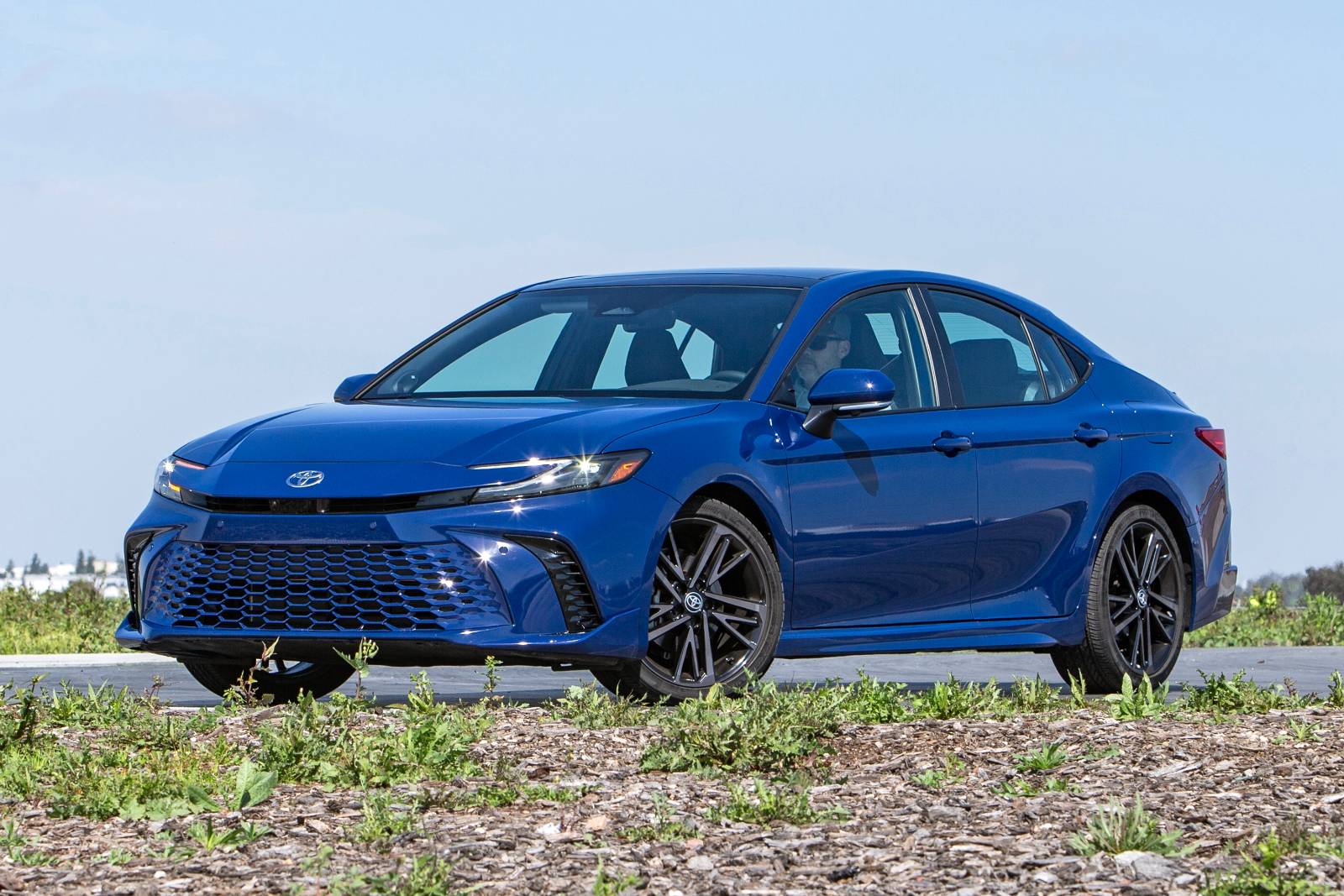
- Engine: 2.5L 4-cylinder / Hybrid 4-cylinder
- Horsepower: 203–208 hp
- Torque: 184 lb-ft
- Length: ~192.7 inches
- Width: ~72.4 inches
4. Toyota Camry: Mid-Size Sedan Cost Stability vs Inflation Pressure
The Toyota Camry has long been a cornerstone of the mid-size sedan market in the United States, and in 2016, it was widely recognized as one of the most balanced and dependable family cars available.
It offered a strong combination of comfort, fuel efficiency, reliability, and low maintenance costs. For many households, the Camry represented a long-term financial decision rather than just a transportation purchase, because it could reliably serve for years with minimal unexpected expenses.
In 2026, the Camry continues to hold that reputation, but its ownership cost structure has changed due to industry-wide inflation and technological upgrades. Modern Camry models come equipped with advanced safety features, hybrid powertrains, and upgraded infotainment systems as standard in many trims.
These improvements have significantly enhanced the driving experience and safety but have also increased the base price compared to 2016 models. Even though the Camry remains more affordable than many competitors, it is no longer as inexpensive as it once was at the entry level.
One of the key differences in 2026 ownership is the growing popularity of hybrid variants. These models offer improved fuel efficiency and lower long-term fuel costs, especially for city driving and commuting.
In 2016, hybrid options existed but were less common and less central to the Camry lineup. Today, they play a much larger role in the vehicle’s identity. However, while fuel savings are real, they are often offset by higher purchase prices and slightly more expensive battery-related maintenance over the long term.
Insurance and maintenance costs have also increased over the decade. As with other modern vehicles, advanced electronics and safety systems make repairs more expensive.
Even routine bodywork or windshield replacement can involve recalibration of cameras and sensors. Labor costs in the automotive repair industry have also risen, contributing to higher maintenance expenses. While the Camry remains relatively affordable to maintain, it is no longer as inexpensive as it was in 2016, when repair systems were simpler.
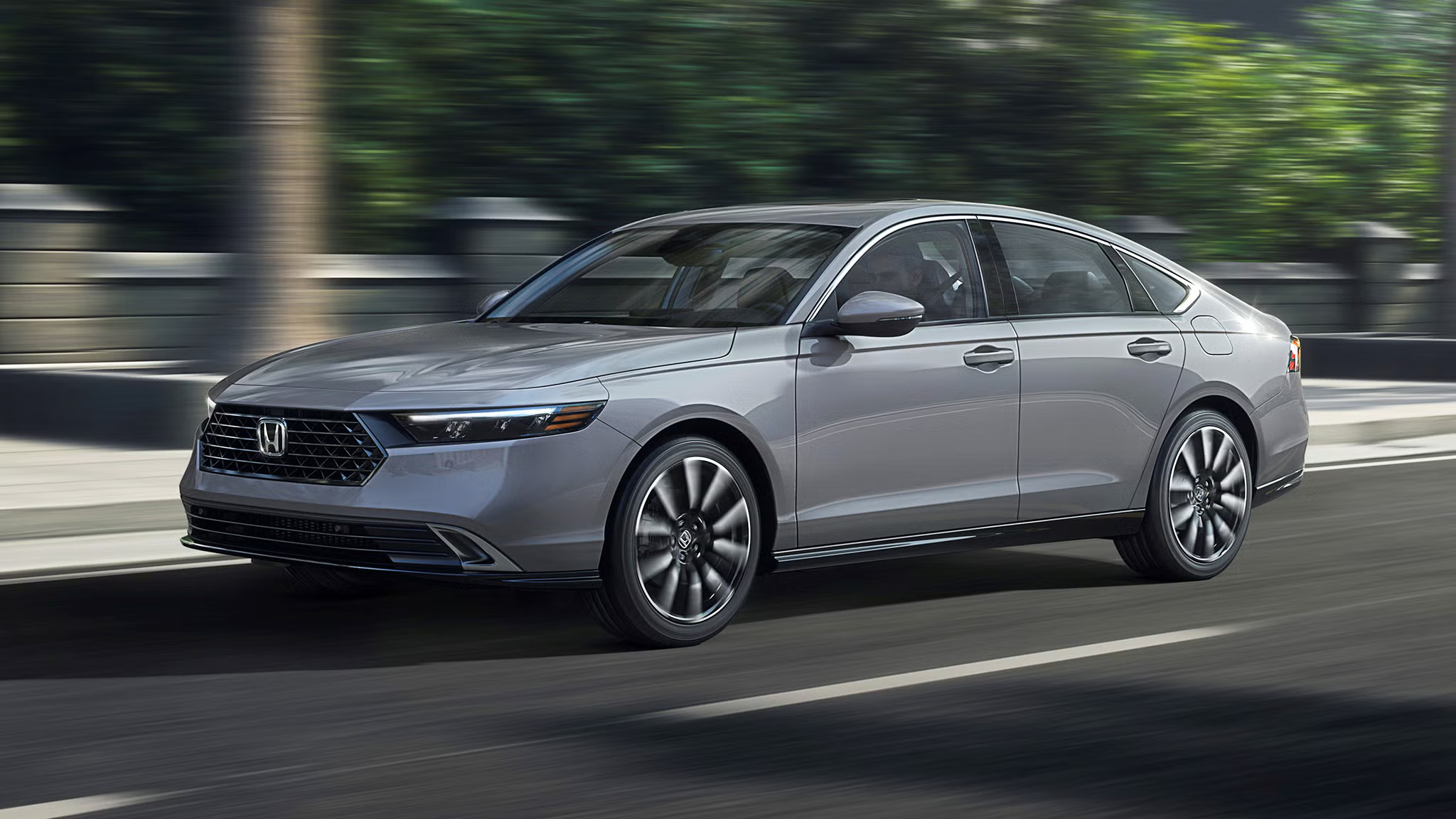
- Engine: 1.5L turbo 4-cylinder / Hybrid 4-cylinder
- Horsepower: 192–204 hp
- Torque: 192 lb-ft
- Length: ~195.7 inches
- Width: ~73.3 inches
5. Honda Accord: Premium Mid-Size Ownership Evolution
The Honda Accord in 2016 was already positioned as a more refined alternative to compact cars, offering greater space, comfort, and performance while still maintaining reasonable ownership costs. It was widely favored by families and professionals who needed reliability but wanted a more premium driving experience than what compact sedans could offer.
At that time, the Accord had a strong reputation for durability, low maintenance requirements, and strong resale value, making it one of the most balanced mid-size sedans in the US market.
By 2026, the Honda Accord will have shifted further toward a premium positioning, with design and feature upgrades that bring it closer to entry-level luxury vehicles. Modern Accords now feature hybrid powertrains in many trims, advanced driver assistance systems, high-resolution infotainment displays, and significantly improved interior materials.
While these enhancements improve comfort and safety, they also contribute to a higher purchase price compared to 2016. The shift toward hybridization has also changed the cost structure in terms of long-term maintenance and potential battery-related service considerations.
Fuel efficiency has improved significantly, particularly with hybrid variants that offer strong mileage for both city and highway driving. In 2016, fuel economy was already respectable, but in 2026, it is among the best in its class for a mid-size sedan.
However, despite improved efficiency, fuel cost savings are partially offset by fluctuating gasoline prices and increased electricity use for hybrid system optimization. This means that while per-mile efficiency has improved, total real-world savings are not as dramatic as expected when comparing across a decade.
Insurance costs for the Accord have increased as well, reflecting its higher vehicle value and more complex repair requirements. Advanced safety systems, including collision mitigation braking, adaptive cruise control, and lane-keeping assist, improve safety but raise repair costs when accidents occur.
Even minor damage can require sensor recalibration and specialized labor. As a result, insurance companies have adjusted premiums upward compared to 2016 levels, increasing total ownership costs over time.
Also Read: 10 Strangest Concept Cars & Ranked
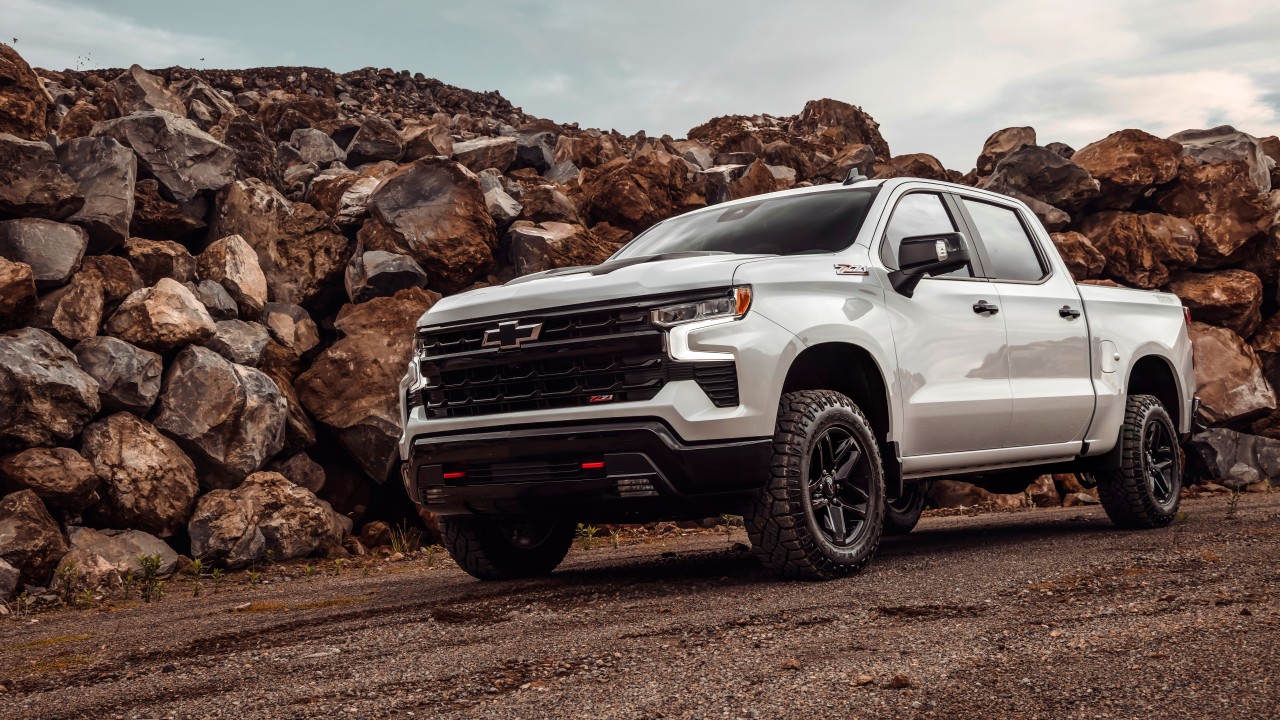
- Engine: 2.7L turbo 4-cylinder / 5.3L V8 / 6.2L V8
- Horsepower: 310–420 hp
- Torque: 383–495 lb-ft
- Length: ~210–242 inches
- Width: ~81.2 inches
6. Chevrolet Silverado: Full-Size Truck Cost Expansion
The Chevrolet Silverado has been one of the most important full-size pickup trucks in the United States for decades, and in 2016, it already represented a significant financial commitment for most buyers.
At that time, the Silverado was widely used for both personal transportation and commercial work purposes, offering strong towing capability, durable construction, and a wide range of trims. However, even in 2016, ownership costs were higher than those of sedans due to fuel consumption, insurance rates, and heavier maintenance demands associated with truck usage.
By 2026, the Silverado will have evolved into a much more advanced and feature-rich vehicle, and this transformation has significantly increased its cost of ownership. Modern versions include turbocharged engine options, advanced towing assistance systems, larger infotainment displays, and premium interior packages that rival luxury SUVs.
While these upgrades improve performance and comfort, they also contribute to a noticeably higher purchase price compared to 2016 models. Even base trims now cost substantially more due to inflation and added safety technology requirements.
Fuel consumption remains one of the largest long-term expenses for Silverado owners. Although newer engines have improved efficiency on paper, real-world usage often involves towing, hauling, and highway driving under load, which reduces those efficiency gains.
In 2016, fuel prices were more stable and generally lower, allowing owners to plan fuel budgets with more certainty. In contrast, 2026 fuel markets are more volatile, meaning that monthly ownership costs can fluctuate significantly depending on location and usage patterns.
Insurance costs have also risen sharply over the decade. The Silverado is more expensive to repair than it was in 2016 due to advanced sensors, driver assistance systems, and complex electronic components embedded throughout the vehicle. Even minor collisions can require expensive recalibration or part replacement.
This has led insurers to increase premiums, particularly for higher trim levels that include more technology and luxury features. As a result, insurance now represents a larger share of total ownership cost than it did previously.
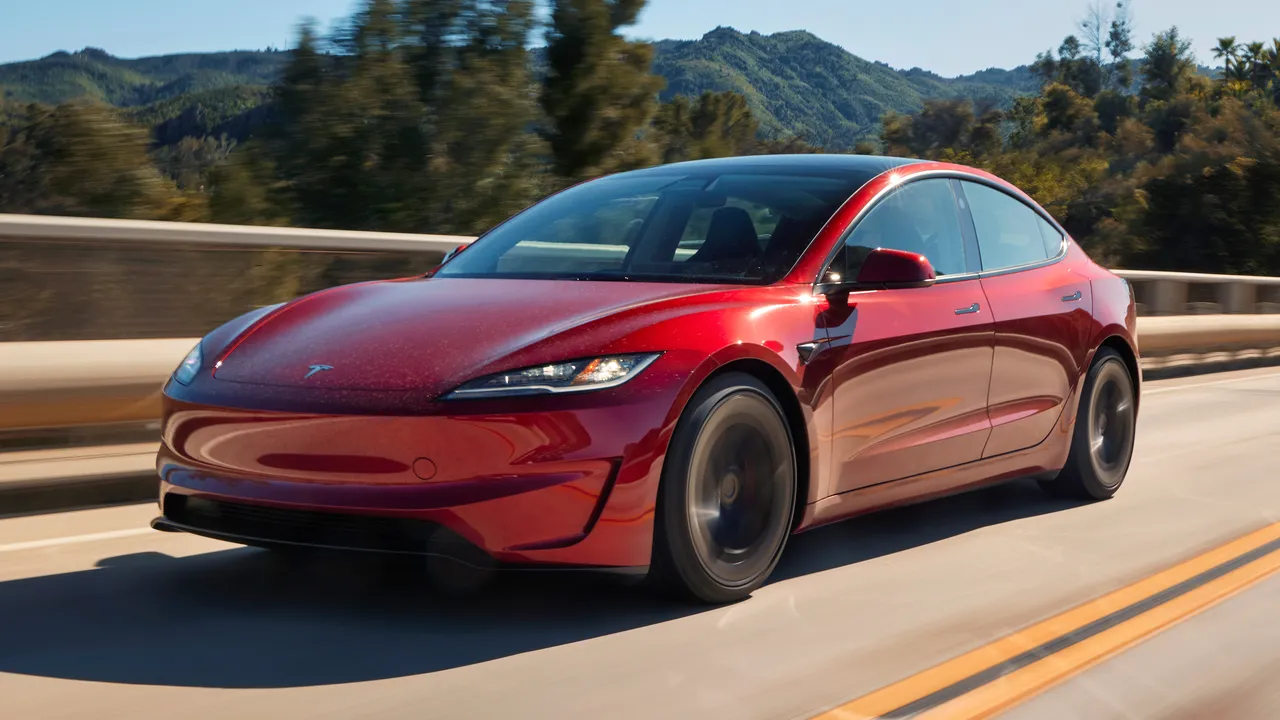
- Engine: Dual motor electric/single motor electric
- Horsepower: 272–425 hp
- Torque: 310–475 lb-ft (estimated)
- Length: ~185.8 inches
- Width: ~72.8 inches
7. Tesla Model 3: EV Ownership Then vs Now
The Tesla Model 3 represents one of the most significant shifts in the automotive industry over the past decade. In 2016, the Model 3 was still in its early production and pre-launch phase, with strong expectations that it would revolutionize affordable electric vehicle ownership.
At that time, traditional gasoline vehicles dominated the market, and electric vehicles were still considered niche products with limited mainstream adoption. The projected appeal of the Model 3 was its promise of lower fuel costs, reduced maintenance, and modern technology integration.
By 2026, the Tesla Model 3 will have become one of the most widely recognized electric vehicles in the United States, and it will have fundamentally changed the way ownership cost is calculated. One of its biggest advantages remains energy cost savings.
Electricity is generally cheaper than gasoline on a per-mile basis, and home charging significantly reduces fueling expenses. Over a 10-year period, this can lead to substantial savings compared to traditional internal combustion engine vehicles, especially for high-mileage drivers.
Maintenance costs for the Model 3 are also lower compared to gasoline vehicles because of fewer moving parts. There is no need for oil changes, timing belt replacements, or exhaust system repairs, which reduces routine maintenance expenses significantly.
Brake wear is also reduced due to regenerative braking systems. However, this does not mean the Model 3 is free from repair costs, as certain components, such as tires, suspension systems, and electronic modules, still require servicing over time.
Insurance costs for the Model 3 tend to be higher than those of many comparable gasoline vehicles. This is primarily due to higher repair costs, specialized parts, and the complexity of electric drivetrain systems. In addition, collision repairs often require Tesla-certified service centers, which can increase both cost and repair time.
Battery replacement concerns also play a role in long-term cost considerations, even though most batteries are designed to last many years under normal usage conditions.
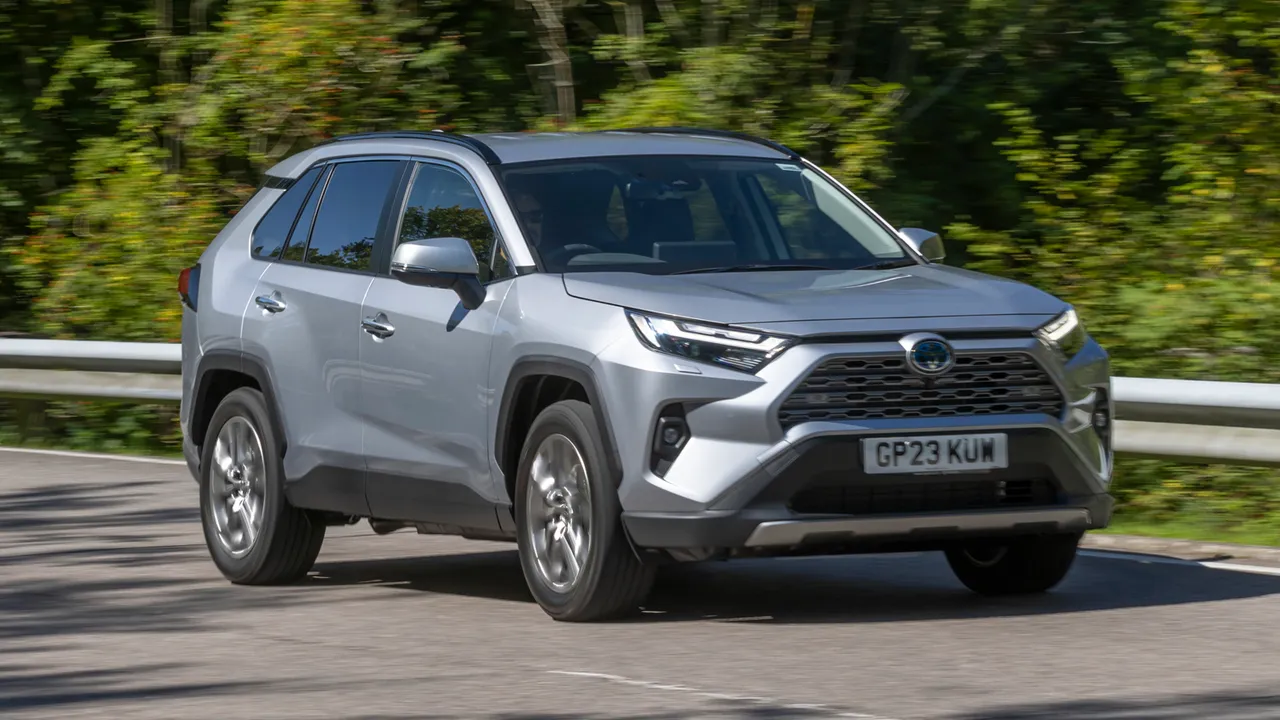
- Engine: 2.5L 4-cylinder / Hybrid 4-cylinder
- Horsepower: 203–219 hp
- Torque: 184 lb-ft
- Length: ~180.9 inches
- Width: ~73.0 inches
8. Toyota RAV4: SUV Popularity and Cost Growth
The Toyota RAV4 has been one of the most popular compact SUVs in the United States for many years, and in 2016, it was already recognized as a practical, reliable, and fuel-efficient choice for families and commuters.
At that time, it offered a strong balance between affordability and utility, making it one of the most recommended SUVs in its category. Ownership costs were moderate, with reasonable insurance rates, predictable maintenance expenses, and solid fuel economy compared to larger SUVs.
By 2026, the RAV4 will have grown significantly in popularity and capability, particularly with the rise of hybrid models. These newer versions offer improved fuel efficiency and lower long-term fuel costs, especially in urban and suburban driving conditions.
However, the increased demand for SUVs in general has pushed prices upward across the market, meaning that even the RAV4 now carries a higher starting price than it did in 2016. Inflation and added safety and infotainment features have further increased purchase costs.
Fuel efficiency remains one of the strongest advantages of the RAV4, particularly in hybrid configurations. While gasoline-powered versions remain efficient, hybrid models significantly reduce fuel consumption, which helps offset rising fuel prices. In 2016, hybrid SUVs were less common and often considered premium options, but by 2026, they had become mainstream, changing the cost structure of ownership for this vehicle segment.
Insurance and maintenance costs have increased but remain relatively moderate compared to larger SUVs and trucks. The RAV4 benefits from Toyota’s reputation for reliability, which helps keep repair frequency low.
However, as with most modern vehicles, advanced safety systems and electronic components have made repairs more expensive when they do occur. Even minor body damage can require recalibration of sensors, increasing labor costs compared to older models.
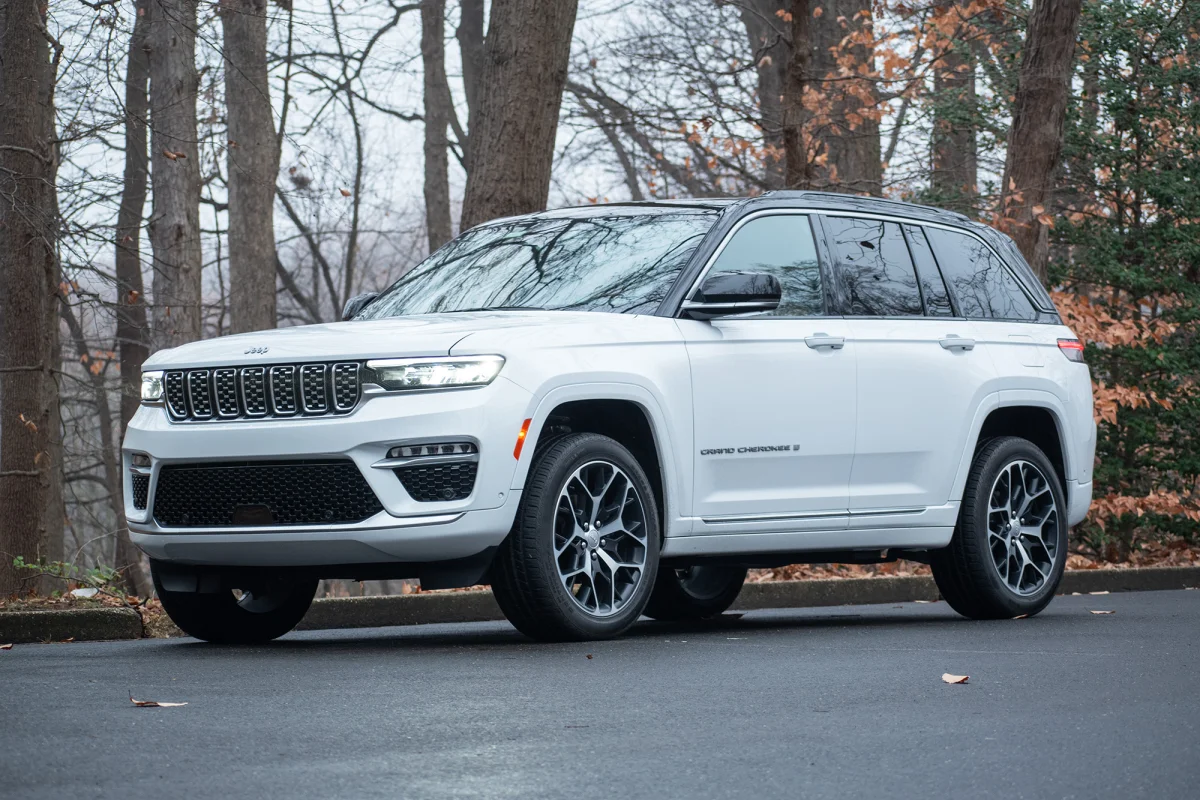
- Engine: 3.6L V6 / 5.7L V8 / 2.0L turbo hybrid (4xe)
- Horsepower: 293–375 hp
- Torque: 260–470 lb-ft
- Length: ~193.5 inches
- Width: ~77.5 inches
9. Jeep Grand Cherokee: Luxury SUV Cost Inflation
The Jeep Grand Cherokee has long been positioned as a premium mid-size SUV, and in 2016, it already reflected higher ownership costs compared to mainstream SUVs.
It was known for its strong off-road capability, comfortable interior, and upscale features in higher trims. However, even then, owners accepted higher fuel consumption and maintenance costs in exchange for performance, luxury, and brand appeal. Insurance and depreciation were also higher compared to more economical vehicles.
By 2026, the Grand Cherokee will have moved further into the luxury SUV category, with even more advanced technology, premium interior materials, and expanded engine options, including hybrid variants.
These improvements have significantly increased purchase prices across all trims. What was once considered a premium SUV is now closer to luxury pricing, especially in higher configurations with advanced off-road systems and electronic driving assistance features.
Fuel costs remain a major factor in total ownership expenses. Despite improvements in engine efficiency and hybrid availability, the Grand Cherokee is still heavier and more powerful than compact SUVs, resulting in higher real-world fuel consumption. In 2016, fuel prices were generally more predictable, but in 2026, fluctuations in energy markets made long-term fuel budgeting more difficult for owners of larger vehicles.
Insurance and maintenance costs have also increased substantially. The complexity of modern systems, including adaptive suspension, terrain management software, and advanced driver assistance features, makes repairs more expensive.
Even small accidents can lead to high repair bills due to specialized parts and recalibration requirements. As a result, insurance premiums are significantly higher than they were a decade ago.
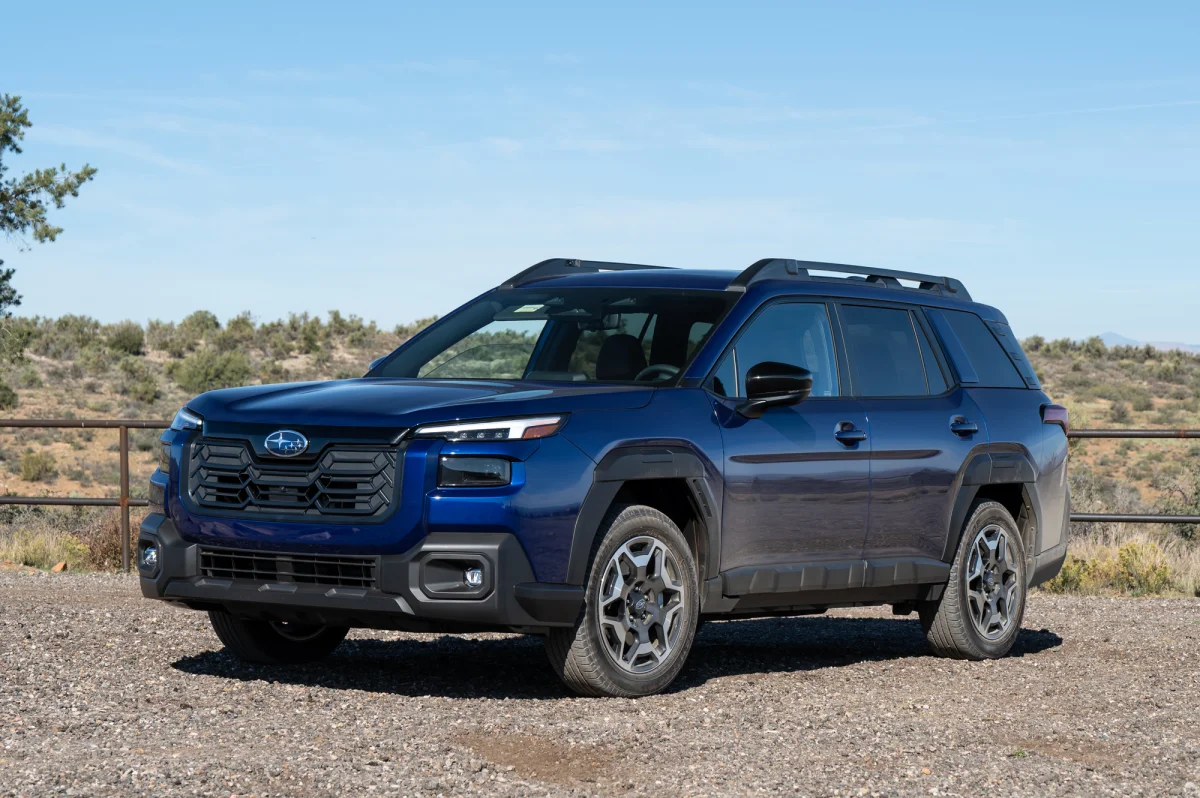
- Engine: 2.5L 4-cylinder Boxer / 2.4L turbo Boxer
- Horsepower: 182–260 hp
- Torque: 176–277 lb-ft
- Length: ~191.3 inches
- Width: ~74.2 inches
10. Subaru Outback: AWD Reliability and Cost Changes
The Subaru Outback has long been known in the United States for its all-wheel-drive capability, practicality, and strong reputation for reliability in diverse weather conditions. In 2016, it was a popular choice among outdoor enthusiasts, families, and drivers living in regions with snow or rough terrain. Ownership costs were relatively moderate, with decent fuel efficiency, affordable maintenance, and strong long-term durability.
By 2026, the Outback continues to maintain its reputation as a dependable crossover, but it has become more advanced and slightly more expensive to own. Modern models include enhanced safety systems, larger infotainment screens, improved driver assistance features, and more refined interior materials.
These improvements have increased the base purchase price compared to 2016, although the vehicle still remains competitive within its segment.
Fuel efficiency has remained relatively stable over the decade, which helps the Outback maintain its appeal as a practical long-distance and all-weather vehicle. While fuel prices have fluctuated significantly since 2016, the Outback’s consistent efficiency helps stabilize long-term operating costs compared to larger SUVs and trucks.
Hybrid options are limited compared to competitors, but gasoline efficiency improvements have still contributed to better fuel performance.
Maintenance and insurance costs have increased but remain reasonable compared to luxury SUVs and full-size trucks. Subaru’s reputation for reliability continues to help keep long-term repair costs manageable. However, like most modern vehicles, advanced safety systems and integrated electronics mean that certain repairs are more expensive than they were in 2016. Even windshield or sensor-related repairs can involve recalibration, adding to service costs.
| Vehicle | 10-Year Cost (2016 Estimate) | 10-Year Cost (2026 Estimate) | Key Cost Change Drivers |
|---|---|---|---|
| Toyota Corolla | $28,000 – $32,000 | $38,000 – $45,000 | Higher tech features, insurance, inflation |
| Honda Civic | $30,000 – $35,000 | $42,000 – $50,000 | Turbo engines, electronics, and repair costs |
| Ford F-150 | $55,000 – $65,000 | $75,000 – $95,000 | Fuel, luxury trims, maintenance complexity |
| Toyota Camry | $33,000 – $38,000 | $45,000 – $55,000 | Hybrid shift, safety tech, inflation |
| Honda Accord | $35,000 – $40,000 | $48,000 – $60,000 | Premium positioning, hybrid systems |
| Chevrolet Silverado | $58,000 – $70,000 | $80,000 – $100,000 | Truck inflation, electronics, fuel costs |
| Tesla Model 3 | N/A (not mainstream) | $40,000 – $55,000 | EV insurance, battery value, and low fuel cost |
| Toyota RAV4 | $34,000 – $40,000 | $48,000 – $58,000 | SUV demand, hybrid growth, tech upgrades |
| Jeep Grand Cherokee | $50,000 – $60,000 | $70,000 – $90,000 | Luxury upgrades, fuel, repairs |
| Subaru Outback | $36,000 – $42,000 | $48,000 – $56,000 | Safety tech, inflation, moderate repair rise |
