
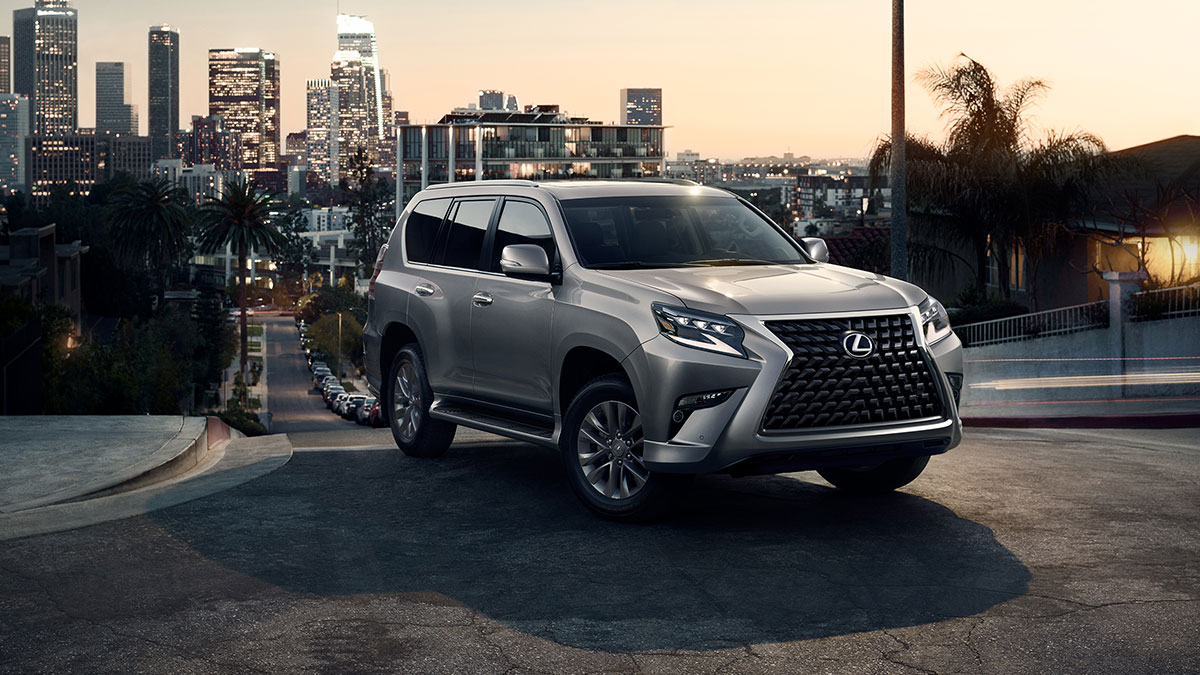
The debate between the Lexus GX and the Toyota Land Cruiser in the United States has become one of the most interesting conversations in the modern SUV market. Both vehicles share deep engineering roots within Toyota’s global SUV architecture, and both are designed to deliver serious off road capability while maintaining long term reliability.
However, when buyers in the US market compare what they get for the price, comfort level, features, and everyday usability, the Lexus GX often emerges as the more complete and compelling package. This has led many enthusiasts and reviewers to argue that the Lexus GX effectively makes the Land Cruiser less relevant for American buyers than it once was, especially in its modern repositioned form.
The Land Cruiser has historically been known as the global off road SUV, a vehicle built with durability and ruggedness as its core identity. In earlier generations, it occupied a near mythical status as a go anywhere machine with minimal compromise.
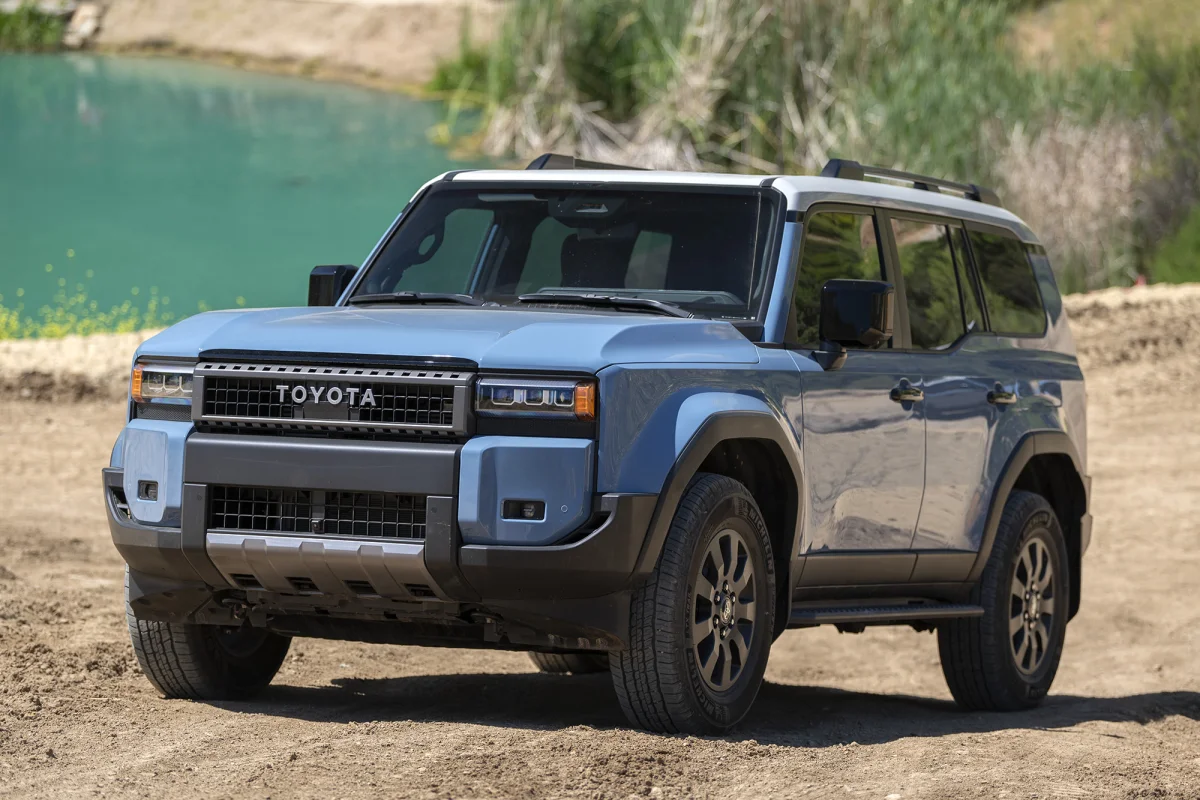
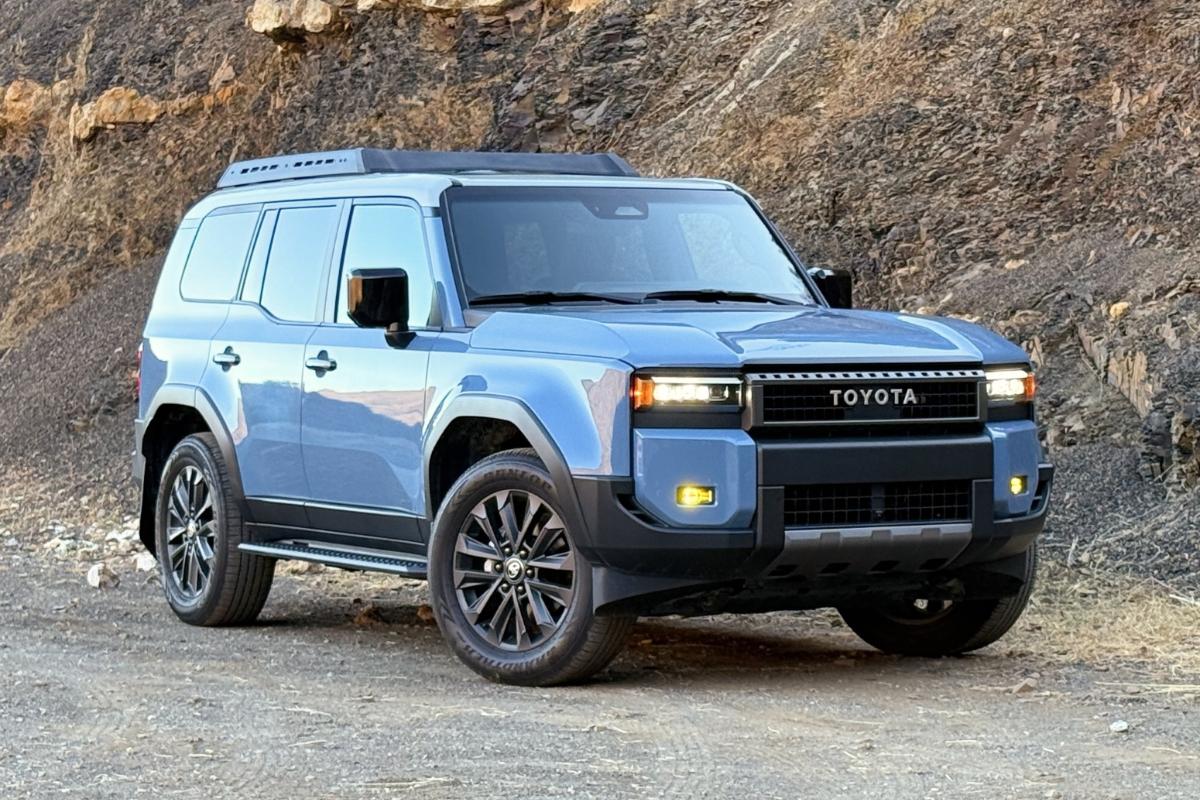
However, in its recent US return as the Land Cruiser 250 series, it has been repositioned into a more mid size, efficiency focused, and hybrid assisted SUV that shares much of its underpinnings with the Toyota Prado platform. While it still retains off road credibility, it no longer sits alone as the flagship symbol of Toyota’s SUV dominance in America.
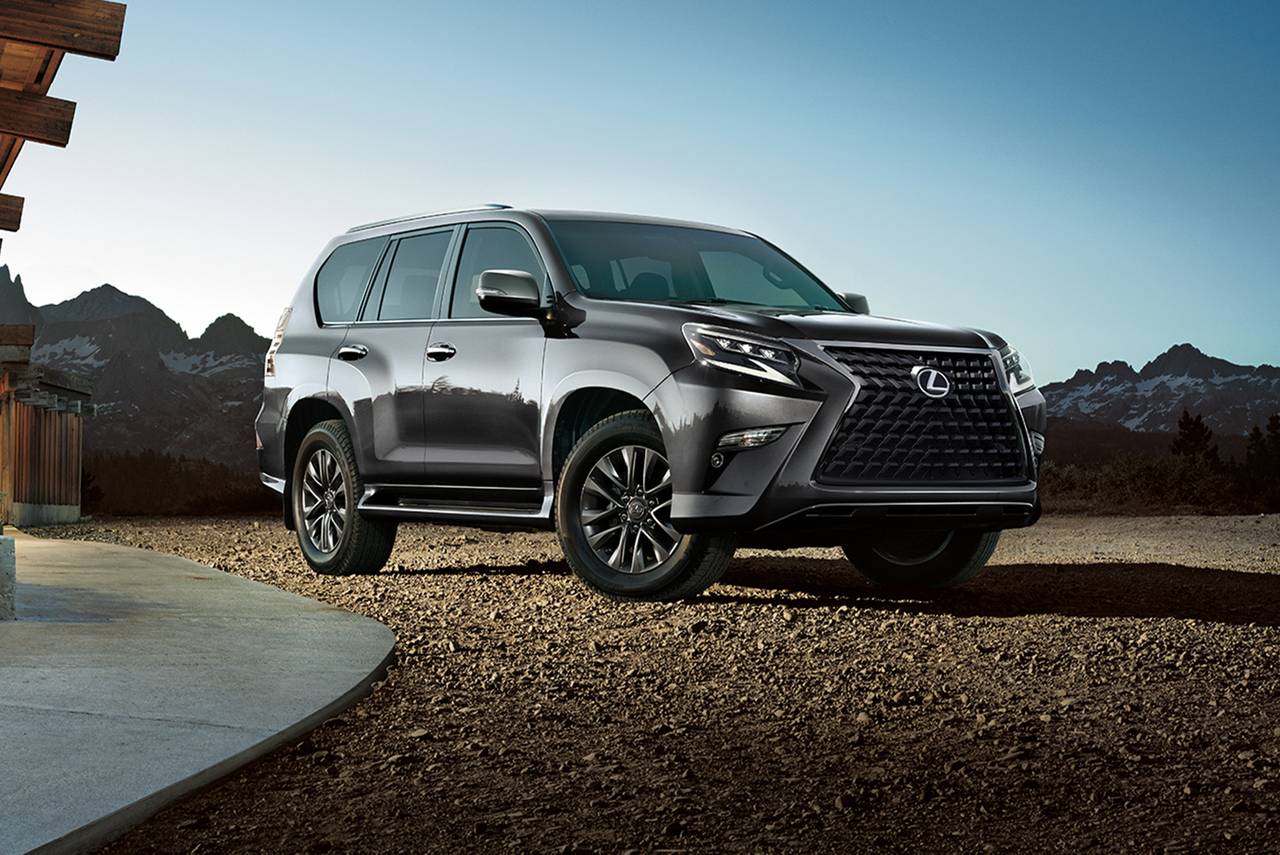
On the other hand, the Lexus GX 550 represents a more modern interpretation of luxury off road capability. Built on Toyota’s TNGA F body on frame platform, it shares mechanical DNA with the latest Land Cruiser and Lexus LX, but it packages that capability in a more premium, feature rich, and comfort oriented design.
Lexus has focused heavily on blending rugged performance with upscale interior materials, advanced technology, and everyday drivability, making the GX feel more versatile for American lifestyles where off road adventure is often occasional rather than constant.
What makes this comparison especially relevant is how the expectations of SUV buyers in America have evolved. Most customers want a vehicle that can handle weekend adventures, towing, snow, and light trails, but still function as a comfortable daily driver with premium amenities.
The Lexus GX aligns closely with these expectations, offering a balance of luxury and capability that feels more complete for its price point. Meanwhile, the Land Cruiser leans more heavily toward simplicity, efficiency, and brand heritage, which may not justify its positioning for some buyers.
As a result, the conversation around these two SUVs is no longer just about raw off road strength. It has shifted toward value, comfort, technology, and ownership experience. In this context, the Lexus GX increasingly appears to deliver a more well rounded package, leading to the argument that it makes the Land Cruiser somewhat redundant in the American market.
The following sections break down this comparison in detail, focusing on engineering, performance, capability, luxury, pricing, and long term value.
Also Read: 10 Standard Features Quietly Moved Behind a Subscription
Market Positioning and Shared DNA
The Lexus GX and Toyota Land Cruiser are more closely related than many buyers realize, and this shared foundation is a key reason why the comparison between them is so direct. Both vehicles are built on Toyota’s TNGA F body on frame platform, which is designed for durability, off road strength, and long term reliability.
This means that underneath their different branding and styling philosophies, they share a significant amount of engineering DNA, including chassis architecture, suspension concepts, and drivetrain technologies.
The Land Cruiser in the US market has been repositioned as a more accessible and efficient version of its former self, moving away from its traditional large size luxury flagship identity. It now aligns more closely with global Prado models, focusing on practicality and hybrid efficiency.
This shift has made it more approachable in terms of pricing and fuel economy, but it has also reduced the sense of exclusivity and premium positioning that older Land Cruiser generations carried.
The Lexus GX, meanwhile, occupies a higher tier within Toyota’s luxury division. It is designed not just as an off road SUV but as a luxury lifestyle vehicle that still retains serious capability.
Lexus positions it as a balance of rugged adventure readiness and premium comfort, which directly appeals to buyers who want both without compromise. This dual identity gives it a broader appeal in urban and suburban American environments.
Because both vehicles share similar mechanical underpinnings, the differentiation comes primarily from design philosophy and feature execution. The Land Cruiser emphasizes simplicity, efficiency, and global standardization, while the GX emphasizes comfort, technology, and premium refinement. This creates a situation where the GX feels like a more complete expression of the same hardware, just optimized for a different customer.
In the American market, where consumers often prioritize comfort and features over pure utilitarian design, this shared DNA works in favor of the Lexus GX.
Buyers quickly recognize that they can access nearly the same off road capability while enjoying a significantly more luxurious interior and feature set. This overlap in capability is one of the strongest arguments for why the GX can overshadow the Land Cruiser in relevance.
Engine Performance and Driving Experience
The driving experience of both the Lexus GX and the Toyota Land Cruiser is shaped heavily by Toyota’s modern twin turbo and hybrid assisted powertrain strategy.
The Land Cruiser in the US typically uses a hybrid four cylinder turbo system designed to improve fuel efficiency while still maintaining respectable torque for off road and towing use. It is smooth, capable, and efficient, but it is clearly tuned with economy and balance as priorities rather than performance excitement.
The Lexus GX, on the other hand, uses a twin turbo V6 engine that delivers stronger performance characteristics across a wider power band. This engine provides more immediate throttle response, higher towing confidence, and a more effortless driving feel at highway speeds. While both vehicles are designed for durability and long term reliability, the GX feels more powerful and refined in real world driving conditions.
On road comfort is another area where the GX tends to stand out. Lexus has tuned the suspension system to provide a smoother and more controlled ride, especially on highways and uneven urban roads.
The steering feel is more precise and the cabin isolation is superior, which makes long distance travel more comfortable for passengers. The Land Cruiser is still comfortable, but its tuning is slightly more utilitarian and less refined in comparison.
Off the line acceleration and overtaking power also favor the GX in most scenarios. The twin turbo V6 gives it a more confident surge when merging onto highways or passing slower traffic. The Land Cruiser hybrid system compensates with electric assist torque, but it is more focused on efficiency smoothing rather than delivering sustained performance. This difference becomes noticeable for drivers who spend a lot of time in mixed driving conditions.
Both vehicles are capable and well engineered, but the Lexus GX offers a more premium and engaging driving experience. For American buyers who expect their SUV to handle daily commuting, long road trips, and occasional towing with equal ease, the GX provides a more satisfying balance of power and refinement.
Off Road Capability
Off road performance is one of the most important aspects of both the Lexus GX and Toyota Land Cruiser, and it is here that their shared platform becomes most evident.
Both vehicles are designed with serious off road geometry, including high ground clearance, advanced traction systems, and body on frame construction that allows them to handle rugged terrain with confidence. In practical terms, both can handle trails, mud, snow, and rocky environments without major limitations.
The Land Cruiser has traditionally been marketed as the off road Toyota, and its modern version continues to emphasize this reputation. It comes with advanced terrain management systems, crawl control, and locking differentials that allow it to maintain traction in extreme conditions. Its tuning is slightly more focused on predictability and ease of use for global drivers who may encounter harsh environments.
The Lexus GX, however, is not far behind in capability and in some configurations matches or even exceeds the Land Cruiser in off road equipment. It also offers adaptive suspension systems, multiple drive modes, and similar traction control technology. The key difference lies in how the GX integrates these systems into a more comfort oriented package, making off road travel feel less harsh inside the cabin.
One advantage of the GX is its balance between off road strength and luxury comfort. While tackling rough terrain, passengers still benefit from quieter cabin insulation, more supportive seating, and higher quality interior materials. This makes long off road journeys less fatiguing, especially for families or travelers who prioritize comfort during adventure driving.
In reality, the off road gap between the two is minimal for most buyers. Both vehicles are more capable than what the average owner will ever fully utilize. This creates an interesting situation where the Land Cruiser’s traditional advantage is no longer as meaningful, since the GX delivers nearly identical capability with added comfort and refinement.
Also Read: 10 Smallest Vehicles Ever Built
Interior Luxury and Technology
Interior quality is one of the most significant differentiators between the Lexus GX and the Toyota Land Cruiser, and it is an area where Lexus clearly takes the lead.
The GX is designed as a luxury SUV first, which means that materials, layout, and technology are all prioritized to create a premium driving environment. High quality leather, soft touch surfaces, and carefully designed ergonomics define the cabin experience.
The Land Cruiser, while improved compared to older utilitarian versions, still focuses on practicality and durability. Its interior design is more functional and straightforward, with an emphasis on ease of cleaning, usability, and long term wear resistance. While it does include modern infotainment systems and driver assistance features, it does not match the sense of luxury refinement found in the GX.
Technology integration is another area where the GX has a clear advantage. Lexus typically equips its vehicles with more advanced infotainment interfaces, larger displays, better sound systems, and more customizable driver settings. The user experience feels more polished and aligned with premium expectations, especially for buyers who are used to luxury brands.
Comfort features such as seat adjustability, climate control precision, ambient lighting, and noise insulation are also more advanced in the GX. These elements significantly enhance the daily driving experience, particularly in urban environments or during long highway journeys. The cabin feels more like a luxury lounge compared to a rugged utility space.
For American buyers who spend most of their time on paved roads, the interior difference alone can justify choosing the GX over the Land Cruiser. It transforms the vehicle from a capable off road machine into a true daily luxury SUV that does not compromise on comfort.
Pricing and Value Proposition
Pricing plays a critical role in the comparison between the Lexus GX and Toyota Land Cruiser, especially in the American market where value perception strongly influences buying decisions. The Land Cruiser is positioned as a more accessible entry into Toyota’s off road heritage lineup, with a lower starting price compared to luxury SUVs. This makes it appealing for buyers who prioritize capability over luxury branding.
However, when comparing what each vehicle offers at their respective price points, the Lexus GX often delivers more perceived value. While it is more expensive, it also includes a significantly higher level of luxury features, performance capability, and interior refinement. For many buyers, the added cost feels justified because the GX offers a more complete ownership experience.
The Land Cruiser’s pricing strategy is designed to emphasize simplicity and global usability, but in the US market this can sometimes make it feel less competitive. American SUV buyers are accustomed to high feature density at premium price points, and the Land Cruiser’s more restrained approach may not fully meet those expectations.
The GX, by contrast, aligns closely with luxury SUV expectations while still maintaining Toyota level reliability. This combination of luxury and dependability creates a strong value proposition that is difficult for competitors to match. Buyers essentially get Lexus luxury with Toyota durability, which is a powerful combination.
In many cases, the price gap between the two vehicles is not large enough to outweigh the added benefits of the GX. This is a major reason why many reviewers argue that the GX undermines the Land Cruiser’s relevance in the US market.
Ownership Costs, Reliability, and Resale
Ownership experience is another key area where both vehicles perform strongly, but with subtle differences that influence long term value perception. Toyota and Lexus are both known for exceptional reliability, and both the GX and Land Cruiser benefit from this reputation. Their shared engineering ensures that maintenance requirements are predictable and long term durability is strong.
The Land Cruiser may have a slight edge in simplicity, which can translate into potentially lower maintenance complexity over time. Its more straightforward design philosophy reduces the number of luxury oriented components that could require specialized service. This appeals to buyers who prioritize rugged long term ownership with minimal complications.
The Lexus GX, while slightly more complex due to its luxury features, still maintains excellent reliability standards. Lexus vehicles are engineered to very high durability benchmarks, and the GX is no exception. Routine maintenance costs may be slightly higher, but they are offset by the comfort and feature advantages it provides.
Resale value for both vehicles is typically strong, as both the Land Cruiser and Lexus GX have loyal followings in the used market. However, the GX often retains value particularly well because of its luxury branding combined with off road capability. Buyers in the used market appreciate the balance of comfort and durability it offers.
In the long term, both vehicles are strong ownership choices, but the GX tends to deliver a more satisfying experience for a wider range of drivers, especially in urban and suburban environments where luxury features matter more.
