
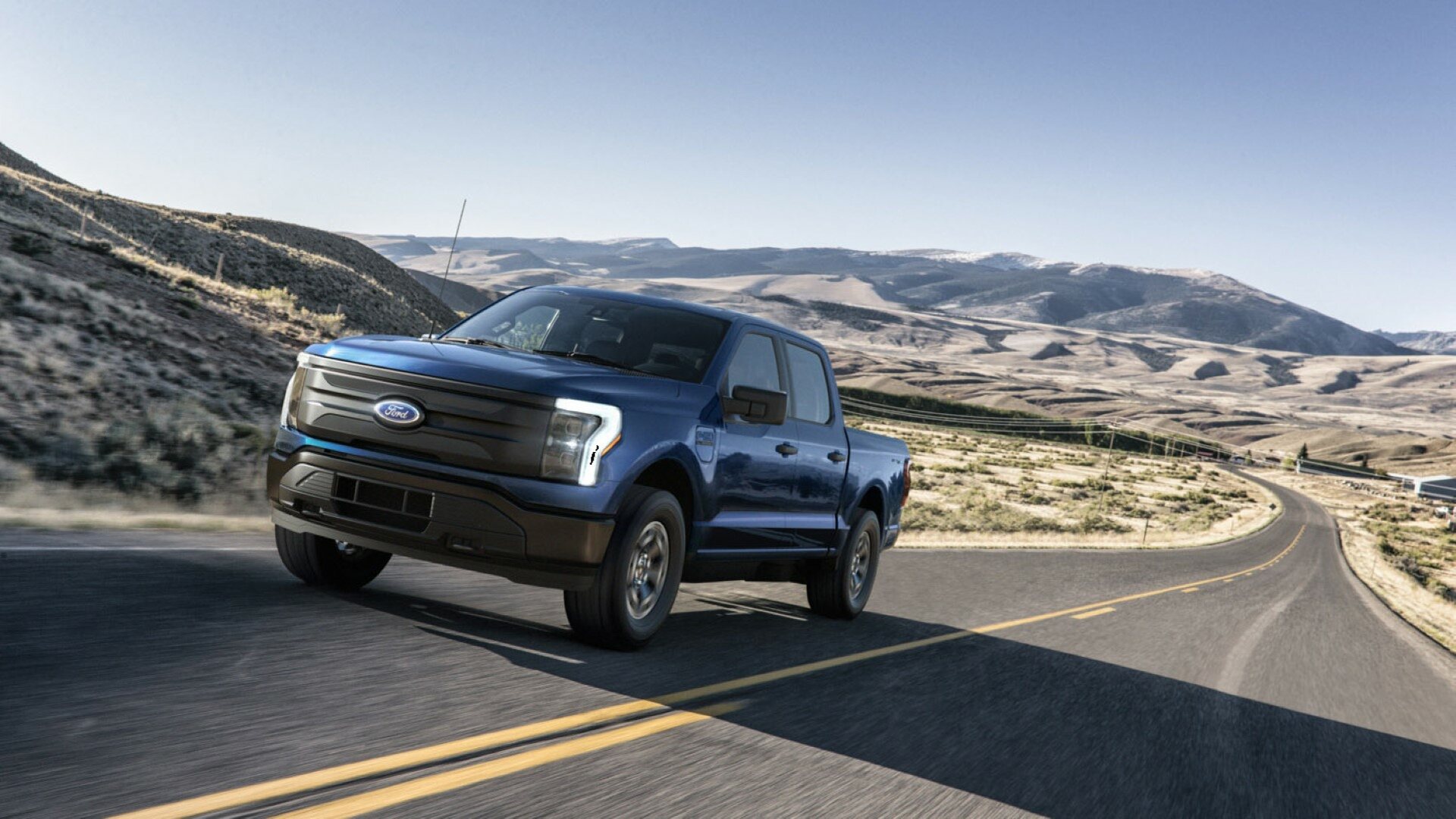
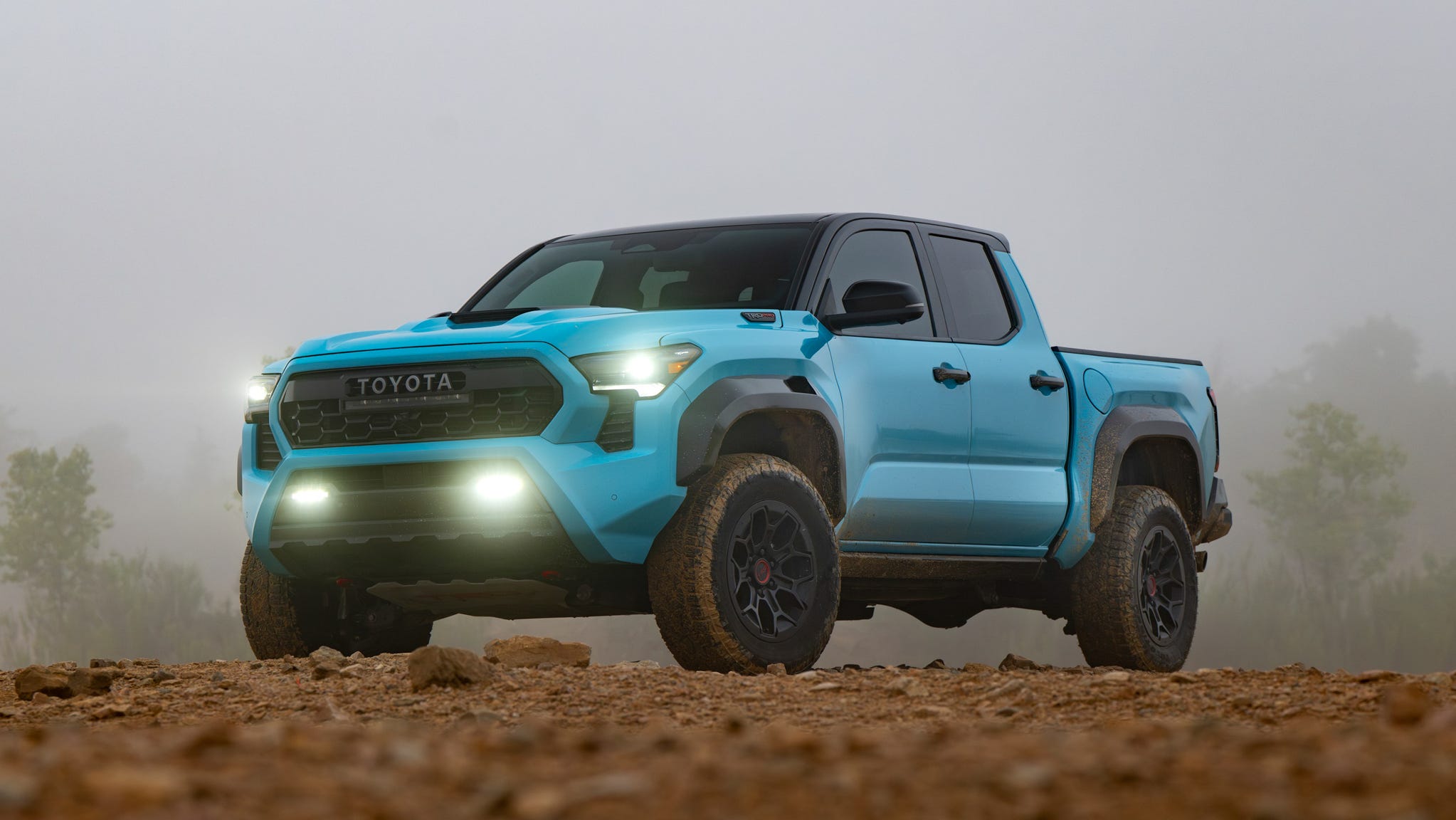
Pickup trucks have long occupied a unique place in automotive culture. They are often marketed as symbols of strength, capability, independence, and ruggedness. Advertisements frequently show trucks hauling massive trailers, climbing rocky terrain, crossing rivers, or carrying heavy loads through challenging environments.
These images create a powerful emotional appeal that extends far beyond the practical functions of the vehicle. As a result, many consumers purchase trucks not because they genuinely need the capabilities offered, but because they are attracted to what the vehicle represents. The truck becomes more than transportation. It becomes a statement about identity, lifestyle, and personal values.
In many regions, truck ownership has become increasingly common even among drivers who rarely use the features that distinguish trucks from other vehicles. A significant number of truck owners never tow a trailer, haul heavy equipment, transport construction materials, or travel off-road.
Instead, their trucks are used primarily for commuting, grocery shopping, school drop-offs, and other everyday activities. While there is nothing inherently wrong with buying a vehicle you enjoy, it is worth examining whether the added costs and compromises associated with truck ownership are justified when the vehicle’s core capabilities remain unused.
Modern trucks are expensive. They typically cost more than comparable cars, sedans, hatchbacks, and many sport utility vehicles. They often consume more fuel, require more expensive tires, and can be harder to maneuver in urban environments. Despite these drawbacks, truck sales continue to remain strong.
This raises an important question. If a truck’s defining capabilities are rarely used, what exactly is the buyer paying for? In many cases, the answer appears to be image rather than utility.
The idea that buying a truck without using its capabilities is essentially paying for an image is not meant as an insult to truck owners. Instead, it is an observation about consumer behavior and the influence of marketing, social expectations, and personal identity. Vehicles have always served both practical and emotional purposes.
However, when emotional motivations significantly outweigh practical needs, consumers may end up spending thousands of extra dollars for features they never utilize. Understanding this dynamic can help buyers make more informed decisions and ensure they select a vehicle that genuinely aligns with their lifestyle and priorities.
This article explores why many people purchase trucks they never fully use, how marketing influences those decisions, the financial implications of unused capability, and whether owning a truck primarily for image can ever be justified.
Also Read: 10 Standard Features Quietly Moved Behind a Subscription
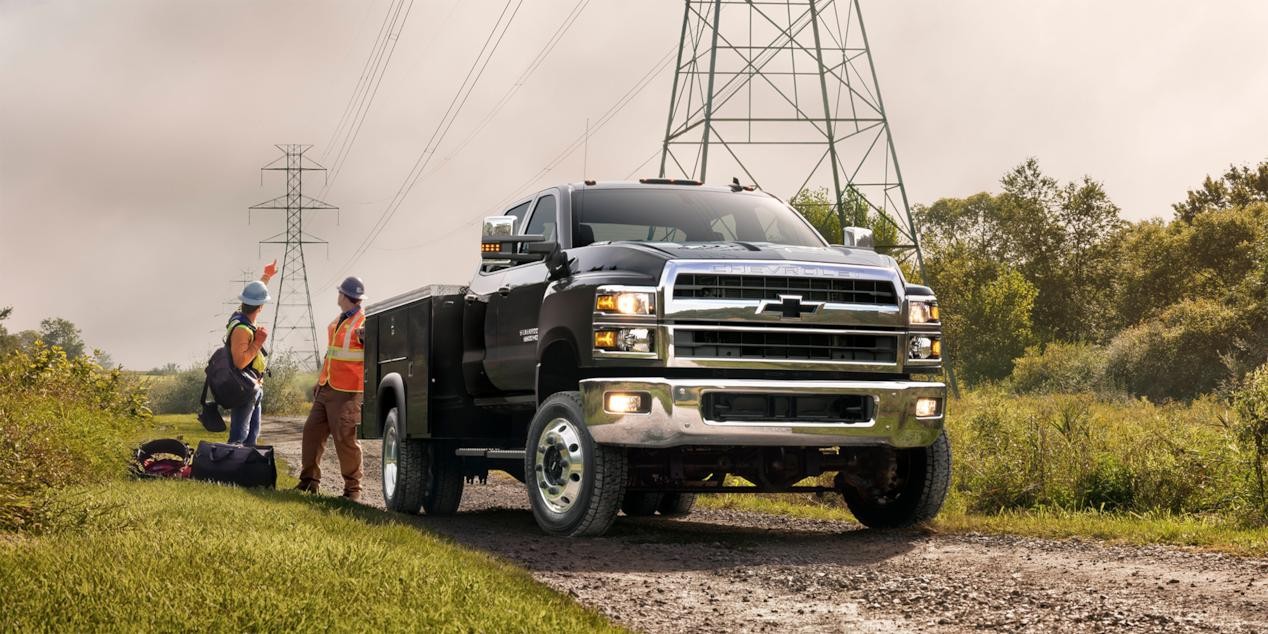
The Rise of Lifestyle Truck Ownership
Truck ownership has evolved dramatically over the past several decades. Once viewed primarily as work vehicles, trucks have transformed into mainstream transportation choices for a broad range of consumers. Manufacturers have played a significant role in this shift by designing trucks that are increasingly comfortable, luxurious, and technologically advanced.
Modern trucks often feature premium interiors, large touchscreens, advanced driver assistance systems, heated and ventilated seats, and high-quality sound systems. These upgrades have made trucks appealing to buyers who may never perform traditional truck-related tasks. The vehicle becomes suitable for daily life while retaining the appearance of capability.
The expansion of truck ownership beyond commercial and industrial users reflects changing consumer preferences. Many buyers appreciate the elevated seating position, commanding road presence, and perceived safety associated with larger vehicles. These benefits can feel meaningful even when towing and hauling are absent from everyday use.
Cultural factors also contribute to the popularity of trucks. In many communities, trucks symbolize self-reliance, hard work, and practicality. Owning one may help individuals feel connected to those values regardless of how they actually use the vehicle.
As trucks become increasingly integrated into suburban and urban lifestyles, their role shifts from specialized tools to personal lifestyle products. This transformation helps explain why capability often takes a back seat to image and identity during the purchasing process.
The Power of Automotive Marketing
Automotive advertising rarely focuses solely on transportation. Instead, marketers sell emotions, aspirations, and lifestyles. Truck commercials are particularly effective at creating narratives that associate ownership with adventure, toughness, and freedom.
Viewers are routinely shown dramatic scenes involving mountains, forests, construction sites, ranches, and remote locations. These environments suggest that truck owners are prepared for any challenge life may present. The imagery is designed to create emotional resonance rather than highlight everyday commuting.
Many buyers unconsciously absorb these messages over time. Even if they never intend to tow a boat or haul heavy equipment, they may begin associating truck ownership with desirable personal characteristics. The vehicle becomes a reflection of who they want to be rather than what they actually need.
Marketing campaigns also emphasize maximum towing and payload figures. While these specifications are impressive, they often exceed the requirements of typical consumers by a substantial margin. A truck capable of towing thousands of pounds may spend its entire life carrying little more than groceries and backpacks.
The success of truck advertising demonstrates how emotional appeal can outweigh practical considerations. Consumers frequently purchase vehicles based on perceived identity benefits, making image one of the most powerful products manufacturers sell.
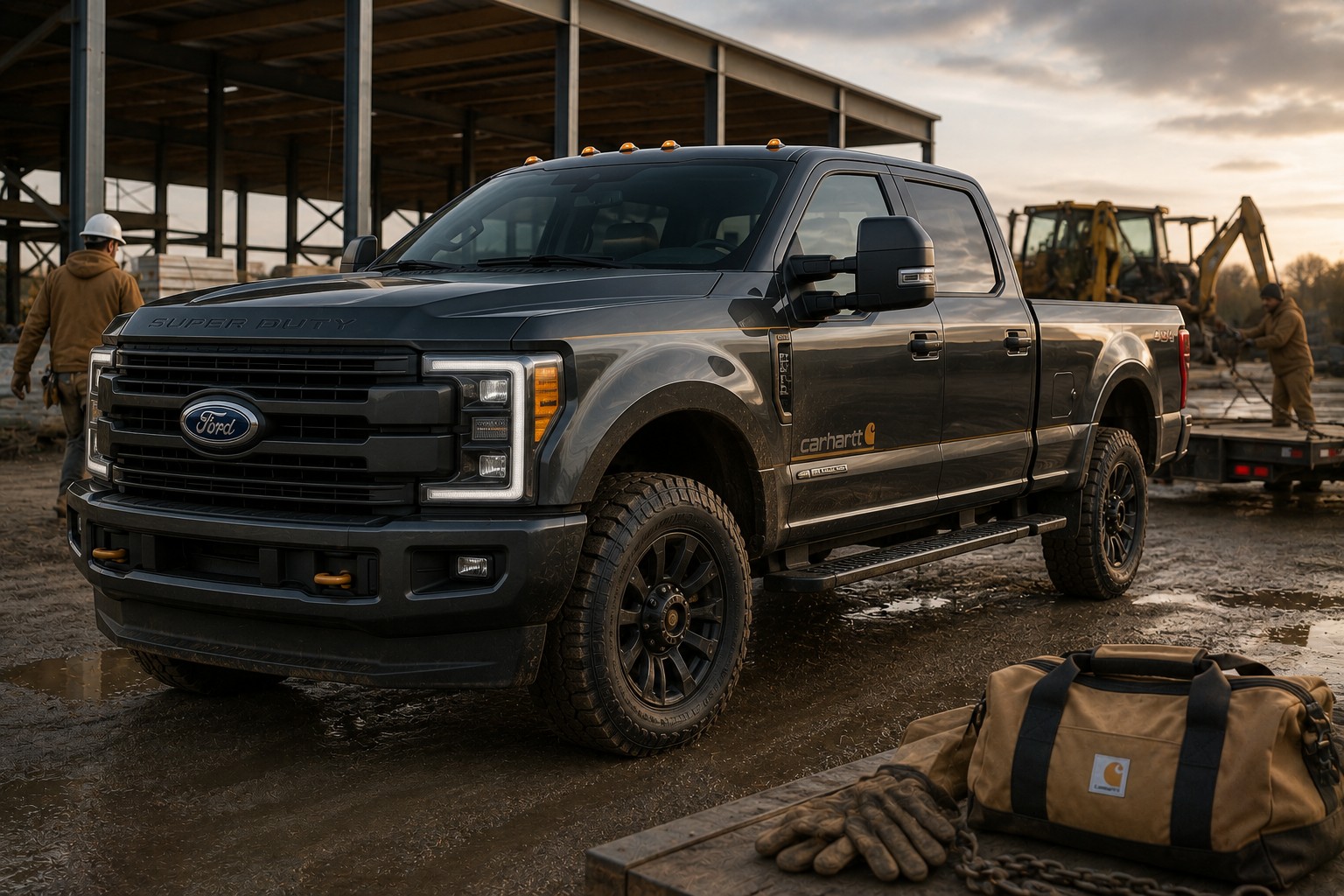
The Financial Cost of Unused Capability
One of the strongest arguments against purchasing a truck without using its capabilities involves cost. Trucks generally carry higher purchase prices than many alternative vehicle types with comparable passenger space and technology.
The initial purchase price often represents only the beginning of the financial commitment. Larger vehicles frequently consume more fuel, especially in city driving conditions. Over several years, these fuel expenses can add up to thousands of dollars.
Insurance costs may also be higher depending on the vehicle model, value, and location. Larger tires, specialized components, and more expensive replacement parts can further increase ownership expenses.
Depreciation remains another important consideration. Buyers who pay extra for towing packages, upgraded suspensions, heavy-duty equipment, and larger engines may never recover the value of those features if they remain unused throughout ownership.
When capability goes unused, the owner effectively pays a premium for potential rather than actual utility. While potential has value, consumers should carefully evaluate whether that value justifies the additional financial burden.
What Most Truck Owners Actually Use Their Vehicles For
Research and consumer observations consistently suggest that many truck owners rarely engage in heavy towing or hauling activities. Instead, their vehicles function much like any other personal transportation option.
Daily commuting represents one of the most common uses for pickup trucks. Many trucks spend the majority of their time transporting a single occupant between home and work. In these situations, much of the vehicle’s capability remains dormant.
Family transportation is another major role. Modern crew cab trucks provide spacious seating, making them practical for parents transporting children to school, sports activities, and social events.
Shopping trips and errands also account for a large percentage of truck usage. Although the cargo bed offers flexibility, many routine purchases could easily fit inside the trunk of a sedan or the cargo area of a crossover.
Occasional home improvement projects may justify some level of utility, but these tasks often occur infrequently. Renting a truck for a few days each year can sometimes be more economical than owning one full-time.
The gap between advertised capability and actual usage patterns highlights why the image versus utility debate remains relevant for modern truck buyers.
Also Read: 10 Smallest Vehicles Ever Built
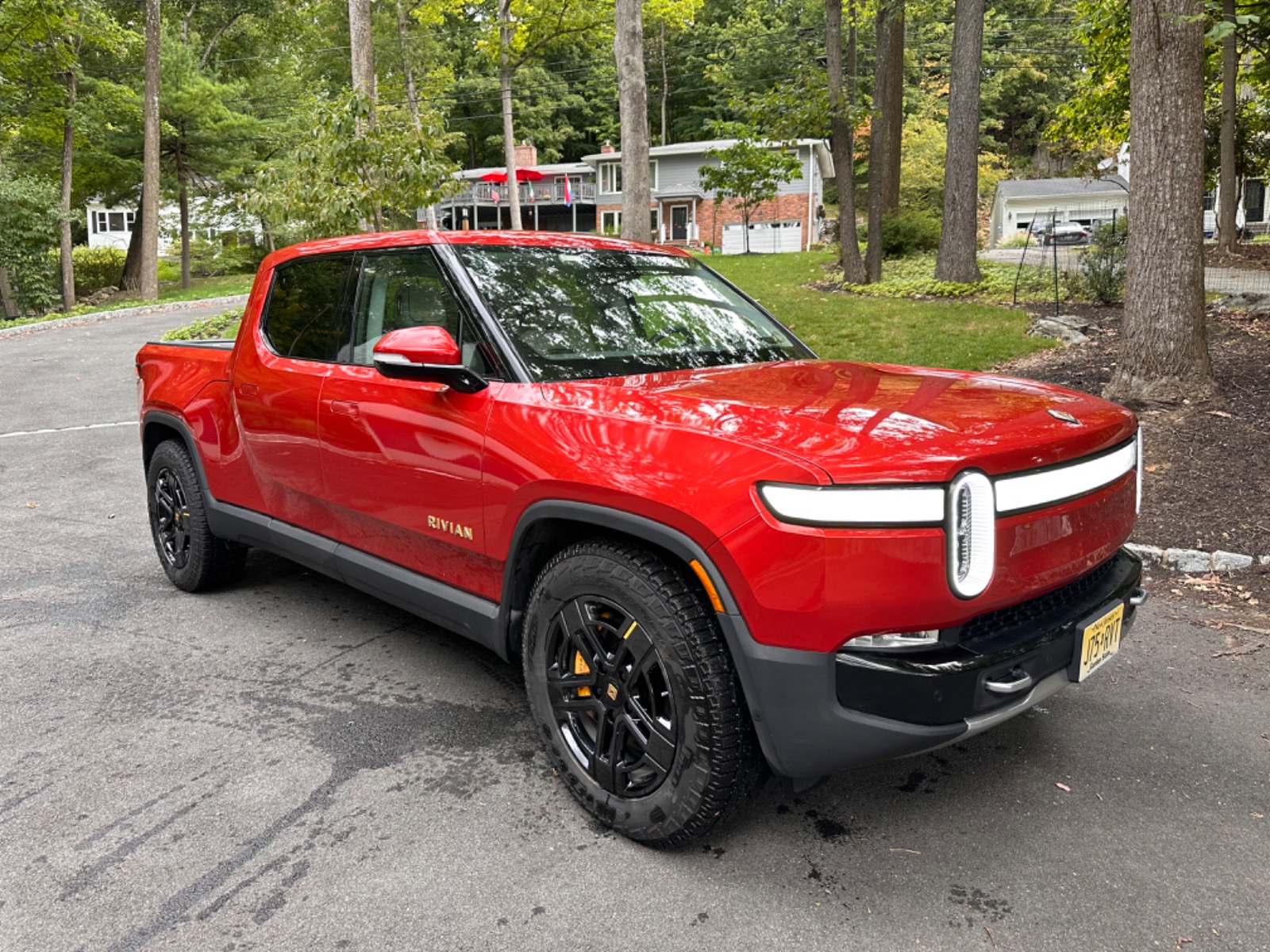
When Buying a Truck Actually Makes Sense
Despite criticisms of lifestyle truck ownership, there are many situations where purchasing a truck remains a logical and practical decision. For some consumers, truck capabilities are genuinely necessary rather than merely desirable.
Individuals who regularly tow trailers, boats, campers, or work equipment benefit directly from the engineering that trucks provide. In these cases, towing capacity becomes a functional requirement rather than a marketing statistic.
Contractors, landscapers, farmers, and construction professionals often depend on truck beds and payload capabilities to perform their jobs efficiently. The vehicle serves as an essential business tool rather than a lifestyle accessory.
Outdoor enthusiasts may also find legitimate value in truck ownership. Frequent camping, off-road exploration, and equipment transport can justify capabilities that would otherwise appear excessive.
Some buyers intentionally purchase trucks because they anticipate future needs. If towing or hauling activities are expected to become regular parts of life, investing in a capable vehicle may be a reasonable long-term strategy.
The key distinction is whether the truck’s capabilities align with actual usage. When capability meets genuine need, the purchase becomes easier to justify from both practical and financial perspectives.
The Psychology of Vehicle Identity
People often choose vehicles that reflect how they see themselves or how they wish to be perceived. This psychological dimension influences purchasing decisions across all automotive categories.
For many buyers, trucks communicate confidence, independence, and resilience. These associations can create strong emotional attachments that persist even when practical considerations suggest another vehicle might be more suitable.
Social influences also play a role. Friends, family members, coworkers, and community norms can shape perceptions regarding what types of vehicles are desirable or appropriate.
Identity-based purchasing is not unique to trucks. Luxury cars, sports cars, and premium sport utility vehicles often appeal to consumers for similar reasons. The difference lies in how strongly truck marketing connects ownership to cultural values and personal character.
Understanding these psychological factors does not invalidate emotional motivations. Instead, it encourages buyers to recognize when an image is influencing decisions and to evaluate whether that influence aligns with their priorities.
Is Paying for an Image Always a Bad Thing?
Critics often argue that purchasing a truck for image alone is financially irrational. However, the reality is more nuanced. Humans routinely spend money on products that provide emotional satisfaction rather than purely functional benefits.
People purchase luxury watches that tell time no better than inexpensive alternatives. They buy designer clothing, premium electronics, and high-performance vehicles that exceed their practical needs. Emotional value is a legitimate form of value.
If a truck owner fully understands the financial tradeoffs and still derives significant enjoyment from ownership, the decision may be entirely reasonable from a personal perspective.
Problems arise when consumers convince themselves they need capabilities they will never use or underestimate the long-term costs associated with ownership. In these situations, marketing narratives can obscure objective evaluation.
The most informed buyers acknowledge both the practical and emotional aspects of their decision. They recognize that part of what they are purchasing may indeed be image and make that choice consciously.
