
The automotive industry has a long history of creating memorable performance cars, yet not every great model survives the test of time. While names like Mustang, Corvette, and Porsche 911 have enjoyed decades of continuous recognition, many exciting performance vehicles have quietly disappeared from showrooms.
Some were victims of changing market trends, while others simply arrived at the wrong moment in automotive history.
What makes these forgotten cars particularly fascinating is that many offered characteristics enthusiasts still value today. Sharp handling, distinctive styling, engaging driving dynamics, and strong performance credentials helped them stand out during their original production runs.
Unfortunately, despite loyal fan bases and impressive capabilities, they eventually vanished as manufacturers shifted priorities toward crossovers, luxury vehicles, and electrification.
A revival of certain discontinued performance cars could generate significant enthusiasm in today’s market.
Modern technology could address past shortcomings while preserving the traits that made these vehicles special. With buyers increasingly seeking vehicles that offer personality and driving enjoyment, some forgotten nameplates may deserve a second chance.
The following performance cars represent models that once delivered excitement and character but have largely faded from mainstream attention.
Each brought something unique to the automotive world, and each has qualities that could translate remarkably well into a modern interpretation. These are seven forgotten performance cars that deserve a revival.
Also Read: 10 Analog-Era Super Cars
1. Mitsubishi 3000GT VR-4
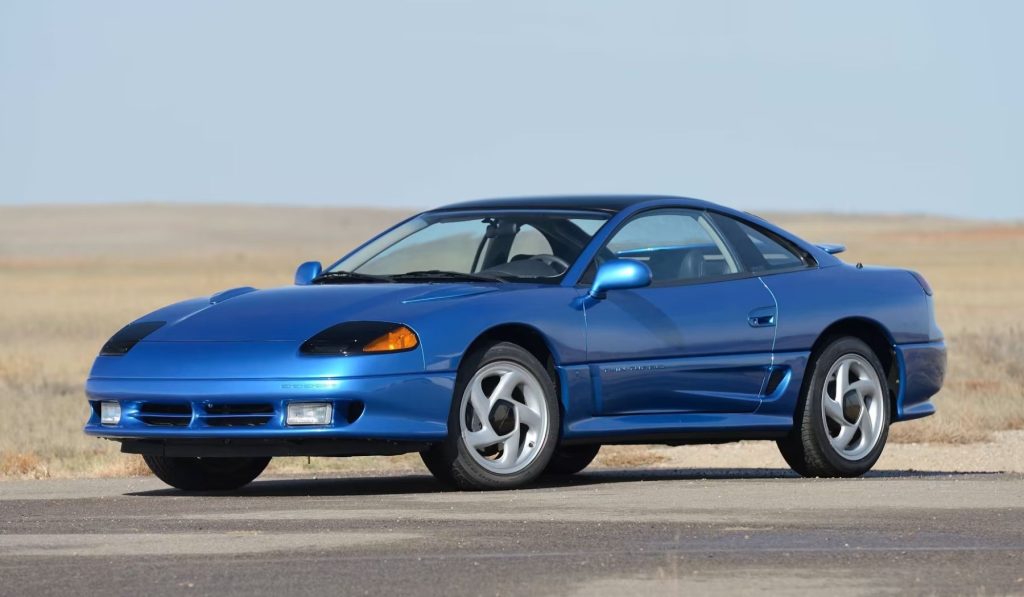
During the 1990s Japanese performance boom, the Mitsubishi 3000GT VR-4 stood among the most technologically advanced sports cars in the world. Yet despite its impressive engineering, it often lived in the shadow of rivals such as the Toyota Supra and Nissan Skyline GT-R.
What made the 3000GT VR-4 special was its willingness to embrace innovation. The car featured twin turbocharging, all-wheel drive, four-wheel steering, electronically controlled suspension, and active aerodynamics. These technologies were remarkably advanced for the era and demonstrated Mitsubishi’s engineering ambitions.
Its styling also remains distinctive decades later. The low profile, wide stance, and dramatic proportions gave it a futuristic appearance that still attracts attention today. Unlike many modern sports cars that share similar design themes, the 3000GT VR-4 possessed a strong visual identity.
A modern revival could be particularly compelling. Advances in lightweight materials and electronics could help address the original car’s biggest criticism, its substantial weight. Combining contemporary performance technology with the spirit of the original could create a unique grand touring machine capable of competing in today’s market.
The current automotive scene has relatively few technologically adventurous performance coupes. Bringing back the 3000GT nameplate could help Mitsubishi reposition itself as a brand known for engineering innovation rather than focusing mainly on practical transportation.
The original model was ambitious, distinctive, and memorable. Those qualities remain relevant, making the 3000GT VR-4 a strong candidate for a modern comeback.
Specifications
- Engine: 3.0-liter Twin Turbo V6
- Torque: 307 lb-ft
- Horsepower: 320 hp
- Length/Width: 179.7 in / 72.4 in
2. Ford Probe GT
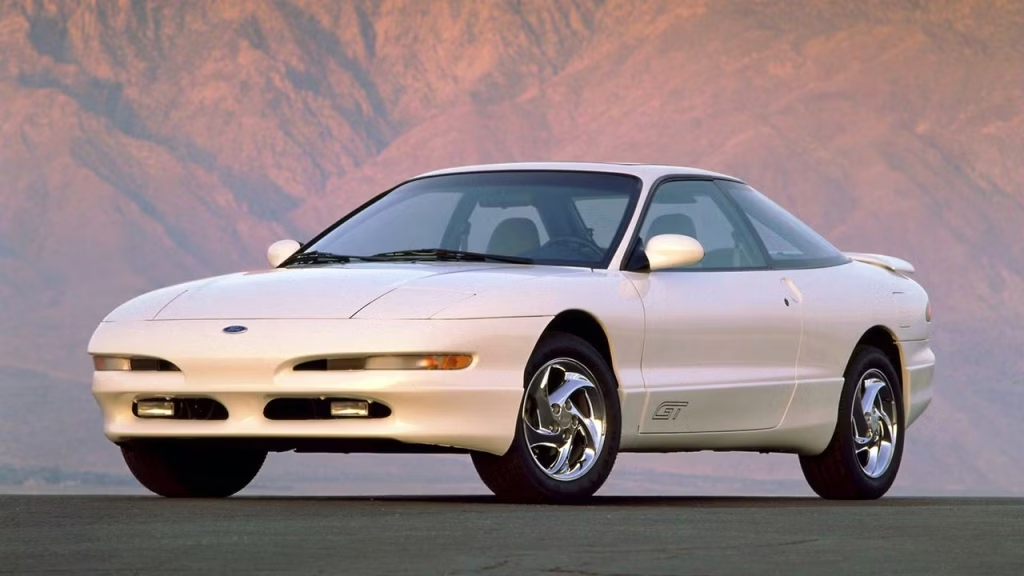
The Ford Probe is often remembered unfairly. Enthusiasts initially resisted the model because it arrived during a period when some feared it might replace the Mustang. As a result, many overlooked what was actually a capable and enjoyable performance coupe.
The Probe GT benefited from a collaboration between Ford and Mazda, giving it a sophisticated platform and responsive driving characteristics. Powered by a lively V6 engine, it delivered strong performance for its era while maintaining everyday practicality.
Unlike traditional rear-wheel-drive muscle cars, the Probe embraced a different philosophy centered on balance and agility.
Styling played a major role in its appeal. The sleek aerodynamic shape captured the spirit of 1990s sports coupes and still looks distinctive today. Hidden headlights on early models further enhanced its futuristic appearance, helping it stand apart from more conventional competitors.
A modern interpretation could thrive in a market that increasingly values efficient performance. Rather than attempting to compete directly with high-horsepower muscle cars, a revived Probe could focus on lightweight construction, engaging handling, and attainable pricing.
Such an approach would align with growing demand for driver-focused vehicles that emphasize enjoyment over sheer power figures. Modern turbocharged engines and advanced chassis technology could upgrade the concept significantly while preserving the original car’s character.
The Probe never received the recognition it deserved during its production run. Looking back, it represented an interesting alternative within the performance car segment, and its combination of practicality and driving enjoyment makes it worthy of another opportunity.
Specifications
- Engine: 2.5-liter V6
- Torque: 160 lb-ft
- Horsepower: 164 hp
- Length/Width: 179.5 in / 69.8 in
3. Pontiac G8 GXP
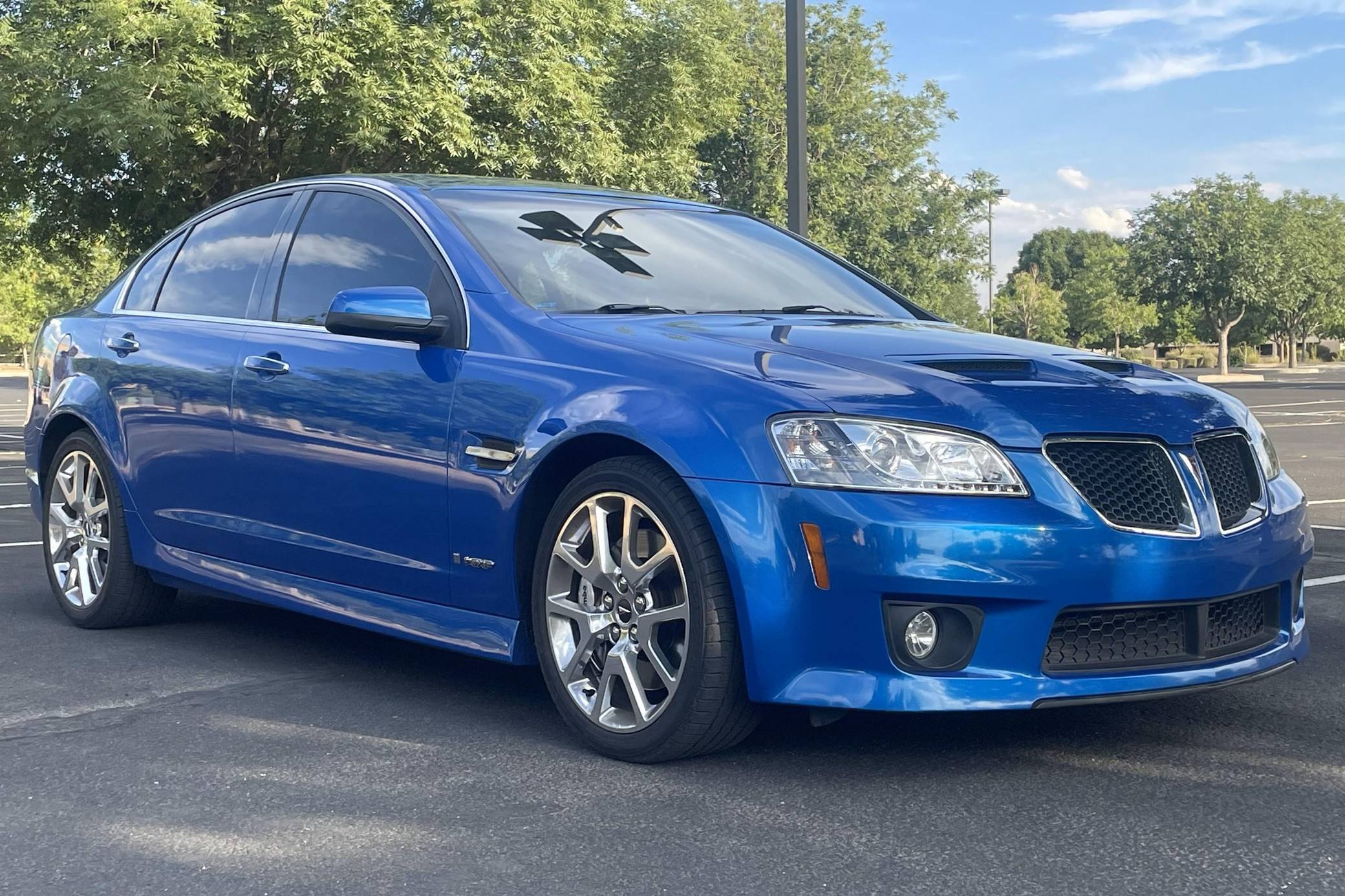
Some performance cars disappear not because they fail, but because circumstances beyond their control cut their lives short. The Pontiac G8 GXP is a perfect example. Introduced during one of the most difficult periods in General Motors’ history, it arrived just as the Pontiac brand itself was approaching the end of its existence.
The G8 GXP combined ingredients that enthusiasts still crave today. It featured rear-wheel drive, a naturally aspirated V8 engine, balanced handling, and the practicality of a four-door sedan. At a time when many manufacturers were moving toward front-wheel-drive platforms, the G8 GXP remained committed to traditional performance values.
What truly separated it from many rivals was its dual personality. During a daily commute, it functioned as a comfortable family sedan with a spacious interior and respectable refinement. Press the accelerator, however, and the LS3 V8 transformed the experience completely. The engine delivered effortless power and a soundtrack that remains memorable years later.
A modern revival could capitalize on a market increasingly lacking affordable performance sedans. Many manufacturers have abandoned the segment, creating an opportunity for a vehicle that combines practicality and genuine driver engagement.
Modern suspension technology, advanced driver assistance systems, and updated interior design could upgrade the formula without sacrificing its core appeal.
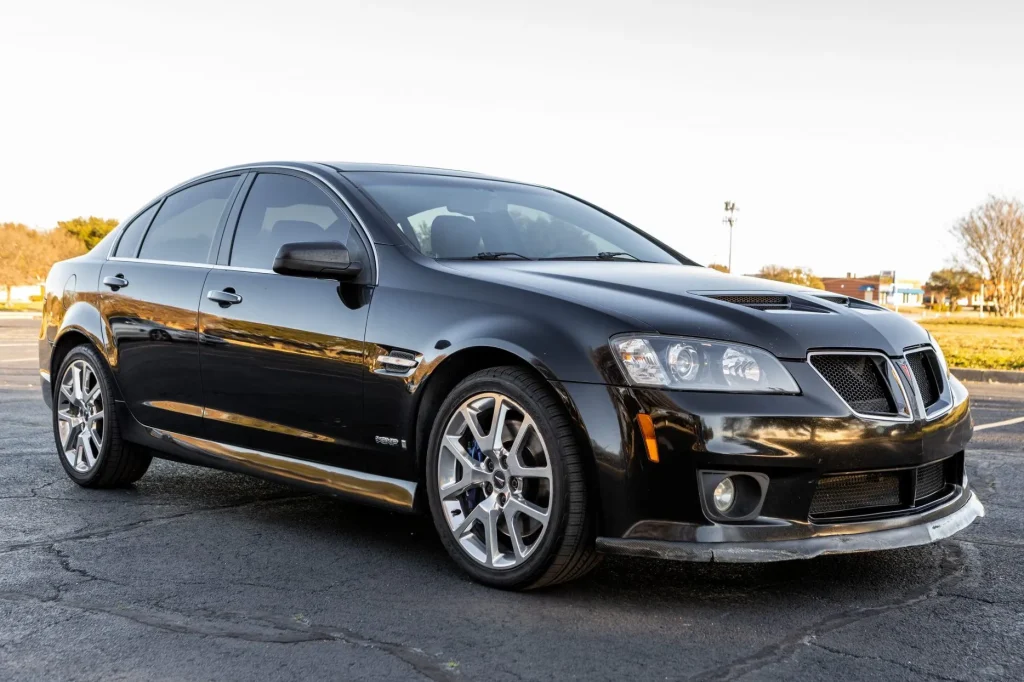
The original G8 GXP never had sufficient time to establish itself because Pontiac’s closure ended the story prematurely. Yet enthusiasts continue to praise the car for its balance of usability and performance.
Few discontinued vehicles feel as unfinished as the G8 GXP. A second chance could finally allow the concept to reach its full potential.
Specifications
- Engine: 6.2-liter LS3 V8
- Torque: 415 lb-ft
- Horsepower: 415 hp
- Length/Width: 196.1 in / 74.8 in
4. Nissan 240SX
Not every great performance car relies on massive horsepower numbers. The Nissan 240SX earned its reputation through balance, simplicity, and driver involvement. While modern enthusiasts often associate the car with drifting culture, its appeal extends far beyond sideways driving.
The 240SX offered a lightweight rear-wheel-drive platform that rewarded skilled drivers. Steering feel, predictable handling, and a well-balanced chassis made the car enjoyable even at moderate speeds. It encouraged drivers to interact with the vehicle rather than simply rely on raw power.
Another reason the model deserves revival is its accessibility. During its original production run, the 240SX provided an attainable entry point into performance car ownership. Buyers did not need an exotic budget to enjoy a genuinely engaging driving experience.
Today’s market lacks many affordable rear-wheel-drive coupes focused primarily on driving enjoyment. A modern 240SX could fill that gap effectively. Advances in chassis engineering and lightweight construction could enhance the original formula while preserving the playful character that made the car so beloved.
The design philosophy would be particularly refreshing in an era where many performance vehicles have become increasingly large and complex. A relatively simple sports coupe emphasizing agility could attract both longtime enthusiasts and younger buyers seeking a more connected driving experience.
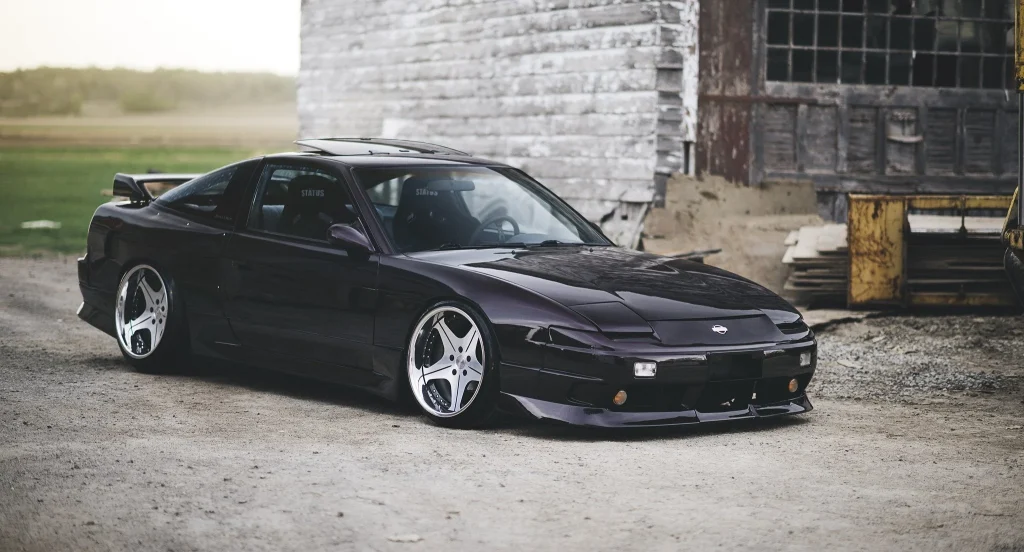
The 240SX remains one of Nissan’s most respected discontinued models. Its influence continues through enthusiast communities worldwide, demonstrating that the demand for a car built around balance and driver engagement has never truly disappeared.
Specifications
- Engine: 2.4-liter Inline-4
- Torque: 160 lb-ft
- Horsepower: 155 hp
- Length/Width: 178.0 in / 66.7 in
5. Mercury Marauder
Performance sedans often try to attract attention with aggressive styling and flashy details. The Mercury Marauder took a completely different route. At first glance, it looked like a traditional full-size American sedan, but hidden beneath the understated exterior was a surprisingly capable performance machine.
Built on the same platform as the Ford Crown Victoria, the Marauder transformed a familiar family sedan into something far more exciting.
The vehicle received a powerful V8 engine, upgraded suspension components, larger wheels, and numerous performance-focused refinements. The result was a car that delivered respectable speed while retaining the comfort and practicality of a large sedan.
One reason the Marauder deserves revival is the absence of vehicles like it in today’s market. Modern performance sedans tend to be expensive luxury products loaded with technology and premium materials. The Marauder represented a more approachable formula. It provided rear-wheel-drive performance without excessive complexity.
Its character was equally appealing. Drivers appreciated the car’s relaxed nature during everyday use and its ability to surprise unsuspecting motorists when pushed harder. The combination created a unique personality that stood apart from more obvious performance vehicles.
A modern Marauder could benefit from contemporary engineering while maintaining the original concept. A powerful V8 or hybrid-assisted performance powertrain, paired with rear-wheel drive and understated styling, could appeal to enthusiasts who prefer subtlety over attention-grabbing design.
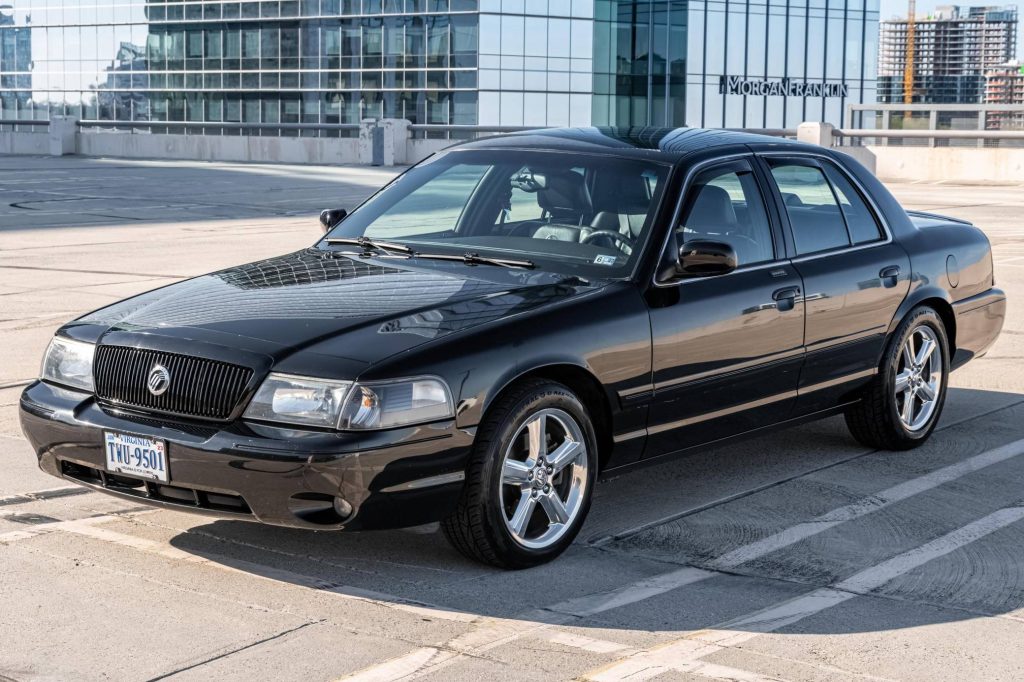
The original Marauder developed a loyal following despite its relatively short production run. Years later, it remains one of the most frequently discussed forgotten American performance cars. That continued enthusiasm suggests the formula still has relevance and could succeed if given another opportunity.
Specifications
- Engine: 4.6-liter DOHC V8
- Torque: 318 lb-ft
- Horsepower: 302 hp
- Length/Width: 212.0 in / 78.2 in
6. Dodge Stealth R/T Twin Turbo
The Dodge Stealth often finds itself overlooked whenever enthusiasts discuss memorable performance cars from the 1990s.
Sharing much of its engineering with the Mitsubishi 3000GT, the Stealth brought advanced technology and impressive performance to Dodge showrooms, yet it rarely receives the recognition given to many of its contemporaries.
One of the most fascinating aspects of the Stealth R/T Twin Turbo was its technological sophistication.
All-wheel drive, four-wheel steering, twin turbochargers, and active aerodynamic elements made it one of the most ambitious performance cars available during its era. Few vehicles in its price range offered a similar combination of capabilities.
Styling also played a significant role in its appeal. The design was sleek, aggressive, and unmistakably tied to the futuristic aesthetic of the 1990s. Even today, the shape remains distinctive in a sea of modern vehicles that often share similar proportions and design themes.
A revival could allow Dodge to introduce a very different type of performance car. Rather than focusing exclusively on straight-line acceleration, a modern Stealth could emphasize technology, handling, and grand touring capability. Such a vehicle would broaden the brand’s performance portfolio while honoring an important piece of its history.
Current advancements in electronics, lightweight materials, and powertrain development could address many of the challenges associated with the original car. The result could be a sophisticated all-weather performance coupe capable of attracting enthusiasts seeking something beyond traditional muscle cars.
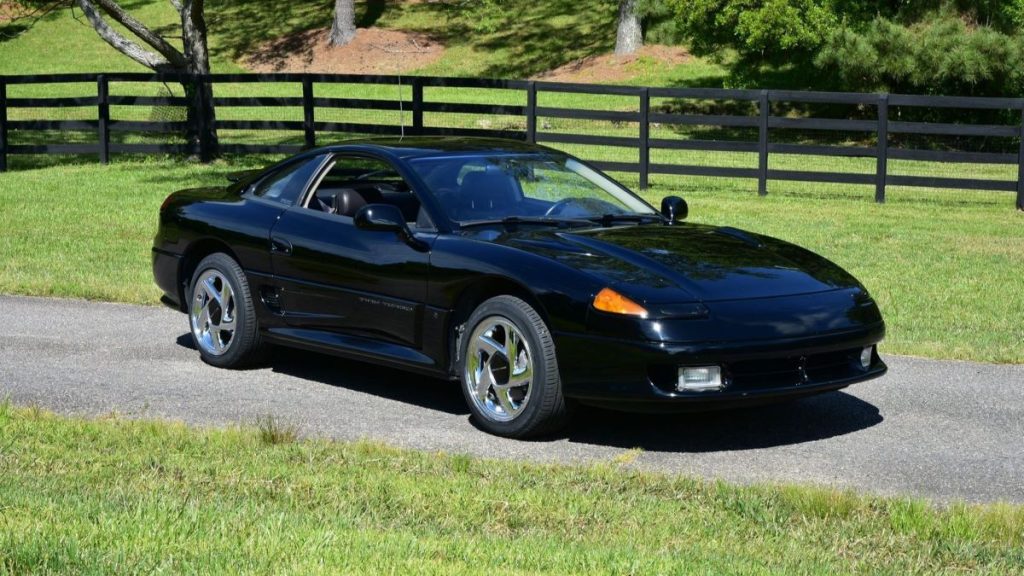
The Stealth represented ambition, innovation, and individuality. Those qualities remain just as valuable today as they were during the vehicle’s original production run.
Specifications
- Engine: 3.0-liter Twin Turbo V6
- Torque: 307 lb-ft
- Horsepower: 320 hp
- Length/Width: 179.7 in / 72.4 in
7. Acura RSX Type-S
The Acura RSX Type-S arrived during a period when lightweight sport compacts were flourishing. While it earned praise from enthusiasts during its production run, the model has gradually faded from mainstream attention as manufacturers shifted toward crossovers and electrification.
Yet among drivers who experienced it firsthand, the RSX Type-S remains one of the most rewarding front-wheel-drive performance cars ever built.
Its appeal was rooted in precision rather than brute force. The high-revving i-VTEC engine encouraged drivers to use the entire tachometer, rewarding them with a surge of power near the upper end of the rev range.
Combined with a slick six-speed manual transmission, the experience felt engaging in a way many modern vehicles struggle to replicate.
The RSX Type-S also excelled in everyday usability. It offered a practical hatchback layout, comfortable seating, respectable fuel economy, and Honda’s well-earned reputation for reliability. This combination allowed owners to enjoy spirited driving without sacrificing daily convenience.
A modern revival could fit perfectly into today’s market. While performance cars have become increasingly powerful and expensive, there remains a demand for lightweight, affordable vehicles focused on driver involvement.
The RSX nameplate could return as a sporty coupe or hatchback featuring modern technology while preserving the responsive character that made the original so popular.
Another advantage would be Acura’s ability to leverage contemporary hybrid or turbocharged technology without losing the model’s emphasis on balance and agility. Buyers seeking a more accessible performance car would likely welcome such an offering.
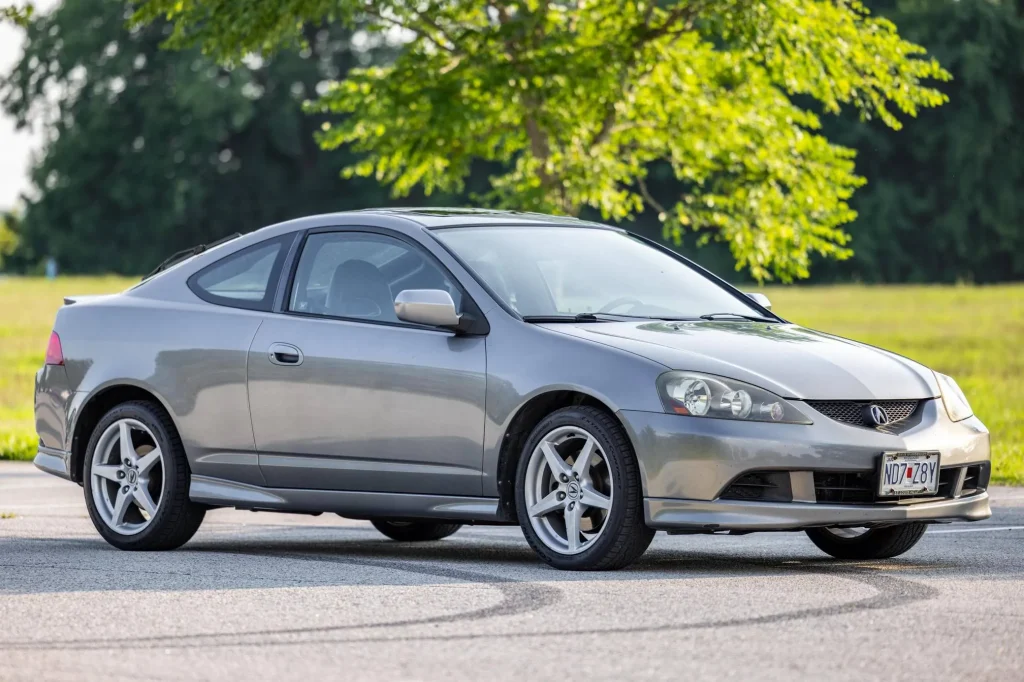
The RSX Type-S represented a golden era of driver-focused sport compacts. Its blend of practicality, reliability, and engaging performance continues to resonate with enthusiasts, making it one of the strongest candidates for a modern comeback.
Specifications
- Engine: 2.0-liter Inline-4 i-VTEC
- Torque: 142 lb-ft
- Horsepower: 200 hp
- Length/Width: 172.0 in / 67.8 in
Also Read: 10 Engines Ranked By How Cheap They Are To Rebuild
