
The excitement of buying a factory-fresh car fades quickly once the tires hit public roads. Within moments, resale value drops by thousands of dollars, wiping away money that can never be recovered. Many buyers never factor this loss into their decision, even though depreciation represents the largest expense tied to owning a vehicle.
For certain models, that early loss is severe enough to turn a proud purchase into a financial mistake almost immediately. Experienced buyers take a quieter and far more practical approach. Instead of paying full price, they allow the first owner to absorb the steep decline that happens during the first and second years.
After that period, the same vehicle becomes far more reasonable to own. At two years old, mileage is often low, factory coverage may still apply, and modern features remain fully current. What disappears is the inflated price tag that comes with being first in line at the dealership.
There are seven vehicles on the market today that fit this method especially well. Each one suffers a sharp early drop for clear and documented reasons, yet none lose the qualities that make them enjoyable to live with. Performance, comfort, reliability, and design remain intact long after the price falls.
By reviewing all carefully and running the numbers, buyers can see how much money is preserved by choosing timing over impulse. That calculation often leads to one simple realization. Paying extra for that brief new-car feeling rarely delivers lasting value.
1. Maserati Quattroporte GTS GranSport
- Engine: 3.0L twin-turbo V6 (or 3.8L twin-turbo V8)
- Horsepower: 424 to 572 hp, depending on trim
- Torque: 428 to 538 lb-ft, depending on trim
- Size: 207.2 in Long x 77.1 in Wide
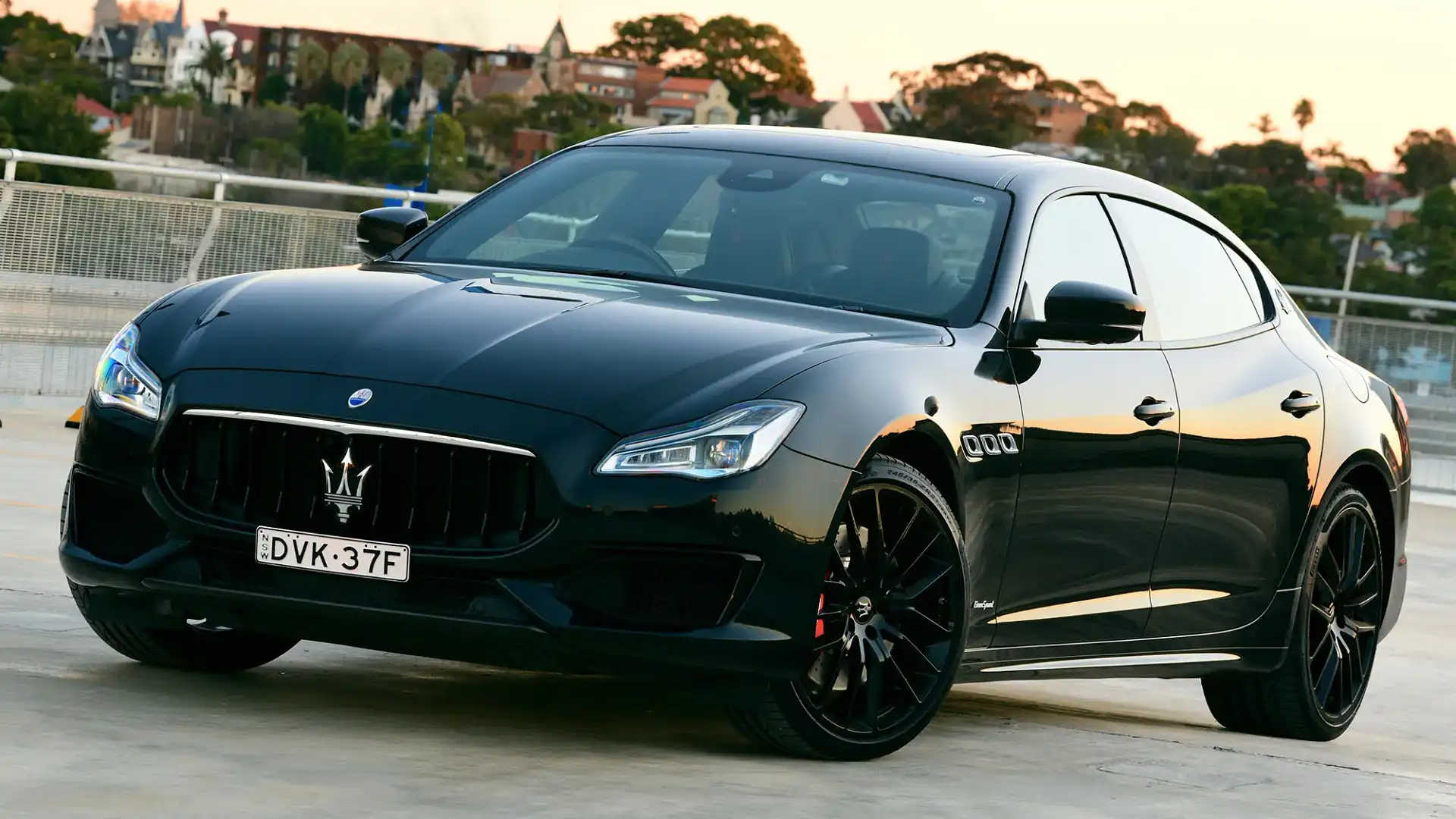
Purchasing a Maserati Quattroporte GTS GranSport new means spending somewhere in the $130,000 to $150,000 range before options. Waiting two years means buying essentially the same car for $75,000 to $90,000. That gap of $40,000 to $55,000 is not a small rounding error. It is a second car’s worth of money that stayed in your account because you chose patience over prestige timing.
Few luxury sedans lose value as quickly as the Quattroporte, with depreciation typically reaching 40 to 45 percent during the first two years of ownership. Several factors contribute to this decline, including lower brand recognition compared with established German rivals, higher ownership expenses, and a market that often favors the reassurance of a new vehicle warranty. As a result, second owners can acquire the same luxury experience while avoiding much of the initial financial loss absorbed by the original buyer.
What you actually get with a two-year-old Quattroporte is remarkable. Power comes from a 3.0-liter twin-turbo V6 producing 424 horsepower and 428 lb-ft of torque, or a 3.8-liter twin-turbo V8 in GTS specification producing 572 horsepower and 538 lb-ft of torque.
Both engines are derived from Ferrari’s engineering lineage, and they deliver a character and soundtrack that no German luxury sedan replicates at any price. At 207.2 inches long and 77.1 inches wide, the cabin is genuinely spacious with rear-seat accommodation that rivals dedicated luxury sedans from BMW and Mercedes-Benz.
Pre-purchase inspection is non-negotiable on any used Maserati. Service history documentation matters, and repair costs on out-of-warranty Italian luxury vehicles can be substantial. Buyers who enter with realistic ownership cost expectations and find a well-maintained example are accessing a genuinely rare automotive experience at a price that the original buyer subsidized on their behalf. Certified pre-owned examples with remaining factory warranty coverage represent the lowest-risk entry point for buyers new to the brand.
Two years of depreciation on the Quattroporte represents one of the most dramatic value collapses in the luxury car market. For buyers who have always wanted a hand-built Italian grand touring sedan but could not justify the new car price, this is where the opportunity lies.
2. BMW 7 Series 740i xDrive
- Engine: 3.0L turbocharged inline-6 (or 4.4L twin-turbo V8)
- Horsepower: 375 to 536 hp, depending on trim
- Torque: 398 to 553 lb-ft, depending on trim
- Size: 212.2 in Long x 76.8 in Wide
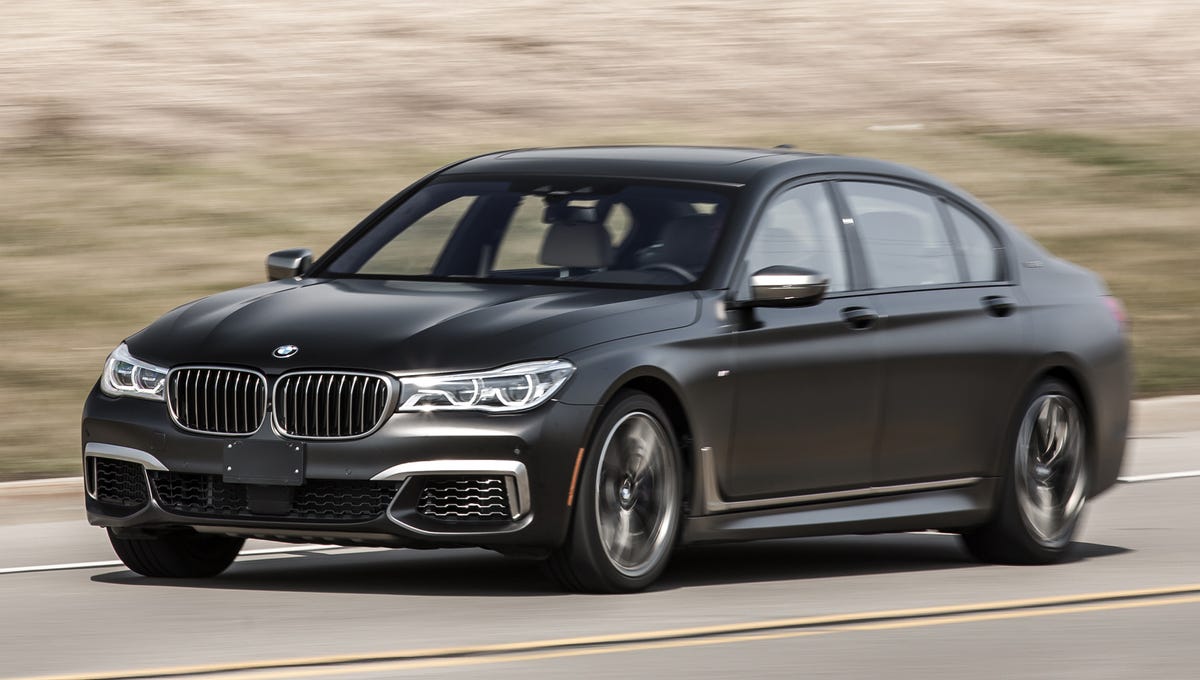
BMW prices the 7 Series as its flagship statement vehicle, and the numbers reflect that positioning. A new 740i xDrive starts above $95,000, and fully loaded examples reach $130,000 or more. Two years later, that same car typically lists in the $55,000 to $70,000 range. Saving $40,000 or more on a vehicle this capable is not a minor financial maneuver. It is a purchasing strategy that fundamentally changes what your money can access.
High depreciation on the 7 Series is driven by several factors working together. Luxury sedans face sustained competition from luxury SUVs for buyer attention and budget allocation, reducing demand for used examples. Technology refresh cycles in the premium sedan segment move quickly, making a two-year-old model feel less current to buyers who track these things.
And the 7 Series packs an enormous amount of electronics and convenience technology that buyers of new cars pay a full premium for, but that used buyers access at dramatically reduced cost. Engine specifications justify the attention even at used prices. A 3.0-liter turbocharged inline-six produces 375 horsepower and 398 lb-ft of torque in the 740i, with the 4.4-liter twin-turbo V8 in the 750i generating 536 horsepower and 553 lb-ft of torque.
At 212.2 inches long and 76.8 inches wide, rear passenger space in the long-wheelbase configuration rivals dedicated chauffeur vehicles. Massage seats, executive rear packages, and a Bowers and Wilkins audio system that costs more than most economy cars are standard fare on upper trims, all of which transfer fully to the used buyer.
Certified pre-owned BMW programs extend warranty protection into the used ownership window, which matters on a vehicle with this level of electronic sophistication. Targeting CPO examples from BMW-authorized dealers provides both pricing transparency and coverage that independent purchases cannot match.
For buyers who want flagship German-sedan luxury without the financial commitment of new-car ownership, the two-year-old 7 Series is one of the clearest value propositions in the entire premium-vehicle market.
Also Read: 10 Cars Faster Than a Lamborghini for Under $50,000
3. Nissan LEAF SV Plus
- Engine: Electric Motor with 40 kWh (or 60 kWh battery pack)
- Horsepower: 147 to 214 hp, depending on trim
- Torque: 236 to 250 lb-ft, depending on trim
- Size: 176.4 in Long x 70.5 in Wide
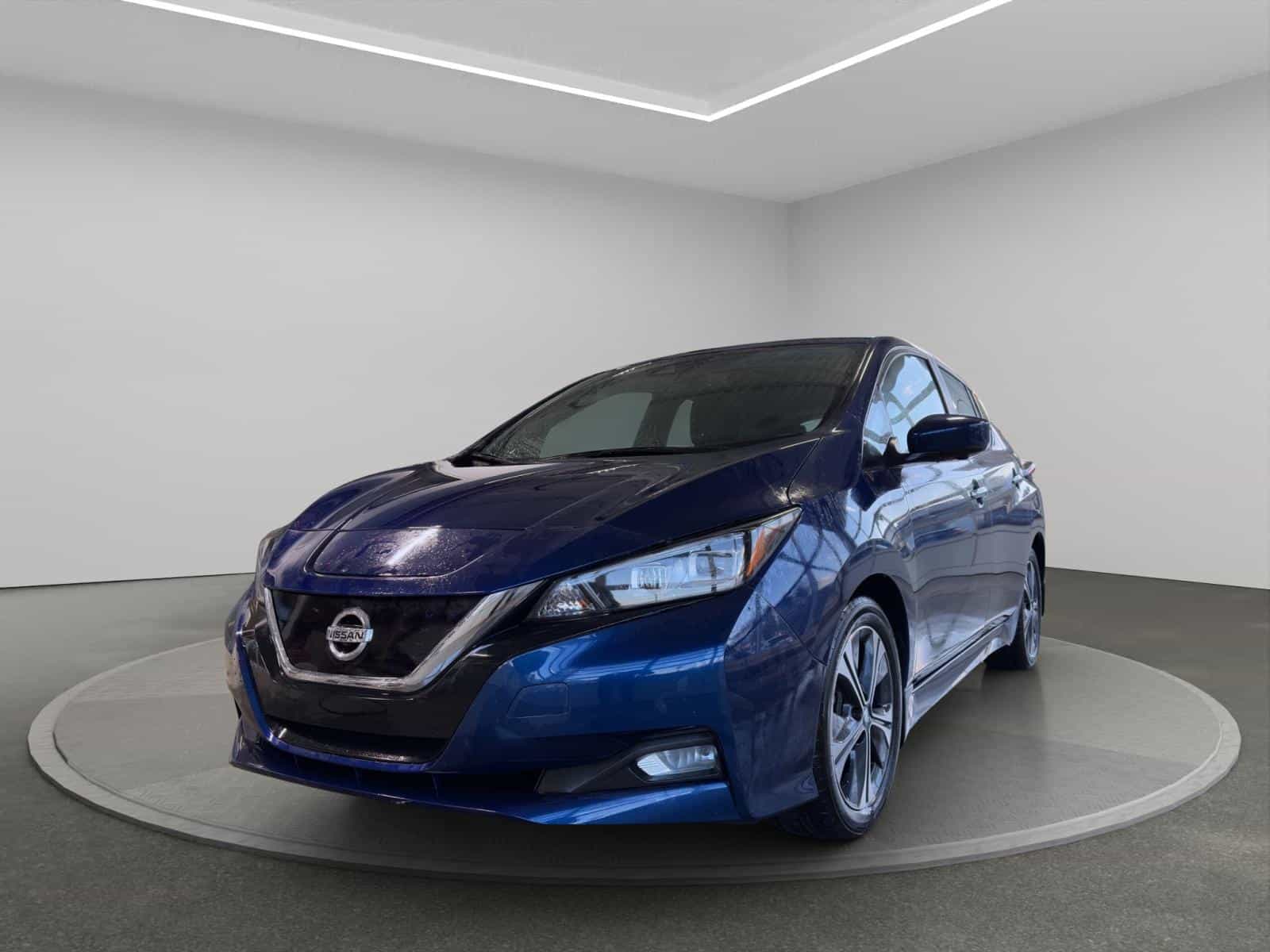
Electric vehicle depreciation runs steeper than almost any other vehicle category, and the Nissan LEAF SV Plus illustrates exactly why that creates opportunity for used buyers. A new LEAF SV Plus with the 60 kWh battery pack lists around $36,000 to $40,000. Two years into ownership, used examples routinely appear for $18,000 to $24,000, a reduction that approaches 40 to 50 percent of the original purchase price.
Battery technology advancement is the primary driver of this depreciation rate. When a newer LEAF offers meaningfully more range or faster charging for the same price as a two-year-old unit, used values on older examples compress rapidly. Buyers who need a car for city commuting and local errands, rather than long-distance travel, can take advantage of this dynamic without the range concerns that might affect buyers with different driving patterns.
Power output from the electric motor runs 147 horsepower in standard configuration and 214 horsepower in the higher-output e-Plus version, with torque figures of 236 to 250 lb-ft available from a complete stop. At 176.4 inches long and 70.5 inches wide, the LEAF fits urban parking situations that larger vehicles cannot manage.
Nissan’s ProPilot Assist driver assistance system, available on the SV Plus trim, adds highway driving convenience that buyers accessing it at used pricing receive without paying the new-car technology premium. Battery health inspection before purchase is the essential step for any used LEAF purchase. Nissan’s battery capacity bars on the instrument cluster provide a quick read, but a full battery health report through a Nissan dealer or a compatible diagnostic tool gives a precise picture of remaining capacity.
A well-maintained LEAF in a moderate climate with documented charging history represents a low-cost, low-maintenance urban vehicle that its original buyer’s depreciation loss has made genuinely affordable.
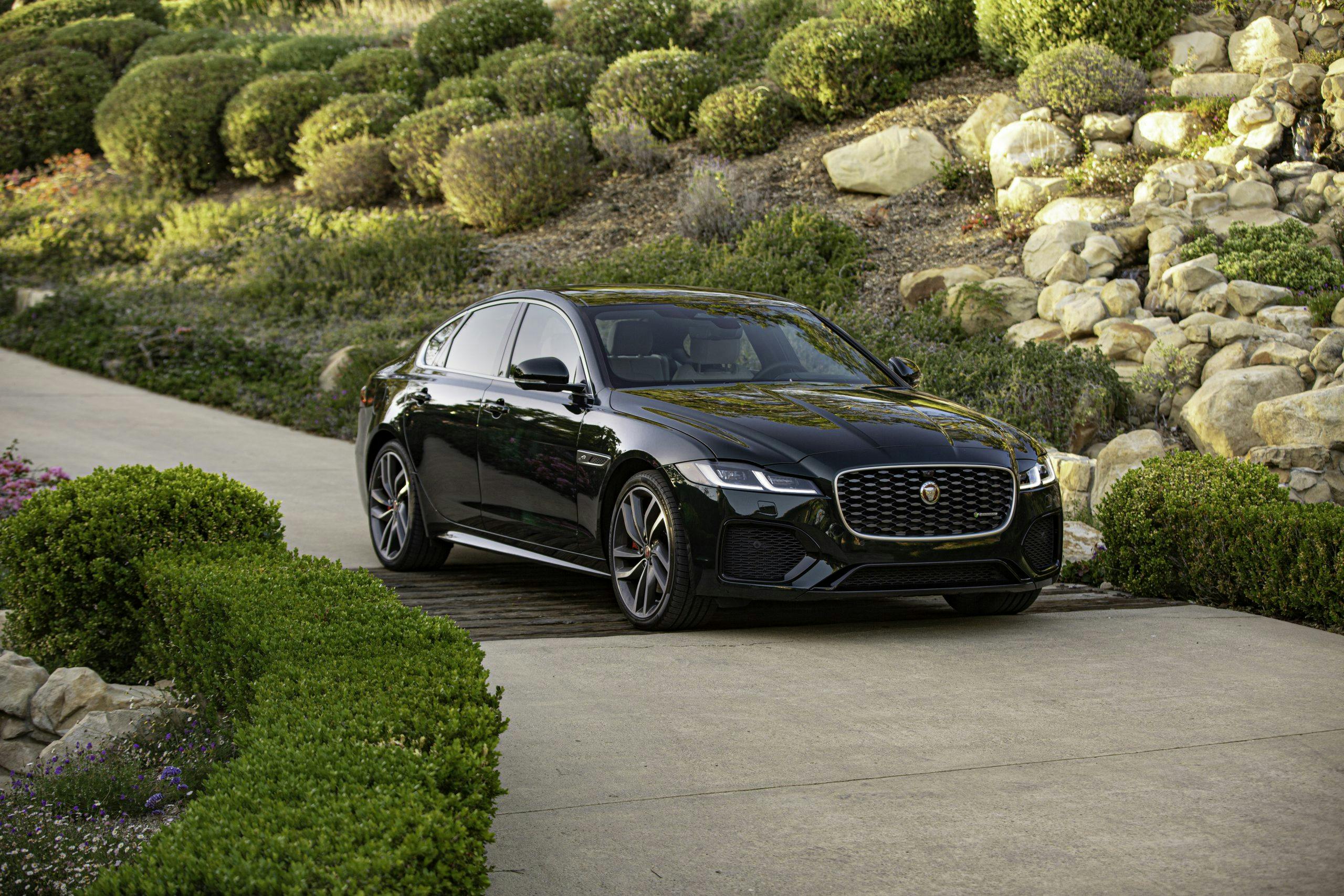
4. Jaguar XF SE AWD
- Engine: 2.0L turbocharged 4-cylinder
- Horsepower: 246 to 296 hp, depending on trim
- Torque: 269 to 295 lb-ft, depending on trim
- Size: 195.3 in Long x 74.1 in Wide
Jaguar’s XF occupies a specific and appealing position in the luxury sedan market: European design and driving character at prices that undercut German competitors, delivered in a body that turns more heads than most of its rivals at any price. Buying one new at $55,000 to $65,000 is already a reasonable proposition by luxury sedan standards. Buying a two-year-old example at $28,000 to $35,000, after it has shed up to 48 percent of its value according to Kelley Blue Book data, is where the financial case becomes genuinely compelling.
Jaguar XF depreciation runs steeply primarily because the brand’s reliability reputation, while improved in recent years, still carries historical baggage in buyer perception that suppresses used demand and pushes prices lower than the vehicle’s actual quality warrants. For buyers who research the specific model year they are targeting and approach with a pre-purchase inspection, that perception gap between reputation and reality works entirely in their favor.
A 2.0-liter turbocharged four-cylinder engine produces 246 to 296 horsepower and 269 to 295 lb-ft of torque depending on output level. At 195.3 inches long and 74.1 inches wide, the interior space is competitive with the BMW 3 Series and Mercedes-Benz C-Class, while the exterior proportions are more visually distinctive than either competitor. Jaguar’s cabin materials quality and driver-focused ergonomics are genuine strengths that hold up well through the first few years of ownership.
Jaguar’s InControl infotainment system and the available 12.3-inch digital instrument cluster provide technology content that remains current in a two-year-old example. Buyers who find a well-maintained XF SE AWD with documented service history at $30,000 are accessing a British luxury executive sedan at a price that would buy a base trim Korean family sedan new. That comparison makes the depreciation math very easy to appreciate.
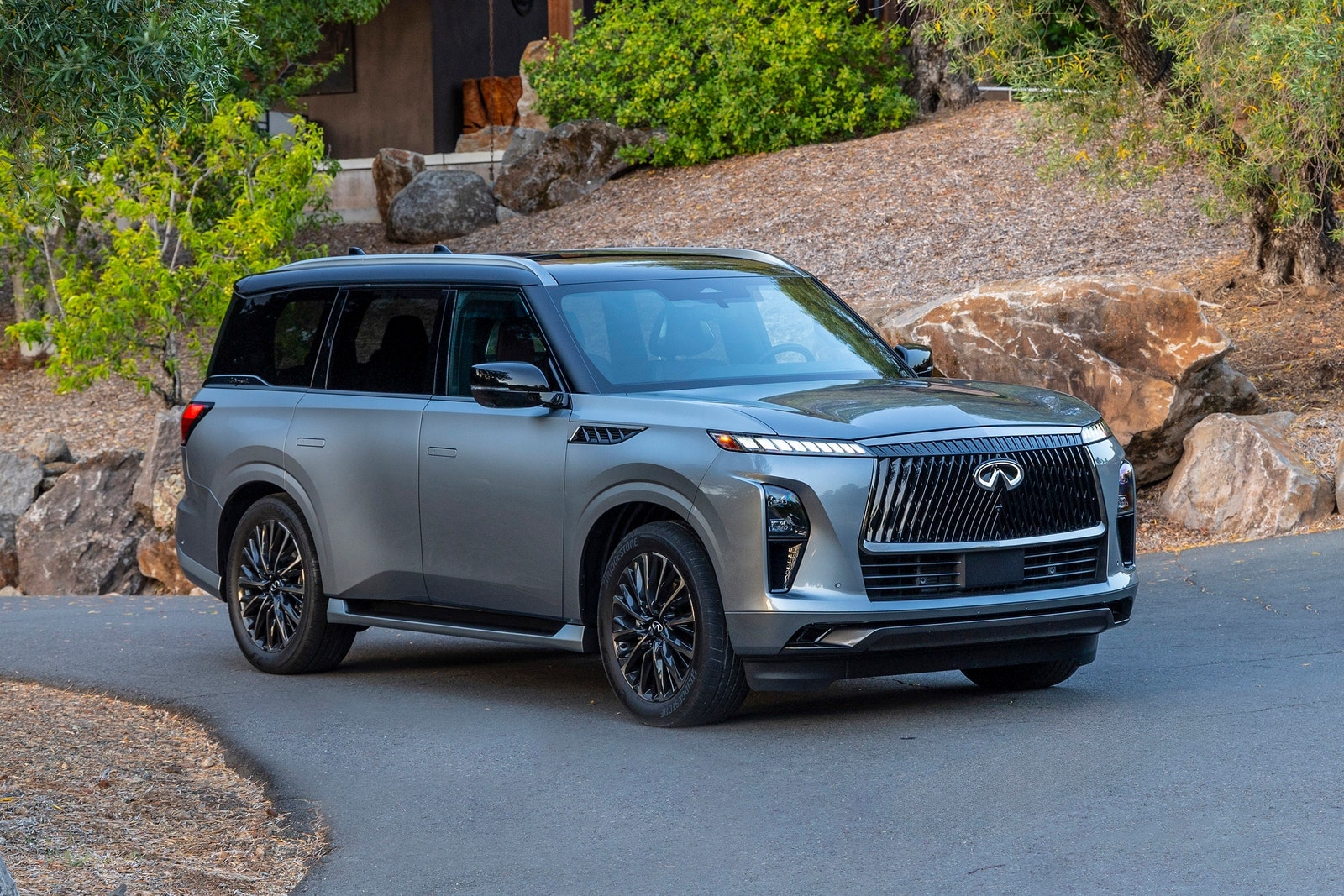
5. Infiniti QX80 Sensory AWD
- Engine: 5.6L V8 (Older generations) / 3.5L twin-turbo V6 (Newer generations)
- Horsepower: 400 to 450 hp, depending on year and trim
- Torque: 413 to 516 lb-ft, depending on year and trim
- Size: 210.2 to 211.2 in Long x 79.9 in Wide
Full-size luxury SUVs carry the highest new car sticker prices and some of the steepest depreciation curves in the automotive market, and the Infiniti QX80 Sensory AWD demonstrates both of those characteristics with exceptional clarity. New MSRP for a well-equipped QX80 Sensory AWD runs $80,000 to $90,000. Two years into ownership, used market pricing typically drops to $52,000 to $62,000, representing a $20,000 to $30,000 reduction that used buyers collect without doing anything except waiting.
Large luxury SUVs depreciate quickly for reasons that are primarily structural to the segment. High fuel consumption in an era of fuel cost awareness reduces demand for high-mileage used examples. Premium fuel requirements add operating costs that buyers calculate before purchase. And the buyer pool for used three-row luxury SUVs, while real, is narrower than the buyer pool for mainstream crossovers, which compresses prices as sellers compete for a smaller group of qualified buyers.
Powertrain specifications justify the attention regardless of how the financial case lands. Earlier QX80 generations used a 5.6-liter V8 producing 400 horsepower and 413 lb-ft of torque, while newer generational updates introduced a 3.5-liter twin-turbo V6 producing up to 450 horsepower and 516 lb-ft of torque.
At 210.2 to 211.2 inches long and 79.9 inches wide, the interior volume is genuinely expansive across all three rows. Towing capacity reaches 8,500 pounds in properly equipped configurations, making the QX80 one of the most capable passenger vehicles in its price bracket at either new or used pricing.
A two-year-old QX80 Sensory AWD typically retains the full suite of standard luxury appointments, including quilted leather seating for up to eight passengers, a Bose 13-speaker premium audio system, and a 13.3-inch dual-screen rear entertainment system. None of these features diminishes with age in any way that a used buyer would notice during ownership. What has diminished is the price, and that reduction benefits the second owner entirely.
Buyers targeting used QX80 examples should verify towing package equipment status, review any available service records for differential and transfer case fluid service, and confirm that the rear air leveling system, available on certain configurations, has been maintained appropriately.
A pre-purchase inspection that specifically evaluates these items provides the confidence needed before committing to a vehicle at this price level. For a family that genuinely needs three-row luxury SUV space and occasional towing capability, the two-year-old QX80 Sensory AWD represents one of the most practical intersections of luxury, utility, and financial sense in the used market.
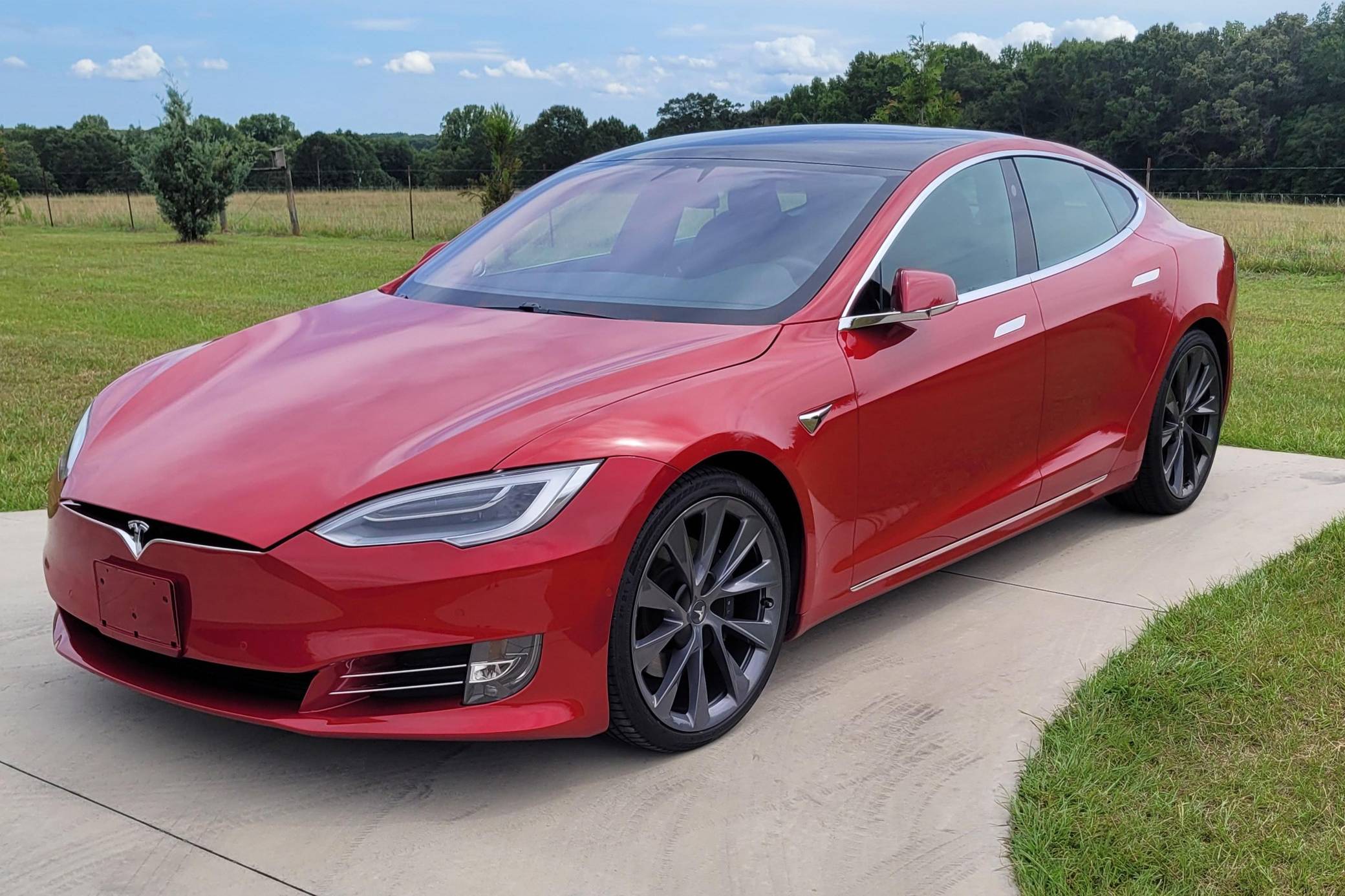
6. Tesla Model S Long Range AWD
- Engine: Dual (or Triple) Electric Motors
- Horsepower: 670 to 1,020 hp (Plaid trim)
- Torque: 713 to 1,050 lb-ft depending on configuration
- Size: 197.7 in Long x 78.2 in Wide
Tesla’s practice of adjusting new vehicle prices in response to market conditions and production costs has created a used market dynamic unlike anything in traditional automotive retail. When Tesla reduces the price of a new Model S, owners of recently purchased examples see the value of their vehicle drop immediately and directly, because used buyers can now access a similar new car for less. For patient buyers who did not purchase new, this dynamic is purely positive: it pushes used prices down and makes extraordinary performance accessible at price points the original launch pricing never offered.
A new Tesla Model S Long Range AWD lists around $74,000 to $80,000. Two-year-old examples in strong condition have appeared in the $45,000 to $58,000 range in the current used market, reflecting both normal depreciation and the additional pressure Tesla’s own price adjustments have applied to used values.
For a vehicle that accelerates from 0 to 60 mph in approximately 3.1 seconds and offers an EPA-rated range exceeding 400 miles, that used price represents performance value that no other vehicle category matches at a comparable cost. Dual electric motors produce a combined 670 horsepower and 713 lb-ft of torque in Long Range AWD configuration.
Plaid trim escalates those figures to 1,020 horsepower and 1,050 lb-ft of torque, producing a 0 to 60 mph time of approximately 1.99 seconds that is faster than purpose-built supercars costing four times as much. At 197.7 inches long and 78.2 inches wide, the Model S accommodates five adults with a front trunk and rear cargo area that adds genuine daily practicality to the performance package.
Access to Tesla’s Supercharger network is a transferable ownership benefit. A two-year-old Model S retains full Supercharger access, which means cross-country charging infrastructure that no other EV brand matches in coverage or reliability transfers completely to the used buyer.
Battery health on a two-year-old, well-maintained Model S should retain 90 to 95 percent of original capacity under normal operating conditions, which a battery report from Tesla’s service center or an independent Tesla specialist can confirm before purchase.
For buyers who want the experience of driving a vehicle that accelerates like nothing else on public roads, connects to the most reliable fast charging network in America, and receives over-the-air software updates that add features rather than just fix bugs, the two-year-old Tesla Model S Long Range AWD delivers that experience at a price its original depreciation curve has made genuinely reachable.
Also Read: 8 Cars That Are Cheap To Buy But Expensive To Fix
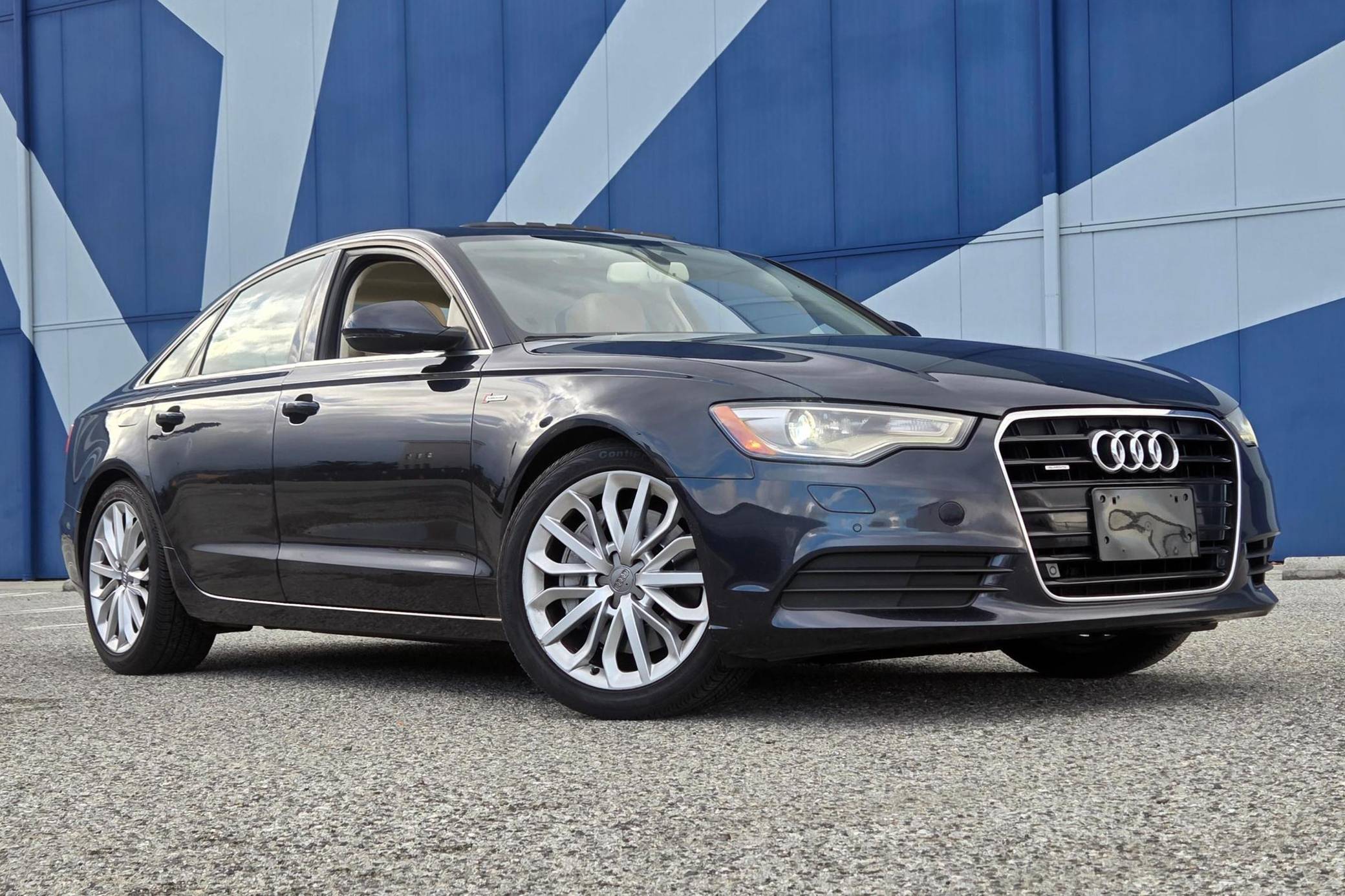
7. Audi A6 Premium Plus Quattro
- Engine: 2.0L turbo 4-cylinder (or 3.0L turbocharged V6)
- Horsepower: 261 to 335 hp, depending on trim
- Torque: 273 to 369 lb-ft, depending on trim
- Size: 194.4 in Long x 74.3 in Wide
Audi’s A6 consistently appears on lists of vehicles with above-average depreciation, and that depreciation rate is somewhat puzzling given the vehicle’s genuine engineering quality, excellent build consistency, and standard Quattro all-wheel drive that delivers real traction capability in conditions where rear-wheel-drive competitors struggle.
A new A6 Premium Plus Quattro lists around $60,000 to $70,000. Two years of ownership later, used examples typically trade in the $38,000 to $48,000 range, a drop that gives used buyers access to one of Germany’s most accomplished executive sedans at a price that competes with mainstream mid-size sedans bought new.
Audi’s depreciation is driven partly by brand competition within the German luxury segment. BMW, Mercedes-Benz, and Audi all compete aggressively for the same buyer, which means the supply of used vehicles of all three brands is consistently high, and pricing stays competitive rather than firm. A buyer who has three quality German executives to choose from in the used market gains negotiating leverage that benefits their purchase price.
Engine options in the A6 Premium Plus include a 2.0-liter turbocharged four-cylinder producing 261 horsepower and 273 lb-ft of torque, and a 3.0-liter turbocharged V6 generating 335 horsepower and 369 lb-ft of torque. At 194.4 inches long and 74.3 inches wide, the interior dimensions are practical for four adults, with trunk space that handles regular family travel.
Audi’s Virtual Cockpit digital instrument cluster, the 10.1-inch MMI touch display, and a Bang and Olufsen 3D premium sound system on upper configurations all remain fully current technology in a two-year-old example. Quattro all-wheel drive is standard across the A6 lineup, which means used buyers are not going through trim levels to find AWD availability.
Every A6 on the used market comes with the traction system that Audi has refined over decades of development. In rain, snow, and mixed-surface conditions, Quattro’s performance advantage over front-wheel-drive alternatives is immediate and tangible, and it transfers to the used buyer at no premium because it was standard equipment on every unit produced.
Service history documentation matters for used Audi purchases. Timing belt or chain service intervals, DSG transmission fluid changes, and quattro differential fluid service are the maintenance items that deserve specific documentation review before purchase.
A well-documented A6 Premium Plus Quattro with two years of Audi dealer service history is a low-risk purchase that delivers German executive sedan refinement at a price that makes the new car alternative genuinely difficult to justify.
