
The Porsche 911 has long been one of the most respected sports cars in automotive history, known for its precision engineering, rear engine layout, and exceptional balance between everyday usability and high performance. Over decades, it has become a benchmark for sports car performance, especially in terms of handling and real-world drivability.
However, when it comes to straight-line acceleration, especially 0 to 60 mph times, the Porsche 911 is no longer the undisputed king it once was. Modern engineering, particularly in electric vehicles and high-output supercharged engines, has reshaped what is possible for much lower price points.
Today, several performance cars and muscle machines can outperform a Porsche 911 in a straight line while costing significantly less. This shift is largely due to advancements in launch control systems, turbocharging efficiency, All Wheel Drive technology, and the instant torque delivery of electric powertrains.
As a result, buyers who prioritize acceleration over brand prestige or track precision now have access to machines that deliver hypercar-level straight-line speed without reaching supercar pricing.
This article explores ten such cars that not only challenge but outright beat the Porsche 911 in straight-line performance for less money.
These vehicles span electric sedans, American muscle cars, European grand tourers, and Japanese performance icons. Each one brings a unique engineering philosophy, yet all share one thing in common: they deliver faster acceleration than the Porsche 911 at a lower price point.
It is important to understand that straight-line speed is only one dimension of performance. The Porsche 911 remains superior in many areas, such as cornering balance, braking consistency, and driving feel. However, if the focus is purely on acceleration and cost efficiency, the modern automotive market offers some extremely compelling alternatives.
From 1000-horsepower electric sedans to drag-focused V8 monsters, the following list highlights how far performance technology has evolved. These cars prove that blistering acceleration is no longer exclusive to high-end exotic brands, and that speed wars are now being fought across every price segment of the automotive world.
Also Read: 8 Repairs That Cost More in Parts Than Labor
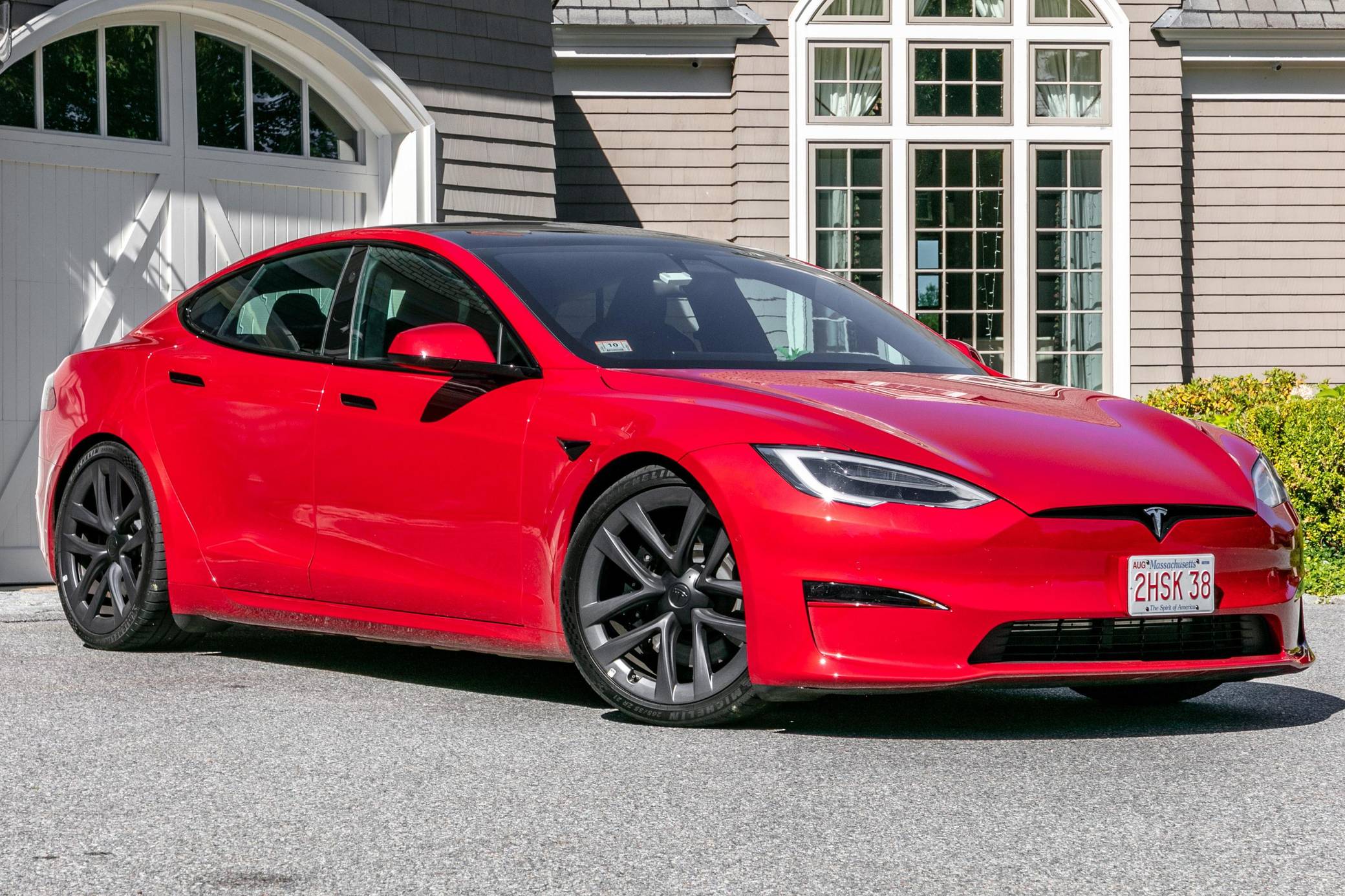
- Engine/Motors: Tri-motor electric powertrain
- Horsepower: 1,020 hp
- Torque: Approximately 1,050 lb-ft (1,423 Nm)
- Length: 197.7 in (5,021 mm)
- Width: 78.2 in (1,987 mm)
1. Tesla Model S Plaid
The Tesla Model S Plaid is one of the most dramatic examples of how electric power has reshaped performance benchmarks. With its tri-motor setup producing over 1000 horsepower, it delivers instant torque that completely changes the traditional acceleration experience.
Unlike internal combustion engines, there is no delay in power delivery, which allows the Model S Plaid to launch with relentless force from a standstill.
In straight-line performance, the Model S Plaid is widely recognized for achieving 0 to 60 mph in under 2 seconds under optimal conditions. This places it far ahead of the Porsche 911 range, including high-performance variants. The consistency of its acceleration is also notable, as electric drivetrains do not suffer from gear shift interruptions in the same way as traditional transmissions.
What makes the Model S Plaid particularly impressive is that it achieves this level of performance while remaining a full-size luxury sedan. It can comfortably seat five adults, offers significant cargo space, and still delivers supercar-beating acceleration. This combination of practicality and performance is something traditional sports cars cannot match.
From a pricing perspective, the Model S Plaid is significantly more affordable than many high-end sports cars that attempt to compete in similar performance brackets. This makes it one of the most value-efficient acceleration-focused vehicles available today, especially for buyers prioritizing speed over badge prestige.
The Model S Plaid represents a turning point in automotive performance, where electric technology has redefined what is possible in straight-line acceleration at a relatively accessible price point.
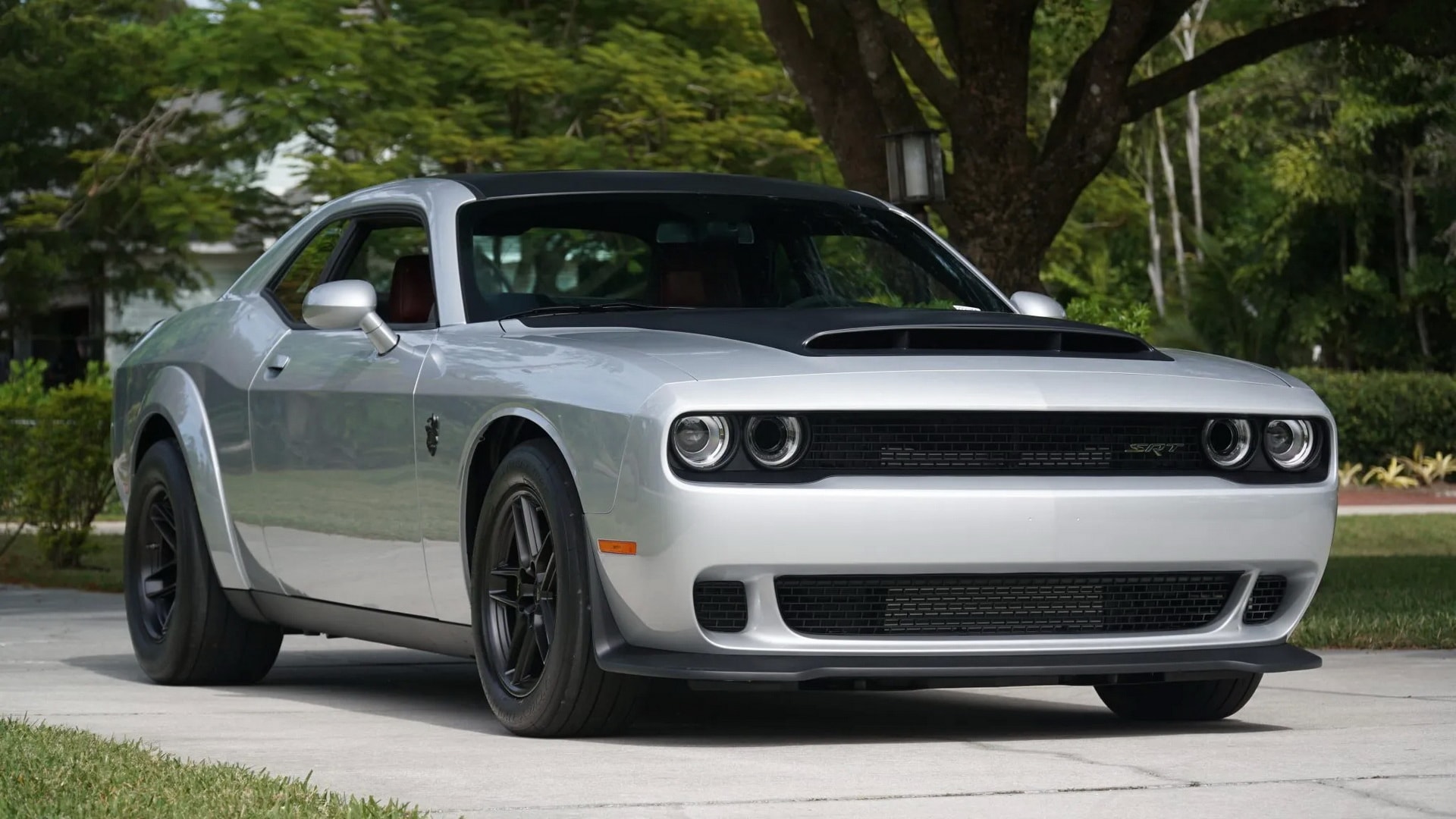
- Engine: 6.2L Supercharged HEMI V8
- Horsepower: 1,025 hp (on E85 fuel)
- Torque: 945 lb-ft (1,281 Nm)
- Length: 197.9 in (5,026 mm)
- Width: 75.7 in (1,923 mm)
2. Dodge Challenger SRT Demon 170
The Dodge Challenger SRT Demon 170 is a purpose-built drag racing machine designed specifically to dominate quarter-mile and straight-line acceleration metrics. Powered by a heavily upgraded supercharged V8 engine, it produces over 1000 horsepower when running on high ethanol fuel blends. This extreme output allows it to achieve acceleration figures that rival and surpass many exotic sports cars.
In terms of straight-line speed, the Demon 170 can reach 0 to 60 mph in under 2 seconds under ideal track conditions. This puts it firmly ahead of the Porsche 911 lineup in raw acceleration. Its drag-focused setup, including specialized tires and launch control systems, ensures maximum traction during hard launches.
Unlike many modern performance cars that balance handling and comfort, the Demon 170 is unapologetically focused on straight-line performance. Its suspension geometry, weight distribution, and tire configuration are all optimized for one purpose: achieving the fastest possible launch from a standstill.
Despite its extreme performance, the Demon 170 remains relatively affordable compared to high-end sports cars and supercars. This makes it one of the most cost-effective ways to experience near hypercar-level acceleration in a production vehicle.
The Dodge Demon 170 stands as a reminder that internal combustion engines, when pushed to their limits, are still capable of extraordinary straight-line performance, especially when engineered specifically for drag racing dominance.
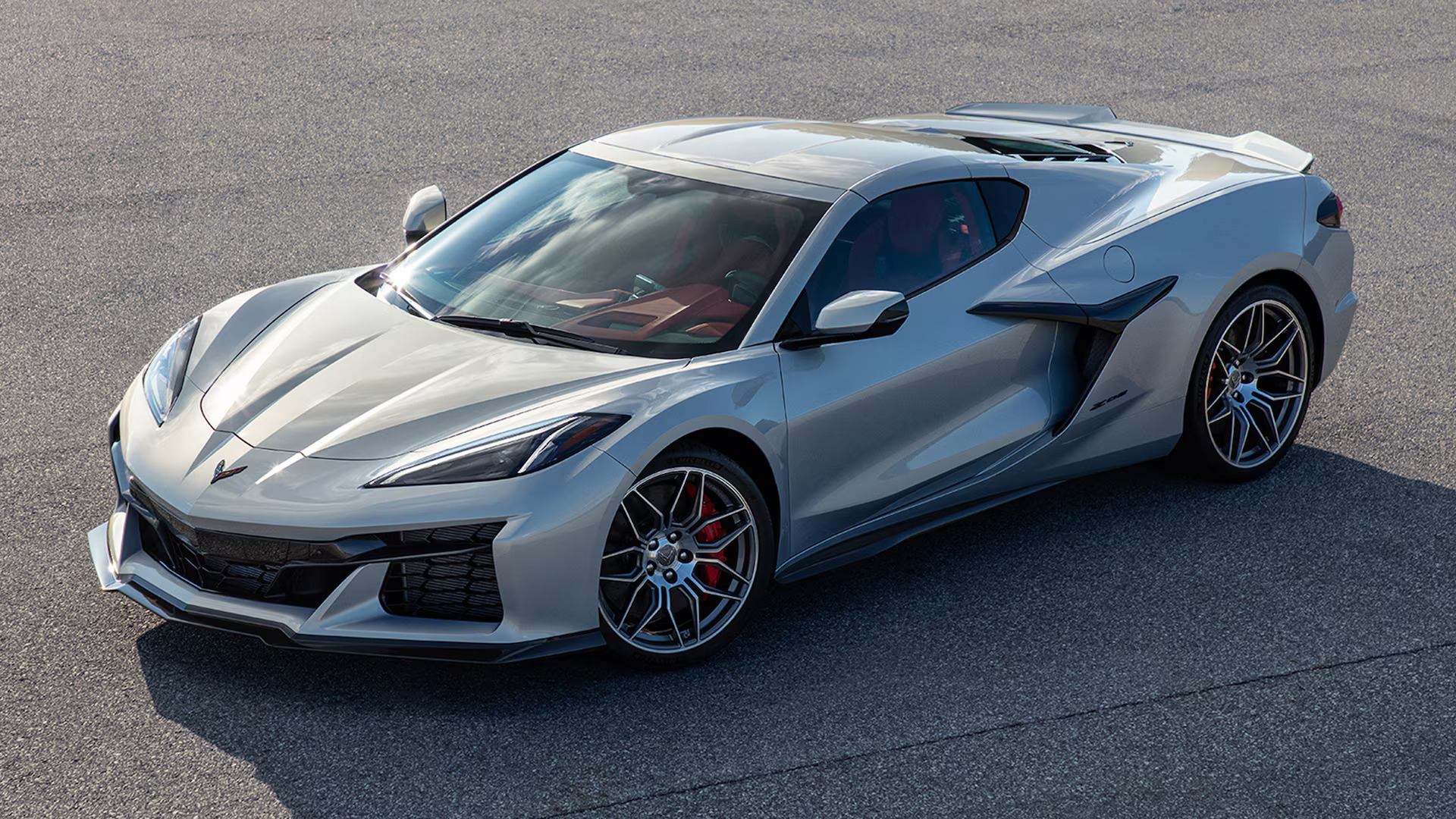
- Engine: 5.5L Naturally Aspirated Flat Plane Crank V8
- Horsepower: 670 hp
- Torque: 460 lb-ft (624 Nm)
- Length: 184.6 in (4,689 mm)
- Width: 79.7 in (2,024 mm)
3. Chevrolet Corvette C8 Z06
The Chevrolet Corvette C8 Z06 represents a mid-engine evolution of the iconic Corvette platform, bringing supercar-level performance at a fraction of traditional exotic car pricing. Its naturally aspirated flat plane crank V8 engine produces high-revving power that translates into impressive acceleration capabilities.
The C8 Z06 can accelerate from 0 to 60 mph in approximately the mid-2-second range, depending on conditions, which places it ahead of many versions of the Porsche 911 in straight-line performance. Its dual clutch transmission enables rapid gear changes that help maintain strong acceleration through the speed range.
One of the key advantages of the C8 Z06 is its mid-engine layout, which improves traction during hard launches. This allows the car to effectively transfer power to the road without excessive wheel spin, a crucial factor in achieving fast acceleration times.
Despite its performance, the Corvette Z06 remains significantly more affordable than most European sports cars with similar capabilities. This value proposition has made it one of the most attractive performance cars on the market for enthusiasts seeking speed without high cost.
The C8 Z06 demonstrates how traditional sports car manufacturers can evolve to meet modern performance expectations while still maintaining relatively accessible pricing.
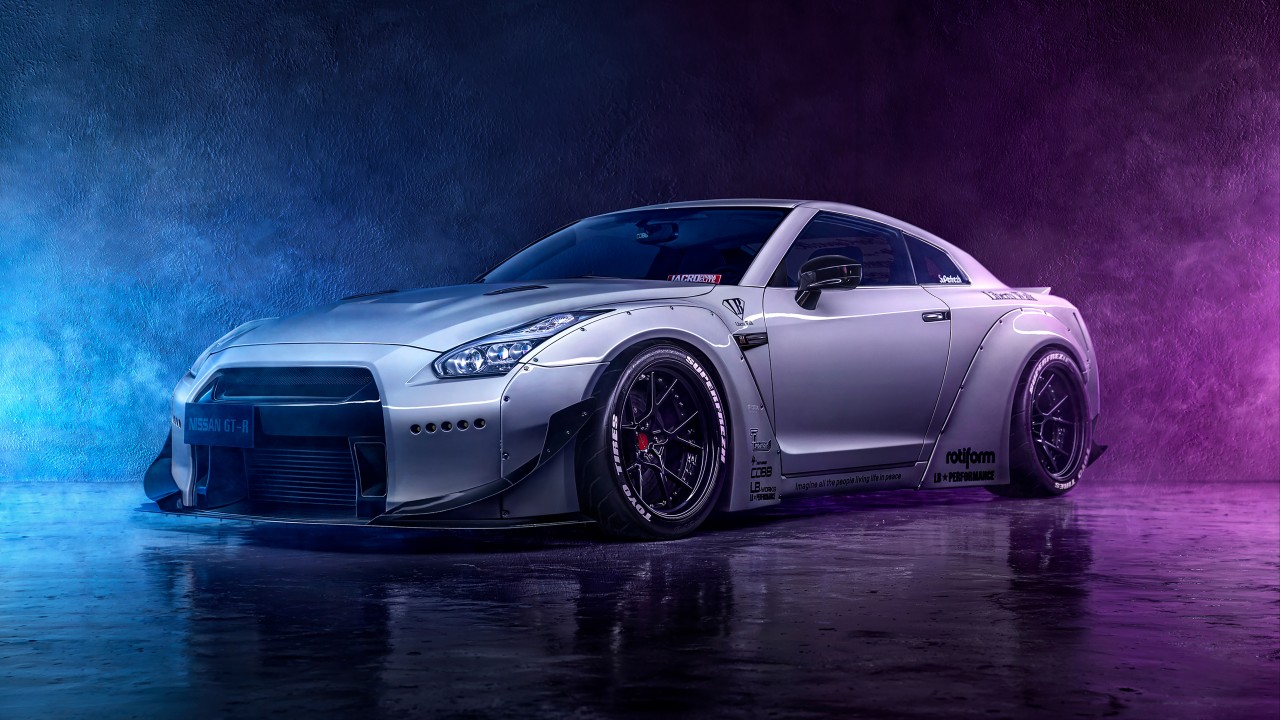
- Engine: 3.8L Twin Turbocharged V6
- Horsepower: 565 hp (Standard) / 600 hp (NISMO)
- Torque: 467 lb-ft (633 Nm)
- Length: 185.4 in (4,710 mm)
- Width: 74.6 in (1,895 mm)
4. Nissan GT-R R35
The Nissan GT-R R35 has earned a reputation as one of the most technologically advanced performance cars in its class. Known for its advanced All Wheel Drive system and twin turbocharged V6 engine, it delivers consistent and powerful acceleration in nearly any driving condition.
In straight line performance, the GT-R R35 typically achieves 0 to 60 mph in around 2.9 to 3.0 seconds depending on the variant. This allows it to outperform many configurations of the Porsche 911 in real-world acceleration scenarios, especially during hard launches.
The GT-R’s strength lies in its ability to deploy power efficiently. Its All Wheel Drive system ensures maximum traction, while its dual clutch transmission allows rapid and precise gear changes. This combination results in highly repeatable acceleration performance.
Another advantage of the GT-R is its relatively lower cost compared to European supercars with similar performance. This has earned it the nickname “supercar killer” among enthusiasts, particularly for its ability to challenge much more expensive vehicles in straight-line acceleration.
The GT-R R35 continues to be a benchmark for accessible high-performance engineering, proving that advanced drivetrain technology can significantly improve acceleration without requiring extreme pricing.
Also Read: 8 Luxury SUVs That Become Bargains the Moment the Warranty Ends
- Engine: 5.2L Supercharged V8
- Horsepower: 760 hp
- Torque: 625 lb-ft (847 Nm)
- Length: 189.8 in (4,821 mm)
- Width: 76.6 in (1,946 mm)
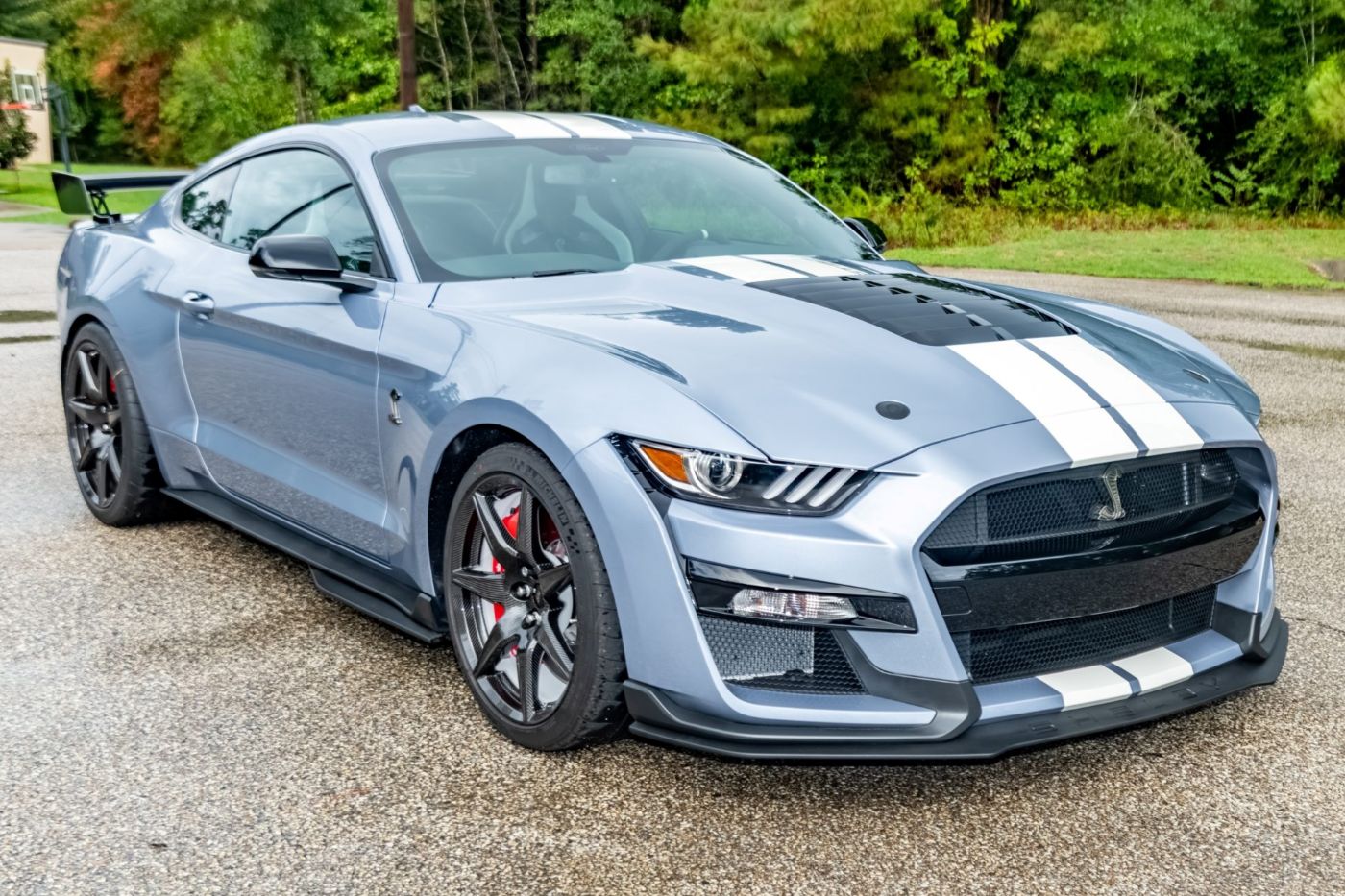
5. Ford Mustang Shelby GT500
The Ford Mustang Shelby GT500 is one of the most powerful production Mustangs ever created, featuring a supercharged V8 engine that produces over 700 horsepower. This immense power allows it to deliver extremely fast straight-line acceleration, especially in drag strip conditions.
The GT500 can reach 0 to 60 mph in approximately 3.3 seconds, placing it ahead of many base and mid-range Porsche 911 variants in straight-line performance. Its dual clutch transmission ensures fast and efficient gear shifts, helping it maintain strong acceleration through higher speeds.
One of the GT500’s key strengths is its balance between brute force power and modern performance technology. While it remains a front-engine muscle car, its suspension and traction systems have been heavily refined to improve launch stability.
In terms of pricing, the GT500 is significantly more affordable than many European sports cars with similar horsepower levels. This makes it an attractive option for enthusiasts seeking high performance without entering supercar price territory.
The GT500 represents the modern evolution of American muscle cars, combining traditional V8 power with advanced engineering to deliver competitive straight-line performance.
- Engine: 4.4L Twin Turbocharged V8
- Horsepower: 617 hp
- Torque: 553 lb-ft (750 Nm)
- Length: 191.8 in (4,872 mm)
- Width: 74.9 in (1,902 mm)
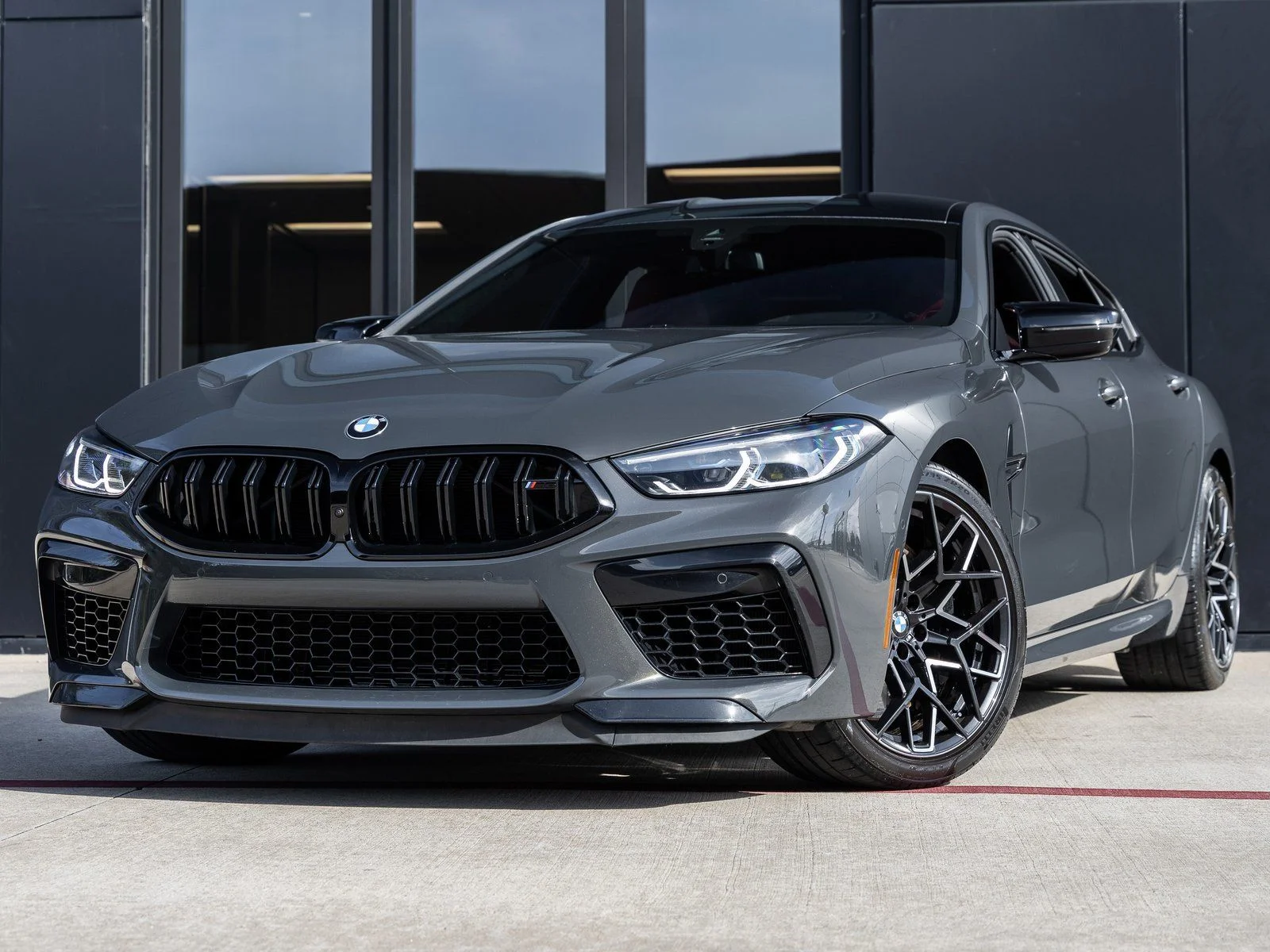
6. BMW M8 Competition
The BMW M8 Competition is a luxury grand tourer that combines comfort, technology, and high performance in a single package. Its twin turbocharged V8 engine produces massive power, allowing it to compete with dedicated sports cars in straight-line acceleration.
The M8 Competition can achieve 0 to 60 mph in around 3.0 seconds, which allows it to outperform several Porsche 911 variants in straight-line speed. Its All Wheel Drive system plays a crucial role in delivering consistent launches, especially under varying road conditions.
Despite its luxury focus, the M8 Competition is engineered for serious performance. Its adaptive suspension and launch control system allow it to deliver rapid acceleration while still maintaining ride comfort suitable for long-distance driving.
Pricing for the M8 Competition is generally lower than that of many high-end sports cars with similar acceleration capabilities, making it a strong value proposition in the performance luxury segment.
The M8 Competition highlights how modern luxury cars can double as high-performance machines without compromising comfort or usability.
- Engine/Motors: Dual motor electric powertrain
- Horsepower: 637 hp (with boost)
- Torque: 612 lb-ft (830 Nm)
- Length: 196.4 in (4,989 mm)
- Width: 77.3 in (1,964 mm)
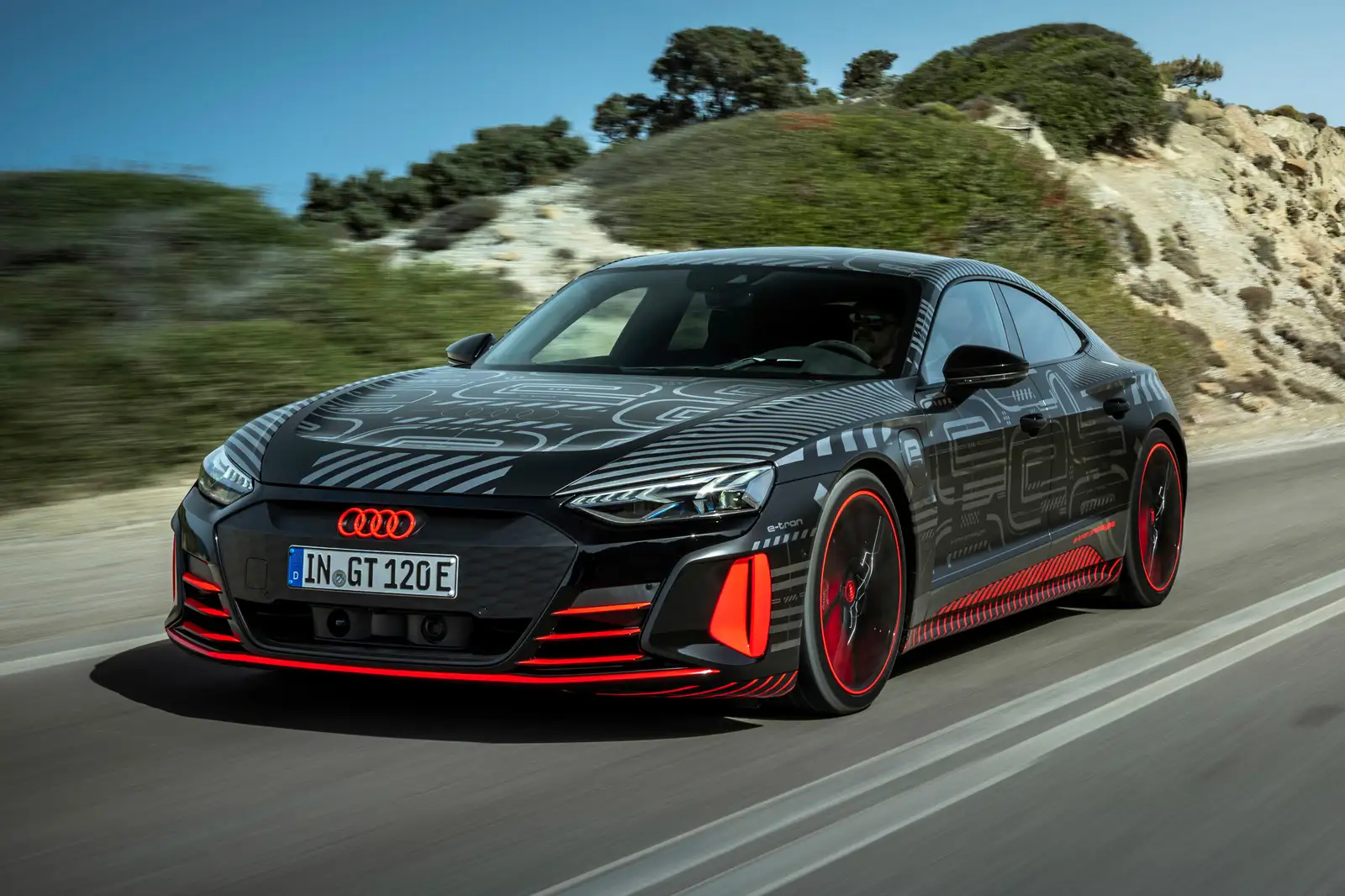
7. Audi RS e-tron GT
The Audi RS e-tron GT is a fully electric performance sedan that shares its platform philosophy with other high-end EVs but focuses heavily on refined speed and driving dynamics. Its dual motor setup produces instant torque, allowing for extremely rapid acceleration.
The RS e-tron GT can accelerate from 0 to 60 mph in about 2.5 seconds, depending on configuration and conditions. This puts it well ahead of the Porsche 911 in straight-line performance, especially in launch scenarios where electric torque delivery provides a major advantage.
One of the standout features of the RS e-tron GT is its ability to combine luxury, design, and performance in a single package. Unlike many raw performance EVs, it emphasizes driving refinement alongside acceleration capability.
Its pricing is also typically lower than that of many exotic sports cars, which means it can outperform in straight-line acceleration. This makes it a compelling option for buyers seeking both prestige and speed.
The RS e-tron GT demonstrates how premium electric vehicles are redefining performance expectations in the modern automotive industry.
- Engine/Motors: Tri-motor electric powertrain
- Horsepower: 1,234 hp
- Torque: Approximately 1,430 lb-ft (1,939 Nm)
- Length: 195.9 in (4,976 mm)
- Width: 76.3 in (1,938 mm)
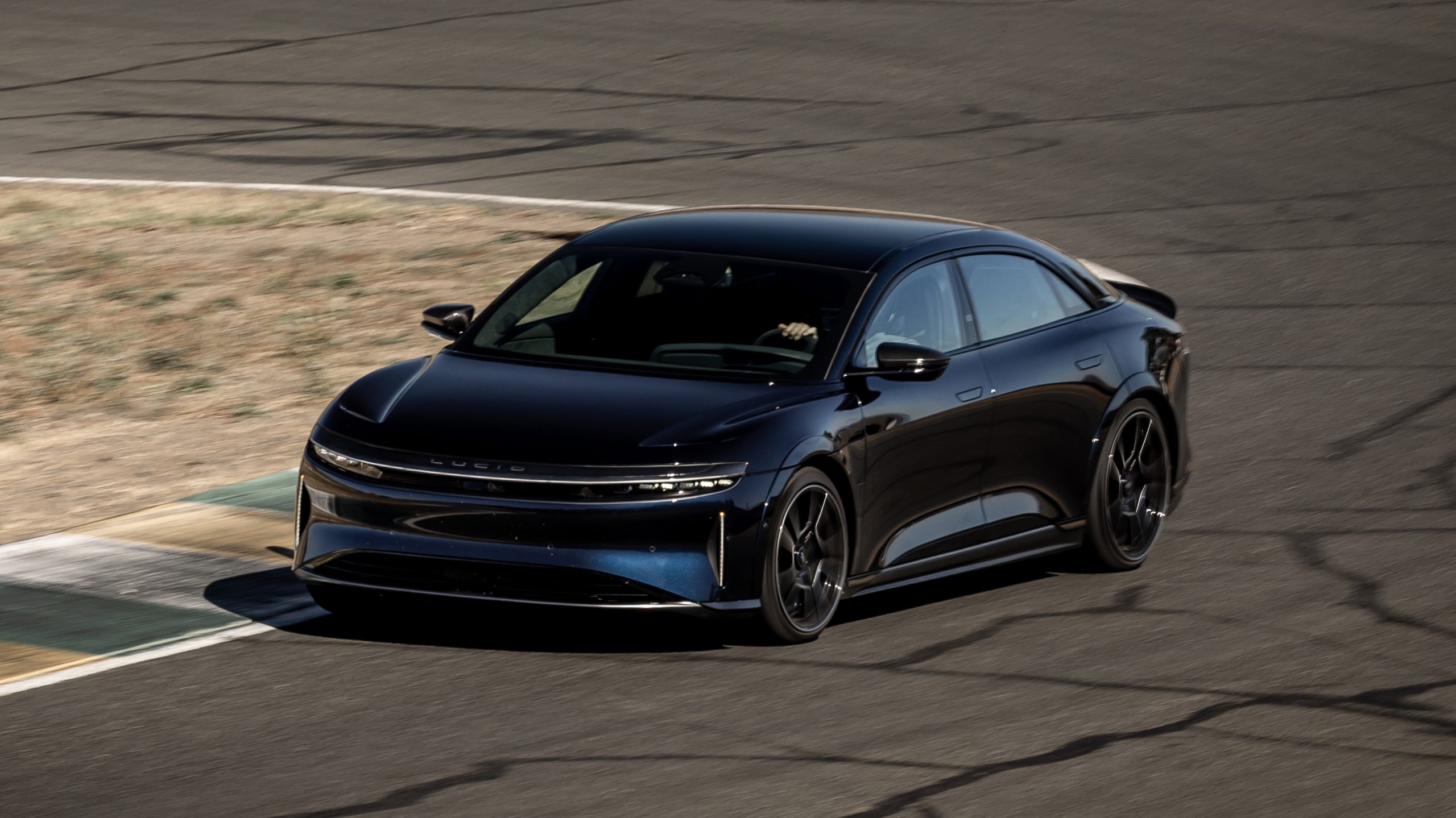
8. Lucid Air Sapphire
The Lucid Air Sapphire is one of the most powerful luxury electric sedans ever produced, designed specifically to challenge and exceed hypercar-level acceleration benchmarks. Its tri-motor configuration produces over 1200 horsepower, making it one of the fastest accelerating production cars in the world.
In straight line performance, the Air Sapphire can achieve 0 to 60 mph in under 2 seconds, placing it far ahead of the Porsche 911 range. Its electric drivetrain delivers instantaneous torque across all speeds, ensuring relentless acceleration from a standstill.
Despite its extreme performance, the Air Sapphire maintains luxury sedan practicality, including spacious seating, advanced technology, and long-range capability. This combination of comfort and speed is a defining trait of modern high-end EVs.
Although it is more expensive than some vehicles on this list, it still competes favorably against traditional supercars that offer similar or slower acceleration at much higher prices.
The Lucid Air Sapphire represents the cutting edge of electric performance engineering, pushing the limits of what a road-legal sedan can achieve in straight-line speed.
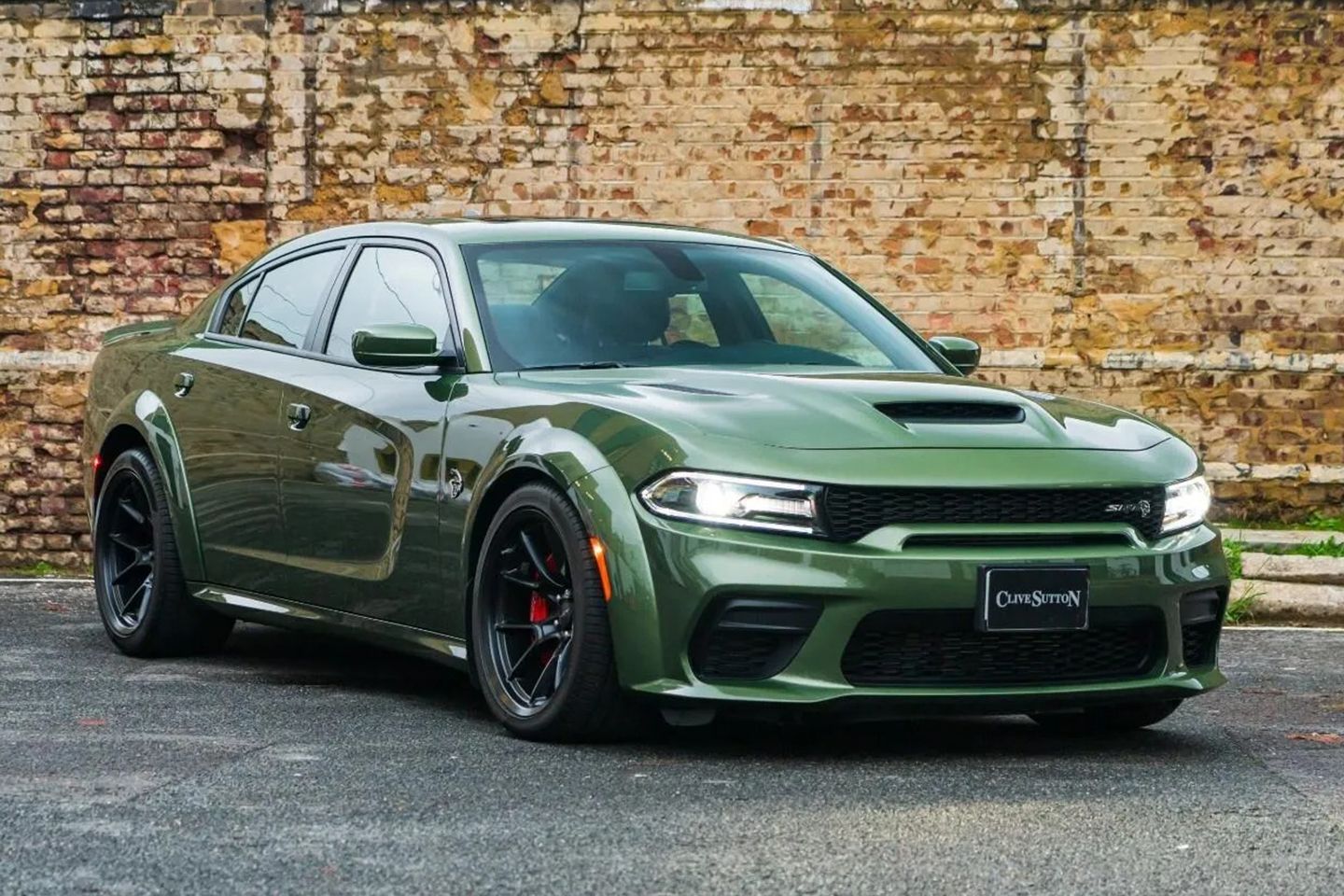
- Engine: 6.2L Supercharged HEMI V8
- Horsepower: 797 hp
- Torque: 707 lb-ft (959 Nm)
- Length: 200.8 in (5,100 mm)
- Width: 75.0 in (1,905 mm)
9. Dodge Charger SRT Hellcat Redeye
The Dodge Charger SRT Hellcat Redeye is a high-performance sedan powered by a supercharged V8 engine producing over 700 horsepower. It is designed for straight-line speed and drag strip dominance rather than cornering precision.
The Hellcat Redeye can reach 0 to 60 mph in approximately 3.5 seconds, which allows it to outperform several versions of the Porsche 911 in real-world conditions. Its Rear Wheel Drive layout and launch control system are optimized for aggressive acceleration.
Despite being a large sedan, the Hellcat Redeye delivers impressive straight-line performance thanks to its enormous power output. However, it requires careful throttle control to manage traction effectively during launches.
One of its biggest advantages is its relatively low price compared to European sports cars with similar acceleration potential. This makes it a popular choice among enthusiasts seeking raw horsepower at an accessible cost.
The Charger Hellcat Redeye continues the tradition of American high-power sedans, focusing on brute force acceleration as its primary performance characteristic.
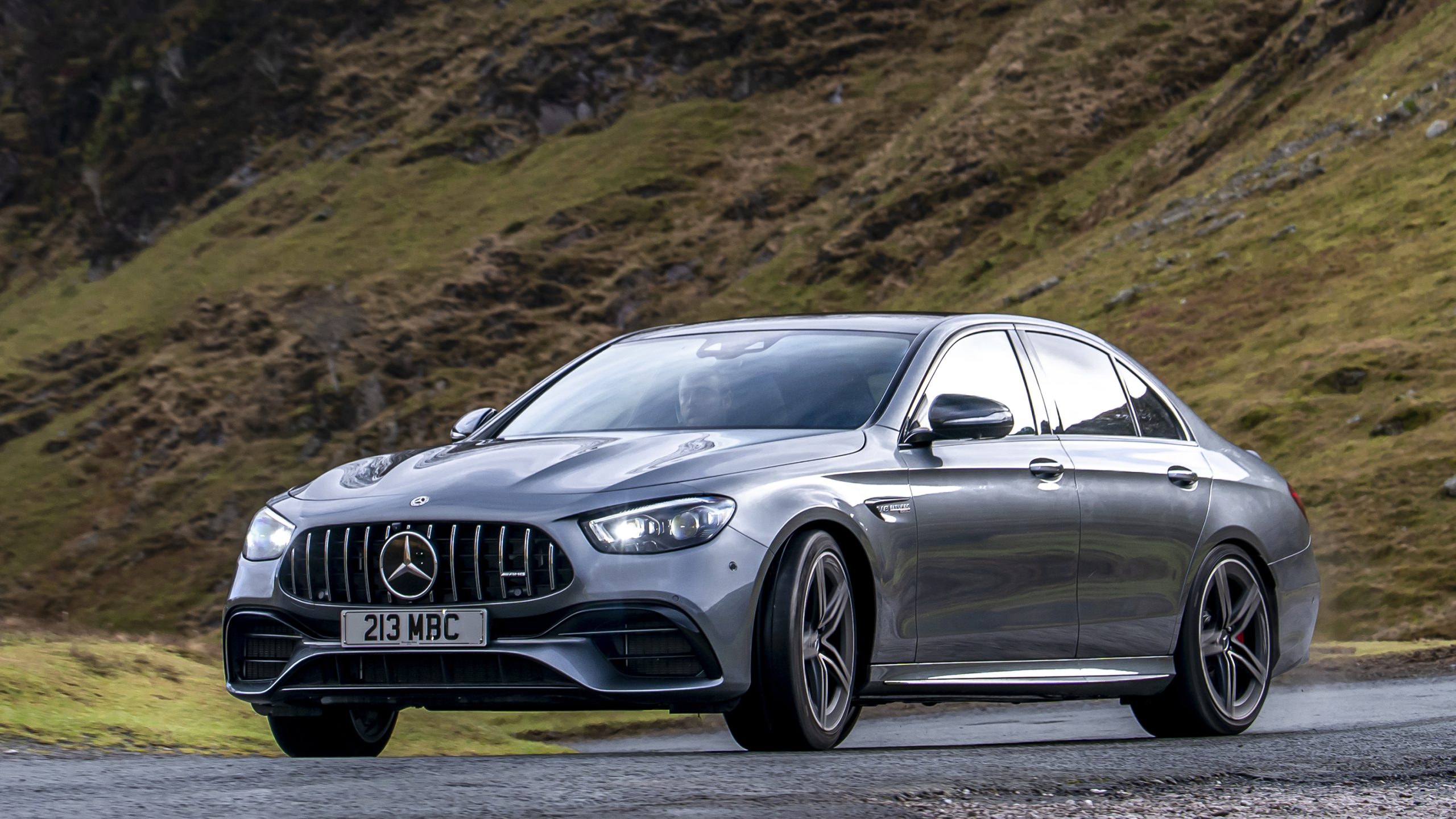
- Engine: 4.0L Twin Turbocharged V8
- Horsepower: 603 hp
- Torque: 627 lb-ft (850 Nm)
- Length: 198.0 in (5,029 mm)
- Width: 74.8 in (1,900 mm)
10. Mercedes AMG E63 S
The Mercedes AMG E63 S is a high-performance luxury sedan that combines executive comfort with supercar-level acceleration. Its twin turbocharged V8 engine and All Wheel Drive system allow it to deliver extremely fast launches.
The E63 S can accelerate from 0 to 60 mph in around 3.3 seconds, placing it ahead of many Porsche 911 variants in straight-line speed. Its advanced drivetrain ensures optimal traction and consistent performance across different road surfaces.
Despite its performance focus, the E63 S remains a full luxury sedan with premium interior features and long-distance comfort. This dual personality makes it one of the most versatile performance cars available.
In terms of pricing, it is typically more affordable than many high-end sports cars with similar acceleration capabilities, offering strong value in the luxury performance segment.
The E63 S demonstrates how modern sedans can combine executive comfort with high-performance engineering, delivering exceptional straight-line speed without sacrificing daily usability.
