
Hybrid vehicles have become increasingly popular among drivers seeking better fuel efficiency, lower emissions, and reduced operating costs compared to conventional gasoline powered vehicles.
By combining an internal combustion engine with an electric motor and a high voltage battery pack, hybrid cars are able to optimize energy usage and deliver impressive fuel economy in a wide range of driving conditions.
However, like all automotive components, the hybrid battery does not last forever. While most hybrid batteries are designed to provide many years of reliable service, they gradually lose their ability to store and deliver electrical energy as they age.
A failing hybrid battery can affect more than just the electric driving capability of the vehicle. It can reduce fuel economy, impact acceleration, trigger warning lights, and place additional strain on other vehicle systems.
Many drivers are unaware of the early signs of battery degradation and may continue driving without realizing that performance issues are linked to the battery rather than the engine itself. Identifying these warning signs early can help prevent more serious problems and may even reduce repair costs by allowing owners to address issues before complete battery failure occurs.
The lifespan of a hybrid battery depends on several factors, including vehicle make and model, driving habits, climate conditions, maintenance practices, and mileage. While some batteries last well beyond 150,000 miles, others may begin showing signs of wear sooner.
Understanding how your hybrid system operates and paying attention to changes in vehicle performance can help you determine whether the battery is approaching the end of its useful life.
In this article, we will explore six common signs that indicate your hybrid car’s battery may be dying. By recognizing these symptoms early, you can make informed decisions about diagnostics, repairs, or battery replacement.
Whether you own a hybrid sedan, SUV, or hatchback, these warning signs are relevant to most hybrid vehicles and can help you keep your car operating efficiently and reliably for years to come.
Also Read: 7 Most Reliable Motorcycles You Can Buy Today
1. Significant Drop in Fuel Economy
One of the earliest and most noticeable signs of a failing hybrid battery is a decline in fuel efficiency. Hybrid vehicles rely heavily on the battery pack to supplement the gasoline engine, especially during low speed driving, stop and go traffic, and acceleration.
When the battery begins to lose capacity, the gasoline engine must work harder to compensate for the reduced electrical assistance.
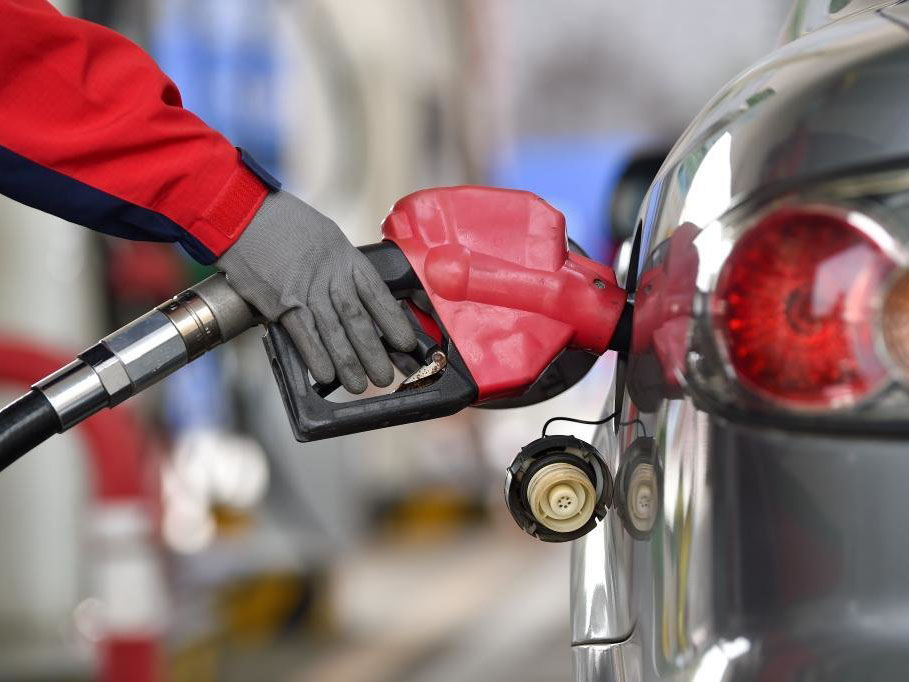
Drivers often notice that they are visiting gas stations more frequently than before. A vehicle that once delivered excellent fuel economy may suddenly experience lower miles per gallon without any obvious explanation. While seasonal weather changes and driving habits can affect fuel consumption, a persistent and significant decrease often points toward battery degradation.
As the battery weakens, it becomes less capable of storing energy recovered during regenerative braking. This means the vehicle loses some of the efficiency benefits that make hybrids attractive in the first place. The energy that would normally be stored and reused is reduced, forcing the engine to consume more fuel.
In many hybrid systems, battery deterioration occurs gradually. This slow decline can make it difficult for owners to recognize the problem immediately. Tracking fuel economy over time can provide valuable insights into battery health and reveal patterns that might otherwise go unnoticed.
If fuel economy continues to worsen despite proper tire pressure, routine maintenance, and consistent driving conditions, it is wise to have the hybrid battery professionally inspected. Addressing the issue early may help prevent further performance problems and preserve vehicle efficiency.
2. Rapid Fluctuations in Battery Charge Levels
A healthy hybrid battery typically maintains relatively stable charge levels during normal operation. While some variation is expected as the battery charges and discharges, dramatic fluctuations can indicate internal deterioration or failing battery cells.
Drivers may notice that the battery charge indicator rises from low to high levels unusually quickly and then drops just as fast. Such erratic behavior often suggests that the battery can no longer hold a charge effectively. Instead of storing energy consistently, weakened cells lose capacity and become less reliable.
These fluctuations can become particularly noticeable during city driving, where the hybrid system frequently switches between electric and gasoline power. The vehicle’s energy management system may struggle to maintain balance when battery performance declines.
Rapid charging and discharging cycles can also create inconsistent driving characteristics. Drivers may experience unpredictable transitions between electric and engine power, making the vehicle feel less smooth and refined than before.
Because battery monitoring systems vary among manufacturers, some vehicles may display more obvious signs than others. Nevertheless, sudden and repeated swings in battery charge levels are often among the clearest indicators that the battery is approaching the end of its service life.
3. Increased Engine Running Time
Hybrid vehicles are designed to maximize efficiency by shutting off the gasoline engine when it is not needed. At traffic lights, in slow traffic, or during gentle cruising, the electric motor may handle much of the workload. When the battery weakens, however, the engine tends to run more frequently and for longer periods.
Many drivers first notice this change when the engine remains active during situations where it would normally shut off. This behavior occurs because the vehicle requires additional power from the engine to compensate for the battery’s reduced ability to supply electricity.
The increased engine operation can make the vehicle noisier than usual. Drivers who are familiar with the quiet operation of their hybrid may immediately recognize that something has changed. The engine may engage more often, stay on longer, and restart more frequently throughout a trip.
Extended engine use also contributes to increased fuel consumption and higher emissions. Since the battery is no longer providing sufficient support, the vehicle loses some of the environmental and economic advantages associated with hybrid technology.
If the engine appears to be working harder than normal despite unchanged driving conditions, a diagnostic inspection of the hybrid battery should be considered. This symptom is often associated with declining battery capacity and reduced system efficiency.
Also Read: 10 Cars That Drove Over 800,000 Miles
4. Reduced Acceleration and Performance
Hybrid batteries play a crucial role in providing extra power during acceleration. When drivers press the accelerator, both the gasoline engine and electric motor often work together to deliver smooth and responsive performance. A failing battery can significantly reduce this assistance.
Drivers may notice sluggish acceleration, slower response times, or difficulty maintaining expected performance during highway merging and overtaking maneuvers. The vehicle may feel less energetic and require greater throttle input to achieve the same level of acceleration.
As battery capacity declines, the electric motor receives less energy to support the drivetrain. This forces the gasoline engine to shoulder a greater portion of the workload. While the vehicle may still operate, performance often suffers noticeably.
Some drivers mistakenly assume that reduced acceleration is caused by engine problems. However, in hybrid vehicles, battery health is closely connected to performance. A weakened battery can create symptoms that resemble engine related issues even when the engine itself is functioning properly.
Monitoring changes in driving performance can provide valuable clues about battery condition. If acceleration becomes consistently weaker over time and other maintenance issues have been ruled out, battery degradation may be the underlying cause.
5. Warning Lights and Diagnostic Trouble Codes
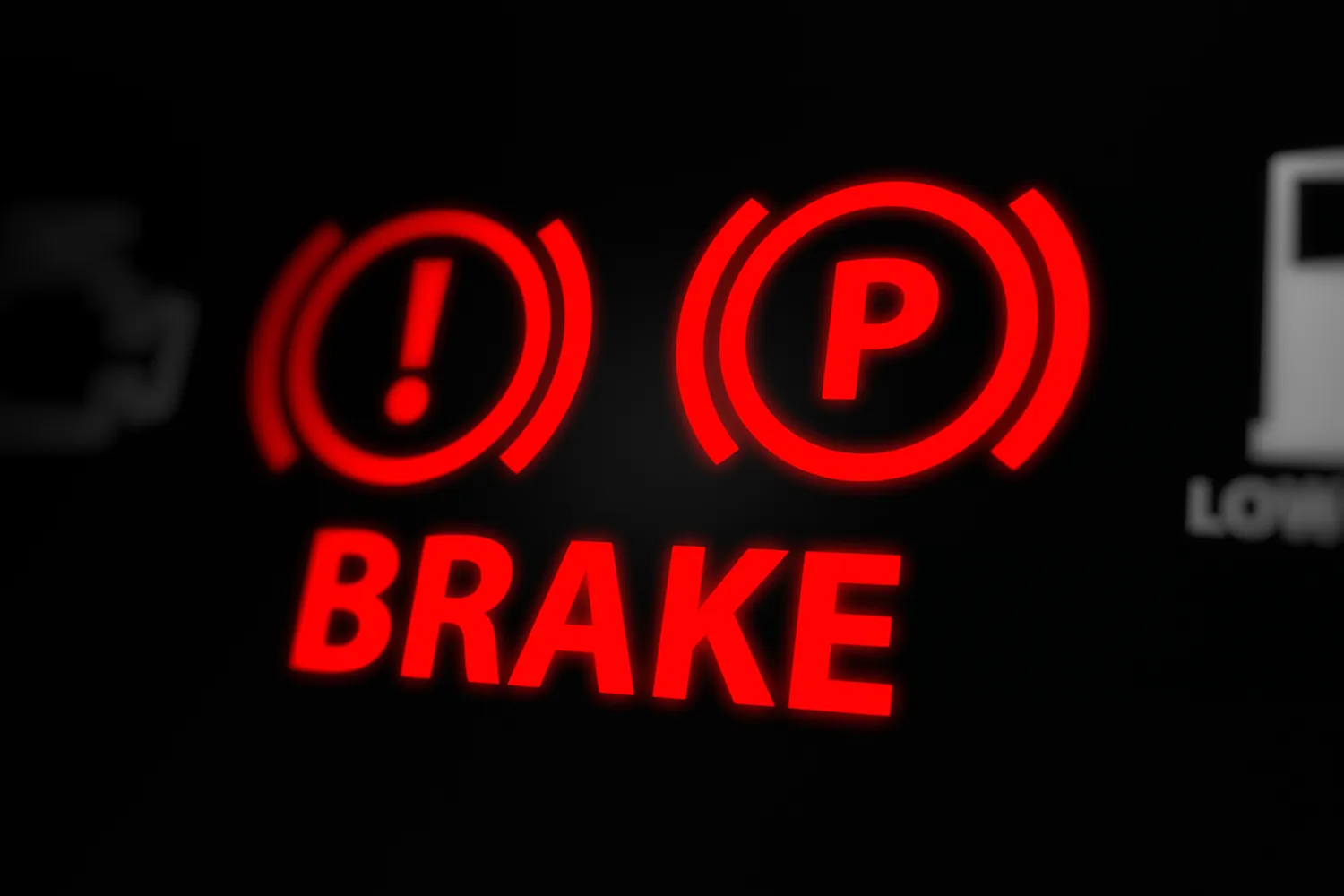
Modern hybrid vehicles continuously monitor battery health through sophisticated electronic control systems. When these systems detect abnormalities, warning lights may appear on the dashboard to alert the driver to potential issues.
One of the most common indicators is the check engine light, although some vehicles also feature hybrid system warnings, battery specific alerts, or messages displayed through the instrument cluster. These warnings should never be ignored because they often provide the earliest indication of developing problems.
Diagnostic trouble codes stored within the vehicle’s computer can help technicians identify specific battery related faults. These codes may point to weak battery modules, voltage imbalances, temperature irregularities, or communication errors within the hybrid system.
While warning lights do not always mean the battery requires immediate replacement, they should prompt a professional inspection. Early diagnosis can reveal whether the issue involves a single module, a sensor, the cooling system, or the battery pack itself.
Ignoring warning lights can allow minor issues to develop into major failures. Regular diagnostic checks help ensure that problems are identified accurately and addressed before they affect vehicle reliability or safety.
6. Unusual Cooling Fan Noise and Battery Overheating
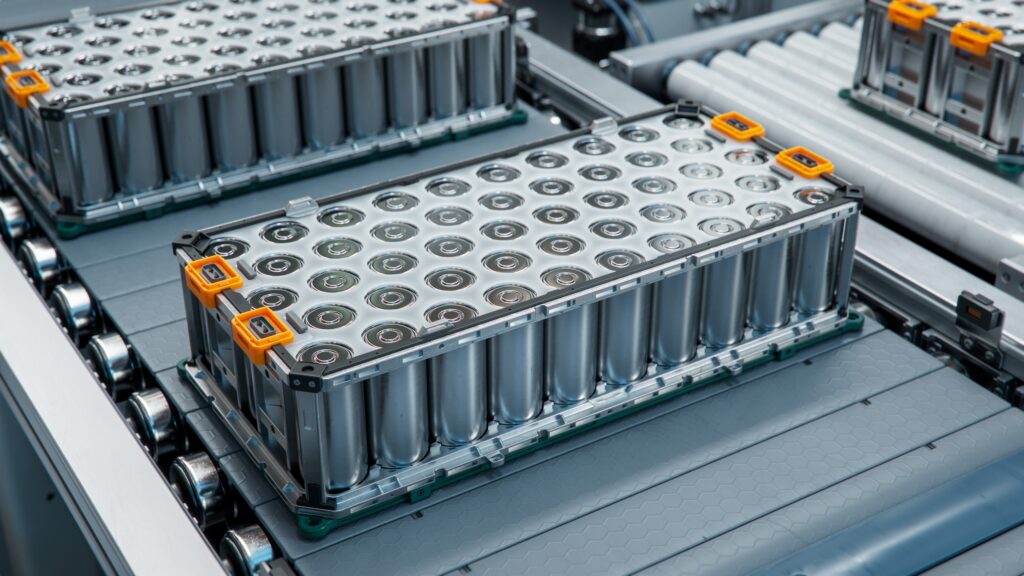
Hybrid batteries generate heat during operation and rely on cooling systems to maintain safe temperatures. As batteries age and internal resistance increases, they often produce more heat than normal. This can place additional demands on the cooling system.
One common symptom is increased cooling fan activity. Drivers may hear the battery cooling fan running more frequently, operating at higher speeds, or producing louder noise than usual. In some cases, the fan may continue running even after the vehicle has been driven under moderate conditions.
Excessive heat is one of the primary enemies of battery longevity. Overheating accelerates chemical degradation within battery cells and can further reduce battery performance. A battery that consistently operates at elevated temperatures may experience faster capacity loss.
Some vehicles may display temperature related warnings if overheating becomes severe. Others may reduce electric power output to protect the battery from damage. These protective measures can affect performance and driving experience.
If unusual cooling fan noise becomes a recurring issue, it is important to have the battery and cooling system inspected. Cleaning blocked air passages, servicing cooling components, or replacing deteriorated battery modules may help prevent further damage and extend battery life.
