
Imagine heading home late on a dark stretch of highway, only to realize your headlights are not giving you enough visibility. The road ahead feels uncertain, and hazards like wildlife, deep potholes, or a stopped vehicle could appear without warning. This is not a dramatic scene from a film.
For many drivers, it is a routine night drive in a new car that costs a considerable amount of money. Each year, the Insurance Institute for Highway Safety conducts detailed evaluations of factory-installed headlights. These tests simulate real driving conditions on dark roads, including curves and straight sections.
The findings can be surprising. Many vehicles across different price ranges have received a Poor rating, which is the lowest score available. Luxury cars, best-selling SUVs, and advanced electric trucks have all fallen short. About sixteen percent of headlight systems still fail to provide safe visibility, usually due to weak illumination on curves or glare that affects approaching traffic.
This page highlights ten vehicles that earned the lowest headlight scores from the IIHS. Alongside each entry, you will find factory engine details and body measurements. If you already own one of these models or are considering a purchase, this information can help you make safer decisions before your next night drive.
1. Tesla Cybertruck
Headlight Rating: Poor (IIHS)
- Engine: Dual-Motor or Tri-Motor Cyberbeast Electric Setup
- Horsepower: 600 hp to 845 hp
- Torque: 7,435 lb-ft to 10,296 lb-ft (wheel torque metrics)
- Size: 223.7 in Long x 86.6 in Wide
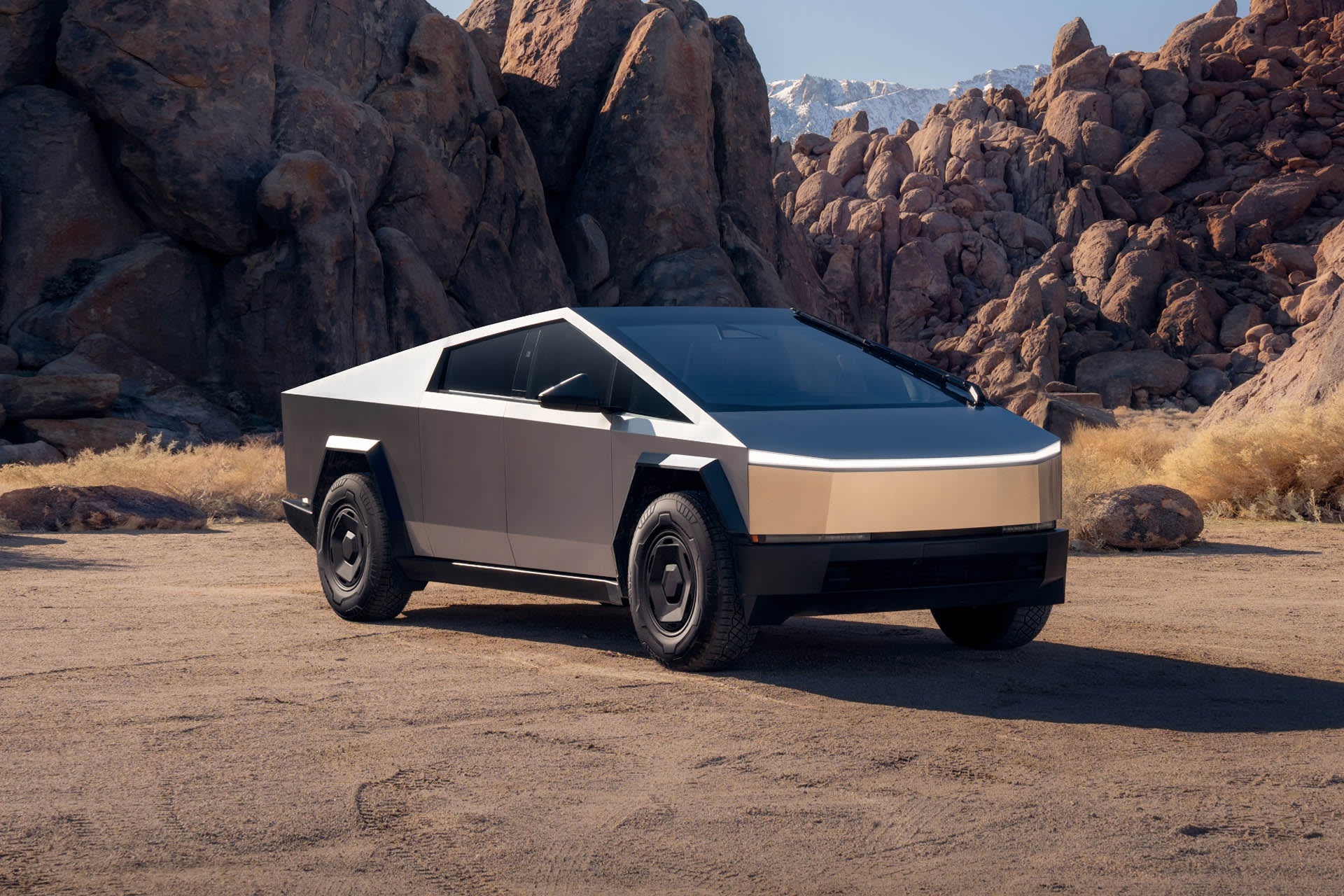
Few people expected the Tesla Cybertruck to stumble on something as basic as headlight performance. This is a pickup that arrived with massive attention, thanks to its sharp stainless steel styling, bold engineering claims, and promises of rewriting truck design rules. With dual motor and tri motor versions producing roughly 600 to 845 horsepower, along with enormous torque figures, the Cybertruck was never short on power. That is why its Poor headlight rating from the IIHS came as such a surprise.
Size only adds to the confusion. Measuring 223.7 inches long and 86.6 inches wide, the Cybertruck ranks among the largest consumer vehicles available. A truck this wide and tall should deliver strong visibility in every driving situation. Instead, the IIHS found serious issues with the narrow horizontal lightbar mounted across the front.
During testing, this design failed to provide enough side illumination on sharp highway curves. As the truck turns, the headlights do not adequately light the road ahead along the curve. Most of the beam stays pointed straight forward, leaving the edges of the road poorly lit.
This shortcoming is more than a mild annoyance. At higher speeds, reduced visibility through curves limits reaction time when hazards appear. That could mean less warning of a stopped vehicle, wildlife, or a pedestrian. IIHS testing focuses on real safety outcomes, not styling preferences, and this design choice created a measurable risk.
For buyers, the disappointment is magnified by cost. A truck priced at this level should not depend on aftermarket fixes to provide proper night visibility. Software updates cannot fully solve a lighting layout defined by hardware. Drivers who frequently travel on dark, winding roads should weigh this carefully and stay cautious behind the wheel.
2. Cadillac Lyriq
Headlight Rating: Poor (IIHS)
- Engine: Single Motor RWD or Dual Motor AWD
- Horsepower: 340 hp to 500 hp
- Torque: 325 lb-ft to 450 lb-ft
- Size: 196.7 in Long x 77.8 in Wide
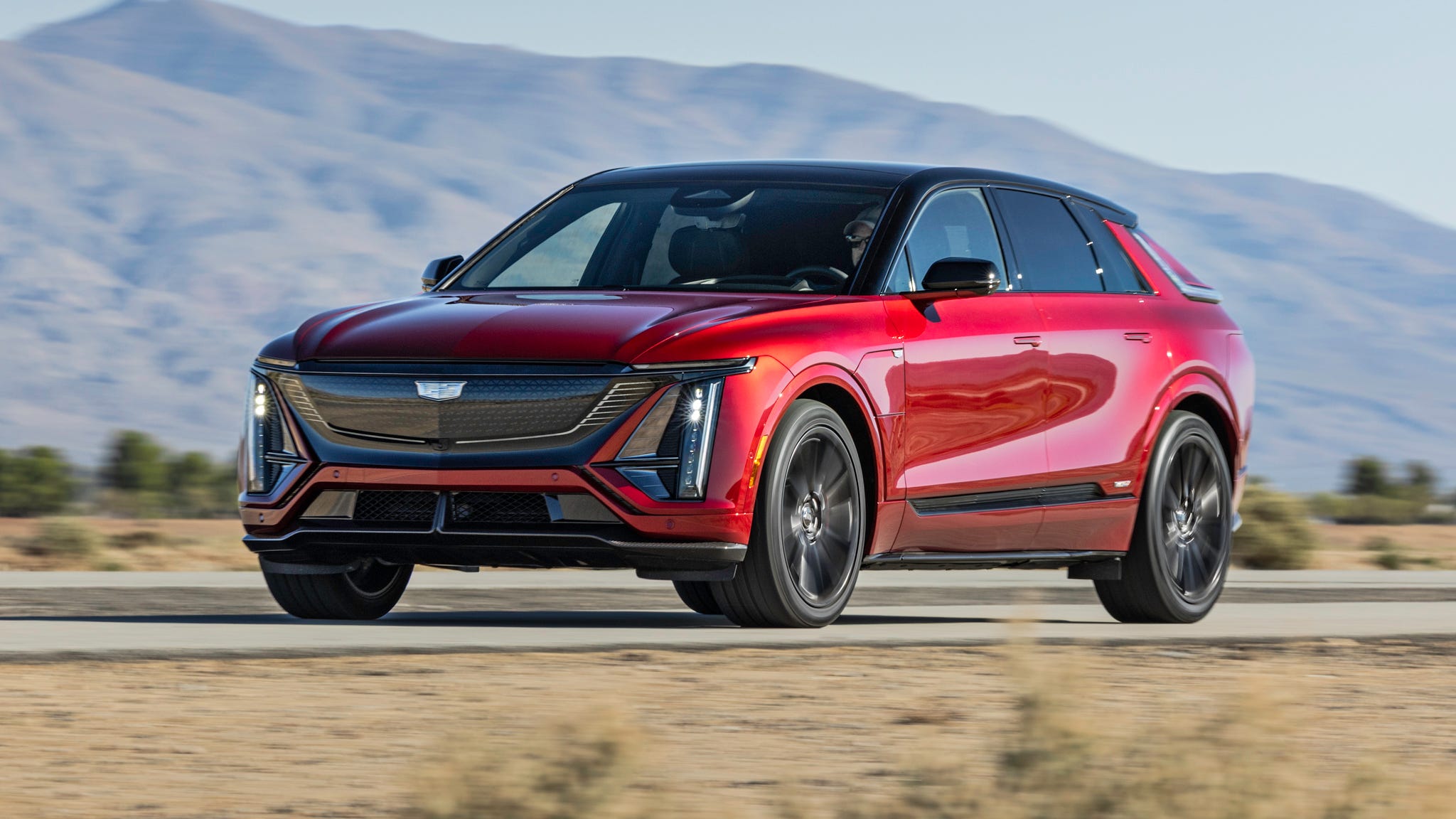
Cadillac introduced the Lyriq as its leading electric luxury SUV, aiming to show that the brand could stand alongside top European competitors in technology, comfort, and design quality. Early impressions were positive, with praise directed at its pricing strategy, cabin materials, and smooth electric performance. That makes the Poor headlight rating from the IIHS feel especially disappointing, as it highlights a weakness in a vehicle otherwise positioned as a premium offering.
Power output ranges from 340 to 500 horsepower depending on configuration, and the Lyriq’s dimensions of 196.7 inches in length and 77.8 inches in width give it a balanced, upscale presence. The front end features Cadillac’s tall vertical LED projector lights, which create a distinctive look that is easy to recognize at night. While visually striking, this lighting layout revealed a practical issue during testing.
The vertical projector arrangement limits how far low beams can project light straight ahead. Effective headlights need to illuminate enough road ahead to give drivers proper reaction time at highway speeds. In this case, the low beams did not reach far enough to meet IIHS standards. Drivers are often pushed to rely on automatic high beams to compensate, but high beams cannot always be used safely when traffic is present or on busy two-lane roads.
For a luxury electric SUV priced above sixty thousand dollars, depending on high beams for routine night driving raises valid concerns. Cadillac has demonstrated strong lighting performance on other vehicles, which makes this result harder to overlook. Buyers who drive frequently after dark should verify whether newer trim levels or updates address this issue before committing to a purchase.
Also Read: 8 Cars Where the Headlights Were Recalled for Being Too Bright
3. BMW i4
Headlight Rating: Poor (IIHS)
- Engine: Single or Dual Electric Motors (eDrive40 or M50)
- Horsepower: 282 hp to 536 hp
- Torque: 317 lb-ft to 586 lb-ft
- Size: 188.3 in Long x 72.9 in Wide
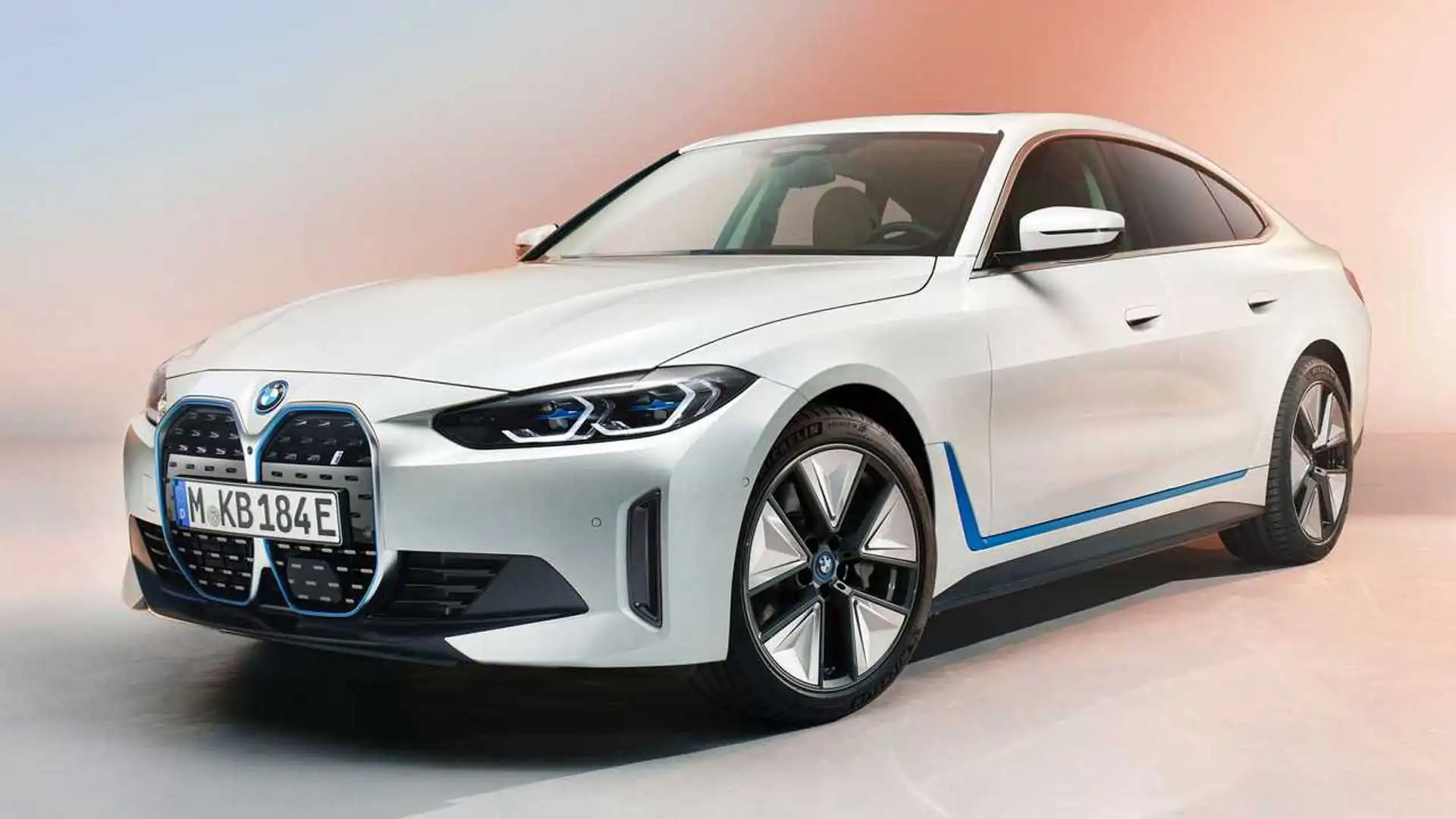
BMW built its reputation on precision engineering, driver-focused performance, and a level of mechanical sophistication that justifies its premium pricing. A poor headlight rating from the IIHS is genuinely surprising for a brand that invests heavily in both active safety and passive safety technology. Yet that is exactly what happened with the BMW i4 electric sedan, which earned its Poor designation from two separate problems rather than just one.
Ranging from 282 to 536 horsepower across its eDrive40 and M50 configurations, the i4 is a genuinely fast electric sedan. At 188.3 inches long and 72.9 inches wide, it is compact enough to feel athletic in city environments but capable enough to deliver serious performance on open roads. BMW equipped it with modern LED low beams, which, on paper, should outperform older halogen setups by a wide margin. During the IIHS evaluation, though, two distinct failures emerged.
First, the low beams produced intense, unshielded glare for oncoming vehicles. Glare is one of the two most heavily penalized failures in IIHS headlight testing because it creates a direct safety hazard for other drivers. When an oncoming driver is temporarily blinded by your headlights, neither of you is in control of the situation, and that is a danger that extends well beyond the car being tested. Second, visibility on gradual curves fell well short of the IIHS safety thresholds. These are not sharp hairpin turns. Gradual curves are a standard feature of most highways, and a sedan this quick needs to light them properly.
BMW offers adaptive headlight systems on higher trim levels that address some of these concerns, but the base configuration earned its Poor rating fairly. If you are considering an i4, check the specific trim package you are purchasing and confirm whether upgraded lighting is included or available as an option. Do not assume that a BMW badge guarantees safe factory headlights across all configurations.
4. Toyota bZ4X
Headlight Rating: Poor (IIHS)
- Engine: Single Motor RWD or Dual Motor AWD
- Horsepower: 201 hp to 214 hp
- Torque: 196 lb-ft to 248 lb-ft
- Size: 184.6 in Long x 73.2 in Wide
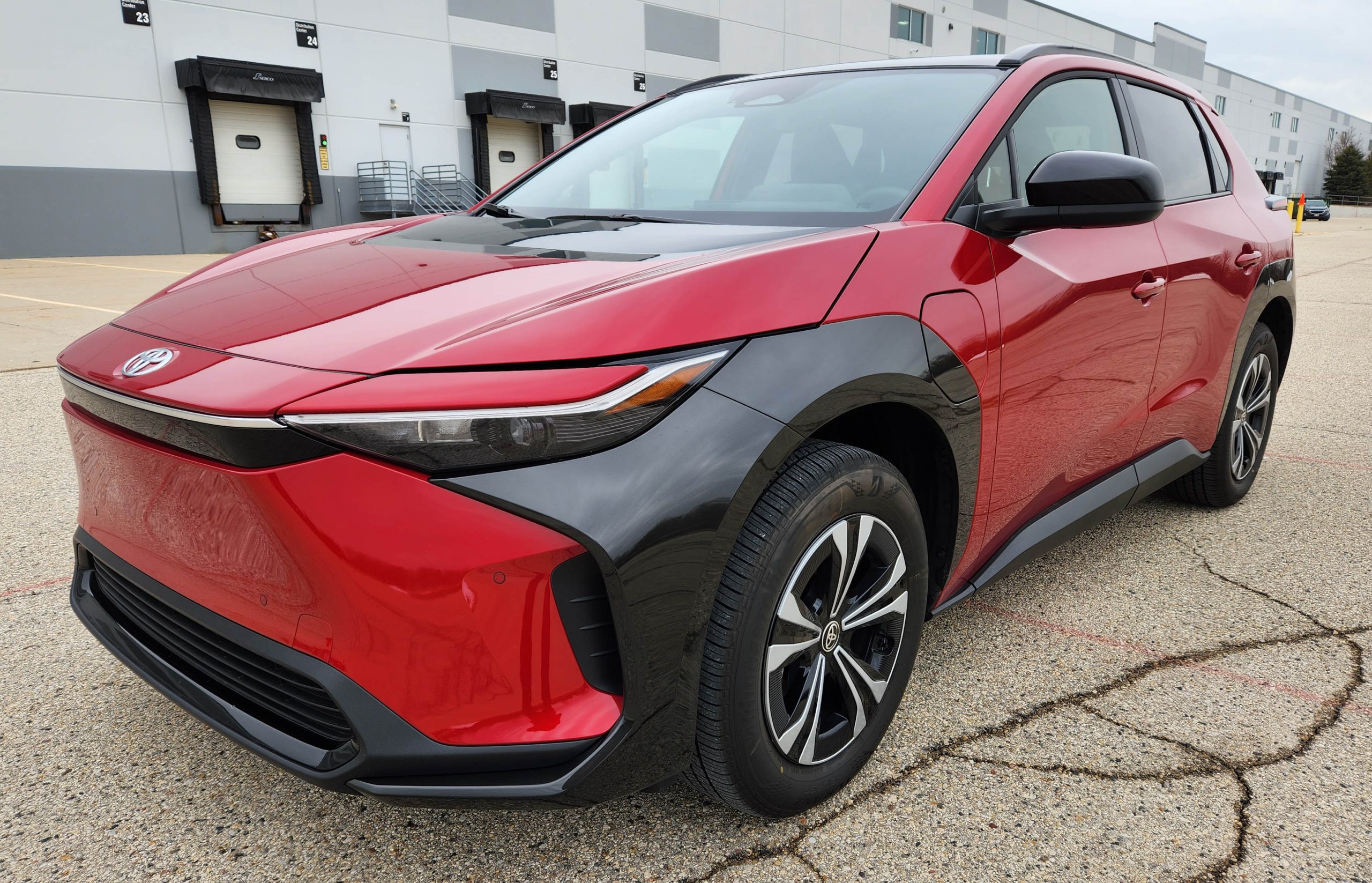
Toyota spent considerable resources developing the bZ4X as its primary entry into the mainstream electric SUV segment. Producing between 201 and 214 horsepower, this is a practical, family-focused vehicle aimed at buyers who want Toyota reliability in an electric package. At 184.6 inches long and 73.2 inches wide, it fits comfortably in the compact crossover class that dominates family vehicle purchases.
None of that changes the fact that updated IIHS evaluations pushed the bZ4X down to a Poor headlight rating. Earlier configurations of this model barely cleared the bar with acceptable scores, which suggests that either updated hardware introduced new problems or that the original results were borderline at best.
Regardless of the reason, the current rating reflects a real issue: the LED low beams deliver insufficient visibility on the left side of the road during straightaway travel. That left-side gap matters enormously on two-lane roads where pedestrians, cyclists, and road edge hazards occupy exactly the area the headlights are failing to illuminate properly.
Toyota’s quality reputation makes this result even more jarring. Buyers who choose a bZ4X are often families or commuters who value dependability above all else, and nighttime visibility is a fundamental safety requirement for a family vehicle. Toyota has the engineering resources to fix this problem, and future updates may address it.
For current buyers, the recommendation is to confirm the exact model year, check whether Toyota has released updated headlight hardware for that configuration, and use the IIHS vehicle safety search tool to review the most current test results before purchasing.
5. Subaru Solterra AWD
Headlight Rating: Poor (IIHS)
- Engine: Dual Electric Motors AWD
- Horsepower: 215 hp
- Torque: 249 lb-ft
- Size: 184.6 in Long x 73.2 in Wide
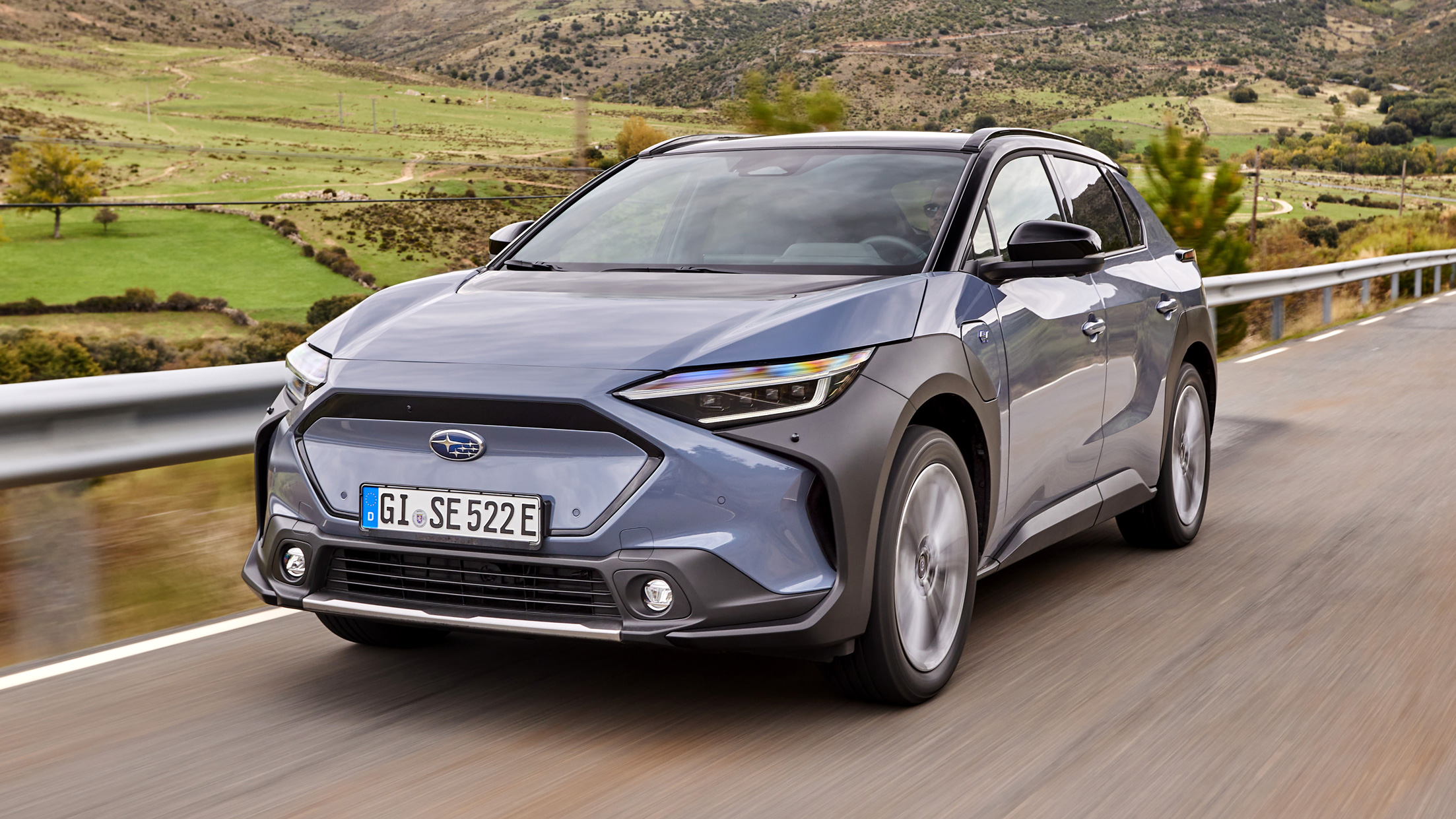
Subaru and Toyota co-developed the Solterra and the bZ4X on the same manufacturing platform, which means they share more than just a similar footprint. They share the same underperforming LED projector setup, the same poor curve illumination results, and the same Poor IIHS headlight rating. At 215 horsepower and 249 lb-ft of torque from its dual electric motor AWD system, the Solterra is a capable all-weather crossover built for drivers who want Subaru’s all-wheel-drive reputation in an electric vehicle.
Measuring exactly the same 184.6 inches long and 73.2 inches wide as the bZ4X, the Solterra’s shared platform is both its greatest advantage and, in this case, its biggest liability. Subaru has long marketed itself as a brand that prioritizes safety. That positioning makes a Poor headlight rating particularly damaging to the brand’s image, and it directly bars the Solterra from earning IIHS Top Safety Pick and Top Safety Pick Plus awards, both of which require at least an Acceptable headlight rating as a baseline condition.
Weak curve illumination is the central problem here. When a driver turns the wheel into a curve, the light pattern needs to follow the vehicle’s trajectory. A fixed projector that sends light straight ahead cannot do that without either adaptive steering technology or specific optical geometry designed to spread light into the curve.
Neither solution appears to be working adequately on the Solterra’s factory configuration. Subaru buyers who drive on winding roads after dark are the most directly affected, and prospective buyers in that category should push their dealership for confirmation of any updated lighting packages before committing to a purchase.
6. Jeep Wrangler
Headlight Rating: Poor (IIHS) on base halogen trims
- Engine: 2.0L Turbo 4-Cylinder or 3.6L V6
- Horsepower: 270 hp to 285 hp
- Torque: 260 lb-ft to 295 lb-ft
- Size: 166.8 to 188.4 in Long x 73.8 in Wide
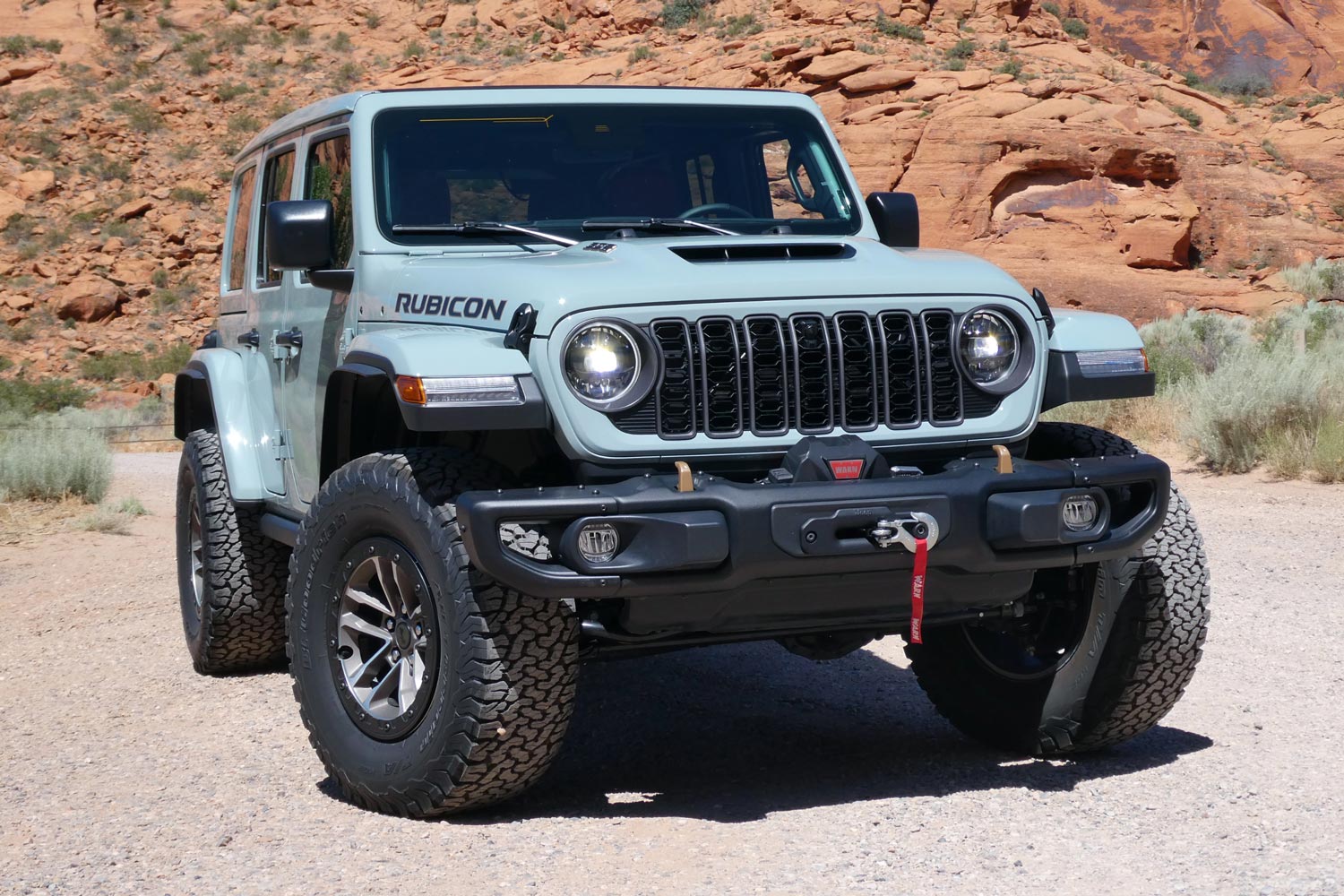
Ask almost anyone to name a legendary off-road vehicle, and the Jeep Wrangler appears on that list without hesitation. Its trail credentials are unmatched in the consumer segment, its customer loyalty rates are among the highest in the industry, and it has decades of reputation built around going places other vehicles cannot reach. All of that is true, and none of it changes the fact that base trim Wranglers equipped with traditional halogen headlights earned a Poor IIHS rating for a nighttime visibility problem that is genuinely dangerous.
Producing 270 to 285 horsepower from either a 2.0-liter turbocharged four-cylinder or a 3.6-liter V6, the Wrangler is not a slow vehicle. On base trims with halogen headlights, the forward illumination covers less than 150 feet. At 60 miles per hour, a driver needs considerably more than 150 feet of visible road to identify, react to, and brake for a stationary hazard. This truck is capable of going well above 60 mph on highways, and the standard lighting setup is not keeping pace with those speeds.
Owners who regularly use their Wrangler on unlit trails or rural roads at night are working with a lighting deficit that goes far beyond the already-poor IIHS score. Jeep offers upgraded LED headlight options on higher trims, and the aftermarket lighting industry has produced a wide range of drop-in LED replacements for Wrangler owners who need better visibility. If you own a base-trim Wrangler or are buying one, treat the headlight upgrade as a safety priority rather than an optional accessory.
7. Toyota 4Runner
Headlight Rating: Poor (IIHS)
- Engine: 4.0L V6 (Older generation baseline configuration)
- Horsepower: 270 hp
- Torque: 278 lb-ft
- Size: 190.2 in Long x 75.8 in Wide
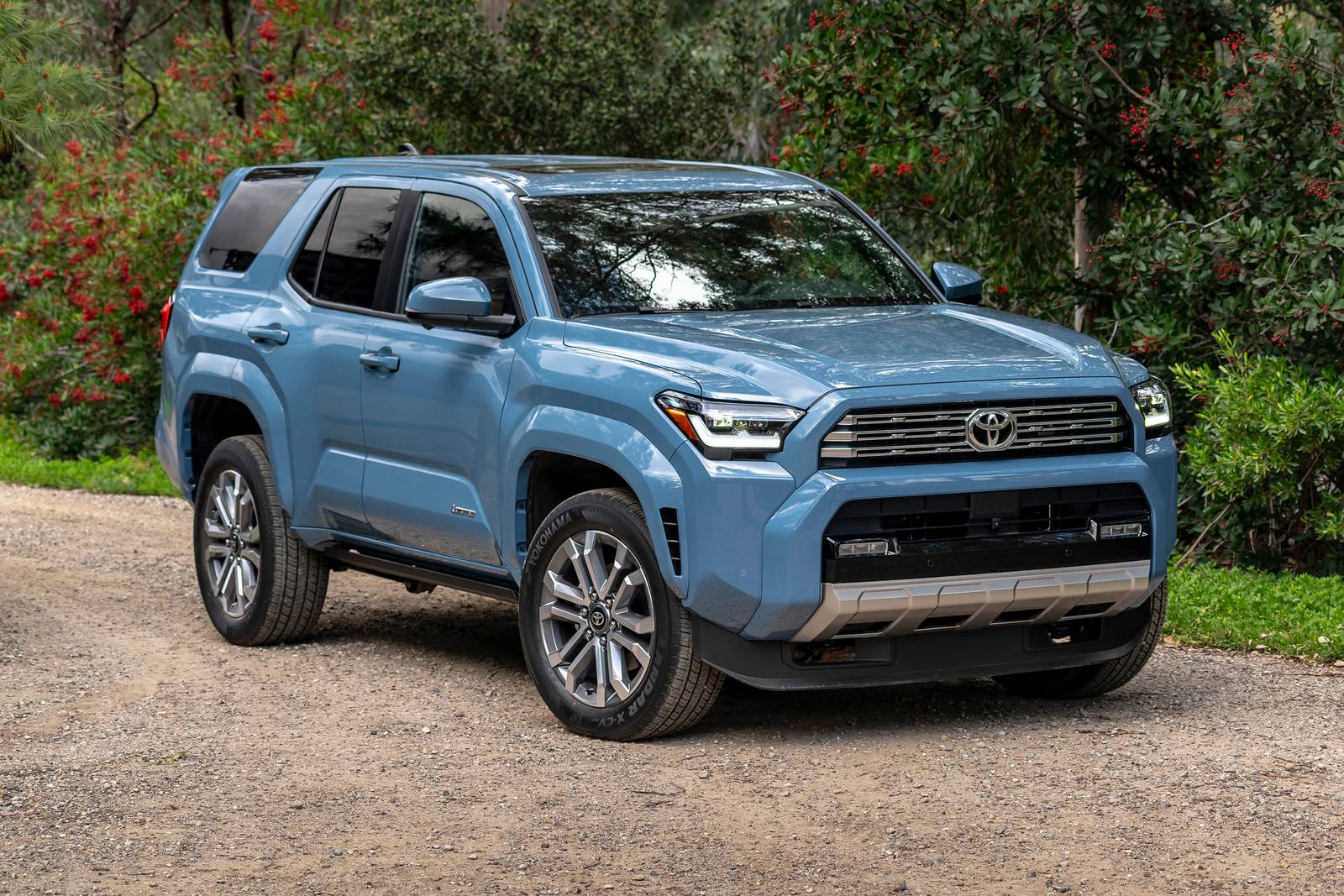
Few vehicles in the SUV segment have earned the devoted following that the Toyota 4Runner commands. Owners keep these trucks for years, sometimes decades, and the resale values reflect that loyalty. At 270 horsepower and 278 lb-ft of torque from a 4.0-liter V6, the classic generation 4Runner delivers reliable, proven performance. Measuring 190.2 inches long and 75.8 inches wide, it is a substantial body-on-frame SUV built for serious use.
What has historically dragged the 4Runner to the bottom of IIHS headlight rankings is its dim halogen reflector setup. Halogen reflector headlights are an older technology that scatters light in multiple directions rather than projecting it in a focused, useful beam. Both gentle and sharp curves receive inadequate illumination under this setup, which means a driver rounding a bend at normal highway speed is doing so without seeing what the road holds past the curve. For a vehicle with the 4Runner’s off-road and rural travel reputation, inadequate curve lighting is a particularly mismatched flaw.
Toyota has updated newer 4Runner generations with improved lighting options, but owners of older configurations or base trims on current generations should verify their specific setup using the IIHS database. Aftermarket LED conversion kits are widely available for the 4Runner platform and represent a straightforward upgrade path for owners who want better nighttime performance without trading vehicles.
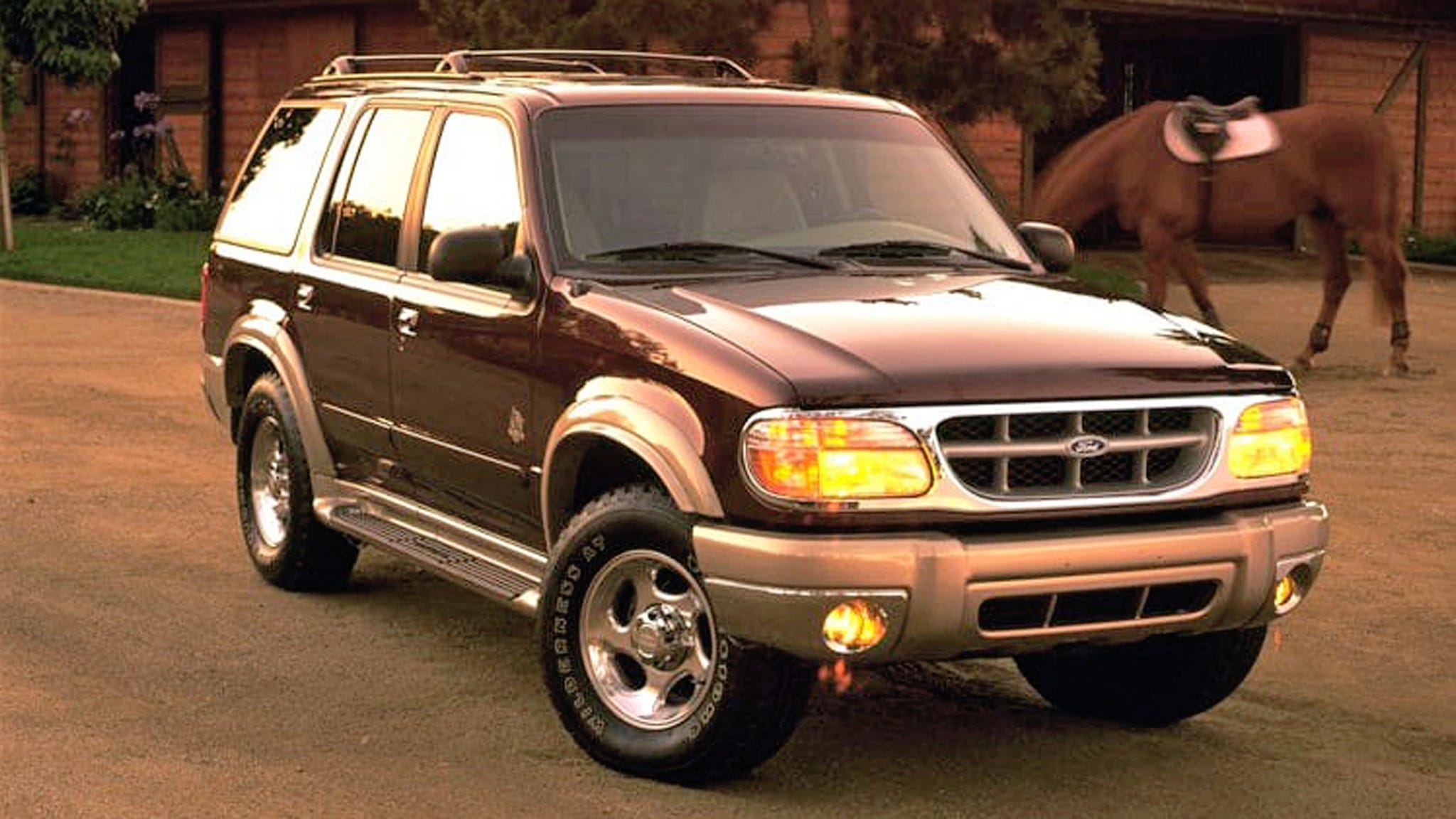
8. Ford Explorer Early 5th Generation Base Models
Headlight Rating: Poor (IIHS) on early base trims
- Engine: 3.5L V6
- Horsepower: 290 hp
- Torque: 255 lb-ft
- Size: 197.1 in Long x 78.9 in Wide
Ford’s Explorer is one of the best-selling family SUVs in American history, and for good reason. It offers three rows of seating, strong towing numbers, and a reputation for covering long family road trips with comfort and reliability. At 290 horsepower and 255 lb-ft of torque from a 3.5-liter V6, the early fifth-generation base models delivered respectable performance.
Ford has since made real improvements to headlight layouts across newer builds, but early base trims from the fifth generation earned a Poor IIHS rating that affected a large number of vehicles already on the road. Standard low beams on those base configurations produced very weak light dispersion along the left edge of straight roads.
That left-edge gap is a persistent problem across multiple vehicles on this list, and it is a particular safety issue for drivers sharing roads with cyclists, pedestrians, or narrow road shoulders. A family SUV carrying children should not require drivers to lean on high beams to safely manage basic nighttime highway travel.
Ford’s response to these ratings included improved LED configurations on higher trim levels and newer model years. If you own one of these early fifth-generation models, check your build year against the IIHS database and consider whether an aftermarket lighting solution or a trim upgrade makes sense for your driving habits.
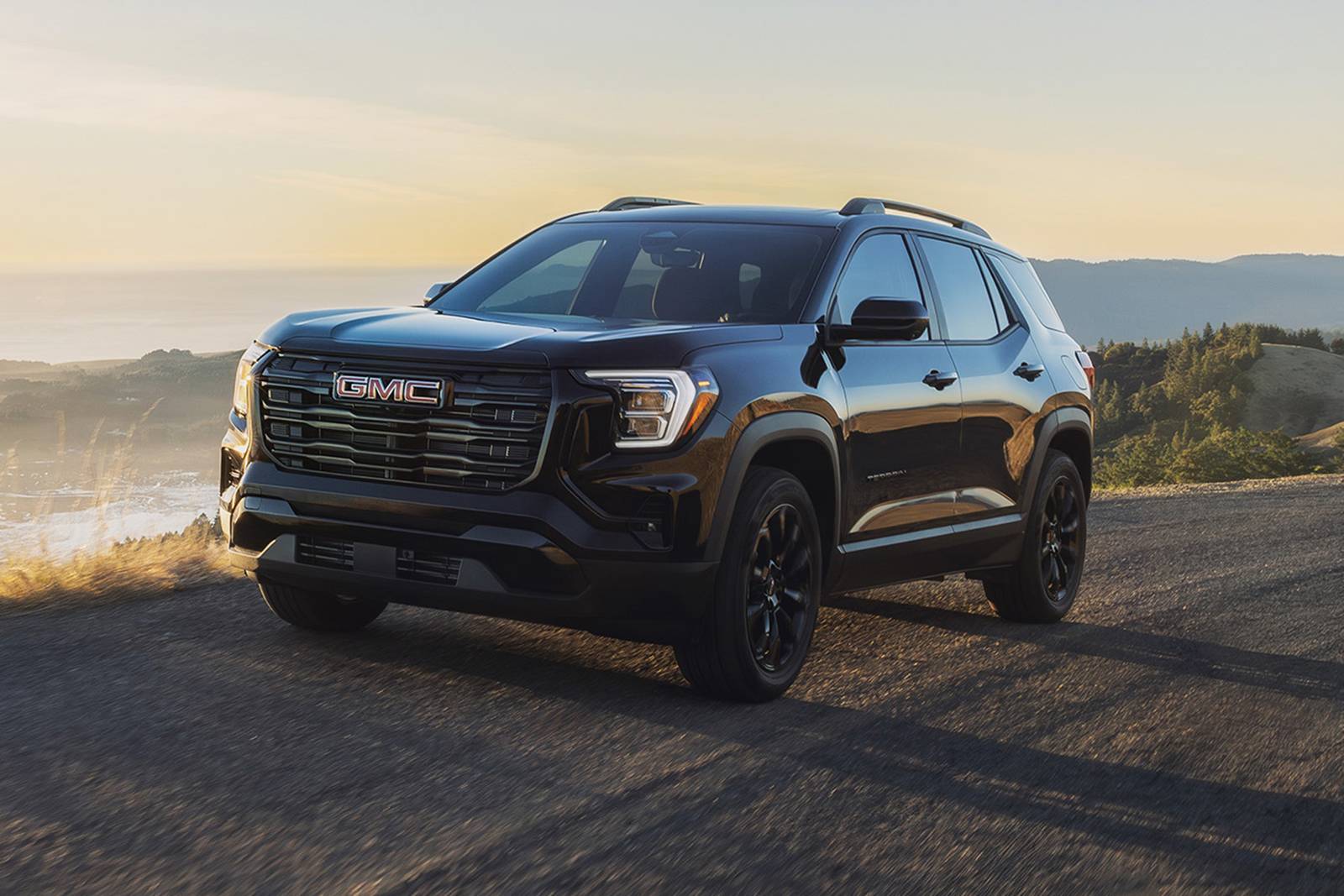
9. GMC Terrain Base Halogen Specs
Headlight Rating: Poor (IIHS) on base halogen trims
- Engine: 1.5L Turbo 4-Cylinder
- Horsepower: 175 hp
- Torque: 203 lb-ft
- Size: 182.3 in Long x 72.4 in Wide
Powered by a 1.5-liter turbocharged four-cylinder that delivers 175 horsepower and 203 pound-feet of torque, GMC’s entry-level compact crossover is designed for routine driving duties. It suits commuters, small households, and anyone who prefers a vehicle that feels easy to manage in daily traffic.
With exterior dimensions of 182.3 inches in length and 72.4 inches in width, it fits comfortably in parking garages, handles urban streets with ease, and offers respectable fuel efficiency for its class. Its approachable pricing helps explain why many shoppers place it on their short list. Still, one safety concern deserves close attention for drivers who spend time on the road after sunset.
Lower trim versions rely on traditional halogen headlights, and these units struggle to provide strong forward visibility. Light output lacks the reach needed to clearly reveal pedestrians, cyclists, or road markings at a safe distance. When traveling around 45 miles per hour on dark suburban roads, a driver needs enough warning to react smoothly and stop if someone enters a crosswalk.
The standard lighting does not always offer that reassurance, which can raise stress levels during night driving. Upper trims replace halogen bulbs with LED headlights, and the improvement is immediately apparent. LED lighting projects farther down the road and spreads more evenly across the driving path.
Shoppers drawn to this GMC crossover for its lower entry price should consider how often they drive at night. Spending a bit more for an LED-equipped version may provide added confidence and a better sense of security when visibility matters most.
Also Read: 8 Cars With the Best-Rated Headlights by IIHS
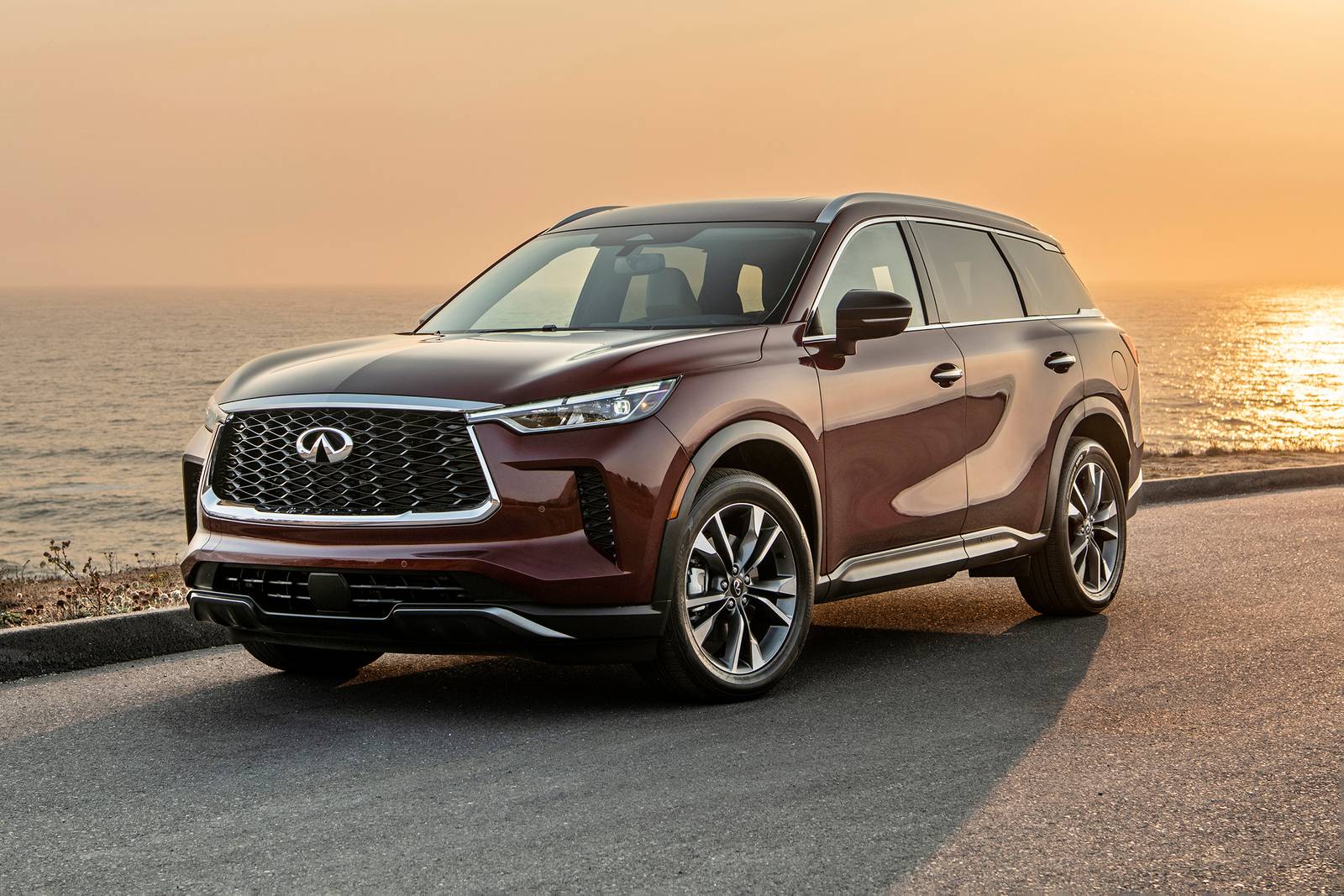
10. Infiniti QX60 Older Trim Layouts
Headlight Rating: Poor (IIHS) on older base configurations
- Engine: 3.5L V6
- Horsepower: 295 hp
- Torque: 270 lb-ft
- Size: 198.2 in Long x 77.2 in Wide
Rounding out this list is the Infiniti QX60, a three-row luxury family SUV that competes directly with vehicles like the Acura MDX and Volvo XC90 for buyers who want premium interiors, smooth rides, and respectable performance. Producing 295 horsepower and 270 lb-ft of torque from a 3.5-liter V6, and stretching 198.2 inches long by 77.2 inches wide, the QX60 is a spacious, well-appointed family vehicle. Older base trim configurations, though, suffered from a headlight setup that created problems in two directions simultaneously.
Low beams on those configurations projected a cut-off light pattern that generated excessive glare for oncoming traffic while failing to push adequate light down winding, unlit backroads. This dual failure is particularly damaging in IIHS testing because it creates hazards both for the driver and for every vehicle approaching from the opposite direction. Glare-related demerits carry heavy penalties in the IIHS scoring system because temporary blindness in an oncoming driver is a direct safety risk for everyone in both lanes.
Infiniti has updated headlight configurations on newer QX60 builds, and current models perform better in IIHS evaluations. If you are purchasing a used QX60 or looking at older inventory, confirm the specific model year and trim headlight package in the IIHS database before buying.
