
Stepping into a parked car during peak summer heat can feel like opening an oven door. Interior temperatures can rise dramatically within minutes, especially when the vehicle is left under direct sunlight.
Even on moderately warm days, the inside of a car can become significantly hotter than the outside air due to the greenhouse effect created by glass windows trapping solar radiation. This buildup of heat not only makes driving uncomfortable but can also be harmful, especially for children, pets, and sensitive electronics left inside the vehicle.
Most people immediately rely on air conditioning as the only solution to cool down a hot car, but that approach often wastes time and fuel. When the cabin is extremely hot, the AC system first has to push out superheated air before it can start cooling effectively.
This delay is exactly why learning smarter cooling techniques is so important. There are several lesser-known but highly effective strategies that can dramatically reduce interior temperature before or during driving, helping your AC work faster and more efficiently.
These methods are based on simple physical principles such as airflow displacement, radiant heat reduction, evaporation, and smart ventilation timing. Many of them require no special tools and can be done in seconds, making them practical for everyday use. When combined correctly, they can reduce the cabin temperature by several degrees even before the AC is fully engaged.
In this article, we will explore 8 hidden climate tricks that cool a hot car faster in summer. Each method is designed to be easy, safe, and effective under real-world driving conditions. From strategic parking habits and ventilation hacks to reflective barriers and moisture-based cooling techniques, these approaches will help you regain comfort quickly even after your car has been sitting in intense heat for hours.
By understanding how heat builds up inside a vehicle and how it can be efficiently released, you can significantly improve your driving experience during summer.
Here’s a smoother rewrite with a more engaging flow:
These methods do more than just improve comfort inside the cabin. They can also ease the load on your vehicle’s cooling system and contribute to better fuel economy over time. With that in mind, here are some of the most effective ways to cool down an overheated interior and make your car comfortable again in just a few minutes.
Also Read: 8 SUVs With The Most Space For Comfort

1. Smart Shade Parking Strategy for Instant Heat Reduction
One of the most powerful yet underestimated ways to cool a hot car faster in summer is choosing the right parking position. The direction your car faces and the presence of shade can drastically influence interior temperature buildup.
Parking under direct sunlight for even 20 to 30 minutes can raise cabin temperatures to extreme levels, while strategic shade use can reduce heat absorption by a significant margin. Trees, buildings, and covered parking areas act as natural heat shields that block direct solar radiation from entering the vehicle.
When natural shade is not available, you can still create a smarter parking strategy by positioning your car so that the least exposed side faces the sun.
For example, the rear of the vehicle generally absorbs less heat than the windshield area, which is the largest glass surface. By reducing frontal sun exposure, you minimize the greenhouse effect that traps heat inside the cabin. Even small adjustments in angle can make a noticeable difference in internal temperature after a few hours.
An effective approach is tracking the sun’s movement throughout the day. Parking in a spot that is shaded during peak afternoon hours can prevent maximum heat accumulation. Many drivers overlook this simple planning step, but it is one of the most reliable long-term cooling habits. It does not require any equipment or energy use, yet it consistently improves comfort when returning to the vehicle.
In urban environments, parking structures and multi-level garages are ideal because they block both direct sunlight and reduce ambient heat buildup.
Even partial shade, such as a building shadow covering one side of the car, can slow down temperature rise. This makes it easier for your cooling system to stabilize the cabin quickly once you start driving.
Instead of trying to fight extreme heat after it builds up, it reduces the problem at its source. This makes all other cooling tricks more effective and ensures your car remains significantly cooler before you even open the door.
2. The Fast Ventilation Flush Technique Using Door Cycling
One highly effective trick to cool a hot car faster in summer is the ventilation flush technique. This method uses natural airflow to rapidly expel trapped hot air from inside the cabin before turning on the air conditioning.
When a car has been parked under the sun, the air inside becomes extremely hot and stagnant. Simply rolling down windows and opening doors strategically allows this trapped air to escape within seconds.
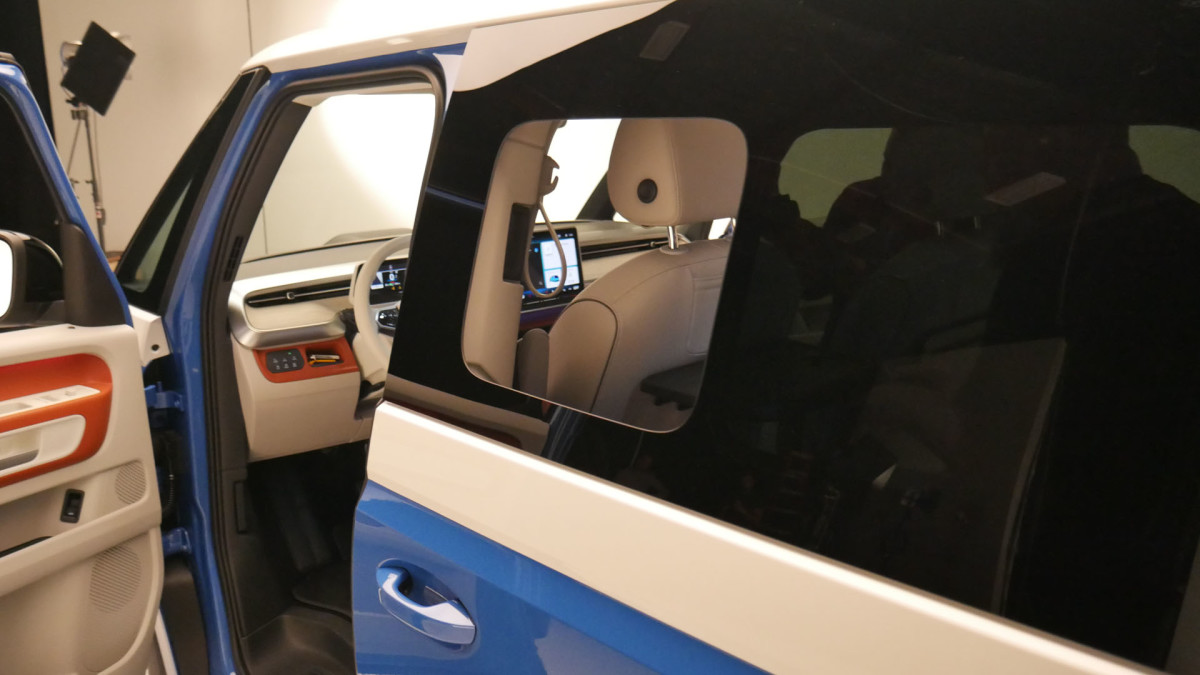
The most effective version of this technique involves opening one front door fully while rapidly opening and closing the opposite door several times. This creates a pressure difference that forces hot air out of the cabin while drawing in cooler outside air.
It works because hot air naturally rises and escapes when given a pathway, and this movement can be accelerated by the physical motion of the doors.
Rolling down all windows before starting the process enhances airflow circulation. Once the initial flush is complete, driving with windows slightly open for the first minute helps continue pushing out residual heat pockets. This step is especially useful when the interior surfaces, such as seats and dashboard, are still radiating heat.
This method significantly reduces the workload on your air conditioning system. Instead of the AC having to cool both air and trapped heat simultaneously, it only needs to regulate already refreshed air. This improves cooling speed and reduces engine strain, which can indirectly improve fuel efficiency.
The ventilation flush technique is one of the fastest non-mechanical ways to make a hot car feel bearable. It relies entirely on airflow physics and requires no tools or devices. When done correctly, it can lower perceived cabin temperature almost instantly, making it easier to transition into comfortable driving conditions.
3. Strategic Air Conditioning Recirculation for Faster Cooling
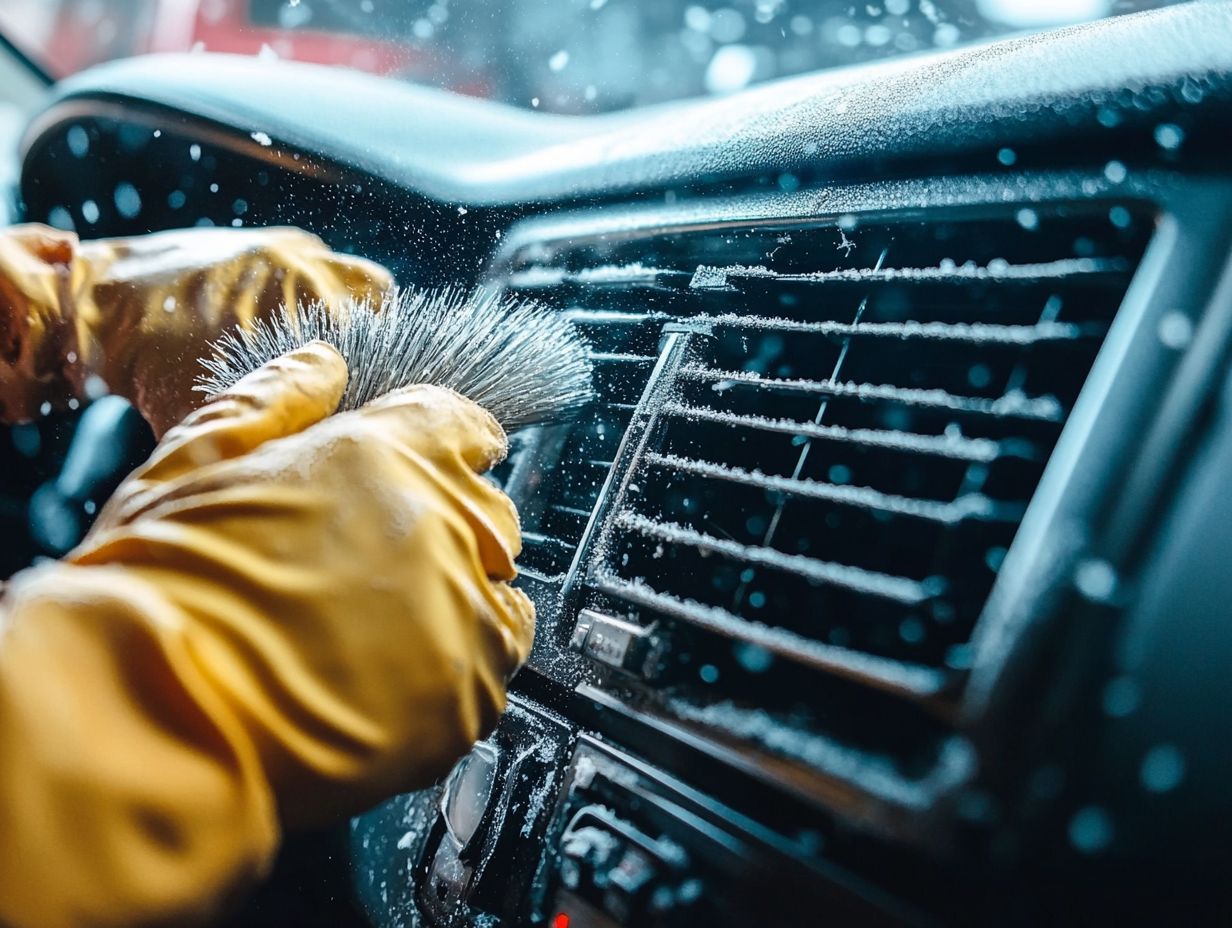
Air conditioning systems in vehicles are often underused or used inefficiently during extreme heat. One of the most effective hidden tricks to cool a hot car faster in summer is properly using the recirculation mode. This setting allows the AC system to reuse already cooled air inside the cabin instead of continuously pulling in hot outside air.
When you first enter a hot car, it is best to start with the windows down and the AC on fresh air mode for the first minute. This helps push out the hottest air quickly. After that initial phase, switching to recirculation mode dramatically improves cooling efficiency. The system then begins to stabilize internal temperature much faster because it is working with progressively cooler air.
One important factor is fan speed management. Running the fan at maximum speed initially helps distribute cooled air quickly across all surfaces, including seats and the dashboard. Once the temperature begins to drop, reducing fan speed slightly can help maintain a consistent, comfortable environment without overworking the system.
Positioning of air vents also plays a role in cooling efficiency. Directing vents upward helps circulate cold air more evenly because cooler air naturally sinks while hot air rises. This creates a continuous cycle that gradually balances cabin temperature.
Recirculation mode can reduce cooling time by several minutes. It also reduces fuel consumption in older vehicles and improves system performance. Many drivers overlook this simple switch, but it is one of the most impactful ways to enhance AC efficiency during summer heat.

4. Sunshade and Reflective Barrier Optimization
Sunshades and reflective barriers are among the most effective passive cooling tools available for vehicles. They work by blocking or reflecting solar radiation before it can enter the cabin and heat interior surfaces. Windshield sunshades are particularly powerful because the front glass is the largest entry point for sunlight and heat buildup.
Reflective materials reduce heat absorption by bouncing sunlight away instead of allowing it to penetrate the dashboard and seats. Over time, interior materials like leather, plastic, and fabric absorb heat and continue radiating it even after the sun is gone. Preventing this initial absorption is key to maintaining lower temperatures inside the vehicle.
Side window shades also contribute significantly, especially for cars parked for long durations. While they may not completely block sunlight, they reduce direct exposure and slow down heat buildup. Combining windshield and side shades creates a layered protection system that dramatically improves cooling outcomes.
The effectiveness of sunshades increases when paired with reflective exterior covers or lighter colored car paints. These additional layers reduce heat absorption and make it easier for the cabin to cool down once ventilation or AC is activated.
Using sunshades consistently is a long-term habit that compounds benefits over time. Instead of fighting extreme heat every time you enter the car, you prevent much of it from building up in the first place, making every other cooling method more efficient.
Also Read: 7 Most Reliable Motorcycles You Can Buy Today
5. Controlled Window Cracking for Heat Pressure Release
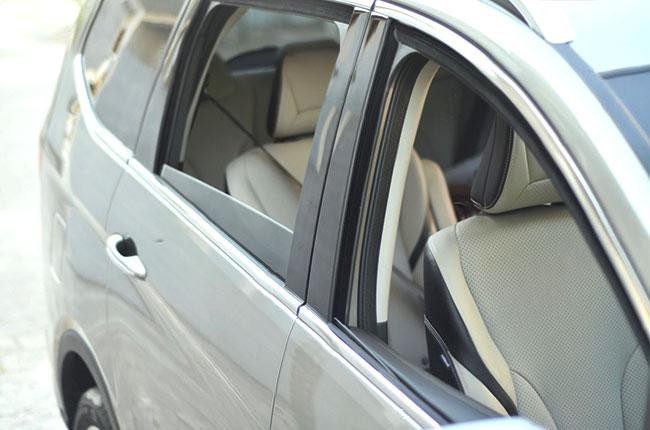
Leaving windows slightly open while parked is a debated but often useful trick for reducing internal heat buildup. The idea is to allow trapped hot air to escape gradually instead of becoming fully sealed inside the cabin. Even a small gap can help release pressure and reduce extreme temperature spikes.
When sunlight heats the interior, air expands and becomes trapped. Without ventilation, this heat accumulates and intensifies the greenhouse effect. Slight window cracking disrupts this cycle by allowing limited airflow exchange, which prevents extreme heat saturation.
However, this method must be used carefully due to security concerns and weather conditions. It is most effective in safe parking areas where the risk of theft or dust intrusion is low. It is also more useful during extremely hot, dry days rather than windy or rainy conditions.
This technique works best as a supplementary method rather than a standalone solution. When combined with sunshades and smart parking, it can significantly reduce peak interior temperature buildup.
While not always practical, controlled ventilation through cracked windows remains a simple and low-effort way to improve comfort levels when returning to a parked vehicle.
6. Evaporative Cooling Using Moisture Techniques
Evaporative cooling is a natural process that can be used inside a car to reduce temperature quickly. One simple method involves placing a damp cloth in the cabin or lightly misting fabric surfaces before starting the air conditioning. As water evaporates, it absorbs heat from the surrounding air, creating a cooling effect.
This technique is particularly effective in dry climates where evaporation happens quickly. The dashboard, seats, and air inside the cabin can all benefit from this temporary cooling effect. Even a small amount of moisture can help reduce initial heat intensity.
A variation involves using chilled water bottles placed strategically inside the vehicle. As they slowly warm up, they absorb surrounding heat, helping stabilize temperature in a localized way. While not a replacement for AC, it provides a short-term comfort boost.
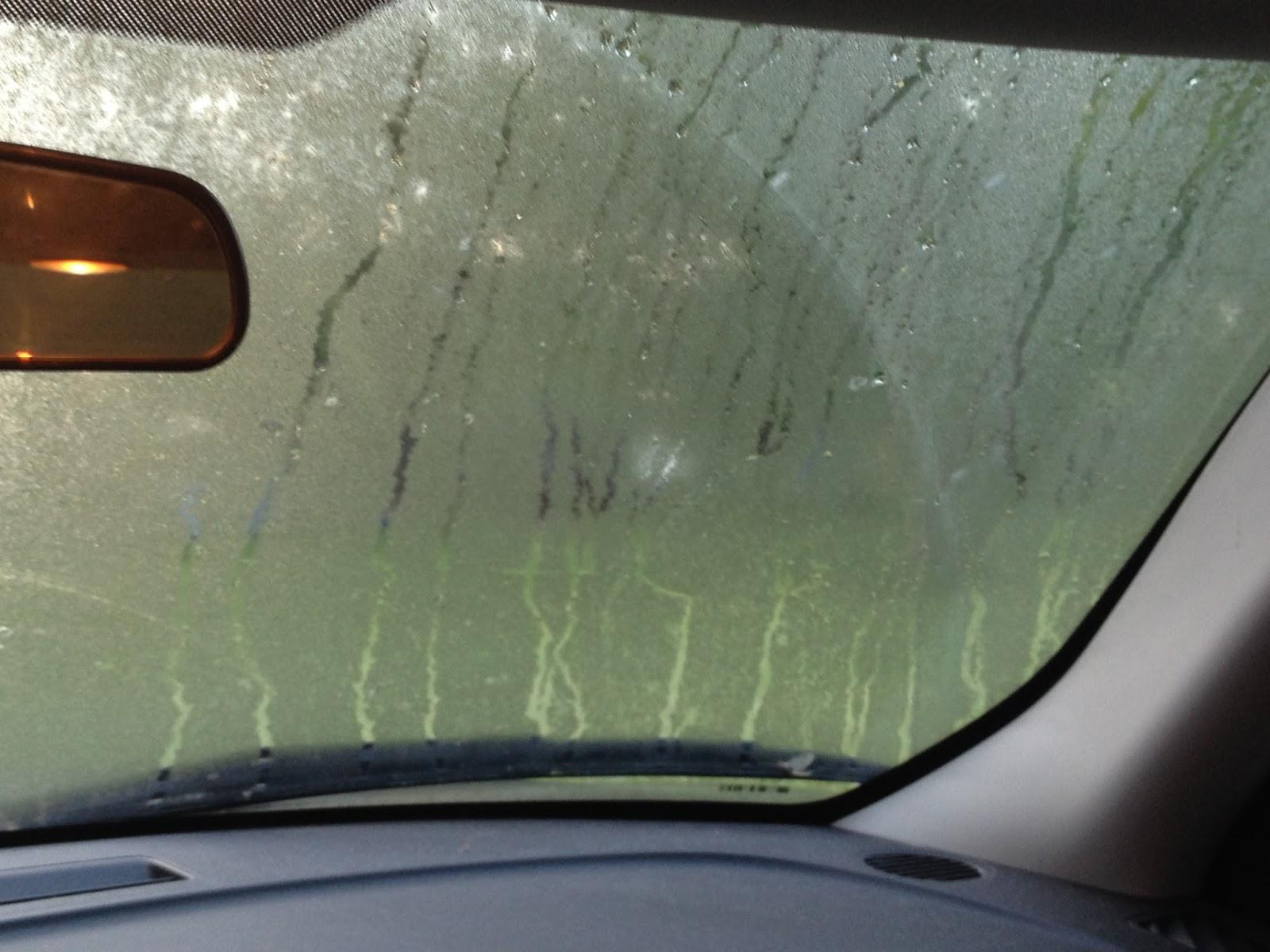
Care must be taken to avoid excessive moisture buildup, which can lead to humidity discomfort or fogging on windows. The goal is controlled evaporation, not saturation.
When used properly, evaporative cooling adds an extra layer of temperature control that complements ventilation and air conditioning systems effectively.
7. Portable Fan and Air Circulation Enhancement
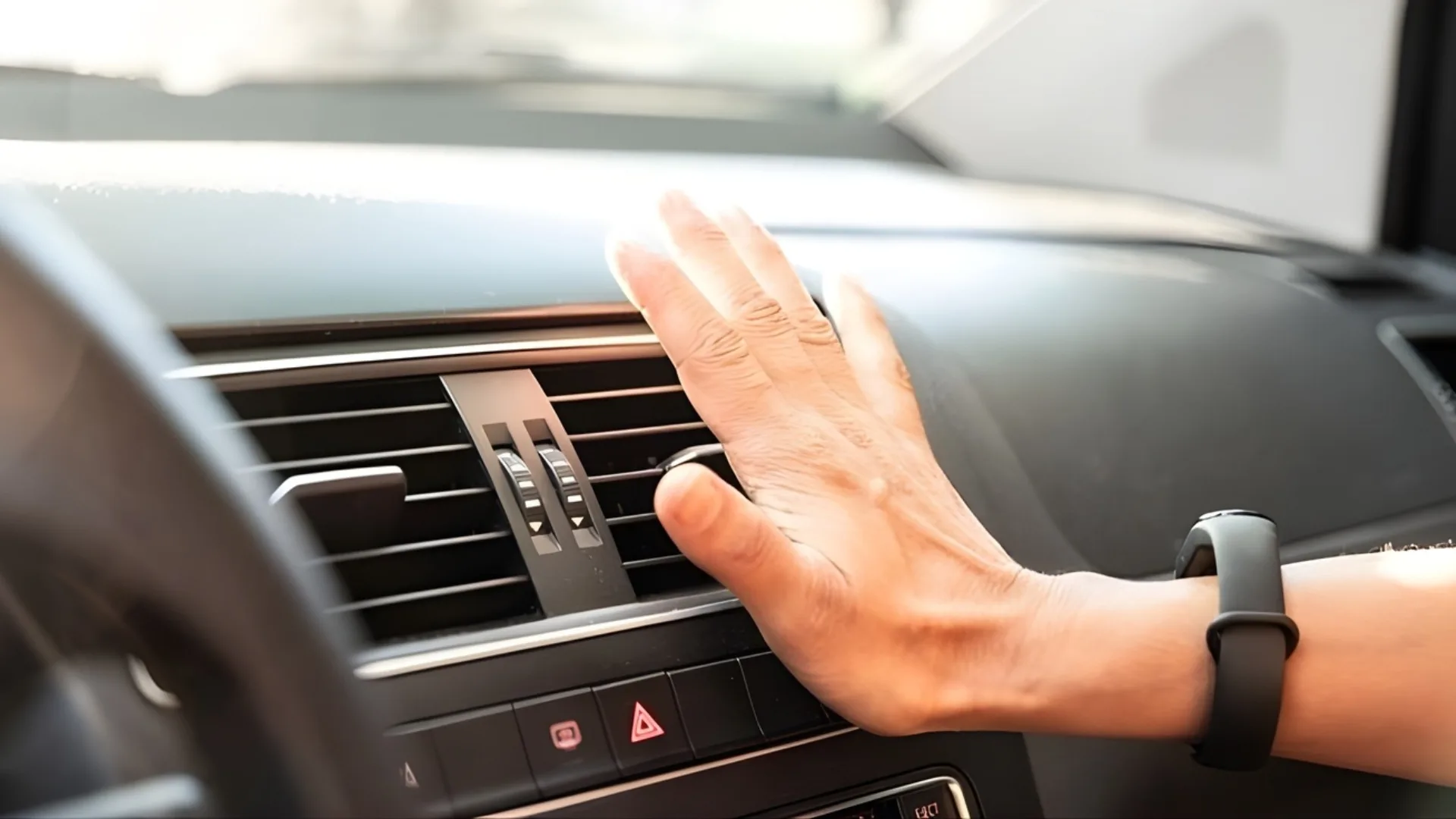
Portable fans, especially 12-volt car-powered fans, can significantly improve airflow inside a hot vehicle. They help circulate air that would otherwise remain stagnant, speeding up the cooling process once windows are opened or AC is activated.
Positioning is important for maximum effectiveness. Directing airflow toward the back of the car helps push hot air out more evenly. This reduces heat pockets that often remain trapped in rear seats or footwells.
Fans are particularly useful during the initial cooling phase when the car is still extremely hot. They help move air quickly, allowing the AC system to stabilize temperature faster once it begins cooling.
Some drivers use dual fan setups to create cross ventilation, which further enhances air exchange inside the cabin. This mimics natural wind flow and accelerates heat removal.
Although simple, portable fans are an efficient supporting tool in any summer cooling strategy for vehicles.
8. Long-Term Interior Heat Reduction Habits
Beyond immediate cooling tricks, long-term habits play a major role in keeping a car cooler in summer. Choosing lighter colored seat covers, using reflective dashboard materials, and keeping the interior clean all contribute to lower heat retention.
Reducing clutter inside the car also improves airflow and prevents unnecessary heat trapping. Items left in direct sunlight can absorb and radiate heat, making the cabin feel hotter than it actually is.
Regular maintenance of air conditioning systems ensures maximum cooling efficiency when needed. A poorly maintained system takes longer to cool and consumes more energy.
Parking habits, protective covers, and consistent use of sunshades create a long-term cooling environment that reduces dependence on rapid cooling tricks.
Over time, these habits create a noticeable difference in how quickly your car cools down during summer, making every drive more comfortable and efficient.
