
Subaru’s boxer engine is one of the most distinctive engine designs in the automotive industry. Its horizontally opposed cylinder layout improves balance, reduces vibration, and lowers the vehicle’s center of gravity, resulting in better stability and handling.
While the engine is closely associated with Subaru, the company has also shared its technology through partnerships, joint ventures, and badge-engineering projects.
Several vehicles from other manufacturers have been built using Subaru boxer engines or Subaru-developed powertrains despite carrying different brand names.
These collaborations allowed automakers to benefit from Subaru’s proven engineering, reliability, and performance without developing entirely new platforms.
The best-known examples come from Subaru’s partnership with Toyota, which produced popular, affordable sports coupes, though earlier collaborations also featured Subaru technology. This article highlights nine non-Subaru vehicles powered by Subaru boxer engines, demonstrating how the company’s engineering has influenced a wide range of models across multiple automotive brands.
Also Read: 8 SUVs With The Most Space For Comfort
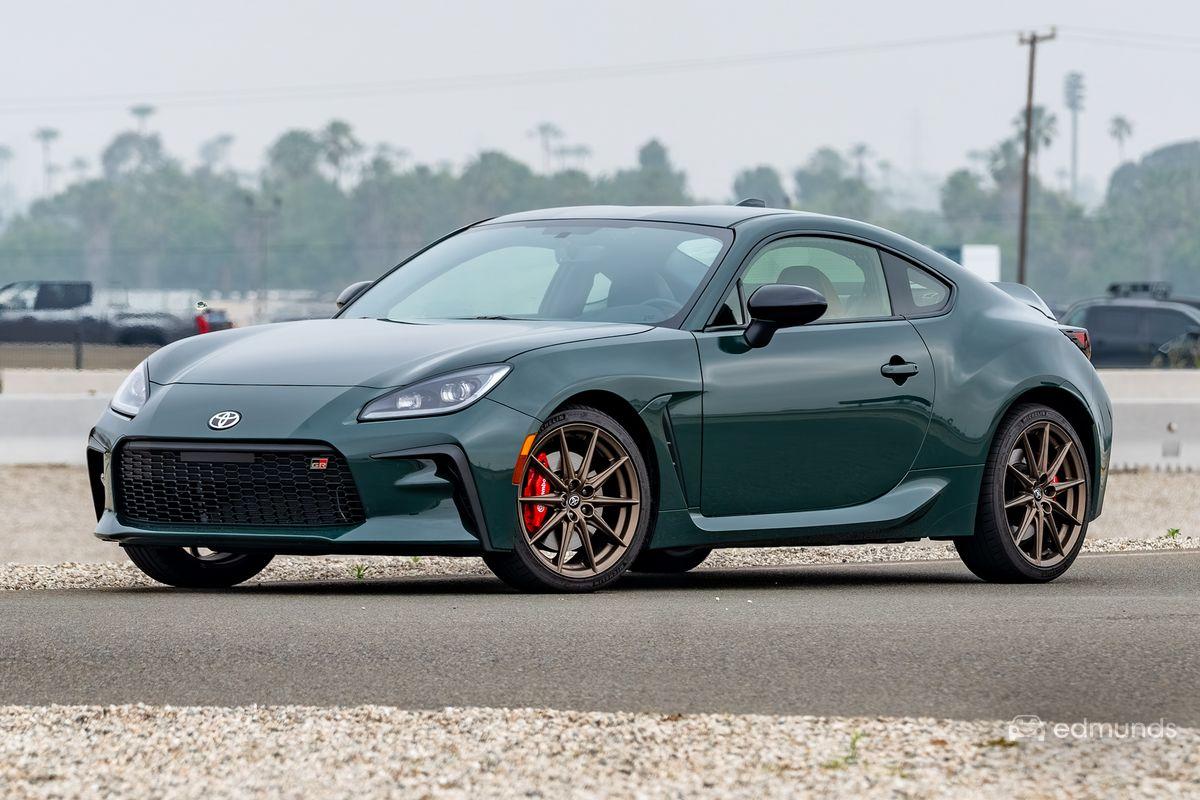
- Engine: 2.4L Subaru FA24D naturally aspirated boxer 4 cylinder
- Horsepower: 228 hp (170 kW)
- Torque: 250 Nm (184 lb-ft)
- Length: 4,265 mm
- Width: 1,775 mm
1. Toyota GR86
The Toyota GR86 is one of the clearest and most successful examples of a non-Subaru vehicle powered by a Subaru boxer engine. Developed as part of a joint collaboration between Toyota and Subaru, the GR86 was designed to deliver an affordable, lightweight, and engaging Rear Wheel Drive sports car experience.
While Toyota focused on styling, chassis tuning, and driving character, Subaru contributed its core engineering strength in the form of the engine.
Under the hood of the GR86 sits Subaru’s 2.4-liter FA24 naturally aspirated boxer engine. This engine features a horizontally opposed four-cylinder layout, which allows it to sit lower in the engine bay compared to traditional inline engines.
This lower mounting position significantly reduces the car’s center of gravity, improving stability during cornering and making the car feel more planted at high speeds. The FA24 also delivers improved torque compared to the previous generation, addressing one of the key criticisms of the earlier model.
The engine itself is designed for smooth power delivery and linear acceleration rather than extreme horsepower figures. This aligns perfectly with the GR86 philosophy, which prioritizes driver engagement over raw straight-line speed. Subaru’s engineering ensures that the engine remains responsive and balanced even under aggressive driving conditions, making it suitable for track use, spirited road driving, and everyday commuting.
One of the most important aspects of the GR86 is that its engine is not just shared in name, but is fundamentally a Subaru-designed unit manufactured with Subaru’s engineering standards.
This makes the GR86 a true example of cross-brand collaboration where Subaru’s boxer engine defines the car’s core driving experience while Toyota refines the rest of the package.
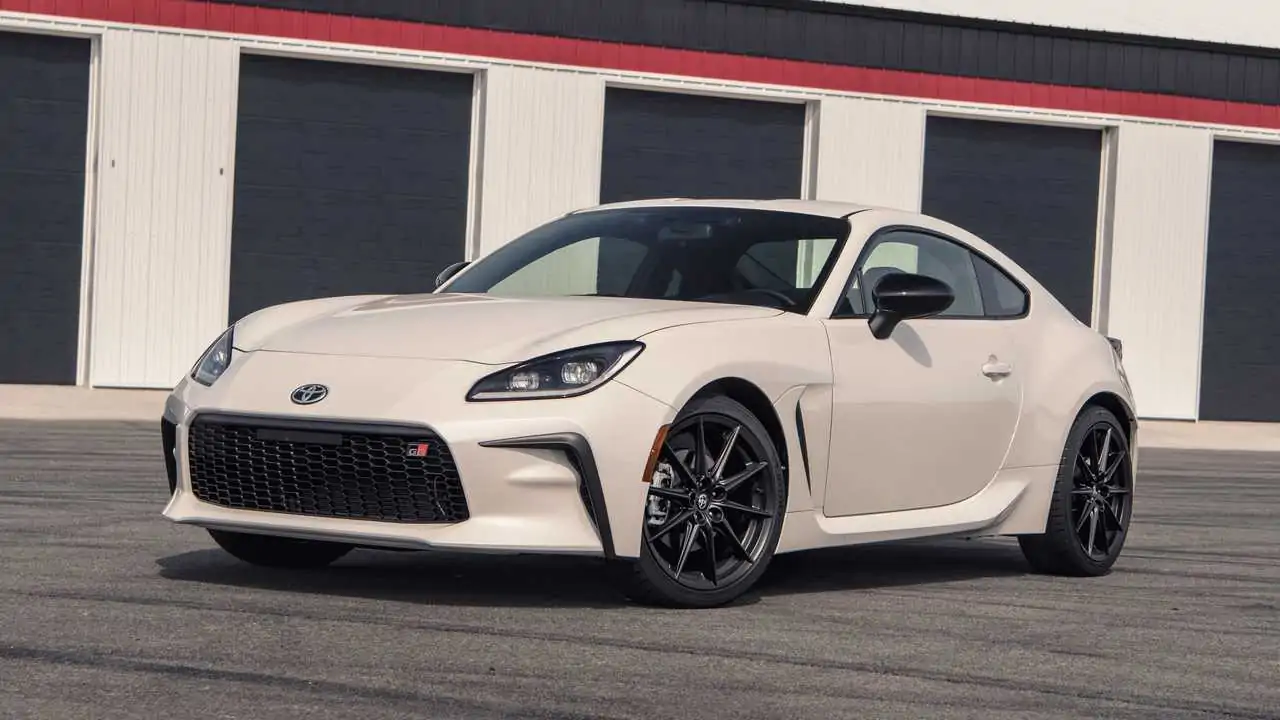
- Engine: 2.0L Subaru FA20D naturally aspirated boxer 4 cylinder
- Horsepower: 200 hp (149 kW)
- Torque: 205 Nm (151 lb-ft)
- Length: 4,240 mm
- Width: 1,775 mm
2. Toyota 86
The Toyota 86, originally launched in 2012, marked the beginning of the modern collaboration between Toyota and Subaru. It was created to revive the spirit of simple, lightweight sports cars that focus on driver involvement rather than high horsepower numbers. At the heart of this concept was Subaru’s FA20 boxer engine, which played a central role in shaping the car’s character.
The FA20 is a 2.0-liter naturally aspirated flat four engine developed by Subaru. Its boxer configuration allows the engine to sit low in the chassis, which improves weight distribution and enhances cornering balance.
While the power output was modest compared to turbocharged competitors, the engine was tuned to deliver a responsive and predictable driving experience. This made the Toyota 86 particularly popular among enthusiasts who valued handling precision over straight-line acceleration.
Toyota contributed its own technology to the engine system, particularly in the form of a dual injection setup that combined port and direct fuel injection. This hybrid fuel system improved combustion efficiency and throttle response while maintaining the smooth characteristics of Subaru’s boxer design. The result was an engine that benefited from both companies’ engineering strengths.
On the road, the Toyota 86 became known for its playful handling, Rear Wheel Drive layout, and ability to communicate road conditions clearly to the driver. The Subaru engine was central to this experience, as its low center of gravity allowed engineers to fine-tune the suspension for sharp and predictable cornering behavior.
Even today, the Toyota 86 remains a landmark example of how Subaru’s boxer engine can successfully power a non-Subaru vehicle while maintaining a strong identity and enthusiast appeal.
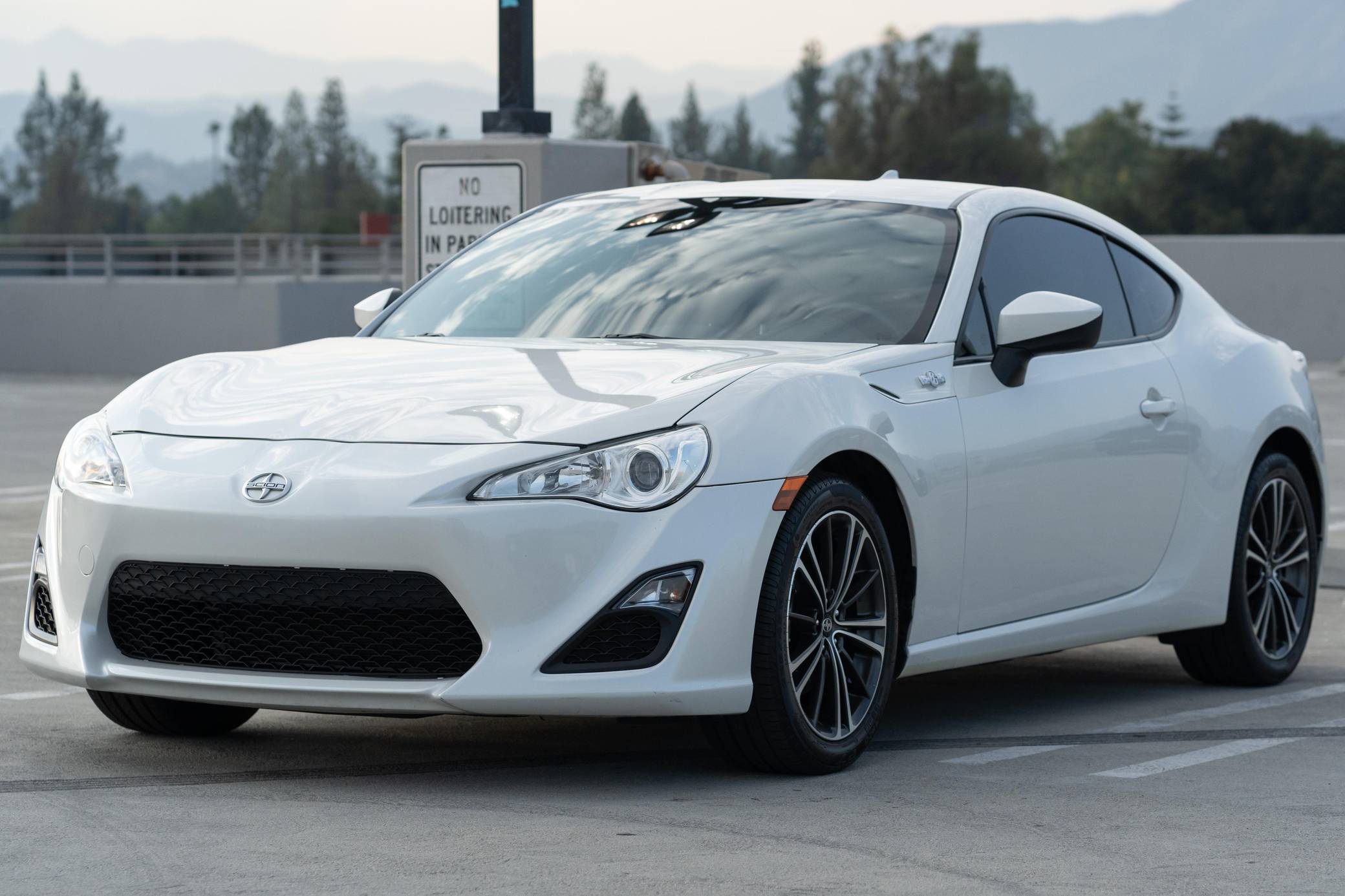
- Engine: 2.0L Subaru FA20D naturally aspirated boxer 4 cylinder
- Horsepower: 200 hp (149 kW)
- Torque: 205 Nm (151 lb-ft)
- Length: 4,240 mm
- Width: 1,775 mm
3. Scion FR S
The Scion FR S is essentially the North American version of the Toyota 86, produced under Toyota’s now-discontinued Scion brand. Despite wearing different badging, the FR S is mechanically identical in almost every important way to its Toyota and Subaru counterparts, and it relies entirely on Subaru’s FA20 boxer engine for propulsion.
The FA20 engine in the FR S is a naturally aspirated 2.0-liter flat four unit that emphasizes balance, smoothness, and predictable power delivery.
Its horizontally opposed layout allows it to be mounted low in the chassis, which is one of the key reasons the FR S achieved such a low center of gravity. This design choice directly improves handling stability, especially during fast cornering or sudden directional changes.
One of the defining traits of the FR S is its lightweight and simple engineering philosophy. Rather than relying on high horsepower figures, Subaru’s engine focuses on linear throttle response and consistent power delivery across the rev range. This makes the car highly controllable and rewarding for drivers who prefer momentum-based driving techniques.
Although Toyota handled the branding and marketing under the Scion name, the FR S was built using Subaru’s engine and core mechanical platform. This included the drivetrain layout, suspension geometry, and transmission options. As a result, the driving experience remains heavily influenced by Subaru engineering despite its external branding.
The Scion FR S remains a significant example of how Subaru’s boxer engine helped define an entire generation of affordable sports cars that were sold under different brands but shared a common mechanical foundation.
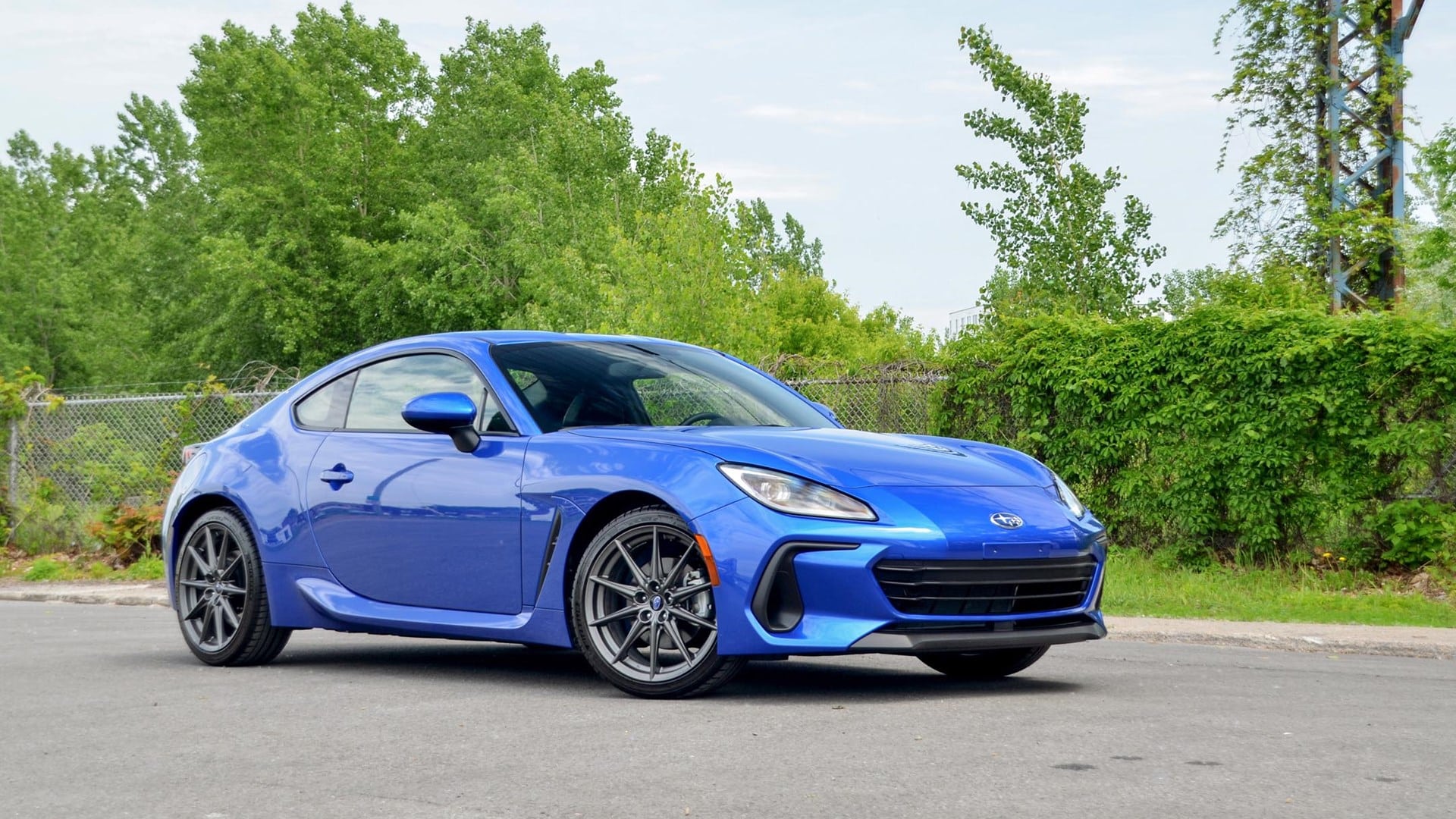
- Engine: 2.4L Subaru FA24D naturally aspirated boxer 4 cylinder
- Horsepower: 228 hp
- Torque: 250 Nm
- Length: 4,265 mm
- Width: 1,775 mm
4. Subaru BRZ
The Subaru BRZ is often assumed to be the “original” version of the Toyota GR86 and Scion FR S trio, but its role in this partnership is more nuanced than simple branding.
While it is technically a Subaru product, it is also one of the clearest examples of Subaru’s boxer engine being engineered for shared use across another major manufacturer’s lineup. The BRZ was co-developed with Toyota, and although Subaru built the car and supplied the engine, the project was structured from the beginning as a joint effort where both brands influenced nearly every aspect of design.
The boxer engine at the heart of the BRZ, the FA20 in the first generation and FA24 in the second generation, became the shared mechanical foundation that enabled Toyota to enter the Rear Wheel Drive sports coupe segment without developing an engine from scratch.
What makes the BRZ important in the context of non-Subaru cars using Subaru engines is that it represents the origin point of this entire modern collaboration ecosystem. Even though it carries Subaru branding, the development was not exclusive, and its engine was designed with cross-company usage in mind.
The FA series boxer engine was optimized for compact packaging, low center of gravity placement, and predictable torque delivery rather than raw power output. This philosophy made it ideal for Toyota’s goals, which focused on balance and driving enjoyment rather than high horsepower figures.
The BRZ also demonstrates how Subaru refined its boxer technology to meet stricter global emissions and efficiency standards while still maintaining the signature flat engine feel.
Engineers improved airflow efficiency, combustion stability, and thermal management to ensure the engine could satisfy both companies’ requirements. In practical terms, this means the same engine architecture that powers Subaru’s own lineup also supports one of Toyota’s most successful modern sports cars.
The BRZ shows how Subaru’s engineering identity has evolved from being a brand-exclusive trait into a shared industry asset. Without the boxer engine, the entire BRZ and GR86 project would not exist in its current form.
This makes the BRZ a key reference point when discussing non-Subaru applications of Subaru powertrains, even though it wears Subaru badges itself.
Also Read: 7 Most Reliable Motorcycles You Can Buy Today
- Engine: 2.0L Subaru EJ20 turbocharged boxer 4 cylinder
- Horsepower: 227 hp
- Torque: 320 Nm
- Length: 4,525 mm
- Width: 1,730 mm
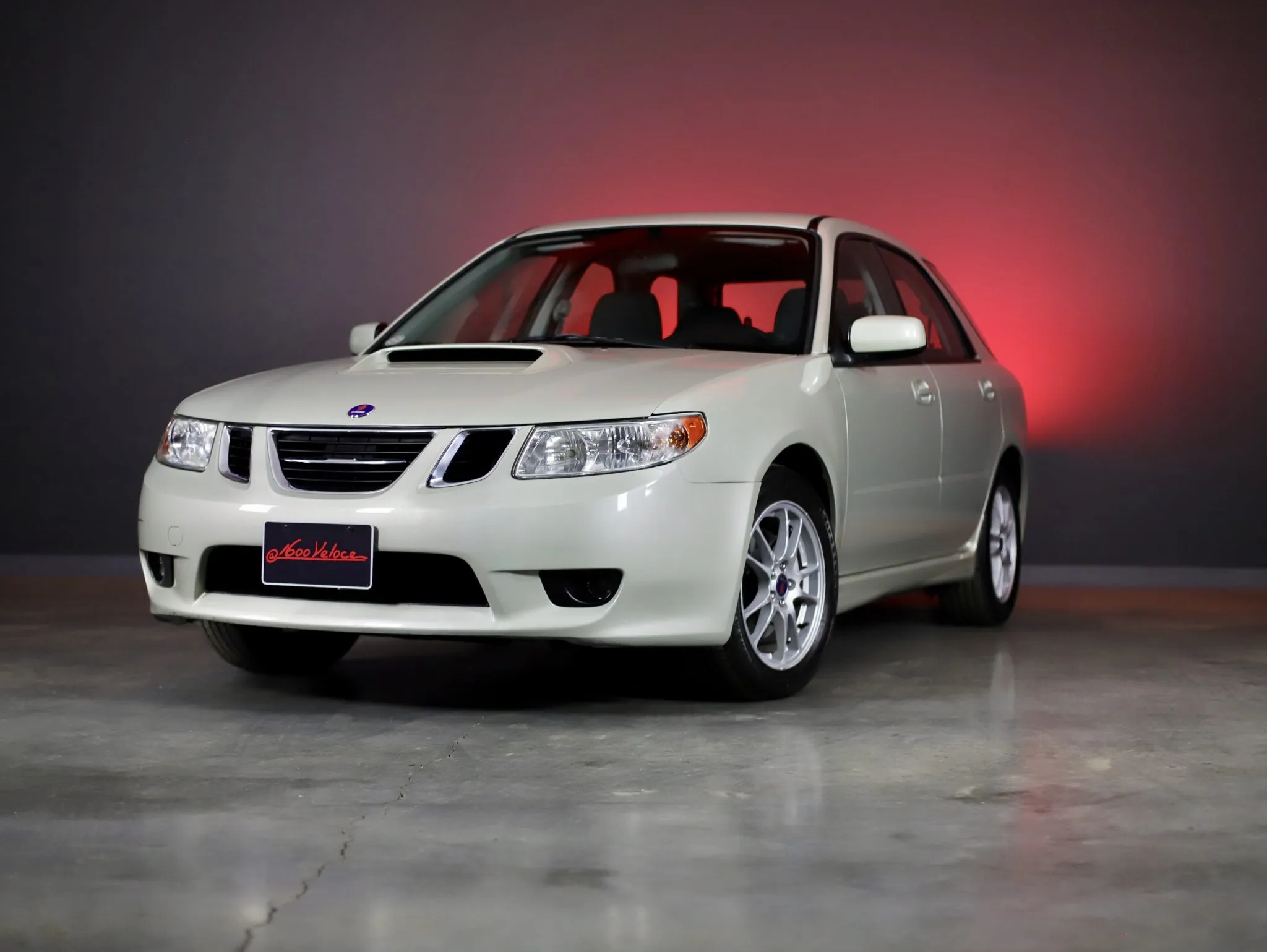
5. Saab 9-2X Aero
The Saab 9-2X Aero, often nicknamed the “Saabaru,” is one of the most interesting examples of Subaru’s boxer engine being used under a completely different automotive identity. This vehicle was the result of General Motors’ ownership ties with both Saab and Subaru during the early 2000s.
Rather than developing a compact All Wheel Drive platform from scratch for Saab’s North American lineup, GM chose to rebadge and lightly restyle the Subaru Impreza wagon while retaining Subaru’s mechanical components, including its horizontally opposed engine.
At the heart of the 9-2X Aero was Subaru’s turbocharged 2.0-liter EJ20 boxer engine. This engine was already well known in Subaru performance models such as the WRX, and it delivered strong low-end torque, quick turbo response, and reliable All Wheel Drive capability.
Saab engineers made minor tuning adjustments to align the driving characteristics with Saab’s brand identity, but the underlying engine architecture remained entirely Subaru-designed and manufactured.
What makes the 9-2X particularly interesting is how little was changed mechanically despite the Saab exterior design language. The suspension layout, drivetrain configuration, transmission options, and engine placement were all carried over from the Subaru Impreza platform.
This means that although the vehicle wore Saab styling cues such as revised headlights, bumpers, and interior trim, its core performance experience was fundamentally Subaru in nature.
From an engineering standpoint, the decision to use Subaru’s boxer engine allowed Saab to quickly enter a competitive compact AWD segment without major development costs.
However, it also created confusion among consumers, many of whom were unaware that they were effectively purchasing a Subaru Impreza in Saab clothing. Today, the Saab 9-2X Aero is often remembered as one of the clearest examples of cross-brand platform sharing in the automotive industry, with Subaru’s boxer engine sitting at the center of that collaboration.
- Engine: 1.2L–1.8L inline-3/inline-4 petrol (varies by generation)
- Horsepower: 85–140 hp
- Torque: 91–153 lb-ft (123–208 Nm)
- Length: 158.9–165.2 in (4,035–4,195 mm)
- Width: 61.8–66.7 in (1,570–1,695 mm)
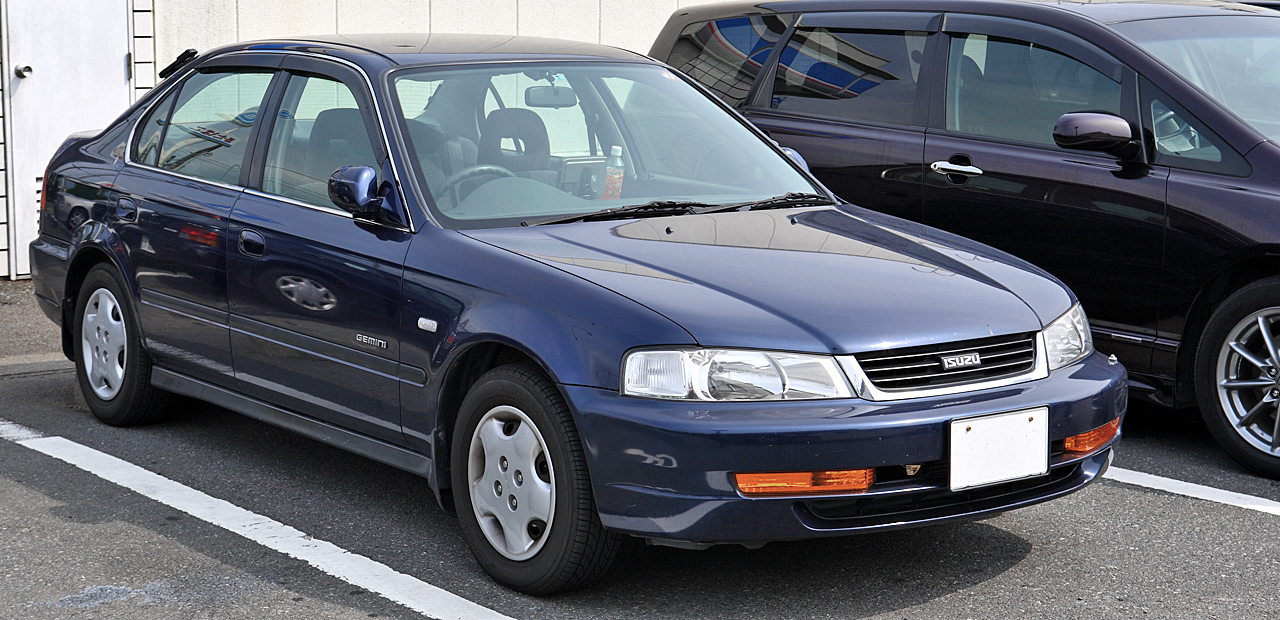
6. Isuzu Gemini
The Isuzu Gemini nameplate has one of the more complex histories in Japanese automotive collaborations, and during a specific generation, it became indirectly tied to Subaru engineering through platform-sharing agreements.
While earlier versions of the Gemini were developed with Honda, later export and rebadged iterations in certain markets drew heavily from Subaru’s compact sedan architecture, particularly the Impreza platform that featured Subaru’s signature boxer engine and symmetrical All Wheel Drive layout.
In these Subaru-influenced versions, the horizontally opposed engine played a central role in delivering stable handling and predictable driving dynamics. Subaru’s EJ series boxer engines were known for their durability and low center of gravity, which allowed the Gemini to maintain composed road behavior even under challenging driving conditions.
This mechanical foundation was particularly valuable in markets where road quality varied, as the boxer engine helped improve traction and stability when paired with Subaru’s AWD system.
Although Isuzu did not independently design the engine, the collaboration allowed it to offer a compact sedan that benefited from Subaru’s proven mechanical engineering.
The result was a vehicle that looked distinct from Subaru’s own lineup but shared a significant portion of its driving characteristics. For many buyers, the underlying Subaru connection was not immediately obvious, yet it defined the vehicle’s reliability and performance profile.
This example highlights how Subaru’s boxer engine architecture quietly influenced multiple manufacturers through platform sharing and export partnerships. Even when branding suggested a completely separate product, the mechanical DNA often pointed back to Subaru engineering.
- Engine: 2.0L Subaru FA20D boxer 4 cylinder
- Horsepower: 200 hp (stock engine, TRD tuning affects response, not peak power)
- Torque: 205 Nm
- Length: 4,240 mm
- Width: 1,775 mm
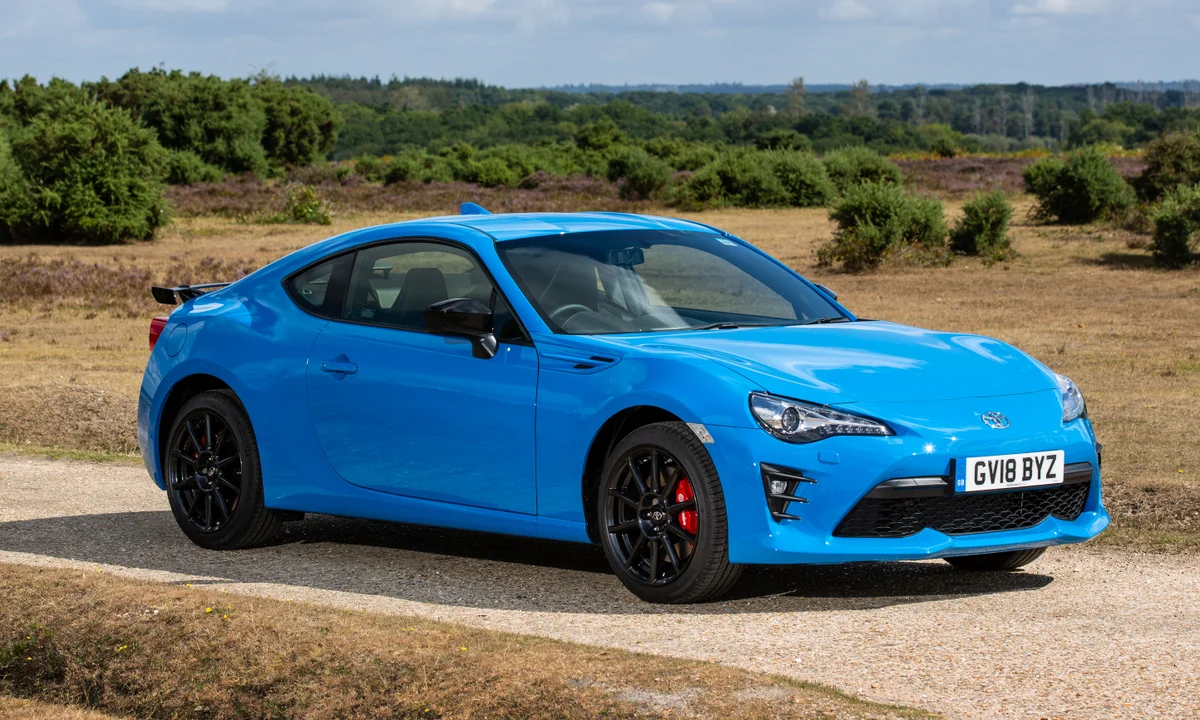
7. Toyota GT86 TRD
While the Toyota GT86 is widely known for its collaboration with Subaru, several regional and performance-focused variants further demonstrate how deeply Subaru’s boxer engine was integrated into Toyota’s sports car strategy.
The TRD (Toyota Racing Development) versions, along with special edition trims released in markets such as Japan, Europe, and Australia, retained the Subaru FA20 boxer engine as their core power unit while receiving performance enhancements and tuning refinements.
The FA20 engine in the GT86 platform was a naturally aspirated 2.0-liter boxer unit that emphasized balance and responsiveness over outright horsepower. Its horizontally opposed layout allowed engineers to mount it low in the chassis, contributing to the GT86’s exceptional handling dynamics.
In TRD variants, the engine was paired with upgraded exhaust systems, ECU recalibration, and improved intake systems to enhance throttle response and increase mid-range torque delivery.
Despite these modifications, the foundation remained unmistakably Subaru. The engine block, cylinder configuration, and core mechanical structure were all derived from Subaru’s engineering platform. Toyota’s role focused more on refinement, chassis tuning, and aesthetic enhancements rather than altering the fundamental powertrain architecture.
These performance variants demonstrate how flexible Subaru’s boxer engine platform had become. It could be adapted not only for standard production sports cars but also for specialized performance editions without requiring major redesigns.
This adaptability made it an ideal choice for Toyota’s global sports car strategy and reinforced Subaru’s position as a key engineering partner.
- Engine: 2.0L Subaru FA20 prototype boxer 4 cylinder
- Horsepower: ~200 hp (prototype tuning range)
- Torque: ~200 Nm (estimated development range)
- Length: 4,200–4,300 mm (concept variations)
- Width: ~1,770 mm
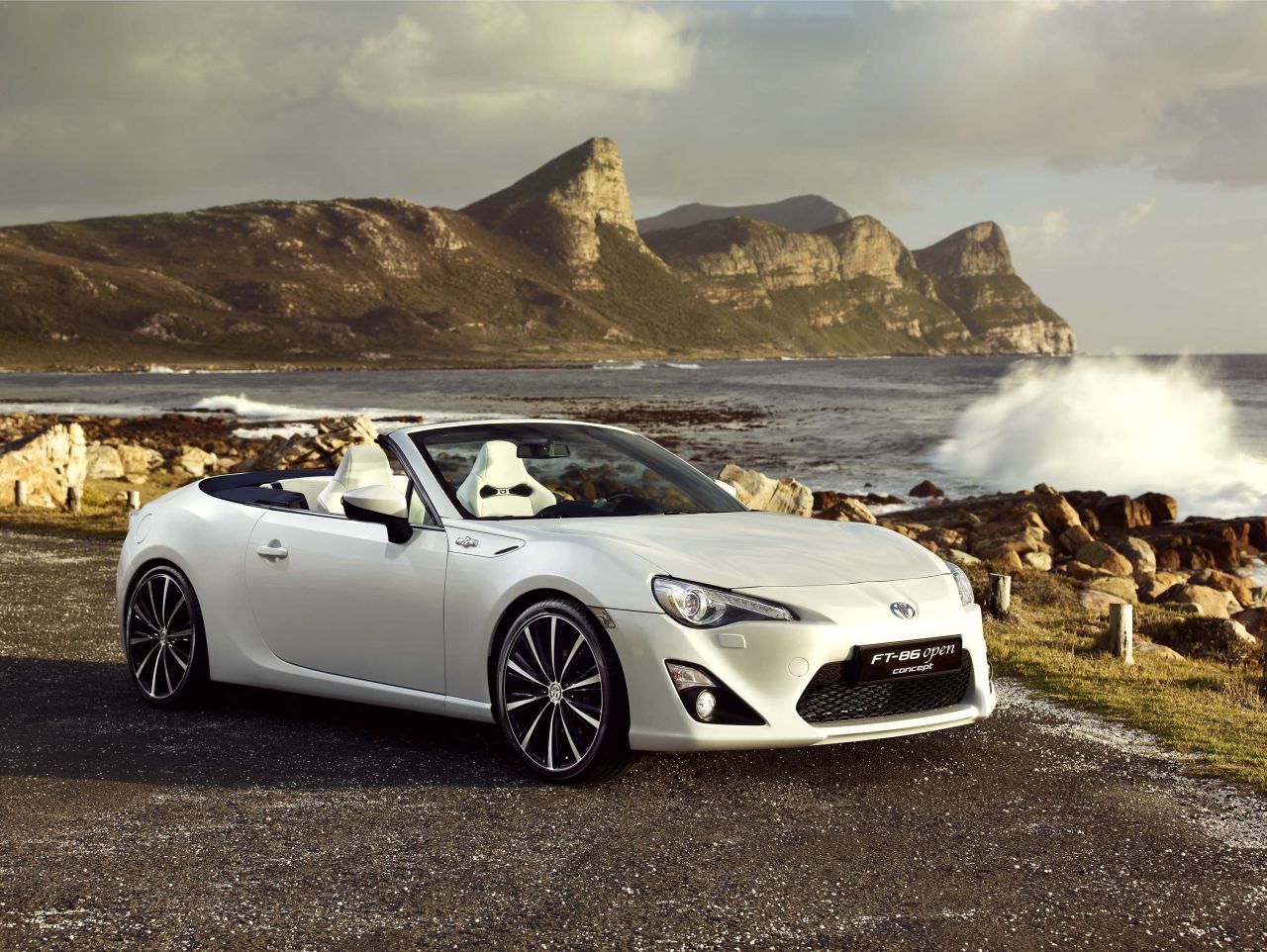
8. Toyota FT86 Concept and Development Prototypes
Before the production of the Toyota 86 and Subaru BRZ reached showrooms, the FT86 Concept and its associated development prototypes played a crucial role in shaping how Subaru’s boxer engine would be used in a non-Subaru-branded vehicle.
These early prototypes were heavily influenced by Subaru’s engineering input, particularly in selecting and adapting the FA series boxer engine for a new generation of lightweight sports coupes.
The concept phase was where Subaru’s engine philosophy became fully integrated into Toyota’s design vision. Engineers focused on ensuring the boxer engine could meet Toyota’s requirements for responsiveness, emissions compliance, and global reliability standards.
The resulting FA20 engine was chosen specifically because its compact flat layout allowed for optimal weight distribution and a low center of gravity, which were essential for the handling characteristics Toyota wanted to achieve.
During development testing, Subaru’s boxer engine underwent multiple tuning revisions to align with Toyota’s expectations for throttle response and drivability. This collaborative process ensured that the final production engine would satisfy both brands’ engineering philosophies while maintaining a consistent driving experience across all variants.
Although concept vehicles are not production models in the traditional sense, they are critical in understanding how Subaru’s boxer engine transitioned from a Subaru-exclusive component into a shared global platform.
The FT86 development program effectively established the blueprint for all subsequent Toyota Subaru sports car collaborations.
- Engine: Subaru EJ20 / EJ25 turbo boxer (varies by project)
- Horsepower: 250–500+ hp (build dependent)
- Torque: 350–600+ Nm (build dependent)
- Length: Not fixed (depends on donor chassis)
- Width: Not fixed (depends on donor chassis)
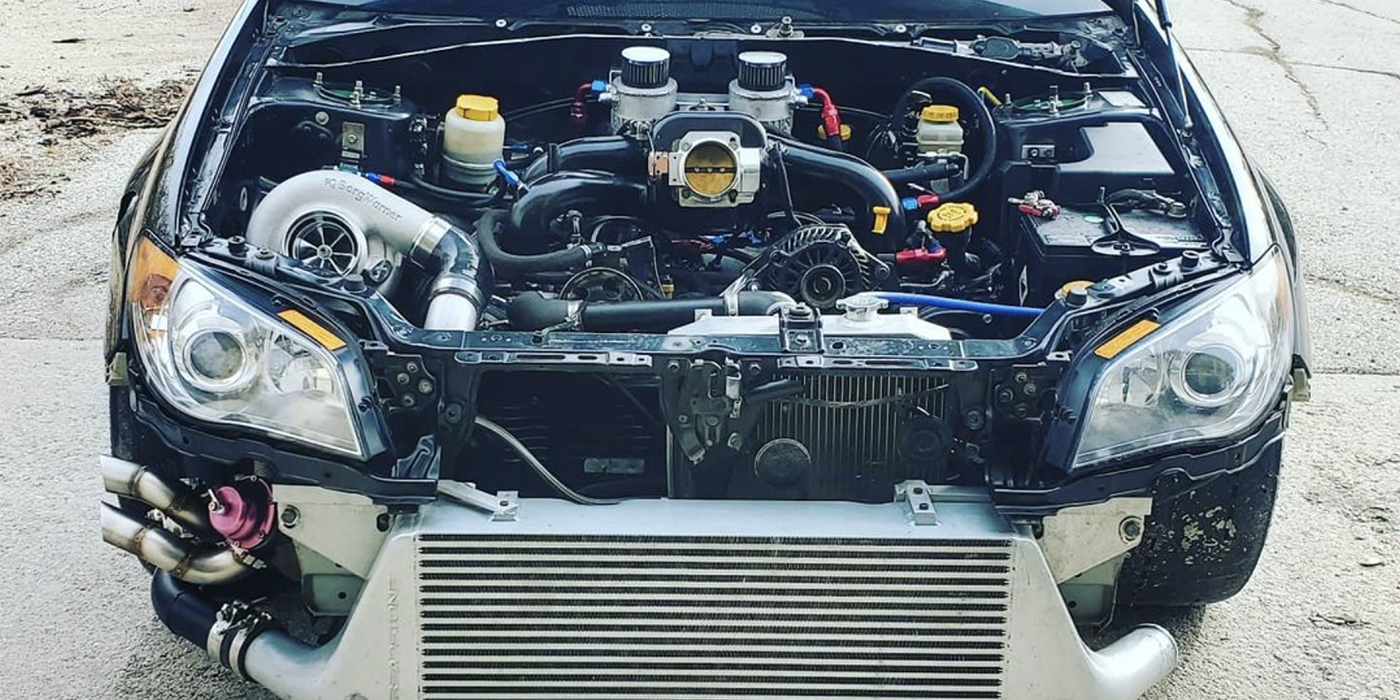
9. Subaru Engine Swapped Factory Motorsport
Beyond traditional rebadged or jointly developed road cars, Subaru boxer engines have also appeared in a range of factory-supported motorsport and homologation projects involving non-Subaru-branded vehicles or externally developed racing platforms.
In these cases, Subaru’s EJ and FA series engines were selected for their balance of reliability, low center of gravity, and strong torque characteristics, which made them highly competitive in endurance racing and rally-inspired builds.
In motorsport applications, the boxer engine layout provides a significant advantage by improving weight distribution and reducing rotational vibration.
This allows race teams to maintain higher stability during high-speed cornering and uneven terrain conditions. Subaru’s long history in rally racing further reinforced the reputation of its engines as durable and capable under extreme stress, making them attractive for collaborative racing programs.
Some special development projects involved integrating Subaru boxer engines into non-Subaru chassis for experimental racing or engineering validation purposes. These projects were often limited in production or existed solely as test platforms, but they demonstrated the versatility of Subaru’s engine architecture when adapted beyond its native vehicles.
Although these examples are not mainstream consumer cars, they are important in understanding the broader influence of Subaru’s boxer engine technology. They show that Subaru’s engineering impact extends beyond branding and into high-performance automotive development across multiple sectors.
