
When most people think about car theft, they imagine thieves targeting six-figure supercars parked outside luxury hotels or rare collector vehicles hidden inside climate-controlled garages.
Hollywood movies, television shows, and social media often reinforce the idea that expensive sports cars are the ultimate prize for criminals. The reality, however, is surprisingly different. Across the United States, the vehicle most likely to disappear from a parking lot or driveway is not an exotic Ferrari, Lamborghini, or McLaren.
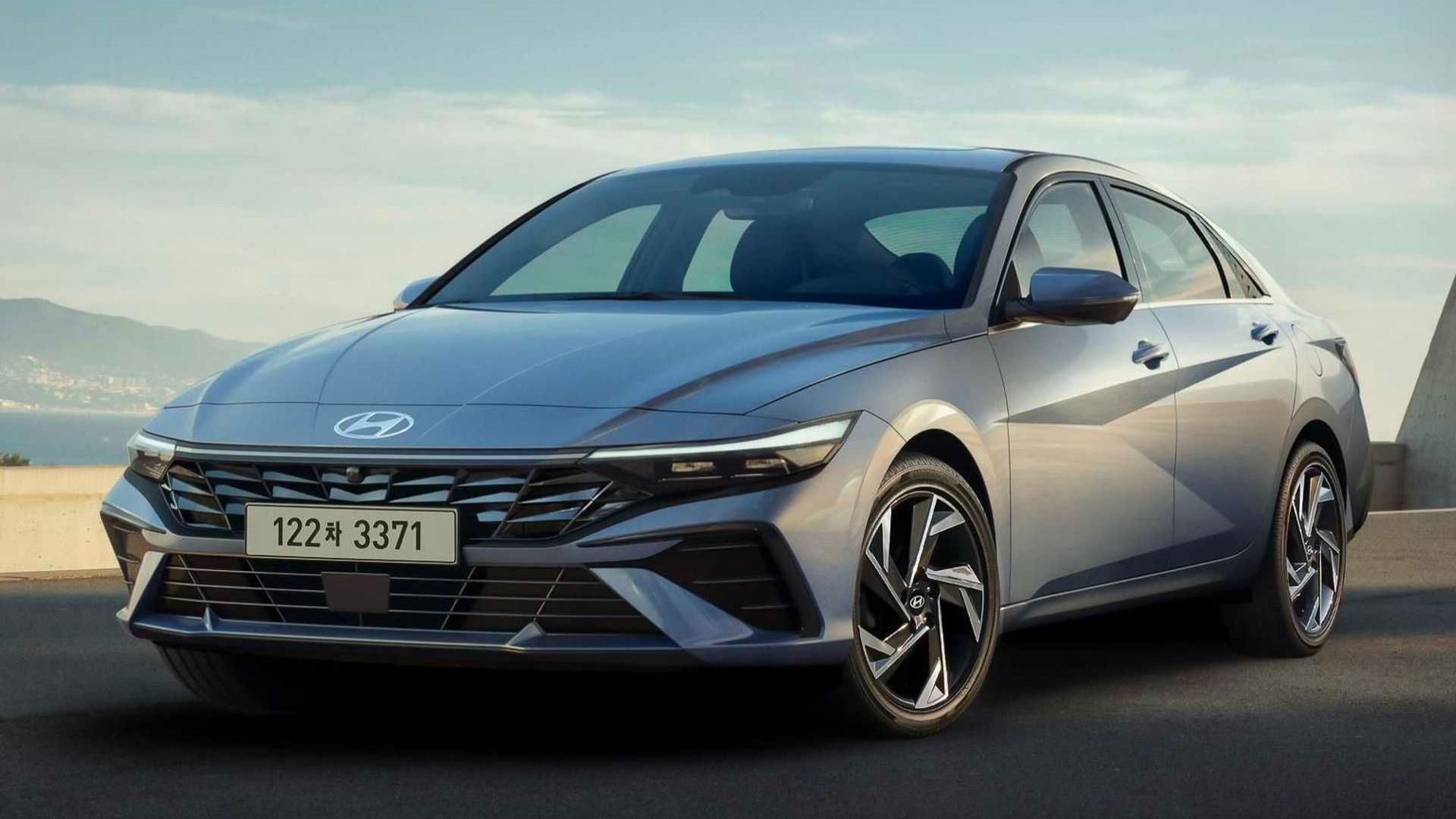
Instead, it is an affordable compact sedan that many Americans consider a practical daily commuter. The Hyundai Elantra, with a typical starting price of around $22,000 depending on the model year and trim, has become the nation’s most frequently stolen vehicle.
This unexpected ranking highlights an important truth about modern vehicle theft. Criminals often prioritize accessibility, weak security systems, replacement part demand, and ease of resale over prestige or market value.
For law enforcement agencies, insurance companies, and millions of vehicle owners, the rise of the Hyundai Elantra as America’s most stolen vehicle has become a significant case study in how small engineering decisions can create nationwide security problems.
The situation also highlights how viral social media trends, technological weaknesses, and high production numbers can converge to fuel an unprecedented wave of vehicle thefts. While car theft rates in the United States have fallen from their recent peak, affordable sedans continue to rank among the most frequently stolen vehicles because they are widely available, easily recognizable, and often lack the advanced anti-theft systems found in many newer luxury models.
Understanding why a modest sedan tops the theft charts instead of a high-performance supercar provides valuable insights into criminal behavior, automotive security, insurance costs, and the importance of modern theft prevention features.
This article explores why the Hyundai Elantra became America’s most stolen vehicle, the factors that contributed to its vulnerability, how manufacturers responded, what the latest theft data reveals, and what vehicle owners can do to better protect their cars from increasingly sophisticated thieves.
Also Read: 8 SUVs With The Most Space For Comfort
Why the Hyundai Elantra Became America’s Most Stolen Vehicle
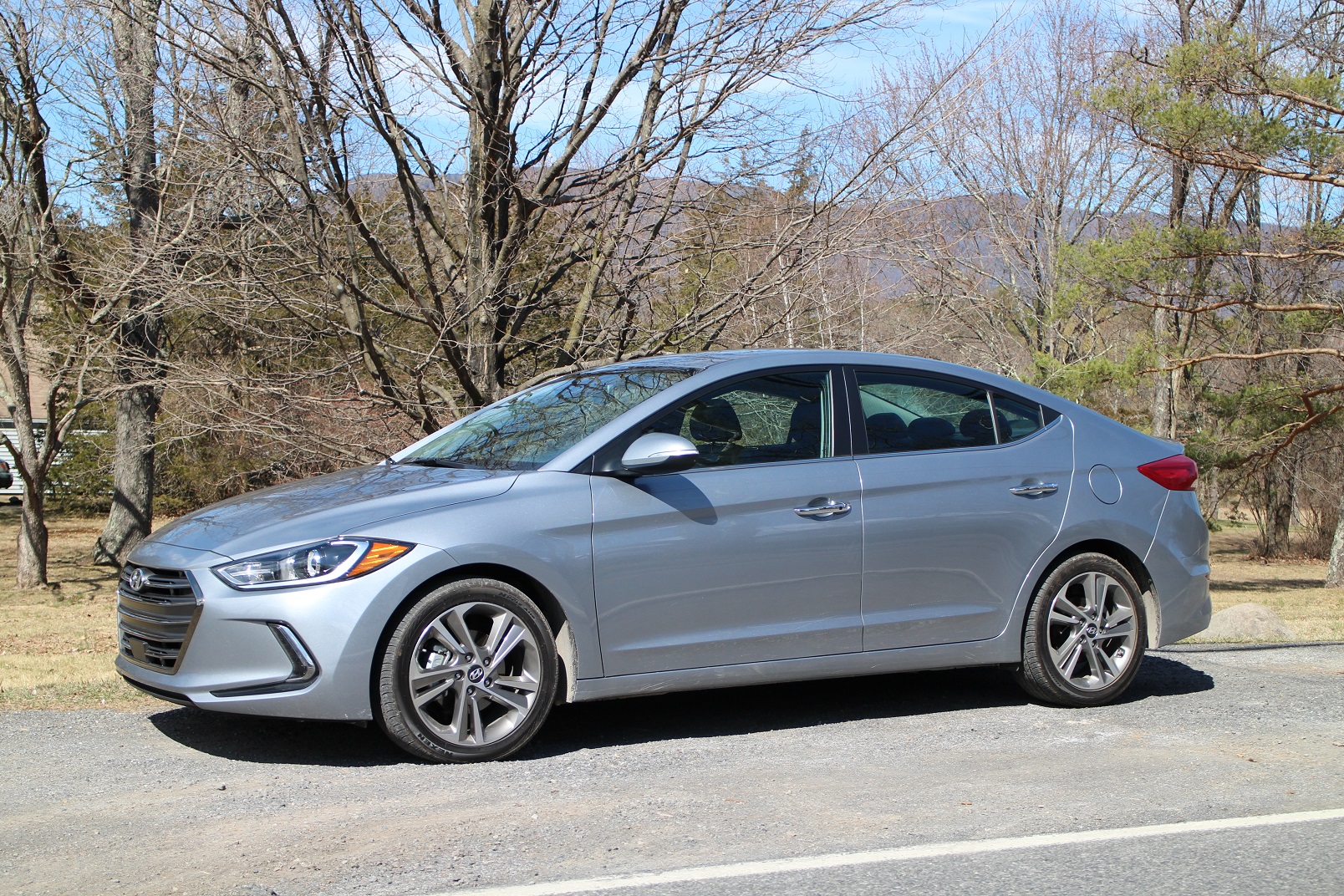
The rise of the Hyundai Elantra as the most stolen vehicle in the United States is not the result of luxury appeal or high resale value, but rather a combination of widespread availability, perceived vulnerability, and shifting criminal behavior patterns.
As one of the most common compact sedans on American roads, the Elantra naturally appears in large numbers in urban, suburban, and even rural environments. This high population density makes it a frequent target simply because opportunities exist everywhere.
Criminals who engage in vehicle theft often prefer predictable and easily accessible models rather than rare or exotic cars that draw attention. The Elantra fits this pattern perfectly because it blends into everyday traffic and is often parked in open residential areas or public parking lots where surveillance may be limited.
Another key factor is the evolution of theft techniques that disproportionately affected certain model years of the Hyundai Elantra. Older versions of the vehicle, especially those produced before the widespread adoption of modern immobilizer systems, became vulnerable to relatively low-skilled theft methods.
In some cases, criminals discovered that these vehicles could be started without requiring electronic authentication systems that are now standard in most modern cars. This created a ripple effect where specific model years became highly targeted, not because they were valuable, but because they were accessible.
Once awareness of this vulnerability spread, it significantly increased the frequency of theft attempts on these vehicles across multiple U.S. cities.
The role of social influence cannot be ignored when analyzing why the Hyundai Elantra leads theft statistics. Viral online content demonstrating how certain vehicles could be stolen with minimal tools contributed to a wave of imitation behavior among younger offenders.
The widespread sharing of these videos transformed what had once been limited criminal knowledge into a widely recognized method for stealing vehicles. Consequently, cars such as the Elantra became targets not only for seasoned thieves but also for individuals influenced by viral online challenges, causing theft rates to rise sharply. Law enforcement agencies across multiple states also reported increases in joyriding cases and stolen vehicles that were later abandoned after the videos gained widespread attention.
Economic factors also play an important role in making the Elantra a prime target. Unlike luxury vehicles, which are often stolen for resale in black markets or for export, compact sedans are frequently taken for short-term use, parts stripping, or quick resale of components.
The demand for affordable replacement parts keeps the secondary market active, which indirectly increases incentives for theft. The Hyundai Elantra, being one of the most commonly repaired sedans in the United States, has a large ecosystem of parts demand. This makes it attractive for criminals who dismantle vehicles and sell components individually, often generating quick profits with lower risk compared to selling an entire stolen vehicle.
Finally, insurance and demographic factors reinforce the pattern of targeting vehicles like the Elantra. Many owners of compact sedans are first-time buyers, students, or middle-income households who may not invest heavily in additional anti-theft devices or premium insurance coverage.
This creates a statistical environment where theft incidents are more likely to go unprevented or underreported in terms of preventive security upgrades. Insurance companies have responded by increasing premiums for certain model years of the Elantra, further highlighting the risk profile associated with the vehicle. Over time, these combined factors have solidified the Hyundai Elantra’s position at the top of vehicle theft rankings in the United States, despite its modest price and practical design.
The Role of Social Media and the “Kia Boyz” Effect on Theft Trends
One of the most significant modern influences on vehicle theft trends in the United States has been the role of social media in spreading step-by-step demonstrations of how certain vehicles can be stolen. The Hyundai Elantra, along with some related models from the same manufacturer group, became widely associated with viral content that showcased vulnerabilities in older ignition systems.
This trend is often referred to in law enforcement discussions as part of the broader “Kia Boyz” phenomenon, which began circulating on platforms like TikTok and YouTube. The content did not originate as organized criminal instruction in the traditional sense, but it quickly evolved into a pattern where viewers replicated what they saw, often without fully understanding the legal consequences or risks involved.
The spread of this content dramatically changed the profile of vehicle theft in several major cities. Instead of being driven primarily by organized crime groups, a noticeable portion of thefts involved teenagers and young adults engaging in opportunistic joyriding.
Police departments in cities such as Milwaukee, Chicago, and Los Angeles reported spikes in stolen vehicle incidents involving the same subset of models, including the Hyundai Elantra. Many of these incidents ended with abandoned vehicles recovered within hours or days, indicating that the motive was often short-term use rather than long-term financial gain.
This shift created additional strain on law enforcement resources because the same vehicles were being repeatedly stolen and recovered.
Another important factor is how quickly information spreads in the digital age. In previous decades, knowledge of vehicle vulnerabilities would have remained localized among small groups of offenders. Today, however, a single video can reach millions of viewers within days.
This rapid dissemination of techniques lowers the barrier to entry for inexperienced offenders, effectively expanding the pool of potential car thieves. The Hyundai Elantra became one of the unintended victims of this dynamic because its older models were already known to lack certain security features that are now standard in newer vehicles.
Manufacturers and regulators have since responded by accelerating software updates, issuing recalls, and encouraging owners to install aftermarket security systems. However, the challenge remains that once a vulnerability becomes widely known, it is difficult to fully reverse its impact.
Even when updates are available, not all owners apply them immediately, leaving a window of opportunity for continued theft. This lag between awareness and remediation has contributed to sustained theft rates even after initial countermeasures were introduced.
The broader implication of this trend is that vehicle theft is no longer purely a mechanical or physical security issue. It has become deeply connected to digital culture and information-sharing ecosystems.
The Hyundai Elantra case demonstrates how a relatively simple design weakness, when combined with viral social media exposure, can escalate into a nationwide security problem affecting insurance markets, policing strategies, and consumer behavior. It also highlights how modern crime trends are increasingly shaped by online influence rather than traditional criminal networks alone.
Also Read: 7 Most Reliable Motorcycles You Can Buy Today
How Weak Immobilizer Systems Created a Nationwide Security Problem
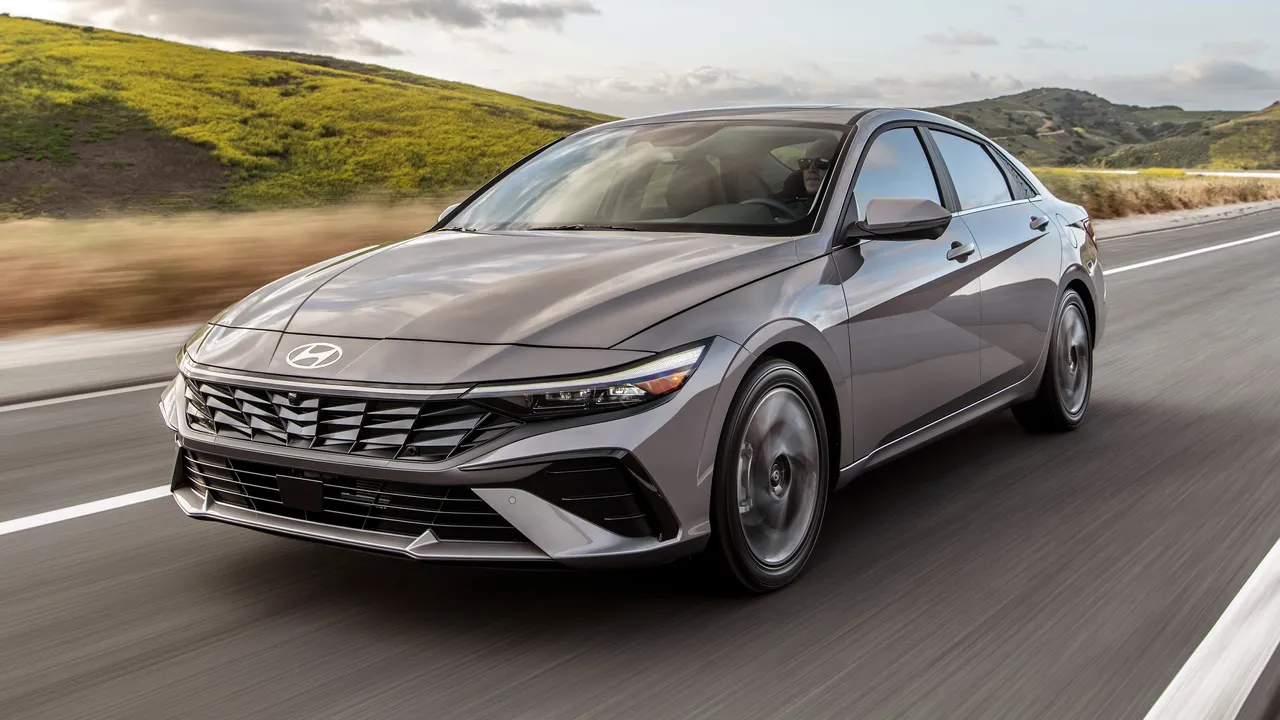
A major technical reason the Hyundai Elantra became the most stolen vehicle in the United States is tied to the absence or inconsistency of engine immobilizer systems in certain model years.
An immobilizer is an electronic security feature that prevents a vehicle from starting unless the correct key or encrypted signal is present. In modern cars, this system is standard and acts as a critical barrier against unauthorized ignition.
However, many earlier compact sedans, including specific Hyundai Elantra models, were either not equipped with this feature or had variations in security implementation depending on market and production year. This inconsistency created a vulnerability that could be exploited far more easily than thieves would expect in newer vehicles.
The impact of this design gap became especially significant because immobilizers are one of the most effective anti-theft technologies in the automotive industry. Without them, vehicles rely more heavily on mechanical ignition systems that are comparatively easier to bypass with basic tools.
While this does not make theft effortless in a professional sense, it lowers the skill threshold required to attempt it successfully. Once it became widely known that certain Elantra models lacked this protection, those vehicles quickly moved to the top of opportunistic theft lists in multiple cities across the United States.
Manufacturers have since acknowledged this issue and moved to standardize immobilizer systems across all new vehicles. However, the damage had already been done for earlier production models. Millions of vehicles remained on the road without this layer of protection, creating a long-term security concern.
Even when upgrades and software-based solutions became available, not all owners took advantage of them immediately. This created uneven security coverage, where some vehicles in the same model range were significantly more vulnerable than others parked nearby.
Insurance companies responded to this vulnerability by adjusting risk assessments for affected models. In some regions, premiums for Hyundai Elantra owners increased noticeably, especially for older model years.
This was not necessarily due to the intrinsic value of the car, but rather its statistical likelihood of being targeted. The result is a clear example of how engineering decisions can have cascading financial consequences far beyond the manufacturing stage, influencing insurance markets, consumer costs, and even urban crime patterns.
The immobilizer issue demonstrates how a relatively small technological omission can create a large-scale national problem when combined with high vehicle availability and viral exposure.
The Hyundai Elantra’s rise to the top of theft statistics is therefore not just a story about crime, but also about how automotive security standards have evolved and why uniform implementation is essential for reducing vulnerabilities across entire vehicle fleets.
Insurance Costs, Economic Incentives, and Criminal Behavior
Vehicle theft is not driven solely by opportunity or technical vulnerability, but also by economic incentives that shape criminal decision-making. The Hyundai Elantra’s position as America’s most stolen vehicle reflects how affordability, part demand, and resale opportunities can collectively influence theft patterns.
While supercars may have higher individual value, they are often harder to steal, more closely tracked, and more difficult to resell without detection. In contrast, compact sedans like the Elantra offer a lower risk, higher volume alternative that can be exploited in multiple ways.
One of the most important economic drivers is the strong demand for used auto parts. The Hyundai Elantra is one of the most commonly owned compact sedans in the United States, which means replacement parts are consistently needed in repair markets.
Components such as headlights, catalytic converters, airbags, and electronic modules can be sold individually, often generating more profit than selling an entire stolen vehicle at once. This parts-based theft economy reduces risk for criminals because dismantled vehicles are harder to trace and easier to distribute across informal markets.
Insurance markets also play a significant role in shaping theft trends. When a specific vehicle model experiences a spike in theft incidents, insurance companies adjust premiums to reflect the increased risk. For owners of the Hyundai Elantra, especially older models, this has led to higher insurance costs in certain regions.
These increases are based on statistical probability rather than individual driving behavior, meaning even responsible owners are affected. Over time, this can influence consumer purchasing decisions and even resale values, creating a long-term economic ripple effect.
Another factor is the relative anonymity of compact sedans. Unlike luxury vehicles, which often attract attention due to their appearance, compact cars blend into everyday traffic. This makes them easier to steal and abandon without immediate detection.
In many reported cases, stolen Elantras are used temporarily for transportation or joyriding before being discarded. This behavior reduces the risk of long-term tracking or recovery efforts, further incentivizing short-term theft over organized resale operations.
These economic factors demonstrate that vehicle theft is not just a matter of security weakness but also of market dynamics. The Hyundai Elantra’s prominence in theft statistics reflects how criminals respond rationally to incentives, choosing vehicles that are abundant, easy to exploit, and financially useful in parts markets. This intersection of economics and security continues to shape modern vehicle crime patterns across the United States.
Manufacturer Response and Security Upgrades
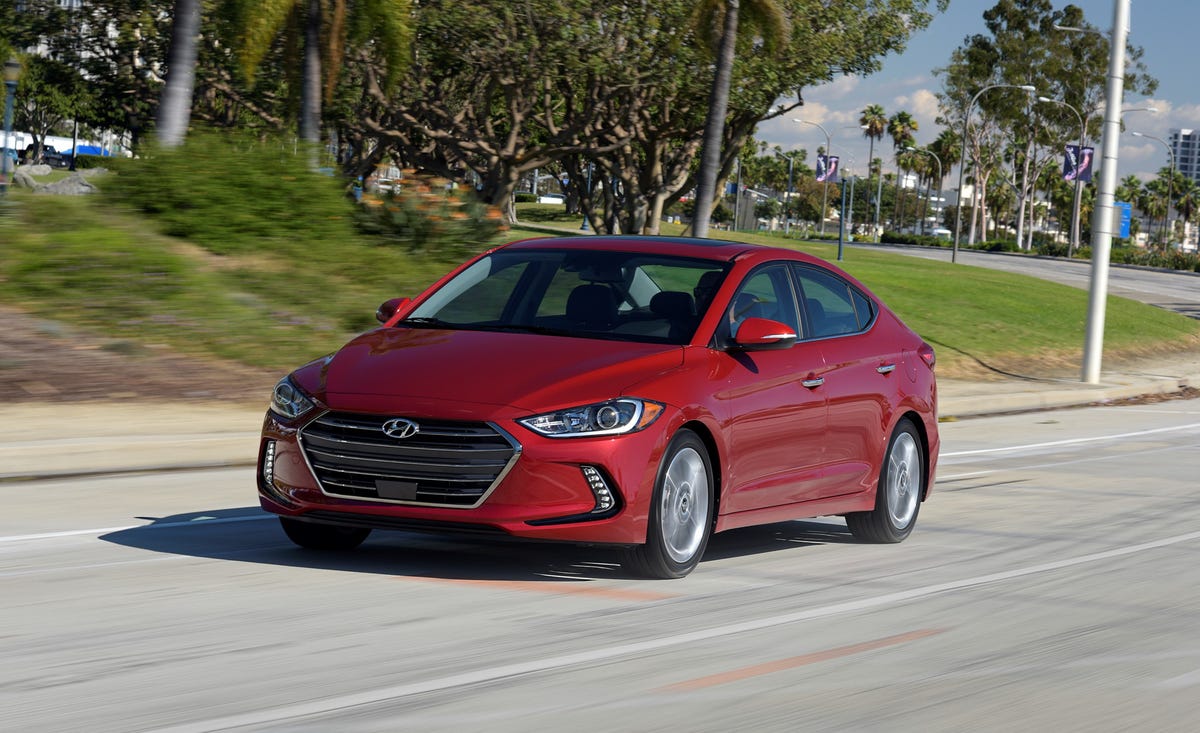
As theft rates involving the Hyundai Elantra increased, manufacturers faced growing pressure to respond with both immediate and long-term solutions. One of the primary responses involved expanding immobilizer technology to ensure all new production vehicles included standardized electronic security systems.
This move aligned Hyundai with industry-wide best practices, where immobilizers have become a baseline requirement rather than an optional feature. By integrating these systems more consistently, newer models significantly reduce the risk of unauthorized ignition attempts.
In addition to hardware improvements, manufacturers also collaborated with law enforcement agencies and insurance companies to raise awareness among vehicle owners. Public service campaigns encouraged drivers of older Hyundai Elantra models to adopt additional protective measures, such as steering wheel locks, alarm systems, and software updates where available.
In some cases, manufacturers provided free or discounted security kits designed to deter opportunistic theft. These measures aimed to reduce vulnerability in vehicles already on the road, even if they lacked factory-installed upgrades.
Software updates also played a role in mitigating risk for certain model years. While not all security vulnerabilities can be solved through software alone, updates helped strengthen electronic control systems and reduce exploitability in specific configurations.
However, the effectiveness of these updates depended heavily on owner participation. Vehicles that received updates saw reduced risk, while those that did not remained exposed to known vulnerabilities.
Manufacturers also worked closely with municipalities experiencing spikes in theft incidents. In some cities, coordinated efforts included distributing steering wheel locks to owners of high-risk vehicles and increasing patrols in areas where thefts were concentrated.
These localized responses helped reduce short-term theft rates but did not fully eliminate the underlying issue, particularly in regions where large numbers of vulnerable vehicles remained in circulation.
The response to Hyundai Elantra theft trends illustrates the complexity of addressing modern vehicle security challenges. Solutions require coordination between manufacturers, law enforcement, insurers, and consumers. While improvements have reduced the vulnerability of newer vehicles, the long tail of older models continues to influence national theft statistics.
