
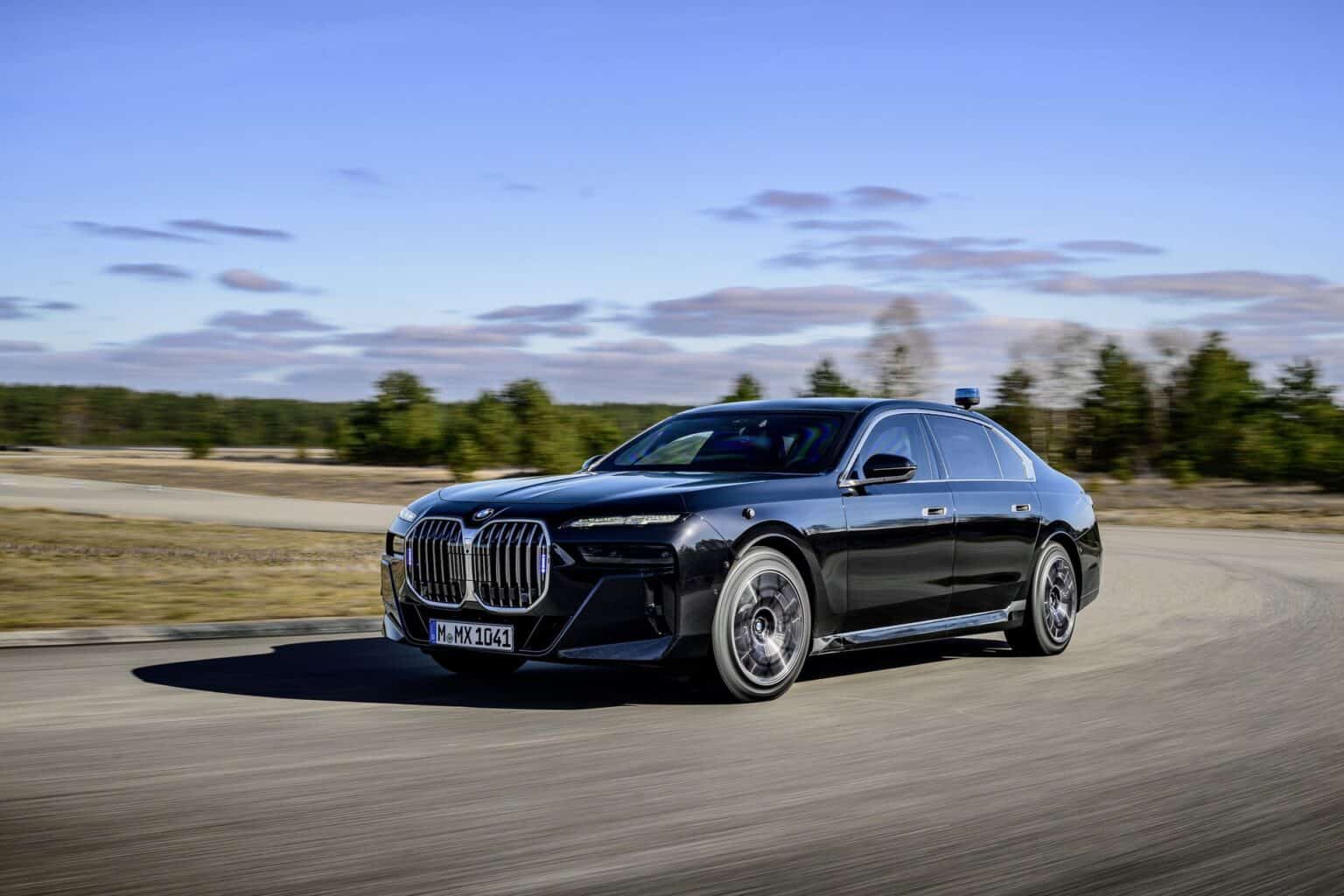
Voice command systems in modern vehicles have transformed the way drivers interact with their cars. What once required pressing multiple buttons, navigating complex infotainment menus, or physically adjusting settings can now be done using simple spoken instructions.
This shift has significantly improved driving convenience, safety, and user experience. As automotive technology continues to evolve, voice assistants are becoming more intelligent, responsive, and deeply integrated with vehicle systems.
In today’s automotive market, voice command systems are no longer limited to premium luxury cars. They are now available across a wide range of vehicles, from affordable sedans to high-end electric cars and SUVs.
These systems allow drivers to control navigation, climate settings, music, phone calls, and even vehicle diagnostics without taking their hands off the steering wheel or eyes off the road. This improvement in human-machine interaction is a key step toward safer and more intuitive driving.
Manufacturers such as Tesla, BMW, Mercedes-Benz, Audi, Toyota, Ford, Honda, and Hyundai have invested heavily in developing advanced voice recognition technologies.
These systems often integrate artificial intelligence and cloud-based processing to understand natural language better than ever before. Instead of rigid command phrases, many modern systems can interpret conversational requests, making interaction feel more natural and less technical.
Voice command systems also play a major role in enhancing accessibility. Drivers who may have difficulty using touch interfaces or physical controls can benefit from hands-free interaction. Additionally, these systems reduce distractions, which is a major factor in road safety. By minimizing the need to look away from the road, voice control contributes to reducing accident risks caused by manual device handling.
Modern voice assistants in cars are often linked with smartphones, smart home devices, and online services. This means drivers can check messages, control smart home appliances, get real-time traffic updates, or even search for nearby locations using only their voice. As a result, the car becomes an extension of the driver’s digital ecosystem.
This article explores eight vehicles that feature advanced voice command systems. Each vehicle demonstrates how different automakers approach voice technology, ranging from AI-driven assistants to hybrid systems that combine touch, voice, and gesture controls. These examples highlight the growing importance of voice interaction in shaping the future of driving.
Also Read: 8 SUVs With The Most Space For Comfort
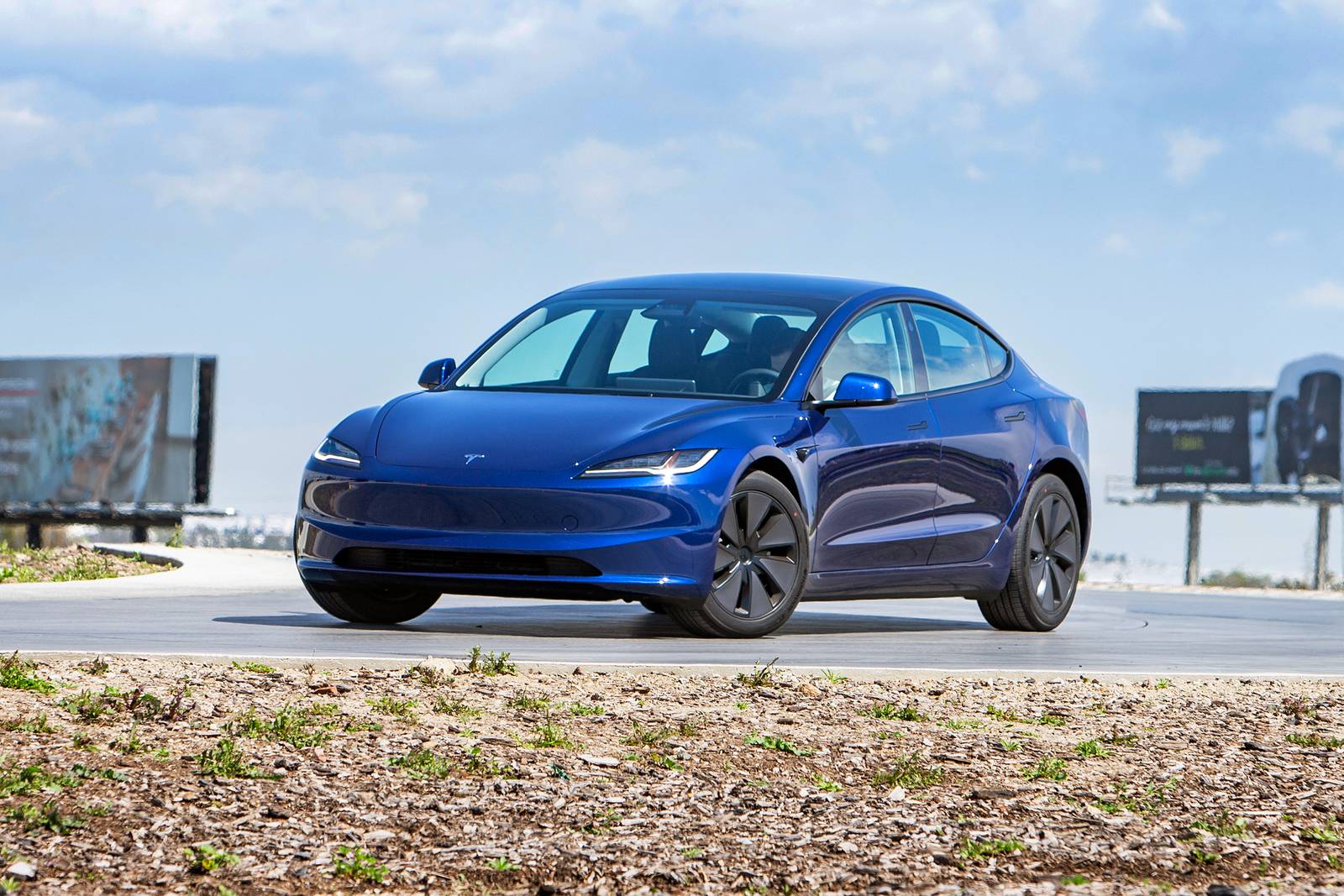
- Engine Type: Single motor rear wheel drive or dual motor all wheel drive electric setup
- Horsepower: Approximately 283 hp to 498 hp, depending on variant
- Torque: Approximately 420 Nm to 660 Nm (instant electric torque varies by trim)
- Length: 4694 mm
- Width: 1850 mm
1. Tesla Model 3 Voice Command System
The Tesla Model 3 is one of the most recognized electric vehicles in the world, and its voice command system is a key part of its minimalist yet highly advanced interior design.
Instead of relying heavily on physical buttons, the Model 3 uses a central touchscreen combined with voice controls to manage most vehicle functions. This approach aligns with Tesla’s philosophy of reducing complexity while maximizing functionality.
One of the strongest aspects of the Tesla Model 3 voice system is its natural language processing capability. Drivers can issue commands like adjusting cabin temperature, navigating to a destination, or playing specific music tracks.
The system is designed to understand conversational phrases rather than strict command syntax, which makes it easier for users to adapt quickly.
Voice commands can be used to set destinations, search for charging stations, and modify route preferences. This is particularly useful for electric vehicle owners who need real-time access to charging infrastructure while traveling. The system reduces the need for manual input, especially during long trips.
The Tesla Model 3 also benefits from over-the-air updates, which continuously improve the voice command system. This means that the vehicle’s capabilities can evolve over time without requiring hardware changes. New voice features, improved recognition accuracy, and expanded functionality are regularly added, keeping the system modern and competitive.
The voice system in the Tesla Model 3 represents a shift toward software-driven automotive experiences. It demonstrates how artificial intelligence and voice interaction can replace traditional controls while still offering precision, convenience, and user-friendly operation.
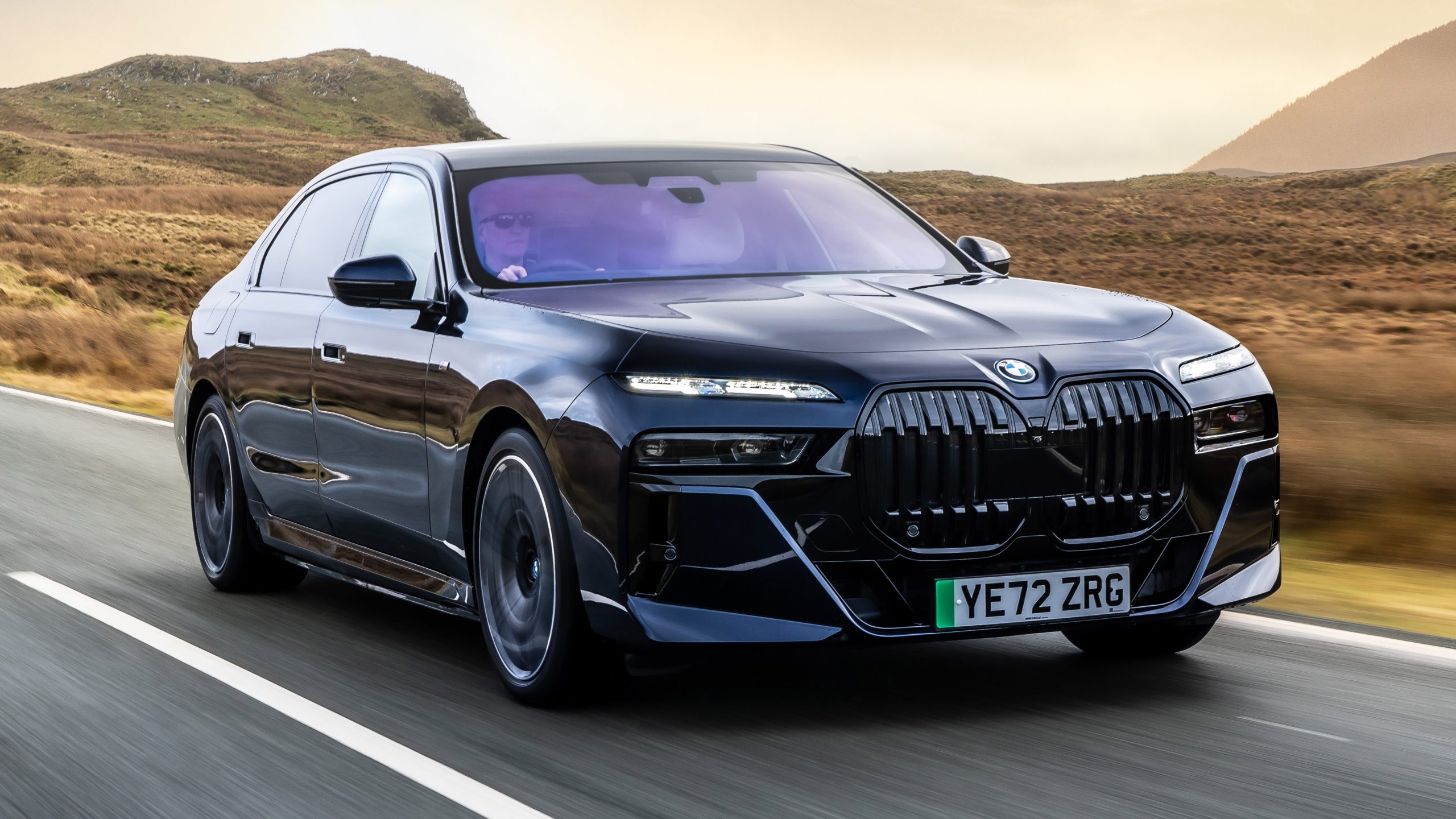
- Engine Type: 3.0L turbocharged inline 6 (740i), 4.4L twin turbo V8 (760i), plus electric i7 variants
- Horsepower: 375 hp to 536 hp (ICE variants)
- Torque: 520 Nm to 750 Nm
- Length: 5391 mm
- Width: 1950 mm
2. BMW 7 Series Voice Command System
The BMW 7 Series is a flagship luxury sedan that showcases one of the most sophisticated voice command systems in the automotive industry. BMW has developed its Intelligent Personal Assistant, which allows drivers to interact with the vehicle using natural speech. This system is designed to feel like a personal co-driver that responds instantly and accurately to requests.
A key strength of the BMW 7 Series voice system is its deep integration with vehicle functions. Drivers can control climate settings, seat adjustments, ambient lighting, navigation, and entertainment simply by speaking. For example, a driver can say to increase the cabin temperature or find the nearest restaurant, and the system responds without requiring manual interaction.
The system also supports contextual understanding. This means it can interpret follow-up questions and remember previous commands during a conversation. For instance, if a driver asks for nearby fuel stations and then says “navigate to the first one,” the system understands the context without needing repetition. This makes the interaction feel more human-like and intuitive.
The BMW Intelligent Personal Assistant adapts to driver behavior over time. It can recognize frequently used commands and suggest shortcuts or automate certain tasks. This personalization enhances convenience and reduces repetitive actions, improving the driving experience.
The BMW 7 Series integrates voice control with advanced digital displays and gesture controls, creating a multimodal interface. This combination ensures that drivers can choose the most comfortable way to interact with the vehicle depending on the situation. The result is a highly refined system that reflects BMW’s focus on luxury, technology, and driver comfort.
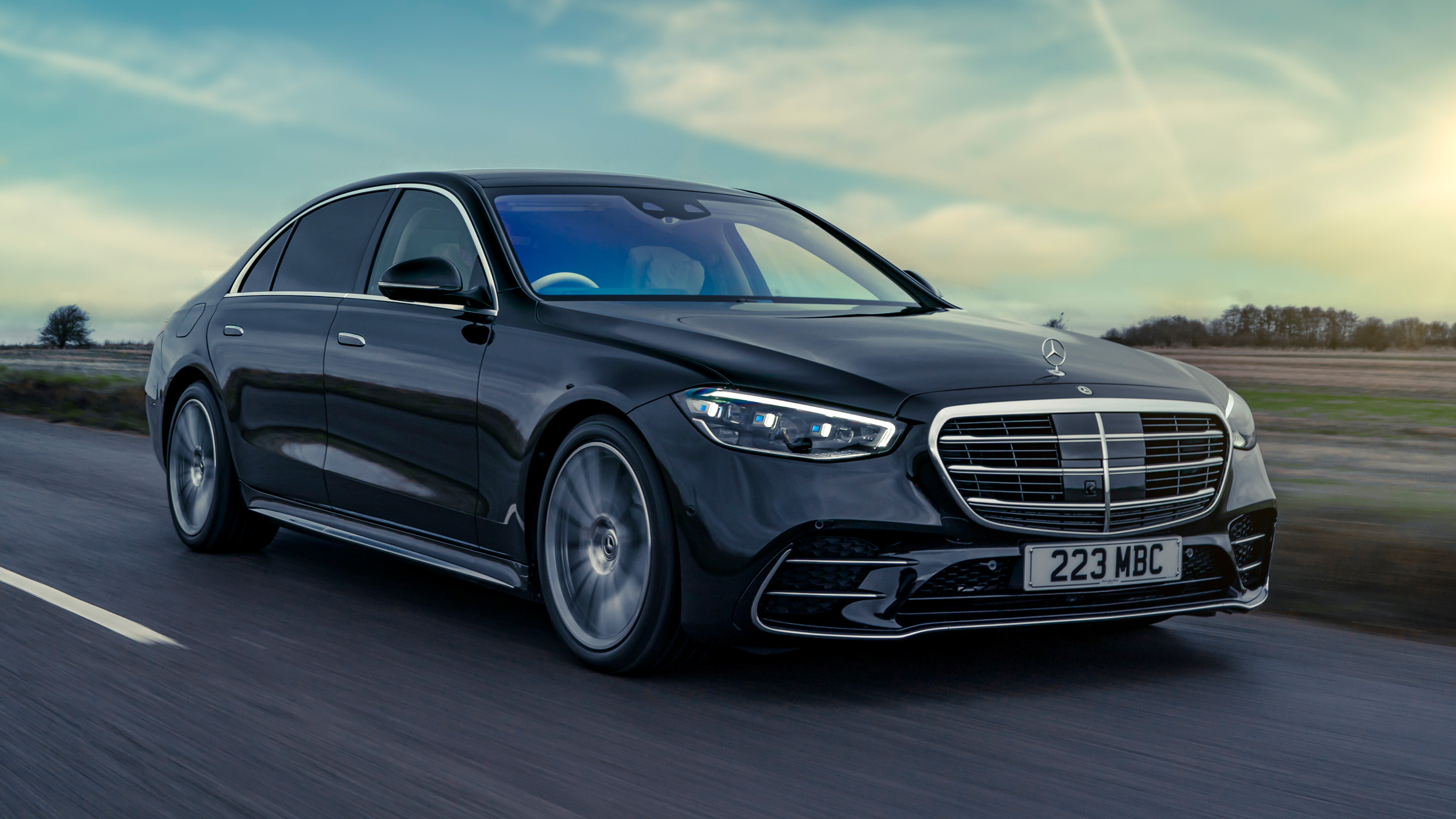
- Engine Type: 3.0L inline 6 turbo mild hybrid (S500), 4.0L V8 biturbo (S580)
- Horsepower: 429 hp to 496 hp
- Torque: 520 Nm to 700 Nm
- Length: 5289 mm
- Width: 1954 mm
3. Mercedes-Benz S-Class Voice Command System
The Mercedes-Benz S-Class is widely regarded as one of the most advanced luxury sedans in the automotive world, and its voice command system plays a major role in defining its futuristic driving experience. Mercedes-Benz has developed the MBUX (Mercedes-Benz User Experience) system, which is powered by artificial intelligence and designed to understand natural conversational speech.
This allows drivers to interact with the vehicle in a way that feels more like speaking to a human assistant rather than issuing rigid technical commands. The system is activated simply by saying “Hey Mercedes,” after which it listens and responds to a wide range of requests.
One of the most impressive features of the S-Class voice system is its ability to control nearly every aspect of the vehicle. Drivers can adjust climate settings, seat massage functions, ambient lighting, sunroof positions, and navigation routes using only their voice.
This reduces the need to interact with physical controls or touchscreen menus, which helps maintain focus on the road. The system is also highly responsive to natural phrasing, meaning users do not need to memorize exact command structures, making it accessible even for first-time users.
An advantage of the MBUX system in the S-Class is its learning capability. The system adapts to the driver’s habits over time, recognizing frequently used commands and offering personalized suggestions.
For example, if a driver often sets a specific cabin temperature or drives to a recurring destination, the system can proactively suggest these actions. This predictive intelligence creates a more seamless and personalized driving environment.
The voice assistant is also integrated with online services, allowing it to provide real-time information such as weather updates, traffic conditions, and nearby points of interest.
This connectivity ensures that the driver receives useful contextual data without needing to interact manually with a smartphone or navigation screen. In long-distance travel scenarios, this feature becomes especially valuable for planning efficient routes.
The Mercedes-Benz S-Class voice command system represents one of the most refined implementations of in-car AI assistance. It combines luxury, intelligence, and convenience in a way that enhances both safety and comfort, making it a benchmark in the automotive industry.
Also Read: 7 Most Reliable Motorcycles You Can Buy Today
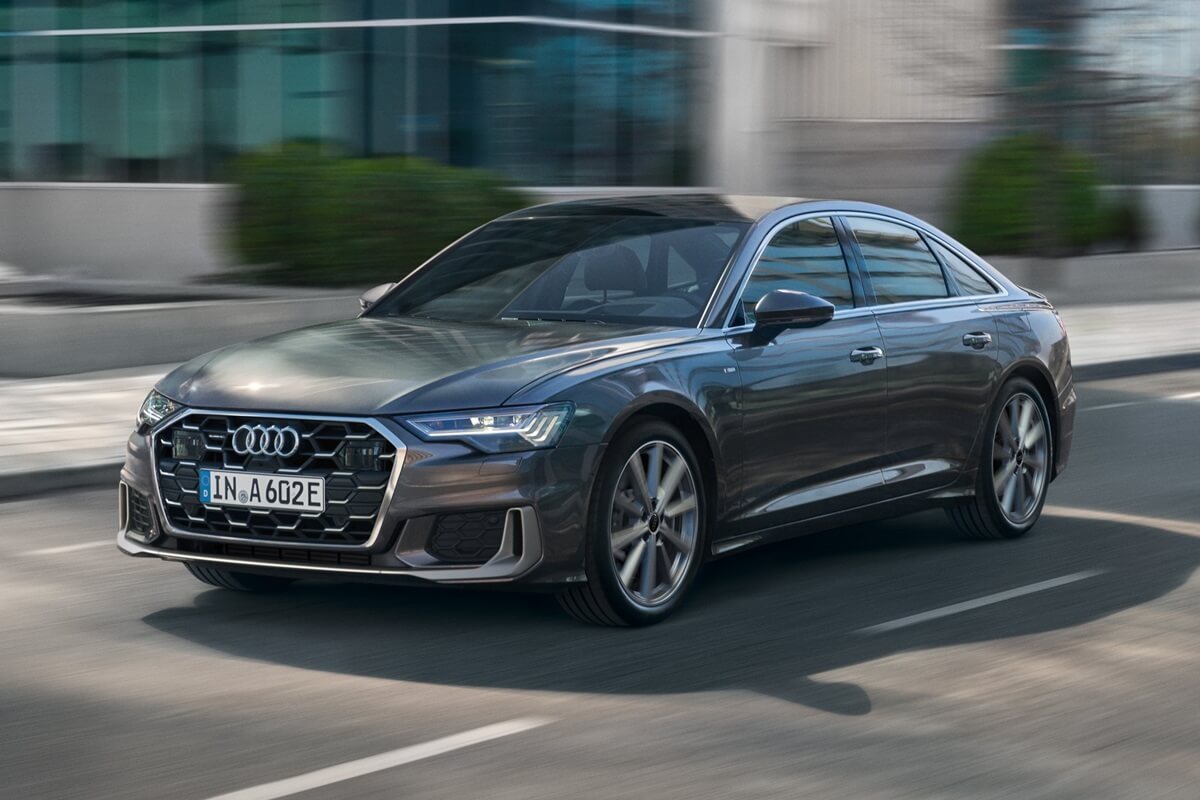
- Engine Type: 2.0L turbocharged inline 4, 3.0L V6 turbo mild hybrid
- Horsepower: 201 hp to 335 hp
- Torque: 320 Nm to 500 Nm
- Length: 4939 mm
- Width: 1886 mm
4. Audi A6 Voice Command System
The Audi A6 is a premium executive sedan that integrates advanced voice command technology through the Audi MMI (Multi Media Interface) system.
Audi has focused on creating a voice assistant that feels intuitive, responsive, and tightly integrated with both entertainment and driving functions. By using natural language processing, the system allows drivers to issue commands in everyday speech rather than structured phrases, making interaction smoother and more user-friendly.
One of the key strengths of the Audi A6 voice system is its integration with navigation and infotainment features. Drivers can ask for directions, search for specific destinations, or request traffic updates without touching the screen.
For example, saying a phrase like “take me to the nearest gas station” will immediately trigger route suggestions based on real-time data. This reduces distractions and improves driving safety, especially in unfamiliar areas.
The system also extends to multimedia control, allowing users to play music, change radio stations, or adjust volume settings through voice commands. This hands-free control enhances convenience during driving, particularly on long journeys where manual interaction can become distracting or inconvenient. The voice assistant is designed to recognize a wide variety of music and media requests, making it highly flexible.
Audi has also integrated smartphone connectivity into the A6 voice system. This allows drivers to send messages, make calls, and access certain mobile apps using voice input.
The synchronization between the car and smartphone ecosystem creates a unified digital experience that keeps the driver connected without compromising safety. This is especially important in modern vehicles where connectivity is a major expectation.
The Audi A6 voice system continues to improve through software updates. These updates refine speech recognition accuracy, expand command capabilities, and improve system responsiveness. As a result, the vehicle remains technologically relevant even years after purchase.
The Audi A6 demonstrates how voice control enhances the driving experience by combining practicality, intelligence, and seamless connectivity.
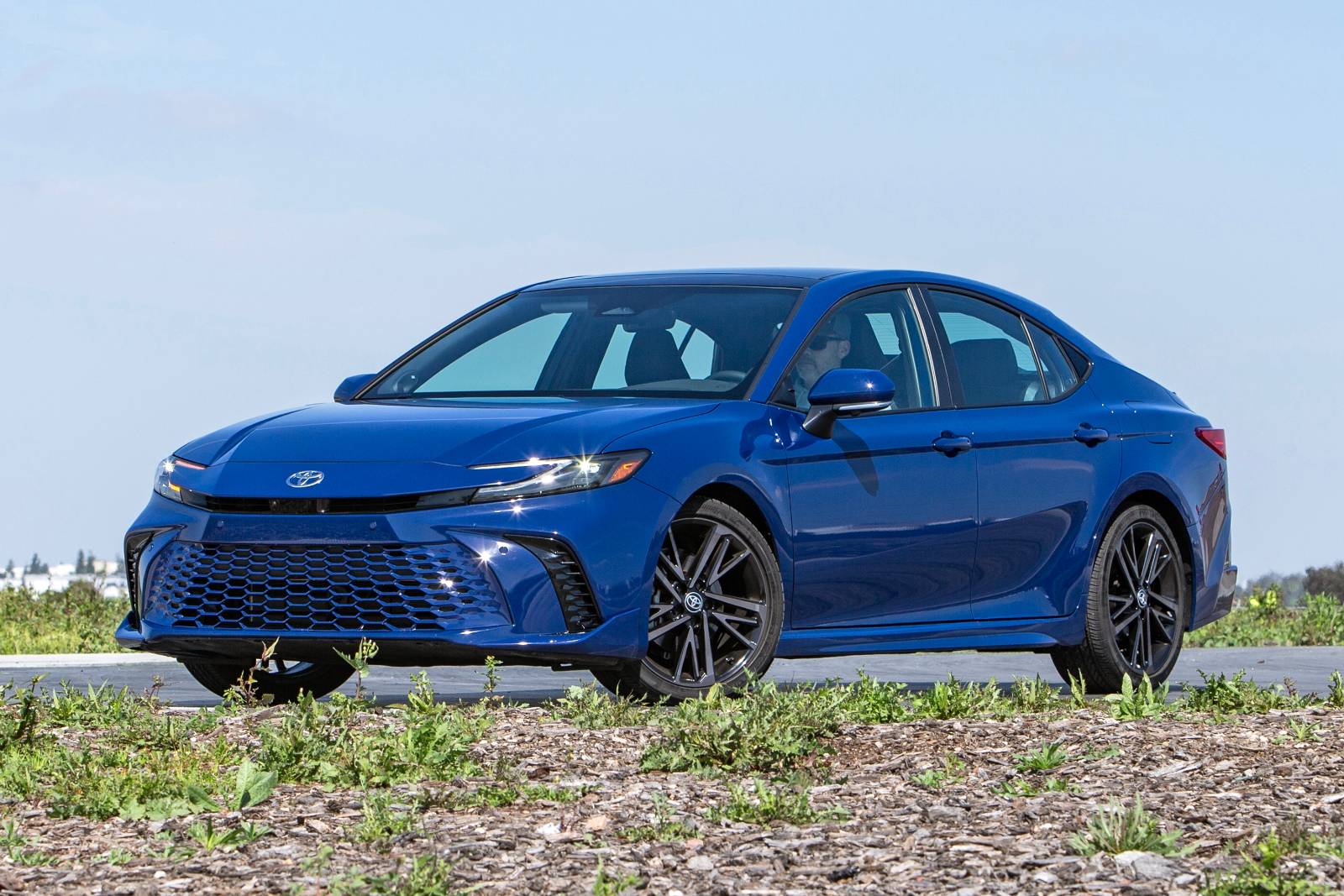
- Engine Type: 2.5L hybrid inline-4 with electric motor (FWD or AWD)
- Horsepower: 225 hp (FWD) / 232 hp (AWD)
- Torque: 163 lb-ft (221 Nm)
- Length: 193.5 in (4,915 mm)
- Width: 72.4 in (1,839 mm)
5. Toyota Camry Voice Command System
The Toyota Camry is one of the most popular mid-size sedans globally, and its voice command system reflects Toyota’s focus on reliability, ease of use, and practical technology integration. Unlike overly complex systems found in some luxury vehicles, the Camry prioritizes simplicity and functionality, making its voice assistant accessible to a wide range of drivers. Toyota has integrated its voice recognition features into the Toyota Entune and newer Toyota Audio Multimedia systems, allowing users to control essential functions with minimal effort.
One of the most useful aspects of the Camry’s voice system is its ability to manage navigation and communication tasks efficiently. Drivers can request directions, search for nearby destinations, or initiate phone calls without touching the screen. This is especially beneficial in urban traffic conditions where manual interaction can be distracting. The system is designed to interpret common speech patterns, which reduces the learning curve for new users.
The voice command system also extends to multimedia control, allowing drivers to play music, switch audio sources, and adjust volume settings. This ensures that entertainment features remain easily accessible while keeping attention focused on driving. Toyota has designed the system to prioritize essential commands, which helps reduce errors and improve response accuracy during real-world use.
The Camry’s voice system works with connected mobile devices to send messages, read notifications, and access compatible apps. This integration creates a more connected driving experience without requiring physical interaction with the phone. It is particularly useful for professionals who need to stay connected while on the road.
The Toyota Camry has a well-designed voice command system that can enhance everyday driving without unnecessary complexity. It focuses on reliability and usability, making it one of the most practical implementations of voice technology in its class.
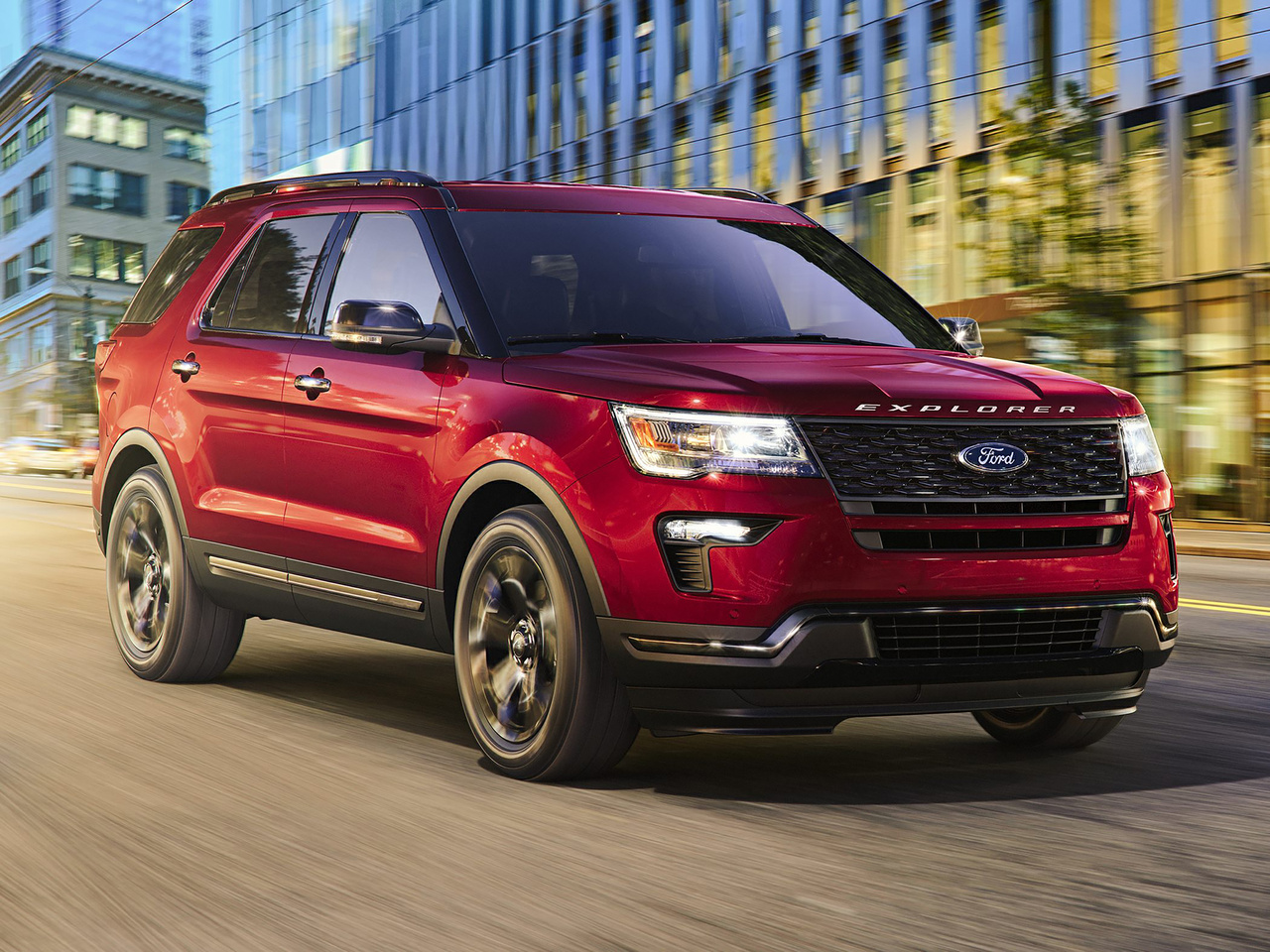
- Engine Type: 2.3L EcoBoost I4 (280 hp), 3.5L Ti-VCT V6 (290 hp), or 3.5L EcoBoost V6 (365 hp)
- Horsepower: 280–365 hp
- Torque: 255–350 lb-ft (346–474 Nm)
- Length: 198.7 in (5,047 mm)
- Width: 78.9 in (2,004 mm) (excluding mirrors)
6. Ford Explorer Voice Command System
The Ford Explorer is a popular midsize SUV that incorporates Ford’s SYNC voice recognition system, which is designed to provide hands-free control over a wide range of vehicle functions. Ford has continuously improved the SYNC platform over multiple generations, making it more responsive, accurate, and capable of understanding natural speech. The system allows drivers to interact with their vehicle in a safer and more convenient manner, especially during long trips or family travel.
One of the standout features of the Ford Explorer voice system is its strong navigation support. Drivers can use voice commands to input destinations, search for points of interest, and receive turn-by-turn directions. The system integrates with real-time traffic data to suggest optimal routes, helping reduce travel time and avoid congestion. This makes it particularly useful for SUV owners who often use their vehicles for road trips or daily commuting.
The system also provides robust entertainment control. Drivers and passengers can use voice commands to change radio stations, play specific songs, or connect to streaming services through compatible devices. This reduces the need to manually navigate infotainment menus and helps maintain focus on driving conditions. The SYNC system is designed to recognize a variety of natural language inputs, making it flexible and user-friendly.
The Ford Explorer allows drivers to make and receive calls, send text messages, and access contacts using voice commands. This ensures that communication remains accessible without requiring physical interaction with a smartphone. This feature significantly improves safety by minimizing distractions while driving.
The Ford Explorer voice command system highlights Ford’s commitment to practical technology integration. It focuses on safety, convenience, and connectivity, making it a strong example of how voice systems can improve the SUV driving experience.
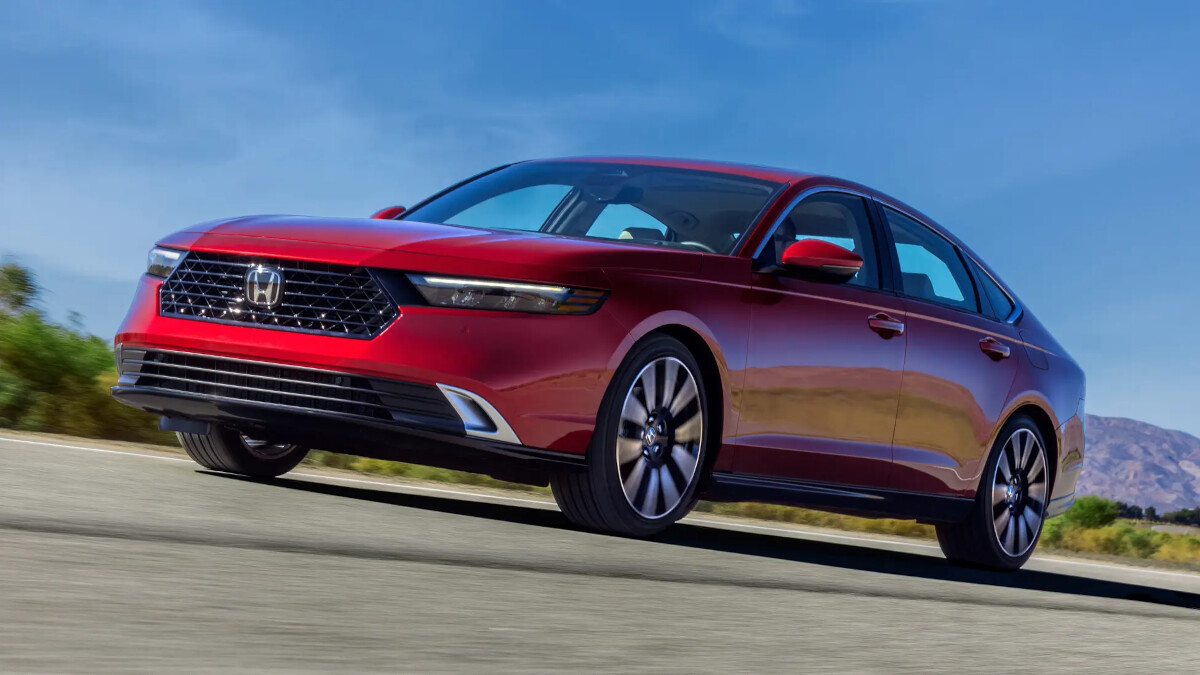
- Engine Type: 1.5L turbocharged inline 4, hybrid electric system
- Horsepower: 192 hp to 204 hp (hybrid combined output)
- Torque: 260 Nm (approx. petrol engine)
- Length: 4975 mm
- Width: 1862 mm
7. Honda Accord Voice Command System
The Honda Accord is a widely respected midsize sedan known for its balance of performance, comfort, and technology. Its voice command system is integrated into the HondaLink and Display Audio systems, allowing drivers to control various vehicle functions through spoken instructions. Honda has focused on making the system straightforward and easy to use, ensuring that it appeals to both tech-savvy users and those who prefer simplicity.
One of the primary strengths of the Accord’s voice system is its ability to manage navigation and phone functions efficiently. Drivers can request directions, search for locations, and initiate calls without removing their hands from the steering wheel. This enhances safety by minimizing distractions and improving focus on the road ahead. The system is designed to understand natural phrasing, which makes it more intuitive compared to older voice control systems.
The voice assistant also handles entertainment functions such as music playback, radio control, and audio source switching. This allows drivers to adjust their listening experience without interacting with touchscreen controls. Honda has ensured that the system responds quickly and accurately to reduce delays and improve usability during driving.
One feature is smartphone integration through Apple CarPlay and Android Auto compatibility. This enables voice control of messaging apps, navigation tools, and media services directly through connected devices. The integration expands the capabilities of the vehicle’s built-in system and provides a more unified digital experience for users.
- Engine Type: 2.5L inline 4, hybrid, and plug-in hybrid options
- Horsepower: 187 hp to 261 hp
- Torque: 178 lb-ft to 258 lb-ft (approx. 241 Nm to 350 Nm)
- Length: 4630 mm
- Width: 1865 mm
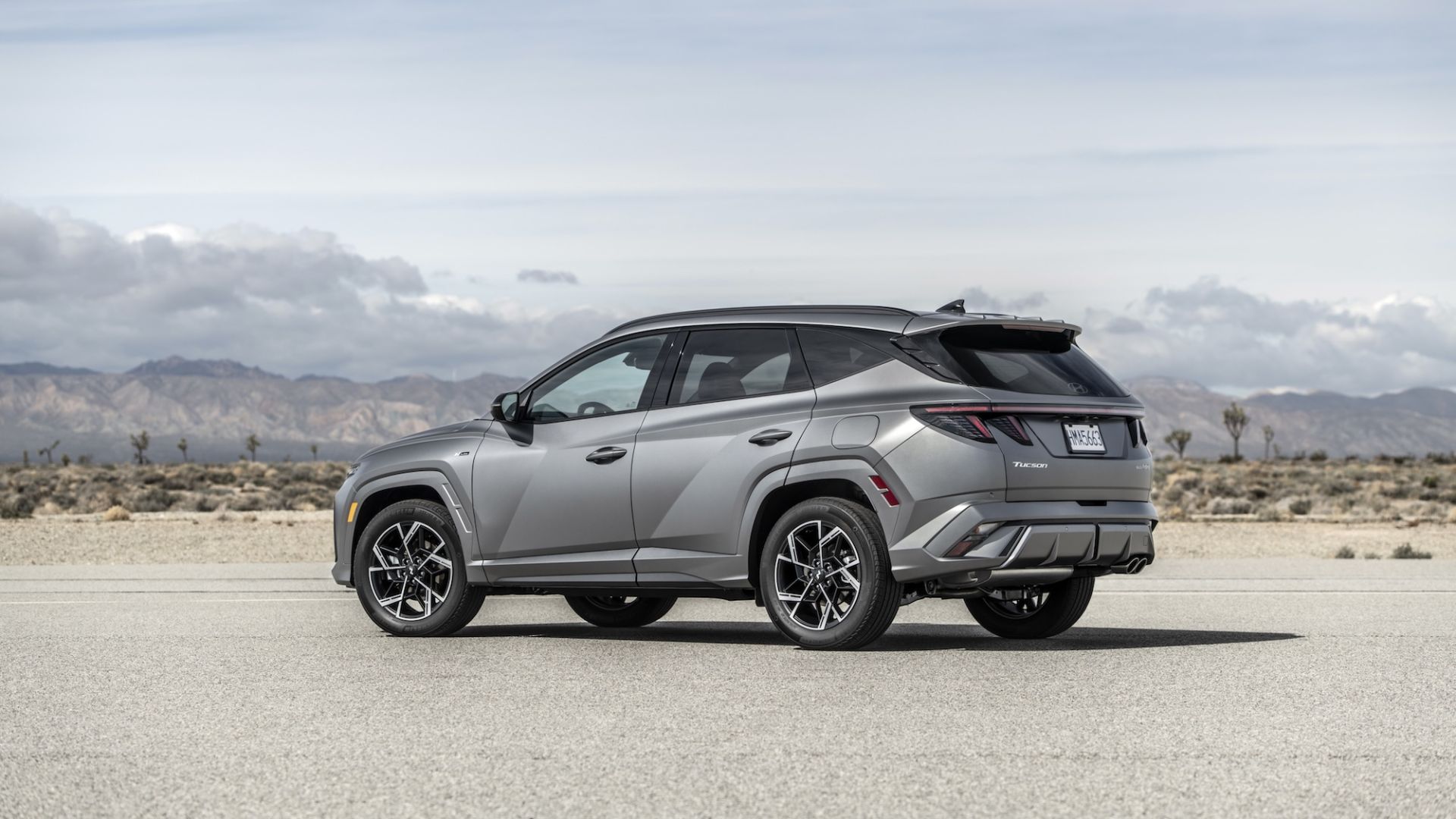
8. Hyundai Tucson Voice Command System
The Hyundai Tucson is a compact SUV that showcases Hyundai’s rapid advancement in automotive technology, particularly in voice recognition systems. Hyundai has developed its Blue Link and AI-based voice assistant features to provide drivers with a more intuitive and connected driving experience. The system is designed to understand natural language and execute commands related to navigation, climate control, and entertainment.
One of the most important features of the Tucson voice system is its ability to control climate settings through voice input. Drivers can adjust temperature, airflow direction, and fan speed without taking their hands off the wheel. This enhances comfort and convenience, especially during extreme weather conditions when frequent adjustments may be required.
The navigation system is a strong component, allowing drivers to search for destinations, find nearby services, and receive real-time traffic updates. The voice assistant integrates with Hyundai’s connected services to provide accurate and up-to-date information. This helps drivers plan efficient routes and reduces travel stress in unfamiliar areas.
Entertainment control is also a key feature of the system. Drivers can use voice commands to play music, change stations, or access media applications. The system is designed to recognize a wide range of natural language inputs, which improves usability and reduces the need for manual interaction with the infotainment screen.
The Hyundai Tucson demonstrates how modern SUV platforms are incorporating advanced voice technology to improve safety, comfort, and connectivity. It represents Hyundai’s commitment to making smart features accessible in mainstream vehicles.
