
Engines that can spin to extremely high revolutions per minute represent one of the most exciting achievements in automotive engineering. While most road cars are designed to operate comfortably between 4,000 and 7,000 rpm, a rare group of production engines pushes far beyond that range, delivering a combination of mechanical precision, lightweight internal components, and aggressive tuning philosophies.
These engines are defined not only by their speed but also by their ability to breathe freely, convert fuel into motion efficiently at extremely high rotational speeds, and withstand repeated stress at the edge of their mechanical limits.
High-revving engines are often associated with motorcycles and racing machines, but a select number of production cars have managed to bring similar experiences to everyday drivers. These engines typically rely on short stroke designs, lightweight pistons, advanced valvetrain systems, and, in many cases, naturally aspirated layouts.
Without forced induction systems like turbochargers, they depend heavily on airflow and RPM to generate power, which naturally encourages higher redline limits. The result is a driving experience that feels sharp, responsive, and intensely mechanical, often producing a distinctive sound that enthusiasts recognize instantly.
Manufacturers such as Honda, Ferrari, BMW, and Lexus have all contributed iconic examples of high-revving engineering. Each of them approached the challenge differently, balancing durability, emissions regulations, fuel efficiency, and performance targets.
Some focused on motorcycle-inspired philosophies adapted to cars, while others refined motorsport-derived technology for road use. Despite these differences, the goal remained similar: allow the engine to spin faster than typical road units while maintaining reliability under daily conditions.
An important factor in achieving high rpm capability is internal friction reduction. Engineers spend years refining crankshaft balance, improving lubrication flow, and reducing reciprocating mass. Even small changes in piston weight or valve timing can dramatically affect how high an engine can safely rev.
This makes high-revving engines not only performance machines but also showcases of precision engineering at microscopic tolerances. Every component must work in harmony under extreme stress, often exceeding 8,000 or even 10,000 rpm.
In this article, we explore 6 of the highest-revving production engines ever built. These engines stand out not just for their numbers, but for the character they bring to driving. Each one represents a different philosophy, from lightweight Japanese inline fours to exotic Italian V12s and finely tuned German inline sixes.
Together, they form a unique group of mechanical masterpieces that define what it means for an engine to truly sing at high speed.
Also Read: 8 SUVs With The Most Space For Comfort
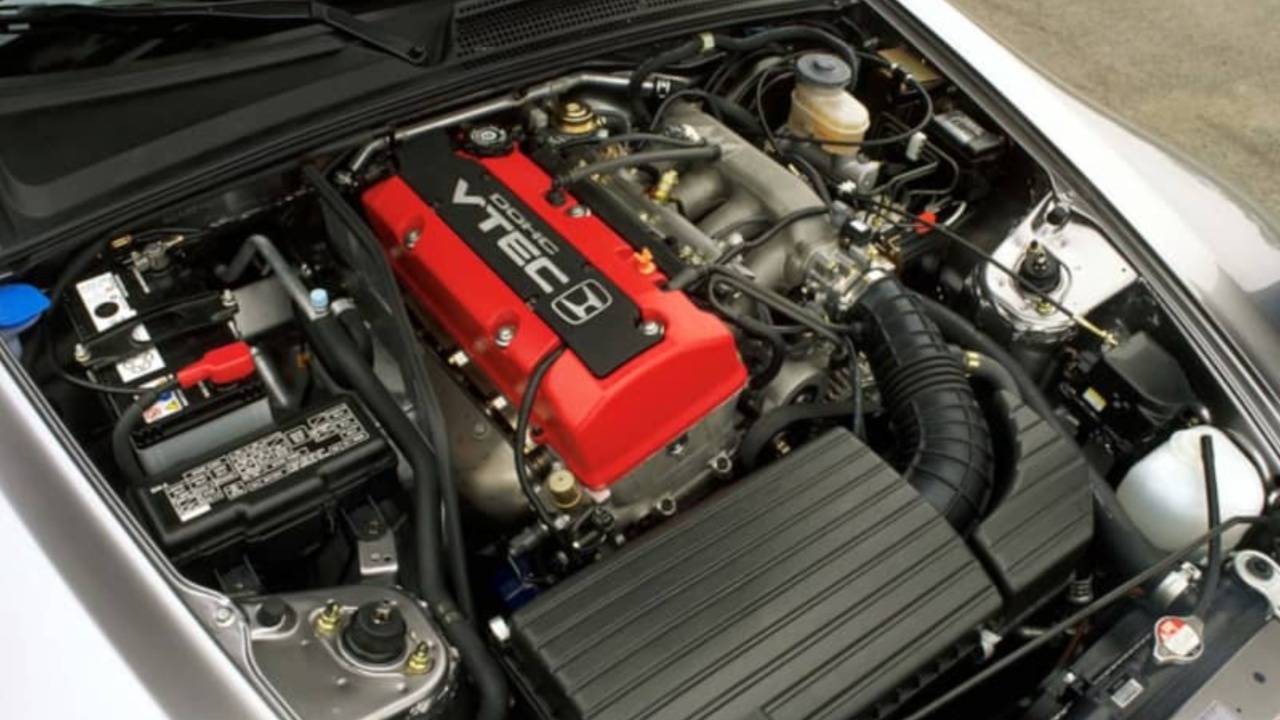
1. Honda F20C and F22C Inline Four (Honda S2000)
The Honda F20C engine is widely regarded as one of the most extreme production car engines ever created in terms of rpm capability. Found in the Honda S2000 AP1, this 2.0-liter inline four was engineered with a racing-inspired mindset and remains a benchmark for naturally aspirated performance. Its ability to rev to 9,000 rpm made it stand out immediately when it was launched, especially in a mass-produced road car.
At the core of its design is an exceptionally oversquare configuration, meaning the cylinder bore is significantly larger than the stroke.
This reduces piston travel distance, allowing the engine to spin faster with less stress. Honda also used lightweight forged internals, including pistons and connecting rods designed to withstand extreme rotational speeds. The result was an engine that felt almost motorcycle-like in its eagerness to climb the rev range.
One of the most defining traits of the F20C is its power delivery. Below 6,000 rpm, it feels relatively calm, but once it crosses the VTEC engagement point, the character changes dramatically.
Power builds all the way to the 9,000 rpm redline, creating a sensation that rewards drivers who are willing to explore the upper end of the tachometer. This transition is part of what made the S2000 so iconic among enthusiasts.
Honda engineers also focused heavily on durability despite the high rpm nature of the engine. The valvetrain system was designed to maintain stability at extreme speeds, using a DOHC setup with precise valve timing control. Oil circulation was optimized to prevent starvation during high lateral forces, which made the engine suitable not only for straight-line performance but also for track use.
Even today, the F20C remains a symbol of what a production engine can achieve when engineered without compromise. It blends reliability with a racing-inspired rev range, delivering a driving experience that few modern engines can replicate due to stricter emissions regulations and the shift toward turbocharged designs.
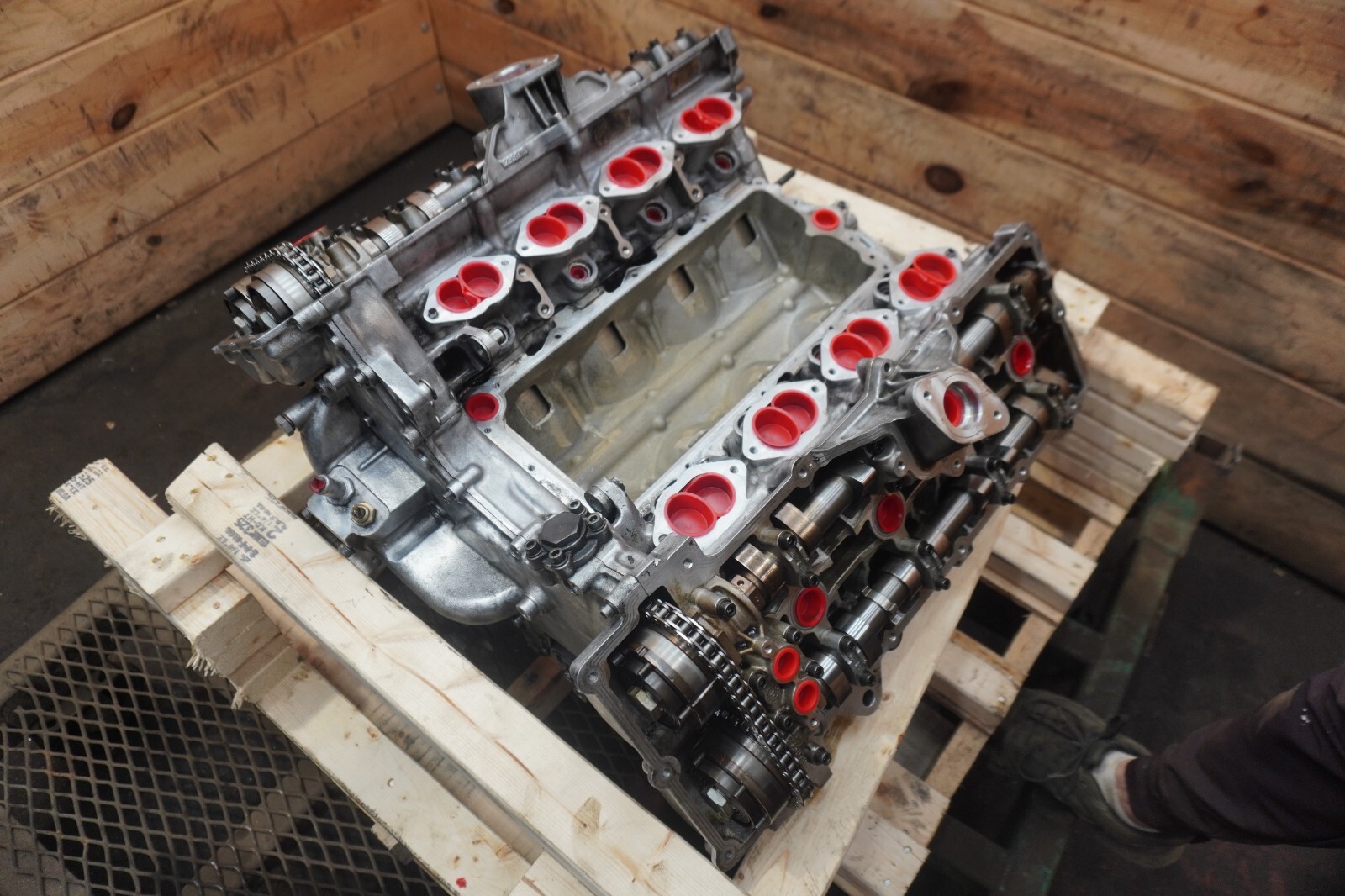
2. Ferrari 458 Italia V8 (F136FB)
The naturally aspirated V8 found in the Ferrari 458 Italia is a masterpiece of high rpm engineering. Known internally as part of the F136 engine family, this 4.5-liter V8 was developed in collaboration with Maserati and represents one of the most responsive and freely revving engines Ferrari ever placed in a road car. It reaches an astonishing 9,000 rpm redline, which is exceptional for a V8 of its size.
Unlike turbocharged modern engines, the 458 Italia’s V8 relies entirely on atmospheric airflow. This allows it to respond instantly to throttle input, creating a direct mechanical connection between driver and engine.
The flat plane crankshaft design plays a major role in its character, enabling faster exhaust scavenging and allowing the engine to rev more freely compared to traditional cross plane V8 layouts.
A major engineering focus was on reducing internal inertia. Components such as pistons, connecting rods, and crankshaft assemblies were optimized using lightweight materials to withstand extreme speeds without compromising reliability.
Ferrari also refined the intake system to ensure maximum air volume at high rpm, allowing the engine to continue building power smoothly all the way to its limit.
As the engine climbs toward redline, it produces a sharp, metallic scream that intensifies with speed. This auditory experience is not accidental, but the result of carefully tuned exhaust geometry and firing intervals. It is widely considered one of the greatest engine sounds ever produced in a road car.
Beyond performance and sound, the engine also represents Ferrari’s philosophy during a transitional era before widespread turbocharging.
It was one of the final naturally aspirated mid-engine V8s before regulatory changes shifted the industry direction. As a result, it holds a special place in automotive history as a pure expression of high-revving internal combustion engineering.
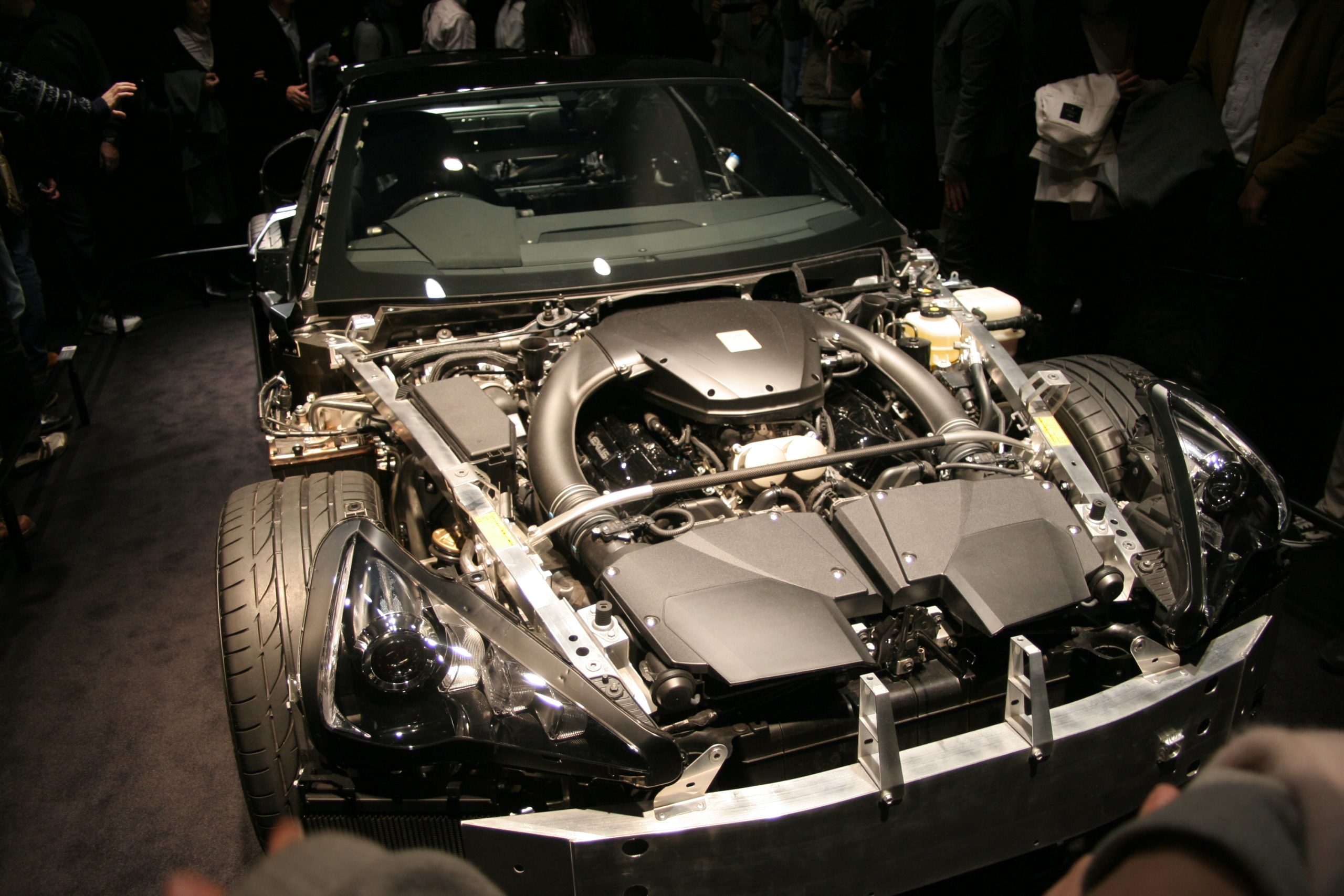
3. Lexus LFA V10 (1LR GUE)
The V10 inside the Lexus LFA is one of the most technologically refined high-revving engines ever fitted into a production car. Developed by Toyota’s performance division in collaboration with Yamaha, the 4.8-liter 1LR GUE was engineered with an obsession for precision, weight reduction, and instantaneous throttle response.
It reaches a breathtaking 9,000 rpm redline and climbs through the rev range with an urgency that feels almost unnatural for a road vehicle.
One of the most impressive aspects of this engine is how quickly it reacts. The crankshaft is extremely lightweight, allowing it to change speed with minimal resistance.
Because of this, the engine behaves more like a superbike power unit than a traditional automotive V10. Engineers focused heavily on reducing rotating mass, even replacing conventional materials with exotic alloys to improve responsiveness without sacrificing structural strength.
The intake system was designed in collaboration with Yamaha’s musical instrument division, which is why the LFA’s sound is often described as orchestral. As revs rise, the engine produces a rising tone that feels carefully tuned rather than mechanically random.
Engineers gave the acoustic signature the same level of attention as the engine’s performance output, resulting in a sound profile that perfectly reflects its character.
To handle this, Lexus implemented advanced cooling pathways and precise oil delivery systems that maintain stability even under sustained high load conditions. Every component was tested to withstand repeated operation near the redline without degradation in performance.
The result is an engine that feels both exotic and mechanical at the same time. It is smooth at low speed, but becomes fiercely alive as it approaches its upper limit.
Even today, the LFA’s V10 is considered one of the purest expressions of high rpm engineering ever created, representing a time when manufacturers were willing to prioritize emotional driving experience over efficiency-driven design trends.
Also Read: 7 Most Reliable Motorcycles You Can Buy Today
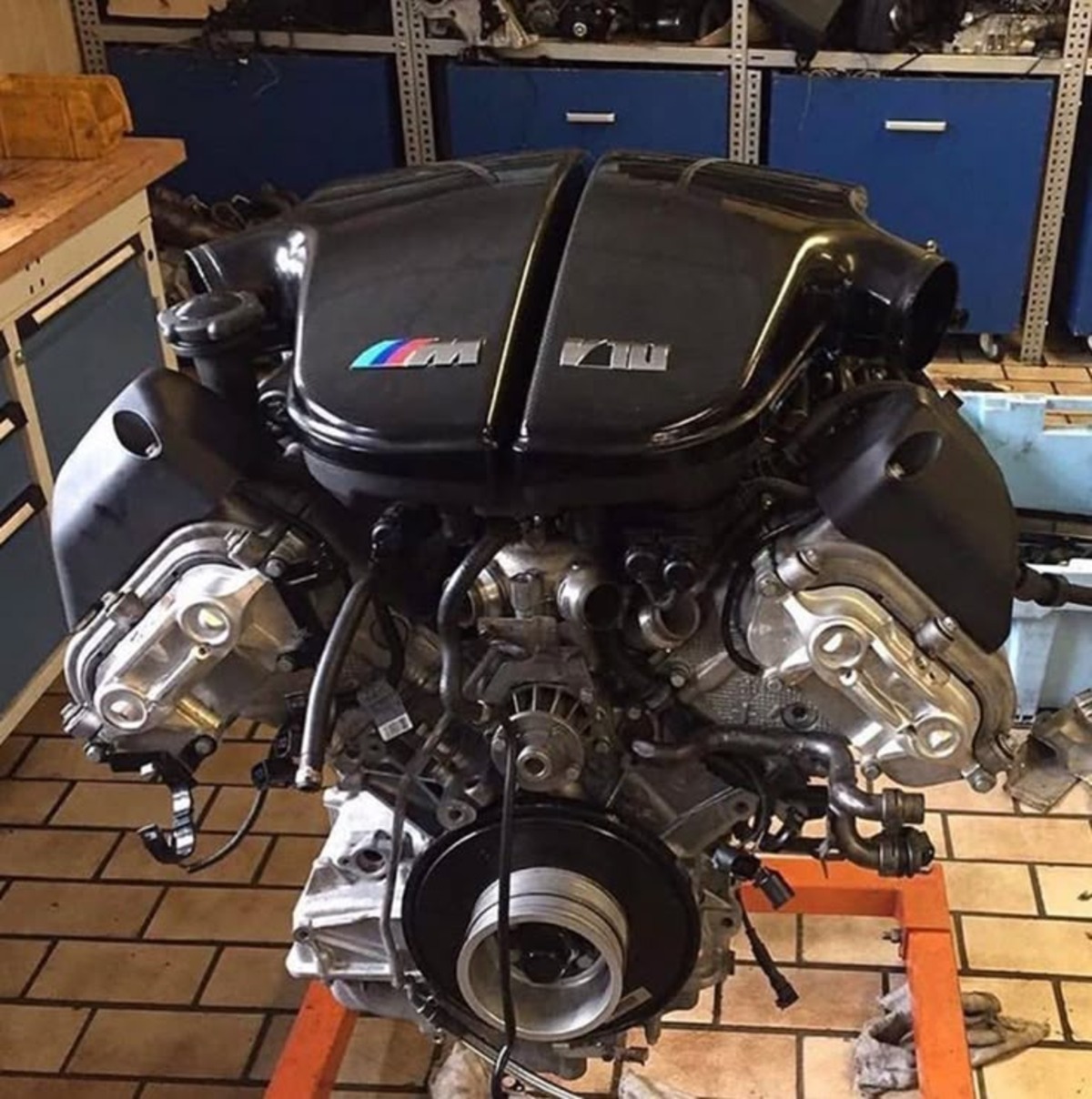
4. BMW S85 V10 (M5 E60 and M6 E63)
The BMW S85 engine is a 5.0-liter naturally aspirated V10 that powered the E60 M5 and E63 M6. It is one of the few engines of its kind ever produced for a sedan, and it delivers a unique blend of luxury refinement and motorsport-inspired aggression. With a redline of 8,250 rpm, it brought Formula 1-inspired engineering concepts into a road-going package.
This engine was heavily influenced by BMW’s experience in motorsport during the early 2000s. It uses individual throttle bodies for each cylinder, which allows extremely precise air control and immediate response to pedal input. This design is one of the key reasons why the engine feels so sharp and eager when revved.
Internally, the S85 features a lightweight crankshaft and high-strength pistons designed to handle sustained high rpm operation. However, unlike some smaller displacement engines, it also produces substantial torque, giving it a more versatile character. It can cruise comfortably in lower rev ranges while still being capable of explosive acceleration when pushed.
One of the most memorable aspects of the S85 is its linear power delivery. Unlike turbocharged engines that build boost in stages, this V10 provides a continuous and predictable climb in power all the way to redline. This makes it especially engaging for drivers who enjoy controlling gear selection and extracting performance manually.
Despite its engineering brilliance, the S85 is also known for its complexity and maintenance demands. High-precision components mean that upkeep is critical for long-term reliability. Still, enthusiasts continue to admire it for its mechanical purity and its ability to rev with a level of intensity rarely seen in modern executive performance cars.
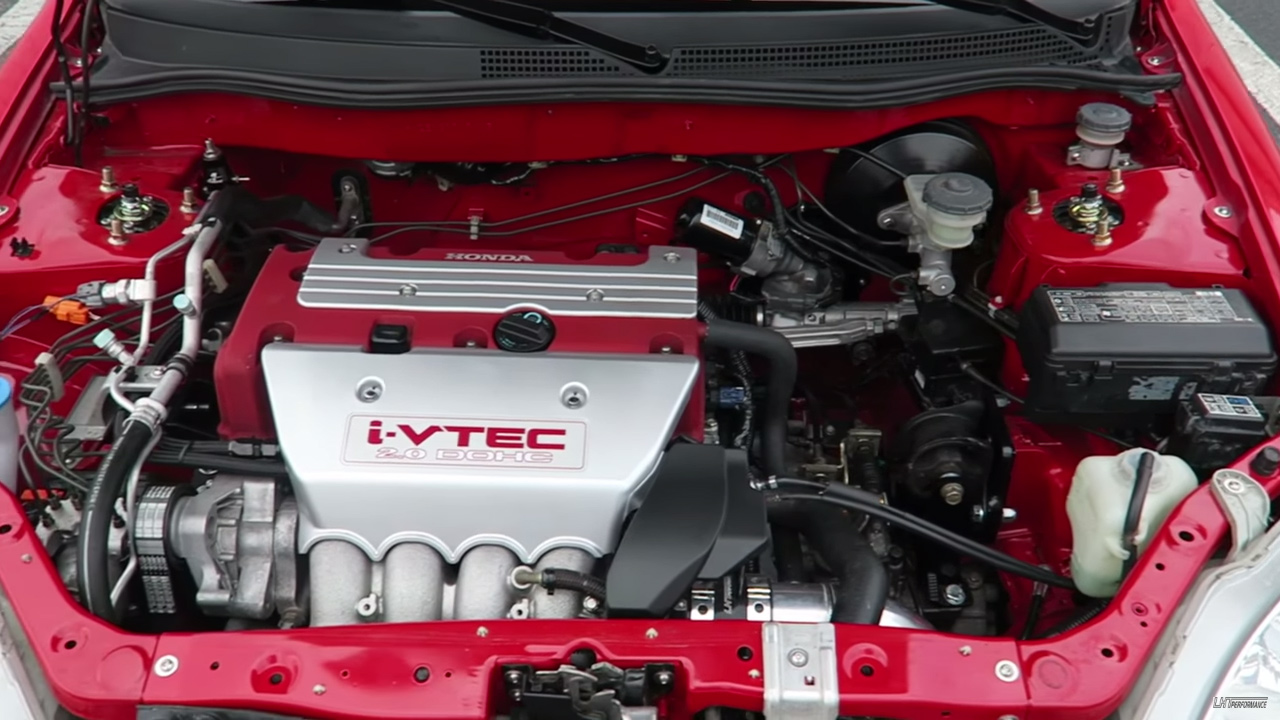
5. Honda K20A Inline Four (Type R Series)
The Honda K20A engine, found in models like the Civic Type R and Integra Type R in various markets, is one of the most respected high-revving four-cylinder engines ever mass-produced. It typically reaches around 8,000 to 8,400 rpm depending on the version, and it is widely praised for its balance of durability, efficiency, and performance.
Honda designed the K20A with a strong focus on airflow efficiency. The cylinder head is engineered to maximize intake and exhaust movement, allowing the engine to breathe freely at high rpm. This is essential for producing power without forced induction, especially in a relatively small displacement setup.
The engine also benefits from Honda’s i-VTEC system, which adjusts valve timing and lift characteristics based on engine speed. At lower rpm, it prioritizes efficiency, but as the revs climb, it shifts into a more aggressive cam profile that allows the engine to reach its full performance potential. This transition creates a noticeable change in character that enthusiasts often describe as addictive.
Internally, the K20A uses lightweight components and a robust block structure that allows it to handle sustained high rpm operation without major stress. It was designed not only for performance driving but also for everyday use, making it one of the most versatile high-revving engines ever produced.
Its reputation has grown over time because of its tuning potential and reliability. Even today, it remains a popular choice among enthusiasts who want a naturally aspirated engine that can deliver both high rpm excitement and long-term durability without requiring extreme maintenance.
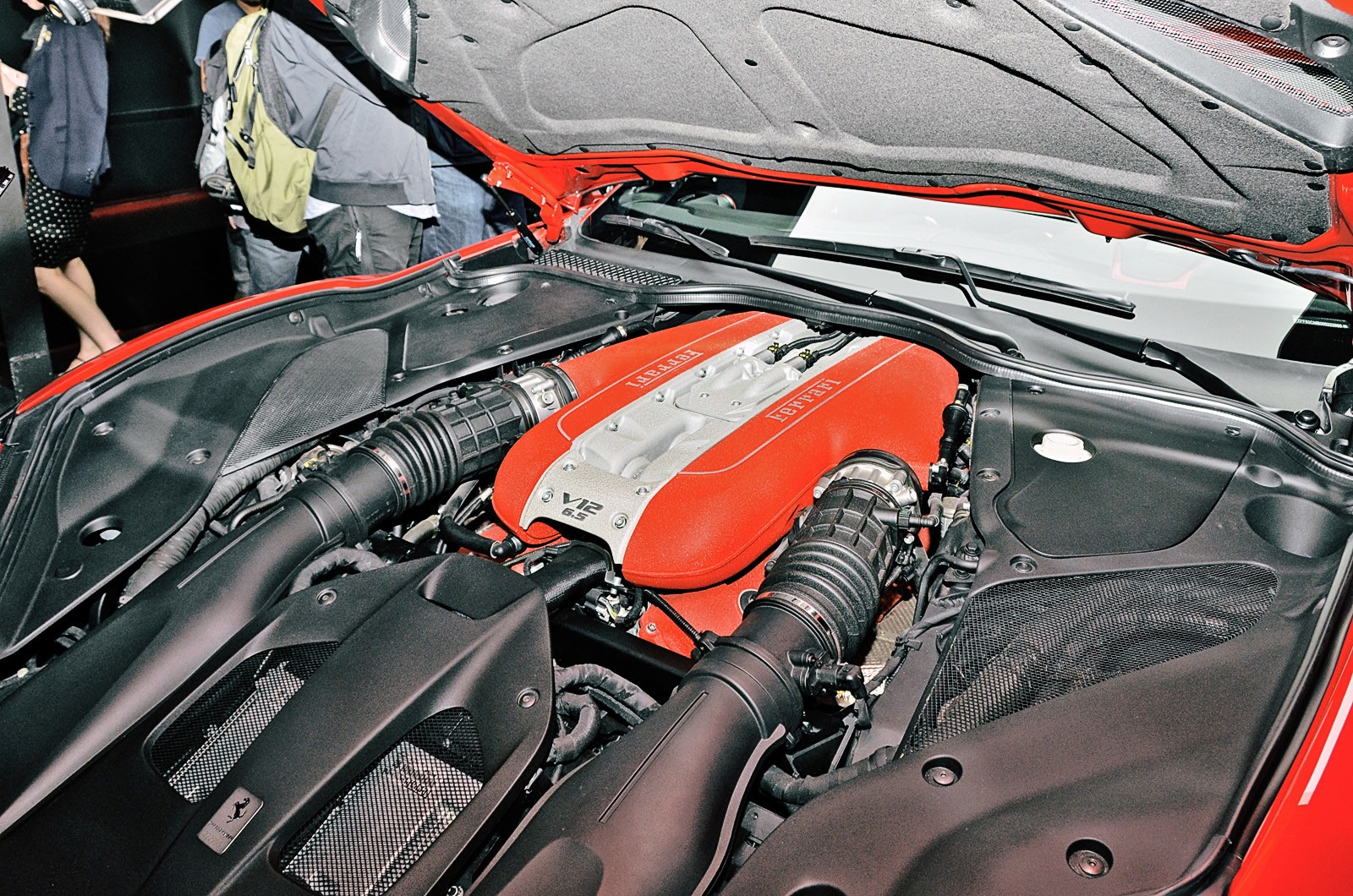
6. Ferrari 812 Superfast V12 (F140 GA)
The Ferrari 812 Superfast features one of the highest-revving production V12 engines ever built, reaching an 8,900 rpm redline. The 6.5-liter F140 GA engine is a continuation of Ferrari’s long-standing tradition of naturally aspirated V12 development, and it represents the peak of that philosophy in modern times.
This engine is designed to deliver massive power without the assistance of turbocharging. To achieve this, Ferrari optimized airflow dynamics, combustion efficiency, and internal friction reduction. The result is an engine that produces extraordinary output while still being capable of revving to extremely high speeds for its size.
One of the most important engineering choices was the use of a high compression ratio combined with lightweight internal components. This allows the engine to respond quickly despite its large displacement. The crankshaft and pistons are carefully balanced to maintain stability even at nearly 9,000 rpm.
The sound of the 812 Superfast is a defining feature. As revs build, the V12 produces a rich, layered tone that intensifies into a sharp mechanical roar near redline. This auditory experience is a key part of its identity, reinforcing the connection between driver input and engine response.
As one of the last naturally aspirated V12s in a modern Ferrari road car, it represents the end of an era. Increasing emissions restrictions and electrification trends mean that engines like this are becoming increasingly rare. Its combination of extreme rpm capability, displacement, and emotional delivery makes it one of the most iconic high-revving engines ever built.
