
The history of automobiles is often associated with power, speed, luxury, and size, but there is a parallel and equally fascinating story that revolves around extreme compactness. The smallest cars ever made represent a unique intersection of engineering creativity, economic necessity, urban design challenges, and post-war innovation.
These tiny vehicles were not created as novelty items alone, although some eventually became iconic for their unusual appearance. Instead, many of them were practical solutions to real-world problems such as fuel shortages, narrow European city streets, rising urban populations, and the need for affordable personal transportation.
Over time, these microcars evolved from basic bubble-shaped machines into clever, efficient, and sometimes surprisingly stylish vehicles that captured the imagination of car enthusiasts across the globe.
What makes the smallest cars ever made so interesting is how differently they approach the idea of mobility. Unlike standard vehicles, which prioritize passenger comfort, high-speed stability, and long-distance travel, microcars focus on minimalism.
Every inch of space is carefully designed. Every component is reduced to its most essential function. In some cases, these cars were even classified differently from traditional automobiles due to their size, engine capacity, or three-wheeled design. Despite their limitations, they provided millions of people with independence and mobility at a time when larger vehicles were too expensive or impractical.
Many of the smallest cars ever made emerged in the mid 20th century, especially in post war Europe. Countries like the United Kingdom, Germany, France, and Italy saw a surge in demand for low-cost transportation. Fuel was expensive, incomes were limited, and cities were not designed for large vehicles.
This led to the rise of microcars such as bubble cars and quadricycles, which could be manufactured cheaply and operated efficiently. In modern times, the concept has evolved further with electric microcars designed for congested cities and short-distance commuting.
This article explores 8 of the smallest cars ever made, examining their design philosophy, historical importance, engineering innovations, and cultural impact. Each vehicle played a role in shaping the microcar segment, and many of them remain iconic.
From the legendary Peel P50, often recognized as the smallest production car in history, to modern compact innovations like the Smart Fortwo and Renault Twizy, these vehicles demonstrate how creativity can thrive under constraints.
Whether you are a car enthusiast, an SEO researcher, or simply curious about unusual automobiles, this detailed guide will take you through the most remarkable tiny cars ever built and explain why they continue to matter in automotive history.
Also Read: 8 SUVs With The Most Space For Comfort
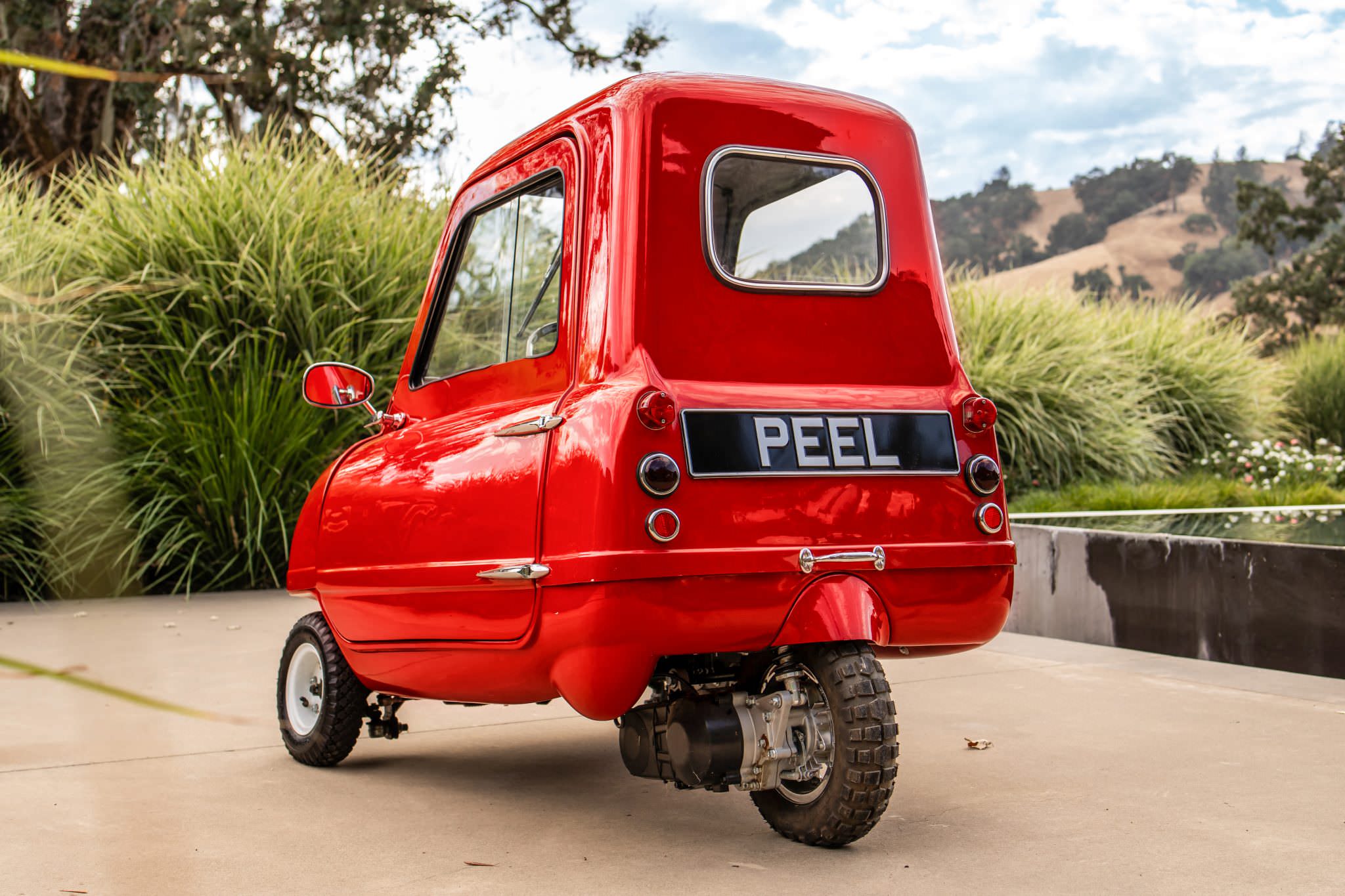
- Engine: 49 cc single cylinder DKW or similar 2-stroke engine
- Horsepower: Around 4.2 hp
- Torque: Approximately 4.5 Nm (estimated)
- Length: 137 cm
- Width: 99 cm
1. Peel P50
The Peel P50 is widely recognized as the smallest production car ever made, and it remains one of the most extraordinary vehicles in automotive history. Manufactured in the 1960s by Peel Engineering on the Isle of Man, this ultra-compact three-wheeled car was designed for one person and a small amount of luggage.
Its extremely limited dimensions allowed it to be driven easily through tight urban spaces, making it a symbol of extreme efficiency in transportation design. Despite its tiny size, the Peel P50 is fully functional as a road vehicle and has become a cultural icon representing minimalism in engineering.
The design philosophy behind the Peel P50 was rooted in practicality and economy. It was intended primarily for short-distance urban travel, particularly for commuting within crowded towns where parking space was limited. The vehicle featured a small single-cylinder engine and a basic control system that reflected its stripped-down approach to mobility.
There was no reverse gear in the original model, which meant drivers had to manually lift and turn the car when needed. This unusual characteristic highlights just how far engineers were willing to push boundaries in order to reduce complexity and cost.
One of the most remarkable aspects of the Peel P50 is its weight and footprint. It is so light that it can be manually moved by a single person, and its width is barely wider than the average adult’s shoulders. This makes it one of the most space-efficient vehicles ever produced.
While it lacks modern safety features and comfort amenities, its purpose was never luxury. Instead, it was designed to answer a very specific problem: how to move one person efficiently in dense urban environments.
Culturally, the Peel P50 gained renewed fame decades after its original production ended. It appeared in television programs and automotive exhibitions, where it was celebrated as a quirky engineering marvel.
Its extreme size made it a favorite among collectors and enthusiasts who appreciate rare and unusual vehicles. Today, surviving units are highly valuable and often displayed in museums as examples of innovative microcar design.
The legacy of the Peel P50 continues to influence modern discussions about urban mobility and sustainable transport. As cities grow more crowded, the idea of ultra-compact vehicles has regained relevance. Electric microcars and personal mobility pods often draw inspiration from the same principles that guided the creation of the P50.
It remains a benchmark in the category of the smallest cars ever made and a reminder that transportation does not always need to be large to be meaningful.
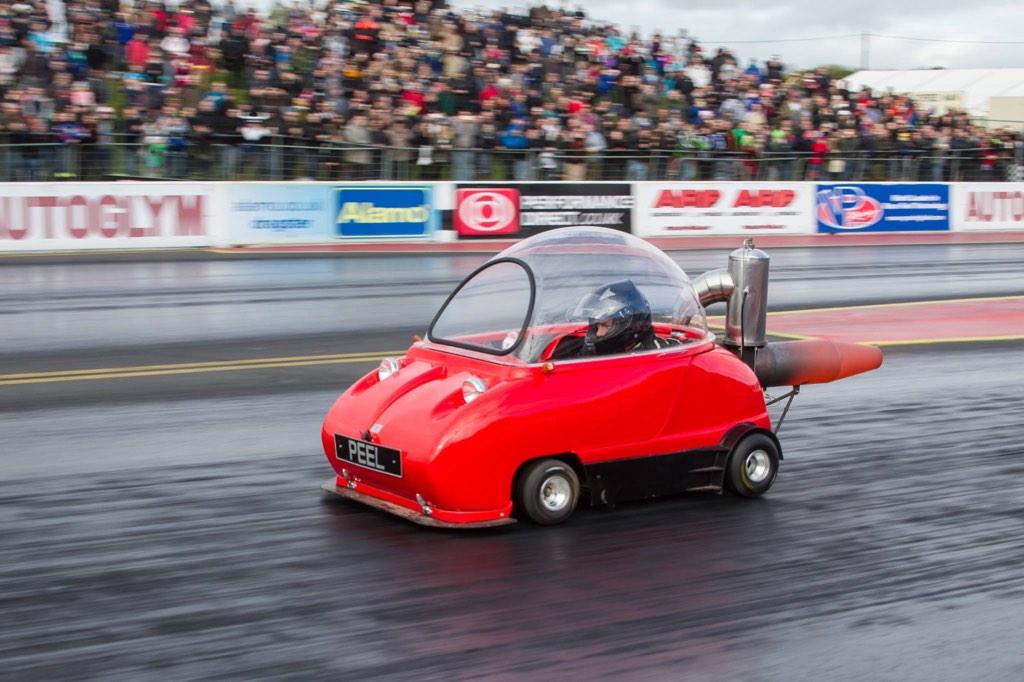
- Engine: 49 cc single cylinder 2-stroke engine
- Horsepower: Around 4.2 hp
- Torque: Approximately 4.5 Nm (estimated)
- Length: About 183 cm
- Width: 99 cm
2. Peel Trident
The Peel Trident is a remarkable creation from Peel Engineering and is often considered the sibling of the Peel P50. While slightly larger, it still belongs firmly within the category of the smallest cars ever made. Designed as a two-seater microcar, the Trident introduced a more futuristic aesthetic compared to the utilitarian design of the P50. Its distinctive dome-shaped canopy gave it a spaceship-like appearance that made it instantly recognizable and visually striking.
The Trident was developed during the same era as the P50, reflecting the growing interest in compact urban vehicles during the 1960s. It shared many mechanical components with its smaller counterpart, including a small engine and a lightweight frame.
However, the addition of a second seat allowed it to appeal to a broader audience, including couples and small families who still needed extremely compact transportation. This expansion of functionality marked an important step in microcar evolution.
One of the defining characteristics of the Peel Trident is its bubble canopy design. Instead of conventional doors, the entire top section of the vehicle lifts to allow entry. This design choice not only reduced manufacturing complexity but also contributed to its futuristic aesthetic. While it may appear unusual by modern standards, it was a practical solution for maximizing interior space in such a small frame.
In terms of performance, the Peel Trident was never designed for speed or long-distance travel. It was intended for short trips in urban environments where efficiency mattered more than power.
Its lightweight construction allowed it to achieve adequate performance for city driving while maintaining extremely low fuel consumption. However, like many microcars of its time, it faced limitations in terms of stability and safety at higher speeds.
The Peel Trident is remembered as one of the most creative microcars ever built. Its unique design and rarity make it highly sought after by collectors.
It also serves as a historical example of how automotive designers experimented with unconventional shapes and concepts to solve transportation challenges. Alongside the Peel P50, it remains an essential part of the story of the smallest cars ever made.
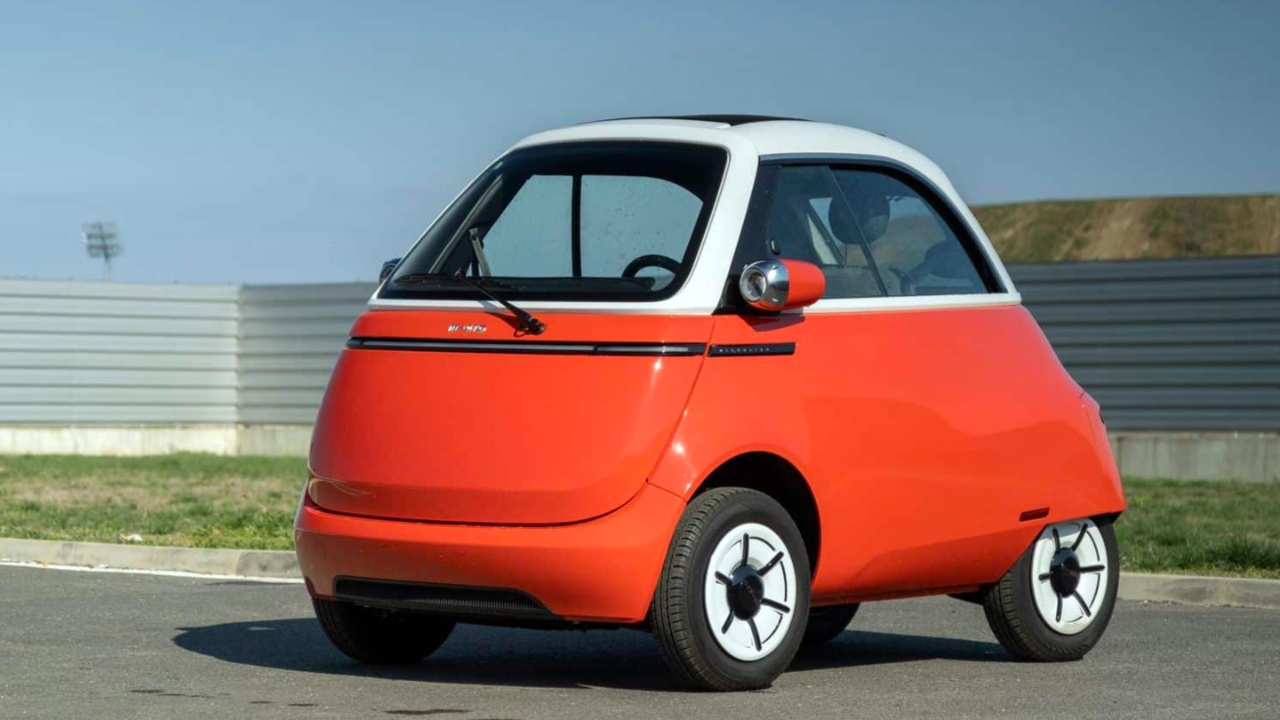
- Engine: 245 cc single cylinder (Isetta 250) / 298 cc (Isetta 300 variant)
- Horsepower: 12 to 13 hp
- Torque: Around 18 to 19 Nm
- Length: 225 cm
- Width: 138 cm
3. BMW Isetta
The BMW Isetta is one of the most famous microcars in automotive history and played a major role in popularizing compact vehicles in post war Europe.
Originally designed in Italy and later licensed and improved by BMW, the Isetta became a symbol of affordable personal transportation during a period of economic recovery. Its distinctive front-opening door and egg-shaped body earned it the nickname “bubble car,” and it remains one of the most recognizable small cars ever produced.
The design of the BMW Isetta was focused on maximizing efficiency while minimizing production costs. It featured a single-cylinder engine and a simple mechanical layout that made it inexpensive to manufacture and maintain.
The most unusual feature was its front-hinged door, which included the steering wheel and instrument panel. When opened, the entire front of the car swung outward, allowing passengers to enter directly into the cabin.
Despite its tiny size, the Isetta was surprisingly practical for its time. It could accommodate two passengers in a compact seating arrangement, and its enclosed cabin offered protection from weather conditions, which was a significant advantage over motorcycles and scooters. This made it especially popular among urban commuters who needed affordable yet weather-resistant transportation.
The success of the BMW Isetta helped stabilize BMW financially during a difficult period in the company’s history. At a time when the manufacturer was struggling, the Isetta provided a much-needed commercial success that allowed BMW to continue developing larger and more advanced vehicles. This historical significance makes it more than just a small car; it is a key part of the automotive industry’s survival history.
The BMW Isetta is celebrated as an icon of 1950s design and innovation. Its influence can be seen in modern compact vehicles and urban mobility solutions. It remains one of the most important entries in the list of the smallest cars ever made due to its combination of charm, practicality, and historical impact.
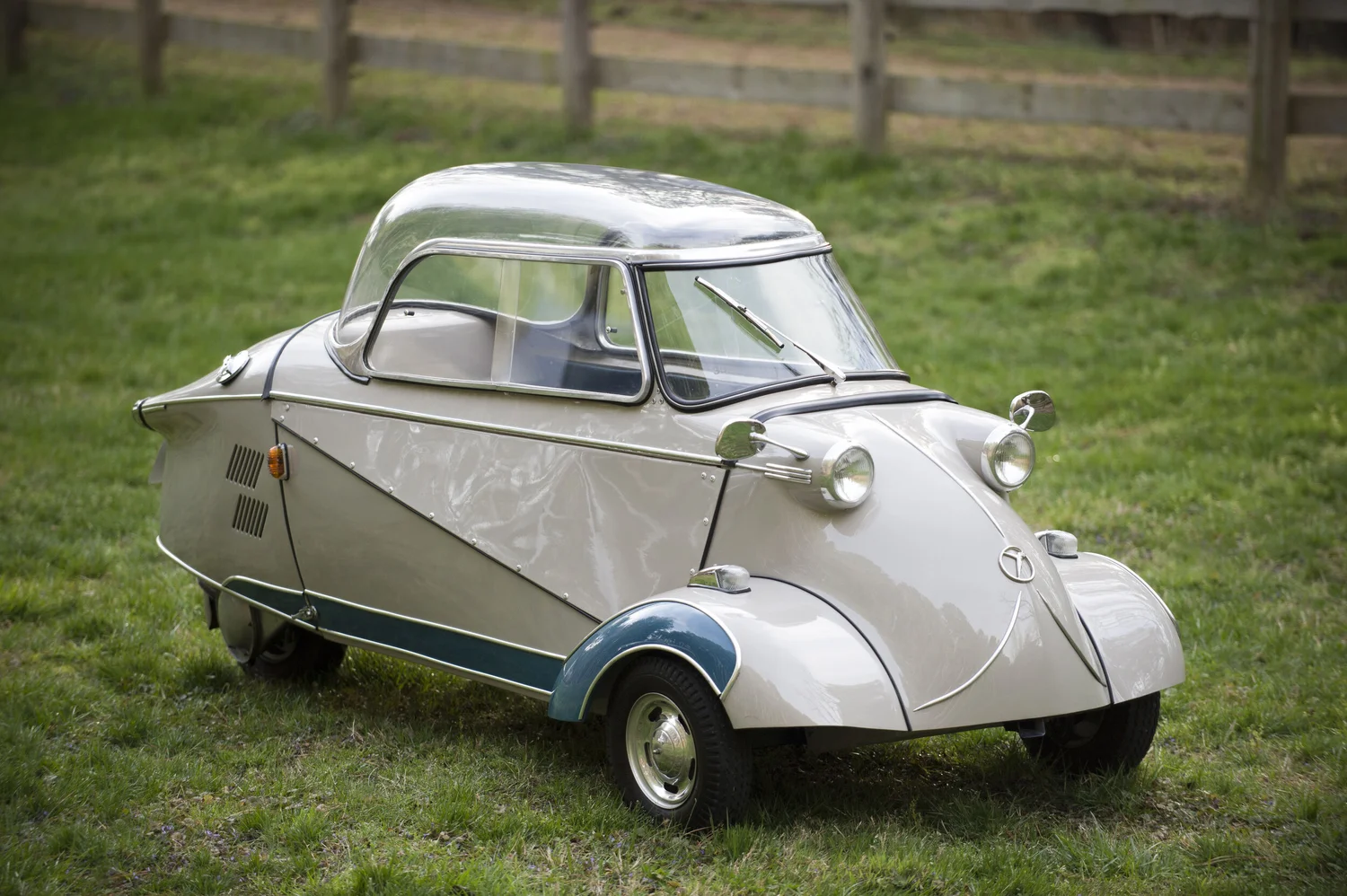
- Engine: 191 cc single cylinder 2-stroke engine
- Horsepower: Around 9.9 to 10 hp
- Torque: Approximately 15 Nm
- Length: 282 cm
- Width: 122 cm
4. Messerschmitt KR200
The Messerschmitt KR200 is one of the most distinctive microcars ever built, originally designed by aircraft engineer Fritz Fend and manufactured by the German company Messerschmitt.
Its aviation-inspired design reflects its origins in aircraft manufacturing, with a narrow fuselage-like body and a transparent canopy reminiscent of fighter jet cockpits. This unique design places it firmly among the most recognizable, smallest cars ever made.
The KR200 was developed during the 1950s, a period when Germany was rebuilding its industrial capacity. It was designed as an affordable alternative to traditional automobiles and scooters.
Its lightweight structure and three-wheel configuration allowed it to achieve excellent fuel efficiency while maintaining a compact footprint. The vehicle was powered by a small engine that provided sufficient performance for city driving conditions.
One of the most interesting features of the Messerschmitt KR200 is its tandem seating arrangement. Instead of side-by-side seating, the driver and passenger sit one behind the other. This layout reduced the vehicle’s width significantly, allowing it to navigate narrow streets with ease. The aircraft-style canopy opens upward, reinforcing its aviation-inspired aesthetic.
While the KR200 was efficient and innovative, it also had limitations. Its narrow track made it less stable compared to wider vehicles, especially at higher speeds. However, within its intended urban environment, it performed effectively and provided a practical mobility solution for many users during its production period.
Today, the Messerschmitt KR200 is considered a classic microcar and a symbol of post-war engineering creativity. Its unique design continues to attract collectors and enthusiasts who appreciate unconventional automotive history. It remains an essential example in discussions about the smallest cars ever made.
Also Read: 7 Most Reliable Motorcycles You Can Buy Today
- Engine: 599 cc or 698 cc 3-cylinder petrol engines (varies by generation)
- Horsepower: 50 to 61 hp
- Torque: Approximately 80 to 90 Nm
- Length: 250 cm
- Width: 151 cm
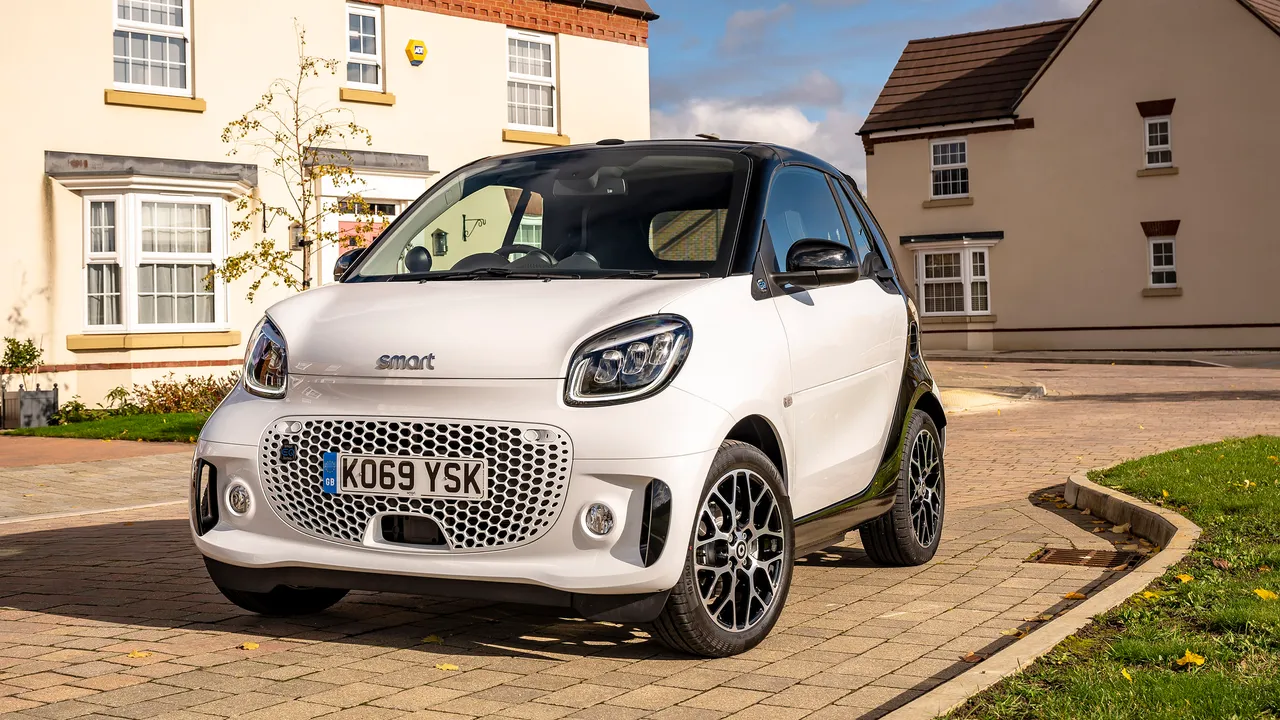
5. Smart Fortwo
The Smart Fortwo is a modern interpretation of the microcar concept and is one of the most successful compact urban vehicles ever produced. Introduced in the late 1990s by Smart, a brand created through a partnership involving automotive innovation companies, the Fortwo was designed specifically for congested city environments. It is one of the smallest modern production cars in terms of length, making it a key entry in the category of smallest cars ever made in the contemporary era.
The design philosophy of the Smart Fortwo centers on urban efficiency. It was engineered to be extremely easy to park in tight spaces, a major advantage in densely populated cities. Its short wheelbase and compact body allow it to fit into parking spots that would be impossible for standard vehicles. Despite its size, the car includes modern safety features such as reinforced safety cells and airbags.
Inside, the Smart Fortwo is designed for two passengers with a focus on functionality rather than luxury. The interior maximizes available space, providing adequate comfort for short to medium distance travel. The dashboard and controls are arranged to optimize usability within the confined cabin space.
Performance-wise, the Smart Fortwo is designed for city driving rather than highway dominance. Its small engine and efficient fuel consumption make it an economical choice for daily commuting. Over time, electric versions have also been introduced, further enhancing their suitability for modern urban environments.
The Smart Fortwo remains one of the most important modern examples of microcar design. It demonstrates how the principles of the smallest cars ever made have evolved into safe, efficient, and environmentally conscious transportation solutions.
- Engine: 624 cc 2-cylinder petrol engine
- Horsepower: About 38 hp
- Torque: Around 51 Nm
- Length: 310 cm
- Width: 149 cm
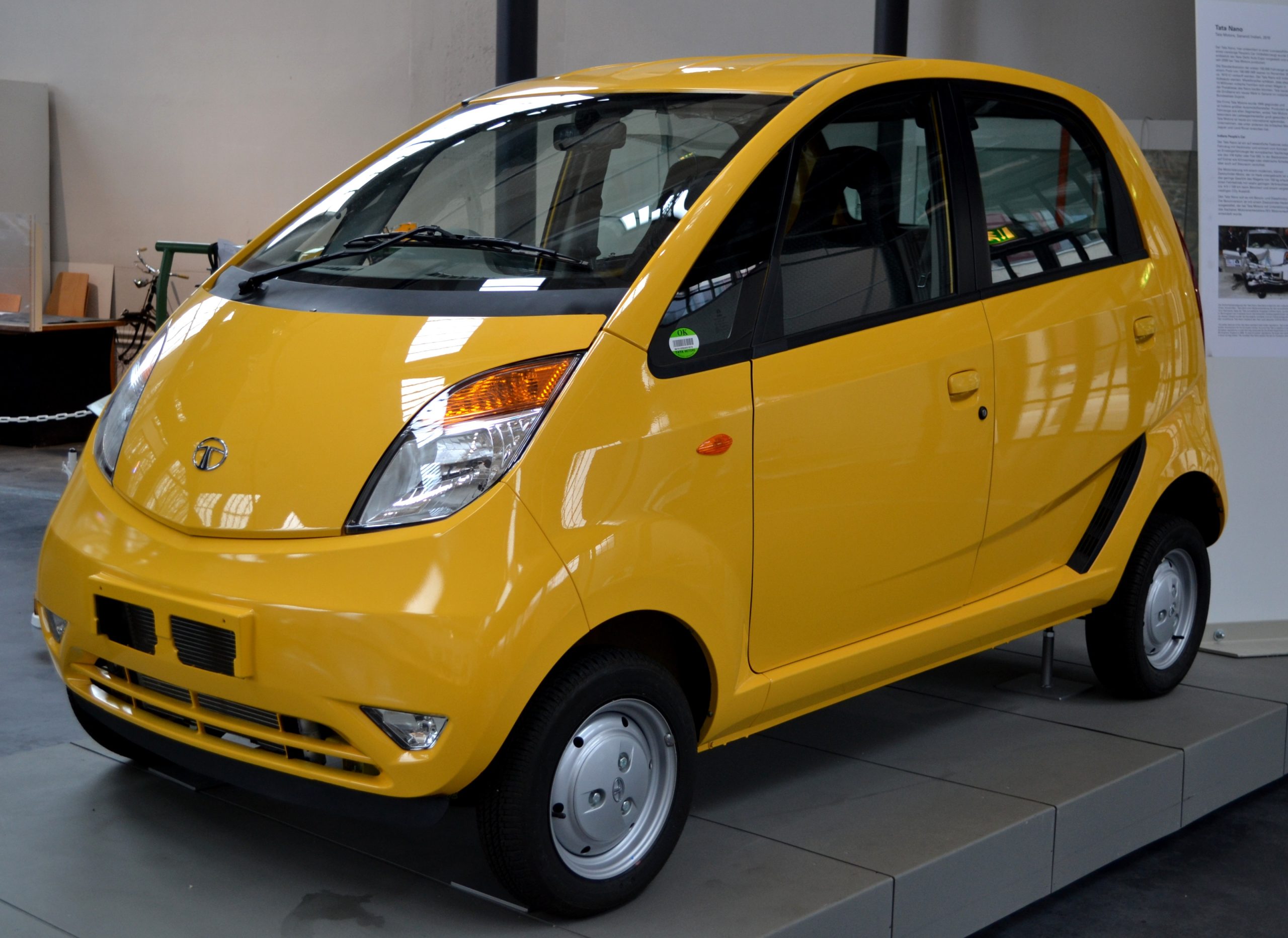
6. Tata Nano
The Tata Nano is one of the most ambitious attempts to create an affordable and compact car for mass markets. Developed in India by Tata Motors, it was introduced as a revolutionary solution for providing car ownership to families who previously relied on two-wheelers.
While not the smallest in absolute dimensions compared to some microcars, it is one of the most compact production four-door cars ever made, earning it a place among the smallest cars ever made in modern automotive history.
The primary goal of the Tata Nano was affordability. Engineers focused on reducing production costs while maintaining essential safety and functionality. This led to a simplified design that eliminated many non-essential components found in traditional vehicles. The result was a lightweight and compact car that could be sold at an extremely low price point compared to global standards.
The exterior design of the Nano is simple and functional, with a tall body that maximizes interior space. Despite its small footprint, the car can comfortably seat four passengers, which was one of its key selling points. This efficient use of space demonstrates how intelligent engineering can overcome size limitations.
In terms of performance, the Tata Nano was designed for city use. Its small engine and lightweight structure made it suitable for short-distance commuting in urban areas. However, it was not intended for high-speed highway travel, reflecting its focus on practicality rather than performance.
The Tata Nano remains an important case study in automotive innovation and market disruption. It highlights the challenges of balancing cost, safety, and design in ultra-compact vehicles. Its place in the history of the smallest cars ever made is defined by its unique mission of democratizing car ownership.
- Engine: 1.0 L 3-cylinder petrol engine
- Horsepower: About 68 hp
- Torque: Around 90 Nm
- Length: 298.5 cm
- Width: 168 cm
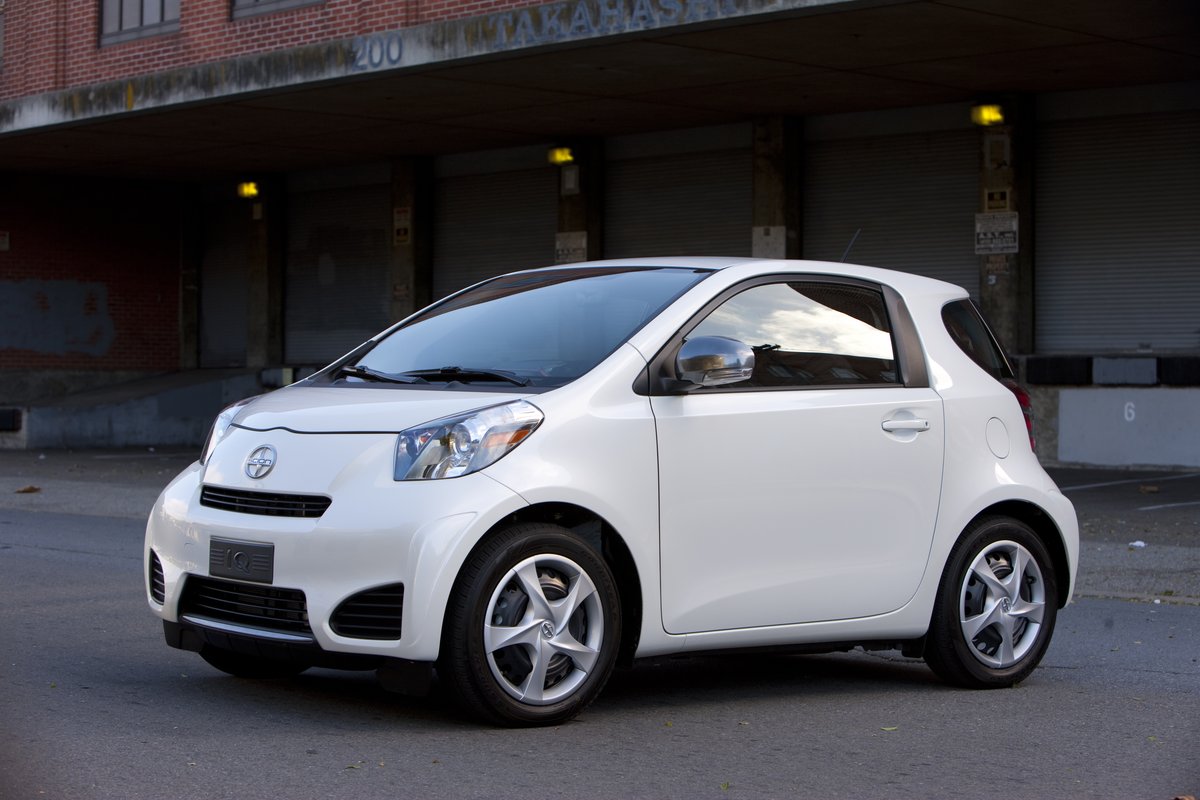
7. Toyota iQ
The Toyota iQ is a highly innovative microcar developed by Toyota as a response to growing urban congestion and environmental concerns. It is one of the smallest four-seat cars ever produced, despite its extremely compact exterior dimensions. This clever packaging strategy makes it a standout entry among the smallest cars ever made.
The design of the Toyota iQ focuses on maximizing interior space within a minimal footprint. Engineers achieved this by redesigning components such as the fuel tank, steering system, and air conditioning unit to occupy unconventional positions. This allowed the vehicle to accommodate up to three passengers plus a small child in emergency seating configurations.
The exterior of the iQ is short and wide compared to traditional compact cars, giving it improved stability while maintaining a small length. This balance between size and safety was a major achievement in its engineering design. It also included modern safety features that are uncommon in microcars, making it more suitable for real-world driving conditions.
Performance-wise, the Toyota iQ offers efficient engines designed for urban commuting. It provides smooth handling in city environments and maintains good fuel economy. Its compact size makes parking extremely easy, which is one of its strongest advantages in crowded urban centers.
The Toyota iQ represents a modern evolution of microcar philosophy. It combines safety, efficiency, and intelligent design, proving that small cars can still meet modern expectations. It remains an important example in the history of the smallest cars ever made.
- Motor: Electric motor (about 13 kW output)
- Horsepower: Around 17 hp
- Torque: Approximately 57 Nm
- Length: 233 cm
- Width: 119 cm
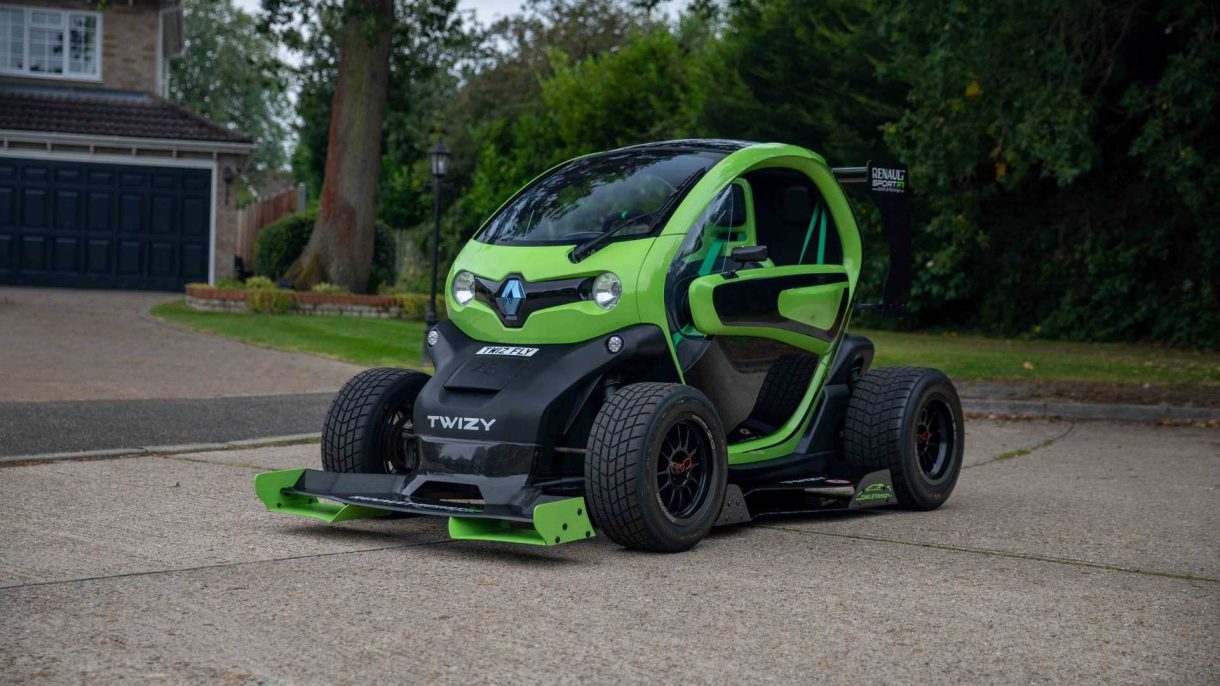
8. Renault Twizy
The Renault Twizy is a unique electric micro vehicle that blends the characteristics of a car and a quadricycle. Produced by Renault, it represents a futuristic approach to urban mobility and is widely regarded as one of the most compact electric vehicles ever made. Its ultra-narrow design and lightweight structure make it a strong candidate in discussions about the smallest cars ever made.
The Twizy features a tandem seating layout, where passengers sit one behind the other. This design reduces its width significantly, allowing it to navigate extremely tight urban spaces. Its open-style doors and lightweight frame emphasize its focus on efficiency and simplicity rather than traditional automotive comfort.
Being fully electric, the Renault Twizy is designed for short urban commutes. It has a limited driving range but compensates with zero emissions and low operating costs. This makes it particularly suitable for city dwellers looking for an eco-friendly transportation solution.
The vehicle’s design is minimalistic, with exposed wheels and a compact cabin that highlights its functional purpose. It lacks many features found in conventional cars, but this reduction in complexity is intentional and contributes to its efficiency and affordability.
The Renault Twizy is the modern direction of micro mobility. It shows how the principles of the smallest cars ever made are evolving in response to environmental concerns and urban congestion. It remains a significant example of innovation in compact electric transportation.
