
Buying a new car usually means accepting that its value will begin to drop once it leaves the dealership. By the time the odometer reaches 100,000 miles, many vehicles have lost between 60 and 70 percent of their original price. Still, a small group of models refuses to follow that pattern.
Even with high mileage, they continue to attract buyers willing to pay impressive prices for well-maintained examples. Several factors explain why these vehicles remain highly desirable. Many have built a reputation for dependable engineering and long service life, giving buyers confidence that they can continue driving them for years without major concerns.
Some benefit from loyal owner communities that keep interest alive, while others offer a level of practicality that few competing models can match. When demand stays strong and good-condition vehicles become harder to find, resale prices remain healthy.
Supply also plays an important role in maintaining high values. Clean examples are often snapped up quickly because buyers know they are getting vehicles with a proven record of reliability. Certain models are also appreciated by enthusiasts who see them as long-term investments rather than ordinary transport. That steady interest keeps prices from falling as quickly as many people expect.
This list covers ten vehicles that continue to hold their value even after reaching 100,000 miles. They prove that a high odometer reading does not always reduce a vehicle’s appeal. With proper maintenance and careful ownership, some cars continue commanding strong resale prices long after many others have lost much of their market value.
1. Toyota 4Runner (Fifth Generation)
- Engine: 4.0L Naturally Aspirated V6
- Horsepower: 270 hp
- Torque: 278 lb-ft
- Size: 190.2 in Long x 75.8 in Wide
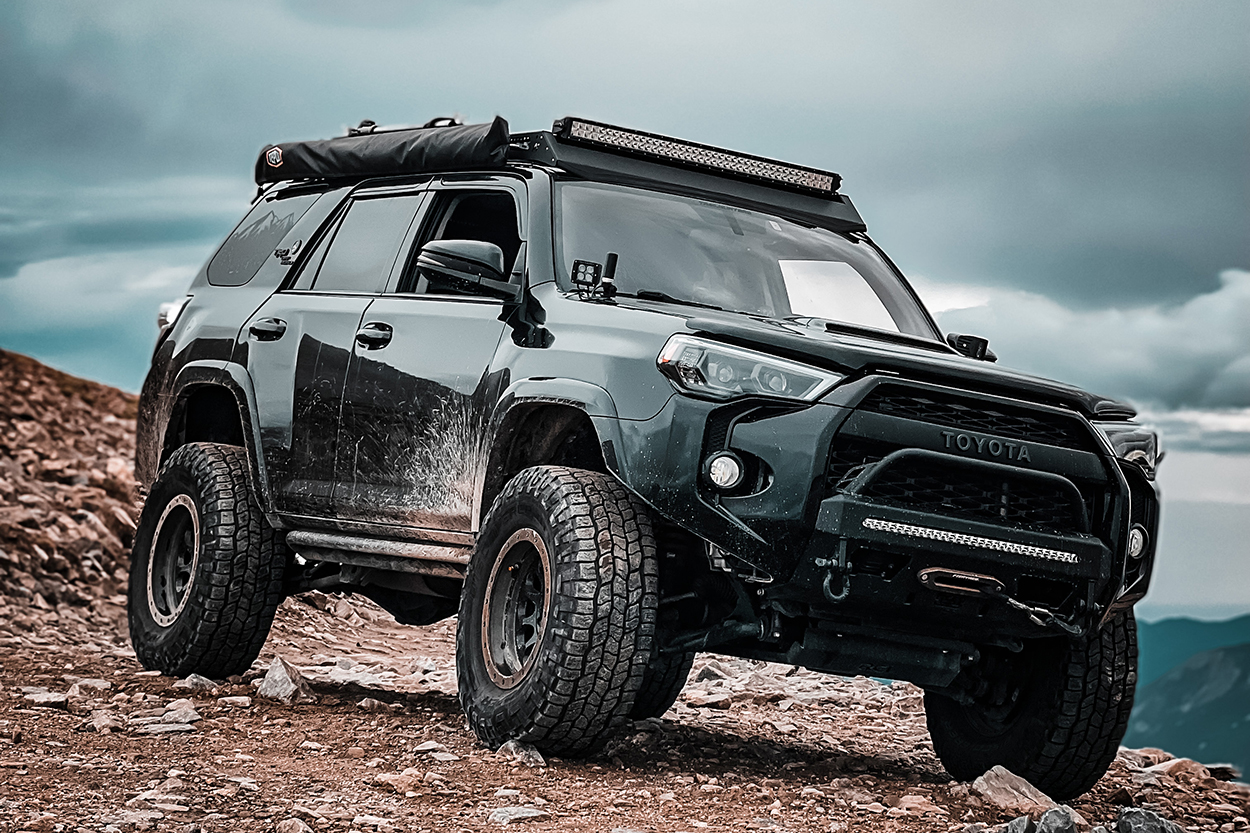
Used SUV shoppers who follow resale trends already know the fifth-generation Toyota 4Runner stands in a class of its own when it comes to holding value. A well-kept example with around 100,000 miles often sells for about 65 to 70 percent of its original price, a level of retention most competitors cannot reach even when brand new.
Toyota achieved this strong resale behavior by sticking with a body-on-frame design and a simple, durable mechanical setup throughout a long production run. While many rivals moved toward more complicated systems, the 4Runner kept its traditional structure. That consistency allowed buyers to study real ownership experiences over many years, building confidence in how the vehicle performs with age and distance.
Powering this SUV is a 4.0L V6 engine rated at 270 horsepower and 278 lb-ft of torque. The engine stayed largely unchanged across multiple model years, which helped mechanics across the country become very familiar with its servicing needs. That widespread understanding keeps maintenance costs steady, even when mileage climbs, which supports strong demand in the used market.
Used buyers often treat a clean 4Runner like a dependable long-term holding rather than a typical depreciating vehicle. Many are willing to pay higher prices because they expect fewer surprises in ownership. This steady confidence creates consistent demand, keeping resale values high regardless of mileage.
2. Jeep Wrangler (JK / JL Platforms)
- Engine: 3.6L Naturally Aspirated V6 (or 2.0L Turbo 4-Cylinder)
- Horsepower: 285 hp (V6) / 270 hp (Turbo)
- Torque: 260 lb-ft (V6) / 295 lb-ft (Turbo)
- Size: 166.8 in (2-Door) to 188.4 in (4-Door) Long x 73.8 in Wide
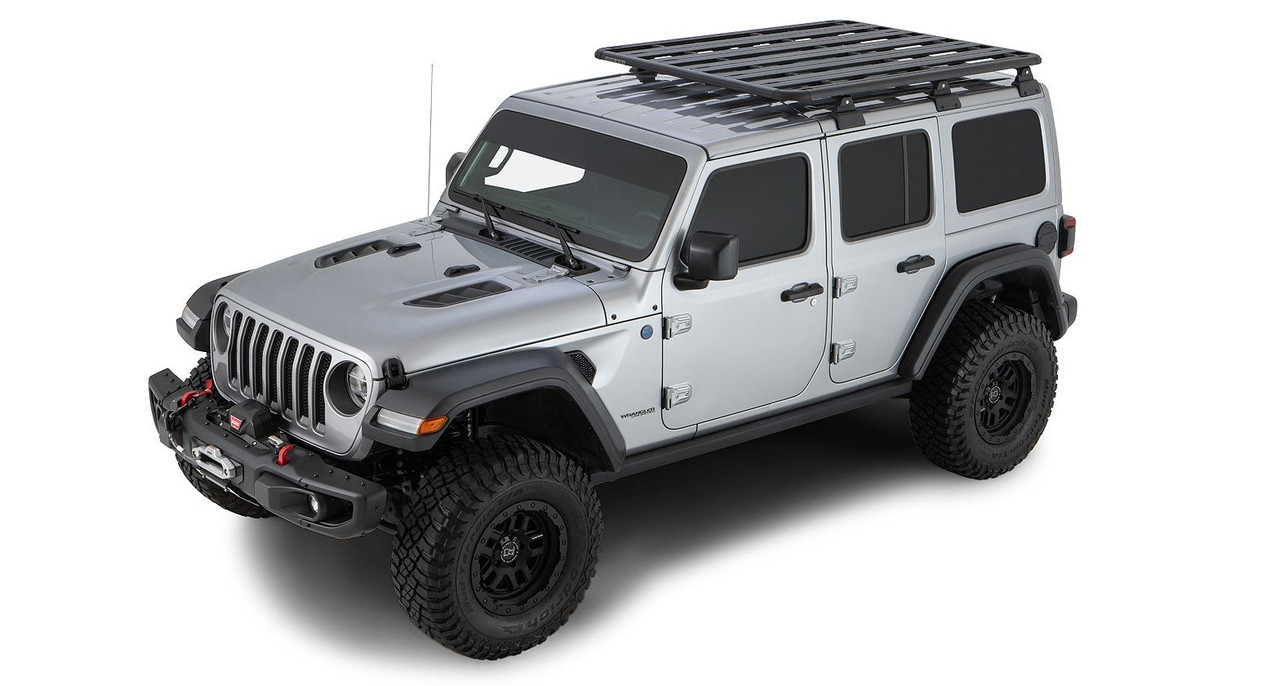
Very few vehicles enjoy the kind of loyal following that the Jeep Wrangler has built over the years. The strong resale value of the JK and JL generations, even after reaching high mileage, goes beyond performance or specifications. People who buy a Wrangler are usually investing in more than just a vehicle. They appreciate the lifestyle it represents, the active owner community, and the endless opportunities for personal upgrades through a well-established aftermarket industry.
A large aftermarket network plays a major part in keeping used Wrangler prices strong. Many buyers specifically search for vehicles with around 100,000 miles because they plan to customise them for off-road adventures, camping trips, or everyday driving. Unlike many SUVs that lose appeal once the mileage rises, the Wrangler continues attracting interest because buyers know replacement parts and accessories are widely available.
Its unique design also keeps demand high. Features such as removable doors, a fold-down windscreen, and open-air driving give the Wrangler an experience that very few vehicles can match. Since Jeep remains one of the only manufacturers offering these features in a mass-produced vehicle, many buyers are happy to overlook wear and tear that would reduce the appeal of other models.
The arrival of the JL generation also expanded buyer interest by offering both the dependable 3.6-litre V6 engine and the 2.0-litre turbocharged four-cylinder engine. Each option has strong support from owners and aftermarket suppliers, making maintenance and upgrades much easier. Because demand regularly exceeds the number of clean used examples available, sellers often maintain strong asking prices even when mileage is well into six figures.
Also Read: 8 Vehicles Thieves Can Steal in Under a Minute
3. Toyota Tacoma
- Engine: 3.5L Naturally Aspirated V6 (or 2.7L 4-Cylinder)
- Horsepower: 278 hp (V6) / 159 hp (I4)
- Torque: 265 lb-ft (V6) / 180 lb-ft (I4)
- Size: 212.3 to 225.5 in Long x 75.2 in Wide
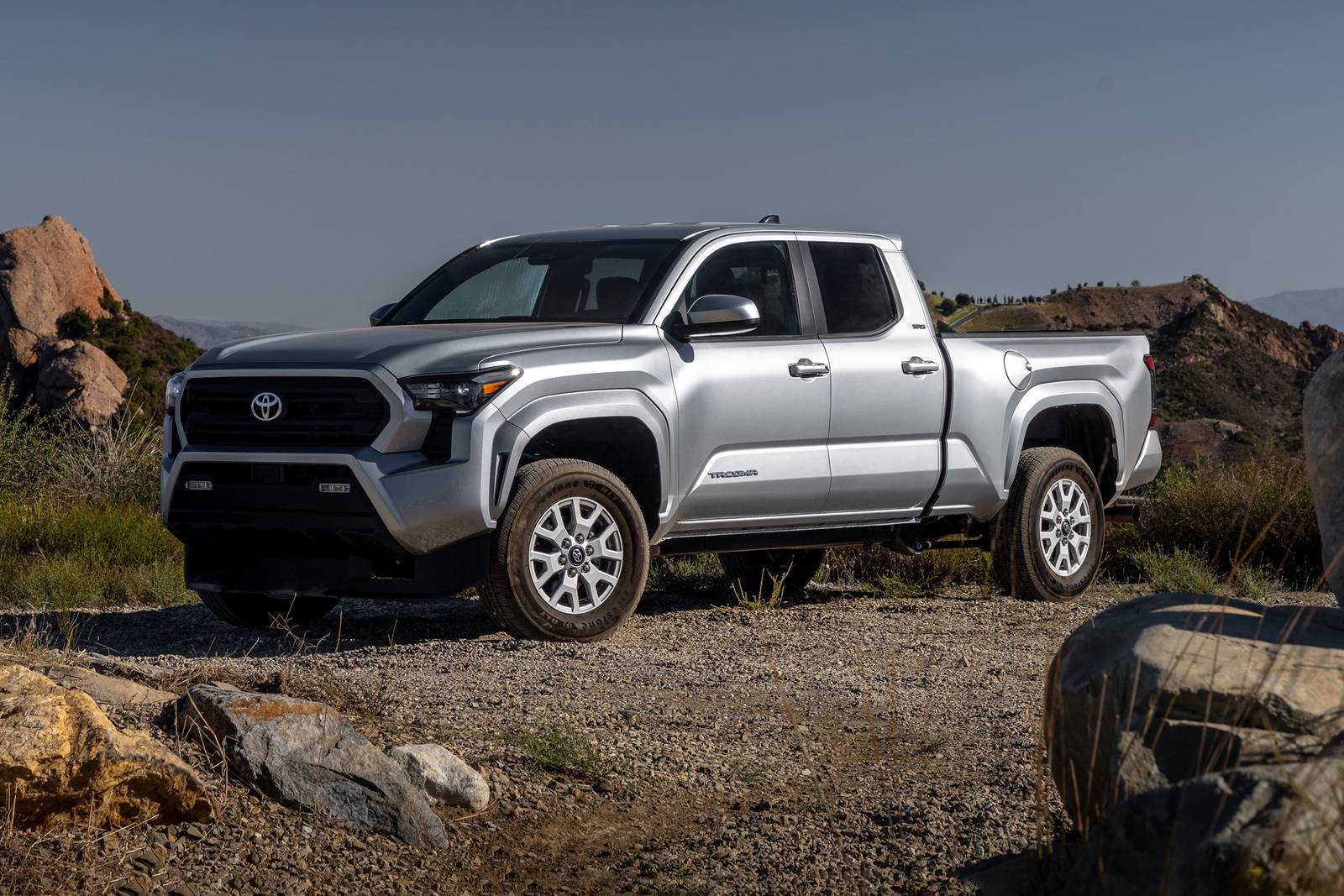
Finding a clean, accident-free Toyota Tacoma with about 100,000 miles under $20,000 is often difficult for most buyers, and that situation shows how strong its resale value has become. Many shoppers quickly notice that prices remain high, even for older models, which creates surprise for those expecting typical depreciation patterns.
Strong resale performance comes from a long history of durability associated with the Tacoma name. Many owners report reaching 200,000 miles with routine maintenance alone, while examples exceeding 300,000 miles are common in online owner communities. This level of longevity shapes buyer expectations, so vehicles at 100,000 miles are still viewed as having a long service life ahead rather than being close to retirement.
Powertrain strength also supports this reputation. The V6 engine, producing 278 horsepower and 265 lb-ft of torque, is widely viewed as dependable across many years of production. Buyers often prefer this configuration when searching used listings, which increases demand for well-equipped examples. Competing midsize trucks from Ford, GM, and Chevrolet have improved, but they still struggle to match the Tacoma’s established trust level in the used market.
Demand also comes from many different buyer groups. Outdoor users, small contractors, and casual drivers all compete for the same pool of used Tacomas, keeping interest steady even when the broader market slows down. This wide demand base helps maintain stable pricing, making the Tacoma one of the few midsize trucks that consistently holds value like a long-term asset rather than a typical depreciating vehicle.
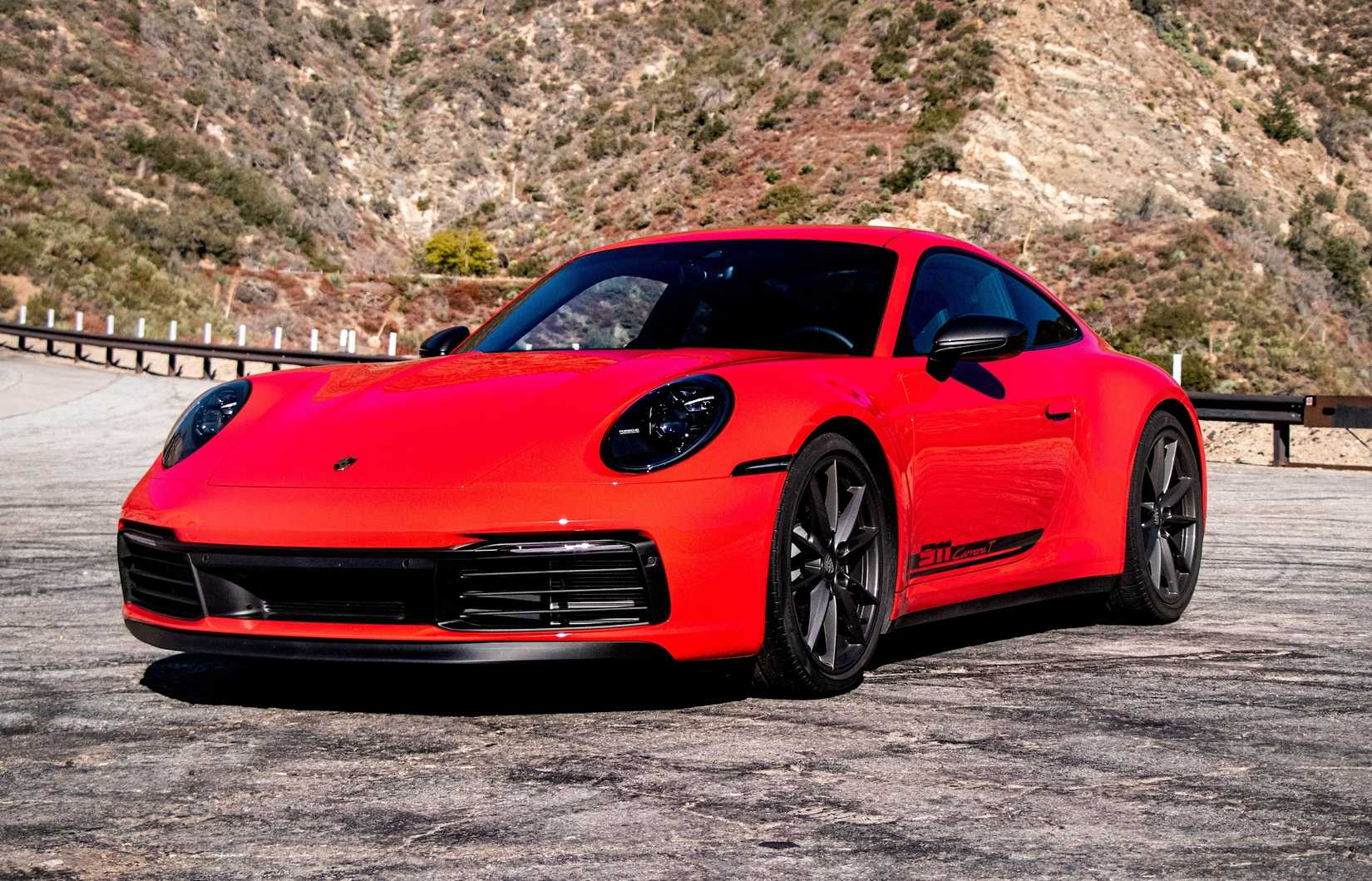
4. Porsche 911 (991 / 992 Generations)
- Engine: 3.0L Twin-Turbo Flat-6 (or 3.8L Twin-Turbo Flat-6)
- Horsepower: 379 hp to 640 hp (depending on trim)
- Torque: 331 lb-ft to 590 lb-ft
- Size: 177.9 in Long x 72.9 in Wide
Used sports car pricing usually drops quickly once mileage starts climbing, but the Porsche 911 behaves differently across both the 991 and 992 generations. While many European performance cars lose a large portion of their value after regular use, a 911 with 100,000 miles still attracts strong offers that often surprise buyers expecting typical sports car depreciation.
Strong engineering design plays a major role in this outcome. Porsche built the 911 with long-term use in mind, making sure its components can handle repeated heat cycles, extended driving, and consistent mechanical stress. This approach shows in real ownership records, where well-maintained examples often pass 150,000 miles and sometimes reach 200,000 miles without major failures that would normally damage resale value in other high-performance cars.
Power comes from a 3.0L twin-turbo flat-six engine producing between 379 and 640 horsepower, depending on trim level and model year. The engine has earned a strong reputation for reliability within the performance segment. Earlier manual transmission versions are especially sought after because many buyers prefer the more direct driving feel compared to automatic systems, which helps those models retain stronger pricing in the used market.
Collector interest also supports higher values. Many buyers view the 911 as more than transportation, seeing it as a long-term asset with potential appreciation. This group often targets high-mileage examples for restoration or preservation, which adds demand beyond typical sports car shoppers. That additional layer of interest helps keep prices steady, even when mileage levels would normally push other performance cars much lower.
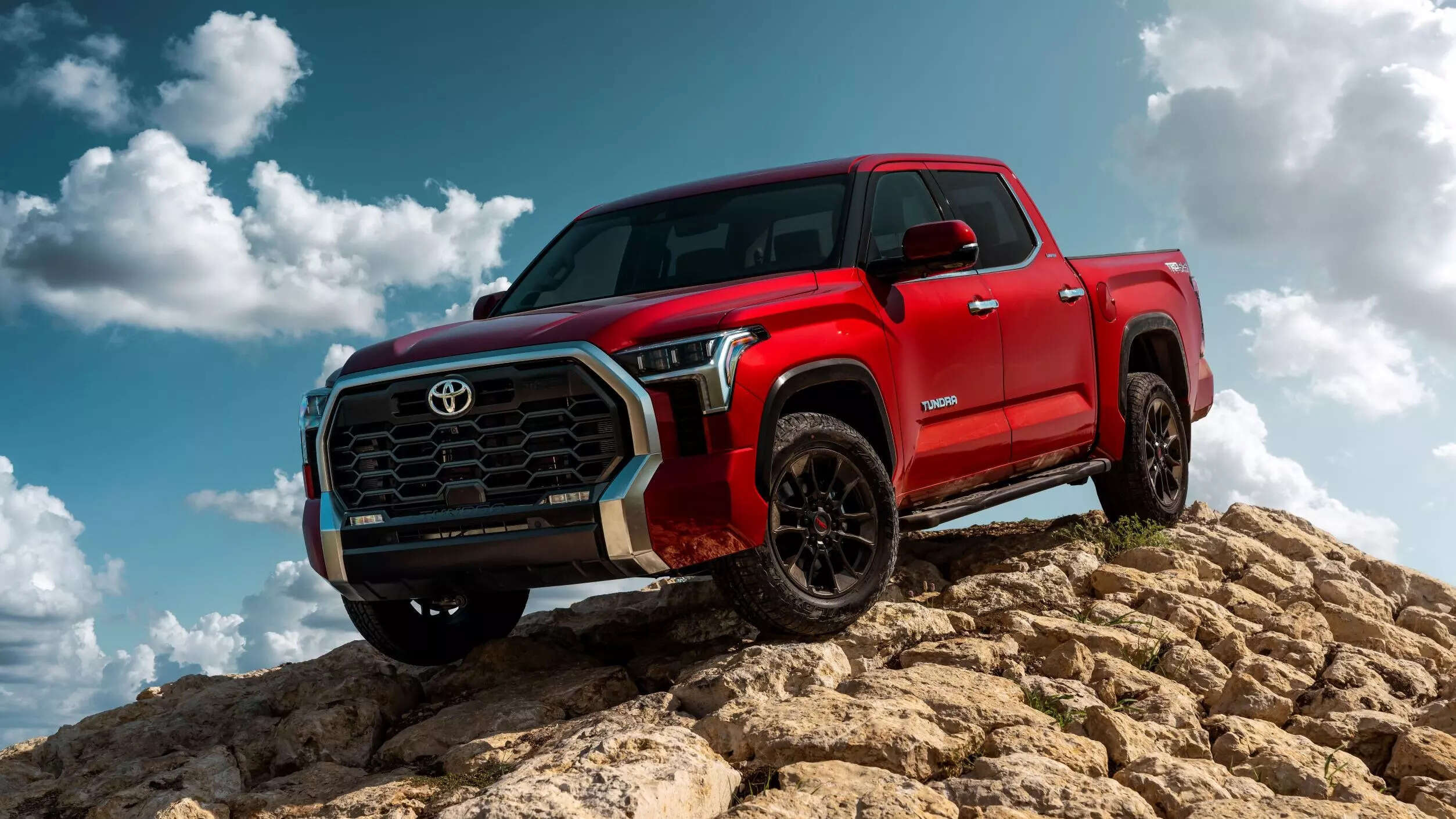
5. Toyota Tundra (V8 Era)
- Engine: 5.7L Naturally Aspirated V8 i-FORCE
- Horsepower: 381 hp
- Torque: 401 lb-ft
- Size: 228.9 to 247.8 in Long x 79.9 in Wide
Used truck buyers who understand full-size pickup values tend to target Toyota Tundra models fitted with the 5.7L i-FORCE V8, and that focused demand strongly influences how these trucks are priced on the secondary market. The engine delivers 381 horsepower and 401 lb-ft of torque, which kept it competitive during its production years, but its real reputation comes from long-term durability rather than output figures.
Stories of extremely high mileage are widely shared among Toyota truck owners, with many examples reaching 300,000 miles and even 400,000 miles on original engine components. This level of documented endurance is often discussed as a normal outcome rather than an unusual achievement. Such real-life evidence gives buyers added confidence when paying higher prices for used units, since they can verify long-term performance through multiple ownership accounts instead of relying only on manufacturer claims.
Strong buyer confidence built on those experiences helps keep resale values high, especially for V8 versions. Compared with similar full-size trucks from Ford and GM, the Tundra maintains a stronger price position in the used market. Many competing models from those brands have faced concerns such as lifter issues and problems linked to cylinder deactivation systems, which can reduce buyer trust when mileage increases.
That difference in reliability perception plays a direct role in pricing behavior. Buyers are often willing to pay more for a used Tundra V8 because they see it as a safer long-term choice. As a result, well-maintained examples with high mileage often sell for more than comparable trucks from rival brands, reinforcing the Tundra’s strong resale standing in this segment.
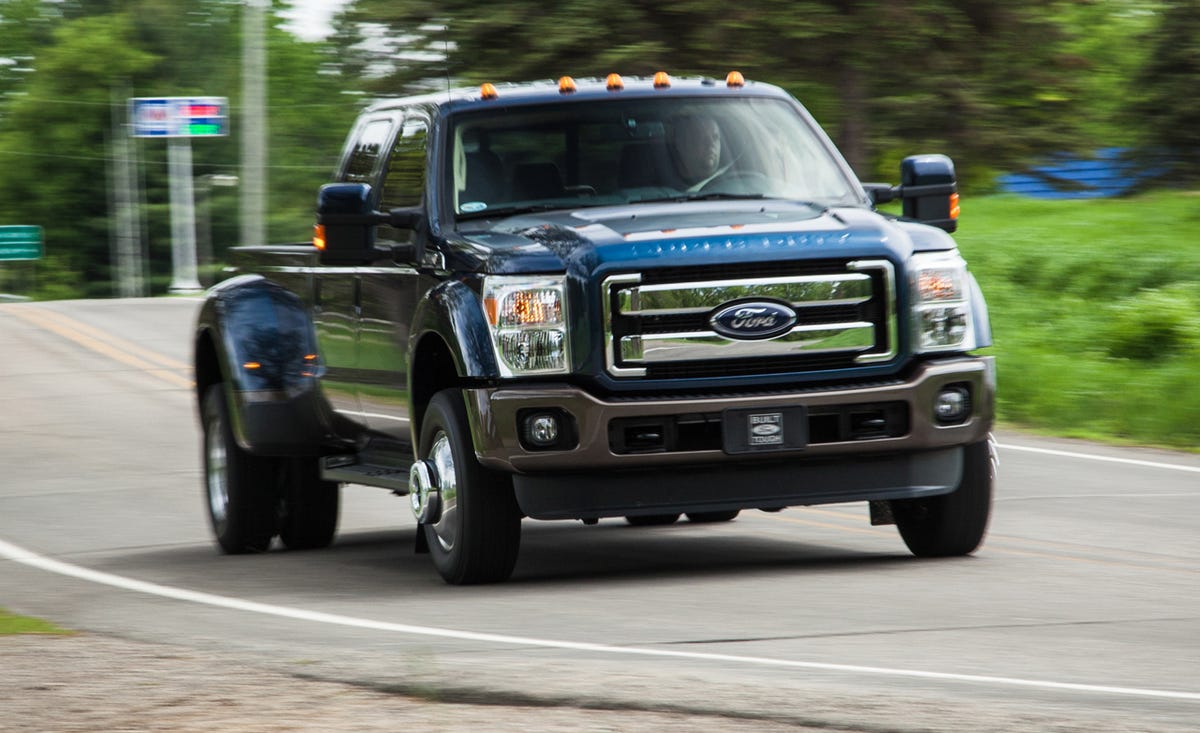
6. Ford F-250 / F-350 Super Duty (Diesel)
- Engine: 6.7L Power Stroke V8 Turbo Diesel
- Horsepower: 450 hp to 500 hp
- Torque: 935 lb-ft to 1,200 lb-ft
- Size: 231.8 to 266.2 in Long x 80.0 in Wide
Commercial truck buyers think differently from regular car shoppers when it comes to mileage and value. That is why Ford F-250 and F-350 Super Duty models fitted with the Power Stroke diesel engine still sell for strong prices even after passing 100,000 miles. Buyers in this segment understand that a well-maintained diesel engine at that mileage is still in a strong working phase rather than approaching the end of its useful life.
Ford designed the 6.7L Power Stroke V8 turbodiesel to handle demanding work conditions found in fleet and industrial use. It produces between 450 and 500 horsepower and delivers torque ranging from 935 to 1,200 lb-ft, depending on model year and tuning. The engine uses reinforced internal parts, stronger bearings, and cooling systems built for continuous heavy workloads rather than short daily trips. That design approach gives it durability far beyond what most gasoline engines are built to handle.
Experienced buyers know that a Super Duty diesel at 100,000 miles can still have a long service life ahead when properly maintained. This understanding affects pricing in the used market, where these trucks are often valued based on remaining work potential instead of mileage alone. Many buyers rely on them for towing large trailers, carrying heavy equipment, or supporting farm operations, so reliability directly affects income and productivity.
Strong demand is also supported by Ford’s long history with the Power Stroke name. Independent mechanics familiar with diesel systems, wide availability of parts, and tuning support all help keep ownership costs manageable. This network encourages buyers to pay higher prices for used units they trust to keep performing under demanding conditions.
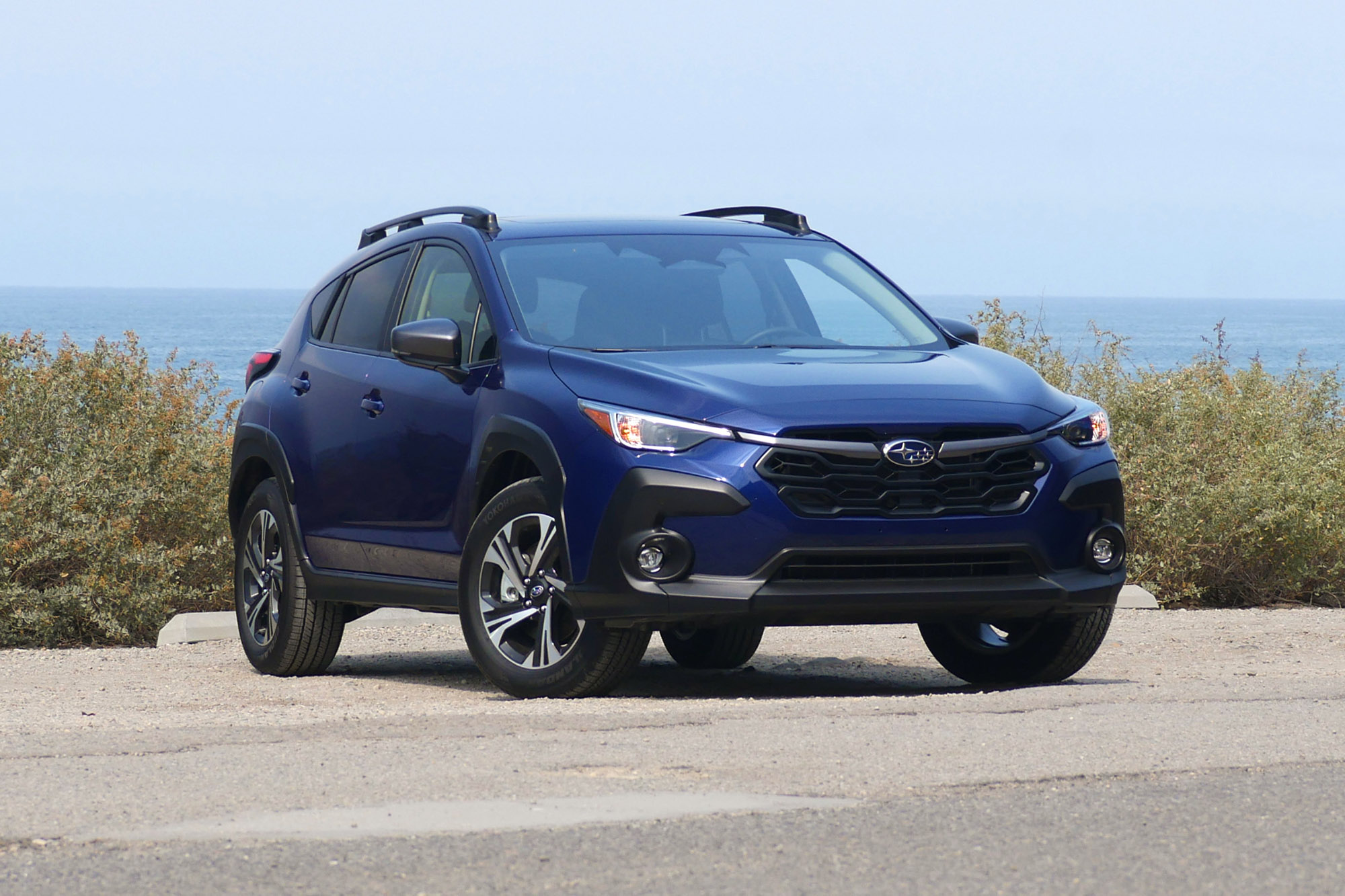
7. Subaru Crosstrek
- Engine: 2.0L Flat-4 Boxer (or 2.5L Flat-4)
- Horsepower: 152 hp (2.0L) / 182 hp (2.5L)
- Torque: 145 lb-ft (2.0L) / 176 lb-ft (2.5L)
- Size: 176.5 in Long x 71.0 in Wide
The Subaru Crosstrek holds a somewhat unexpected position among compact crossovers because its performance figures appear modest when compared with many rivals, yet used market pricing consistently shows stronger value retention than many direct competitors in one of the most competitive segments in the United States.
Symmetrical All-Wheel Drive comes standard across every Crosstrek trim, which gives it an immediate advantage over rivals that restrict AWD to higher-priced versions. This means any used Crosstrek, regardless of trim level, already offers full traction capability. That setup makes it especially attractive to budget-focused buyers who need all-weather performance but want to avoid paying extra for AWD systems offered as upgrades by brands like Honda, Mazda, or Hyundai.
The vehicle appeals to a diverse group of buyers for different reasons. Drivers with active lifestyles value its generous ground clearance and roof rack capability. Students often select it as an affordable all-wheel-drive option, while older buyers appreciate its compact dimensions and practical cargo space for daily errands. This broad customer base helps sustain consistent demand, even during periods when consumer spending begins to slow.
Boxer engines used in Subaru models benefit from strong familiarity among independent mechanics across many regions in the United States. This keeps maintenance costs predictable, even at higher mileage, and reduces concerns about long-term ownership expenses. As a result, used Crosstrek buyers are often more comfortable paying higher prices, knowing servicing remains accessible and affordable compared to less common drivetrain systems.
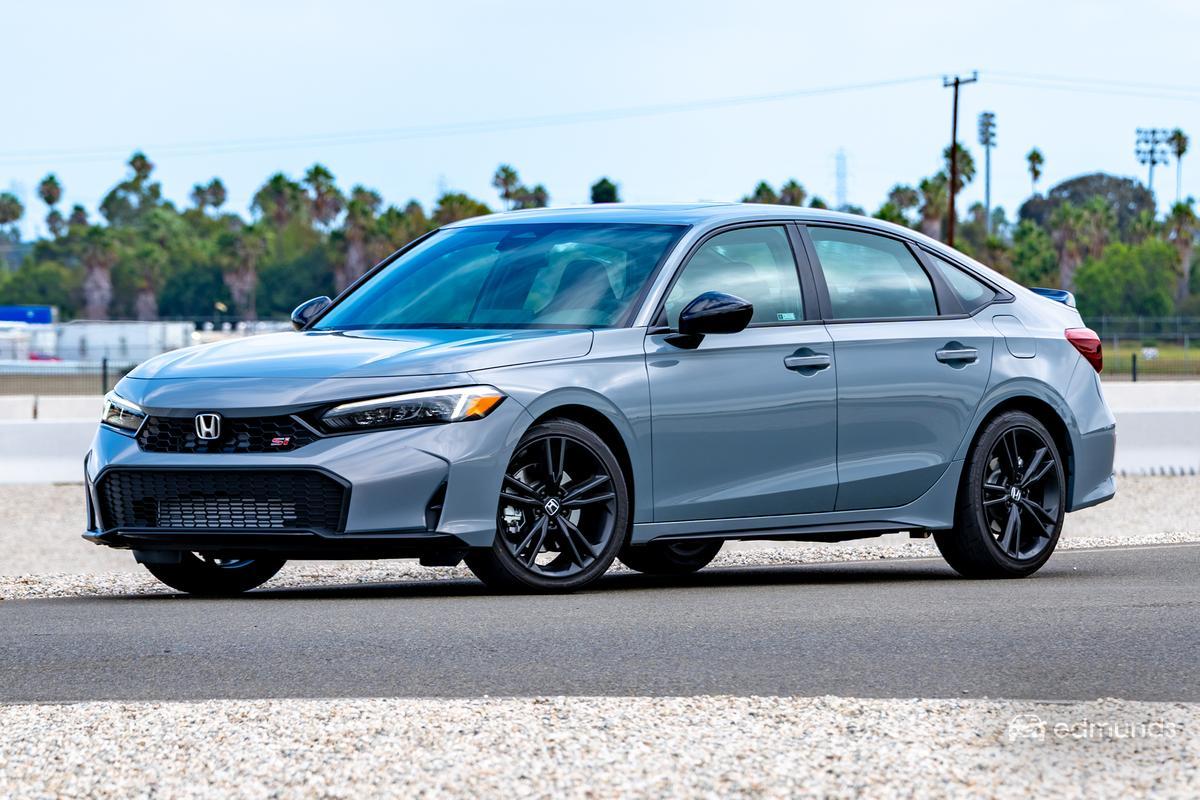
8. Honda Civic Si / Civic Type R
- Engine: 1.5L Turbo 4-Cylinder (Si) / 2.0L Turbo 4-Cylinder (Type R)
- Horsepower: 200 hp (Si) / 315 hp (Type R)
- Torque: 192 lb-ft (Si) / 310 lb-ft (Type R)
- Size: 184.0 in Long x 70.9 in Wide (Si Sedan)
Regular economy cars usually lose value in a steady and predictable way, but performance versions like the Honda Civic Si and Civic Type R follow a different pricing pattern that helps them keep value better than standard Civic models at similar mileage. The difference between the base trims and performance trims shows how buyer demand changes depending on the type of vehicle and who is shopping for it.
Manual transmission availability in both the Si and Type R also plays a strong role in supporting resale value. Even though many industry forecasts have suggested manuals are fading out, enthusiasts still see them as a preferred choice. Buyers who want a more engaging driving experience often focus only on manual-equipped versions, which reduces the pool of available options and increases competition for those units.
Performance figures from the Type R help reinforce its strong position in the used market. The 2.0L turbocharged engine produces 315 horsepower and is paired with a six-speed manual gearbox and a limited-slip differential. This combination delivers a driving setup that few competitors can match at a similar price level when new, and that advantage carries into the used market as well. Buyers who missed out on new units during periods of high dealer pricing often turn to used examples as a more practical way to get into the model.
Honda’s reputation for durable engines also supports confidence among used buyers. Many expect that a well-maintained Type R with around 100,000 miles will still deliver consistent performance without major mechanical concerns, which helps maintain strong demand and keeps resale prices higher than many rivals in the same category.
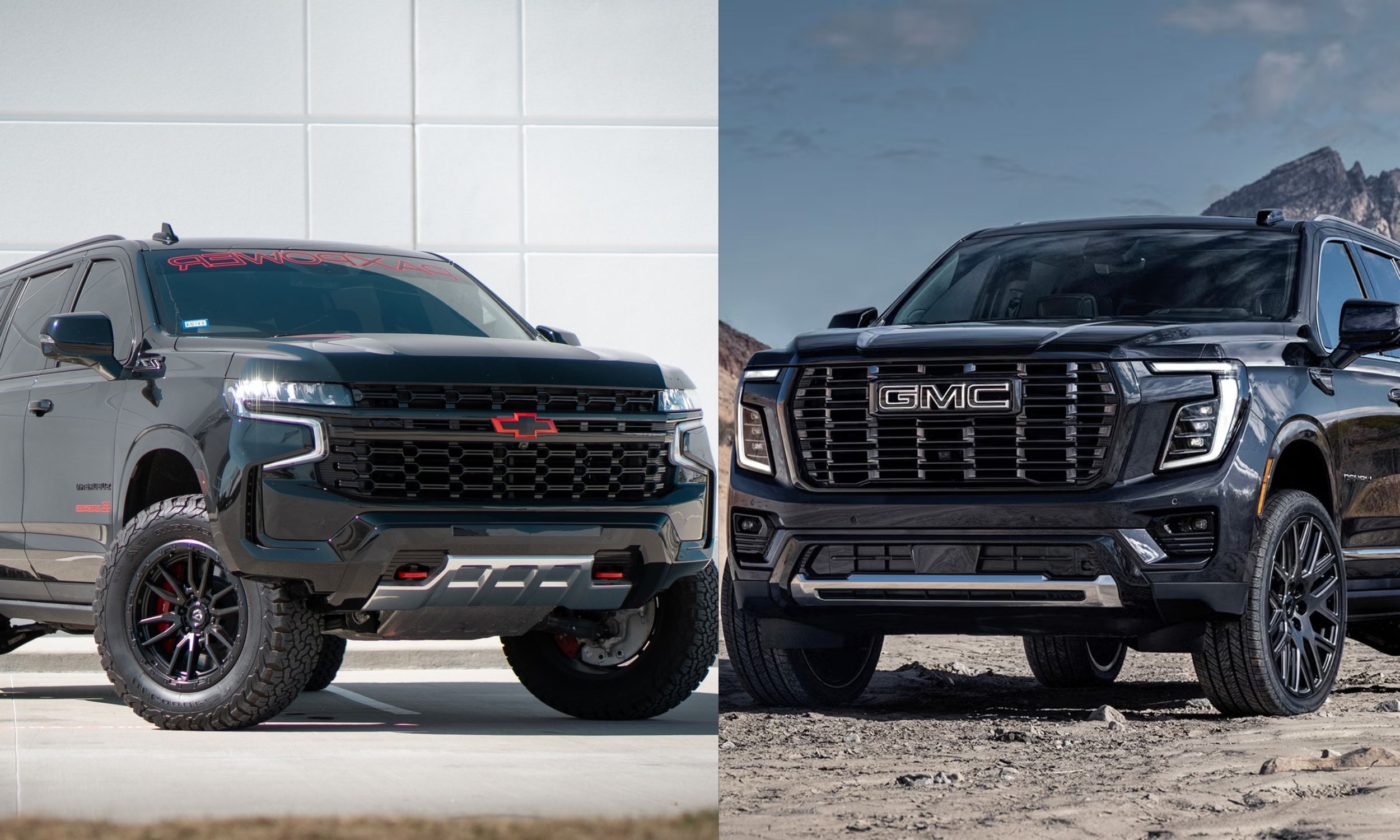
9. Chevrolet Suburban / GMC Yukon XL
- Engine: 5.3L V8, 6.2L V8, or 3.0L Duramax Turbo Diesel
- Horsepower: 277 hp (Diesel) to 420 hp (6.2L V8)
- Torque: 383 lb-ft (5.3L V8) to 460 lb-ft (Diesel / 6.2L V8)
- Size: 225.7 in Long x 81.1 in Wide
Families that need true eight-seat seating, strong towing ability, and large cargo space do not have many choices, and that limited supply plays a major role in keeping the Chevrolet Suburban and GMC Yukon XL strong in the used market, even at high mileage. New models are priced beyond many households that actually require this level of space and capability, so those buyers naturally turn to used options, keeping demand steady and prices firm.
Engine choices also help maintain interest across the lineup. Buyers can select from a 5.3L V8, a stronger 6.2L V8, or a 3.0L Duramax turbodiesel, depending on whether they want balanced power, higher output, or better fuel economy for long trips. The diesel version often carries higher used prices because it delivers strong torque while using less fuel on highways, a combination that is rare among large SUVs in this category.
Platform engineering adds another layer of confidence for buyers. Both models are built on General Motors’ GMT architecture, which is also used in other large vehicles across commercial and passenger segments. This shared foundation improves parts availability and keeps repair costs more reasonable, even for vehicles with high mileage.
Wide parts support and established servicing networks reduce long-term ownership concerns for used car buyers. That helps keep resale values stable since buyers feel more comfortable purchasing older examples without worrying about expensive or hard-to-find repairs, which strengthens demand for both the Suburban and Yukon XL in the full-size SUV segment.
Also Read: 8 Vehicles That Aced the Updated Side-Impact Test
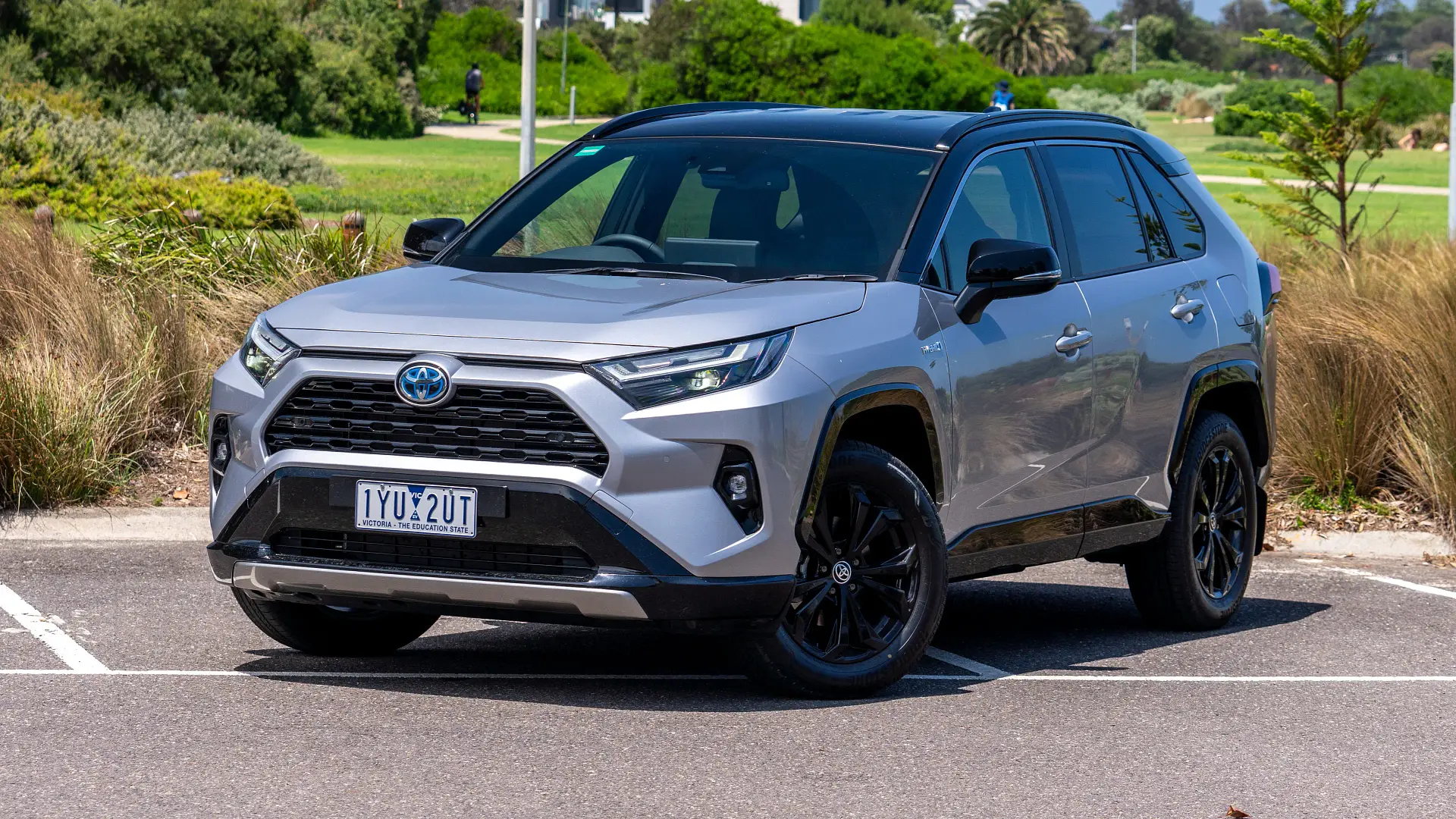
10. Toyota RAV4 Hybrid
- Engine: 2.5L 4-Cylinder Hybrid Architecture
- Horsepower: 219 hp (total system output)
- Torque: 163 lb-ft (engine mechanical)
- Size: 180.9 in Long x 73.0 in Wide
Toyota’s RAV4 Hybrid holds its value well in the used market because it brings together strong brand reliability and a fuel-efficient hybrid system that delivers clear savings for owners. This mix keeps demand high, so pricing stays above that of many similar crossovers, including gasoline versions from Toyota and rival brands.
Toyota’s e-CVT hybrid setup has earned a solid reputation for a long service life. Mechanics and long-term owners often point to its durability even past 100,000 miles. Unlike some hybrid systems that raise concerns as batteries age or electronics wear out, the RAV4 Hybrid benefits from Toyota’s long experience with hybrid technology, shaped by years of Prius development and continuous improvements before it reached this model.
Buyers considering a high-mileage RAV4 Hybrid usually have access to a large amount of real ownership data. Many reports show few hybrid-related failures and steady maintenance needs that stay predictable even at higher mileage. This kind of track record helps reduce hesitation for shoppers who might be cautious about buying used hybrid vehicles from brands with less proven systems.
Fuel efficiency also adds strong value during ownership. The RAV4 Hybrid uses less fuel than standard gasoline crossovers, creating ongoing savings month after month. Many buyers see this as a way to recover part of the higher purchase price as time goes on.
For people focused on long-term running costs, those savings make the higher asking price easier to accept when compared with traditional gasoline alternatives.
