
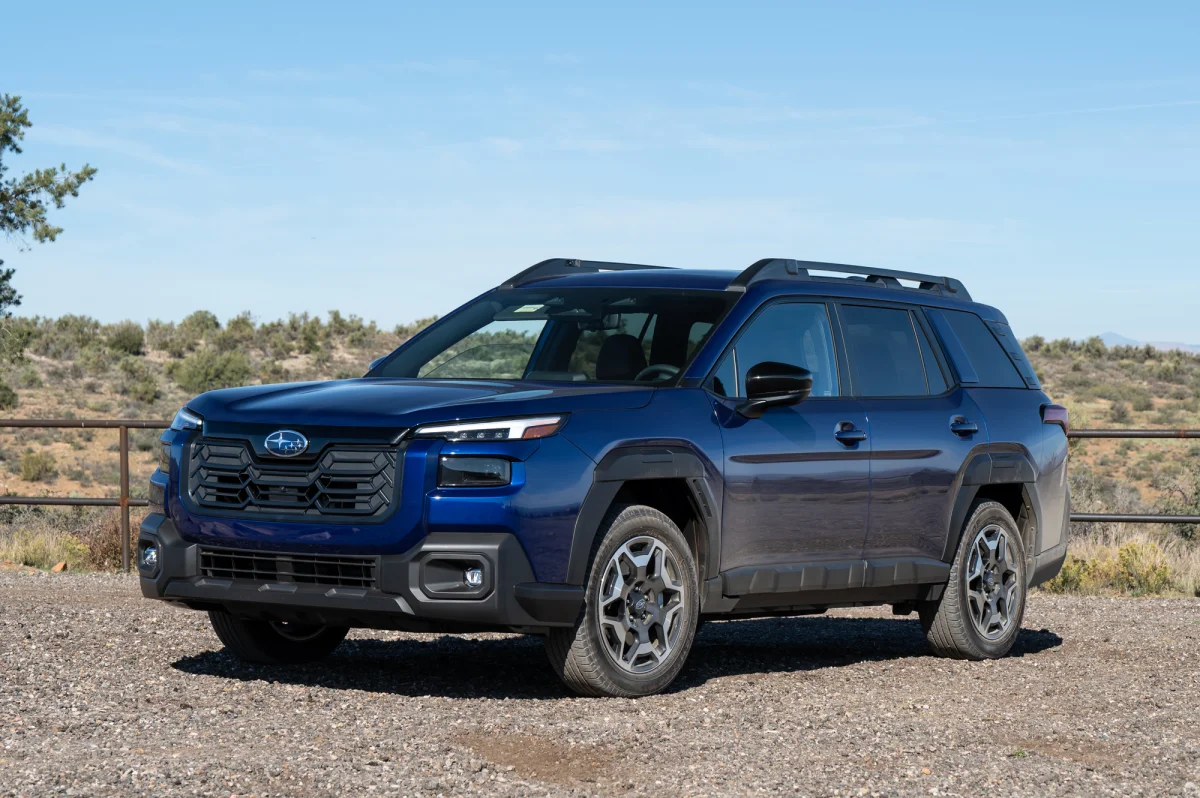
The Subaru Outback has built a reputation as one of the most practical midsize crossover wagons on the market, often chosen for its all-wheel drive capability, strong safety record, and long-term durability.
While buyers usually focus on the sticker price, the true financial picture of owning a vehicle emerges only after factoring in depreciation, fuel, insurance, maintenance, financing, and fees over time. These combined expenses often exceed the initial purchase cost, which makes the total cost of ownership a more accurate way to understand affordability.
Across industry benchmarks, the Subaru Outback consistently ranks in the lower-to-mid range of ownership costs compared to other midsize SUVs. According to a 5-year ownership analysis from Kelley Blue Book, the Outback typically costs around $45,585 over five years, including depreciation and operating expenses combined.
True Cost to Own model shows a similar range, estimating about $45,708 for a comparable trim over the same period. These figures place it roughly in line with the segment average, but still slightly more economical than many European competitors and larger SUVs.
What makes the Outback interesting from a financial perspective is not just the total cost, but the structure of that cost. Depreciation tends to be the largest single expense, often accounting for roughly one-third of total ownership costs.
Insurance follows closely due to safety ratings and repair pricing trends, while fuel costs remain moderate thanks to the vehicle’s efficient four-cylinder engine and Subaru’s emphasis on balanced performance rather than high horsepower output.
Maintenance and repairs, although present, are relatively predictable compared to luxury SUVs, which can experience sharp cost spikes after warranty periods end.
However, real-world ownership is highly dependent on driving habits, location, insurance rates, fuel prices, and how long the vehicle is kept.
A driver covering high annual mileage in a metropolitan area may experience significantly higher insurance and fuel expenses compared to someone in a rural region with lower usage. Financing choices also play a major role, as interest payments can add thousands to the total cost over five years.
In this breakdown, each major cost category is examined using standardized automotive cost-of-ownership datasets. The goal is to present a realistic and structured financial picture of what a Subaru Outback actually costs over a five-year ownership cycle, not just in theory, but in measurable, data-driven terms.
Also Read: 10 Hidden Features in the Kia Telluride
Depreciation and Resale Value Impact
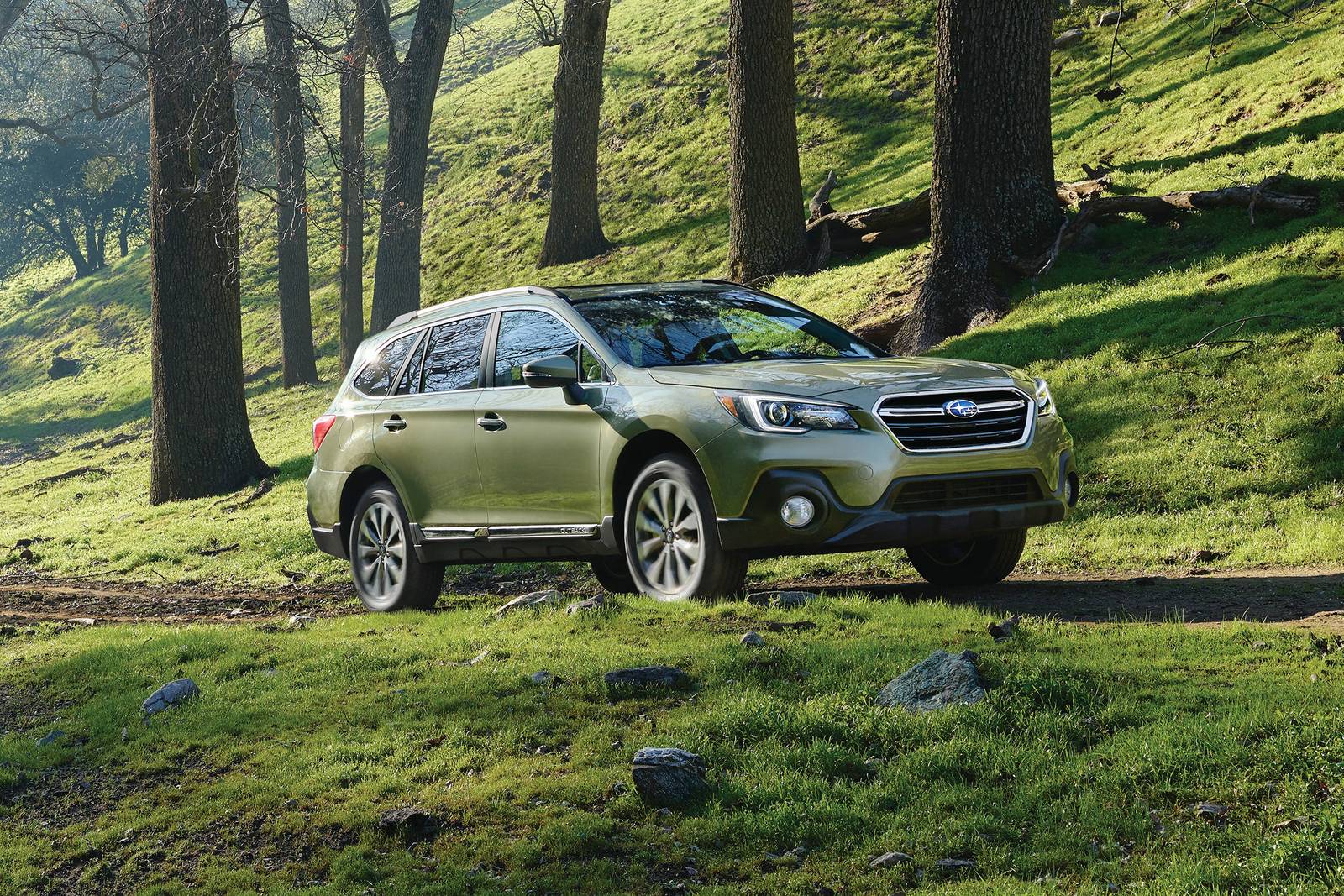
Depreciation is consistently the single largest cost of owning a Subaru Outback over five years. Industry data shows that the Outback typically loses around $12,000 to $18,000 in value over a five-year period, depending on trim level and market conditions.
This represents roughly 30 to 40 percent of the vehicle’s original purchase price, which is typical for mainstream SUVs but still a major financial factor.
One reason the Outback holds value relatively well is Subaru’s strong reputation for reliability and all-wheel drive practicality. Demand remains steady in both urban and rural markets, which helps slow depreciation compared to more niche vehicles. However, higher trims such as turbocharged versions tend to depreciate faster due to higher initial pricing and increased fuel and maintenance costs.
The depreciation curve is not linear. The steepest loss occurs in the first two years, when the vehicle transitions from new to used status. After that, the rate of value decline slows down significantly. This means owners who keep the vehicle beyond five years often experience a better long-term value proposition than short-term leasers or frequent upgraders.
Market conditions also play a role. Supply chain disruptions, used car shortages, and interest rate changes can temporarily increase resale values, reducing effective depreciation. Conversely, oversupply or fuel price spikes can negatively affect resale demand.
In ownership economics, depreciation represents lost capital rather than an out-of-pocket expense. However, it still forms the foundation of the total cost of ownership calculation and heavily influences whether the Subaru Outback is considered a strong long-term investment.
Insurance Costs Over Five Years
Insurance is one of the higher recurring costs of owning a Subaru Outback, averaging roughly $9,000 to $13,000 over five years, depending on driver profile and location. Annual premiums typically range from about $1,600 to $2,600, with relatively stable pricing over time.
The Outback is generally considered moderately inexpensive to insure compared to other midsize SUVs. This is primarily due to Subaru’s strong safety ratings, standard all-wheel drive stability, and lower severity of injury claims compared to higher-performance vehicles. Insurance providers tend to reward these safety characteristics with lower risk classifications.
However, insurance costs vary significantly based on personal factors. Urban drivers often pay substantially more due to higher accident rates, theft exposure, and repair labor costs. Age and driving history also play a major role, with younger drivers facing much higher premiums.
Another important factor is repair cost inflation. Modern vehicles with advanced driver assistance systems, sensors, and calibration requirements have become more expensive to repair after collisions. Even though Subaru is not a luxury brand, its safety tech still adds complexity that influences insurance pricing.
Over a five-year period, insurance remains one of the most predictable costs, but not necessarily one of the smallest. It consistently ranks as the second or third largest operating expense after depreciation and fuel.
Fuel Expenses and Efficiency Reality
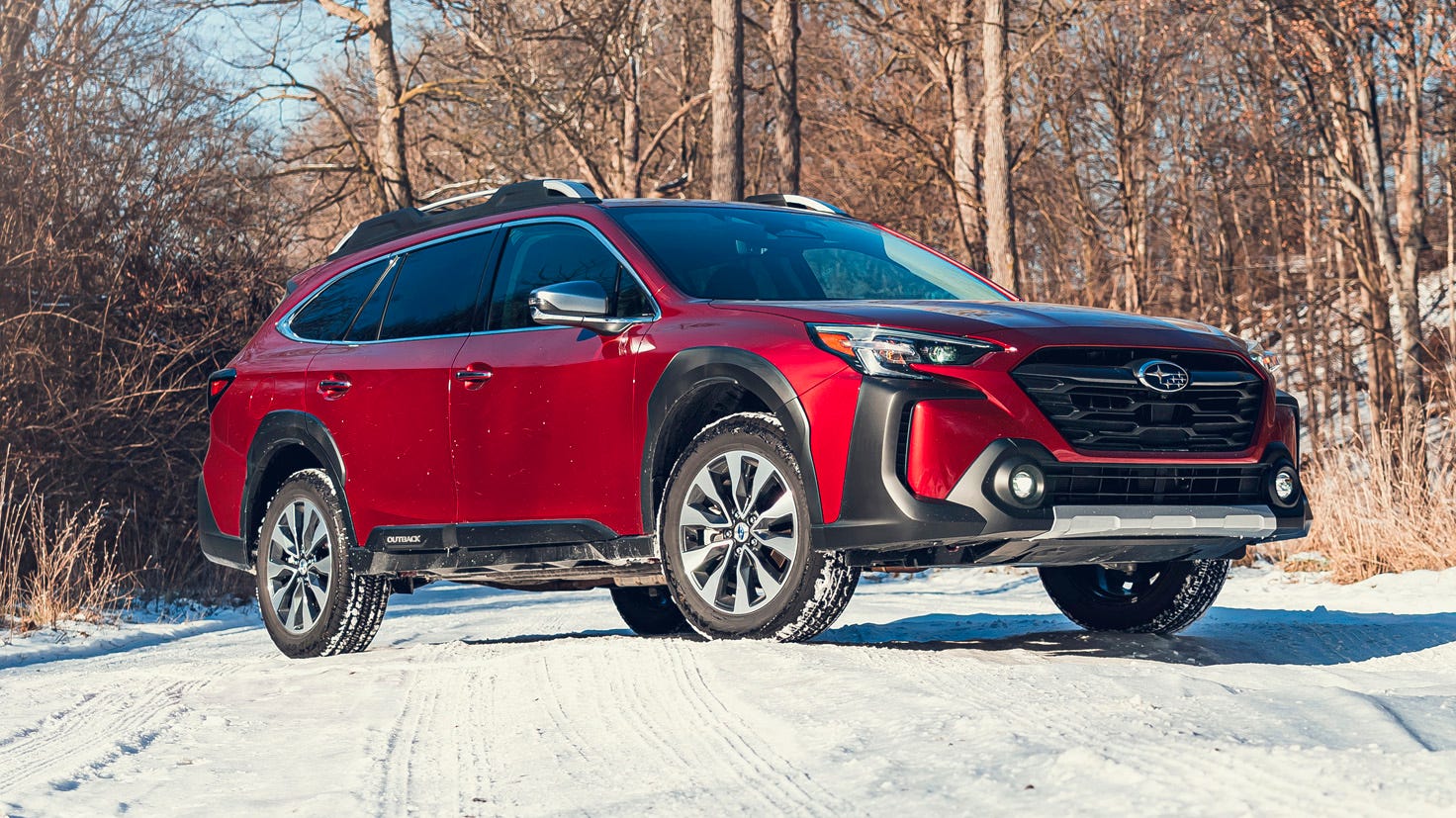
Fuel costs for the Subaru Outback over five years typically fall in the range of $8,000 to $10,500, depending on engine type and mileage assumptions. This places it in the mid-efficiency category for a midsize AWD crossover.
The standard 2.5-liter engine offers respectable fuel economy for its class, often averaging in the low to mid-20 miles per gallon range in real-world driving conditions. Turbocharged variants consume more fuel, especially under highway acceleration or heavy load conditions.
Fuel costs are highly sensitive to geography and usage patterns. Drivers in regions with higher fuel prices or longer commuting distances can see significantly higher totals. Conversely, mixed highway driving often improves efficiency and reduces fuel expenditure.
Driving style also has a measurable impact. Aggressive acceleration, frequent braking, and heavy cargo loads can reduce fuel efficiency by 10 to 20 percent over time. This makes fuel one of the most behavior-dependent cost categories in vehicle ownership.
While fuel is not the largest cost component, it represents a steady, unavoidable expense that accumulates significantly over time, especially for high-mileage drivers.
Also Read: 8 Hidden Features in the Cadillac Lyriq
Maintenance and Repair Costs
Maintenance and repair costs for the Subaru Outback over five years generally range between $3,000 and $6,000, depending on usage patterns and service intervals. These costs are relatively moderate compared to luxury SUVs or European brands, which can exceed double this range.
During the first three years, maintenance costs remain relatively low due to warranty coverage and scheduled servicing. Typical expenses include oil changes, tire rotations, brake inspections, and fluid replacements. After year three, costs begin to rise as wear-and-tear components such as brakes, tires, and suspension parts require replacement.
Repair costs also increase gradually over time, but Subaru vehicles are generally known for mechanical durability when properly maintained. Most major issues, if they occur, tend to appear beyond the five-year window.
One notable cost driver is tire replacement, as AWD vehicles like the Outback require consistent tire matching, which increases replacement frequency and cost. Brake components also tend to wear slightly faster due to vehicle weight and AWD system load distribution.
Maintenance remains one of the more predictable and manageable cost categories, especially for owners who follow manufacturer service schedules.
Financing, Taxes, and Total Five-Year Cost Reality
Financing and taxes can significantly increase the real cost of ownership, especially for buyers who do not purchase the vehicle outright. Interest payments alone can range from $4,000 to $9,000 over five years, depending on loan terms and credit profiles.
Taxes and registration fees vary by state or region but typically add another $2,000 to $5,000 over the ownership period. These are often overlooked but represent real cash outflows that must be included in total cost calculations.
When combined with depreciation, fuel, insurance, maintenance, and financing, the total five-year cost of owning a Subaru Outback generally falls between $44,000 and $46,000 on average. This figure aligns closely across multiple independent automotive cost models.
This means that while the Subaru Outback is not an inexpensive vehicle to own, it is also not among the most costly in its segment. It sits in a middle efficiency zone where strong reliability and resale value offset moderate operating costs.
