
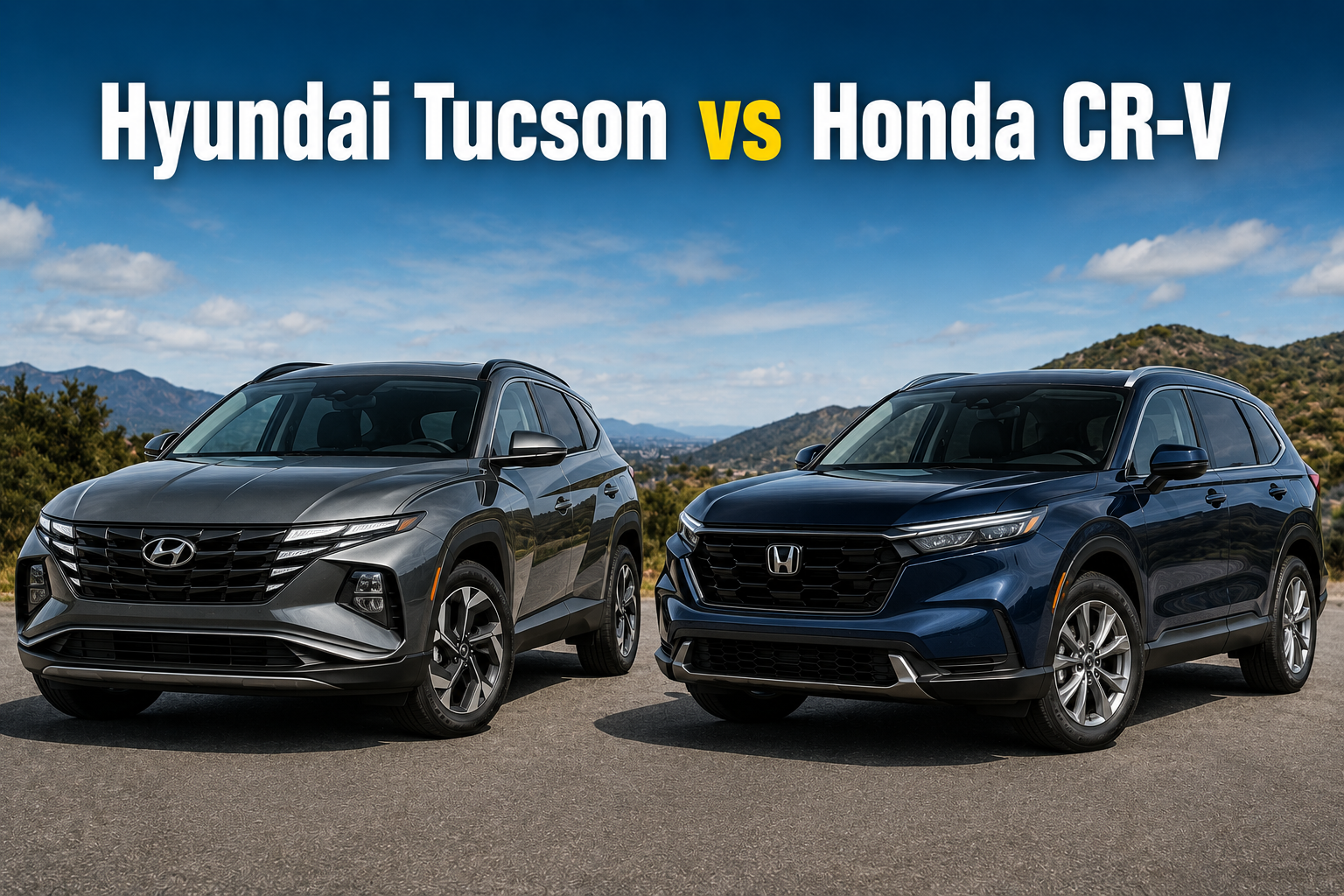
Compact SUVs continue to dominate the automotive market because they offer one of the best combinations of practicality, efficiency, comfort, and affordability. Whether buyers are upgrading from a sedan, starting a family, or simply looking for a versatile daily driver, this segment provides countless options.
Among the strongest contenders are the Hyundai Tucson and the Honda CR-V, two crossovers that consistently rank among the most popular choices in North America.
The Hyundai Tucson has evolved into one of Hyundai’s flagship models. With its bold styling, feature-rich interior, multiple powertrain choices, and competitive pricing, the Tucson has become a serious challenger to long-established segment leaders. Hyundai has focused on delivering premium technology and comfort while maintaining excellent value, making the Tucson particularly attractive to buyers seeking luxury-inspired features without a luxury price tag.
The Honda CR-V approaches the market from a different perspective. Rather than emphasizing dramatic styling or extensive equipment lists, Honda has spent decades refining one of the most balanced compact SUVs available.
The latest CR-V builds on that reputation with a spacious interior, outstanding cargo capacity, refined road manners, available hybrid powertrains, and one of the strongest records for long-term reliability in the industry.
Although these SUVs occupy the same class, they appeal to different types of buyers. The Tucson emphasizes modern design and technology, while the CR-V focuses on practicality, comfort, and ownership confidence.
Both offer advanced driver-assistance systems, fuel-efficient engines, and spacious cabins, making the decision far more difficult than comparing specifications alone.
Choosing between these two compact SUVs requires looking beyond their specifications and comparing how they perform in everyday ownership. Evaluating factors such as design, interior quality, technology, driving dynamics, practicality, and long-term value offers a clearer understanding of which model provides the more compelling combination of features and capability.
Also Read: Toyota Tundra vs Chevrolet Silverado 1500 Comparison: Which Full-Size Truck Holds Up Better?
Exterior Design And Road Presence
Exterior styling is often the first thing buyers notice, and the Tucson and CR-V could hardly be more different in their approach.
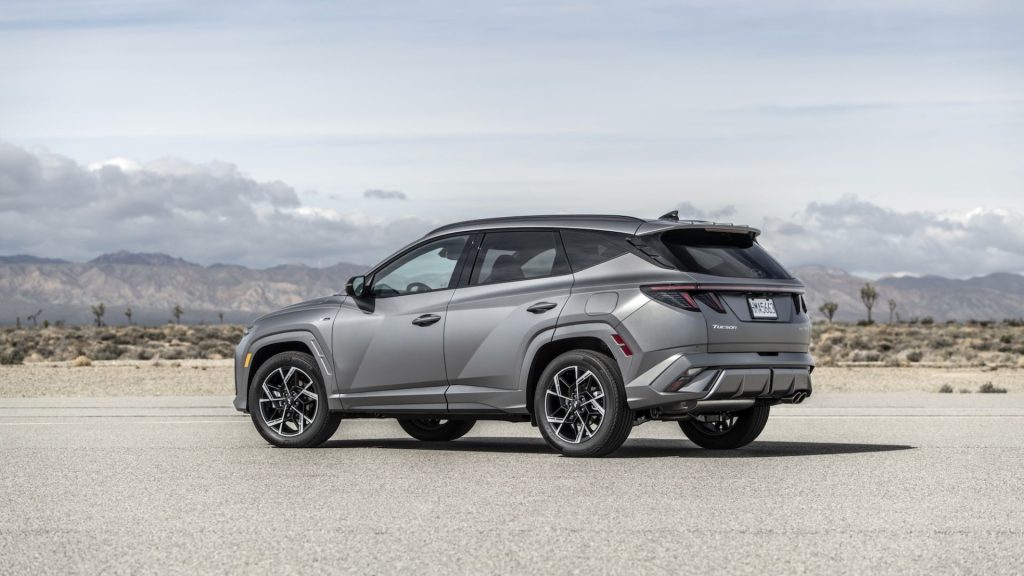
The Hyundai Tucson immediately stands out with one of the boldest designs in the compact SUV segment. Hyundai’s “Parametric Dynamics” design language incorporates sharp body creases, geometric surfaces, and an aggressive front fascia with hidden LED daytime running lights that blend seamlessly into the grille. The result is a crossover that looks futuristic and distinctive from every angle.
Large wheel designs, sculpted fenders, and an athletic stance help the Tucson appear more expensive than its price suggests. Even lower trim levels retain much of the visual drama that distinguishes the vehicle from more conservative competitors.
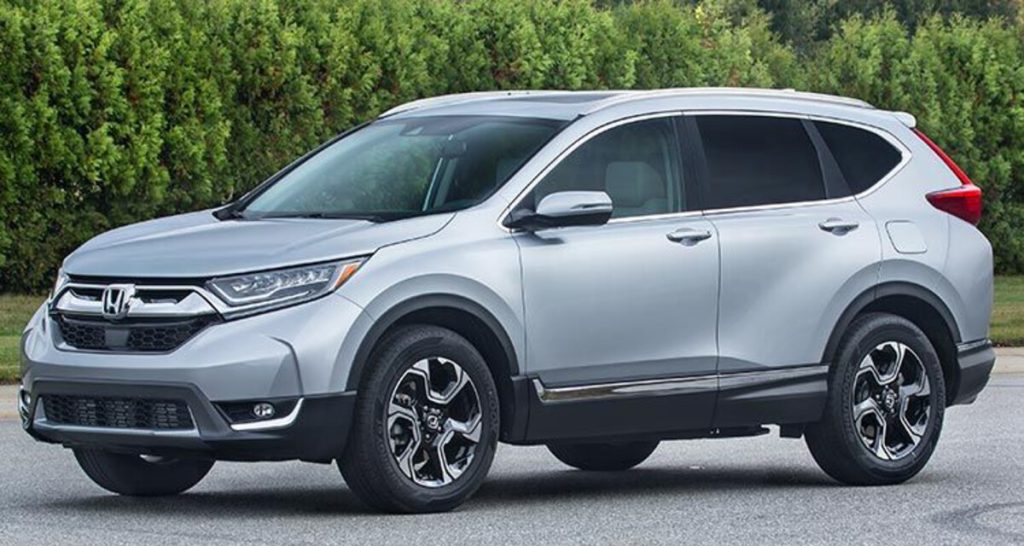
The Honda CR-V follows a more mature design philosophy. The latest generation features a wider stance, cleaner body lines, and an elegant front end that prioritizes sophistication over boldness. Honda has intentionally created a timeless appearance that is likely to remain attractive throughout the vehicle’s lifespan.
Rather than relying on dramatic styling cues, the CR-V emphasizes balanced proportions and understated refinement. Chrome accents, tasteful lighting elements, and subtle sculpting create an SUV that appeals to a broad audience.
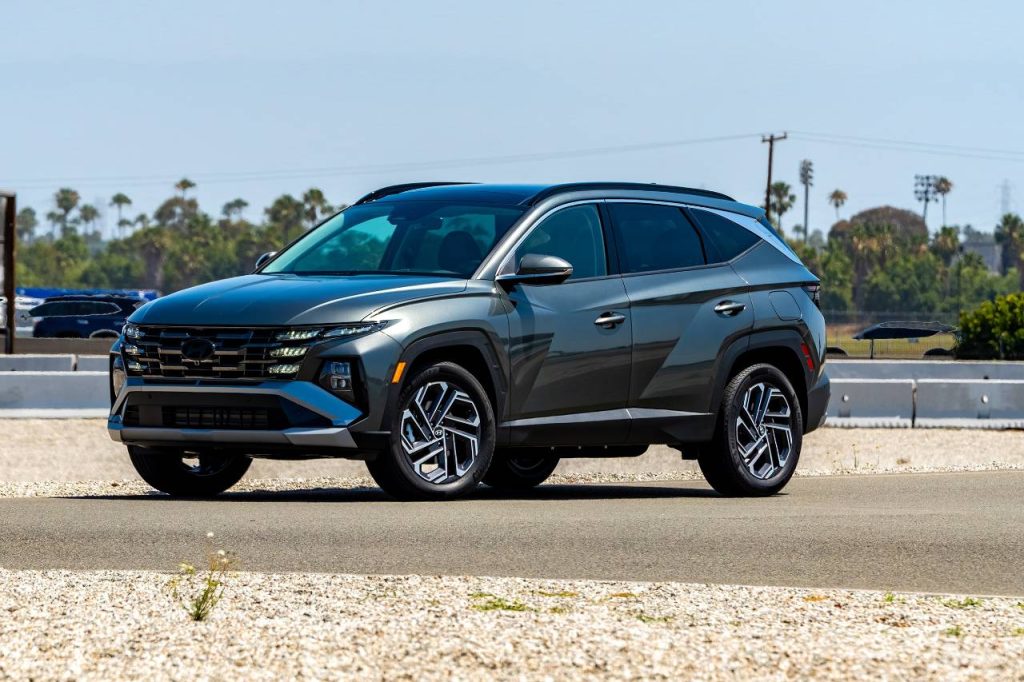
While the Honda’s design is undeniably attractive, the Tucson generates a stronger emotional response. Buyers seeking a compact SUV that stands apart in parking lots and traffic are likely to appreciate Hyundai’s willingness to take styling risks.
The Tucson’s distinctive appearance gives it a personality that many competitors struggle to match.
Winner: Hyundai Tucson
Why It Wins: Bold styling and distinctive lighting create stronger visual appeal and modern road presence.
Interior Comfort, Passenger Space, And Cabin Quality
Interior quality plays a major role in long-term ownership satisfaction because drivers and passengers interact with the cabin every day.
The Hyundai Tucson immediately impresses with its clean dashboard layout, premium materials, and technology-focused design. Higher trims feature leather upholstery, ambient lighting, ventilated front seats, panoramic glass roofs, and soft-touch surfaces throughout much of the cabin.
The dashboard appears modern and uncluttered thanks to integrated digital displays and touch-sensitive controls. The cabin feels upscale, particularly considering the Tucson’s price point.
Passenger accommodations are generous, with comfortable front seats and ample rear legroom. Cargo space is competitive, and the wide rear opening simplifies loading luggage or larger household items.
The Honda CR-V approaches interior design differently. Instead of emphasizing dramatic styling, Honda focuses on practicality and ergonomics.
The dashboard is clean, easy to operate, and features physical controls for commonly used functions. Honeycomb air vent trim adds visual interest without overwhelming the design.
Where the CR-V truly excels is in space utilization. Rear passengers enjoy some of the best legroom in the compact SUV segment, and the cargo area is among the largest in its class. Families transporting child seats, luggage, sports equipment, or groceries will appreciate the additional flexibility.
Material quality has improved significantly compared to previous generations. Higher trims provide leather upholstery, premium stitching, heated seating, and high-quality trim materials that rival those of more expensive competitors.
Although the Tucson delivers a more luxurious first impression, the CR-V’s superior passenger space, seating comfort, and cargo capacity make it the better long-term companion for everyday family use.
Winner: Honda CR-V
Why It Wins: Superior passenger space and excellent cargo capacity improve everyday comfort and practicality.
Technology, Infotainment, And Safety Features
Technology has become one of the primary reasons buyers choose one compact SUV over another, and both manufacturers have invested heavily in this area.
The Hyundai Tucson offers one of the most advanced technology packages in the segment. Available dual digital displays create a premium atmosphere, while wireless Apple CarPlay and Android Auto, navigation, wireless charging, and connected services provide excellent everyday convenience.
Hyundai SmartSense includes adaptive cruise control, lane-following assistance, blind-spot collision avoidance, forward collision mitigation, rear cross-traffic alert, and numerous additional safety technologies. Many of these features are available even on lower trims.
The Honda CR-V features a responsive infotainment system with intuitive menus and straightforward operation. Wireless smartphone integration, digital instrumentation, premium audio systems, and Honda Sensing driver-assistance technologies make the CR-V highly competitive.
Honda Sensing includes adaptive cruise control, lane-keeping assistance, road departure mitigation, collision mitigation braking, and traffic sign recognition. These systems perform smoothly and require minimal driver intervention.
Both SUVs perform exceptionally well, but Hyundai provides a richer technology experience. Larger available displays, more premium digital interfaces, and greater feature content give the Tucson a noticeable advantage.
Technology should simplify ownership while also creating a modern driving environment, and Hyundai succeeds in delivering both.
Winner: Hyundai Tucson
Why It Wins: Richer technology features and premium digital displays enhance the driving experience.
Performance, Fuel Economy, And Driving Experience
Although compact SUVs prioritize comfort over outright performance, driving dynamics still influence everyday satisfaction.
The Hyundai Tucson offers multiple powertrain choices, including gasoline, hybrid, and plug-in hybrid models. The standard engine provides adequate performance for daily commuting, while hybrid variants significantly improve fuel economy and low-speed responsiveness.
Ride quality is comfortable, and the suspension absorbs rough pavement effectively. Steering is light and predictable, making the Tucson easy to maneuver in city traffic.
The Honda CR-V also offers turbocharged gasoline and highly efficient hybrid powertrains. The hybrid system, in particular, delivers smooth acceleration and excellent fuel economy while maintaining a refined driving character.
The CR-V stands out for its well-rounded driving character. Its steering feels more natural, body control remains composed through corners, and highway stability provides added confidence during long-distance travel. Cabin noise is also kept to a minimum, creating a quieter and more relaxing experience behind the wheel.
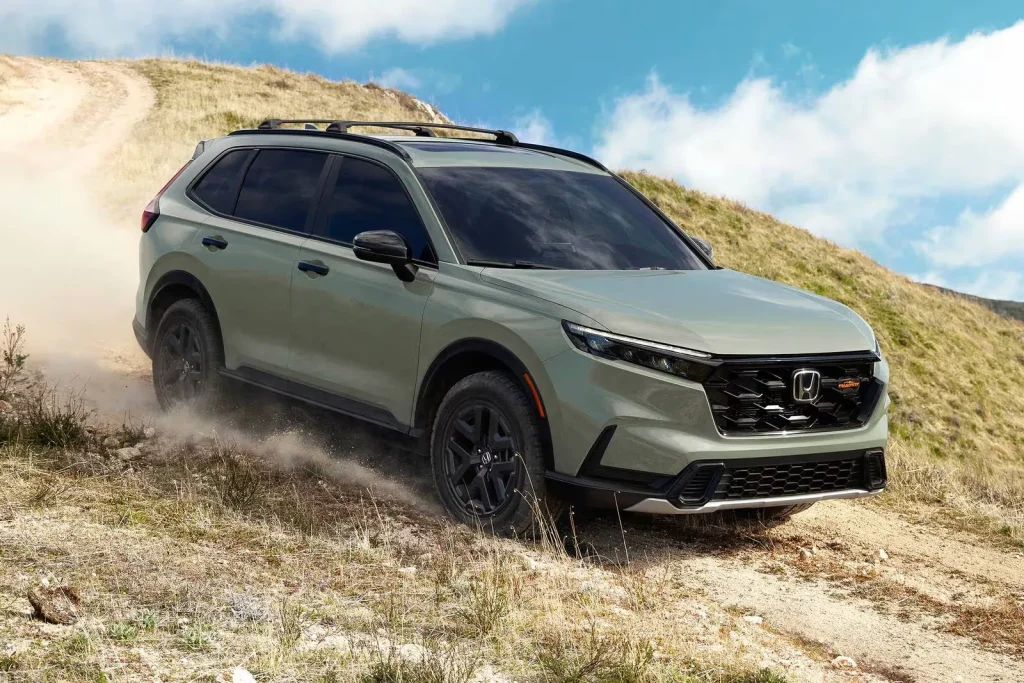
The CR-V manages to feel comfortable without becoming disconnected from the road. Drivers receive enough feedback to enjoy the vehicle while passengers benefit from a composed ride.
Although the Tucson performs admirably, the Honda’s superior refinement and more polished driving dynamics create a stronger all-around package.
Winner: Honda CR-V
Why It Wins: Better ride refinement and more composed handling improve everyday driving confidence.
Cargo Space, Family Practicality, And Everyday Usability
Compact SUVs are expected to accommodate busy family lifestyles, making practicality one of the most important categories.
The Hyundai Tucson offers a spacious cabin with generous rear-seat accommodations and competitive cargo capacity. Numerous storage compartments, wide-opening rear doors, and flexible seating configurations make daily ownership convenient.
Families will appreciate the flat load floor and thoughtfully designed interior storage solutions that simplify shopping trips and weekend travel.
The Honda CR-V raises the standard even further. Rear-seat legroom ranks among the best in the segment, allowing adults to travel comfortably during long journeys. The cargo area is larger than the Tucson’s, and the wide opening simplifies loading bulky items.
Visibility is another CR-V strength. Large windows and carefully positioned pillars improve outward visibility, making parking and navigating crowded streets easier.
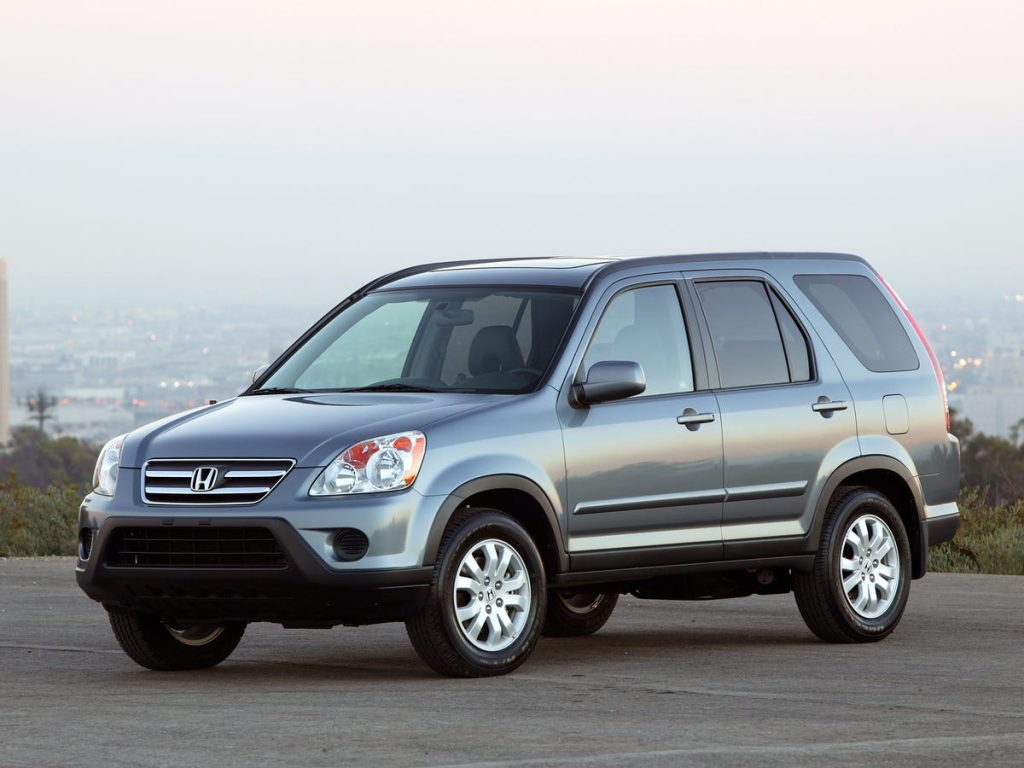
Honda’s reputation for intelligent packaging is evident throughout the cabin. Every available inch of space has been used efficiently, resulting in an SUV that feels larger inside than its exterior dimensions suggest.
While the Tucson performs very well, the CR-V consistently provides greater flexibility for growing families and active lifestyles.
Winner: Honda CR-V
Why It Wins: More usable cargo space and class-leading passenger room improve family versatility.
Reliability, Ownership Costs, And Long-Term Value
For many buyers, long-term ownership costs ultimately determine whether a vehicle represents a smart investment.
The Hyundai Tucson benefits from an excellent factory warranty, competitive maintenance costs, and steadily improving reliability. Hyundai has made remarkable progress over the past decade, and owner satisfaction continues to rise.
The Tucson also offers impressive value through generous standard equipment and competitive pricing, allowing buyers to receive premium features without spending significantly more.
The Honda CR-V, however, enjoys one of the strongest reliability reputations in the compact SUV segment. Honda’s engineering consistency, low maintenance requirements, and excellent resale values contribute to lower total ownership costs over time.
CR-V models frequently remain on the road well beyond 200,000 miles with routine maintenance, reinforcing buyer confidence. Strong resale demand also helps owners retain more of their investment when selling or trading the vehicle.
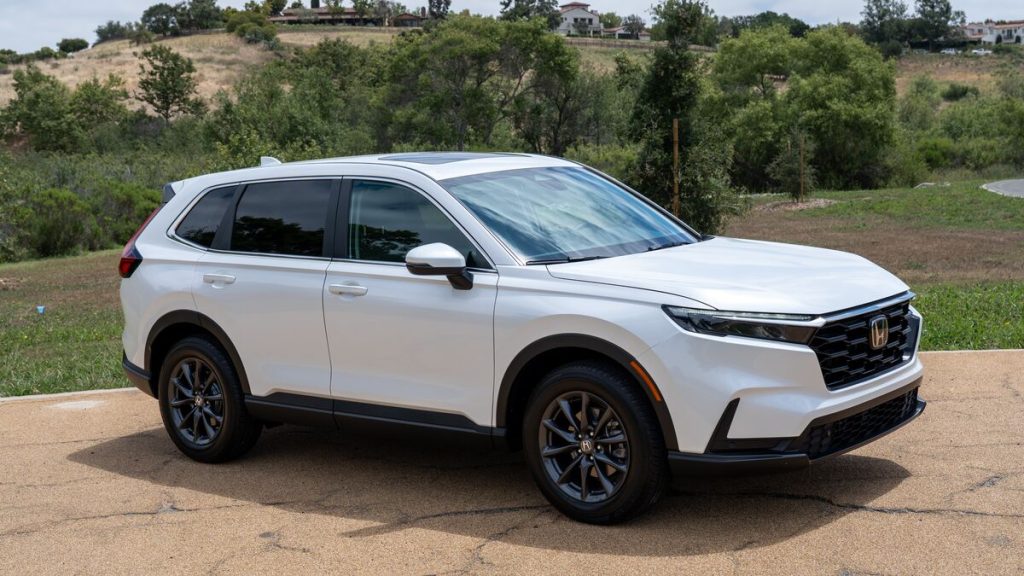
While Hyundai’s warranty provides peace of mind during the early years of ownership, Honda’s long-term durability and resale performance create greater financial confidence over the life of the vehicle.
For buyers planning to own their SUV for many years, the CR-V continues to represent one of the safest investments in the segment.
Winner: Honda CR-V
Why It Wins: Stronger reliability reputation and higher resale value reduce long-term ownership costs.
Comparison Scorecard
| Category | Winner | The Edge |
|---|---|---|
| Exterior Design And Road Presence | Hyundai Tucson | Bold styling creates a stronger visual impact |
| Interior Comfort, Passenger Space, And Cabin Quality | Honda CR-V | Larger cabin and class-leading passenger space |
| Technology, Infotainment, And Safety Features | Hyundai Tucson | More advanced technology and richer digital features |
| Performance, Fuel Economy, And Driving Experience | Honda CR-V | Better ride refinement and more balanced driving dynamics |
| Cargo Space, Family Practicality, And Everyday Usability | Honda CR-V | Superior cargo capacity and interior flexibility |
| Reliability, Ownership Costs, And Long-Term Value | Honda CR-V | Better long-term reliability and stronger resale value |
Also Read: CR-V vs. RAV4 vs. Rogue & Which Is Better?
