
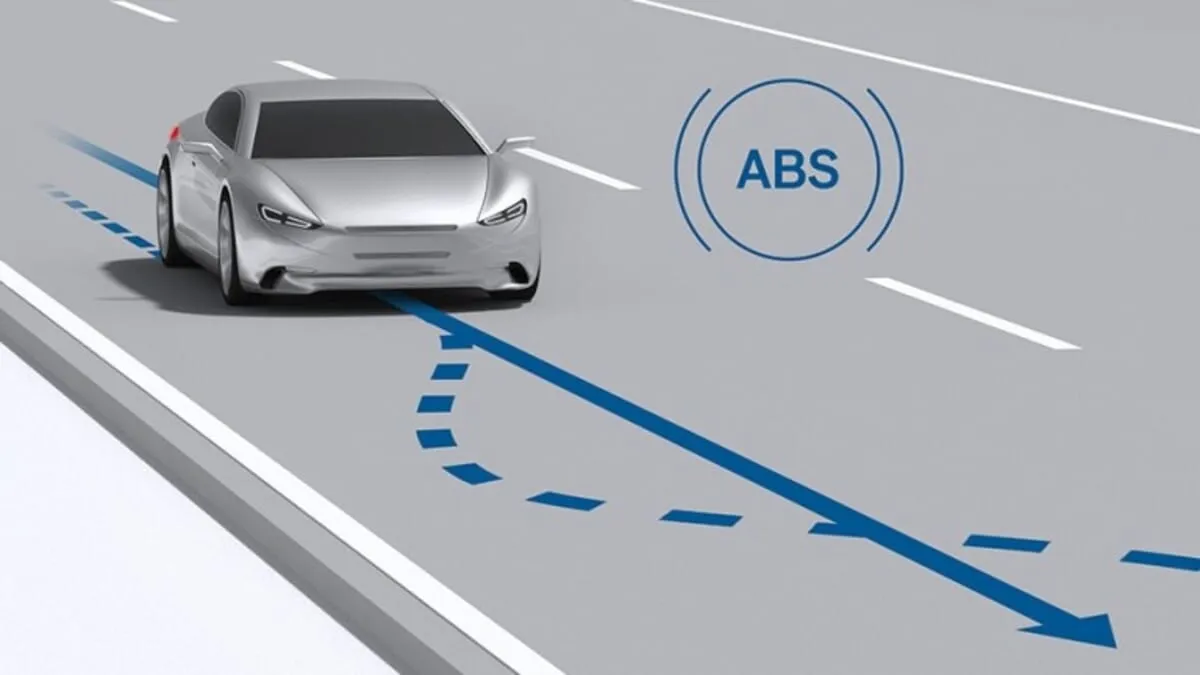
The Anti-lock Braking System, commonly known as ABS, is one of the most important safety systems installed in modern vehicles. It helps drivers maintain control during sudden braking situations by preventing the wheels from locking up.
The ABS control module is the brain of this system, constantly monitoring wheel speed sensors and controlling hydraulic brake pressure to ensure the vehicle remains stable. When this module begins to fail, drivers may notice warning lights, braking performance issues, or electronic faults that require professional attention.
One of the most common questions vehicle owners ask is, “How much does it cost to replace an ABS control module?” The answer depends on several factors, including the vehicle’s make and model, the price of the replacement part, labor charges, and whether the module can be repaired instead of replaced.
The average cost to replace an ABS control module usually ranges from around $800 to $2,500, although some vehicles may cost less or significantly more. The replacement part itself can be expensive because the module contains advanced electronic components designed to communicate with multiple vehicle systems.
Luxury vehicles and newer models often have higher replacement costs because their ABS modules are more complex and may require additional programming after installation. In some cases, a used or refurbished module may reduce expenses, but compatibility and reliability should always be considered before choosing this option.
Understanding the reason behind ABS module failure can help vehicle owners make better repair decisions. ABS control modules can fail due to electronic damage, corrosion, wiring problems, brake fluid contamination, voltage issues, or general wear over time.
However, a warning light does not always mean the entire module needs replacement. Problems with wheel speed sensors, fuses, wiring, or other ABS components can create similar symptoms. Proper diagnosis is essential because replacing an ABS module unnecessarily can result in a costly repair that does not solve the actual issue.
The replacement process involves more than simply removing an old component and installing a new one. Technicians typically need specialized diagnostic equipment to identify the exact fault, remove the faulty module, install the replacement unit, and perform programming or calibration procedures if required.
This guide explains everything vehicle owners need to know about ABS control module replacement costs, including average prices, factors affecting the final bill, symptoms of failure, repair alternatives, and ways to reduce expenses without compromising safety.
Also Read: 10 SUVs With the Most Affordable Replacement Parts
Understanding the ABS Control Module and Its Importance
The ABS control module is a crucial electronic component that controls the operation of the Anti-lock Braking System. It works together with wheel speed sensors, brake pressure valves, and the vehicle’s computer network to manage braking conditions.
When a driver suddenly presses the brake pedal, the module receives information from sensors placed near each wheel. If it detects that one or more wheels are about to lock, it quickly adjusts brake pressure to maintain traction and steering control. This process happens within milliseconds, allowing drivers to maintain better control during emergency stops.
Modern ABS control modules are more advanced than older braking control systems. Many vehicles combine ABS functions with other safety technologies, such as electronic stability control and traction control.
Because of this integration, the ABS module may communicate with several other vehicle systems. A failure in the module can therefore affect more than just the ABS warning light. Drivers may experience issues with stability control, traction control, or other electronic safety features depending on the vehicle design.
The importance of a functioning ABS module becomes especially clear during difficult driving conditions. Wet roads, icy surfaces, loose gravel, and sudden obstacles can increase the risk of losing control while braking.
A properly working ABS system helps prevent wheel lockup and allows the driver to continue steering while braking heavily. Although experienced drivers may know how to handle some emergency situations without ABS assistance, modern vehicles rely heavily on electronic braking systems to improve safety.
ABS control modules are built to last for many years, but they are not immune to failure. Exposure to moisture, extreme temperatures, electrical problems, and contaminated brake fluid can gradually damage internal components.
Average Cost of ABS Control Module Replacement
The cost of replacing an ABS control module varies widely depending on the vehicle and repair method. On average, most drivers can expect to pay between $800 and $2,500 for a complete replacement.
This estimate usually includes the cost of the replacement module, labor charges, diagnostic testing, and any required programming. However, some vehicles may have replacement costs below this range, while high-end or specialized vehicles can exceed it.
One of the biggest factors affecting cost is the price of the ABS module itself. New original equipment manufacturer modules are usually the most expensive option because they are designed specifically for a particular vehicle.
Depending on the manufacturer, a new ABS control module may cost anywhere from several hundred dollars to well over $1,500. Vehicles with advanced braking technology often require more expensive modules because they contain more sophisticated electronics.
Labor costs also influence the final replacement price. Replacing an ABS module requires careful removal and installation, and technicians often need diagnostic equipment to complete the process.
Some vehicles require the braking system to be properly bled after installation to remove trapped air from the hydraulic system. If programming or software updates are necessary, additional labor time may be added to the repair bill.
Also Read: 10 Heaviest Pickup Trucks Ever Built & Ranked by Weight
Factors That Affect the Cost of Replacing an ABS Control Module
Several factors determine how much you will pay to replace an ABS control module, and understanding them can help you prepare for the repair bill. Vehicle make and model play the biggest role because every manufacturer designs its braking system differently.
Economy cars often use simpler ABS units that are less expensive to replace, while luxury vehicles, performance cars, and large SUVs typically have more advanced braking systems that require costly components. The availability of replacement parts also affects pricing.
Modules for common vehicles are generally easier to find, while rare or discontinued models may require special orders or refurbished parts.
The choice between original equipment manufacturer parts and aftermarket or rebuilt modules also influences the total cost. Original equipment manufacturer parts are designed specifically for the vehicle and usually offer the highest level of compatibility and reliability.
However, they are often the most expensive option. Aftermarket and rebuilt modules can reduce repair costs significantly, but their quality depends on the manufacturer and the rebuilding process. Choosing a reputable supplier with a solid warranty is important when considering these alternatives.
Labor charges vary depending on the repair shop, the complexity of the replacement procedure, and local labor rates. Some vehicles allow relatively easy access to the ABS module, making installation straightforward.
Others require technicians to remove several surrounding components before reaching the module, increasing labor time. In addition, some vehicles require the brake hydraulic system to be bled after installation, adding further labor and ensuring the braking system operates correctly.
Signs That Your ABS Control Module May Need Replacement
The most common indication of an ABS control module problem is the ABS warning light appearing on the dashboard. While this light does not automatically mean the module has failed, it signals that the Anti-lock Braking System has detected a fault that requires attention.
Diagnostic testing is necessary to determine whether the issue involves the module itself or another component, such as a wheel speed sensor or damaged wiring.
Drivers may also notice changes in braking performance. During hard braking, the wheels may lock instead of pulsing as they normally would with a functioning ABS system.
This can reduce steering control during emergency stops, particularly on wet or slippery roads. Although the standard braking system may continue to function, the loss of ABS protection increases the risk of losing vehicle control under certain driving conditions.
Another symptom is the simultaneous illumination of multiple warning lights. Because the ABS control module often communicates with the traction control and electronic stability systems, a failure can trigger warning indicators for these systems as well.
Some vehicles may also display warning messages related to brake assist or other advanced safety features. Multiple warning lights appearing together usually indicate that the problem extends beyond a simple sensor fault.
Inconsistent ABS operation can also suggest a failing control module. Drivers may experience unexpected ABS activation during normal braking, hear unusual clicking sounds from the ABS unit, or notice inconsistent brake pedal feedback.
These symptoms often occur when the module processes incorrect information or fails to regulate brake pressure properly. Such behavior should be inspected promptly because it may affect braking performance.
